Forged Pistons STI: The Ultimate Buyer's Guide - Crawford Performance

Forged Pistons STI: The Ultimate Buyer's Guide

There's a certain anxiety that can come with owning a modified STI. Every time you push the throttle, a small part of you might worry about the limits of the stock engine. The goal of any good build should be to replace that worry with confidence. Upgrading to the forged pistons STI engines need for durability is the single best way to achieve that peace of mind. This modification reinforces your engine's core, allowing it to safely handle the stress of increased power. It transforms your car from something you have to be careful with into a machine you can truly enjoy.


Crawford Performance CTA Button

Key Takeaways

  • Prioritize Forged Internals for Serious Power: To safely push your STI past factory limits, forged pistons are non-negotiable. They eliminate the engine's most common failure point, creating the necessary foundation to reliably handle aggressive tunes, higher boost, and power goals exceeding 600 HP.
  • Rely on Professional Installation and Tuning: A forged piston upgrade requires more than just parts; it demands expertise. Precise measurements for piston-to-wall clearance are critical for engine health, and a professional ECU tune is essential to safely unlock power and protect your investment.
  • Strengthen the Entire System, Not Just One Part: Forged pistons are only one piece of the puzzle. To support the increased power and stress, you must also upgrade connecting rods, the fuel system, and the cooling system to prevent bottlenecks and ensure your entire engine setup is balanced and reliable.

Why Your STI Needs a Forged Piston Upgrade

If you’re planning to push your Subaru STI beyond its factory limits, you need to start with a strong foundation. Stock engines are great for daily driving, but they have their breaking point. Forged pistons are specifically designed to handle the extreme heat and pressure of a high-performance engine, making them one of the most critical performance parts for any serious build.

Think of them as the heart of your engine's power potential. When you increase horsepower with a bigger turbo or more aggressive tuning, the internal components face incredible stress. Forged pistons provide the structural integrity needed to manage that extra force reliably, preventing catastrophic failures like cracked pistons. This upgrade is a cornerstone of many high-horsepower Subaru STI Upgrades and is essential for anyone looking to build an engine that is both powerful and durable.

Are Forged Pistons Just for the STI?

While the STI often gets the spotlight for its highly tunable EJ25 engine, the truth is that forged pistons are a valuable upgrade for a much wider range of Subaru models. The same principles of strengthening the engine's core to handle more power apply across the lineup. If your goal is to significantly increase performance, you'll eventually meet the limits of the stock components, regardless of whether you're driving an STI, WRX, or even a Forester. This modification isn't about exclusivity; it's about building a reliable foundation for power, a goal shared by enthusiasts driving various Subarus.

Compatibility with Other Subaru Models (WRX, BRZ, Forester)

Forged pistons are absolutely not exclusive to the STI. In fact, they are a common and highly recommended upgrade for other popular models, including the WRX and Forester. Many of these vehicles are equipped with the capable EJ20 or EJ205 engines, which respond incredibly well to performance modifications. Just like their STI counterparts, these engines benefit immensely from the added durability of forged internals. This upgrade allows owners to push their cars well beyond factory specifications with confidence, making it a popular choice for anyone serious about their WRX upgrades or building a surprisingly quick Forester.

Engine-Specific Considerations: EJ20 vs. FA20F

When planning an engine build, it's vital to consider your specific engine platform. The older EJ20 series, with its long history in motorsport, has a well-documented path for building power, and forged pistons are a cornerstone of that process. In contrast, the newer FA20F engine found in models like the BRZ and modern WRX presents different engineering, but the need for strength remains the same. Forged pistons for the FA20F are designed to handle the unique stresses of modern direct-injection and turbocharging systems. Regardless of whether you have an EJ or FA series engine, investing in high-quality performance parts is the key to achieving your goals reliably.

Forged vs. Cast Pistons: What's the Difference?

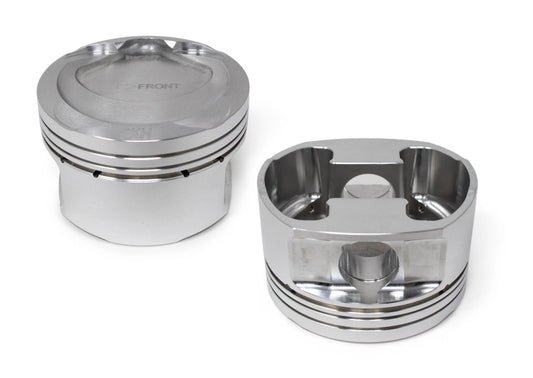
The key difference between forged and cast pistons comes down to how they’re made. Cast pistons are created by pouring molten aluminum into a mold, which is a quick and inexpensive process. However, this can create microscopic voids and an inconsistent grain structure, making them more brittle. Forged pistons, on the other hand, are created from a solid billet of aluminum that is heated and then stamped or pounded into shape under immense pressure. This process aligns the metal’s grain structure, resulting in a component that is significantly denser and stronger, capable of handling much more abuse inside your engine.

The Forging Process: How Strength is Made

Forged pistons begin their life as a solid piece, or billet, of high-grade aluminum alloy. This billet is heated to a specific temperature and then forced into shape using a die under thousands of tons of pressure. This intense forging process compresses the aluminum, aligning its grain structure and eliminating the microscopic imperfections often found in cast parts. The result is a piston that is incredibly dense and up to 40% stronger than a standard cast equivalent. This inherent strength is what allows forged performance parts to reliably withstand the violent forces inside a high-horsepower engine, giving you the confidence to push your STI to its limits without fear of component failure.

Manufacturing Precision and Tolerances

While the forging process creates a stronger foundation, the final machining is what ensures flawless performance. After forging, each piston is precision-machined to exact specifications, a critical step where tolerances are measured in ten-thousandths of an inch. This precision guarantees a perfect fit within the cylinder bore, which is essential for proper sealing, heat transfer, and oil control. Unlike cast pistons, which can have inconsistencies from the molding process, forged pistons offer unparalleled consistency and balance. This level of manufacturing precision is vital for a smooth-running, reliable engine and is a key reason why a professional build and a corresponding ECU tune are necessary to get the most out of your investment.

Why Piston Strength Matters for Your Build

That superior strength directly translates to on-road performance. A stronger piston can withstand higher cylinder pressures, which means you can run more aggressive engine tuning and higher levels of pressure from your turbocharger without risking engine damage. With stock cast pistons, you’re always limited by their structural weakness; pushing them too hard can lead to cracked ringlands or a complete piston failure. By upgrading to forged pistons, you remove that weak link, giving you the confidence to extract maximum power from your STI while maintaining engine reliability under the most demanding track or street conditions.

Common Myths About Forged Pistons, Debunked

There are a few persistent myths about forged pistons that can cause hesitation. One of the biggest is that they all require massive piston-to-wall clearance, leading to "piston slap" or excessive noise when the engine is cold. While this may have been true for older designs, modern forged pistons use advanced aluminum alloys that control thermal expansion much more effectively. Another misconception is that forged pistons expand dramatically more than cast pistons. In reality, the expansion difference is minimal, and a skilled engine builder can set precise clearances for quiet, reliable operation from the moment you turn the key.

What You'll Gain from a Forged Piston Upgrade

Upgrading to forged pistons is one of the most significant steps you can take to build a powerful and reliable Subaru STI engine. While the stock pistons are fine for daily driving, they become a critical weak point when you start pushing for more power. A forged piston upgrade provides the foundation your engine needs to handle aggressive modifications, giving you both incredible performance and the confidence to use it. Let's explore the key advantages you'll gain.

Build for Big Power (600+ HP)

If your goal is to make serious power, stock cast pistons simply won't cut it. They are the primary bottleneck that prevents the EJ257 engine from reaching its full potential. Forged pistons are engineered to withstand immense force, allowing your engine to safely handle over 600 horsepower. This strength gives you the freedom to install a larger turbo, run higher boost, and switch to more potent fuels like E85 without worrying about catastrophic engine failure. By investing in a set of quality forged Subaru engine internals, you’re not just adding a part; you’re preparing your engine for a whole new tier of performance.

Get Unmatched Durability and Heat Resistance

The intense heat and pressure inside a high-output engine can quickly destroy a stock piston. The manufacturing process for forged pistons creates a dense, uniform grain structure that is far stronger and more resilient than that of a cast piston. This superior construction allows them to manage heat much more effectively. For example, Crawford Performance pistons are designed with a special forged aluminum that improves cooling by 60% compared to cast iron, significantly lowering engine temperatures. This thermal stability prevents detonation and ensures your engine runs efficiently and reliably, even during demanding track sessions or spirited driving.

Proven Durability in High-Horsepower Engines

When you start pushing past 400 horsepower, the stock cast pistons in your STI become a liability. They simply weren't designed for that level of stress and can fail spectacularly. Forged pistons are the definitive solution. The forging process creates a component that is about 40% stronger than its cast equivalent, providing the structural integrity needed to handle immense power reliably. This isn't just a theoretical benefit; these are the kinds of performance parts that have been tested in the most extreme conditions, proven to endure over 500 drag races in engines making more than 1,200 horsepower. This upgrade replaces the engine's weakest link with a component built for pure strength.

Advanced Heat Dissipation and Thermal Barriers

Beyond raw strength, forged pistons offer superior thermal management, which is critical for engine longevity. The dense grain structure of a forged piston dissipates heat far more efficiently—about 60% better than cast iron—which can lower piston temperatures by as much as 50°F. This reduction in heat helps prevent detonation, protects the piston rings, and maintains stable performance during long track days or aggressive street driving. By effectively managing heat, you ensure that your engine can handle the demands of higher boost and more aggressive tuning, making it a foundational part of any serious Subaru STI Upgrades plan.

Increase Engine Reliability When It Counts

One of the most common failures in modified STI engines is a cracked piston ringland, often caused by increased cylinder pressure from higher boost. Forged pistons provide the structural integrity needed to prevent this and other stress-related failures. They are built to endure the repeated abuse of aggressive tuning and high-rpm driving, giving you peace of mind when you’re pushing your car to its limits. This upgrade is essential for long-term engine health, transforming your motor into a robust powerhouse that can consistently handle the demands of any high-performance application. Explore our full range of performance parts to build a truly resilient engine.

Enjoy Sharper, Faster Engine Response

While forged pistons are primarily known for strength, they are also key to achieving quicker engine response. The real magic happens during the tuning process. Because forged pistons can handle much more aggressive parameters, your tuner can optimize the ECU calibration for faster spool and sharper throttle input. With the safety net of a forged bottom end, you can run more advanced ignition timing and fine-tune air-fuel ratios to get the most out of your setup. This results in an engine that feels more alive and responsive across the entire powerband. To realize these gains, professional engine tuning services are essential after installation.

Which Forged Piston Brands Are Best for an STI?

Once you’ve decided to upgrade, the next step is choosing the right brand for your build. The market is full of excellent options, but a few names consistently stand out for their quality, performance, and reliability in the Subaru community. Your choice will depend on your specific power goals, driving style, and budget. Whether you're building a high-horsepower track machine or a durable daily driver that can handle more boost, there’s a forged piston set designed to meet your needs. Let's look at some of the top contenders that have earned their reputation for strengthening the heart of the EJ257 engine.

Crawford Performance Forged Pistons

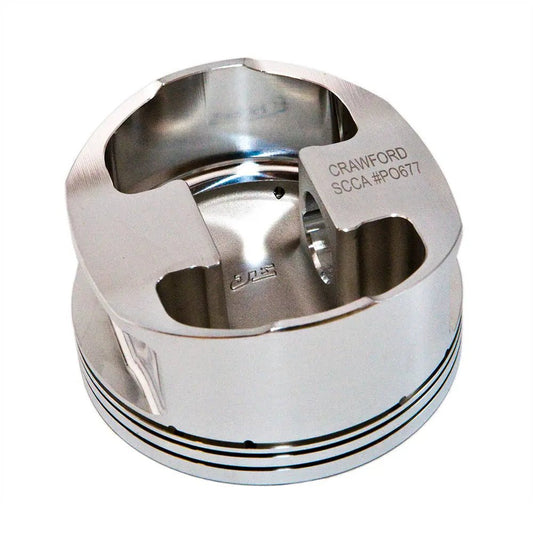
When it comes to Subaru performance, we know what it takes to build a reliable engine because we do it every day. Our Crawford Performance forged pistons are engineered specifically to enhance the structural integrity of your STI's engine block. Upgrading is essential for anyone planning to run higher boost levels or a more aggressive tune, as it provides a robust defense against common failures like cracked ringlands. We designed these pistons to give you the confidence to push your vehicle harder, knowing the core components can handle the stress. They are a foundational part of our proven engine tuning services and high-performance builds.

Wiseco Performance Pistons

Wiseco is a name that frequently comes up in performance circles, and for good reason. Renowned for their exceptional durability, Wiseco pistons have become a favorite choice among Subaru enthusiasts looking for a reliable upgrade. These pistons are engineered to withstand the intense heat and pressure of high-output applications, ensuring your STI can manage increased power without sacrificing long-term reliability. Many builders trust Wiseco for their proven track record in various motorsport disciplines. The general consensus in the community is that they offer a great balance of strength and performance, making them a solid option for both street and track Subaru STI upgrades.

JE Pistons Custom Options

For builders with a highly specific vision, JE Pistons offers a level of customization that is hard to match. While they produce excellent off-the-shelf options, their standout feature is the ability to create custom pistons tailored to your engine's unique requirements. This is ideal for non-standard builds where you might need a specific compression ratio, bore size, or pin diameter to achieve your performance goals. This bespoke approach ensures that your pistons are perfectly matched with your other components, creating a truly optimized setup. If you're building an all-out race engine or have very particular specifications, JE's custom options provide the precision you need.

The JE Ultra Series Advantage

For builders aiming to get every last bit of performance from their Subaru STI, the JE Ultra Series pistons are a standout choice. One of their biggest strengths is the incredible level of customization they offer. JE Pistons allows you to tailor pistons to your engine's exact needs, whether you require a specific compression ratio or a unique bore size. This bespoke approach is crucial for high-level builds, as it guarantees your pistons work in perfect harmony with other Subaru STI Upgrades, creating a truly optimized and balanced engine.

Beyond customization, the Ultra Series incorporates advanced engineering, like a thermal barrier coating on the piston crown to manage heat more effectively. This is a game-changer in high-performance applications where extreme temperatures can lead to engine damage. This innovative design not only makes the pistons more durable but also contributes to better overall engine efficiency. The combination of custom specifications and advanced thermal management makes the JE Ultra Series a smart investment for anyone serious about building a powerful and reliable engine with top-tier performance parts.

CP Pistons High-Performance Solutions

CP Pistons are engineered with one primary goal in mind: to handle serious power. They are designed specifically for the demands of high-performance and racing applications, providing the strength and reliability required for aggressive STI builds. The design of CP Pistons focuses on maximizing engine output while maintaining the durability needed to survive under extreme conditions. This makes them an excellent choice for dedicated track cars or high-horsepower street machines that will be pushed to their limits. If your build plan involves a large turbo and a goal of making significant power, CP Pistons offers a solution engineered to take the abuse and keep performing.

Manley Performance Pistons

Manley is another heavyweight in the world of engine internals, known for its precision engineering and robust components. For STI owners, Manley pistons represent a trusted path to building a stronger, more capable engine. They offer a clear progression in their product line, allowing you to select a piston that directly matches the intensity of your build. Whether you're aiming for a significant power increase for a street car or constructing a dedicated track monster, Manley provides solutions that are proven to perform under pressure. Their reputation is built on reliability, making them a go-to choice for builders who demand quality components that won't let them down.

Platinum vs. Extreme Duty Series

The choice within Manley's lineup often comes down to the Platinum Series versus the Extreme Duty Series. The Platinum Series is the ideal upgrade for most high-performance street and track builds, offering a fantastic balance of strength and reliability for engines making significant power. For those pushing the absolute limits, the Extreme Duty Series is the answer. Engineered for competition-level stress and horsepower goals exceeding 600 HP, these pistons feature advanced design elements to handle extreme cylinder pressures and heat. Upgrading to either series provides the essential structural integrity your engine needs, turning it into a reliable powerhouse. Choosing between them simply depends on how far you plan to push your build.

How to Choose the Right Forged Pistons for Your STI

Choosing the right forged pistons for your STI build is about more than just picking a brand off the shelf. It’s a critical decision that directly impacts your engine’s power potential, durability, and overall reliability. To get it right, you need to match the piston's specifications to your specific performance goals, whether you're building a daily driver with extra punch or a dedicated track machine.

Making an informed choice means looking closely at four key factors: the material and alloy, the compression ratio, the bore size and fitment, and the wrist pin design. Each of these elements plays a vital role in how the piston performs under the extreme stress of high boost and aggressive driving. Getting any one of them wrong can compromise your entire engine build. We’ll break down exactly what you need to look for in each of these areas to ensure you select a set of pistons that will serve as the rock-solid foundation for your high-performance Subaru engine.

Choosing the Right Piston Material

The foundation of any great forged piston is the material it’s made from. For high-performance applications like a modified STI, you’ll want pistons crafted from a high-strength aluminum alloy. The most common and trusted option is 2618 alloy, which is known for its excellent durability and resistance to high temperatures and pressures. This strength is what allows the piston to withstand the intense forces inside a turbocharged engine without failing.

Equally important are the wrist pins that come with the piston set. These small but mighty components connect the piston to the connecting rod and endure incredible stress. Look for kits that include wrist pins made from robust materials like Chrome Moly or tool steel, as they provide the reliability needed to keep your engine running strong under load. High-quality performance parts will always use superior materials.

Understanding Compression Ratio

The compression ratio is a critical specification that dictates how much the air-fuel mixture is compressed in the cylinder before ignition. When you upgrade to forged pistons, you gain the structural integrity needed to handle higher boost levels and more aggressive tuning without risking catastrophic failure, like cracked stock pistons.

Choosing the right compression ratio depends entirely on your build goals. A lower compression ratio is generally better for high-boost applications, as it helps prevent detonation. A higher compression ratio can offer better throttle response and off-boost power, making it a good choice for street or naturally aspirated builds. It’s essential to select a ratio that aligns with your intended use and fuel type to maximize performance safely.

Getting the Bore Size and Fitment Right

Precision is everything when it comes to engine internals. Proper fitment of your forged pistons is non-negotiable for ensuring optimal performance, preventing premature wear, and securing the longevity of your engine. The bore size of the piston must perfectly match the diameter of your engine’s cylinders. While most aftermarket forged pistons are designed with a standard clearance in mind, you should never assume they are a perfect drop-in fit.

For the best results, always consult the manufacturer's specifications for the exact measurements. It’s highly recommended to have a professional machine shop measure each piston and cylinder to guarantee a precise fit. This meticulous process ensures the correct piston-to-wall clearance, which is vital for engine health. Proper installation and measurement are key components of expert engine tuning services.

Why Wrist Pin Design Matters

While the wrist pin’s material is important, its design and the design of the piston that holds it are just as crucial. The forging process creates a dense, uniform grain structure in the aluminum, making the entire piston—including the wrist pin bosses—incredibly strong. This inherent strength is essential for managing the violent forces generated during the combustion cycle in a high-horsepower engine.

A well-designed piston and wrist pin combination ensures that these forces are transferred smoothly from the piston crown to the connecting rod without failure. In a performance build, every component has to work in harmony. Upgrading your STI with a set of high-quality forged pistons is a foundational step in building a powerful and reliable engine, making it one of the most important Subaru STI upgrades you can make.

Selecting the Perfect Compression Ratio for Your Build

Choosing the right compression ratio is a critical decision when building your STI's engine. It’s the measure of how much the air-fuel mixture is squeezed before ignition, and this single number heavily influences your engine's character, affecting power, throttle response, and reliability. There isn’t one “best” ratio; the ideal choice depends entirely on your goals. Are you building a reliable daily driver, a weekend track weapon, or a high-boost monster? Let's break down the ideal ranges for each application to help you decide.

Street Performance: 8.5:1 to 9.5:1

If your STI is your daily driver or a spirited street car, a compression ratio between 8.5:1 and 9.5:1 is the sweet spot. This range offers an excellent balance of responsive power and long-term reliability, giving you crisp throttle response without pushing the engine to its limits. It’s durable enough for daily use while providing a significant performance gain. Pairing this ratio with quality forged pistons ensures your engine can handle the added stress from tuning and other Subaru STI Upgrades, giving you peace of mind.

Track-Focused Builds: 9.0:1 to 10.0:1

For a track-focused build where every tenth of a second matters, a higher compression ratio of 9.0:1 to 10.0:1 delivers a serious competitive edge. This setup allows for more aggressive tuning, maximizing power output and sharpening engine response for corner exits. This approach demands precision, as the increased cylinder pressures and heat require perfectly matched components. Proper engine tuning services are essential to safely extract that potential power and keep your engine healthy lap after lap.

High-Boost Turbo Setups: 8.0:1 to 8.5:1

When your goal is to run high boost for maximum horsepower, a lower compression ratio in the 8.0:1 to 8.5:1 range is the way to go. This setup provides a greater margin of safety against detonation (engine knock), the enemy of any high-powered turbo engine. Lowering the static compression creates more room to force air and fuel into the cylinders with a larger turbo, allowing for much higher boost. As you add power with bolt-on performance parts, stock pistons become the weakest link, making forged pistons a non-negotiable upgrade.

How Much Do Forged Pistons Cost?

Planning your engine build means getting real about the budget. Upgrading to forged pistons is a significant investment, but it's one of the most critical steps for building a reliable, high-power STI. The cost can vary quite a bit depending on the materials, design, and brand you choose. Understanding the different price tiers will help you select the right pistons for your performance goals without overspending. Let's break down what you can expect to pay and where you should look to source these essential components for your build. This isn't just about buying parts; it's about investing in your engine's long-term health and performance.

Entry-Level Kits: $700–$1,200

For enthusiasts just starting their engine build, entry-level forged piston sets are a fantastic upgrade over the stock cast pistons. In the $700 to $1,200 range, you can find high-quality kits that provide a major improvement in strength and durability. These pistons are typically made from strong aluminum alloys like 4032, which offers excellent wear resistance and lower thermal expansion, making it a great choice for high-performance street cars. While they might not be designed for all-out 1000+ horsepower race applications, they are more than capable of handling the increased cylinder pressures from a larger turbo and aggressive tune. This price point gives you a solid foundation for a reliable and powerful build.

Premium Piston Sets: $1,200–$2,200

When your build goals demand the absolute best, stepping up to premium performance pistons is the way to go. In this price range, you'll find pistons engineered for extreme power and durability, often made from advanced 2618 aluminum alloy. This material offers superior strength at high temperatures, making it ideal for track use and high-boost applications. These pistons often feature more advanced designs, such as optimized skirt profiles, lighter wrist pins, and specialized coatings to reduce friction. Our own performance parts are built to handle serious power reliably, reflecting the engineering that goes into top-tier components. This investment ensures your engine can withstand the stress of competitive driving.

Costs for Individual Parts and Repairs

While the forged pistons themselves are the main event, a successful engine build accounts for all the supporting players. It's easy to focus on the big-ticket items, but smaller components like piston rings, bearings, and gaskets are just as critical for long-term reliability. Budgeting for these individual parts from the start helps you create a comprehensive plan and avoids unexpected costs down the road. Thinking about these details ensures every part of your engine is ready to handle the increased power you're aiming for, creating a balanced and robust system from the oil pan to the heads.

Pricing for Piston Ring Sets

Piston rings are a perfect example of a small part with a huge job. They create the critical seal between the piston and the cylinder wall, which is essential for maintaining compression and controlling oil consumption under high pressure. For a quality set of four piston rings compatible with forged pistons, you can expect to budget around $160 to $170. This is a small price to pay for ensuring your new pistons perform optimally. If you only need to address a single cylinder, individual ring sets are also available for around $41 each. Investing in high-quality rings is a non-negotiable part of a serious build, protecting your investment and ensuring your engine makes consistent power with all your new performance parts.

Where to Buy Your Forged Pistons

Where you buy your pistons is just as important as which ones you choose. Sourcing parts from a reputable supplier ensures you receive authentic, high-quality components backed by expert knowledge and customer support. Look for companies with a long history in the Subaru performance world and a proven track record of building powerful and reliable engines. A trusted supplier can guide you on the right bore size, compression ratio, and material for your specific goals. Buying directly from a manufacturer like Crawford Performance guarantees you’re getting parts that have been rigorously tested and developed specifically for Subaru STI upgrades. This direct relationship also gives you access to the team that designed and uses these very parts in their own record-setting builds.

Installing Forged Pistons: What to Expect

Installing forged pistons is a significant step up for your STI's engine, but it's a job that demands absolute precision. This isn't like swapping out an air filter; it's an intricate process that directly impacts your engine's health and performance. Getting it right means ensuring every component is measured, matched, and assembled to exact specifications. The process involves more than just placing new parts in the engine block. It requires a deep understanding of engine mechanics, access to specialized tools for measurement, and a clean, controlled environment.

From selecting the right clearances to executing a proper break-in procedure, each step is critical. A small mistake here can lead to catastrophic engine failure down the road, turning your dream upgrade into a costly nightmare. That’s why it’s essential to understand the full scope of the installation before you begin. We’ll walk through the key considerations, from whether you should tackle this yourself to the technical details that make all the difference. This will help you make informed decisions and ensure your investment in high-quality performance parts pays off with reliability and power.

Should You DIY or Hire a Pro?

While the satisfaction of a DIY project is undeniable, forged piston installation is one area where professional expertise is non-negotiable. This job goes far beyond the scope of a typical weekend mechanic. Setting the correct clearances and tolerances for pistons, rings, and bearings requires specialized micrometers, bore gauges, and the experience to use them accurately. An expert engine builder understands the nuances of how different metals expand and contract under heat and stress.

More importantly, once the mechanical work is done, expert tuning is mandatory to calibrate your ECU. Your engine's computer needs to be reprogrammed to account for the new components and their different thermal properties. Skipping this step can lead to detonation, lean conditions, and ultimately, complete engine failure. Trusting a professional ensures the job is done right from assembly to the final tune.

Why Precision Measurement is Crucial

Upgrading to forged pistons isn't a simple drop-in replacement. Each piston and cylinder bore must be meticulously measured to ensure a perfect match. Precision is everything. The goal is to achieve the exact piston-to-wall clearance specified by the manufacturer, which allows the piston to expand to its operational size without scuffing the cylinder wall or being too loose.

This process involves measuring each piston with a micrometer and each cylinder bore with a dial bore gauge at multiple points to check for roundness and taper. The piston rings must also be filed to achieve the correct end gap. These precise measurements are fundamental to building a reliable, high-performance engine that can handle increased power without compromising its longevity. It’s this attention to detail that separates a successful build from a failed one.

The Right Way to Break In Your New Pistons

Once your engine is assembled with its new forged pistons, the work isn't over. The break-in period is a critical phase that allows the new piston rings to properly seat against the cylinder walls, creating a tight seal. A successful break-in ensures optimal compression, prevents excessive oil consumption, and extends the life of your engine. Rushing this process can permanently compromise the engine's performance and reliability.

For the first 500 to 1,000 miles, you should avoid high RPMs, heavy throttle, and prolonged idling. Vary your engine speed by driving on different types of roads, and always allow the engine to reach full operating temperature before putting it under any significant load. After the initial break-in, an oil change is recommended to remove any metal particles from the new components seating in.

Getting Piston-to-Wall Clearance Perfect

Piston-to-wall clearance (PTW) is the small gap between the piston and the cylinder wall. This space is vital because forged pistons, typically made from a different aluminum alloy than cast pistons, expand more as they heat up. The correct PTW ensures that as the piston reaches operating temperature, it expands to create a perfect seal without seizing in the bore.

Most aftermarket forged pistons require a clearance between .0025" and .004", but you must always follow the specific recommendation from the piston manufacturer. Too little clearance will cause the piston to scuff the cylinder wall and potentially seize. Too much clearance will result in "piston slap"—a rattling noise when the engine is cold—and can lead to poor ring seal and increased oil consumption. An experienced engine builder will measure everything to guarantee this clearance is perfect.

Technical infographic showing STI forged piston installation requirements including precision measurement tools, material specifications, ECU calibration parameters, and supporting system upgrades. Features detailed clearance specifications, alloy properties, fuel mapping requirements, and component upgrade recommendations for reliable high-performance engine builds.

An Alternative Path: Pre-Built Shortblocks

If the idea of tearing down your engine to the bare block feels overwhelming, you're not alone. A full engine build is a massive undertaking that requires specialized tools, a pristine workspace, and a deep well of expertise. For many enthusiasts, there’s a more practical and efficient route to achieving a durable, high-power foundation: a pre-built shortblock. This approach offers a perfect middle ground, providing a professionally assembled bottom end that’s ready for your cylinder heads and supporting components. It eliminates the most complex and risk-prone part of the engine building process, allowing you to get back on the road faster and with greater confidence in your setup.

What is a Pre-Built Shortblock?

Think of a pre-built shortblock as the core of your engine, already assembled for you. It consists of the engine block itself, complete with the rotating assembly—the crankshaft, connecting rods, and pistons—all professionally installed and measured. This is the "bottom end" of your motor, the part that handles the immense forces of combustion. By starting with a pre-built shortblock, you get a solid foundation that often includes high-performance components like forged pistons right out of the box. It’s designed to be a direct replacement for your stock bottom end, giving you a reliable base for all your other performance parts without the headache of building it from scratch.

Benefits of Choosing a Shortblock Assembly

The primary benefit of a shortblock is the massive savings in time and labor. The meticulous process of measuring clearances, balancing the rotating assembly, and setting ring gaps is already done by experienced professionals. This not only speeds up your build but also significantly reduces the risk of assembly errors that could lead to catastrophic failure. Many shortblocks are specifically designed for certain power goals and come with perfectly matched components, like forged pistons and stronger connecting rods. This gives you peace of mind, knowing the core of your engine is built to handle the power you plan to make, providing a reliable foundation for your entire build.

The Outfront Motorsports Type RA Shortblock Example

To give you a real-world example, consider the Outfront Motorsports Type RA Shortblock. This popular option is engineered to handle up to 475 horsepower and comes with upgraded forged pistons while retaining OEM specifications for everything else. It’s a perfect illustration of how a pre-built shortblock can provide a significant strength upgrade without requiring a fully custom build. For a price of around $3,500, you get a professionally assembled bottom end that eliminates the stock pistons' weakness. This makes it a versatile and reliable choice for STI owners who want to push their car beyond factory limits with confidence.

Tuning Your STI After Installing Forged Pistons

Dropping forged pistons into your engine is a major step, but the job isn’t finished once the hardware is installed. To truly capitalize on your investment and protect your engine, a professional tune is non-negotiable. Forged pistons fundamentally change how your engine breathes, combusts, and handles stress. Without recalibrating your engine’s brain—the ECU—you’re not only leaving massive amounts of power on the table, but you're also risking catastrophic engine damage.

Think of it this way: you’ve given your engine a stronger skeleton, but it still needs new instructions to learn how to use its newfound strength. This is where a comprehensive tune comes in. An expert tuner will adjust critical parameters to match your new setup, ensuring every component works in harmony. Proper engine tuning services will optimize performance, refine drivability, and secure the long-term health of your high-powered STI build. It’s the final, crucial piece of the puzzle that brings your entire build to life.

How to Adjust Your ECU and Fuel Maps

Your STI’s Engine Control Unit (ECU) is the central computer that manages everything from fuel injection to spark timing. It relies on pre-programmed "maps" to make decisions based on data from various sensors. After installing forged pistons, your stock fuel maps are no longer accurate. The engine's volumetric efficiency and thermal properties have changed, meaning the old instructions for delivering fuel are obsolete. While professional installation is crucial for setting correct clearances, expert tuning is mandatory to completely recalibrate your ECU. A tuner will rewrite these fuel maps to deliver the precise amount of fuel your engine needs under all conditions, preventing a lean condition that could lead to detonation and piston failure.

Dialing In Your Ignition Timing

One of the main reasons to upgrade to forged pistons is to handle more power, and a big part of unlocking that power comes from adjusting ignition timing. With stronger internals, your engine can withstand more cylinder pressure, allowing for more aggressive tuning. A tuner can advance the ignition timing—making the spark plug fire earlier in the compression stroke—to extract more energy from the combustion process. This must be done with extreme care, as too much advance can cause engine knock, which is destructive to any engine. The strength of your new performance parts gives your tuner the headroom to safely optimize timing for maximum horsepower and torque.

Perfecting the Air-Fuel Ratio

The air-fuel ratio (AFR) is the delicate balance between the amount of air and fuel entering your cylinders. Forged pistons provide the structural integrity to handle higher boost levels, but more boost means more air, which requires more fuel to maintain a safe AFR. Running too lean (too much air, not enough fuel) dramatically increases combustion temperatures, which can melt pistons—even forged ones. A tuner will carefully optimize the air-fuel ratio across the entire RPM range, ensuring the engine runs rich enough under boost to stay cool and prevent detonation. This step is absolutely critical for engine longevity and is a cornerstone of any reliable high-performance build.

Do You Need a New Engine Management System?

Your engine management system is the complete package of hardware and software that controls your engine. After installing forged pistons, this system needs to be updated to recognize the new performance parameters. For example, forged pistons have different thermal expansion properties than cast pistons, often requiring a longer warm-up period before you can safely push the engine hard. An updated tune can adjust idle parameters and warm-up enrichment cycles to accommodate this. It ensures the ECU is working with the new mechanical realities of your engine, creating a setup that is not only powerful but also reliable and drivable for daily use or track days.

What Else Should You Upgrade with Forged Pistons?

Dropping forged pistons into your STI's engine is a major step toward building a high-horsepower machine, but it’s not a one-and-done upgrade. Think of your engine as a team where every player has a critical role. When you strengthen one component, you expose the next weakest link. To truly capitalize on the strength of your new pistons and protect your investment, you need to reinforce the supporting cast. Failing to address other key systems can lead to bottlenecks at best and catastrophic failure at worst.

A successful high-performance build is all about balance. The increased cylinder pressures, higher heat, and greater fuel demands that come with making more power must be managed. This means looking beyond the pistons to the connecting rods that support them, the cooling system that keeps temperatures in check, and the fuel system that feeds the beast. By creating a robust and cohesive system, you ensure every component can handle the stress of aggressive tuning and demanding driving conditions, whether you're on the track or a winding back road. These supporting modifications aren't just recommended; they're essential for reliability and unlocking your engine's full potential.

Don't Forget Stronger Connecting Rods

Your engine's connecting rods are the critical link between the pistons and the crankshaft, and the stock units were never designed for the forces generated by a 600+ horsepower build. When you install forged pistons, the connecting rods must withstand significantly increased stress. Upgrading to forged performance parts provides the structural integrity to handle higher boost and aggressive tuning. This is crucial when you are pushing the limits of your engine, as forged connecting rods are built to endure the immense power you plan to make. Pairing forged pistons with equally strong forged rods creates a rock-solid rotating assembly ready for serious performance.

Bolster Your Cooling System

More power generates more heat—it’s a fundamental rule of engine building. An upgraded cooling system is essential when installing forged pistons, as they can generate more heat under higher performance conditions. The factory radiator and oil cooler can quickly become overwhelmed, leading to overheating, which can cause detonation and severe engine damage. Improved cooling helps maintain optimal engine temperatures, preventing these issues and ensuring longevity. Investing in a high-capacity aluminum radiator and an external oil cooler provides the thermal stability your engine needs to perform consistently and reliably, lap after lap.

Feed Your Engine with a Better Fuel System

As you increase airflow to make more power, your engine’s demand for fuel skyrockets. When you start adding significant power through tuning and bolt-on parts, the original fuel system may not be sufficient. Upgrading your fuel injectors and pump ensures that your engine receives the necessary fuel to match the increased airflow and power output from your forged pistons. Running lean—not supplying enough fuel—is one of the fastest ways to destroy an engine. A high-flow fuel pump and properly sized injectors are critical for maintaining a safe air-fuel ratio, which is finalized through expert engine tuning services.

Putting It All Together: Your High-Performance Forged Pistons

Installing forged pistons transforms what your STI is capable of. Whether your goal is to dominate at the track, build a reliable high-horsepower street car, or fortify your engine for the long haul, this upgrade is a foundational step. By replacing the stock cast pistons, you're setting the stage for serious performance gains and giving yourself peace of mind when you push the engine hard. Let's look at how this modification helps you achieve specific performance targets.

Build for Maximum Power and Reliability

If you're aiming for big power, stock pistons are your limiting factor. Upgrading to forged pistons provides the structural strength needed to handle higher boost and aggressive tuning, preventing issues like cracked pistons that are common with stock components. This strength allows you to safely push your engine to its full potential. With a solid foundation, you can add more air and fuel without worrying about catastrophic failure. It’s the essential first step in any serious power build, creating a reliable platform for all your other performance parts to shine.

Set New Personal Bests on the Track

Consistency is key on the track, and a reliable engine is the heart of a consistent car. Forged pistons give you the confidence to run lap after lap without holding back. Because they can withstand extreme heat and pressure, you can focus on your driving instead of worrying about engine health. However, unlocking this potential requires precision. Professional installation is crucial for setting correct clearances and tolerances, while expert engine tuning services are mandatory to calibrate your ECU for optimal performance. When done right, the result is an engine that performs predictably and powerfully every time you hit the apex.

Protect Your Investment for the Long Haul

Beyond raw power, forged pistons are an investment in your engine's future. A primary reason many STI owners upgrade to forged pistons is to prevent the notorious ringland failure that is common with stock pistons under high stress, ensuring a more reliable engine over time. This common failure point can lead to a complete engine rebuild. By installing forged pistons, you're proactively addressing this weakness and building a much more resilient motor. This makes it one of the smartest Subaru STI upgrades you can make, protecting your investment while enabling you to enjoy your car's performance without constant worry.

Related Articles


Crawford Performance CTA Button

Frequently Asked Questions

Do I really need forged pistons if I only have basic bolt-on mods? For simple upgrades like a cat-back exhaust or an intake, your stock pistons are generally sufficient. However, the moment you plan to increase boost, install a larger turbo, or switch to a more potent fuel like E85, forged pistons shift from a "nice-to-have" to a "must-have." Think of them as essential insurance for your engine's foundation, preparing it to handle the stress that comes with making real power.

I've heard forged pistons are noisy when the engine is cold. Is that still a problem? That's a common concern rooted in older piston technology. While it's true that early forged pistons required larger clearances that could cause a "slapping" sound when cold, modern designs have come a long way. Today's pistons are made from advanced aluminum alloys that manage heat expansion much more effectively. When a skilled professional installs them with precise measurements, your engine should operate quietly once it reaches its normal operating temperature.

What happens if I install forged pistons but don't get a professional tune right away? Driving your car without a proper tune after this installation is one of the fastest ways to destroy your engine. Your ECU is still operating on instructions meant for the stock components and has no idea how to manage the new hardware. This will almost certainly lead to incorrect air-fuel ratios and timing, causing detonation that can ruin your brand-new pistons and other critical engine parts. A professional tune is not an optional final step; it is an integral part of the installation process.

Besides the pistons, what are the absolute must-have supporting mods for a reliable build? To create a balanced and reliable engine, you must address the components that support the pistons. At a minimum, you should pair your forged pistons with a set of equally strong forged connecting rods, as they handle the same immense forces. Beyond that, an upgraded cooling system, including a better radiator and oil cooler, is critical for managing the extra heat. Finally, a high-flow fuel pump and properly sized injectors are necessary to meet the engine's increased fuel demands.

How do I choose the right compression ratio if I plan to use different fuels, like pump gas and E85? Your fuel choice plays a huge role in selecting the right compression ratio. If you plan to run high boost primarily on pump gas, a lower ratio (around 8.5:1) provides a safer margin against engine knock. However, if you intend to use E85, its higher octane and cooling properties allow you to safely run a higher compression ratio (like 9.5:1), which can improve throttle response and off-boost power. The best approach is to discuss your specific power goals and intended fuel use with your engine builder and tuner to select the perfect ratio for your setup.

Back to blog