EJ257 Short Block: A Guide to Performance Builds - Crawford Performance

EJ257 Short Block: A Guide to Performance Builds

If you’re planning a serious engine build for your Subaru, you’ve likely heard the term “rod knock” whispered in forums or at car meets. It’s the dreaded sound that signals the end of an engine's life. Whether you're recovering from a failure or proactively building for more power, the foundation of your project is the most critical choice you'll make. This is where the EJ257 short block comes in. It’s the heart of your engine, the core assembly that determines both your power potential and your build's reliability. This guide will walk you through everything you need to know, from understanding the stock engine's limits to choosing between an OEM unit and a purpose-built block with forged internals.

Explore Parts

Key Takeaways

  • Know Your Limits and Build Accordingly: The stock EJ257's reliability limit is around 350 wheel horsepower. Pushing past this point requires an investment in forged pistons and rods to prevent the common failure of the stock piston ringlands.
  • A Successful Build is a Complete Build: Your short block is the core, but its survival depends on a clean professional installation, quality supporting parts like head studs and gaskets, and a custom tune to safely harmonize all components.
  • Your Responsibility Starts on Delivery: Before you begin the installation, you must inspect the short block for shipping damage, verify the casting code matches your cylinder heads, and understand the seller's final sale policy.

What is an EJ257 Short Block?

What is an EJ257 Short Block?

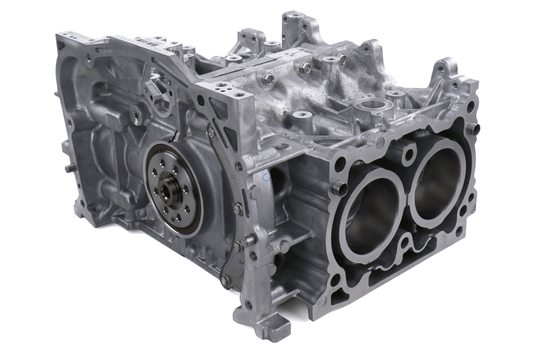
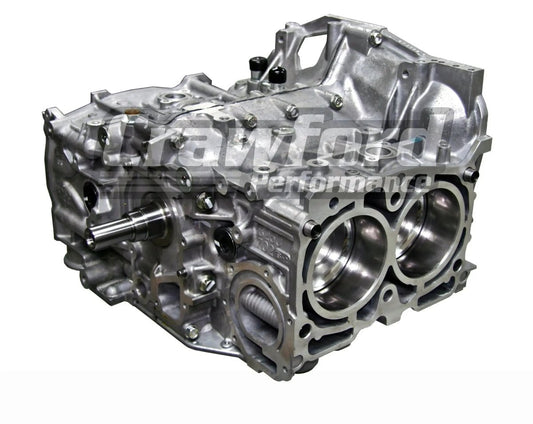
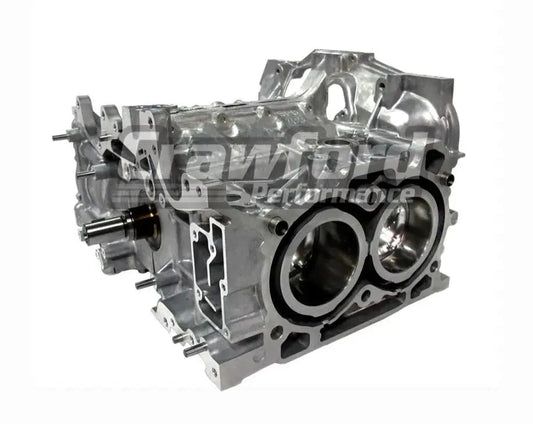
If you’re planning a serious engine build for your Subaru, you’ll hear the term “short block” a lot. Think of it as the heart of your engine—the core foundation upon which all other power-making components are built. Specifically, the EJ257 is the iconic 2.5-liter turbocharged boxer engine that has powered the Subaru WRX STI for years, becoming a legend in the performance community. A short block is a pre-assembled unit from the factory or a performance shop that includes the engine block itself (the case halves), the crankshaft, the connecting rods, and the pistons.

Starting with a fresh short block is the standard for any reliable high-horsepower build. Whether you're recovering from the dreaded rod knock or proactively upgrading to handle more power, a solid short block is non-negotiable. It provides a clean slate, ensuring the critical rotating assembly is perfectly balanced and ready to handle the stress of increased boost and aggressive tuning. This approach saves you the time and complexity of sourcing and assembling these core components yourself, letting you focus on the supporting performance parts that will complete your build.

What's Inside the Block?

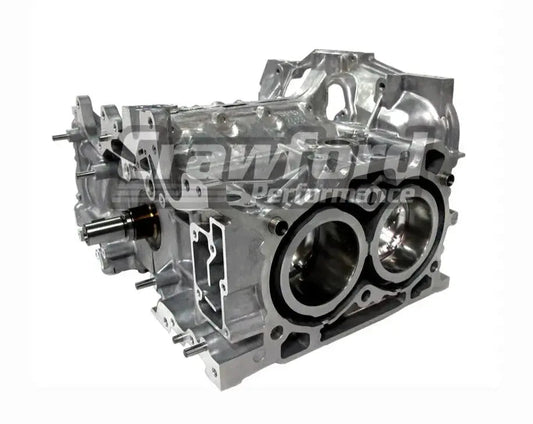
At its core, an EJ257 short block contains the fundamental components of your engine's bottom end. This includes the two aluminum engine case halves that form the main structure, the forged steel crankshaft that converts the pistons' up-and-down motion into rotation, the connecting rods that link the pistons to the crank, and the pistons themselves, which are typically cast aluminum in a stock block. These parts come assembled and are ready for you to bolt on your cylinder heads, oil pan, and other accessories. While a factory OEM block is a great starting point, performance-built short blocks take reliability to the next level with upgraded, forged internals designed to withstand much higher cylinder pressures and RPMs.

Short Block vs. Long Block: What's the Difference?

The main difference between a short block and a long block comes down to completeness. A short block is just the bottom end assembly we've discussed. A long block, on the other hand, includes the short block plus the cylinder heads, camshafts, and valvetrain components, all bolted on and ready to go. For builders, the choice depends on your goals and budget. A long block offers a more plug-and-play solution, but a short block gives you the freedom to choose your own cylinder heads and cams. This flexibility is crucial when you're planning specific Subaru STI upgrades and aiming for a setup tailored perfectly to your power goals, whether for the track or the street.

The Subaru EJ257 is a fantastic engine with a ton of potential, but it’s crucial to know its boundaries before you start adding power. Every engine has a point where stock components can no longer handle the stress of increased horsepower and torque. For the EJ257, understanding these limits is the key to building a powerful and reliable car, whether you’re aiming for a spirited daily driver or a dedicated track machine. It's easy to get caught up in chasing big horsepower numbers, but without a solid foundation, you're setting yourself up for a very expensive failure.

Pushing past these thresholds without the right supporting modifications is a recipe for disaster. The goal isn't just to make more power; it's to make that power safely and sustainably. By learning where the stock engine's weak points are, you can create a smart, strategic upgrade path that addresses each vulnerability as you increase performance. This approach saves you money and headaches in the long run, ensuring your investment results in a thrilling, dependable build that you can enjoy for years to come. Before you buy a single part, it's essential to have a clear plan based on your power goals and how the engine's stock internals will respond. Let's look at what the stock EJ257 can handle and what it takes to go beyond.

Stock Power and Boost Thresholds

Out of the box, a stock EJ257 engine is generally reliable up to about 350 wheel horsepower (whp) with a quality tune. Once you push past that number, you enter a territory where reliability starts to decline quickly. The first components to fail are almost always the pistons, specifically the piston ringlands. These small grooves hold the piston rings in place, and the factory cast pistons just aren't designed for the heat and pressure of high-boost applications. Even with perfect engine tuning services, the stock ringlands can crack under the stress of making more than 350 whp, leading to a loss of compression and major engine damage.

Pushing the Limits: Built Engine Potential

So, how do you safely exceed 350 whp? The answer lies in strengthening the engine's internal components with the right performance parts. The first step is replacing the factory cast pistons with a set of high-quality forged pistons. This upgrade alone fortifies the engine to handle more power. Once you’ve addressed the pistons, the next weak link becomes the connecting rods, which are typically safe up to around 400 whp. To go beyond that, you’ll need to install stronger aftermarket H-Beam or I-Beam rods. For builds aiming for 500 whp or more, the cylinder walls themselves require reinforcement, which is where a closed-deck block becomes essential for a reliable high-power build.

Comprehensive infographic showing EJ257 short block build specifications, including stock power limits at 350 WHP, forged component requirements, closed-deck conversion process, contamination prevention steps, and professional tuning parameters for reliable high-performance Subaru engine builds

Choosing Your EJ257: OEM vs. Aftermarket

Deciding between an OEM and a built aftermarket short block is one of the most critical choices you'll make for your Subaru. Your decision hinges on your ultimate power goals, your budget, and how you plan to use your car. An OEM block can be a solid foundation for a spirited daily driver, while a purpose-built aftermarket block is engineered to handle the extreme stress of the track or high-boost applications.

Each path has its own set of benefits regarding performance potential, component strength, and warranty coverage. Let's break down what you need to know to choose the right heart for your build.

Why Choose a Crawford Performance Short Block?

It’s a common myth that you need a fully built motor for any performance gains. The truth is, you can safely make up to 400 wheel horsepower on a brand new, genuine OEM EJ25 short block when it's paired with a professional tune and the right supporting mods. For many enthusiasts, this is the perfect balance of power and reliability for a fun street car. We offer New Subaru OEM EJ257 Short Blocks that serve as a pristine, reliable foundation. Starting with a fresh OEM block ensures you’re working with perfect clearances and brand-new components straight from the factory.

Comparing Quality and Reliability

While an OEM block is a reliable foundation, a purpose-built short block with forged components is the superior choice for handling the demands of high-performance applications. Stock pistons are cast, which makes them more brittle under the high cylinder pressures created by increased boost. A built block from a reputable engine builder replaces these with stronger, forged pistons and connecting rods. These components are designed to withstand much more abuse, making them essential for anyone pushing past the 400 WHP mark. This is where our expertise in building robust performance parts ensures your engine can handle whatever you throw at it.

Understanding Your Warranty Options

Warranty is a major consideration that offers peace of mind. Genuine OEM Subaru parts, including short blocks, typically come with a factory warranty that protects you against manufacturing defects. Aftermarket parts, on the other hand, can have warranties that vary significantly between builders, and some may not offer one at all. This is a risk you have to weigh against your performance goals. At Crawford Performance, we stand behind our work. We provide a unique 12-month/12,000-mile engine warranty on our built short blocks, giving you the confidence to push your vehicle to its limits, whether on the street or the track.

How Much Does an EJ257 Short Block Cost?

Figuring out the cost of an EJ257 short block is a key step in planning your Subaru engine build. The price tag on the block itself is just the starting point, with the final cost depending heavily on whether you choose a factory replacement or a high-performance aftermarket unit. An OEM short block provides a baseline, but for those of us aiming for higher horsepower and greater reliability, investing in a built block is the smarter path. This decision will be the single biggest factor in your project's budget and its ultimate capabilities.

When you're mapping out your finances, it's important to think beyond the initial purchase. The total investment will include the short block plus all the supporting components, fluids, and potentially labor for installation and tuning. A well-planned budget accounts for every piece of the puzzle, from gaskets and head studs to the final dyno session. This comprehensive approach ensures you can build an engine that not only meets your power goals but also stands up to the demands of the street or track without cutting corners. Let's break down what you can expect to spend and how to plan your project effectively so there are no surprises along the way.

OEM vs. Aftermarket Price Comparison

When you start shopping, you'll find that a new OEM Subaru EJ257 short block typically costs between $2,500 and $3,100. This gets you a factory-spec component, which is a solid choice for a stock replacement. However, if you're planning to add significant power, the stock internals can become a weak point. This is where aftermarket performance parts come in. A purpose-built short block with forged pistons and rods will have a higher upfront cost, but it's an essential investment for reliability under increased boost and stress. Think of it as buying insurance for your high-horsepower goals.

How to Budget for Your Engine Build

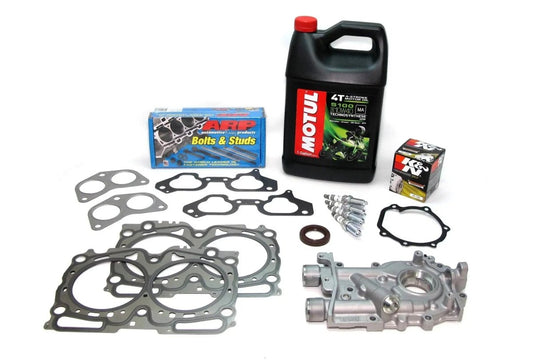
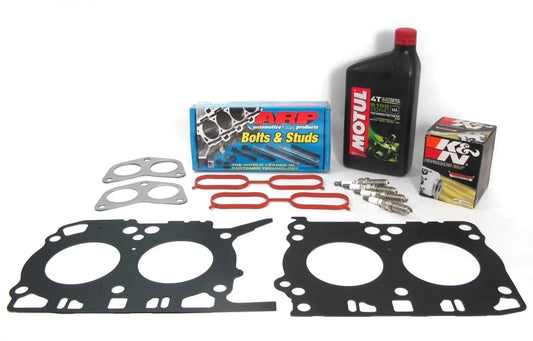
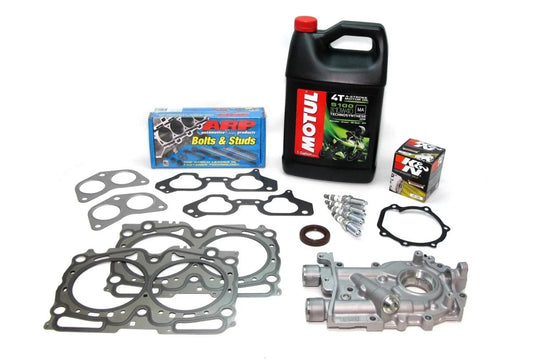
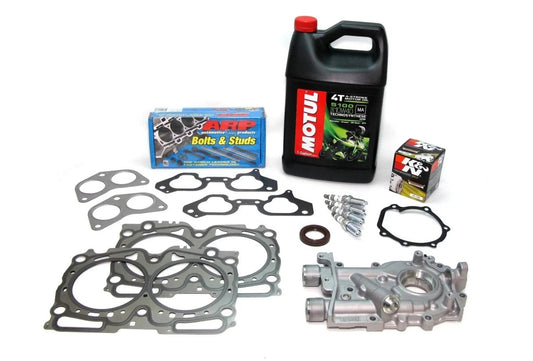
Your short block is the heart of your build, but it's not the only cost to consider. A successful engine project requires a comprehensive budget. You'll need to factor in a master gasket kit, new head studs, oil, coolant, and other essential fluids. If you aren't handling the installation yourself, shop labor will be a significant part of the expense. Most importantly, a new performance engine requires professional engine tuning services to ensure it runs safely and efficiently. Creating a detailed list of all parts and services beforehand will help you avoid unexpected costs and ensure your build goes smoothly from start to finish.

What to Know Before You Buy an EJ257

Purchasing an EJ257 short block is a major step in your performance build. It’s an exciting investment, but it also requires careful planning to avoid costly mistakes. Before you commit, there are a few critical details you need to handle. From the moment the block arrives at your door to verifying it’s the right fit for your car, being diligent will save you time, money, and a massive headache. Think of it as setting the foundation for a successful build—getting these steps right ensures everything that follows goes smoothly.

Inspecting Your Short Block on Arrival

The moment your short block is delivered, it’s time to play detective. You must check the short block for any damage or problems as soon as you get it. Don’t just sign for the package and set it aside for later. Carefully examine the packaging for any signs of rough handling, then unbox it and give the block itself a thorough inspection. Look for any cracks, dings, or scratches on the machined surfaces, especially the deck where the cylinder heads will sit. Any imperfections here could compromise your head gasket seal. Catching shipping damage early is your best defense against starting your build with a faulty component.

Understanding Final Sale and Return Policies

High-performance engine parts often come with strict purchasing policies, and it’s crucial to know what you’re agreeing to. For many suppliers, once you buy a short block, you can't return it. This final-sale policy is common in the industry, which makes your initial inspection even more important. If you do find damage upon arrival, you need to tell the seller within 24 hours of receiving it. Always read the terms and conditions before finalizing your purchase. Understanding the warranty and return process upfront protects you and ensures you’re working with a vendor who stands behind their performance parts.

How to Check Casting Code Compatibility

Not all EJ257 blocks are created equal. To ensure you get the right part for your build, you need to verify compatibility using the casting code on your original engine. When ordering, you need to tell your supplier the specific casting code of your engine, which will be something like D25, W25, or B25. This code identifies subtle but important variations between different production runs. Installing a block with the wrong casting code can lead to serious fitment issues with your heads and other components. Taking the time to find and provide this code is a simple step that guarantees the new heart of your Subaru STI is a perfect match.

Key Upgrades for Your EJ257 Performance Build

Once you have your short block, the real fun begins. Building a reliable, high-horsepower EJ257 isn't just about assembling parts; it's about making smart choices that support your power goals. The stock components are designed for factory output, and pushing them too far is a recipe for disaster. To build an engine that can handle serious power and stay together, you need to address the known weak points from the start. Two of the most critical areas to focus on are the internal rotating assembly—specifically the pistons and rods—and the structural integrity of the cylinder walls themselves. These upgrades form the foundation of any serious performance build.

Why You Need Forged Pistons and Rods

If you plan on making more than 350 wheel horsepower (whp), upgrading your pistons is not optional—it's essential. The stock cast pistons in the EJ257 are notoriously weak, particularly the ringlands, which are prone to cracking under increased cylinder pressure and heat. To safely push past that 350 whp mark, you need to install a set of high-quality forged pistons. Forging creates a much denser and stronger component that can withstand the abuse of high boost and aggressive tuning. Once you've addressed the pistons, the connecting rods are the next weak link, typically holding up to around 400 whp before they become a liability. Upgrading to forged rods provides the strength needed for a reliable build.

Options for Cylinder Wall Reinforcement

As you start pushing into the 500-550 whp range or running more than 24 psi of boost, the physical structure of the engine block itself becomes a concern. The EJ257 has an "open-deck" design, meaning the tops of the cylinder walls are unsupported. Under extreme pressure, these cylinders can flex or even crack. The solution is to reinforce them, most commonly by converting to a "closed-deck" block. This process adds material to brace the top of the cylinders, creating a much stronger and more stable platform. This is a standard feature in high-end performance parts and is crucial for anyone building a dedicated track or race engine that needs to handle significant power reliably.

Common EJ257 Issues to Address

Building a high-performance EJ257 is an exciting project, but it’s important to go in with a clear understanding of the engine's inherent weaknesses. Addressing these common issues from the start is the key to creating a powerful and reliable build that won't leave you stranded. By focusing on a few critical areas, you can fortify the engine's foundation and ensure your investment is protected for years of enjoyment, whether you're on the track or a remote trail.

The two most significant factors that can make or break your build are the quality of your internal components and the cleanliness of the assembly process. The factory parts were designed for stock power levels, and pushing them beyond their limits is a recipe for failure. Similarly, even the best aftermarket parts can be destroyed if they are installed in a contaminated environment. Taking the time to address these points properly will save you from costly repairs and major headaches down the road.

The Truth About Factory Piston Durability

The factory pistons are widely known as the EJ257’s primary weak point. Specifically, the "ringlands"—the small metal ridges that hold the piston rings in place—are notoriously brittle. When you start increasing horsepower, especially past the 350 wheel horsepower mark, these stock ringlands are often the first component to crack under the added cylinder pressure. Even with a perfect tune, they simply can't handle the stress. This is why upgrading to a set of quality forged pistons is one of the most essential steps in any serious EJ257 build. It’s a foundational upgrade that provides the strength needed to reliably handle more power from your performance parts.

The Importance of a Clean Build Environment

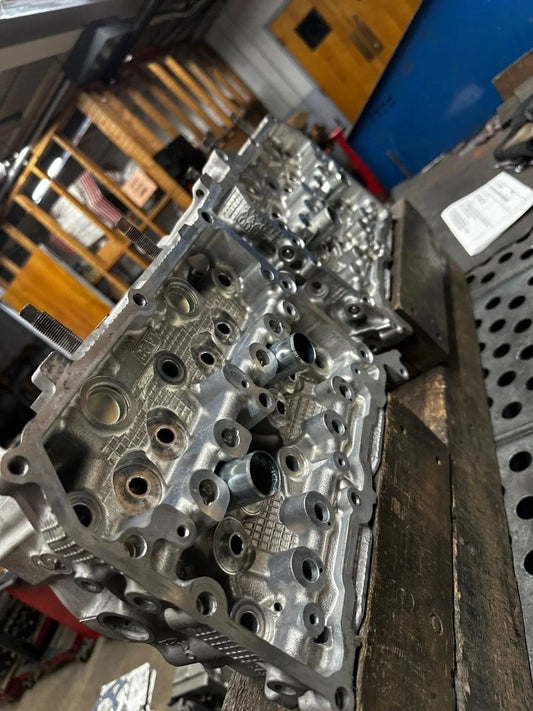
If you're replacing a failed engine, you cannot overstate the importance of a meticulously clean build process. When the old engine failed, it likely sent tiny metal fragments throughout the entire oiling system. These contaminants can hide in the cylinder heads, cam gears, oil cooler, and every oil passage. If you don't thoroughly clean every related component before installing your new short block, those metal shavings will circulate into your new engine and destroy it almost instantly. This step is non-negotiable. Professional assembly and access to the right cleaning equipment are critical to ensure your new engine has a healthy, debris-free environment to operate in, which is why expert engine tuning services are so valuable.

How to Make Your EJ257 Last

Getting a new short block is a huge step, but the work doesn't stop once the build is complete. The key to a long and healthy engine life is a combination of diligent maintenance and a realistic understanding of its limits. Whether you're aiming for a reliable daily driver or a weekend track car, how you care for your EJ257 from day one will determine its durability. Think of it as protecting your investment. A well-built engine deserves a solid maintenance plan and a smart approach to performance.

This means staying on top of the essentials, like fluid changes and regular inspections, but also understanding how your driving habits and power goals affect the engine's longevity. By following a few key principles, you can ensure your Subaru runs strong for years to come, giving you the performance you want without sacrificing reliability.

Essential Maintenance for a Long Engine Life

No matter how well your engine is built, its survival depends on a proper tune. A professional tune is the single most important step to ensure your EJ257 runs reliably, adjusting fuel and timing to match your specific setup and preventing catastrophic failures like detonation. We always recommend professional engine tuning services to dial in your vehicle safely.

Beyond the tune, consistent maintenance is your best defense against premature wear. This starts the moment your short block arrives. You must inspect it immediately for any shipping damage and report any issues within 24 hours. Once installed, stick to a strict schedule for oil changes using high-quality synthetic oil. Regularly check all fluid levels, inspect for leaks, and listen for any unusual noises that could signal a developing problem.

Balancing Daily Driving with Track Performance

It’s important to be realistic about your power goals. A stock EJ257 can handle around 350 wheel horsepower reliably with a good tune. Pushing beyond that number significantly decreases its lifespan without the right supporting modifications. If your goal is to exceed this threshold, you need to invest in stronger internal components.

The first step for higher power builds is upgrading to forged pistons and connecting rods. These parts are designed to withstand the increased cylinder pressures and stress that come with more boost. Building a powerful and reliable engine is a balancing act. You can absolutely create a high-horsepower EJ257 that you can also drive every day, but it requires a thoughtful selection of performance parts and a tune that prioritizes both power and engine safety.

Installing and Tuning Your New EJ257

You’ve invested in a high-quality EJ257 short block, and now it’s time for the most critical phase: installation and tuning. This is where your build comes to life. Getting these steps right is the difference between a reliable, high-horsepower machine and a frustrating, costly failure. Proper assembly and a precise tune are not just recommendations; they are essential for protecting your investment and unlocking the true potential of your new engine.

Why Professional Installation Matters

While it might be tempting to tackle the installation yourself, a performance engine build requires a level of precision that goes beyond a standard repair. A purpose-built short block with forged components is the foundation for serious power, and it deserves an expert’s touch. Professional builders work in meticulously clean environments to prevent contamination that can destroy bearings and cylinder walls. They also have the experience to ensure every clearance is perfect and every component is torqued to spec. This process includes installing crucial new supporting parts like an oil pump, water pump, and ARP head studs to create a truly robust engine assembly. Think of it as surgery for your Subaru—you want a specialist, not a general practitioner.

Don't Skip the Custom Tune

Dropping a built EJ257 into your car without a custom tune is a recipe for disaster. An off-the-shelf map is designed for stock hardware and cannot account for the unique characteristics of your new setup. A good tune is essential to keep your engine running reliably. When you combine high-performance parts from different manufacturers, you create a unique engine that requires a specific calibration to run safely and efficiently. A professional tuner will dial in your air-fuel ratios, timing, and boost levels to match your exact build. This final step harmonizes all your new components, and professional engine tuning services are the best way to ensure your engine delivers maximum power without compromising its longevity.

Which Subaru Models Use the EJ257?

The EJ257 is most famous for powering the legendary Subaru WRX STI, but its reach extends far beyond that single model. Its robust design makes it a popular foundation for performance builds across a wide range of turbocharged Subarus. Before you start ordering parts, one of the first and most important steps is confirming compatibility with your specific vehicle. The great news is that this short block fits more Subarus than many people realize, opening up a world of performance possibilities for owners of older WRX, Forester XT, and even Legacy GT models. Understanding the specific fitment and the potential for engine swaps is key to planning a successful and powerful upgrade.

Fitment for WRX & STI Models (2002-Present)

The EJ257 short block is a direct fit for a variety of turbocharged Subarus, making it a go-to choice for many enthusiasts. If you own one of the following models, you can use an EJ257 as the core of your performance build:

  • Subaru WRX STI (2004 - 2021)
  • Subaru WRX (2006 - 2014)
  • Subaru Forester XT (2004 - 2013)
  • Subaru Legacy GT (2005 - 2012)
  • Subaru Outback XT (2005 - 2009)
  • Subaru Baja Turbo (2002 - 2006)

This broad compatibility makes sourcing parts for your Subaru WRX upgrades straightforward, allowing you to focus on building a reliable and powerful engine tailored to your goals.

What to Know About Engine Swaps

Many builders wonder if they can mix and match parts between different EJ series engines, and the answer is often yes. A common scenario is using the cylinder heads from an EJ255 (found in the 06-14 WRX, for example) on a new EJ257 short block. This combination is popular because the parts are compatible and work well together. In fact, using EJ255 heads with the EJ257’s pistons can result in a slight compression increase, which can contribute to better performance. However, any time you change major engine components, a professional tune is critical. Proper engine tuning services will ensure your new setup runs safely and delivers the power you expect.

Related Articles

Explore Parts

Frequently Asked Questions

How much power can I safely make on a stock EJ257 short block? A brand-new, stock EJ257 short block is generally reliable up to about 350 wheel horsepower when paired with a professional tune. Once you start pushing beyond that figure, the factory cast pistons, specifically the ringlands, become a significant weak point and are prone to failure under the increased stress.

Do I really need a built motor, or is an OEM short block enough? This completely depends on your goals. For a fun and reliable street car, a new OEM short block can be a perfect foundation, especially if your power target is under 400 wheel horsepower. If you're planning for more aggressive power levels or intend to use the car for track days, investing in a built short block with forged internals is the smarter choice for long-term durability.

If I'm replacing a blown engine, can I reuse my old cylinder heads? Yes, you can often reuse your cylinder heads on a new short block, but only after they have been professionally inspected and thoroughly cleaned. When an engine fails, it can send metal debris throughout the oiling system, and any contaminants left in the heads will quickly destroy your new short block. This cleaning process is a critical step that should never be skipped.

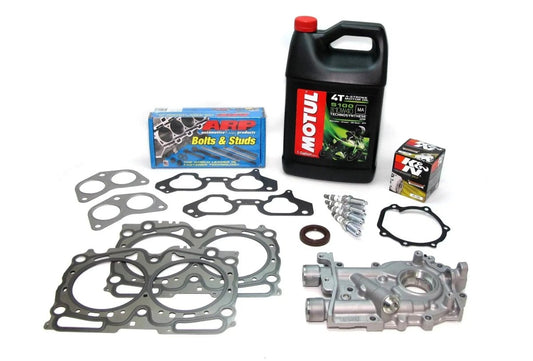
What are the most important supporting parts I'll need for my new short block installation? The short block is the core of your build, but it needs a strong supporting cast. At a minimum, you should plan to purchase a complete engine gasket kit, new ARP head studs, a new oil pump, and a water pump. These components ensure that every part of your new engine assembly is fresh and reliable, preventing issues that could compromise your investment.

Why is a custom tune so important after installing a new short block? A custom tune is absolutely essential because it calibrates your car’s computer to the exact specifications of your new engine and supporting parts. An off-the-shelf map is designed for a stock vehicle and won't safely manage the fuel, timing, and pressure requirements of your build. A professional tuner ensures your engine runs efficiently and safely, protecting it from damage while delivering reliable power.

Back to blog