6 Best Cat-Back Exhausts for the 2006 STI
Share
There’s a certain satisfaction that comes from making a car truly your own. A new set of wheels changes the look, but a new exhaust changes the entire feel of the drive. For Subaru enthusiasts, installing a quality cat-back exhaust is a rite of passage. It’s the mod that gives your car a voice, turning a quiet daily driver into a machine with character and presence. But beyond the incredible sound, it’s a legitimate performance upgrade that improves engine efficiency. This guide is designed to walk you through the entire process of choosing and installing a cat-back exhaust for your 2006 STI, ensuring you get the sound, power, and quality you’re looking for.
Key Takeaways
- It's a Foundational Performance Upgrade: A cat-back exhaust is more than just a sound modification; it's a key performance part that reduces backpressure, allowing your engine to breathe more efficiently. This results in improved throttle response and a noticeable gain in horsepower and torque, making it an ideal first step for any STI build.
- Material and Sound Define Your Choice: The right exhaust depends on your goals and budget. High-quality 304 stainless steel offers the best balance of durability and value for most drivers, while titanium provides significant weight savings for track-focused builds. Always listen to sound clips to find a tone that fits your personal style, from a deep growl to an aggressive roar.
- Plan for Compatibility and Future Power: Choose a system with a pipe diameter that matches your power goals and confirm it is compatible with your other modifications, especially the downpipe. To get the most from your new hardware and prepare for future upgrades, a professional engine tune is the essential final step.
What Is a Cat-Back Exhaust?
If you’re looking to get more out of your 2006 STI, a cat-back exhaust is one of the most effective and popular first upgrades. The name "cat-back" tells you exactly what it is: it’s the section of your exhaust system that runs from the catalytic converter back to the exhaust tip. This upgrade typically replaces the stock mid-pipe, resonator, and muffler with wider, smoother, higher-flowing components. The main goal is to make your engine work more efficiently. Think of it like helping your engine exhale. The stock system creates backpressure that restricts exhaust flow, but a performance cat-back reduces this restriction, allowing exhaust gases to escape faster. It's a common upgrade to make your STI’s engine work better, sound better, and perform better overall. It’s a fantastic way to get that iconic Subaru rumble and unlock extra power, making it a perfect starting point for many Subaru STI upgrades.
How It Differs from Other Exhaust Upgrades
When shopping for exhaust parts, you’ll see a few different terms: axle-back, cat-back, and turbo-back. An axle-back is the simplest, replacing only the muffler and tip for a sound upgrade with minimal performance impact. A turbo-back is the most comprehensive, replacing everything from the turbo to the tip for the biggest performance gains, but it's also more complex and costly. A cat-back system sits in the sweet spot, offering a significant improvement over stock by freeing up a major portion of the exhaust path. It's the best balance of cost, installation ease, and tangible results. Cat-backs improve sound with a deeper, louder tone and increase how well exhaust gases flow, giving you a noticeable performance lift.
Performance Gains for Your 2006 STI
So, what can you actually expect after installing a cat-back on your STI? These parts help your car's engine breathe better, which leads to more power and quicker response. By reducing backpressure, the turbo can spool more efficiently, and the engine doesn’t have to work as hard to push out exhaust gases. You’ll immediately notice your car has a more aggressive sound, bringing out that deep boxer rumble Subarus are famous for. The gas pedal will feel more responsive, and power will come on smoother throughout the RPM range. While every system is different, you can expect a modest but noticeable gain in horsepower and torque. To get the most from this upgrade, consider pairing it with our expert engine tuning services to fully optimize your engine’s new capabilities.
How a Cat-Back Changes Your STI's Sound, Performance, and Look
A cat-back exhaust is one of the most rewarding first mods for a 2006 STI. It’s a single upgrade that transforms your car in three key ways: its sound, its performance, and its look. This modification replaces the piping from the catalytic converter back, letting you dial in your car’s personality. Whether you want a deeper engine note, better throttle response, or a more aggressive aesthetic, a well-chosen cat-back delivers. It’s the perfect way to make your STI feel and sound uniquely yours.
Finding Your Sound: From Quiet Growl to Aggressive Roar
The sound is a huge part of the fun. A quality cat-back system amplifies your STI’s signature boxer rumble into something special. The goal is finding a sound that fits your style. Some systems offer a deep growl that’s "not too loud and not too quiet," while others are designed for an aggressive roar. I always recommend listening to sound clips of different exhausts on a 2006 STI before you buy. This gives you the best idea of the final sound profile, ensuring every drive is more exciting.
Real-World Horsepower and Torque Gains
Beyond sound, a cat-back offers real performance benefits. The stock system is restrictive, creating backpressure that chokes your engine. By replacing it with a larger, smoother-flowing cat-back, you let exhaust gases escape more efficiently. These performance parts help your engine breathe better, leading to more power and quicker response. You can expect a solid bump of 5-15 horsepower, but more importantly, it lays the groundwork for future mods like a downpipe and a professional tune.
Upgrading Your Style: Tips, Finishes, and Fitment
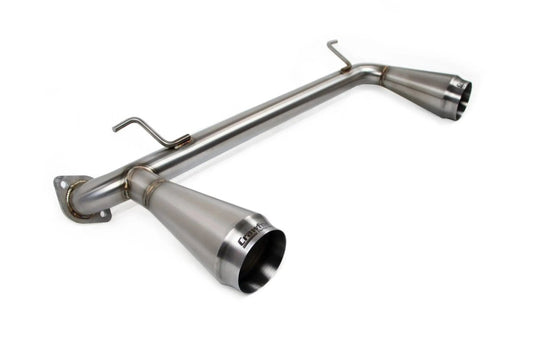
Don’t overlook the visual impact. The exhaust tips are a prominent feature, and a cat-back lets you customize that look. You can choose from different styles, like a clean single exit or a dual exit that fills the bumper cutouts. Finishes range from polished steel to burnt titanium. When choosing, select pipe sizes and tip styles that "match your setup." A quality system designed for the 2006 STI also ensures perfect fitment and alignment, giving your car a clean, factory-plus appearance.
Understanding Cat-Back Exhaust Materials
The material your cat-back exhaust is made from directly impacts its lifespan, sound, and price. Choosing the right one is about balancing your budget with your performance goals and how you use your STI. Let's break down the three most common materials you'll encounter.
Stainless Steel: The Durable All-Rounder
Stainless steel is the gold standard for most exhaust upgrades, and for good reason. It offers a fantastic mix of durability, performance, and value. You'll typically see two grades: 409 and 304. Grade 304 is the superior option, offering maximum resistance to rust and corrosion, which is exactly what you want for a car that sees all kinds of weather and road conditions. This durability means your investment will last, delivering consistent performance and sound for years. It's the go-to choice for enthusiasts looking for high-quality Subaru STI upgrades without jumping to the highest price point.
Aluminized Steel: The Budget-Friendly Option
If you're working with a tighter budget, you'll likely come across aluminized steel exhausts. This material is essentially steel coated with an aluminum-silicon alloy to help prevent rust. It's a cost-effective way to get an aftermarket sound and a small performance improvement. The trade-off, however, is longevity. Aluminized steel is more susceptible to corrosion than stainless steel, especially in regions with harsh winters where roads are salted. While it can be a good entry-level choice for drivers in milder climates, just know that it may not have the same lifespan as a stainless system.
Titanium: The Ultimate Lightweight Performer
For the ultimate in performance, titanium is in a class of its own. Its main advantage is its incredible strength-to-weight ratio. A titanium exhaust is significantly lighter than a steel one, and reducing weight is a key part of improving your car's handling, acceleration, and overall agility. This is why you often see it on professional race cars. Beyond the weight savings, titanium also produces a very distinct, high-pitched, and exotic exhaust note that many drivers love. The downside is the cost; it's the most expensive option by a wide margin. But if you're building a dedicated track car or simply want the best performance parts available, titanium is the top choice.
High-Performance vs. Standard: What's the Difference?
When you look at your 2006 STI, you see a car with incredible potential. The stock exhaust system it came with, however, was designed with a different set of priorities in mind, mainly keeping production costs down and noise levels quiet for the average driver. A standard exhaust often uses restrictive, chambered mufflers and heavy materials to meet these mass-production goals. It gets the job done quietly and efficiently for daily driving, but it acts like a bottleneck, leaving a lot of your engine's potential performance on the table.
High-performance cat-back exhausts are a different story entirely. They are one of the most popular Subaru STI upgrades because they are engineered with one primary goal: to help your engine perform better. By using higher-quality materials, larger diameter piping, and more efficient, free-flowing designs, a performance exhaust allows exhaust gases to exit the engine with much less resistance. This reduction in backpressure helps your engine breathe better, which can lead to noticeable gains in horsepower and torque. It also produces the deep, aggressive exhaust note that so many enthusiasts love. While a standard exhaust is about compromise, a performance exhaust is about unleashing your STI’s true character and sound.
Why Pipe Diameter and Mandrel Bends Matter
Think of your exhaust system as your engine’s way of exhaling. A standard exhaust pipe is often narrow and has sharp, compressed bends, which is like trying to breathe out through a pinched straw. High-performance systems fix this problem in two key ways. First, they use a larger pipe diameter, typically around 3 inches, which creates a wider path for exhaust gases to escape. Second, they feature mandrel bends. Unlike the crush-bending used in many stock systems, mandrel bending maintains a consistent pipe diameter through every curve. This smooth, unrestricted path helps your engine breathe more efficiently, leading to better throttle response and more power. To get the most out of these improvements, consider pairing them with professional engine tuning services to recalibrate your car's computer for the increased flow.
The Role of Muffler Design and Weight Reduction
The muffler is where your exhaust’s sound is born. Stock mufflers use a maze-like series of chambers to silence exhaust noise, but this design severely restricts airflow. A performance muffler, on the other hand, often uses a straight-through design with sound-absorbing packing material. This approach minimizes restriction while tuning the exhaust note to a deep, satisfying rumble without being overly loud inside the cabin. Beyond sound and flow, high-performance performance parts also offer significant weight savings. By using lightweight materials like T304 stainless steel or titanium instead of heavy mild steel, a cat-back system can shed considerable weight from your vehicle. This reduction improves your STI’s handling, acceleration, and braking, giving you a performance advantage you can feel in every corner.
Comparing Top Cat-Back Exhausts for the 2006 STI
This is where the fun begins. Choosing a cat-back exhaust is a personal decision that shapes your STI's personality. Are you looking for a deep, menacing rumble that announces your arrival, or a more refined note that hints at the power under the hood? Do you prioritize raw horsepower gains for the track, or a balanced system that’s comfortable enough for your daily commute? Each of the systems we'll cover offers a unique combination of sound, performance, and style.
We’ve selected six of the most respected cat-back exhausts on the market for the 2006 STI. This comparison will break down what makes each one special, from the materials they use to the specific performance benefits you can expect. We'll look at options from trusted names like Invidia and HKS, lightweight titanium systems from Tomei, and of course, our own expertly engineered solution. Think of this as your guide to finding the perfect voice for your vehicle. By understanding the key differences, you can confidently select an exhaust that aligns with your driving style and performance goals.
Crawford Performance
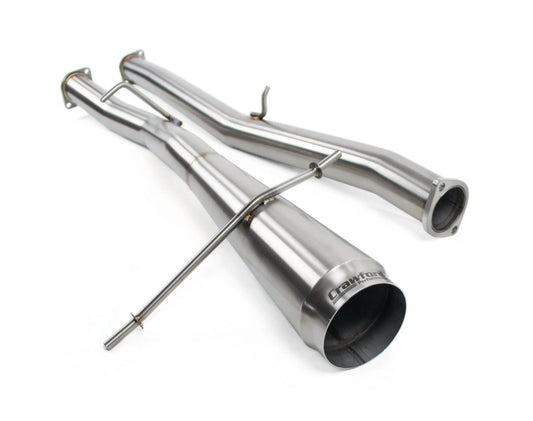
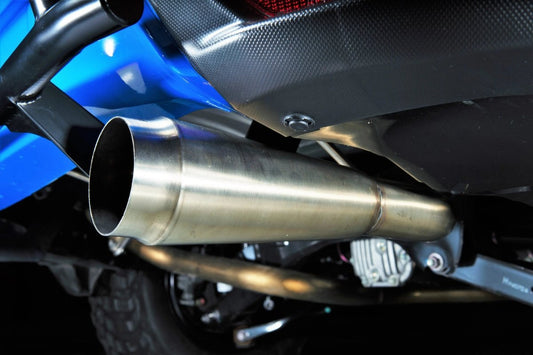
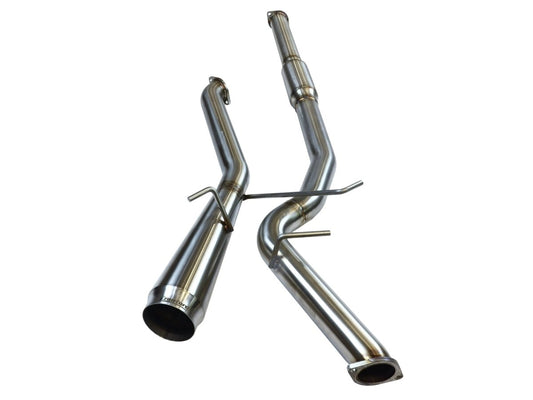
Our Crawford Performance Cat-Back Exhaust is engineered for the enthusiast who demands precision and proven results. We designed this system to maximize exhaust flow, which translates directly to improved throttle response and a noticeable increase in power. The sound is deep and aggressive, delivering that signature Subaru rumble without being overly harsh for street driving. Constructed from high-quality materials, it’s built to withstand the demands of both daily commutes and spirited track days. If you’re looking for a system that reflects decades of Subaru tuning experience and delivers reliable performance gains, this is the exhaust we proudly put our name on. It’s a direct result of our passion for building powerful and dependable Subaru STI upgrades.
Invidia Q300
The Invidia Q300 is a fan favorite for a reason: it strikes an excellent balance between performance and daily drivability. Its straight-through muffler design effectively reduces back pressure, helping you gain horsepower and torque across the powerband. What sets the Q300 apart is its sound profile. It offers a clean, sporty tone that’s louder than stock but remains relatively subdued at cruising speeds, preventing unwanted drone on the highway. Finished with polished stainless steel and stylish dual tips, it also adds a clean, modern look to your STI’s rear. This system is a fantastic choice for drivers who want a noticeable performance and sound upgrade without sacrificing everyday comfort.
Tomei Expreme Ti
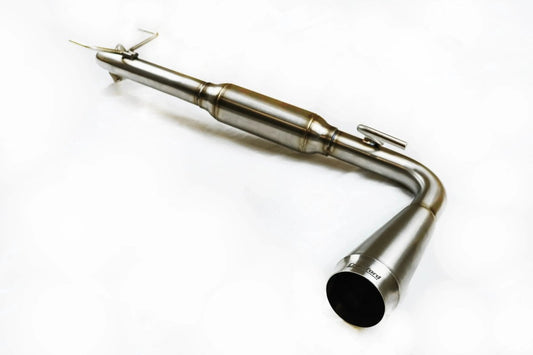
If your primary goals are maximum performance and minimum weight, the Tomei Expreme Ti is in a class of its own. Constructed entirely from titanium, this exhaust offers incredible weight savings compared to the stock system, which can improve your car's handling and acceleration. This is not a system for the faint of heart; it produces a loud, raw, and aggressive exhaust note that truly screams performance. The single-exit design is all business, prioritizing exhaust flow above all else. For track-focused drivers and enthusiasts who want the lightest possible setup and an unapologetic sound, the Tomei Expreme Ti is one of the ultimate performance upgrades you can make.
HKS Hi-Power
HKS is a legendary name in the tuning world, and the Hi-Power cat-back exhaust lives up to the reputation. This system is engineered with a straight-through layout to optimize exhaust flow, reducing back pressure for tangible horsepower and torque gains. Its sound is a deep, throaty rumble that sounds aggressive under acceleration but manages to stay reasonably quiet while cruising, making it a versatile option for mixed-use vehicles. The iconic "cannon" style tip gives your STI a classic JDM look that’s instantly recognizable. The HKS Hi-Power is a well-rounded system that delivers on performance, sound, and style, making it a solid choice for any STI owner.
Borla
Borla has built its reputation on quality craftsmanship and a distinct, muscular sound, and its cat-back exhaust for the Subaru STI is no exception. Using a patented straight-through design, this system is engineered to maximize exhaust velocity and power while delivering a sound that is aggressive but never sloppy. The Borla note is often described as refined and throaty, providing an assertive rumble without the harshness or drone found in some other systems. Made from high-grade stainless steel, these exhausts are built for durability and backed by an impressive warranty. For drivers who appreciate premium build quality and a signature sound, Borla offers a fantastic and reliable performance upgrade.
Greddy Revolution RS
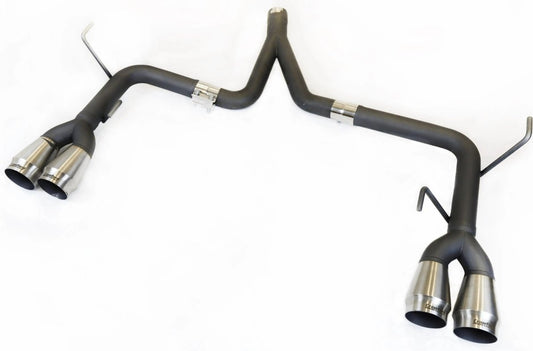
The Greddy Revolution RS is all about combining aggressive styling with serious performance. This system often features a dual-exit layout that not only looks great but is also designed to improve exhaust flow for a solid power increase. The sound profile is bold and aggressive, perfect for drivers who want their STI to be heard. Greddy uses high-quality construction and materials to ensure the Revolution RS can handle spirited driving. It’s a popular choice among enthusiasts who want to make a statement with both the look and sound of their car, blending track-inspired aesthetics with proven performance gains from a trusted brand in the aftermarket scene.
How Much Does a 2006 STI Cat-Back Exhaust Cost?
Upgrading your 2006 STI with a cat-back exhaust is one of the most rewarding mods you can make, but prices can vary quite a bit. The cost depends on factors like the materials used, the brand's reputation, and the complexity of the design. Generally, you can group cat-back systems into three main price tiers: entry-level, mid-range, and premium. Understanding what you get for your money in each category will help you find the perfect balance between your budget and your performance goals. Whether you're looking for a simple sound upgrade or a full-blown performance overhaul, there's a system out there that fits your needs.
Entry-Level Systems ($300–$600)
If you're just starting to modify your STI or working with a tighter budget, an entry-level system is a fantastic choice. In the $300 to $600 range, you'll find systems that deliver a noticeable improvement in sound and a modest performance gain without a huge financial commitment. These exhausts are typically made from aluminized or more affordable grades of stainless steel. They provide that signature boxer rumble and a more aggressive tone than the stock setup. You can find a variety of exhaust parts and upgrades in this price bracket, making it an accessible way to personalize your car's sound and feel.
Mid-Range Systems ($600–$1,000)
Stepping up to the mid-range gets you a significant jump in quality and performance. Priced between $600 and $1,000, these systems often use higher-grade stainless steel for better durability and corrosion resistance. You'll also find more refined engineering, such as mandrel-bent tubing for smoother exhaust flow and more sophisticated muffler designs. This results in a more pronounced performance increase and a finely tuned exhaust note. Brands in this category offer a great middle ground, providing a solid upgrade for enthusiasts who want a more serious setup. You can explore a wide selection of cat-back systems from reputable manufacturers that fall into this price point.
Premium Systems ($1,000+)
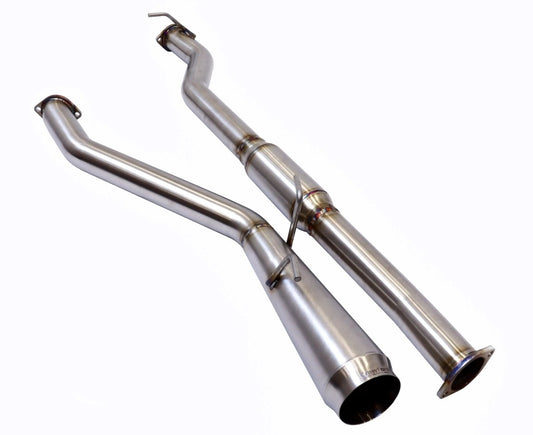
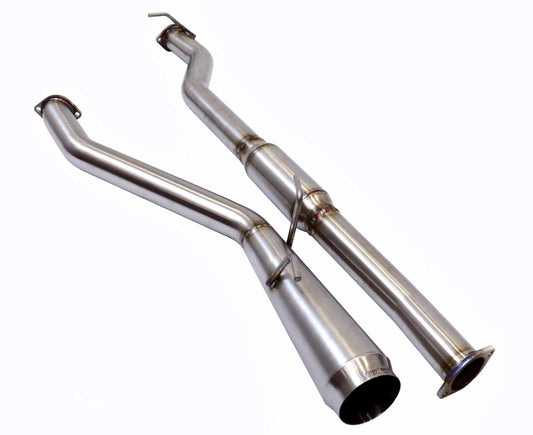
For those who want the best in performance, sound, and craftsmanship, premium systems are the way to go. Starting at $1,000 and going up from there, these exhausts are built with top-tier materials like high-grade stainless steel or even lightweight titanium. They are engineered for maximum exhaust flow, which translates to the biggest possible horsepower and torque gains. The sound is often highly refined, offering an aggressive yet clean tone without excessive drone. An excellent example is the ETS Single Exit Catback Exhaust System, which showcases the precision engineering and quality materials you can expect at this level. This is the ultimate choice for track builds or any STI owner seeking uncompromising performance.
How to Choose the Right Cat-Back for Your 2006 STI
Picking the right cat-back exhaust for your STI is a big decision. It’s one of the most personal modifications you can make, as it directly shapes your car's sound and personality. With so many options on the market, it’s easy to feel overwhelmed. The best choice for you depends entirely on your goals. Are you looking for a subtle, deep tone for your daily driver, or an aggressive roar that announces your arrival at the track? Do you want to squeeze out every last bit of horsepower, or are you more focused on style?
To find the perfect fit, you need to balance sound, performance, aesthetics, and your budget. It’s also important to think about how the exhaust will work with your current setup and any future modifications you have planned. Let’s walk through the key factors to consider so you can make a choice you’ll be happy with for years to come.

Check Compatibility with Your Current Mods
Before you add a cat-back exhaust to your cart, take a moment to review your STI’s existing modifications. A new exhaust needs to play well with what you already have, especially your downpipe. Mismatched flange types or pipe diameters can create exhaust leaks, kill performance, and turn a simple bolt-on installation into a frustrating project.
Aftermarket performance parts are designed to work as a system to make your car perform better and sound more exciting. Ensuring your new cat-back is compatible with your downpipe and any other exhaust components is the first step toward a successful upgrade. If you’re unsure, check the manufacturer’s specifications or consult with an expert to confirm fitment.
Consider Sound Levels and Local Laws
The sound is often the main reason for an exhaust upgrade. Cat-back systems are designed to improve how well exhaust gases flow, which results in a deeper, louder, and more aggressive tone than the stock system. The sound can range from a low rumble at idle to a full-throated roar at wide-open throttle. I recommend listening to sound clips of different exhausts on a 2006 STI to get an idea of what you like.
Just remember that a video doesn't always capture the in-cabin drone or how loud it is in person. It’s also smart to check your local noise ordinances. Some areas have strict regulations on exhaust volume, and getting a ticket can definitely take the fun out of your new mod.
Match Pipe Size to Your Performance Goals
Pipe diameter is a critical factor that directly impacts your engine’s performance. While it might seem like bigger is always better, that’s not the case. You should choose a pipe size that matches your setup and power goals. For a mostly stock or lightly modified STI, a 3-inch diameter cat-back is a popular and effective choice.
If you have a larger turbo and are pushing for significant horsepower gains, you might need a larger diameter system to reduce backpressure and maximize flow. An exhaust that’s too large for your setup can actually hurt performance by reducing exhaust gas velocity, leading to a loss of low-end torque. Think about your long-term plans for the car when selecting from the available Subaru STI upgrades.
Look for a Solid Warranty and Manufacturer Support
A cat-back exhaust is an investment, so you want to choose a product from a brand that stands behind its quality. A solid warranty provides peace of mind and protects you from manufacturing defects. Look for companies with a strong reputation in the Subaru community and a history of excellent customer support. This is often a good indicator of the product's quality and the company's commitment to its customers.
When a manufacturer offers comprehensive support and warranties, like our own 12-month/12,000-mile warranty on engine builds, it shows confidence in their work. Choosing a brand with proven expertise, especially one that offers services like engine tuning, ensures you're getting a part that's been tested and proven to perform.
DIY vs. Professional Installation: What's Right for You?
So you’ve picked out the perfect cat-back exhaust for your STI. Now comes the next big question: should you install it yourself or take it to a shop? There’s a certain satisfaction that comes from getting your hands dirty and completing a project on your own. It can also save you a few hundred dollars in labor costs. On the other hand, a professional installation offers peace of mind, guaranteeing the job is done right and saving you a potentially frustrating weekend. The right choice really depends on your mechanical skill, the tools you have available, and how much you enjoy working on your car. Let's break down what you should consider before you start loosening any bolts.
Bolt-On vs. Custom-Fit Systems
The great news is that most cat-back exhausts you'll find for the 2006 STI are designed as "bolt-on" systems. This means they are engineered to use your car's existing mounting points and hangers, requiring no welding or cutting. These kits are made for a straightforward installation, making them a fantastic option for a home garage project. You'll typically find all the gaskets and hardware you need right in the box. Custom-fit systems are a different story. They often require specialized work like welding and fabrication to fit properly. For most owners looking to upgrade with high-quality performance parts, a bolt-on kit is the perfect solution, blending great results with a manageable installation process.
Common Installation Hurdles to Expect
Even with a bolt-on kit, a DIY installation isn't always a walk in the park, especially on a car from 2006. The most common challenge you'll face is rust. Those factory bolts and hangers have been exposed to the elements for years, and they can be incredibly stubborn. A good penetrating oil and some patience are your best friends here. Sometimes, a bolt might snap, which can quickly turn a simple job into a much bigger one. Another thing to prepare for is alignment. It’s a good idea to loosely fit all the components first before tightening anything down completely. This gives you some wiggle room to ensure everything lines up perfectly, preventing exhaust leaks and annoying rattles.
When to Call a Professional
There is absolutely no shame in calling in a professional. In fact, knowing when to hand the keys over to an expert is the mark of a smart owner. If you don't have a good set of tools, sturdy jack stands, or a comfortable space to work, a professional installation is the safest route. If you start the job and encounter a badly seized bolt, a shop has the equipment to handle it without issue. A pro also guarantees a perfect fit, ensuring no leaks or rattles. This is crucial for getting the performance and sound you paid for. If you're already investing in other services like engine tuning, having the shop install your exhaust at the same time can be a great way to ensure your entire performance package works together flawlessly.
Maximize Your Upgrade: Next Steps After Installation
Installing a new cat-back exhaust is a fantastic step toward getting the sound and performance you want from your STI. You’ll immediately notice a difference in tone and a bit more responsiveness. But to truly get the most out of your investment, you should see the cat-back as a foundational piece of a larger performance puzzle. A few additional steps can help you safely unlock the full potential of your new exhaust and set the stage for future modifications. Thinking about your car as a complete system is key to building a reliable and powerful machine.
Pairing Your New Exhaust with a Tune
While a cat-back exhaust alone doesn't always require a new engine map, it's the gateway to mods that do. If you plan to add a downpipe or other significant airflow parts, a professional tune is not just recommended, it's essential. An engine tune recalibrates your Subaru's Engine Control Unit (ECU), adjusting parameters like fuel delivery and ignition timing to match the new hardware. This process ensures your engine runs safely and efficiently with the increased exhaust flow, preventing lean conditions that can cause damage. More importantly, a proper tune is what translates your new parts into real, usable horsepower and torque gains. It’s the final step that brings all your modifications together.
Other Upgrades to Complement Your Cat-Back
Your new cat-back exhaust allows gases to exit more freely, but what about the rest of the system? To further improve performance, consider what happens before the cat-back. Upgrading to a high-flow downpipe is a popular next step that reduces restriction even more, leading to faster turbo spool and significant power gains. From there, you can look at performance headers to optimize flow directly from the engine. Don't forget the other side of the equation: an upgraded cold air intake will help your engine breathe in as easily as it breathes out. Combining these performance parts creates a balanced system that works in harmony to produce more power.
Related Articles
Frequently Asked Questions
Do I need an engine tune after installing a cat-back exhaust? For a cat-back exhaust alone, a tune is not strictly required. Your car's computer can typically adjust to the modest change in airflow. However, you should see the cat-back as the first step. If you add other parts like a high-flow downpipe or a new intake, a professional tune becomes essential. A tune is what safely optimizes your fuel and timing to take full advantage of all your new hardware, turning potential power into real, reliable performance.
Will a new exhaust be too loud or have an annoying drone inside the car? This is a common concern, and the answer depends on the system you choose. Manufacturers design exhausts with different sound goals. A system with a straight-through muffler and no resonator will be much more aggressive than one with a chambered muffler or a large resonator designed to cancel out specific frequencies. I always suggest listening to sound clips, but also read reviews from other 2006 STI owners who discuss in-cabin noise and highway drone. This will give you the best idea of how the exhaust will behave during your daily drive.
What is the real difference between a $500 exhaust and a $1,500 one? The price difference reflects the quality of materials, the precision of the engineering, and the brand's research. An entry-level system might use aluminized steel and crush-bent tubing, which gets the job done but may not last as long or flow as well. A premium system will use high-grade T304 stainless steel or even titanium, feature smooth mandrel bends for optimal flow, and have a sound profile that was carefully developed. You are paying for superior durability, lighter weight, and more significant performance gains.
Can I install a cat-back exhaust myself at home? Yes, this is a very manageable DIY project for many people. Most cat-back systems are designed to be "bolt-on," meaning they use your car's factory hanger locations without any need for welding. The biggest challenge you will likely face on a 2006 model is rusted bolts. If you have a good set of tools, jack stands, and some penetrating oil, you can likely complete the job in an afternoon. If you are not comfortable working under your car or run into a stubborn bolt, a professional can ensure a perfect, leak-free installation.
Will installing a cat-back exhaust void my car's warranty? Legally, a manufacturer cannot void your entire vehicle warranty just because you installed an aftermarket part. For them to deny a warranty claim, they must prove that your cat-back exhaust directly caused the specific failure. That said, choosing a high-quality system from a reputable brand and ensuring it is installed correctly is your best defense. A poorly made or improperly installed part could potentially lead to issues, so investing in quality gives you performance and peace of mind.