

Subaru Compression Test Guide for Performance Owners
Subaru Compression Test Guide for Performance Owners
Healthy engine compression is the baseline for every high-performance Subaru build. If your cylinders cannot hold pressure, no amount of boost or tuning will save the block from failure.
Explore Crawford Performance engine options if professional diagnosis confirms that your Subaru needs a rebuilt or replacement engine.
A Subaru compression test compares the pressure produced by each cylinder while the engine cranks. It can expose an uneven pattern that calls for more diagnosis before a tune, power upgrade, purchase, or engine-build decision. The correct procedure and acceptable readings vary by engine, modifications, gauge, temperature, battery condition, altitude, and other test conditions. Compare the readings with verified service information for the exact engine. Then use a leak-down test and professional inspection to help locate the cause of a weak result.
What a Subaru compression test can reveal
A Subaru compression test is a key check of your engine's health. It measures the air pressure each cylinder creates when the motor turns over. This test helps you assess engine health by showing how well the internal parts work. While it is a simple step, the results give a clear view of the engine's state. It can find small faults before they turn into big, costly repairs.
Checking the internal cylinder seal
The test mainly shows how well each cylinder holds air. For the motor to run well, the piston rings, valves, and head gasket must form a tight seal. When you use a compression gauge, you can see if any of these parts have failed. Low pressure in one spot often points to a worn ring or a valve that does not close all the way.
In many Subaru cars, like those with the EJ engine, ringland failure is a known risk. A drop in air pressure is a common sign of this issue. By catching this early, you can plan for a fix before the block takes more damage. This proactive path is vital for any owner who uses high boost or drives on the track.
Tracking pressure balance and steady readings
The raw numbers from the test matter, but the balance across all cylinders is even more key. A healthy motor should have consistent pressure in each cylinder. Most experts look for a range where the gap between the high and low readings is small. Big gaps often mean there is a deep flaw that needs more work to find.
There is no universal pass number for every Subaru engine. The engine family, modifications, gauge, temperature, cranking speed, altitude, and procedure can all affect the reading. Use verified service information for the exact engine and focus on repeatable cylinder-to-cylinder patterns. If three cylinders show 150 psi and one shows 100 psi, you know which part of the motor has a fault.
The limits of compression data
While this test is helpful, it does not tell the full story of your motor. It can show that pressure is low, but it cannot always show why. To get a full report, you should pair it with a leak-down test. A leak-down test shows where the air is going. It can tell if the air is leaking through the rings, valves, or head gasket.
Using both tests gives you a complete engine check. This is the best way to know if your Subaru needs a simple fix or a full rebuild. Since Subaru motors have a unique flat design, keeping an eye on these signs is the best way to ensure long life. Regular checks help keep your car on the road and out of the shop.
When should a performance owner consider testing?
Knowing when to check your engine can save you a lot of money. A Subaru compression test gives you a snapshot of your engine's inner health. It measures the pressure in each cylinder to find leaks or worn parts. You should not wait for a total breakdown to check these vital signs.
Visible signs of trouble
If your car feels slow or uses too much oil, it might be time for a test. Common signs include a rough idle, blue smoke from the exhaust, or a "Check Engine" light for misfires. These issues often mean your engine is losing pressure. In many cases, this test helps you check cylinder head health before a small problem turns into a cracked block.
You may also notice a drop in gas mileage or a lack of power when you hit the boost. Steady pressure is vital for a healthy engine to run at its best. Compare the readings with verified service information for the exact engine and conditions. If one cylinder is repeatably much lower than the others, the pattern calls for further diagnosis.
Buying a used vehicle
Never buy a used WRX or STI without checking the engine first. A pre-purchase check should always include this test. It helps you see if the last owner took care of the car or pushed it too hard. Finding low pressure now can save you from a costly rebuild later.
While a pressure check is great, it does not tell the whole story. You should also perform a compression test along with a leak-down test. This pair of tests shows just where air is leaking. It could be through the valves, the head gasket, or the piston rings. Knowing this helps you make a smart choice before you sign any papers.
Readying for high-boost builds
If you plan to add more power, you must start with a strong base. High-boost builds put extra stress on every part. You need to check engine health to make sure your block can handle the heat.
Testing helps you find weak spots before they fail under load. Checking pressure is a smart way to keep your track car tough. Consider these times to check your pressure:
- Test before setting up a larger turbo or new fuel rails.
- Check pressure after a hard track day or rally event.
- Use results to decide if you need a built block or just a fresh tune.
Remember that testing is not a fix by itself. If you find low results, talk to a pro. Owners who suspect a major failure should seek help to avoid making the damage worse. Crawford Performance has a network of pros to help if you need a deep check of your car.
How to interpret compression results responsibly
Interpret compression results by comparing repeatable cylinder-to-cylinder patterns under controlled conditions, then checking those readings against verified service information for the exact engine. A weak or uneven result identifies the need for more diagnosis; it does not prove the failed component by itself.
Reading the numbers on your gauge is only the first part of the job. You must look at those figures in the right context to truly understand your engine health. Engine heat, battery speed, altitude, gauge differences, and test procedure can all shift the results. The most useful signal is a repeatable cylinder-to-cylinder pattern interpreted against verified service information for the exact engine. A meaningful imbalance is a reason for further diagnosis, not a stand-alone verdict.
Check for consistent pressure
Consistency is more important than a high peak number. If three cylinders show 150 PSI but the fourth sits at 125 PSI, you likely have a mechanical issue. Small gaps might just be normal wear, but significant variations often signal a failed head gasket or worn piston rings. You should always ensure the battery is fully charged so the engine spins at the same speed for every cylinder during the test.
Look at external factors
Environment conditions and your test setup will change the data you see. For example, testing a cold engine will give lower numbers than testing one at operating heat because metal parts expand as they get hot. Your throttle position also matters. Many modern cars use Electronic Throttle Control (ETC) systems that can limit air intake if you do not prop the plate open manually. Low air flow into the cylinder will always result in a lower compression reading.
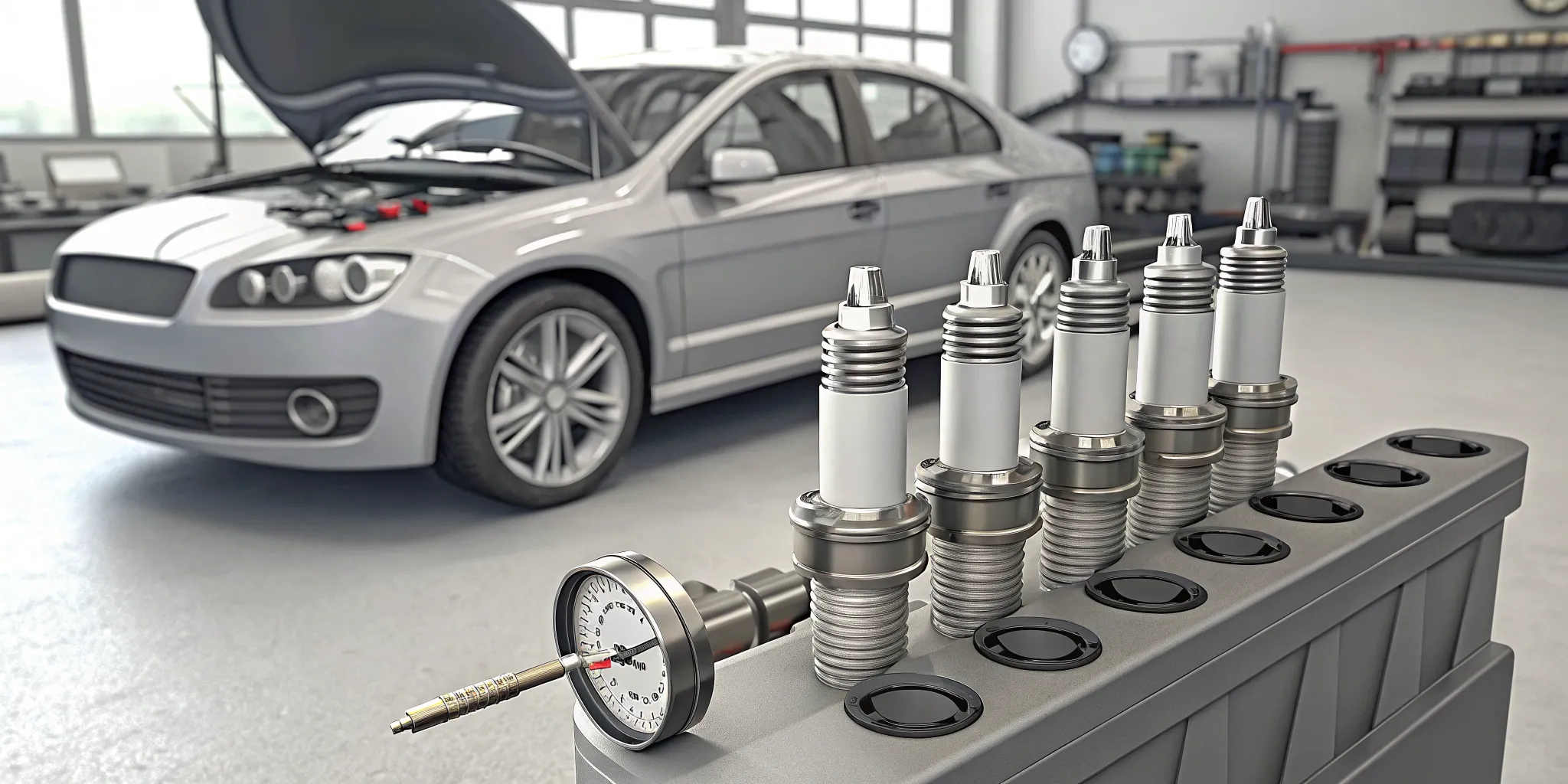
| Result Pattern. | Common Interpretation. | Next Diagnostic Step. |
|---|---|---|
| Uniform Low Pressure. | Worn rings or timing issue. | Add oil for a wet test. |
| One Low Cylinder. | Valve or ringland failure. | Perform a leak-down test. |
| Two Low Adjacent Cylinders. | Blown head gasket between them. | Check coolant for exhaust gas. |
| Uniform High Pressure. | Excess carbon buildup. | Inspect with a borescope. |
Use a leak-down test for proof
A compression test is a great snapshot, but it does not tell the whole story. If you find low results, you should use a leak-down test to find the exact spot where pressure is escaping. This tool pumps air into the cylinder and lets you hear if the leak is from the intake, exhaust, or crankcase. Combining both tests is the best way to diagnose cylinder head health before you decide to pull the engine for a rebuild.
Compression test vs. leak-down test
A compression test shows whether each cylinder can build pressure while the engine cranks. A leak-down test introduces compressed air into a stationary cylinder to help locate where pressure escapes. Used together, they reveal both the pattern and likely source of a sealing problem.
A compression test measures the pressure in each engine cylinder. This data provides a quick snapshot of the health and speed of your Subaru engine. While this test shows if an engine can build pressure, it does not always show why pressure is low. For a full check, we often use it with a leak-down test to find the exact source of a problem.
What a compression test shows
A Subaru engine's expected pressure depends on its exact specification and the conditions used for the test. Look for repeatable differences between cylinders and compare them with verified service information to evaluate the engine's condition. If one cylinder reads much lower than the rest, it often points to a mechanical issue. While this test is a great way to check for reliability, it only tells part of the story about your engine.
How a leak-down test adds detail
A leak-down test goes a step further by showing where air is escaping. Instead of relying on the engine to crank, this test uses an air source to fill the cylinder while it is at rest. This process helps us find specific failures like ringland damage or head gasket leaks. Using these tests together is a core part of our work to inspect potential cylinder-head faults before starting a rebuild.
Why you need both for a full diagnosis
Relying on just one test can lead to wrong guesses about engine health. A Subaru compression test might show low results, but only a leak-down test can tell you if the air is leaking through a valve or a piston ring. At Crawford Performance, we use both to ensure our high-power builds stay strong. If you suspect your engine is failing, always seek professional help to get a clear and right diagnosis.
What should you do after a Subaru compression test?
Once you finish your Subaru compression test, you need to look at the numbers with care. These results give you a snapshot of your engine health. You must check that the numbers stay within a safe range. No single range applies to every Subaru. The real key is whether the readings are repeatable and how they compare with one another and the exact engine's verified service information. If one cylinder is much lower than the others, you may have a part that is starting to fail.
Check for pressure balance
You should compare the pressure across all cylinders to find any weak spots. A small gap between cylinders is normal. But a big drop in one spot often means you have a mechanical issue. If you find a low reading, you may need to review the broader engine-health picture by looking at your oil and coolant. You can also look at the spark plugs to see if they show signs of wear or burning. This helps you find the root cause before you start any big repairs.
Add a leak-down test
A compression test tells you if you have a leak, but it does not tell you where the air is going. You should follow up with a leak-down test for a full picture. This test lets you find if the leak is coming from the valves, rings, or a head gasket. This step is a core part of how we trace potential cylinder-head problems at Crawford. By finding the source of the leak, you can avoid spending money on the wrong parts.
Plan your next move
Use these steps to decide how to fix your engine based on your test data.
- Verify the test state. Make sure the engine was warm during the test. Cold engines can give false low results. According to research from Tunxis Community College, you should note any big shifts in cylinder pressure during your diagnostic run.
- Compare the pattern. Look for two low cylinders next to each other. This often points to a blown head gasket. One low cylinder might mean a burnt valve or a worn piston ring.
- Talk to a builder. If the results are poor, you should consult a pro shop. They can help you decide if you should repair the block or start a full build.
- Choose your path. You can fix a single head if the block is sound. But if the rings are gone, you may want to perform a compression test again after a full rebuild to confirm the fix.
When to involve an experienced engine builder
Involve an experienced engine builder when repeatable compression results show a meaningful cylinder imbalance, leak-down testing indicates internal damage, or your power goals exceed the condition and capability of the current engine. A builder can verify the diagnosis and recommend repair, rebuild, or replacement based on the complete evidence.
Finding serious engine damage
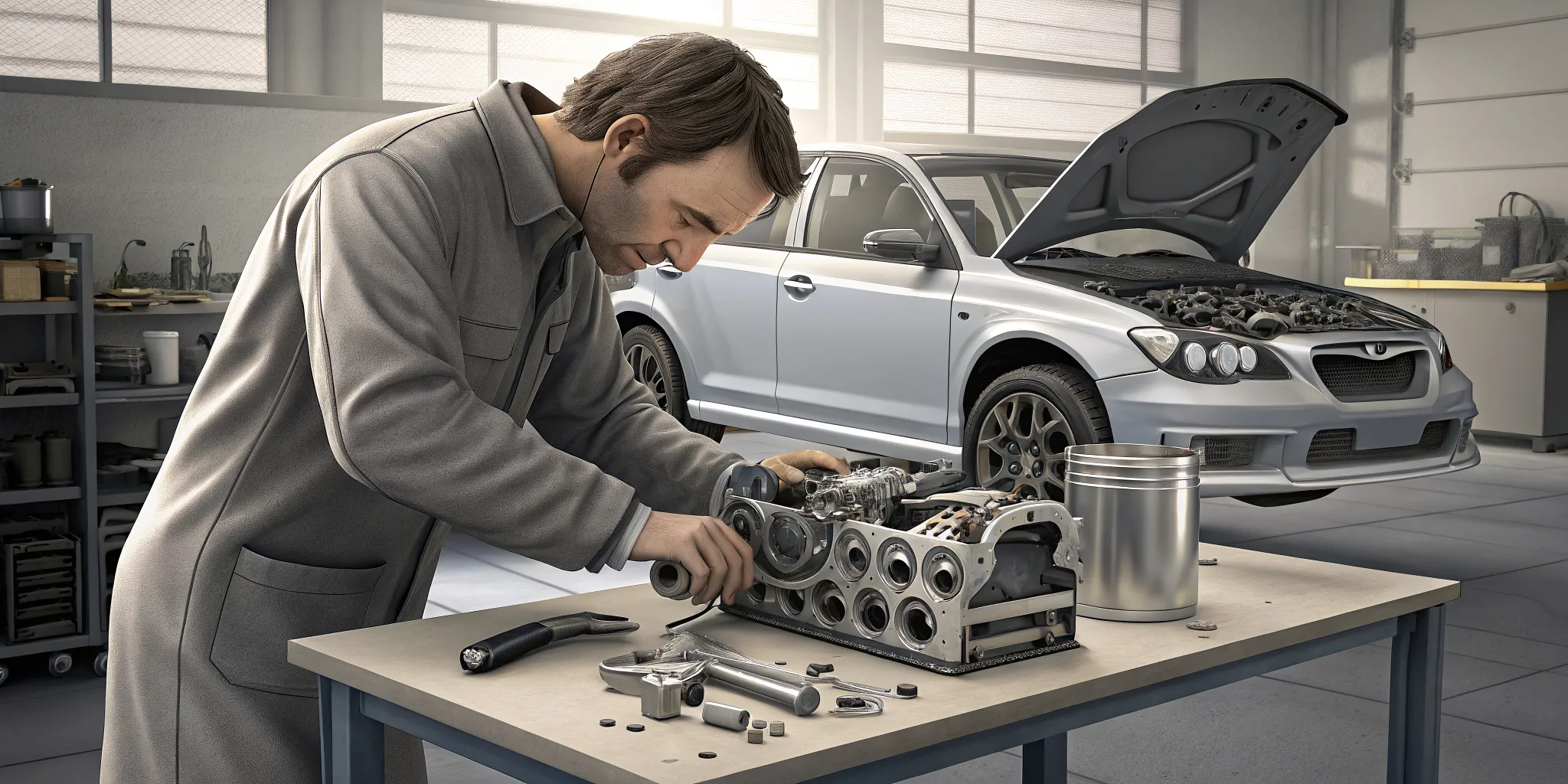
A Subaru compression test gives you a fast look at the health of your motor. But the numbers do not always tell the whole story. If you find big gaps in pressure between cylinders, you might have broken parts. Big gaps in PSI often show ringland failure or head gasket leaks. These issues need more than just a quick fix at home. If your test shows low pressure, it is time to talk to a pro.
A pro builder can do a leak-down test along with your compression check. This helps them find the exact source of the leak. In some cases, varying cylinder pressure is a clear sign of deep engine failure. An expert knows how to spot these signs before they cause a total engine lock. Getting help early can save you from a much larger bill later. You should seek an expert if your Subaru has high miles or makes strange noises under load.
Building for high power and strength
If you plan to add a big turbo or more boost, you need a strong base. Stock blocks often reach their limit when you push for more speed. A skilled builder helps you pick the right parts for your goals. They look at your test data to see if your current block can handle the extra load. For many owners, the best path is to start with a fresh short-block or long-block.
Custom builds need tight specs that are hard to hit in a home garage. A builder uses years of data to make sure every part fits just right. This is vital for high-boost setups where one small error can lead to a blown motor. Expert builders focus on long-term health so you can drive hard with peace of mind. They help you skip the stress of a failed project. This level of care is key for both EJ and FA engine platforms.
Why expert diagnosis matters
Sometimes your test data is hard to read or does not make sense. You might get different numbers every time you check. This can happen if the engine is not at the right heat or if the throttle is not open. An expert knows how to get a clean read every time. They understand how Electronic Throttle Control can change your volumetric efficiency during a test. A pro removes the guess work from the process.
If you suspect serious failure, assess engine health with a pro to avoid a wrong guess. Working with an expert also gives you access to a warranty. Crawford Performance offers a 12-month or 12,000-mile warranty on their built motors. They also know why an Air Oil Separator is a must for your build. This small part keeps your engine safe from oil in the intake. By working with a pro, you get a full plan for a solid car.
Frequently Asked Questions
Why is a warm engine required for a Subaru compression test?
A warm engine is vital because metal parts expand as they heat up. Piston rings and cylinder walls need to reach their normal size to create a proper seal. If you test a cold engine, you will likely get lower pressure readings that do not show the true state of your motor. According to the experts at Crawford Performance, using a warm engine ensures your data is correct and helps you find real issues.
Do I need to disable the fuel system for a Subaru compression test?
Yes, you must disable the fuel system before you start your test. If you leave the fuel pump on, raw gas will spray into the cylinders while you crank the engine. This can wash away the oil film on the cylinder walls and lead to false low readings. It also creates a fire risk if a spark occurs. Experts at Crawford Performance state that stopping the fuel flow is a key safety step for any engine check.
Can I do a Subaru compression test without removing all spark plugs?
You should remove all spark plugs before you begin the test. Taking out all the plugs lets the engine spin freely and quickly when you crank it. If you leave some plugs in, the battery and starter must work harder to fight the compression in those cylinders. This can slow down the cranking speed and give you uneven results. According to Crawford Performance, removing every plug is the best way to get a clean and fast reading.
Is 120 PSI acceptable for a Subaru compression test?
A reading of 120 PSI is often the lower limit for a healthy engine. While this number can be safe, you must check how it compares to the other cylinders. No universal PSI range applies to every Subaru engine and testing condition. Compare repeatable readings with verified service information for the exact engine. If only one cylinder is meaningfully lower than the others, professional follow-up can help determine whether there is a mechanical issue.
Ready to find the right performance engine path for your Subaru?
Driving with low compression puts your block at risk of a total breakdown that leads to a much higher bill for a new engine. Waiting for a failure means you face a high towing bill and more stress during a crisis on the track or the trail this month. You can find the right path for your next build on our engine choices page to get the facts you need today.
Ready to explore performance engine options after a professional diagnosis? Call (859) 394-4248 to talk to an expert. We can help you pick the best build. Our team is ready to help you for your build right now.