

Subaru WRX Boost Leak Symptoms: Safe Diagnosis Guide
Subaru WRX boost leak symptoms can turn a responsive turbocharged car into one that feels hesitant, inconsistent, or unexpectedly noisy under load. A leak does not confirm one specific failed part, but it is a clear reason to inspect the intake tract and test the system before adding more performance upgrades.
Subaru WRX boost leak symptoms often show up as a loss of power or a loud hissing noise during acceleration. You might also notice a rough idle, poor fuel mileage, or a check engine light on your dash. These issues happen because your engine receives less air than the computer expects, which ruins the air-fuel mixture. Turbocharged engines rely on precise air-fuel ratios to run safely and produce power. If air leaks out of your intake system, the car will feel slow and may stall. Common leak points include intercooler couplers, vacuum lines, and the turbo inlet pipe. Fixing these leaks restores throttle response and protects your motor from lean issues. Regular checks of your intercooler piping and hoses are the best way to catch these problems early.
What are the most common Subaru WRX boost leak symptoms?
Common Subaru WRX boost leak symptoms include reduced power, slower boost response, hissing under load, rough idle, changing fuel economy, and a Check Engine Light. No single symptom proves a leak, so use the pattern to guide inspection and testing.
A boost leak occurs when air that has been compressed by the turbocharger escapes before it reaches the engine. Because your car needs precise air-fuel ratios, even a small leak can cause clear performance issues. Finding these signs early helps you avoid engine damage and keeps your car running at its best.
Loss of power and slow acceleration
The most common sign of a boost leak is a sudden loss of power. You might notice the car feels slow when you try to pass another vehicle or merge onto a highway. This happens because the engine gets less air than the computer expects. This ruins the combustion process. If you have recently done a WRX Stage 2 setup guide, your car will be even more sensitive to these air loss issues.
You may also see your boost gauge show lower numbers than usual. If your turbo usually hits 15 psi but now struggles to reach 10 psi, a leak is a likely cause. This lack of pressure means the turbo has to work harder to hit the target boost. This can lead to overheating or early wear of the turbo parts.
Strange noises and rough idling
Keep your ears open for odd sounds when you speed up. A boost leak often creates a clear hissing, whistling, or "wooshing" noise. This is caused by air forced out of a small gap. These sounds are usually loudest when the turbo is under full load. If you hear a high-pitched squeal, it might mean a hose is loose or a line has a small tear.
Issues with air flow also change how your car behaves at a stop. Boost leaks on turbocharged Subaru engines often lead to rough idling and poor throttle response. When the car is at idle, the leak can let extra air enter the system. This makes the engine stumble or shake. Keeping proper engine ventilation can sometimes help rule out other idle problems.
Check engine lights and poor fuel economy
Your WRX may show a check engine light if the leak is big enough to confuse the sensors. Changes in accurate sensor data often point to intake issues. Common codes for boost leaks include those for lean fuel mixes or air flow sensor errors. If a light appears on your dash with a drop in power, you should check your intake pipes right away.
You might also notice that you are visiting the gas station more often. A leak causes the car to add extra fuel to make up for the air it thinks is entering the engine. This leads to a "rich" fuel mix. This wastes gas and can ruin your spark plugs over time. Checking your fuel use is a simple way to track the health of your turbo system.
Why boost leaks disrupt consistent WRX performance
A boost leak allows compressed air to escape or unmetered air to enter. That mismatch can disrupt airflow calculations, boost control, fueling corrections, and the repeatability a tuned WRX needs.
A boost leak happens when air escapes from the intake tract after the turbo has pushed it. In a Subaru WRX, the intake system uses a series of hoses, pipes, and clamps to move air from the turbocharger to the engine. If any part of this plumbing fails, the engine does not get the full amount of air it needs. This loss of air makes the car feel slow and weak when you step on the gas pedal.
How the intake path holds pressure
Your WRX uses a turbo to force more air into the engine than it could pull in on its own. This air travels through the intercooler to cool down before it enters the intake manifold. Every joint in this path must stay tight to maintain steady boost pressure. High heat and engine shaking can cause pre-upgrade WRX preparation setups to stress these parts over time. If a hose slips or a clamp breaks, the air will bleed out into the engine bay instead of reaching the pistons.
The role of the engine computer
The car's computer uses sensors to measure the air entering the system. It then adds the exact amount of fuel needed for a clean burn. Turbocharged engines rely on precise air-fuel ratios to create power and stay safe. When air leaks out, the computer still adds fuel based on the first sensor data. This creates a rich mixture that can cause the engine to stumble, blow black smoke, or foul your spark plugs.
Spotting common Subaru WRX boost leak symptoms
Small leaks can be hard to find but often show clear signs during a drive. Most Subaru WRX boost leak symptoms include a rough idle, poor gas use, and a hissing sound under load. You might also notice that the boost gauge does not reach its normal peak levels. These issues often happen because of loose intercooler couplers or cracked air lines that have aged and become weak. Checking these parts often is a key part of good AOS maintenance and basic engine care.
- Rough or shaky idling at stoplights.
- Unexpected engine stumbles when you speed up.
- Lower peak boost numbers on your dash display.
- Hissing or whistling noises from the engine bay.
How to diagnose a possible boost leak safely
Start with stored codes and a cool-engine visual inspection. Review recent work, inspect accessible hoses and clamps, and use professional pressure or smoke testing when a visual check does not reveal the cause.
When you spot Subaru WRX boost leak symptoms, you must act fast to protect your engine. A boost leak can cause poor throttle response and rough idling. If you ignore these signs, you risk engine damage. Before you start, make sure your car is on flat ground and the engine is cool. Safety is your first priority when you work on performance parts.
Check the engine bay
A quick look under the hood is often the best way to find a leak. High-power Subaru builds need regular inspection of vacuum lines and intercooler pipes. Look for loose bolts or cracks in the rubber hoses. Boost leaks can lead to rough idling and slow throttle response. You should also check for oil spray near the turbo or the intercooler joints. These marks often point to where air is escaping from the system.
Safety and tools
Working on a hot engine is unsafe and can lead to burns. You should also be careful with moving parts like fans or belts. Use good light to see deep into the engine bay where some lines are hidden. Accurate sensor data is needed to keep the right air-fuel mix in your car. If you feel unsure about any step, it is best to talk to a pro. They have the tools to find small leaks that are hard to see by eye.
Turn off the engine and let it cool. A hot engine can burn your hands and make hoses soft. Once the bay is cool, you can safely touch the intake parts.
Look at all the intake hoses and joints. Pay close attention to the intercooler couplers as these are common spots for a Subaru WRX boost leak. Ensure all clamps are tight and straight.
Check the vacuum lines for cracks or loose ends. Small lines can pop off or get old over time. A loose line will cause the turbo to act in a strange way or lose pressure.
Search for oil stains. Oil spray near a joint often means air is pushing out of that spot. Clean the area and check it again after a short drive to see if the leak returns.
Listen for sounds. While the engine is off, you can try to move the hoses with your hands. If a part feels loose or makes a sound when moved, it likely has a bad seal.
Talk to a pro for a smoke test. If you cannot find the leak by hand, a smoke test is a great next step. It uses a thick mist to show you exactly where the air is leaking from the intake system.
Where should you inspect for a WRX boost leak?
Inspect the connections that carry or reference intake pressure, especially intercooler couplers, clamps, bypass valve connections, vacuum lines, and the turbo inlet. Model year and modifications change the exact layout.
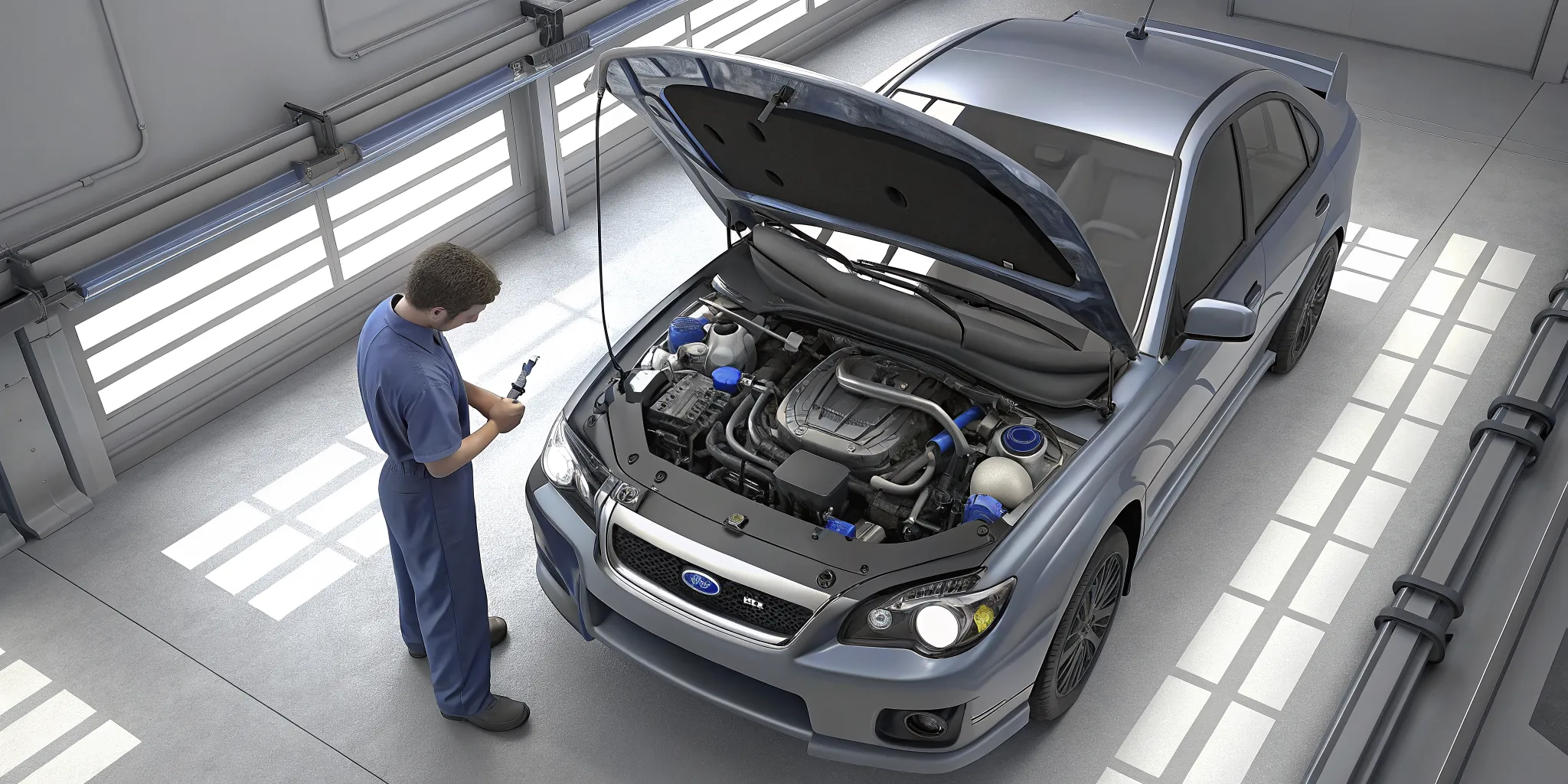
Finding a boost leak in your Subaru WRX can feel like a game of hide and seek. These leaks often cause rough idling and slow throttle response, which can lead to engine damage if you do not fix them. You must check every part of the intake system where air is under pressure to find the source of the leak.
Check the intercooler connections
The intercooler is a common place for leaks to start. You should look at the couplers and clamps that join the intercooler to the turbo and the throttle body. Over time, heat and vibration can make these rubber parts soft or cause them to slide off. If you see oil soot near a joint, it is a sign that air is escaping. Keeping these parts tight is a key step for supporting modifications for a tuned WRX and daily reliability.
Inspect vacuum lines and intake plumbing
Turbocharged engines need precise air-fuel ratios to run well. Disrupted air flow can lead to many performance issues and even a check engine light. You should trace all small vacuum lines to ensure they are still on their ports and have no cracks. Check the turbo inlet pipe as well, as these plastic parts often crack near the turbo connection. A smoke test is a great way to find small leaks in these tight areas.
Examine the bypass valve and gaskets
The bypass valve stays shut under boost to keep pressure in the system. If the internal seal fails or the gasket leaks, you will lose power. Look for any loose bolts where the valve sits on the intercooler. You should also check the intake manifold gaskets. While these are less likely to fail than a hose, a leak there will cause Subaru WRX boost leak symptoms like a high idle or a stumble when you try to accelerate.
| Inspection Point | Common Sign of Leak | Difficulty to Fix |
|---|---|---|
| Intercooler Couplers. | Oil residue or loose clamp. | Low. |
| Turbo Inlet Pipe. | Cracks near turbo flange. | Medium. |
| Bypass Valve Gasket. | Hissing noise from valve area. | Low. |
| Vacuum Lines. | Cracked or loose hoses. | Low. |
| Intake Manifold Gaskets. | Rough idle or lean codes. | High. |
When does pressure or smoke testing make sense?
Pressure or smoke testing makes sense when symptoms persist but the leak is not visible. Use equipment and pressure limits appropriate for the vehicle, and consult a professional if the correct setup or limits are uncertain.
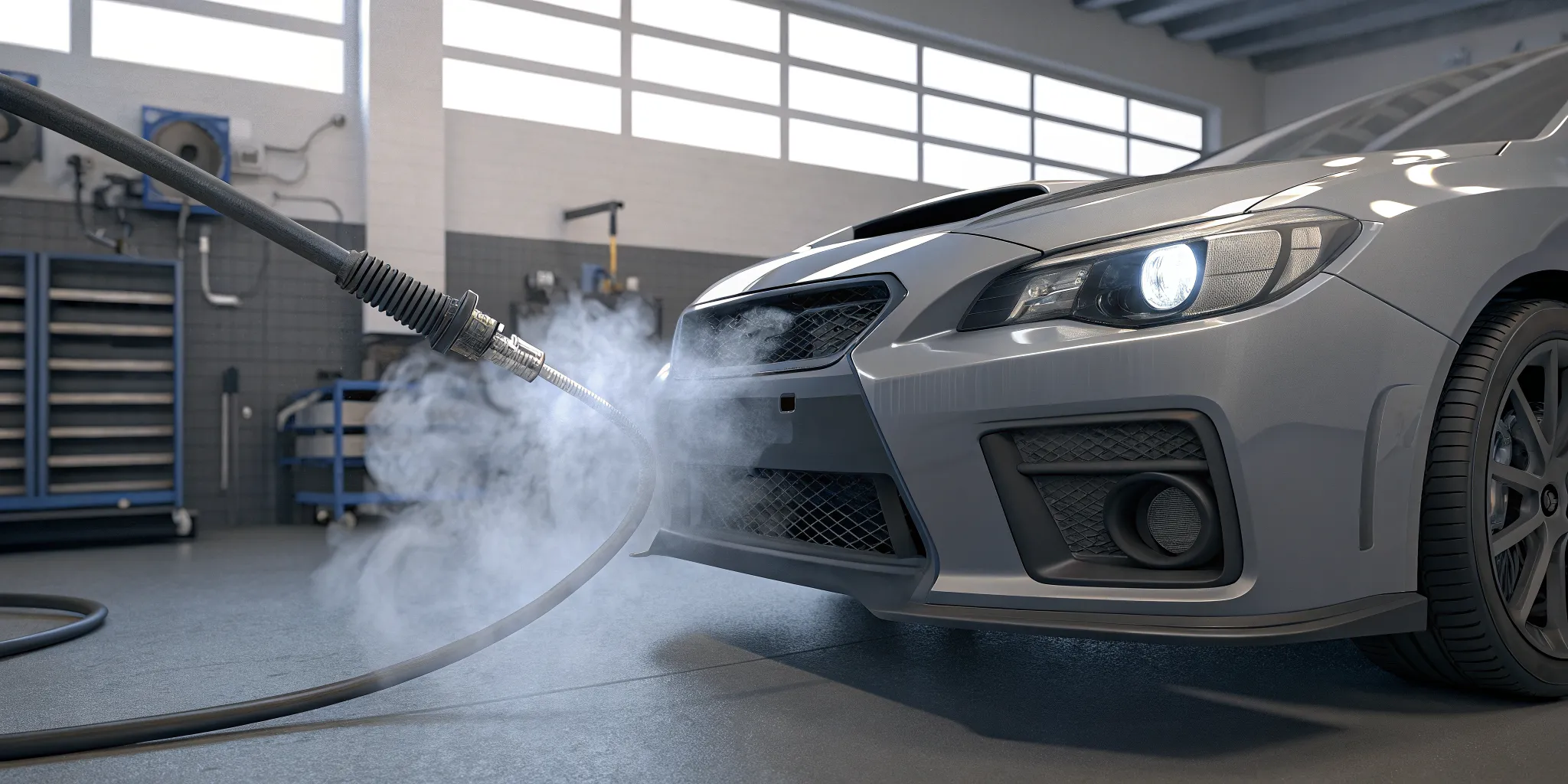
You may suspect a leak when your car feels slow or makes odd noises. Finding the exact spot where air escapes is not always easy. A smoke test or pressure test can help you find these gaps quickly. These methods help show if your Subaru WRX boost leak symptoms come from a loose hose or a cracked part. Knowing when to use each test will save you time and keep your engine safe.
Using a smoke test for small gaps
A smoke test is a safe way to find air leaks in your intake system. A machine sends thick smoke into the engine through a vacuum line. You then look for wisps of smoke coming out of seals or pipes. This method is great for finding tiny cracks that you cannot see with your eyes. It is a smart first step because it uses very low pressure, which prevents damage to sensitive engine seals.
Most shops use this method to check the induction system. It works well for finding engine air flow issues that lead to a rough idle. If you have a car that stalls or hesitates, a smoke test often finds the cause in minutes. It is a clean and simple way to check your pipes without putting stress on the turbocharger.
When to try a pressure test
A pressure test is different because it uses compressed air to find leaks. You seal the intake and add air to mimic the boost your turbo makes while you drive. This is helpful when a leak only happens under heavy load. You might hear a hiss or see soap bubbles grow at a joint. This test shows how your car acts when you push it on the road.
You must be very careful with this method. Too much air can blow out seals or damage the proper engine ventilation parts. You should only use enough pressure to match your car's stock boost level. Professional tools often have gauges to keep you in a safe range. If you are not sure of the limits, let a pro handle this check to keep your motor safe.
Choosing the right path
Which test should you pick? Start with a smoke test if you have a rough idle or poor fuel economy. It is the safest way to find most holes. Use a pressure test only if the smoke test finds nothing but your car still loses power at high RPM. Many owners find that checking the key engine pressures in a shop is the best way to get a full view of engine health. This keeps your WRX running strong and avoids costly repairs from a missed leak.
Talk with Crawford Performance if test results or logged data do not clearly identify the cause.
Could the symptoms point to something besides a boost leak?
Yes. Ignition faults, sensor issues, exhaust leaks, fuel delivery problems, and control-system faults can resemble a boost leak. Diagnostic codes, logs, inspection, and testing help separate these causes.
A car that stumbles or loses power does not always have a loose hose. While Subaru WRX boost leak symptoms like a rough idle are common, other issues can mimic these signs. Your car relies on accurate sensor data to manage air and fuel. If a sensor fails, the engine may act as if it has a physical leak even when the pipes are sealed.
Check for sensor and turbo faults
Electronic sensors can cause many of the same issues as a leaky intercooler coupler. A dirty mass air flow sensor or a bad manifold pressure sensor can trick the engine computer. This leads to poor throttle response or a rich fuel mix. In some cases, turbocharger shaft faults or internal wear can stop the car from making full boost. These mechanical failures inside the turbo itself often feel just like a leak in the intake path.
Look at the ignition and fuel systems
Old spark plugs or failing ignition coils can cause the engine to misfire under load. This sudden loss of power feels very much like a boost pipe blowing off. You should also check for clogged fuel injectors that might lean out the engine. If you are doing a WRX performance upgrade planning build, these small faults become much more obvious. Making sure your fuel and spark are strong helps you rule out these non-leak issues.
Use logs and professional tools
The best way to find the truth is to look at the data. Use an access port or a scan tool to watch your fuel trims and boost targets while you drive. If the fuel trims are very high at idle but normal under boost, you likely have a vacuum leak. If the car cannot hit its boost target but the air flow numbers look right, the issue might be a tired turbo. For a fast answer, many shops use a smoke test to find gaps that you cannot see with your eyes.
Fix leaks before adding more WRX upgrades
Resolve leaks and confirm repeatable boost behavior before adding power parts or revising a tune. A sealed, healthy system gives the tuner reliable data and helps upgrades perform as intended.
You should fix any air leaks before you try to add more power to your Subaru. Many owners want to jump into stage 2 performance tuning to get faster. But a car with a boost leak will not give you the results you want. An engine needs a precise air-fuel ratio to run well. If air escapes from the intake, your car will not be fast or safe.
The need for a solid base
Adding new parts to a leaking engine is a bad move. It makes it hard for your tuner to find the right settings for your car. Air leaks can lead to rough idling and poor throttle response in your WRX. If you ignore these signs, you could damage your engine. You must start with a healthy block before you push for more boost. This keeps your build safe for the long run.
Testing for boost leaks
Professional shops often use a smoke test to find small holes in your intake lines. This test helps find air leaks in the turbocharged system that you cannot see. Small gaps in your lines can lead to poor speed and high fuel use. Your engine will receive less air than the computer expects. You should check your vacuum lines and pipes often to stay ahead of these issues.
Working with your tuner
A good tuner will ask you to fix leaks before they start their work. They rely on accurate sensor data to set your fuel and spark. If you have a leak, the data they see will be wrong. This makes it impossible to get a smooth power curve. Fixing leaks first saves you time and money on the dyno. It ensures your new upgrades work the way they should.
Frequently Asked Questions
Does a boost leak cause a rough idle in a Subaru WRX?
Yes, a leak can make your car shake or run poorly when stopped. This happens because the engine gets more air than it expects. The car's computer tries to fix the mix of fuel and air, which makes the idle rough. Crawford Performance notes that leaks often cause rough idling and slow throttle response. If you ignore this issue, it may cause damage to your engine over time. You should check for leaks if your idle feels unstable.
Why does a boost leak cause poor acceleration in a WRX?
A leak causes poor speed because the engine gets less air than the car's computer expects. This loss of air makes the mix of fuel and air wrong. Without the right mix, your car cannot make full power. Research shows that turbo engines need the right air and fuel to run well. When air leaks out, your car will feel slow when you step on the gas. You should fix any leaks to get your car back to full speed.
Can a boost leak trigger a Check Engine Light?
Yes, a leak can turn on your dash warning light. The car uses sensors to track the air as it moves into the engine. When air escapes through a leak, the sensors find a problem. This often leads to a code for a lean or rich fuel mix. Experts at Crawford Performance say that a leak often triggers this light due to wrong air flow data. You should use a scan tool to read the code if your light comes on.
Where do boost leaks typically occur on a Subaru WRX?
Leaks often happen at points where hoses join together. The intercooler couplers are a very common spot for a leak to start. You should also check the vacuum lines and the turbo inlet pipe for cracks. Crawford Performance suggests that you check these parts often to keep your car running well. If a hose is loose or damaged, air will escape when the turbo builds pressure. Fixing these small leaks can prevent big engine problems later.
Ready to find and fix your WRX boost leak?
Not fixing a boost leak in your WRX can lead to poor gas use and engine wear. Small leaks often grow into large ones that rob your car of power. Fixing the issue now stops more damage and saves you money on high repair costs. You will get the smooth throttle feel and boost pressure your Subaru needs. Our team is here to make sure your build stays fast and safe for every mile. We use our years of race work to help you find every leak. You do not want to risk a blown engine due to a small part that failed. You can find strong parts on our engine parts page to help your car. Get your car back to top health by starting your check now.
Ready to contact Crawford Performance for expert guidance? Call +1 859-394-4248 to talk to a Subaru expert about your car today.