

Subaru Engine Parts: Build a Reliable Powerplant
Subaru Engine Parts: Build a Reliable Powerplant
A reliable Subaru performance build is not defined by one expensive component. It is defined by how the block, rotating assembly, valvetrain, sealing strategy, oiling system, and cooling system work together under the vehicle's intended duty cycle. A street car, track car, and overland build can need very different priorities even when they share the same engine family.
Contact Crawford Performance to plan your Subaru engine parts build.
Choosing Subaru Engine Parts starts with the power goal and use case, then matches internal strength, head hardware, sealing, oil control, and temperature management to that target. This systems-based approach helps prevent one upgrade from becoming the reliability limit. It gives you a clearer parts plan for the engine platform, driving demands, fuel, calibration, and reliability margin you want from the finished build.
Before comparing individual components, define what belongs in a performance build and what is simply a replacement part. That distinction gives you a clearer foundation for evaluating parts, machine work, and complete engine assemblies without relying on unsupported power claims.
How Do Subaru Engine Parts Support a Reliable Build?
Subaru engine parts support a reliable build when the block, rotating assembly, valvetrain, sealing, oiling, cooling, and calibration are selected as one system. The correct combination depends on the engine platform, power target, fuel, RPM, heat load, and duty cycle. This approach protects drivability while preserving an appropriate margin for the way the vehicle will be used.
What Counts as Subaru Engine Parts for a Performance Build?
Not every part sold for an engine is a performance part. A replacement component restores a vehicle to its original operating condition. A performance component changes the engine's capacity, durability, response, or supporting systems for a defined use case. That distinction matters when you are planning a Subaru build, because installing one stronger component does not automatically create a stronger engine.
Performance parts can include forged pistons and connecting rods, upgraded bearings, head hardware, valvetrain components, gaskets, oiling equipment, and cooling upgrades. Crawford notes that higher-output builds often need forged pistons and rods, while proper oiling, cooling, and sealing remain central to reliability, particularly in turbocharged Subaru models. These parts must be selected as a system, then matched to the engine platform, calibration, fuel, turbocharger, and intended duty cycle.
A street-driven WRX, a track-focused STI, and an overland Forester do not place the same demands on an engine. The right decision may depend less on a maximum dyno number than on heat exposure, sustained engine speed. Boost strategy, maintenance access, and how much margin you want between normal operation and component stress. Subaru also warns that aftermarket modifications can affect safety and emissions compliance and may jeopardize limited-warranty coverage. Review the applicable requirements before purchasing or installing modified components: Subaru's modification guidance.
Define the build before you choose the parts
Start with the engine code and model year, then document the vehicle's present configuration. A part that suits an EJ25 may not be the correct choice for an FA20 or FA24. The same applies to components that look similar but have different clearances, compression targets, oiling requirements, or installation procedures. Record the goal first, then work backward to the parts and machine work that support it.
- Platform: engine code, model year, transmission, and current mileage.
- Use: daily street driving, track sessions, competition, towing, or overland travel.
- Operating plan: fuel type, turbocharger, boost strategy, tuning support, and maintenance schedule.
- Reliability priorities: expected heat load, service intervals, and the margin you want for sustained use.
- Scope: replacement repair, targeted upgrade, short block, or complete engine assembly.
Once those details are clear, you can compare individual Subaru performance parts intelligently, or evaluate reliable Subaru long block engine assemblies when a matched foundation makes more sense than combining parts one at a time.
How Should You Match Subaru Engine Parts to a Power Goal?
What does the car need to do after the parts are installed? A daily-driven WRX, a track car, and an overland Forester may use similar Subaru engine parts, but they do not place the same demands on the engine. Target power is only the starting point. RPM range, boost response, fuel quality, climate, maintenance access, and time under load all affect the right combination.
Think in systems rather than isolated upgrades. A stronger rotating assembly does not solve inadequate oil control. A larger turbo does not automatically make a street car more usable. Reliability comes from matching the block, internals, valvetrain, sealing, oiling, cooling, and calibration to the duty cycle.
| Use case | Primary priorities | Questions to answer before choosing parts |
|---|---|---|
| Daily street | Predictable boost response, broad drivability, thermal control, and reasonable maintenance demands. | Will the engine see regular traffic, varied fuel, short trips, and long service intervals? Can the tune preserve smooth response? |
| Track use | Repeated high-RPM operation, sustained boost, oil control, cooling capacity, and inspection access. | How long will each session last? What temperatures and RPM will the engine see? How often will fluids, fasteners, and wear items be checked? |
| Overland use | Low-speed torque, heat management, load tolerance, serviceability, and consistent operation far from support. | Will the vehicle climb, tow, carry additional weight, or operate in heat and dust? Are replacement fluids and diagnostic tools available on the route? |
Why does duty cycle matter as much as peak output?
Peak dyno power describes one operating point. Duty cycle describes how the engine lives. A street build may spend most of its time at light load, while a track build can remain near high load for lap after lap. An overland vehicle may not chase peak output, yet added weight, elevation, heat, and slow-speed airflow can make cooling and torque delivery critical.
Boost response also changes the supporting parts conversation. A setup intended to build power high in the RPM range may need a different valvetrain and calibration strategy than one designed for early torque. Fuel demand, intake air temperature, and local climate should be considered before finalizing the turbo, injectors, fuel system, and engine internals. Crawford notes that oiling, cooling, and sealing are central to turbocharged Subaru reliability, while higher-output builds often call for forged pistons and connecting rods. Those components should be selected as part of a matched build, not added because a single number sounds appealing.
What is the practical decision framework?
First, describe the vehicle's actual use and target power range. Next, identify the hardest operating condition it must survive, then select the rotating assembly and block around that requirement. From there, match the valvetrain, fuel and air systems, oiling, cooling, and tune. Finally, confirm the maintenance schedule and monitoring plan. If the intended use changes, revisit the parts list rather than assuming the original combination remains appropriate.
Which Block and Rotating Assembly Parts Matter Most?
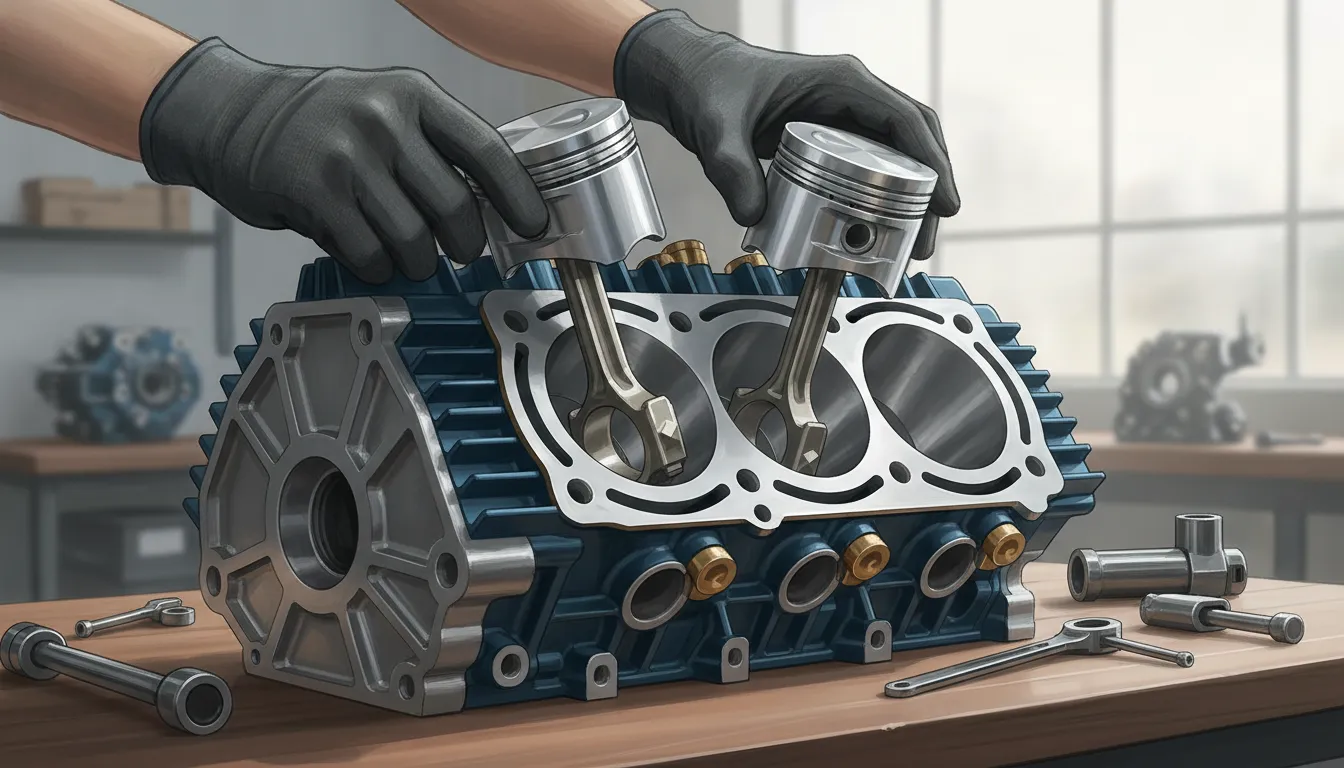
The block and rotating assembly establish the foundation for a dependable Subaru performance build. Choosing individual Subaru Engine Parts by appearance or advertised output is less useful than matching the block, pistons, connecting rods, crankshaft, bearings, and machine work to the engine's intended duty cycle. A street car, track car, and overland vehicle can need different compromises, even when they share the same engine platform.
Start with the block and the application
Begin by confirming the engine family, model year, displacement, and intended use. EJ20, EJ25, FA20, and FA24 platforms do not share every component or build consideration. The block choice also affects the short block or long block path, the supporting hardware required, and the installation plan. A complete assembly can reduce compatibility decisions when the build requires a coordinated combination of internal and head components. Crawford's reliable Subaru long block engine assemblies provide one path for owners who want a matched engine foundation rather than sourcing every major component separately.
Match forged internals instead of upgrading one part in isolation
For higher-horsepower builds, forged pistons and connecting rods are often important parts of the durability plan. Crawford identifies these upgraded internals as common requirements for built engines intended to handle higher horsepower safely. That does not make a single component a universal solution. The piston design, compression choice, rod specification, crankshaft condition, bearing selection, and calibration must work together.
Pistons need to suit the combustion strategy and intended use. Connecting rods transfer combustion force to the crankshaft, so their strength and fit must be considered alongside piston weight and the expected load. The crankshaft should be inspected and measured rather than assumed to be reusable. Journal condition, straightness, and compatibility with the selected bearings all matter. For an FA20 DIT project, compare the requirements of the complete assembly with purpose-built built Subaru FA20 DIT short blocks before finalizing the parts list.
Machining, bearings, and clearances are part of the build
Even premium components cannot compensate for inaccurate preparation. A machine shop should verify the block and crankshaft, check bearing surfaces, confirm bore and deck condition, and establish the clearances specified for the selected components and application. Do not copy a generic clearance number from an unrelated engine or treat a factory measurement as proof that a used part is ready for assembly.
Balancing is another system decision. The pistons, rods, crankshaft, and related rotating components should be evaluated as a matched set. Proper balancing can support smooth operation, but it does not replace correct assembly, oil control, cooling, or tuning. If the project involves replacing a short block, review the supporting components and installation requirements through Crawford's Subaru short block installation kits as part of the planning process. The right parts list is the one that fits the platform, machining plan, and actual use, not simply the one with the most aggressive individual components.
Talk with Crawford Performance about your rotating assembly plan.
When Should You Upgrade the Valvetrain, Sealing, and Head Hardware?
Head hardware is easy to overlook because it is less visible than a turbocharger or rotating assembly. In a performance build, however, the valves, springs, retainers, gaskets, studs, and machined surfaces must work as a system. The right specification depends on the engine platform, camshaft selection, boost level, operating temperature, and intended RPM range. Replacing parts simply because they are available is not the same as planning a reliable performance upgrade.
Valvetrain choices should follow RPM and camshaft demands
Valve springs control the valvetrain as engine speed rises. If spring pressure is inadequate for the camshaft and RPM target, the valve may not follow the cam profile accurately. That can lead to valve float, unstable operation, and loss of control at the top of the rev range. A higher-RPM build may therefore need springs and retainers selected as a matched set, rather than an isolated spring swap.
Valve material, stem condition, guide clearance, seat work, and retainer compatibility also matter. Cam-related choices should be evaluated with piston-to-valve clearance and the rest of the valvetrain, especially when an engine is being rebuilt or the cylinder heads are being machined. A street engine that spends most of its time below its redline has different requirements from a track engine that repeatedly operates near the upper RPM limit.
Boost changes the sealing conversation
Head gaskets are not a substitute for correct surface preparation or suitable clamping force. Before assembly, the head and block surfaces should be checked for flatness, finish, cracks, and other conditions that could compromise sealing. The gasket design must suit the platform and the assembled combination. On a turbocharged engine, combustion pressure, heat, and cylinder pressure make those checks more important than simply installing a new replacement gasket.
Head studs can provide a more deliberate clamping strategy for a performance application. But the choice still needs to match the block, heads, gasket, torque procedure, and intended use. Thread condition and accurate torque matter as much as the hardware itself. A premium part cannot correct a warped surface, contaminated fastener hole, incorrect torque sequence, or unsuitable assembly procedure.
Plan these upgrades when the cylinder heads are already apart, when the build will operate at sustained high RPM or increased boost. Or when the selected cams and springs exceed the original combination's intended range. For a standard street rebuild, unnecessary valvetrain and head-hardware changes add cost without automatically adding reliability. Platform-specific planning is the better approach: confirm the engine code, use case, RPM and boost targets, machine work, and complete parts combination before choosing the components.
Why Do Oiling and Cooling Decide Subaru Build Reliability?
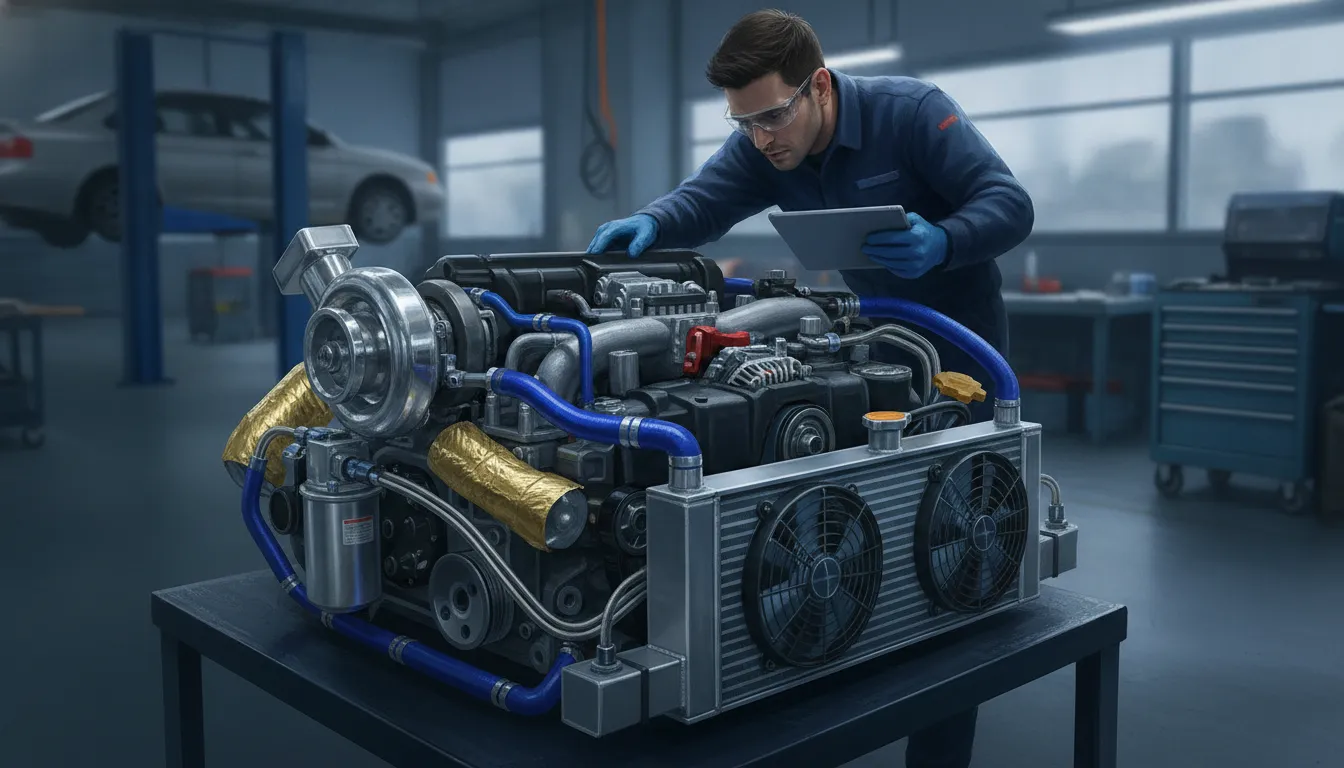
Power increases raise the importance of controlling heat, friction, and oil movement throughout the engine. In a turbocharged Subaru, oiling and cooling are not isolated upgrades. They support the bearings, piston assembly, turbocharger, cylinder heads, and sealing system as one working group. Crawford identifies proper oiling, cooling, and sealing as central to maintaining reliability in Subaru engine performance, particularly in turbocharged models.
Oil control starts with a complete system
A durable build needs more than an oil pump selected from a parts list. The oiling plan should account for how oil is supplied to the main and rod bearings. How the crankcase manages windage and pressure, and how oil is returned through the engine and turbocharger system. Clearances, bearing selection, assembly cleanliness, and correct priming all matter because a high-quality component cannot compensate for an oil passage obstruction or an installation error.
Crankcase ventilation deserves the same attention. Turbocharged engines can generate substantial blow-by and pressure changes under load. An air-oil separator, or AOS, can help organize that ventilation strategy, but it must be matched to the engine platform, plumbing, and intended use. The goal is controlled crankcase pressure and clean oil management, not simply adding another component without confirming how it integrates with the rest of the build.
Cooling is about heat management, not a single temperature target
Cooling strategy should be considered alongside the turbocharger, tune, fuel system, packaging, and duty cycle. Street driving, track use, and overland work place different demands on airflow and sustained engine load. Radiator capacity, hose routing, coolant flow, intercooler choices, and protection from heat soak should therefore be evaluated as a system. Avoid choosing parts based on an unsupported temperature promise. Instead, build in a way that gives the engine stable fluid circulation and allows the driver or tuner to monitor relevant conditions.
Monitoring turns an assumption into information. Oil pressure, coolant temperature, and other platform-appropriate data can help identify a developing problem before it becomes an engine failure. The exact sensors and warning thresholds should follow the engine builder's recommendations and the vehicle's calibration, rather than a universal internet checklist.
Installation quality protects the parts
Sealing, torque procedures, clean assembly, fluid selection, priming, and post-installation checks are part of reliability. This is also why an installation plan should be created before ordering a short block. For an EJ25 build, Subaru short block installation kits can help organize the supporting components required for installation. Confirm compatibility with the exact year, engine code, accessories, and intended configuration before purchasing.
When evaluating Subaru performance parts, ask how each selection supports oil supply, heat control, ventilation, and sealing as a matched build. Reliability comes from the complete system and the quality of its installation, not from treating oiling or cooling as an afterthought.
How Does Crawford Spec a Reliable Built Block?
A reliable built block starts with the application, not a generic parts list. A street-driven WRX, a track car, and an overland Crosstrek place different demands on an engine. Before choosing Subaru Engine Parts, define the vehicle, engine platform, fuel, intended use, power target, and operating conditions. That information gives the builder the context needed to select components that work together rather than combining individually attractive upgrades.
Start with the complete engine combination
The block and rotating assembly should be considered alongside the cylinder heads, valvetrain, turbocharger, calibration, oiling system, cooling system, and sealing hardware. Crawford identifies oiling, cooling, and sealing as central reliability considerations for turbocharged Subaru engines. Those systems affect how the engine manages heat, lubrication, cylinder pressure, and repeated use. A strong short block cannot compensate for an unsuitable supporting system or an installation that does not follow the requirements of the selected components.
Component selection also depends on the platform. Crawford has experience with Subaru EJ20, EJ25, FA20, and FA24 applications, as well as performance programs for the WRX, STI, BRZ, Crosstrek, Forester, and Impreza. That broad platform knowledge matters because parts, clearances, head configurations, and build requirements are not interchangeable across every Subaru engine family. Higher-output combinations may require forged pistons and connecting rods, but the correct specification still depends on the complete use case rather than a headline power number.
Choose a short block or long block based on the remaining work
A short block is a practical path when the existing cylinder heads are suitable. It also suits owners who want to select and assemble the heads separately.
Confirm compatibility before ordering. Check the engine code, model year, heads, accessories, sensors, turbo system, and intended installation. For an FA20 DIT application, review the options for built Subaru FA20 DIT short blocks as a starting point.
A long block includes more of the assembled engine package and can reduce the amount of matching and assembly work left for the installer. It may be the better route when the existing heads are damaged. The build needs a more complete solution, or the owner wants a cohesive assembly from one specialist. Crawford's reliable Subaru long block engine assemblies provide a product path for that type of project.
Ask for the selected configuration, included components, installation requirements, and warranty terms in writing before committing. Crawford's homepage currently states that its performance engines carry a standard 1-year unlimited-mileage engine warranty. Because coverage and installation conditions matter, discuss the vehicle and intended use directly with Crawford Performance before finalizing the build.
Contact Crawford Performance before you order your matched engine parts.
Frequently Asked Questions
How should you choose Subaru engine parts for a reliable build?
Start with the vehicle, intended use, power goal, and engine platform. Then match the block, forged internals, valvetrain, sealing hardware, oiling strategy, and cooling system as one package. A street car, track car, and overland vehicle can need different priorities even when they share the same engine family.
When should you upgrade the Subaru engine valvetrain?
Consider a valvetrain upgrade when the build increases engine speed, boost, cylinder pressure, or sustained load beyond the stock operating range. Springs, retainers, valves, and head hardware should be selected together, with the camshaft, rpm target, and intended duty cycle in mind. The correct choice depends on the complete combination, not a single horsepower number.
Why are sealing and oiling important in Subaru performance builds?
Sealing keeps combustion pressure and fluids where they belong, while effective oil control supports lubrication under boost, acceleration, and sustained engine load. Gaskets, fasteners, clearances, oil-control components, and assembly practices should be reviewed together. Treating these as afterthoughts can undermine otherwise strong internals.
How does cooling system reliability affect a Subaru performance build?
A reliable cooling system helps control engine temperature during the conditions the vehicle will actually see. Radiator capacity, coolant flow, ducting, monitoring, and installation quality all matter, especially for track or high-load use. Cooling should be planned alongside oiling and power goals rather than added after the engine is assembled.
What should you ask before buying a built Subaru engine?
Ask which engine platform and model years the assembly supports, which components and machine work are included. How the parts are matched to your use, and what installation requirements apply. Also confirm warranty terms in writing. Crawford's homepage currently states that its performance engines carry a standard 1-year unlimited-mileage engine warranty. Confirm the terms for the specific assembly before ordering: Crawford Performance warranty information.
Contact us about your Subaru engine parts build
A reliable performance build starts with components that fit your power goal, platform, and intended use. Share your Subaru model, engine platform, power target, and driving plans so the conversation can focus on a matched direction.