Comparing the Top FA20 Short Block BRZ Options - Crawford Performance

Comparing the Top FA20 Short Block BRZ Options

When you decide to build a high-performance engine, you have to start with a solid foundation. You wouldn't build a custom home on weak ground, and the same logic applies to your car. Bolting a massive turbo onto a stock engine is a recipe for disaster because the internal components can't handle the immense increase in pressure and stress. The heart of any serious build is a robust short block. For your Subaru, a built fa20 short block brz replaces the factory pistons and rods with forged components designed for durability. This guide is your blueprint for choosing the right foundation, ensuring your investment in power is also an investment in reliability for years to come.

Crawford Performance CTA Button

Key Takeaways

  • A Built Short Block is Non-Negotiable for Power: To safely add a turbo or supercharger to your BRZ, you must replace the stock engine's core. A built short block provides the forged internals necessary to handle the intense pressure and heat, forming a reliable foundation for any serious performance build.
  • Match the Engine to Your Driving Goals: Select a short block based on your realistic power targets and how you use your car. Comparing horsepower ratings, internal components, and warranties ensures you invest in a foundation that meets your needs without paying for capabilities you won't use.
  • Success Requires a Complete System: A powerful short block is only one part of the equation. You must also plan for critical supporting upgrades, including a robust fuel system and a professional engine tune, to ensure all components work together for safe, consistent performance.

What is an FA20 Short Block?

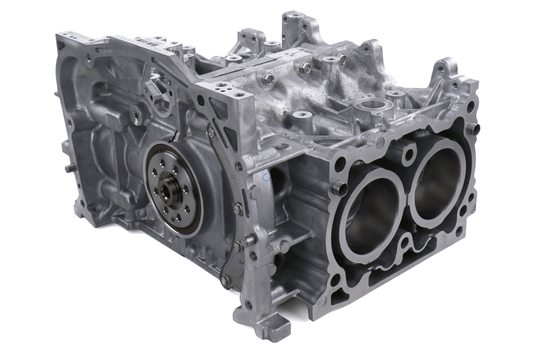
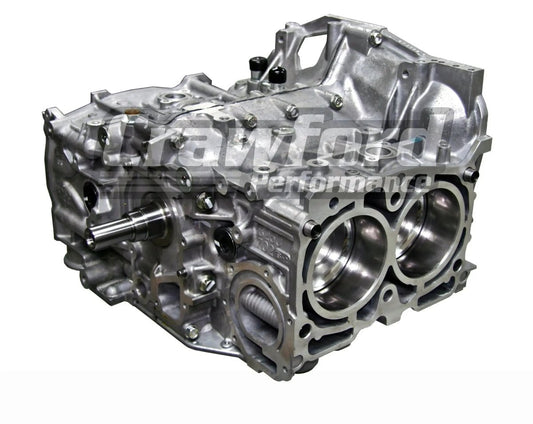
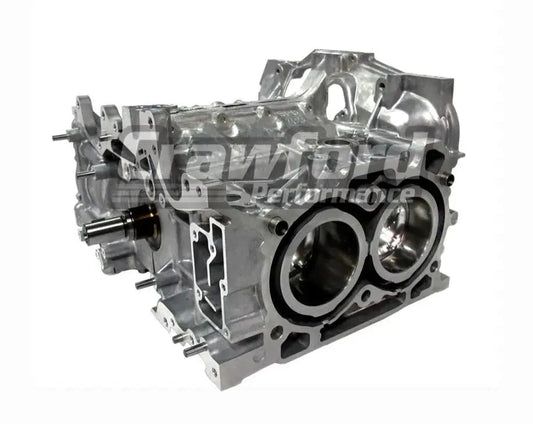
If you own a Subaru BRZ, you’re already familiar with the FA20 engine. It’s the 2.0-liter, four-cylinder boxer engine that gives the car its unique character and responsive feel. When you hear tuners and builders talk about an "FA20 short block," they're referring to the core foundation of that engine. Think of it as the bottom half of the engine assembly, delivered pre-assembled from a builder.

The term "short block" distinguishes it from a "long block," which also includes cylinder heads, camshafts, and the valvetrain. A short block is the heart of your engine's power-producing capability, housing the critical components that handle the immense forces of combustion. While the stock Subaru FA engine is well-engineered from the factory, its components have limits. For enthusiasts looking to add significant horsepower through forced induction or other major upgrades, a built short block is the essential starting point for a powerful and reliable build. It replaces the stock internals with much stronger, forged components designed to handle far more stress than the original parts ever could.

What's Inside a Short Block?

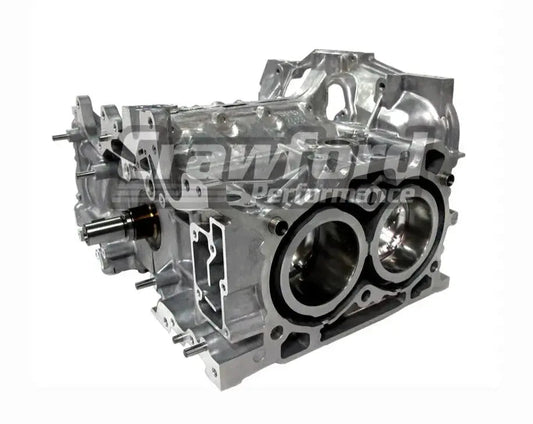
A short block contains the fundamental rotating assembly of your engine. The key components are the engine block itself, the crankshaft, the connecting rods, and the pistons. The engine block is the main structure that holds everything together. The crankshaft converts the up-and-down motion of the pistons into rotational force. The connecting rods link the pistons to the crankshaft, and the pistons are what get pushed down by the combustion of air and fuel.

These parts are under constant stress, and when you start adding more power, that stress multiplies. A built short block upgrades these core performance parts to handle the abuse, typically using stronger, forged materials that can withstand higher cylinder pressures and temperatures without failing.

Why It's the Heart of Your Performance Build

The short block is the literal foundation of your engine. You can bolt on the biggest turbo you can find, but if the internal components can't handle the extra power, your engine won't last long. A built FA20 short block provides the robust base you need to make serious, reliable power. By upgrading to forged pistons, stronger connecting rods, and a balanced crankshaft, you create an engine that can safely handle the increased demands of a turbocharger or supercharger.

This is why any high-horsepower build starts here. It ensures the engine's core is strong enough for whatever you throw at it. Once the strong foundation is in place, you can confidently add supporting modifications and finalize everything with professional engine tuning services to optimize performance and ensure longevity.

Why Upgrade Your BRZ's FA20 Short Block?

The stock FA20 engine in your BRZ is a fantastic piece of engineering, perfect for spirited driving right off the lot. But if you're like us, "stock" is just a starting point. When you start chasing higher horsepower figures, especially with forced induction, you'll quickly find the limits of the factory components. This is where upgrading your short block becomes one of the most critical steps in your build. It’s not just about adding power; it’s about building a strong, reliable foundation that can handle everything you throw at it, whether you're on the track or exploring a new trail.

Pushing Past Stock Engine Limits

Your BRZ's factory engine was built to handle a specific amount of stress. When you add a turbo or supercharger, you dramatically increase the pressure inside the cylinders. The stock pistons, rods, and block simply weren't designed for that kind of force long-term. A performance short block replaces these components with a much stronger foundation, using robust performance parts specifically engineered to manage the demands of a high-output build. This upgrade gives you the structural integrity needed to safely push past factory redlines and power levels, turning your vision for a high-performance BRZ into a reality.

Unlocking More Power and Reliability

There’s a common threshold for the stock FA20: around 300-350 wheel horsepower. Beyond that, you're venturing into territory where engine reliability becomes a serious concern. An upgraded short block with forged internals is your ticket to safely exceeding that limit. These components are built to withstand intense heat and pressure, giving you the confidence to add forced induction and turn up the boost. This isn't just about achieving a higher number on the dyno; it's about building an engine that delivers consistent, dependable power. Pairing this hardware with professional engine tuning services ensures your entire setup works in harmony for maximum performance and longevity.

Comparing the Top FA20 Short Blocks for Your BRZ

When you’re ready to build a more powerful and resilient engine for your BRZ, the short block is the foundation. Different builders offer unique strengths, so choosing the right one depends entirely on your performance goals and budget. Let's look at some of the top contenders on the market to see how they stack up.

Crawford Performance

With over two decades of experience with Subaru engines, we’ve engineered our Built Short Block to handle serious power—up to 660 horsepower. For forced induction builds, our S3L-X Turbo version reliably supports up to 600 wheel horsepower. We didn't just assemble parts; we collaborated with industry leaders like JE Pistons and Pauter Rods to create custom-designed components that offer superior strength and durability. This meticulous engineering process ensures our short blocks can withstand the demands of both track days and spirited street driving, giving you a reliable core for your high-performance build.

IAG Performance

IAG Performance is another well-known name in the Subaru community, offering FA20 short blocks for the BRZ, FR-S, and GT86. They provide options rated for either 600 or 800 brake horsepower, giving you a choice based on your power targets. Their higher-horsepower models feature a "Closed Deck" design for added block rigidity under extreme cylinder pressures. IAG also allows customers to select between standard or lower compression ratios, which is a key consideration for those planning to run significant boost with a turbocharger. This flexibility lets you tailor the engine's foundation to your specific forced induction setup.

OEM Subaru

If you're looking for a direct factory replacement rather than a high-performance upgrade, an OEM Subaru FA20D short block is always an option. This is a fully assembled block straight from Subaru, ensuring a perfect fit and original factory reliability for a stock vehicle. While it's the most straightforward choice for a standard repair, it's not designed to handle the increased stress from significant power adders like turbos or superchargers. It’s also important to remember that installing this block in a vehicle it wasn't originally intended for, or modifying the engine, will likely void any manufacturer warranty.

Other Builders to Consider

While many builders work on Subaru engines, the FA20 is a uniquely complex platform. When looking at other options, be aware of the potential challenges. Swapping a newer FA20 into an older BRZ can create compatibility issues with wiring harnesses, engine mounts, and even the transmission. The extensive use of RTV sealant from the factory also makes assembly more difficult and prone to error if not handled by an experienced technician. A poorly assembled engine can lead to catastrophic failure, so it’s critical to choose a builder with a proven track record specifically with the fully built FA20 engine.

How Much Does an FA20 Short Block Cost?

Investing in a built short block is one of the most significant upgrades you can make to your BRZ, and the price reflects that. It’s not just about buying a part; it’s about investing in the heart of your engine and securing its reliability for future power goals. The cost can vary quite a bit, typically ranging from around $5,000 to over $7,000, depending entirely on the build quality, the strength of the internal components, and the power level it’s designed to handle.

Think of it like this: a block built for a spirited daily driver with a small turbo will have different components and preparation than one engineered to withstand the extreme pressures of a 700-horsepower track car. Understanding what goes into these different price points is key to choosing the right foundation for your build without overspending or, even worse, under-building for your goals. The final price tag is a direct reflection of the engineering, materials, and labor required to ensure your engine can safely handle the power you plan to throw at it.

Breaking Down the Price Range

When you start shopping for an FA20 short block, you'll find that most reputable options fall within a specific price window. For example, the Crawford Performance Built Short Block, which is rated for a very capable 660 HP, is priced around $5,300. Other builders offer similar stages, with entry-level performance blocks starting near $5,250 for around 600 HP, while their more extreme, 800 HP-rated versions can climb to $6,500 or more. This range covers builds from mild forced-induction setups to serious track-focused machines. The key is to match the block's capability and price to your realistic power targets.

What Influences the Final Price Tag?

Several critical factors determine the final cost of a built short block. The biggest driver is the power rating. A block designed for 800 HP requires much stronger internal components—like forged pistons and connecting rods—and more intensive machine work than a 600 HP block. Many high-power blocks feature a "closed-deck" design, where the open water channels around the cylinders are filled in for superior strength under high boost, which adds to the cost. You're also paying for the builder's expertise and the extensive research and development that goes into identifying failure points and engineering reliable solutions. Decades of testing and refinement ensure the final product is a durable foundation for your build.

Match the Short Block to Your Build Goals

Choosing the right FA20 short block isn’t about finding the one with the biggest power rating; it’s about finding the one that perfectly aligns with how you use your BRZ. A block built for a 700-horsepower drag car will be overkill and unnecessarily expensive for a daily driver, while a stock-replacement block won’t last a single weekend on the track with a turbo kit.

Before you add anything to your cart, get honest about your goals. Do you want a more responsive and reliable car for your commute? Are you building a dedicated track machine for weekend events? Or are you chasing the highest horsepower number possible? Your answer will guide you to the perfect foundation for your build, ensuring you invest in a short block that meets your needs without breaking the bank on features you’ll never use.

Comprehensive infographic showing FA20 short block selection criteria including power ratings, compression ratios, supporting modifications like fuel system upgrades and intercoolers, professional installation requirements with specific torque specifications, and break-in procedures with oil change intervals and tuning protocols for BRZ performance builds

For the Spirited Daily Driver

If your BRZ is your daily commuter but you still want some extra punch for spirited drives, you need a short block that prioritizes reliability and strength over all-out power handling. You’re looking for a solid foundation that can handle bolt-on modifications like an exhaust, intake, and a tune, or even a low-output supercharger.

Options like the IAG 600 are designed for this exact purpose. They are built to handle the increased cylinder pressures that come with modifications, giving you a much stronger engine than stock without compromising daily usability. A quality built short block provides peace of mind, ensuring your engine can handle some fun while still getting you to work on Monday. This approach gives you a responsive, enjoyable car that’s ready for more performance parts down the road.

For the Weekend Track Warrior

Once you start taking your BRZ to the track, the demands on your engine increase exponentially. Sustained high RPMs, increased heat, and the stress of forced induction require a short block built for durability. This is where forged internals and closed-deck designs become essential. A closed-deck block provides superior cylinder wall strength, which is critical when you’re pushing higher cylinder pressures from a turbo or supercharger.

For this type of build, you’ll want a short block rated for higher power, like IAG’s 800 series. These are engineered to withstand the abuse of track days. Remember that a track build is a complete package. You’ll need to pair your robust short block with supporting modifications and professional engine tuning services to ensure everything works together reliably and delivers consistent performance lap after lap.

For All-Out Power Builds

If your goal is to build a BRZ that puts down massive power numbers, you’re in a different league. This requires a no-compromise approach where every component is selected for maximum strength. For these builds, a top-tier, closed-deck short block isn’t just recommended—it’s a necessity. These blocks are engineered to handle extreme cylinder pressures and are the foundation for any serious high-horsepower FA20.

The Crawford Performance Built Short Block FA20 is designed specifically for forced induction applications aiming for 600+ horsepower. It’s crucial to remember that the advertised power ratings are the maximum these components can handle with a perfect tune and meticulous maintenance. For an all-out build, the short block is just the starting point; it must be paired with a robust fuel system, a high-efficiency turbo, and a precision tune to safely achieve your power goals.

Key Features to Compare in an FA20 Short Block

When you’re ready to invest in the heart of your build, you’ll find that not all short blocks are created equal. The details matter—a lot. From the power it can handle to the materials used and the warranty that backs it up, every feature plays a role in your car’s future performance and reliability. Understanding these key differences will help you choose a short block that aligns perfectly with your goals and gives you confidence every time you turn the key. Let’s break down the three most important areas to compare so you can make an informed decision for your BRZ.

Power Ratings and Compression

The first thing you’ll notice when comparing short blocks is the horsepower rating. Builders often list power goals like 600, 660, or even 800 brake horsepower (BHP). This number tells you what the engine is built to handle reliably. It’s crucial to choose a block that can support your target power level with room to spare. For example, our Crawford Performance S3L-X short block is rated for a solid 660 HP. Also, pay attention to the compression ratio. A lower compression ratio is generally better for high-boost applications (like turbos or superchargers), while a higher ratio can offer better throttle response in a naturally aspirated setup.

Materials and Build Quality

The internal components of a short block are what separate a good engine from a great one. Look for forged pistons and connecting rods, which are significantly stronger than the stock cast parts and essential for handling increased power. We use custom-designed pistons and longer, stronger steel rods to ensure durability and smooth power delivery. Another key feature is the block design itself. Many high-horsepower builds, like some 800 BHP options on the market, use a "closed-deck" design. This process reinforces the cylinder walls to prevent flexing under extreme pressure. The quality of the assembly, including clearances and balancing, is just as important as the performance parts themselves.

Warranty and Manufacturer Support

An engine is a major investment, and you want it to be protected. A solid warranty provides peace of mind and shows that the manufacturer stands behind their work. At Crawford, we back our built short blocks with a 12-month/12,000-mile warranty, which is a testament to our confidence in our engineering and assembly process. Beyond the warranty, consider the manufacturer's reputation for customer support. If you or your installer have questions during the build, responsive and knowledgeable support is invaluable. A great engine is only as good as the team behind it and the engine tuning services that bring it to life.

What to Know Before You Install

Choosing the right FA20 short block is a huge step, but the journey doesn’t end there. Proper installation is critical to protecting your investment and getting the performance you expect. Before you turn the first wrench, it’s important to have a solid plan for the installation, potential compatibility issues, and the initial break-in period. Getting these details right will save you from major headaches and ensure your new engine build starts off on the right foot.

DIY vs. Professional Install: What's Best?

The satisfaction of building your own engine is undeniable, but it’s a job that demands precision. Building an engine is complex and needs special tools and knowledge. For many, it's best to have a professional install it. A DIY installation requires an engine hoist, precision torque wrenches, and a spotlessly clean environment. If you’re not experienced with setting bearing clearances or following intricate torque sequences, a small mistake can lead to catastrophic failure. A professional installer has the right tools and experience, offering an investment in reliability and peace of mind. They ensure your build is ready for its final engine tuning services.

Common Compatibility Hurdles

Not all FA20s are created equal. Subaru made subtle changes to the engine throughout the BRZ’s production run. Because of this, installing a newer model year FA20 into an older BRZ or GT86 can present challenges with wiring harnesses, engine mounts, and transmission alignment. Sensors may have different connectors, or the wiring loom may follow a different path. Beyond the block, you need to verify compatibility with your existing flywheel and clutch. Always confirm that the performance parts you plan to use are compatible with your specific short block and model year. Double-checking these details beforehand prevents frustrating delays.

Troubleshooting After Installation

Once the new short block is in, the work isn’t quite over. The first startup is a critical moment. It’s not uncommon to run into minor issues, like a rough idle that could be traced back to the ECM, not the engine itself. This highlights how interconnected the car’s systems are. Before the first drive, perform a thorough check for any fluid leaks and listen for unusual sounds. During the break-in period, it’s crucial to follow the engine builder’s instructions precisely, which usually involves varying engine RPM and avoiding heavy loads. Closely monitoring oil pressure and coolant temperature will help you catch potential problems early.

Supporting Mods for Your New Short Block

Dropping in a built short block is a fantastic foundation for power, but it doesn't work in a vacuum. To get the performance and reliability you’re paying for, you need to surround it with components that can keep up. Think of it as building a high-performance team—your short block is the star player, but it needs a solid supporting cast to win the championship.

Ignoring these supporting modifications is one of the fastest ways to jeopardize your new investment. The goal is to create a balanced system where every part works in harmony, ensuring your engine can handle the power you plan to throw at it. From fuel delivery to engine management, each of the following upgrades is a critical piece of the puzzle for a successful and durable build. These aren't just suggestions; they're essential steps for getting the most out of your BRZ.

Forced Induction: Turbos and Superchargers

If your build goals include a turbo or supercharger, remember that you're fundamentally changing how your engine breathes. Forced induction shoves more air into the cylinders, which is how you make more power. However, you can't just bolt on a turbo and call it a day. This single upgrade creates a domino effect, demanding more from your fuel system, cooling, and exhaust. To support the extra air, you’ll need to provide more fuel and give the engine a more efficient way to exhale. This means a comprehensive approach is necessary, including upgrades to the intercooler, exhaust, and the entire fuel delivery system to handle the new demands.

Upgrading Your Fuel System

With more air coming in, your engine needs more fuel to maintain a safe air-to-fuel ratio. A stock fuel system will quickly become a bottleneck, starving your new engine and putting it at risk. Upgrading to a higher-flow fuel pump and larger fuel injectors is non-negotiable. This ensures your engine gets the fuel volume it needs to make power safely. If you're planning to run E85 for its performance benefits, this step is even more critical. E85 requires about 30% more fuel than standard gasoline, so your fuel system upgrades will need to be even more substantial to keep up.

Dialing It In with a Pro Tune

After all the hard parts are installed, the final and most critical step is a professional tune. This is where all your new components are calibrated to work together as a cohesive unit. A professional tuner will adjust your engine’s fuel maps, ignition timing, and boost levels to optimize performance and, more importantly, ensure its safety. A proper tune from a specialist who understands Subaru engines will include built-in safeguards to protect your motor from dangerous conditions like running too lean or over-boosting. Think of it as the brain of your operation; without expert engine tuning services, you’re just leaving power and reliability on the table.

What Are Other BRZ Owners Saying?

When you’re planning a major engine upgrade, one of the best resources is the community of owners who have already been down that road. Diving into forums and social media groups reveals a ton of firsthand experience about what works, what doesn’t, and what to expect when you build your FA20. Sifting through those threads can be time-consuming, so we’ve distilled the key conversations happening among BRZ drivers right now. These insights cover the biggest concerns for any build: reliability, cost-effectiveness, and the support you get after the sale.

Real-World Performance and Reliability

A common debate you’ll see online is whether a built FA20 can truly be as reliable as a factory engine. Some owners worry that moving away from stock components introduces new risks, while others argue that the stock block is the weak link when you start adding power. The truth is, the reliability of your built engine comes down to the quality of the components and the skill of the builder. A professionally assembled short block using forged internals is designed specifically to handle the increased stress from a turbo or supercharger, making it far more durable than a stock engine pushed past its design limits. The goal isn't just more power; it's achieving that power reliably, lap after lap.

Getting the Best Bang for Your Buck

Everyone wants to feel confident they’re making a smart investment. In the world of engine building, "bang for your buck" means finding the right balance between your budget and your performance goals. You'll find owners discussing various options, from entry-level builds designed for spirited street driving to all-out race blocks rated for massive power. The key is to match the short block to your specific needs. Spending more on a block rated for 800 HP is unnecessary if you’re only aiming for 400 HP. Conversely, choosing a budget option that can’t handle your power target is a recipe for failure. Remember, the final price includes not just the block but also supporting mods and a professional engine tuning service to ensure everything works together perfectly.

Customer Support and Warranty Experiences

What happens after the engine is installed is just as important as the build itself. You’ll find plenty of stories from owners who ran into unexpected challenges, like wiring harness incompatibilities or troubleshooting a rough idle after the first startup. This is where a builder’s customer support and warranty really shine. A comprehensive warranty provides peace of mind and a safety net for your investment. Choosing a shop with a proven track record and responsive support can make all the difference, turning a potential nightmare into a manageable problem. When you're working on a fully built FA20 engine, having an expert team to call on is invaluable.

Related Articles

Crawford Performance CTA Button

Frequently Asked Questions

Do I need a built short block if I'm only adding basic mods like an intake and exhaust? For basic bolt-on modifications, your stock FA20 short block is perfectly capable. Those types of upgrades don't significantly increase the pressure inside your engine. A built short block becomes essential when you make the jump to forced induction with a turbocharger or supercharger. That's the point where cylinder pressures rise dramatically, and you need the strength of forged internals to handle the extra power reliably.

What's the difference between an "open-deck" and "closed-deck" block? Think of the top of the engine block where the cylinders are. In an "open-deck" design, there are open channels around the cylinders for coolant to flow freely. This is great for cooling in a stock engine. A "closed-deck" block has these channels filled in with metal, creating a solid, reinforced surface around the cylinders. This added rigidity provides much greater support for the cylinder walls, preventing them from flexing or cracking under the extreme pressure of a high-horsepower, high-boost build.

Is a built short block all I need to handle a turbo or supercharger? No, the short block is the strong foundation, but it's just one piece of the puzzle. To safely run forced induction, you must also upgrade your fuel system with a higher-flow fuel pump and larger injectors to provide the extra fuel your engine will need. Most importantly, a professional tune is required to calibrate everything to work together safely. The short block can handle the force, but the fuel system and tune are what keep it from failing.

Can I use my stock cylinder heads on a built short block? Yes, you can absolutely use your factory cylinder heads with a built short block, and many people do for moderate power goals. The stock heads flow quite well. However, if you are aiming for very high horsepower levels, it's a good idea to also upgrade the valvetrain components within the heads, such as the valve springs and retainers. This prevents issues like valve float at high RPM and ensures the top half of your engine can keep up with the robust bottom end.

Why is the break-in period so important for a new engine? The break-in period is critical for the long-term health of your engine. During this time, the new piston rings wear into the cylinder walls, creating a perfect seal. This process ensures you have strong compression and prevents excessive oil consumption down the road. Following the builder's specific instructions—which usually involve varying the engine speed and avoiding heavy loads—is the best way to guarantee your investment performs reliably for years to come.

Regresar al blog