The Ultimate BRZ Turbo Kit Buyer's Guide - Crawford Performance

The Ultimate BRZ Turbo Kit Buyer's Guide

Let's cut through the noise surrounding turbocharging a BRZ. You've probably heard the myths: the stock engine can handle it, or the kit is your only major expense. Following that advice is a fast track to a blown budget and a damaged engine. This guide gives you a clear, realistic roadmap for the project. We'll cover the true costs, the importance of emissions compliance, and why professional tuning is critical for long-term reliability. My goal is to help you choose the right BRZ turbo kit and build a powerful, dependable car you'll love to drive.

Crawford Performance CTA Button

Key Takeaways

  • Treat a Turbo as a Full System Overhaul: A turbo kit is the core of a major performance upgrade, not a simple bolt-on. To do it right, you must also improve the fuel system, drivetrain, and cooling to safely manage the significant increase in horsepower.
  • Your True Budget is Double the Kit Price: The sticker price of the turbo kit is only about half of your total investment. A reliable build requires factoring in the costs of professional installation and a custom engine tune, which are essential for protecting your engine.
  • Commit to Stricter Maintenance for Long-Term Reliability: A turbocharged engine requires more attention. Plan for more frequent oil changes using high-quality full synthetic oil and regular inspections to ensure your BRZ remains dependable and performs at its peak.

What Is a BRZ Turbo Kit?

A BRZ turbo kit is a complete set of performance parts designed to add a turbocharger to your car's naturally aspirated engine. While the Subaru BRZ is celebrated for its incredible handling and balance, many drivers find themselves wanting more power. A turbo kit is the most effective way to deliver that. It’s not just a single component; it’s an entire system engineered to work together to achieve forced induction.

A typical kit includes the turbocharger itself, an exhaust manifold, an intercooler to cool the compressed air, all the necessary piping, and often components for the fuel and oil systems. Think of it as a comprehensive power-up package that transforms your BRZ's performance, taking it from a nimble corner-carver to a true straight-line threat. This upgrade fundamentally changes how your engine breathes, forcing more air into the cylinders to create a much more powerful combustion. It’s a serious modification that requires careful installation and professional tuning to ensure the engine runs safely and efficiently with the added boost. Choosing the right kit is about matching the components to your specific power goals and driving style, whether you're aiming for a responsive street car or a dedicated track machine.

How Does a Turbo Kit Actually Work?

At its core, a turbocharger is a brilliant piece of engineering that recycles waste energy. Your engine produces hot exhaust gases that would normally just exit through the tailpipe. A turbo kit harnesses these gases to spin a turbine wheel. This turbine is connected by a shaft to another wheel, called a compressor, which is on the intake side of your engine. As the compressor spins at incredibly high speeds, it sucks in and pressurizes a huge volume of air, forcing it into the engine's cylinders. This process is called forced induction. More air allows the engine to burn more fuel, resulting in a bigger, more powerful combustion and a major increase in horsepower. To keep everything running smoothly, the turbo is typically cooled by both engine oil and coolant.

Why Should You Turbocharge Your BRZ?

The main reason to turbocharge your BRZ is simple: a massive increase in power. This upgrade completely transforms the driving experience by adding significant horsepower and torque across the powerband. Your car will accelerate much faster, making highway merges, overtakes, and track days far more exciting. While a stock BRZ is fun, it can feel underpowered in certain situations. A quality turbo kit can easily push your BRZ past 300 horsepower, addressing its most common critique. This added muscle doesn't just improve straight-line speed; it makes the car feel more responsive and potent in every gear. It’s the key to unlocking the full performance potential hidden within the BRZ’s excellent chassis. Proper engine tuning services are essential to harness this new power safely and reliably.

Why Doesn't the BRZ Come with a Turbo?

It's a question many enthusiasts ask: if the BRZ is so great, why didn't Subaru give it a turbo from the factory? The answer lies in its core design philosophy. The BRZ was engineered from the ground up to be a lightweight, perfectly balanced sports car with an incredibly low center of gravity. Subaru and Toyota prioritized nimble handling and a direct connection between the driver and the road over sheer horsepower. Adding a factory turbo would have compromised this delicate balance. A turbo system adds weight and complexity, and the engine would likely need to sit higher, raising the center of gravity and affecting the car's celebrated cornering ability.

Beyond handling dynamics, there are significant engineering and cost factors. Turbocharging an engine isn't a simple bolt-on addition; it requires a full system approach. The stock engine internals, drivetrain, and braking systems are built for a naturally aspirated setup and aren't prepared for the stress from forced induction. This is why a proper aftermarket turbo build involves upgrading many other performance parts for reliability. Finally, keeping the BRZ naturally aspirated helped maintain its accessible price point, making it an affordable option for driving purists. It was a deliberate choice to prioritize balance over factory-boosted power.

Our Top Picks for the Best BRZ Turbo Kit

When you decide to turbocharge your BRZ, you'll find a handful of excellent brands leading the charge. Each offers a unique approach to forced induction, with kits designed for different power goals, budgets, and driving styles. The key is to find the one that aligns perfectly with what you want to achieve with your car. From complete, all-in-one systems to highly customizable setups, let's look at some of the top contenders in the market so you can make an informed choice for your build.

Crawford Performance Turbo Systems

As Subaru specialists, we design our turbo kits to completely transform the BRZ's driving dynamics. The right setup depends entirely on your driving style, but our systems are engineered to push horsepower well beyond 300, giving you the power you need for the street or the track. We focus on creating a balanced and reliable package that delivers consistent performance. By integrating high-quality components, our kits provide a serious increase in power while maintaining the drivability that makes the BRZ so much fun. Explore our full range of performance parts to see how we can help you reach your goals.

Tomioka Racing Dual Ceramic Ball-Bearing Kits

Tomioka Racing is known for its potent turbo solutions, and their dual ceramic ball-bearing kit for the BRZ is a standout option. It’s specifically engineered to deliver a massive power increase, capable of adding over 125 horsepower on an otherwise stock fuel system. This makes it an excellent choice for owners looking for a significant and immediate performance gain without needing a complete overhaul of supporting components from day one. The use of dual ceramic ball bearings also helps with faster spool times, giving you a responsive throttle and a thrilling powerband that completely changes the character of the car.

HKS Turbo Solutions

HKS is a legendary name in the Japanese aftermarket scene, and their turbo solutions for the BRZ live up to the reputation. They offer a variety of systems, often collaborating with other industry giants like Garrett, BorgWarner, and Precision Turbo to ensure their kits use top-tier components. This commitment to quality means you get a reliable and well-engineered product designed for serious performance. Whether you're looking for a mild street setup or a full-blown track build, HKS provides proven options that have been trusted by enthusiasts for decades, making them a go-to for many BRZ owners.

P&L Motorsports Turbo Kits

P&L Motorsports offers turbo kits that are carefully tailored to the Subaru BRZ, focusing on seamless integration and reliable performance. Their kits are designed to work well with the vehicle's existing systems, making them a solid choice for owners who want a powerful upgrade without the complexity of a fully custom build. By focusing on model-specific applications, P&L ensures that their hardware fits correctly and performs as expected right out of the box. This approach provides a straightforward path to forced induction, giving you a dependable power increase that feels like it could have come from the factory.

What Performance Gains Can You Expect?

Adding a turbo kit is one of the most effective ways to transform your Subaru BRZ's performance. While the stock engine is balanced and fun, forced induction introduces a completely new level of acceleration and power. The gains aren't just numbers on a dyno sheet; they translate directly to a more thrilling and responsive driving experience. But before you commit, it’s important to understand what those numbers look like and how different systems deliver that power.

Understanding the BRZ's Stock Performance

The Subaru BRZ is a fantastic car right off the showroom floor. It’s celebrated for its lightweight chassis, sharp steering, and near-perfect balance, making it a joy to drive on winding roads. However, many owners agree on its one major shortcoming: a lack of straight-line power. While the naturally aspirated engine is responsive and reliable, it can feel underpowered, especially when you want that extra push for a highway overtake or coming out of a corner on the track. This is the most common critique of the BRZ and the primary reason drivers start looking for performance parts. The car’s chassis can handle so much more, which leaves a noticeable gap between its cornering capability and its acceleration. It’s this desire for more horsepower that leads many down the path of forced induction.

Horsepower and Torque: The Real Numbers

Let's get straight to the point: a quality turbo kit delivers a massive increase in power. On an otherwise stock BRZ, a well-designed kit can add over 125 horsepower. When you pair the turbo with other essential performance parts like an upgraded exhaust and a professional tune, those numbers climb even higher. It’s common to see turbocharged BRZs achieve between 300 and 325 wheel horsepower (WHP). This kind of power fundamentally changes the car's character, turning it from a nimble corner-carver into a machine with serious straight-line speed.

The Impact of Fuel Choice on Power Output

The fuel you put in your tank becomes a critical performance component once you add a turbo. Turbocharging significantly increases the pressure and heat inside your engine's cylinders, creating an environment where lower-octane fuel can prematurely detonate. This phenomenon, known as engine knock, is incredibly damaging to your engine's internal components. Higher octane fuel, like 91 or 93, is more stable and resistant to knock under these demanding conditions. This stability is precisely what allows a tuner to safely advance ignition timing and increase boost pressure. The ability to run a more aggressive tune directly translates to more horsepower and torque, ensuring you get the maximum safe output from your investment. Using lower-grade fuel would force a much more conservative tune, leaving a significant amount of power on the table and putting your engine at risk.

Turbo vs. Supercharger: Understanding the Difference

Peak horsepower only tells part of the story. How your BRZ makes that power is just as important, and this is where turbochargers and superchargers differ. A turbocharger uses exhaust gases to spin a turbine, which means there's a slight delay—often called "turbo lag"—before you feel the full force. This is followed by a sudden, exhilarating rush of power that many drivers find addictive for street and highway driving. In contrast, a supercharger is belt-driven and provides instant, linear power from low RPMs. This smooth delivery, perfected through expert engine tuning services, makes it a popular choice for track driving where precise throttle control is key for exiting corners quickly.

Efficiency: Exhaust-Driven vs. Belt-Driven

The core difference between these two forms of forced induction lies in how they get their power. A turbocharger is a master of recycling. It captures the hot, high-pressure exhaust gases flowing out of your engine and uses them to spin a turbine. This turbine powers a compressor that forces more air into the engine, creating more power from energy that would otherwise be wasted. In contrast, a supercharger is directly connected to the engine's crankshaft via a belt. This means it uses the engine's own rotational power to run its compressor. While this direct connection eliminates lag, it also creates what's known as parasitic loss, as the engine has to work a little harder to power the supercharger itself.

Types of Superchargers: Roots vs. Centrifugal

Not all superchargers are created equal. The two most common types you'll encounter are Roots-style and centrifugal, and they deliver power in very different ways. A Roots-style supercharger provides instant, massive torque right from low RPMs, giving your BRZ the feel of a much larger, naturally aspirated engine. It’s all about that immediate, forceful pull the second you touch the throttle. A centrifugal supercharger, on the other hand, builds boost more progressively. Its power delivery is smooth and linear, increasing steadily as your engine speed climbs toward the redline. This predictable power curve makes it a favorite for track driving, where smooth throttle application is critical for maintaining control.

Adjustable Power with Electronic Boost Control

One of the biggest advantages of a turbocharger is its flexibility. Unlike most supercharger setups, a turbo system allows for adjustable power levels through an electronic boost controller. Paired with professional engine tuning services, this technology lets you switch between different power maps on the fly. You could have a conservative, low-boost setting for your daily commute to save fuel and reduce wear, and a high-performance map that unleashes maximum power for a track day or a spirited drive on backroads. This ability to tailor your car's performance to the situation gives you incredible versatility that a fixed-ratio supercharger simply can't match.

Breaking Down the Cost of a BRZ Turbo Kit

When you start shopping for a turbo kit, the price tag on the box is only the first piece of the puzzle. A successful and reliable build requires more than just the hardware. You also need to account for professional installation, a precise engine tune, and potentially other supporting modifications to handle the new power. Understanding the full financial picture from the start helps you plan your project properly and avoid costly surprises down the road. Let’s break down the numbers so you can build a realistic budget for turbocharging your BRZ.

Entry-Level vs. Premium Kit Pricing

The cost of the turbo kit itself can vary significantly based on the brand, components, and engineering involved. For a quality system, you can expect to invest a substantial amount. For example, some popular kits on the market start around $6,500 and can go up to nearly $7,000 for more premium options. This price generally covers the core components: the turbocharger, manifold, intercooler, piping, and necessary hardware. Higher-priced kits often include superior materials, more extensive research and development, and a more comprehensive set of parts, which can simplify the installation process and improve long-term reliability.

Understanding the Full Price Spectrum of Turbo Kits

A common rule of thumb is that the sticker price of the turbo kit itself is only about half of your total investment. This is because a reliable and safe build requires more than just bolting on new hardware. You must also budget for professional installation and a custom engine tune. These aren't optional expenses; they are critical for protecting your engine from the stress of forced induction. A professional installer ensures every component is fitted correctly, preventing dangerous leaks or mechanical failures. Afterward, professional engine tuning services are essential to recalibrate your car's computer, adjusting fuel delivery and timing to safely manage the increased airflow. Skipping these steps is the fastest way to turn your exciting project into a costly engine rebuild.

Don't Forget Installation and Tuning Costs

Beyond the kit itself, the two most critical expenses are installation and tuning. This isn't a simple bolt-on job for most home mechanics. A good rule of thumb is to budget about double the price of the kit for the entire project. Professional installation is a complex process that ensures everything is fitted correctly and safely. Even more important is the custom engine tune. This is the final, essential step where a professional calibrates your ECU to work with the new turbo system. Proper engine tuning services are what protect your engine and deliver smooth, reliable power.

How to Calculate Your Total Project Cost

So, what’s the grand total? When you combine the cost of a quality turbo kit with professional installation and a custom tune, a realistic budget is somewhere between $7,000 and $10,000. Planning for this range from the beginning ensures you have the funds to do the job right without cutting corners. Investing in a complete, professional installation and tune is the best way to protect your engine and get the exhilarating performance you’re looking for. This comprehensive approach, using top-tier performance parts and expert labor, is what separates a great build from a problematic one.

Essential Supporting Mods for Your Turbo Kit

Installing a turbo kit is a major step, but it’s not the final one. Think of it as the heart of a new, more powerful system. To ensure that system runs smoothly and reliably, you need to upgrade the components that support it. Bolting on a turbo without addressing the fuel, cooling, and drivetrain systems is a recipe for disaster. These supporting modifications aren't just suggestions; they're essential for handling the increased power, keeping your engine healthy, and making sure you can actually use your newfound performance safely. Investing in these areas protects your engine and ensures your BRZ remains a joy to drive.

Comprehensive infographic showing BRZ turbo kit installation requirements including supporting system upgrades, professional installation tools and processes, custom ECU tuning procedures, and enhanced maintenance protocols for turbocharged engines

Why You Need to Upgrade Your Fuel System

More air from the turbo requires more fuel to maintain a safe air-to-fuel ratio. Your stock fuel system was designed for a naturally aspirated engine and simply can't keep up with the demands of forced induction. To prevent your engine from running lean—a condition that can cause catastrophic damage—you'll need to install a higher-flow fuel pump and larger fuel injectors. These components ensure your engine gets the fuel it needs under boost. Proper engine tuning services are the final piece of the puzzle, dialing everything in to create a reliable and powerful setup.

How to Reinforce Your Drivetrain

All that extra horsepower and torque puts a significant strain on your drivetrain. For manual transmission BRZs, the stock clutch is often the first weak link and will likely start slipping under the new power load. Upgrading to a performance clutch is crucial for transferring power effectively to the wheels. While you're at it, consider inspecting other drivetrain components like the axles and driveshaft. Reinforcing the drivetrain ensures that your car can consistently handle the demands of a turbocharged engine without leaving you stranded with broken parts.

Strengthening Your Engine Internals for High Boost

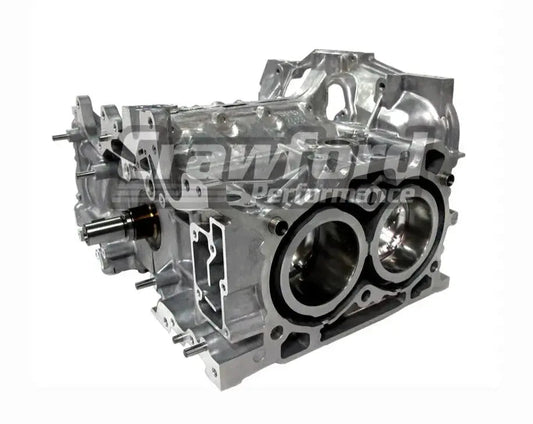
While the BRZ’s engine is well-engineered for its original design, it was never intended to handle the extreme cylinder pressures of high-boost applications. Pushing your turbo setup for maximum power puts immense stress on the engine's rotating assembly. The stock pistons and connecting rods, in particular, become critical weak points. To build a truly reliable high-horsepower BRZ, you must invest in forged internals. Upgrading to forged pistons and stronger connecting rods provides the durability needed to withstand the increased heat and pressure, preventing catastrophic engine failure. This isn't just an optional step for aggressive builds; it's a fundamental requirement for ensuring your engine's longevity and protecting your investment in performance parts.

Keeping it Cool: Upgrading Your Cooling System

Turbos generate a tremendous amount of heat, and the factory cooling system isn't equipped to manage it. Overheating is a serious risk that can lead to warped heads, blown gaskets, and complete engine failure. To keep temperatures in check, you’ll need to upgrade your cooling capacity. Installing a more efficient, larger radiator and adding an external oil cooler are two of the most important steps. These performance parts are critical for maintaining optimal engine temperatures, especially during high-performance driving, track days, or even just spirited runs on a hot day.

Matching Your Brakes and Suspension to the Power

Adding significant power without improving your ability to stop and turn is a dangerous oversight. Your factory brakes will fade quickly when trying to slow a much faster car. Upgrading to high-performance brake pads, rotors, and stainless steel brake lines will give you the confident, repeatable stopping power you need. Likewise, your suspension needs attention. The stock setup can feel unbalanced with the added power. Installing coilovers and upgraded sway bars will help you manage the car's dynamics, improve handling, and keep your BRZ planted and predictable through the corners.

DIY vs. Professional Install: Which Is Right for You?

The allure of tackling a major car project in your own garage is strong. There's a unique satisfaction in knowing you built your machine with your own hands. However, when it comes to installing a turbo kit, the stakes are incredibly high. This isn't a simple bolt-on modification; it's a comprehensive overhaul of your engine's respiratory system. The decision between DIY and professional installation hinges on a realistic assessment of your mechanical expertise, your access to specialized tools, and your tolerance for risk. A mistake during installation can lead to serious engine damage, turning your exciting upgrade into a costly repair.

This choice isn't just about labor costs. It's about ensuring the job is done right to protect your investment and unlock the true potential of your BRZ safely and reliably. To help you decide, we'll explore the specific challenges of a DIY install, the clear benefits of handing the keys to an expert, and why a professional tune is an absolute must, regardless of who turns the wrenches. Making the right call here is as crucial as selecting the right performance parts for your build.

The Reality of a DIY Turbo Install

Installing a turbocharger is a complex job that demands more than just a good socket set and some weekend ambition. It requires a deep understanding of engine mechanics, fuel systems, and electronics. You'll be tapping oil lines, modifying the exhaust, and integrating new sensors, all while working in tight spaces. Without extensive mechanical experience, it's easy to make a small mistake—like a leaky fitting or an improper connection—that can lead to major problems down the road. This is a project where precision is paramount, and there is very little room for error. Unless you're a seasoned mechanic, taking this on yourself can be a significant gamble.

Why a Professional Install Is Worth It

Opting for a professional installation is about buying peace of mind. Experienced technicians have performed these installations countless times. They have the specialized tools, the purpose-built lifts, and the diagnostic equipment to do the job efficiently and correctly. A professional can also identify and address other potential issues that a DIYer might overlook, like worn engine mounts or a weak clutch that won't handle the new power. This expertise ensures your turbo kit is integrated seamlessly with your vehicle's existing systems. Ultimately, you're not just paying for labor; you're investing in expertise that guarantees a reliable, high-performing build and saves you from costly troubleshooting later.

A Professional Tune Is Non-Negotiable

After the turbo kit is installed, the single most important step is the engine tune. Bolting on the hardware is only half the battle. A professional tune recalibrates your BRZ's engine control unit (ECU) to account for the increased airflow from the turbo. A tuner will meticulously adjust fuel delivery, ignition timing, and boost pressure to create a new engine map. This process ensures your engine runs not only powerfully but also safely. Skipping this step or using a generic "canned" tune is a recipe for disaster, risking engine knock, lean air-fuel ratios, and catastrophic failure. Professional engine tuning services are essential to protect your engine and get the reliable power you paid for.

The Role of a Basemap

Many turbo kits come with what's called a "basemap." It's crucial to understand that this is a very basic, conservative engine map designed for one purpose only: to get your car started and driven safely to a professional tuner. It is absolutely not a substitute for a proper tune. Driving your car hard on a basemap is a surefire way to risk engine damage, as it isn't tailored to your specific vehicle, climate, or fuel quality. A professional tuner will build a completely custom map from the ground up, precisely adjusting fuel, timing, and boost levels to maximize power while keeping your engine safe. Think of the basemap as a temporary transport pass, not a permanent driver's license for your new power.

Specific Tuning Software Requirements

It's also important to know that many turbo kits have specific software requirements for tuning. For instance, some popular systems mandate the use of the Ecutek tuning suite to access the ECU. If your chosen tuner doesn't use that specific software, or if you don't already own a license, this becomes an additional, necessary expense for your project. This is another reason why consulting with a professional before you even buy a kit is a smart move. They can advise you on which systems are compatible with their equipment and which will best suit your goals. Factoring in software and licensing costs upfront ensures your budget remains on track and you avoid any last-minute surprises when it's time for the final, critical engine tuning services.

How to Choose the Right Turbo Kit

Selecting the right turbo kit for your Subaru BRZ is a major decision that shapes your car's entire personality. It’s not just about chasing the highest horsepower number; it's about finding a balanced system that matches your driving style, budget, and performance goals. A thoughtful choice here means the difference between a reliable, thrilling daily driver and a car that spends more time in the shop than on the road. To make the best decision, you need to weigh your power ambitions against practical considerations like reliability and street legality. Let's walk through the three most important factors to get right.

What Are Your Real-World Power Goals?

Before you look at a single turbo kit, you need to answer one question: What do you want your BRZ to do? Are you looking for a modest power increase to make your daily commute more exciting, or are you building a dedicated track car designed for maximum performance? Your answer is the foundation of your entire project. A quality turbo kit can easily push your BRZ past 300 horsepower, but the ideal setup depends on how you plan to use that power. A smaller, quick-spooling turbo might be perfect for responsive city driving, while a larger turbo will deliver the top-end power needed for the racetrack. Be realistic about your needs to find a kit that delivers the driving experience you truly want.

Why Quality and Reliability Matter Most

When it comes to forced induction, cutting corners is the fastest way to an expensive engine failure. While a cheap turbo kit might seem tempting, the initial price is only a fraction of the total investment. As a rule of thumb, expect to spend about double the kit's price to complete the project correctly. This budget should cover professional installation, supporting performance parts, and a custom engine tune. Adding a turbo increases stress on your engine, but a high-quality kit from a reputable manufacturer is engineered to manage it. With the right components, a professional tune, and diligent maintenance, you can build a powerful BRZ that remains reliable for years to come.

Finding a Kit for Your BRZ Generation

The Subaru BRZ has two distinct generations, and the turbo kit you choose must match your specific model year. The first generation, covering models from 2013 to 2020, uses the 2.0-liter FA20 engine. The second generation, from 2022 to the present, features the more powerful 2.4-liter FA24. These engines have different designs, ECUs, and mounting points, meaning a kit for one will not fit the other. When shopping, always confirm that the kit is engineered specifically for your car’s generation. Reputable manufacturers will clearly list compatibility, so pay close attention to the product details. This ensures proper fitment and allows your tuner to work with a system designed to communicate correctly with your vehicle’s electronics, which is a critical step for a reliable build.

Managing Power with Boost Controllers and Wastegates

Once a turbo is installed, you need a way to manage the boost it creates. This is handled by two key components: the wastegate and the boost controller. The wastegate is a valve that controls how much exhaust gas flows past the turbo’s turbine. This regulates the turbine's speed and prevents the system from creating dangerously high pressure. Think of it as the primary safety valve for your engine. A boost controller then gives you precise command over the wastegate, allowing a tuner to dial in the exact amount of pressure for your specific power goals. Proper calibration of these parts through professional engine tuning services is essential for making safe, consistent power and protecting your investment.

Staying Street Legal: Emissions and CARB Compliance

If your BRZ is a daily driver or sees regular street use, you can't ignore emissions regulations. Before you buy, check if the kit is CARB-compliant, which means it meets the strict emissions standards set by the California Air Resources Board. Why does this matter if you don't live in California? Many other states have adopted CARB standards, and a non-compliant kit can lead to failed inspections, fines, and legal headaches. Choosing a CARB-legal kit ensures your car remains roadworthy and allows you to enjoy your newfound power without worrying about breaking the law. It’s a critical step for any street-driven build.

How to Maintain Your Turbocharged BRZ

Adding a turbo kit to your BRZ is an exciting step, but it also changes your maintenance routine. The increased power and heat put new demands on your engine and its supporting components. Staying on top of maintenance isn't just about following a schedule; it's about protecting your investment and ensuring you can enjoy that extra power reliably for years to come. Think of it as a new partnership with your car—it gives you more performance, and you give it a little more attention. Proper care is the difference between a thrilling, dependable ride and a constant source of problems. By focusing on a few key areas, you can keep your turbocharged BRZ running strong and pulling hard.

Oil Changes: The New Rules for Your Turbo Engine

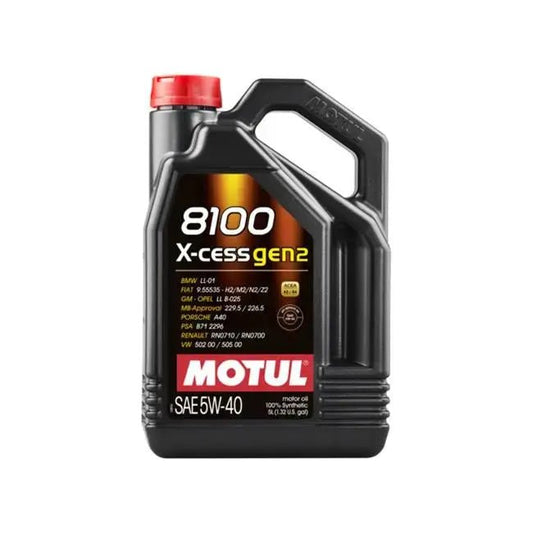
Your old oil change schedule is a thing of the past. A turbocharger puts significantly more stress and heat on your engine, which means your oil has to work much harder. To protect both your engine and the turbo unit, you need to change your oil more frequently. The new standard should be every 3,000 miles, using a high-quality full synthetic oil. This isn't just a suggestion; it's one of the most critical steps you can take to ensure the longevity of your setup. Clean, high-grade oil is essential for lubricating the fast-spinning components of the turbo and keeping engine temperatures in check.

Your New Turbo-Specific Maintenance Checklist

Beyond more frequent oil changes, your turbocharged BRZ requires attention in other key areas. The added power generates a lot more heat, making a cooling system upgrade essential. This typically includes installing a more efficient radiator and a dedicated oil cooler to keep temperatures stable under pressure. You also need to consider the other components that now have to handle the increased output. Upgrading your clutch, fuel system, brakes, and suspension isn't just for performance—it's a crucial part of a reliable build. These performance parts ensure your entire car can safely manage the new power.

Common Issues to Watch For

Even with a perfect installation, a turbocharged BRZ requires a vigilant owner. The added power puts immense stress on components that were never designed for it. The first thing you'll likely notice is the strain on your drivetrain; the stock clutch often becomes the weak link and can start slipping almost immediately under the new torque load. Overheating is another serious risk, as the factory cooling system struggles to manage the extra heat, which can lead to severe engine damage if left unaddressed. Similarly, the stock fuel system can't supply enough fuel to match the increased airflow, creating a dangerous lean condition. These problems highlight why professional engine tuning services and supporting mods aren't optional—they are essential for preventing catastrophic failure and ensuring your car runs reliably.

How to Ensure Long-Term Reliability

Let’s be direct: adding forced induction increases stress on your engine and can shorten its lifespan if not managed correctly. However, that doesn't mean your car is destined for failure. Long-term reliability comes from a smart, comprehensive approach. It starts with a high-quality turbo kit, includes all the necessary supporting modifications, and is finalized with professional engine tuning services. From there, it’s all about diligent maintenance. A turbocharged engine requires you to be proactive. By planning for regular check-ups and sticking to your new maintenance schedule, you can build a powerful BRZ that remains a fun and dependable daily driver or weekend warrior.

Debunking Common BRZ Turbo Myths

Adding a turbo to your BRZ is an exciting project, but it’s also one surrounded by a lot of misinformation. Believing these myths can lead to a blown budget, a damaged engine, or even legal headaches. Let's clear the air and tackle some of the most common misconceptions so you can approach your build with a clear and realistic plan. Understanding the full scope of the project from the start is the key to a successful, reliable, and enjoyable turbocharged experience.

Myth: Your Stock Engine Can Handle the Power

This is one of the most persistent myths out there. While the FA20 engine is a solid platform, simply bolting on a turbo and expecting everything else to keep up is a recipe for trouble. The stock suspension, brakes, and drivetrain were all engineered for the car's original power output. When you dramatically increase horsepower and torque with forced induction, you put immense stress on these components. To do it right, you need to think of it as a complete system upgrade, not just an engine mod. Investing in supporting performance parts is essential for maintaining balance, safety, and reliability.

Myth: The Kit Is Your Only Expense

If you only budget for the price of the turbo kit, you're going to be in for a surprise. A good rule of thumb is to expect your total project cost to be about double the price of the kit itself. This accounts for critical extras that are non-negotiable for a reliable build. You'll need to factor in the cost of professional installation, supporting modifications like an upgraded fuel system and clutch, and—most importantly—a custom tune. Professional engine tuning services are what properly calibrate your engine to handle the extra pressure safely, ensuring you get the power you want without risking your motor.

Myth: You Don't Need to Worry About Emissions

It’s easy to overlook emissions regulations when you’re focused on performance, but this can be a costly mistake, especially if your BRZ is your daily driver. In many states, vehicles must pass regular emissions tests, and a non-compliant turbo kit will result in an automatic failure. Before you buy, check if the kit is CARB (California Air Resources Board) legal. A CARB-compliant kit is certified to meet strict emissions standards and is legal for street use in all 50 states. Ignoring this can lead to fines, inspection failures, and the hassle of having to uninstall your new setup. It pays to check for that compliance sticker first.

Ready to Go Turbo? Find the Right Kit for Your Build

Choosing to turbocharge your Subaru BRZ is a big step, but it's one of the most rewarding ways to transform your driving experience. A well-chosen turbo kit can easily push your BRZ well past 300 horsepower, delivering a serious thrill every time you hit the gas. As you weigh your options, remember that the debate between a turbo kit vs. a supercharger often comes down to how you want that power delivered, so it’s worth considering what feels best for your driving style.

When you start looking at specific systems, you’ll find a wide range of options tailored for different model years and power goals. You'll see kits that feature advanced tech like dual ceramic ball bearings for better turbo response and efficiency. These details matter. Investing in high-quality performance parts from the start ensures your build is not just powerful, but also reliable for the long haul.

Remember, installing a turbocharger is a complex job. To get the most out of your investment and avoid mechanical headaches, a professional installation is the smartest path forward. More importantly, a precise engine tune is absolutely essential. It’s the final step that safely unlocks the full potential of your new hardware and ensures your engine runs smoothly and efficiently. The perfect turbo kit is the one that aligns with your goals, budget, and commitment to quality. With the right system and a professional touch, you’re on your way to experiencing a completely new level of performance from your BRZ.

Related Articles

Crawford Performance CTA Button

Frequently Asked Questions

Will a turbo kit make my BRZ unreliable for daily driving? Not if the project is done correctly from the start. Reliability issues almost always stem from cutting corners, like using a low-quality kit, skipping essential supporting parts, or forgoing a professional tune. When you invest in a well-engineered system and have it installed and tuned by experts, a turbocharged BRZ can be a perfectly dependable daily driver. The key is to treat it as a complete system upgrade, not just a bolt-on part, and to stick to a more frequent maintenance schedule.

What's the real total cost I should budget for a turbo project? A safe and realistic budget for a complete turbo project is between $7,000 and $10,000. While the turbo kit itself might cost around half of that, the price tag on the box is just the starting point. This total figure accounts for the high-quality kit, professional installation labor, and the crucial custom engine tune. Trying to get it done for less often means compromising on the quality of parts or the expertise of the labor, which can lead to much more expensive problems later on.

Can I install supporting parts later to spread out the cost? While it's tempting to phase out the build, some supporting modifications are non-negotiable from day one. For your engine's safety, you must install the upgraded fuel pump, injectors, and a performance clutch at the same time as the turbo kit. These components are essential for handling the new power safely. Other upgrades, like a big brake kit or coilovers, can be added later, but the core parts that protect your engine and drivetrain need to be part of the initial installation.

How is a turbo different from a supercharger for a BRZ? The main difference is how they deliver power. A turbocharger is powered by exhaust gases and builds boost as your engine's RPMs rise, creating a thrilling rush of power in the mid-to-high range. This makes it very popular for street and highway driving. A supercharger is driven by a belt connected to the engine, so it provides instant and linear power right from low RPMs. This predictable delivery makes it a favorite for track driving where precise throttle control is needed out of corners.

How much power can I realistically get from a basic turbo kit installation? With a quality turbo kit, a professional installation, and a proper custom tune, it's very realistic to expect your BRZ to make between 300 and 325 wheel horsepower. This is a significant jump from the stock output and completely transforms the car's acceleration and overall performance. This figure assumes you have the necessary supporting mods, like an upgraded fuel system, to safely support that power level.

Back to blog