

Subaru Oil Starvation: Track-Day Causes and Prevention
Oil pressure drops during hard turns are the leading cause of engine failure for track-driven Subarus. This happens when the oil moves away from the pump during high loads. Protecting your engine needs more than just basic care.
Explore the Killer B Ultimate Oil Pickup for FA20 BRZ, FRS, and GT86 applications.
Subaru oil starvation happens when side forces push engine oil to the outer edges of the oil pan and away from the pickup tube. This lack of oiling leads to fast heat buildup and can cause catastrophic engine failure in just a few seconds. To prevent this, drivers should use baffled oil pans, high-flow pickups, and air-oil separators to keep oil pressure steady. You should also check your oil levels before every session to make sure the pump has a full supply. Upgrades are the only way to keep the pump fed when the oil shifts during high-speed turns. These parts work together to keep your car safe and running well on the track.
You need to know how these forces act on your car before you push it to the limit. Understanding what Subaru oil starvation means on track is the first step toward building a reliable car that can handle high speeds. This guide will show you the signs to watch for and the parts you need to install. The path begins with
What does Subaru oil starvation mean on track?
Subaru oil starvation is a temporary loss of oil supply at the pickup that causes pressure to fall and critical engine surfaces to lose lubrication.
Driving your car on a race track puts extreme stress on every mechanical part. For Subaru owners, one of the biggest risks is Subaru oil starvation. This happens when the oil pump cannot pull enough fluid to keep engine parts coated. Without a steady flow of oil, metal parts rub together and create heat. This lack of oil can lead to severe wear and failure of the engine contact points.
Oil pressure versus oil volume
Many drivers confuse low oil pressure with oil starvation. Low pressure is often a sign of a deeper issue, like a worn pump or a leak. Starvation is more about volume and location. On a track, high-speed turns pull oil to one side of the pan. This shifts the oil away from the pickup tube. When the tube sucks in air instead of oil, the flow stops instantly. This creates a quick drop in pressure that can destroy STI engine health in seconds.
High-performance Subaru engines are very prone to this issue during high-G turns. Engines like the FA24 series often face oiling problems when driven hard on a course. Even a small drop in the oil level can make this worse. This is why keeping the oil at the full mark is a key habit for any track day. You should check your levels after every session to stay safe.
The lubrication chain
The oil in your engine does more than just stop friction. It also carries heat away from vital parts like bearings and pistons. When starvation occurs, the lubrication chain breaks. The oil film that protects your bearings disappears. Without that film, the metal surfaces touch and grind. This often leads to catastrophic engine failure that requires a full rebuild.
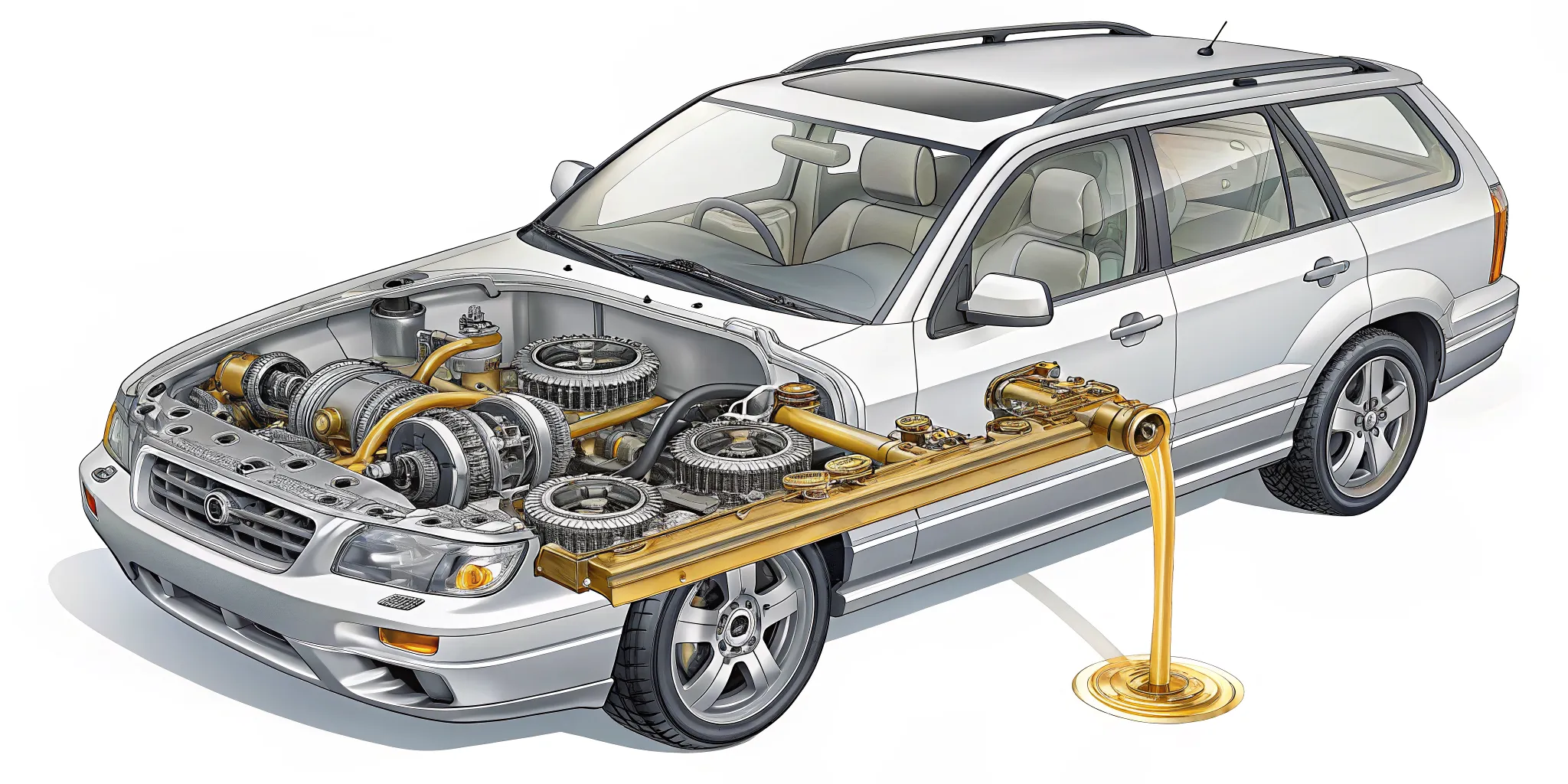
You can use oil control solutions to manage how oil moves in your engine. These parts help keep oil where it belongs so the pump always has a supply. Understanding this chain helps you choose the right upgrades for your car. Prevention is always cheaper than a new engine block.
Finding the warning signs
It is hard to spot starvation while you are driving fast. A low oil pressure light is often the first sign, but it may come on too late. You might also hear new noises from the engine bay. These sounds come from bearings that no longer have oil. If you find metal bits in your oil during a change, the damage has already started. Proactive engine care and engine longevity habits are the best ways to avoid these costly repairs.
Why high-G cornering increases oiling risk
High-G cornering raises oiling risk because sustained lateral force can move oil away from the pickup and make the pump draw air.
When you drive on a track, your car faces forces it rarely sees on the street. High-G cornering happens when you take a turn at high speed. This force pushes everything in the car to one side. This includes the oil inside your engine oil pan. On the street, turns are short and speeds are low. On the track, turns can be long and very fast. This long force creates a major risk for Subaru oil starvation.
Oil slosh and movement
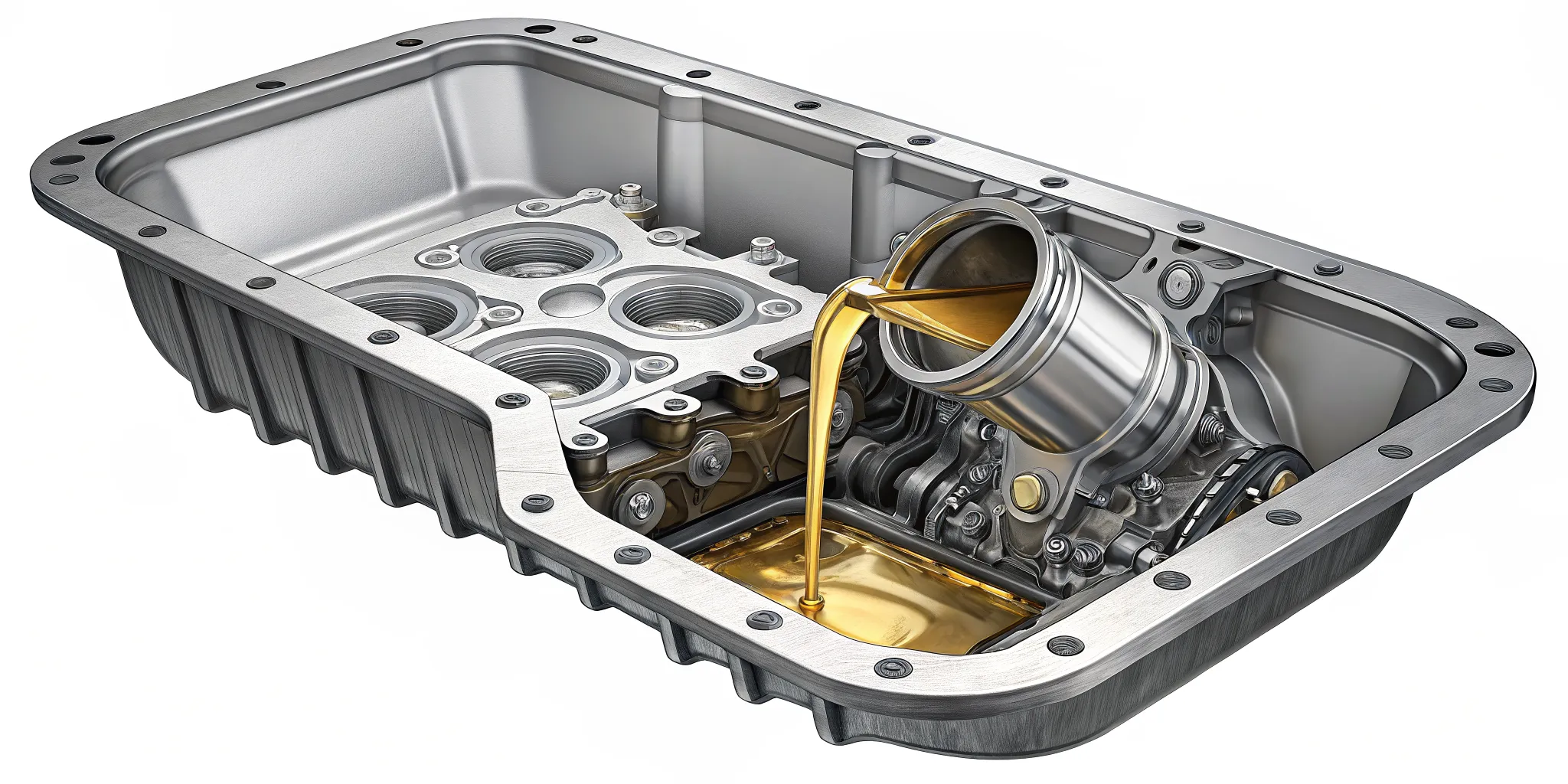
Inside your engine, the oil pan holds the fluid that keeps parts moving smoothly. Under normal times, the oil sits at the bottom of the pan. But during a hard turn, the oil sloshes to the side of the pan. This happens because of a strong side-to-side force. If the turn lasts a long time, the oil stays pinned against the wall. This leaves the center of the pan empty for a short time.
The same thing happens when you brake hard. The oil sloshes to the front of the pan. If you speed up fast, it moves to the back. In a normal car, this is not a big deal. But a fast car on sticky tires pulls much more force. This force moves the oil with more power. If the oil is not held in place, it cannot do its job.
Aeration and pickup gaps
The oil pickup tube sits in the middle of the pan to suck up oil. It sends that oil to the rest of the engine. When the oil sloshes away, the tube may suck in air instead of fluid. This is a big problem. Air cannot protect your engine parts like oil does. This lack of oil can cause parts to rub together. These starved lubrication times often lead to severe wear and engine failure.
Another risk is aeration. This happens when air mixes with the oil. It makes the oil look like foam. Foamy oil does not move through the engine well. It also does not protect metal parts. Aerated oil loses its strength. This makes it hard for the oil pump to keep up the right pressure. A drop in pressure is a sign that your engine is in danger.
Track use vs street use
Street driving usually has quick turns. The oil moves, but it returns to the bottom of the pan fast. On a race track, turns can last for many seconds. Fast turns keep the oil pinned away from the pickup tube for too long. This is why track cars need better oil control solutions.
Most street cars are not built for long turns. They have simple oil pans without walls to hold the oil. On the track, you need parts like baffles or better oil pans. These parts help keep the oil near the pickup tube. Without them, you risk damage to your engine bearings. You should always check your oil level before a track day to stay safe. Proper oil level is a vital habit for track safety.
What Subaru oil starvation warning signs should you watch for?
Watch for flickering oil-pressure warnings, pressure drops in turns, new ticking or knocking, burnt oil, and metal in drained oil.
Catching oil issues early can save your engine from a total loss. Subaru oil starvation often starts with small signs that many drivers miss. If you track your car, you must stay alert to these changes.
Check your oil pressure
A drop in oil pressure is a major red flag. High-speed cornering can shift oil away from the pickup tube. This leads to a quick drop in pressure that can hurt your engine. You should monitor your gauges closely during every track session.
Research shows that starved lubrication can cause parts to wear out fast. Even a short dip in pressure can lead to severe damage at high RPM. If your warning light blinks, pull over and shut down the engine right away.
Listen for engine noise
New or loud noises are clear signs of trouble. Mechanical parts need constant oil to stay quiet and cool. Without enough oil, you may hear knocking or ticking from deep inside the block. These sounds often mean the bearings or rods are failing.
A loud engine is more than just an annoyance. It shows that your car lacks proper crankcase ventilation and oil management. At Crawford Performance, we built our name on the track by fixing these oiling flaws. Do not ignore new sounds, as they usually mean a big bill is coming soon.
Post-session oil checks
Check your oil level after every track session. It is a simple habit that helps ensure track-day safety. Look for oil that is dark or smells burnt, as this can show high heat levels. You should also check for metal flakes in the oil, which signal internal wear.
Wait for the car to cool down before you check the dipstick. Constant oil level checks help you spot leaks or oil burning early. Keeping your oil at the full mark is the best way to protect your EJ engine from harm. If the level is low, do not drive hard until you find the cause.
How should you check oil during a track day?
Check the oil cold before driving, after every rested track session, and again before leaving the event.
Checking your oil level is a simple but vital part of track safety. High-speed turns can push oil away from the pickup tube in your engine. This Subaru oil starvation can lead to fast engine wear or a total motor failure. To keep your car safe, you need a plan for each part of the day.
Check before you drive
Start your day with a full oil pan. Check the level when the car is cold and parked on flat ground. High-performance engines need a strong engine longevity habit to survive the heat of a track session. If the level is even slightly low, add more oil to reach the top mark on the dipstick.
Monitor during the day
Do not wait for a warning light on your dash. Check your oil level after every track session once the engine has rested for ten minutes. This pause lets the oil drain back into the pan for a true reading. Research shows that starved lubrication conditions often lead to severe wear and failure of metal parts. Keep a spare quart of oil in your pit area to top off as needed.
Track day oil routine steps
Use this list to manage your oil at the track:
- Inspect for leaks under the car and in the engine bay before your first session.
- Verify the oil level is at the "Full" mark while the engine is cold.
- Check the dipstick after every session once the car has cooled for ten minutes.
- Watch for blue smoke from the tailpipe, which can signal oil control issues.
- Look at your oil pressure gauge often while driving to catch any sudden drops.
- Top off the oil immediately if the level falls below the top hole on the stick.
- Perform a final check before you drive home to ensure the engine is safe for the road.
Inspect your oil quality
Look at the color and smell of the oil on the stick. Very dark oil or a strong fuel smell can mean it is time for a change. These oil control solutions help keep your lubricant clean and effective. Good oil management ensures your Subaru stays on the track and off the tow truck.
When can oiling upgrades help?
Oiling upgrades can reduce specific risks such as pickup failure, oil slosh, low reserve volume, and delayed pressure warnings.
Stock oiling systems are made for daily driving and light use. But track conditions put much more stress on your engine. If you drive your car hard on a closed course, upgrading your oiling system can help you avoid Subaru oil starvation. Each part you change helps a specific weak point in the engine design.
Upgraded oil pickups
The stock oil pickup is often a thin tube that can crack or clog over time. If the pickup fails, the oil pump cannot pull oil from the pan. This can lead to a sudden loss of oil pressure. A heavy duty pickup uses thick steel and strong welds to prevent this. High performance pickups are made to flow more oil and stay reliable even in tough racing spots.
Baffles and pans
When you take a fast turn, oil in the pan moves to one side due to high G-forces. This can leave the pickup dry for a few seconds. Oil baffles are metal plates that keep oil near the pickup during these turns. A larger oil pan also helps by holding more total oil. This keeps the oil cool and ensures there is enough fluid to feed the pump at all times.
Better monitoring tools
You cannot fix what you cannot see. Adding a real oil pressure gauge is a smart move for any track car. Stock lights often only turn on after the damage is done. A good gauge lets you spot a drop in pressure before it kills your engine. Proper oil level maintenance is also a key habit for track day safety to ensure the STI engine health stays high. If you want better oil control solutions, check our AOS systems too.
Severe wear often comes from starved lubrication at high speeds NIH, 2021. No single part can stop all failures, but combining these tools gives you the best chance to protect your build.
.| Upgrade Type | Failure Mode Addressed | Main Benefit. |
|---|---|---|
| Heavy Duty Pickup | Cracked or broken OEM tubes | Consistent oil flow to pump. |
| Oil Pan Baffles | Oil slosh in high-G turns | Keeps oil at the pickup inlet. |
| High Capacity Pan | Oil overheating and low volume | Lowers temps and adds reserve. |
| Oil Pressure Gauge | Delayed warning from stock dash | Early warning of pressure drops. |
How do you match oiling protection to your Subaru?
Match oiling protection to the engine, oil-pan design, verified part fitment, tires, and intended driving conditions.
Choosing the right parts to fight Subaru oil starvation depends on how you use your car. A street car does not need the same gear as a full rally build. You must look at your engine type, your oil pan design, and the forces your car will face. Matching your upgrades to your driving style helps keep your engine safe and reliable.
Learn how a Subaru air-oil separator supports oil control.
Choosing by engine and pan
Subaru engines like the EJ and FA series have different oil needs. High-speed turns can push oil away from the pickup tube. This shift leads to a quick drop in oil pressure. You should check your fit for parts like the Killer B FA20 pickup if you drive a BRZ or GT86. These parts help keep oil flowing where it is most needed during hard track use.
Assess your use case
Daily driving rarely puts enough stress on a car to cause severe wear in engine parts. But track days and off-road racing change the math. Hard driving and high-G loads make oil management a top priority. Upgrading to a baffle system or a larger oil pan can give you a buffer. These upgrades help keep pressure steady when you push your Subaru to its limits.
Protect your investment
If you have already seen signs of wear, it may be time for a fresh start. Drivers facing engine damage often look to custom Subaru engines to regain performance. While no part can promise you will never have a problem, the right fit reduces your risk. Building a plan around your specific car and goals is the best way to keep your engine healthy for the long haul.
How should you prepare for your next track event?
Prepare by checking oil level and condition, inspecting for leaks, monitoring pressure, and choosing fitment-correct upgrades for repeated track use.
Heading to the track takes more than just fresh tires and brakes. For Subaru owners, the main check happens inside the oil pan. High-speed turns can push oil away from the pickup tube. This leaves your engine parts without the flow they need. This state, known as Subaru oil starvation, can cause major damage in seconds. You must build a solid plan to keep your engine safe during every lap.
Essential oil checks
Good engine longevity habits start with the dipstick. You should always check your oil level before your first session and after every track run. Even a small drop in oil can be risky when you pull high G-forces on a tight bend. Many drivers add a small extra amount of oil as a short-term fix to help keep the pickup covered. While this helps, it is not a full fix for hard driving.
Starved lubrication is a main cause of wear in metal parts that touch each other. When oil flow stops, heat and friction rise fast. This leads to severe wear and failure of engine surfaces. To stay safe, make sure you use a high-quality oil that can handle high heat. Fresh oil has better strength and helps protect your bearings when the load is at its peak.
Reliability upgrades for the track
If you plan to visit the track often, you may need better parts. Stock parts are made for the street, not for race speeds. One of the best moves is to add an oil pan baffle or a better oil pickup. These parts help keep the oil near the tube so the pump does not suck in air. New FA24 engines are very prone to these issues. Owners of these cars should look at these fixes early.
You should also think about crankcase ventilation and oil management as part of your build. An Air Oil Separator (AOS) helps keep oil out of your intake. This keeps the fuel mix clean and safe. This is vital for direct-injection engines where oil and fuel mix can hurt power. Keeping the oil where it belongs ensures your engine stays strong through a long day of racing.
Monitoring engine health
A good driver stays tuned into how the car feels and sounds. Watch your dash for any low oil pressure lights or warnings. If you see a light flicker in a turn, you must slow down and check your levels right away. Strange engine noises like ticking or knocking are also big red flags. These sounds often mean the bearings have already taken a hit from a lack of oil.
Adding a real oil pressure gauge is a smart move for any track car. Factory lights often turn on only after the pressure is too low to save the engine. A gauge lets you see small drops before they become big problems. By watching the data, you can learn which turns are the hardest on your car. This allows you to adjust your driving or your parts to keep the engine healthy for years.
Frequently Asked Questions
What causes Subaru engine oil starvation on track?
High-speed turns create forces that push engine oil to the side of the pan. This shifts the oil away from the pickup tube. When the tube sucks in air instead of oil, pressure drops fast. Without oil to coat moving parts, the engine can break or fail. Race-grade Subaru engines are prone to this during fast track turns without the right parts.
Is oil starvation common in Subaru FA24 engines?
Yes. The FA24 engine line often has oil issues during hard track use. When you drive fast in sharp turns, the oil moves away from the pump. This lack of oil causes parts to rub and wear out fast. Research on starved lubrication shows this leads to deep wear and engine failure.
Does overfilling oil help prevent starvation?
Adding a small amount of extra oil is a common quick fix. It gives a small buffer that can help keep the pump fed. But this is not a long-term fix for high-G turns. For real safety, you need parts like a baffle or a larger pan. Proper oil level care is a key habit for any safe track day.
Do custom oil pickups work better than stock parts?
Yes. Race-grade oil pickups are built much stronger than stock Subaru parts. They use thick tubes and strong welds to prevent cracks. These parts keep oil flowing even when the engine shakes at high speeds. Adding a high-flow pickup is a smart way to keep oil pressure steady. This helps protect your engine parts from heat and wear during hard drives.
Ready to protect your Subaru engine on track?
Start with verified fitment, disciplined oil checks, and oil-pressure monitoring, then select upgrades that address your car and use case.
Track days put your engine through high-G forces that can move oil away from the pickup. If you do not have the right parts, oil starvation can destroy your engine in a single lap. Fixing a blown engine costs thousands and can take your car off the road for months. When you act now, you save yourself the stress and expense of a full rebuild. You can keep your car on the track and safe from harm with our oil management systems. Start today to ensure your Subaru is ready for your next high-speed run. Buying parts now is the best way to avoid a total loss later on. Your car needs help to handle the heat and speed of a track day.
Ready to protect your engine? Call +1 (859) 394-4248 to shop fitment-appropriate Subaru engine protection products.