

Subaru Wilderness Lift Kit: A Complete Buyer's Guide
If you’ve taken your stock Forester Wilderness on a challenging trail, you’ve probably felt that gut-wrenching scrape of your undercarriage on a rock. Or maybe you've found your bumper digging into the dirt on a steep incline. That’s the moment you realize "factory capable" has its limits. The solution is more ground clearance, and the best way to get it is with a Subaru Forester Wilderness lift kit. This single upgrade gives you the height to clear obstacles, the improved angles to tackle tougher terrain, and the room to fit larger tires for better traction. It’s how you turn trail anxiety into trail confidence.
Key Takeaways
- Match the Lift to Your Mission: A modest 1-2 inch lift is perfect for enhancing daily driving and weekend trips, while a 2+ inch system is necessary for serious off-roading and supporting heavy gear. Your intended use should be the primary factor in your decision.
- Protect Your Drivetrain Geometry: A quality lift kit does more than add height—it preserves your Subaru's factory suspension angles. Look for kits with components like subframe spacers to prevent premature wear on CV joints and ensure long-term reliability.
- Look Beyond the Kit's Price Tag: The total cost of a lift includes the kit, professional installation, a mandatory wheel alignment, and the new tires you'll want. Plan your budget around all four components for a successful and complete upgrade.
What Are the Real Benefits of a Forester Wilderness Lift?
The Subaru Forester Wilderness is a capable machine right from the factory, designed to handle more than just paved roads. But if you're serious about exploring rugged trails and getting the most out of your adventures, a lift kit is one of the most effective upgrades you can make. Lifting your Forester doesn't just change its appearance; it fundamentally enhances its ability to handle challenging terrain. It gives you the confidence to push further, knowing your vehicle is better equipped for the obstacles ahead. From clearing rocks to fitting larger tires, a quality lift kit is the foundation for a truly trail-ready build.
Clear Any Obstacle with More Ground Clearance
One of the most immediate and practical benefits of a lift kit is increased ground clearance. This is the distance between the lowest point of your vehicle's undercarriage and the ground. More clearance means you can drive over larger rocks, deeper ruts, and other trail obstacles without scraping or damaging critical components like your oil pan, exhaust, or suspension. This added height is essential for serious overlanding solutions, where unpredictable terrain is part of the experience. It’s the difference between sailing over an obstacle and getting high-centered miles from the nearest road.
Achieving up to 11.5 Inches of Clearance
So, how much of a difference does a lift actually make? With a quality 2-inch lift kit, your Forester Wilderness can achieve an estimated 11.5 inches of ground clearance. This upgrade provides the necessary room to fit larger, more aggressive tires, which contribute to the final height and dramatically improve traction. However, a proper lift is about more than just adding spacers. The best Subaru Forester upgrades are engineered to preserve your vehicle's factory suspension geometry by including components like subframe spacers. This critical feature prevents premature wear on your CV joints and other drivetrain parts, ensuring your off-road rig remains reliable for years of adventure. It’s a foundational modification that enables you to confidently tackle more demanding trails and build out your ideal overlanding setup.
Conquer Tougher Trails with Better Capability
Extra ground clearance directly translates to better overall off-road performance. A lift improves your Forester’s approach, departure, and breakover angles. In simple terms, this allows you to climb steeper inclines and descend sharp drops without hitting your front or rear bumpers. You can also clear crests and mounds that would otherwise stop a stock vehicle in its tracks. This enhancement opens up a whole new world of trails that might have been inaccessible before. By equipping your vehicle with the right Forester upgrades, you transform it from a weekend camper into a confident trail machine ready for more demanding adventures.
Get That Aggressive, Trail-Ready Stance
Beyond the functional advantages, a lift kit gives your Forester Wilderness a more aggressive and commanding presence. The added height creates a powerful stance that sets your vehicle apart. More importantly, it provides the necessary fender clearance to install larger, more capable all-terrain or mud-terrain tires. These bigger tires not only complete the rugged look but also offer a larger contact patch for improved traction on loose surfaces like dirt, sand, and mud. This combination of a lift and bigger tires doesn't just look good—it contributes to better stability and handling on tough trails, making your Forester as capable as it looks.
Which Forester Wilderness Lift Kit is Best? A Comparison
Once you’ve decided to lift your Forester Wilderness, the next step is picking the right kit. The market has several excellent options, and the best one for you really comes down to your specific goals. Are you looking for a simple height increase to fit larger tires and achieve a more aggressive look, or do you need a heavy-duty system for serious overlanding? Your choice will impact everything from ground clearance and ride quality to your vehicle’s overall handling dynamics.
Making an informed decision means looking beyond just the lift height. You’ll want to consider the materials used, how the kit affects your vehicle’s suspension geometry, and the manufacturer’s reputation for quality and support. Let’s break down some of the top contenders to help you find the perfect match for your adventures and your Subaru. Each of these brands brings something different to the table, whether it’s a focus on safety compliance, a complete suspension overhaul, or a specialized design for the Wilderness model.
Crawford Performance Lift Solutions
At Crawford Performance, we engineer our parts with a total system approach. Our lift solutions for the Subaru Forester are designed not just to raise your vehicle, but to do so while maintaining the balance and handling that make a Subaru a Subaru. We focus on creating components that work in harmony with your vehicle's existing systems and our other performance upgrades. This means you get the increased ground clearance and capability you want without compromising on-road ride quality or long-term reliability. Our kits are built from high-strength materials to withstand tough conditions, ensuring your Forester is ready for any trail you point it down.
LP Aventure Lift Kits
LP Aventure is a well-known name in the Subaru off-road community. Their lift kits are specifically designed for Forester models and are a popular choice for drivers looking to gain ground clearance for off-road excursions. A key feature of their kits is that they are designed to meet the FMVSS 126 safety standard, which is crucial for maintaining the integrity of your vehicle's stability control system. With over two decades of experience in the off-road space, their products are built with a focus on quality and reliability, making them a solid option for enhancing your Forester's trail-readiness and overall appearance.
Ironman 4x4 ATS Systems
If you're looking for a complete suspension overhaul, the Ironman 4x4 ATS system is a serious contender. This kit provides a 2-inch lift using robust, military-grade shocks that feature a Twin-Tube Design and Nitro Gas Technology. The result is not just more ground clearance but also a noticeable improvement in ride quality, stability, and control, especially on rough terrain. This system also gives you the room to fit larger tires for even more capability. Ironman 4x4 stands behind their product with an impressive 4-year, unlimited-mile warranty, offering peace of mind for drivers who push their vehicles to the limit.
Anderson Design & Fabrication Options
Anderson Design & Fabrication (ADF) focuses specifically on creating adventure-ready parts for the Subaru Forester Wilderness. Their product lineup is geared toward enhancing off-road performance and utility for outdoor enthusiasts. ADF is known for offering a variety of lift heights and configurations, allowing you to tailor the setup to your specific needs. They emphasize strong customer support and stand by their products with solid warranties, which has earned them a loyal following in the Subaru community. If you're looking for a specialized solution for your Wilderness, ADF's offerings are definitely worth exploring.
How Much Does a Forester Wilderness Lift Kit Cost?
When you decide to lift your Forester Wilderness, one of the first questions you'll ask is about the cost. The price can range from a few hundred to several thousand dollars, and it really comes down to what you want to achieve. The total investment depends on the type of kit you choose, the quality of the components, and whether you handle the installation yourself or hire a professional.
The two main paths you can take are spacer kits and complete suspension systems. Spacer kits are the more budget-conscious route, primarily giving you the height for a more aggressive look and larger tires. Complete suspension systems are a more significant investment, but they replace key components to deliver a true upgrade in off-road performance and handling. Understanding the difference between these options is the first step in setting a realistic budget for your build and finding the right overlanding solutions for your adventures.
Spacer Kits: The Budget-Friendly Option
If you’re looking for a straightforward way to add height without a major financial commitment, spacer kits are your starting point. These kits typically cost between $200 and $600 and work by adding a spacer on top of your Forester’s existing struts. This is an effective way to achieve a 1- to 2-inch lift, giving you the clearance needed for larger tires and a more commanding presence on the trail. While they accomplish the goal of lifting the vehicle, it's important to know that spacer kits don't fundamentally change your suspension's performance. They are an excellent choice for aesthetics and light off-roading.
Typical Price Range: $160 and Up
When you start looking at lift kits for your Forester Wilderness, you'll find prices vary quite a bit based on design, materials, and what's included. For a budget-friendly starting point, spacer kits generally begin around $160 and can go up to about $600. These kits are a straightforward way to get a 1- to 2-inch lift, giving you that extra height for a more aggressive stance and clearance for larger tires without a major financial outlay. It's a fantastic option for enhancing your vehicle's appearance and handling light trails. Just keep in mind that while spacer kits raise your vehicle, they don't fundamentally change your suspension's performance, making them perfect for aesthetic Forester upgrades and mild off-roading adventures.
If your plans involve more demanding trails, you’ll want to look at more comprehensive systems. These kits, which can range from $500 to over $1,200, often include critical components like subframe spacers. These spacers are designed to correct your suspension geometry, preventing premature wear on parts like your CV joints and maintaining factory-like handling. At the higher end of this range, you'll find complete suspension replacement systems that swap out your stock struts and springs for heavy-duty, performance-tuned components. These systems offer a true upgrade in capability and ride quality, making them essential overlanding solutions for those who carry heavy gear or tackle technical terrain.
Finally, it’s crucial to remember that the sticker price of the lift kit is only part of the total cost. To do the job right, you need to factor in a few other expenses. Unless you're a seasoned mechanic, you'll want to budget for professional installation, which ensures everything is fitted correctly and safely. After any lift, a professional wheel alignment is absolutely mandatory to correct your vehicle's geometry and prevent uneven tire wear. And, of course, you’ll likely want to invest in a new set of larger all-terrain tires to complete the build and take full advantage of your newfound clearance. Planning for these additional costs from the start will ensure your upgrade goes smoothly.
Full Suspension Systems: A Premium Performance Upgrade
For those who demand more from their vehicle, a complete suspension system is the ultimate upgrade. These kits, which can range from $1,500 to over $3,000, replace your factory shocks, struts, and springs with heavy-duty performance parts designed for rugged terrain. You’ll often find these systems use high-strength materials and advanced shock technology to improve handling, increase suspension travel, and provide a smoother ride over rough ground. Many premium kits also come with excellent warranties, giving you peace of mind. This option is ideal for the serious off-roader or overlander who needs reliability and capability far from the pavement.
Typical Price Range: $750 - $1,200+
This price range is where you move beyond simple cosmetic lifts and into genuine performance enhancements. For this investment, you're typically getting a comprehensive kit with engineered components like new springs and struts designed to handle the demands of off-roading. These systems are built to improve your Forester's handling and durability on the trail while maintaining a comfortable ride on the street. The cost reflects higher-quality materials, extensive research and development, and a design that works with your vehicle's geometry. This is the sweet spot for enthusiasts who want a reliable lift that enhances their vehicle's capabilities for serious overlanding solutions without compromise.
Understanding Stiffer Spring Rates
Many full suspension systems include springs with a stiffer rate than your factory ones, and this is a critical feature for any vehicle intended for overlanding or carrying heavy gear. Stiffer springs prevent your suspension from sagging under the weight of rooftop tents, bumpers, and other equipment, which is essential for maintaining ground clearance and ride quality. A well-designed kit also includes components like subframe spacers to correct suspension angles, preventing premature wear on your CV joints. This holistic approach ensures all the performance parts work together, giving you a lift that is both capable and reliable for the long haul.
Budgeting for Installation and Alignment
The price tag on the box isn’t the final number. Professional installation is a major factor, often costing between $500 and $1,200, depending on the shop and the complexity of the kit. While it adds to the expense, proper installation is critical. Many stories of a "ruined ride" come from low-quality kits or shortcuts taken during the install process. After the lift is complete, you will absolutely need a professional wheel alignment, which adds another $100 to $200. Finally, don't forget to budget for the larger tires that will complete your Forester’s new stance and capability.
Your Checklist for Choosing the Perfect Lift Kit
Once you decide to lift your Forester Wilderness, the next step is choosing the right kit. With so many options on the market, it’s easy to feel overwhelmed. Not all lift kits are built the same, and the one you choose will have a significant impact on your vehicle's performance, safety, and longevity. Making an informed decision means looking beyond just the lift height. You need to consider the quality of the components, how the kit interacts with your Subaru’s existing systems, and whether it matches your specific adventure needs.
Think of a lift kit as a foundational upgrade. A cheap, poorly designed kit can lead to a host of problems down the road, from premature wear on your drivetrain components to a rough, unpleasant ride. On the other hand, a high-quality, well-engineered system will enhance your Forester’s capabilities without compromising its integrity. We’ll walk through the key factors to consider, so you can invest in a kit that delivers the performance you want and the reliability you need for every trip, whether you're tackling a rugged trail or just cruising down the highway.
Check for High-Quality Materials and Safety Features
When you’re modifying your vehicle’s suspension, safety should be your top priority. Look for lift kits made from high-quality materials like heavy-gauge steel and aircraft-grade aluminum, as these components are built to withstand the stresses of off-road driving. It’s also wise to choose a kit that meets Federal Motor Vehicle Safety Standard (FMVSS) 126. This certification ensures the lift won’t interfere with your Forester’s electronic stability control system, a critical safety feature. Investing in well-engineered performance parts from a reputable manufacturer gives you peace of mind that your vehicle remains safe and predictable on any terrain.
Common Materials: 304 Stainless Steel vs. HDPE
The materials used in a lift kit are a direct reflection of its quality and durability. You'll often find that the spacers are made from one of two common materials: 304 stainless steel or HDPE. Stainless steel is a premium choice, known for its exceptional strength and resistance to rust and corrosion. High-quality kits often use TIG-welded 304 stainless steel for key structural components like top plate spacers. This approach ensures the part can withstand the immense stress of off-road driving year after year. When you're investing in performance parts for your Forester, steel construction provides the long-term reliability needed for serious adventures.
The other common material is HDPE, which stands for High-Density Polyethylene. This isn't your average plastic; it's an incredibly tough and resilient polymer chosen for its ability to perform in extreme temperatures, from scorching heat to freezing cold. HDPE is a durable and cost-effective material that serves its purpose well in many applications. While it's a solid choice, metal is generally regarded as the superior material for critical suspension components that bear the vehicle's weight and absorb impacts. The choice between them often comes down to the manufacturer's design philosophy and the intended intensity of use for the kit.
Understanding Safety Warnings like Prop 65
You might notice a sticker on your lift kit with a "Proposition 65" warning and wonder what it means. Don't be alarmed; this is a common sight on automotive parts. Prop 65 is a California law that requires businesses to provide warnings if their products contain any of the 900+ chemicals known to the state to cause cancer or reproductive harm. Because many common industrial materials—including metals, plastics, and coatings—can contain trace amounts of these chemicals, manufacturers who sell products nationwide often apply this label to everything to ensure compliance. The warning doesn't mean the product is unsafe to install or use.
Think of the Prop 65 warning as a "right-to-know" measure rather than a red flag about the product's quality. You'll find these same warnings on a huge range of consumer goods. In the context of your Forester lift kit, it simply indicates that the product is compliant with California's specific regulations. It is not an indicator of a defect or a danger in the product's intended application. For those who want to learn more about the specifics, the official California Proposition 65 website offers detailed information on the law and the listed chemicals.
Ensure the Kit Protects Your Drivetrain Geometry
Lifting your Forester changes its suspension geometry, which can put extra strain on your CV joints, axles, and driveshaft if not properly addressed. A quality lift kit is designed to correct these angles and maintain proper drivetrain alignment. Look for kits that include subframe spacers, which lower the entire subframe to keep the axle angles close to factory specifications. This small but crucial component prevents premature wear and tear on your drivetrain, ensuring your Subaru runs smoothly and reliably for years to come. Protecting your vehicle’s geometry is essential for any of our Subaru Forester upgrades.
The Importance of Offset Designs and Multi-Link Spacers
When examining a lift kit, details like offset designs and multi-link spacers are what separate a thoughtful upgrade from a simple height boost. An offset design in the front spacers is crucial because it helps keep your wheels aligned correctly after the lift, preserving your Forester's handling and preventing uneven tire wear. In the rear, multi-link spacers perform a similar corrective function by maintaining the proper suspension angles. This is vital for protecting your CV joints from premature failure due to the increased angle caused by the lift. These components aren't just optional extras; they are signs of a well-engineered kit designed to work with your Subaru's geometry, ensuring your performance parts enhance capability without creating new problems.
Does It Support Your Gear and Accessories?
How you use your Forester Wilderness should directly influence your choice of lift kit. If you frequently load up with heavy gear for overlanding—like a rooftop tent, spare tires, and recovery equipment—you’ll need a suspension system that can handle the extra weight. Many kits offer different spring rate options, such as medium or heavy load. A medium-load spring is often perfect for daily driving and light weekend trips. However, if your vehicle is consistently weighed down, a heavy-load spring will prevent sagging and maintain performance. Carefully assess your typical payload to select a kit that supports your overlanding solutions.
Check the Warranty and Manufacturer Support
A manufacturer’s warranty is a strong indicator of their confidence in the product. A lift kit is a significant investment, so look for one that comes with a solid warranty that covers defects and premature failure. Some of the best kits on the market offer multi-year or even unlimited-mileage warranties. Beyond the warranty, consider the manufacturer's reputation for customer support. If you or your mechanic run into any issues during installation, having access to knowledgeable support can make all the difference. A company that stands behind its products with a great warranty and accessible service is one you can trust.
How Much Lift Do You Actually Need?
Deciding how high to lift your Forester Wilderness isn't about picking the biggest number. The right height is a personal choice that depends entirely on how you use your vehicle. Are you looking for a little extra clearance for weekend camping trips, or are you building a rig to tackle serious, technical trails? Each path requires a different approach. Finding the perfect balance between off-road capability and on-road comfort is key. Think about your typical adventures, your daily commute, and your long-term goals for your Subaru before settling on a specific lift height.
1-2 Inches: Perfect for Weekend Warriors
For most Forester Wilderness owners, a lift of one to two inches is the sweet spot. This modest increase provides a noticeable improvement in ground clearance, helping you clear rocks and ruts on forest service roads without drastically changing your vehicle’s daily driving dynamics. It also gives you the room needed to fit slightly larger all-terrain tires, which can enhance traction and durability. While it's true you don't always need a lift to fit bigger tires, this height ensures you have ample clearance to avoid rubbing during suspension travel. A 1- to 2-inch lift from our line of Subaru Forester Upgrades is the ideal solution for the enthusiast who uses their SUV as a daily driver during the week and an adventure vehicle on the weekends.
2+ Inches: For the Serious Off-Roader
If your plans involve more demanding trails and challenging obstacles, a lift of two inches or more will give you the capability you need. This significant increase in height provides maximum ground clearance, improves your approach and departure angles, and allows for much larger tires to conquer difficult terrain. However, lifting your Forester this high requires a more comprehensive system. To do it right, you’ll need more than just spacers. Look for complete kits that include components to correct your suspension geometry and prevent premature wear on your CV joints. For a serious build, using high-quality overlanding solutions is non-negotiable, as a taller lift places greater stress on your vehicle’s components.
How Your Lift Choice Affects Tire Size
Your lift height and tire size go hand-in-hand. A lift kit creates the space, but your tires are what ultimately raise your axles and differential higher off the ground. Before choosing a lift, decide what size tire you want to run. This will help you determine the minimum lift required to prevent rubbing and allow for full suspension articulation. Installing a three-inch lift with stock tires won't give you the full performance benefit and can look disproportionate. Conversely, trying to stuff oversized tires with too little lift will lead to clearance issues. Planning these two upgrades together ensures all your performance parts work in harmony to create a capable and reliable rig.
Essential Upgrades to Complement Your Lift Kit
Installing a lift kit is a fantastic first step, but it’s really the foundation of your build. To truly get the most out of that newfound height and capability, you should consider a few other key upgrades. A lift changes your Forester’s geometry and center of gravity, and complementing it with the right components ensures everything works together as a cohesive system. These additional modifications aren't just about adding more cool parts; they’re about enhancing performance, maintaining reliability, and ensuring your vehicle can safely handle the new demands you’ll be placing on it. From refining your suspension to managing heavy loads, these upgrades will complete your trail-ready rig.
Upgraded Shocks and Control Arms for Taller Lifts
When you opt for a more significant lift of two inches or more, your factory shocks and control arms are often stretched to their limits. For those who demand superior handling on rugged terrain, a complete suspension overhaul is the best path forward. Upgrading to heavy-duty, long-travel shocks and struts provides better damping and control, smoothing out rough trails and improving stability. Furthermore, aftermarket control arms can help correct the suspension geometry that a taller lift alters, ensuring your alignment stays true and preventing premature tire wear. Investing in a full system of high-quality performance parts ensures every component is designed to work in harmony for optimal results.
Add-a-Leaf Systems and Spacers for Heavy Loads
Your Forester Wilderness is built for adventure, and that often means loading it up with gear. If your setup includes a rooftop tent, a full-size spare, recovery equipment, and coolers, you’ll quickly add hundreds of pounds to your vehicle. This extra weight can cause the rear suspension to sag, even with a lift kit, which reduces your ground clearance and negatively impacts handling. To counteract this, consider adding stiffer springs or an add-a-leaf system. These components are designed to support consistent heavy loads, keeping your Forester level and restoring its proper ride height. Choosing the right spring rate for your typical payload is a critical part of building effective overlanding solutions.
Sway Bar Disconnects for Maximum Articulation
On the trail, you want your tires to stay in contact with the ground as much as possible for maximum traction. This is where suspension articulation—the ability of your wheels to move up and down independently—comes into play. The factory sway bar is great for on-road stability, but it can limit this movement when you’re navigating uneven obstacles. Sway bar disconnects are a smart upgrade that allows you to temporarily detach the sway bar before hitting a technical section of trail. This frees up your suspension to articulate fully, improving your Forester’s ability to crawl over rocks and deep ruts without losing traction. It’s one of the most effective Subaru Forester upgrades for serious off-roading.
Installing Your Lift Kit: What to Expect
Installing a lift kit is a significant upgrade, but it’s a straightforward process when you know what’s involved. Whether you’re a seasoned home mechanic or you’d rather hand the keys to a professional, understanding the steps will help you prepare. The goal is to correctly install your new performance parts while maintaining your Forester’s safety and handling characteristics. A quality lift kit is engineered to integrate seamlessly with your vehicle's suspension, but the installation requires precision. It’s more than just adding height; it’s about carefully adjusting your vehicle’s geometry to accommodate that new clearance. Taking the time to do it right ensures you get all the benefits of the lift without any of the drawbacks. From gathering the right tools to getting that final alignment, each step is crucial for a successful and reliable modification that will serve you well on and off the road.
The Tools and Space You'll Need
Before you begin, make sure you have the right tools and a safe place to work. While a comprehensive lift kit will include all the necessary spacers, brackets, and hardware, the tools are on you. You’ll need a solid set of metric sockets and wrenches, a reliable torque wrench for tightening bolts to spec, heavy-duty jack stands, and a floor jack. Depending on the kit, you might also need spring compressors. Your workspace should be a flat, level surface, like a garage floor or a paved driveway. This isn't a job you want to tackle on an incline or soft ground. Safety is the top priority, so having a stable work area and proper equipment is non-negotiable.
Should You Install It Yourself or Hire a Pro?
Deciding whether to install the lift kit yourself or hire a professional comes down to your mechanical experience, tool collection, and confidence. If you’re comfortable working on suspension components and have a free weekend, a DIY installation can be an incredibly rewarding project. Most manufacturers provide detailed installation guides and torque specs to guide you. However, if you’re hesitant or short on time, there’s no shame in leaving it to the experts. A professional installer at a shop that specializes in Subarus will have the experience and specialized equipment to get the job done efficiently and correctly, giving you peace of mind. Their expertise ensures every component is perfectly fitted, which is critical for your vehicle's long-term performance.
Understanding Installation Time and Difficulty Ratings
Most manufacturers provide an estimated installation time and a difficulty rating to help you gauge the project's scope. These can range from two to three hours for a basic spacer kit to six hours or more for a full suspension system. You’ll often see a difficulty score, like 3 out of 5, which suggests the job is manageable for someone with moderate mechanical experience and a good set of tools. It’s important to treat these figures as a baseline. Your actual time can vary depending on your skill level, the tools you have on hand, and whether you run into any seized bolts—a common headache when working on suspension. Always plan for a little extra time so you can work carefully and safely.
The Appeal of 100% Bolt-On Kits
When a kit is advertised as "100% bolt-on," it means the installation requires no cutting, drilling, or welding. All the components are designed to attach to your Forester’s existing factory mounting points. This is a significant advantage for a few reasons. First, the modification is completely reversible, which is great for preserving your vehicle's resale value. Second, it’s a sign of quality engineering. A well-designed bolt-on kit integrates seamlessly with your vehicle's suspension, carefully adjusting its geometry to accommodate the new height while preserving the smooth, comfortable ride your Subaru is known for. These kits are a reliable choice for any Forester upgrades because they work with your vehicle, not against it.
Common Installation Hurdles and Why Alignment is Key
One of the biggest myths about lift kits is that they ruin your vehicle's ride quality. This concern usually stems from stories about low-quality kits or improper installation. A well-engineered kit, when installed correctly, is designed to preserve your Forester’s handling and comfort. The most critical step after the physical installation is getting a professional wheel alignment. This is not optional. Lifting your vehicle changes its suspension geometry, and an alignment is required to correct the camber, caster, and toe angles. Skipping this step will lead to poor handling, uneven tire wear, and potential safety issues. By investing in quality Subaru Forester upgrades and finishing the job with a proper alignment, you ensure your lifted Forester drives as good as it looks.
Avoiding Common Issues Like Post-Installation Noise
Nothing dampens the excitement of a freshly lifted Forester like an unexpected clunk, squeak, or groan on your first drive. These noises are not a normal side effect of lifting your vehicle; they are signs that something isn't right. Most often, post-installation noise comes down to two things: the quality of the components or the precision of the installation. Loose bolts that weren't torqued to the manufacturer's exact specifications are a primary cause of clunking sounds. Similarly, low-quality kits with imprecise fits can allow for unwanted movement between parts, leading to persistent squeaks and rattles that are frustrating to track down.
The most effective way to prevent these issues is to start with a well-engineered kit and ensure it's installed correctly. High-quality performance parts are designed to fit perfectly, eliminating the gaps and play that create noise. During installation, following the torque specs for every single bolt is not just a recommendation—it's essential for a quiet, stable, and safe setup. This, combined with a professional wheel alignment immediately after the install, ensures all your suspension components are working in harmony at their correct angles. When done right, your lifted Forester should feel solid and sound just as quiet as it did from the factory.
How a Lift Kit Changes Your Forester's On-Road Manners
Lifting your Forester Wilderness will absolutely change how it drives, and it’s smart to go into it with clear expectations. A higher center of gravity, altered suspension geometry, and potentially larger tires all play a role in your vehicle's new dynamics. However, when you choose a high-quality kit and have it installed correctly, these changes don't have to be negative. The goal is to enhance your Forester's off-road prowess without sacrificing its on-road manners. A well-designed system accounts for these adjustments to deliver a balanced driving experience.
The key is understanding that a lift kit is a significant modification. It impacts everything from handling to long-term care. By preparing for these changes, you can ensure your lifted Forester remains a reliable and enjoyable vehicle for all your adventures, whether you're tackling a rugged trail or just running errands around town. Let's break down exactly what you can expect.
Understanding Changes in Handling and Ride Quality
One of the biggest concerns drivers have is that a lift kit will ruin their Forester's ride. This myth usually comes from stories about poorly installed or low-quality kits. When you use inferior parts or take shortcuts during installation, you can definitely end up with a stiff, uncomfortable ride. However, a properly engineered lift kit is designed to work with your Subaru's suspension, maintaining a comfortable and controlled feel. High-quality Forester upgrades often include components that correct suspension geometry, ensuring your vehicle handles predictably both on and off the pavement. You'll notice a higher driving position, but the overall stability should remain solid.
Will a Lift Kit Affect Your MPG and Warranty?
Let’s be direct: lifting your Forester and adding larger, heavier off-road tires will likely decrease your fuel economy. The increased height creates more aerodynamic drag, and the extra weight requires more energy to move. This is a trade-off for gaining significant ground clearance and capability. As for your vehicle's warranty, installing a lift kit doesn't automatically void it. Thanks to the Magnuson-Moss Warranty Act, a manufacturer must prove that an aftermarket part caused a specific failure to deny a warranty claim. Choosing a reputable kit and ensuring professional installation minimizes this risk.
Impact on Resale Value and Insurance Costs
Modifying your Forester is an investment, so it's smart to consider how it affects long-term value and ownership costs. Subarus are known for their strong resale value, and a high-quality lift kit can actually make your vehicle more desirable to fellow off-road and overlanding enthusiasts. The key is using well-engineered performance parts and ensuring a professional installation, which signals a thoughtful, reliable build. On the other hand, insurance providers may view a lift as an increase in risk, which can lead to higher premiums. It's essential to be transparent with your insurer about any modifications. A quick call to your agent before you start the project will clarify how the lift will impact your coverage and costs, ensuring there are no surprises down the road.
Long-Term Maintenance for Your Lifted Forester
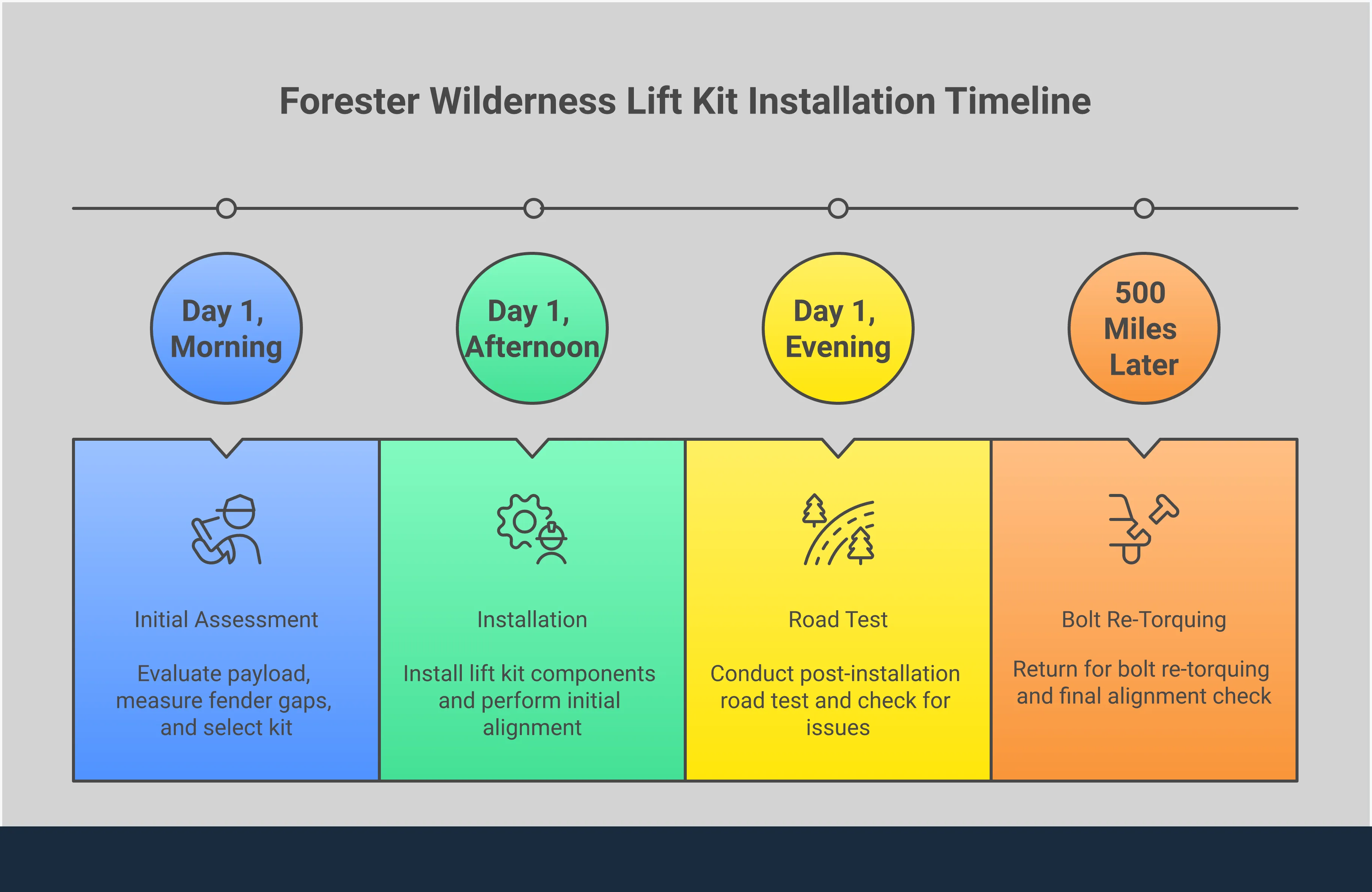
A lifted vehicle requires a little extra attention to stay in top shape. After the initial installation, it's crucial to have the alignment checked and corrected. You should also plan to re-torque all suspension bolts after the first few hundred miles to ensure everything has settled properly. From there, regular inspections become key. During routine maintenance, take a look at your CV axles, ball joints, and bushings for any signs of accelerated wear. Catching potential issues early is the best way to ensure the long-term reliability of your overlanding solutions and keep your Forester performing its best on any terrain.
Common Lift Kit Myths, Busted
If you’ve spent any time researching lift kits, you’ve probably run into some common warnings that give you pause. It’s easy to get bogged down by misinformation, especially when it comes to vehicle safety and longevity. Let’s clear the air and tackle some of the most persistent myths about lifting your Forester. The truth is, a high-quality lift kit installed correctly is a game-changer for your vehicle’s capability, not a liability.
Myth: Lift Kits Are Unsafe
One of the biggest concerns people have is that lifting a vehicle compromises its safety. This idea usually comes from the assumption that raising the center of gravity automatically makes a vehicle unstable and prone to rollovers. While a poorly designed or improperly installed kit can cause problems, a well-engineered lift kit is designed specifically to work with your Forester’s factory systems. Reputable manufacturers invest heavily in ensuring their kits maintain stable handling characteristics. When installed correctly, a quality lift kit is a safe and reliable way to improve your Subaru’s performance.
Myth: They Cause Premature Wear and Tear
Another common myth is that a lift kit will inevitably cause accelerated wear on your suspension parts, ball joints, and CV axles. This is a valid concern, but the problem isn’t the lift itself—it’s the quality of the components and the installation. Low-quality kits with poor geometry can certainly strain your drivetrain. However, a professionally designed kit from a trusted brand like Crawford Performance uses high-quality materials and is engineered to maintain proper suspension angles. When you use quality components, you can lift your Forester without sacrificing the longevity of its parts.
Myth: Installation is Too Complicated
The thought of installing a lift kit can feel intimidating, leading many to believe it’s a job best left untouched. While it’s true that installation requires mechanical knowledge, the right tools, and attention to detail, it’s not an impossible task for a skilled DIYer. Most quality kits come with detailed instructions to guide you. That said, a correct installation is critical for safety and performance. If you’re not confident in your abilities, having a professional handle the installation is always the best choice to ensure everything is done right and your vehicle is properly aligned afterward.
Related Articles
- How to Install a Forester Wilderness Lift Kit – Crawford Performance
- The Crawford Forester Lift Kit: A Complete Guide
- Forester Lift Kit Installation: Your DIY Guide – Crawford Performance
Frequently Asked Questions
Will installing a lift kit void my Subaru's warranty? This is one of the most common concerns, and the short answer is no. Thanks to the Magnuson-Moss Warranty Act, a manufacturer can't void your entire vehicle warranty just because you installed an aftermarket part. They would have to prove that the lift kit directly caused the specific part failure you're trying to claim. To protect yourself, always choose a high-quality kit from a reputable brand and consider professional installation to ensure everything is done correctly.
Can I still use my lifted Forester as my daily driver? Absolutely. A well-engineered lift kit is designed to enhance off-road capability without ruining your on-road experience. While you will notice a higher center of gravity, a quality system maintains predictable handling and a comfortable ride for your daily commute. The goal of a good lift isn't to turn your Forester into a clumsy monster; it's to create a more versatile vehicle that's just as capable on the highway as it is on the trail.
How do I decide between a spacer lift and a full suspension system? The best choice comes down to your budget and your goals. If you're primarily looking to fit larger tires and achieve a more aggressive stance for light trail use, a spacer kit is a cost-effective solution. However, if you are a serious off-roader or overlander who needs improved handling, stability, and performance on rough terrain, investing in a complete suspension system is the way to go. It replaces factory components with parts designed to handle the added stress and deliver true performance gains.
Do I really need a professional alignment after installing a lift kit? Yes, this step is non-negotiable. Lifting your Forester alters its suspension geometry, affecting the camber, caster, and toe angles of your wheels. An alignment is the only way to correct these angles back to the proper specifications. Skipping it will result in poor handling, unpredictable steering, and rapid, uneven wear on your new tires, which is a costly mistake to make.
How do I know if I need a heavy-load suspension kit? You should choose a heavy-load kit if your Forester is consistently carrying a lot of extra weight. Think about your typical setup. If you have a rooftop tent, a heavy-duty roof rack, a full-size spare tire, and other overlanding gear on your vehicle most of the time, a heavy-load spring will prevent sagging and maintain performance. If you only pack up with heavy equipment for occasional weekend trips, a standard or medium-load kit will be more than sufficient.