

Subaru Engine Oil Pressure for Performance Builds
A sudden, unexplained drop in Subaru engine oil pressure demands immediate attention. Oil pressure helps maintain the hydrodynamic film between crankshaft journals and bearing surfaces, so a meaningful change from a verified hot-pressure baseline can signal a lubrication-system problem. Shut the engine down safely and arrange qualified diagnosis rather than continuing to drive.
Talk with Crawford Performance about your Subaru engine build or oil-pressure concern.
Subaru engine oil pressure is one important indicator of whether oil is reaching critical surfaces under the engine's current operating conditions. The useful number is not a universal PSI target. It is a verified baseline for the specific engine, oil temperature, speed, clearances, oil, and lubrication-system configuration. Street cars, track cars, and built engines can produce different readings. Treat a persistent warning light, abrupt drop, unstable reading, or new mechanical noise as a reason to stop and investigate.
Performance-focused owners should understand how heat, load, cornering, oil control, sensor placement, and engine clearances affect the reading. That context begins with why Subaru engine oil pressure matters.
Why Subaru engine oil pressure matters
Subaru engine oil pressure reflects resistance to oil flow through the pump, galleries, bearings, turbocharger feed, and other lubricated interfaces. Pressure alone does not prove that every component is receiving adequate flow, but a stable reading taken under repeatable conditions gives a builder a useful diagnostic trend. The critical comparison is hot idle and loaded-RPM pressure against the same engine's known baseline, not against an internet rule of thumb.
On an EJ or FA performance build, bearing clearance, pump specification, relief-valve behavior, oil viscosity, temperature, filter restriction, and pickup integrity all affect the reading. A builder therefore evaluates the complete lubrication circuit. Crawford's built-to-order long blocks and short blocks are assembled for defined applications, making the engine builder's documented baseline the correct reference after break-in.
Protection for engine bearings
Crankshaft and connecting-rod bearings rely on a hydrodynamic oil wedge. Journal speed pulls oil into a precisely controlled clearance, while the pump supplies enough flow to replenish the film. If hot pressure falls because clearance has increased, the pickup is uncovering, or oil has thinned beyond the intended operating window, the film can collapse and bearing damage can accelerate quickly.
In high-output cars, the risk is even higher since turbo engines put more stress on these moving parts. They need a steady flow of oil to handle the load, as a small drop in pressure can lead to a big repair bill. Many drivers find that STI engine maintenance best practices help prevent these costly issues.
A tool for engine health
Your oil pressure tells you about the health of your engine and can show you when parts are starting to wear out. For example, low pressure at idle can mean a worn oil pump or gaps that are too wide. Modern cars use integrated mechanical diagnostics to track these changes, which helps find problems before they cause a break.
For those who tune their cars, pressure trends are key because a single number does not tell the whole story. You need to see how the pressure changes with RPM and heat during a drive. If you see a dip while turning, it might show oil moving away from the pump. Finding these trends early can save your engine from a crash.
Safety under high stress
When you push your car hard, the oil system works much harder since high heat can make oil thin. Thin oil does not hold pressure as well as thick oil, which is why many people who track their cars use oil coolers. These help keep the oil at a safe heat and ensure the pressure stays in a good range.
If you see the oil light on your dash, you must act fast because this light often comes on only when the pressure is very low. By that time, damage may have already started. Drivers who understand their dashboard indicator light symbols are much better at stopping big problems before they grow. If the light pops up while you drive, you should shut off the engine right away.
Every engine has its own set of rules for pressure, so you need to know what is normal for your specific car. A cold engine will have high pressure, while a hot engine at idle will have low pressure. These changes are normal. Most Subaru cars use a switch to warn you, but this switch is a simple tool that only knows one point.
An aftermarket gauge is often a better choice since it gives you real data in real time. This lets you see small drops that the dash light might miss during a hard run. For any tuned Subaru, this tool is a must to keep your engine safe. Knowing your oil pressure is the best way to ensure your car stays on the road.
Street, track, and built-engine pressure contexts
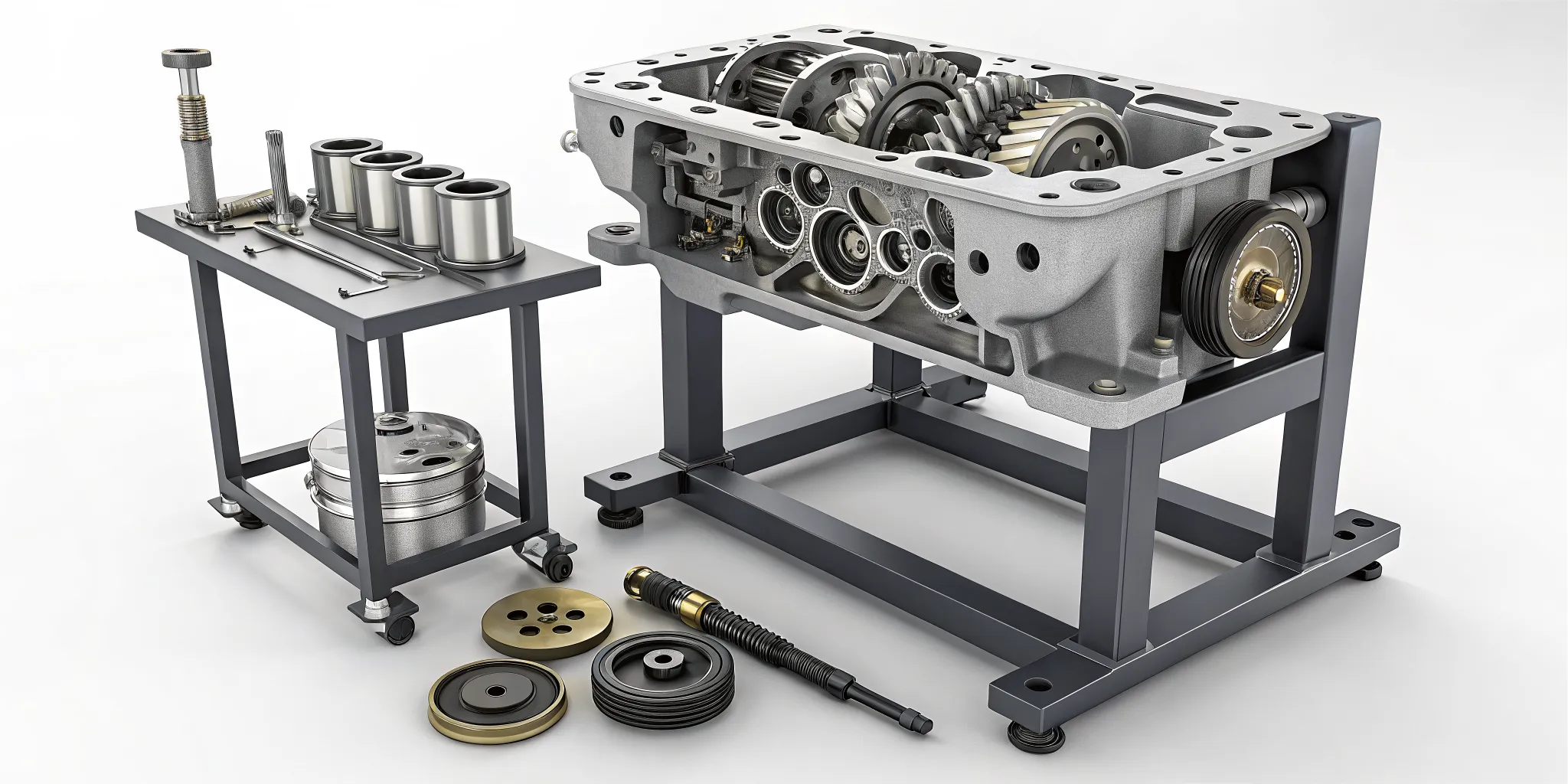
Safe Subaru engine oil pressure changes based on how you use your car. A street car driving to work has different needs than a race car on a track. Factors like engine load, oil heat, and part gaps all play a role in what pressure your system should hold. It is vital to use integrated mechanical diagnostics to track these trends over time.
Street and daily driving
In a standard daily driver, the goal is long engine life and fuel health. Most street cars use thin oils like 0W-20 to help with cold starts. While these oils flow well when the engine is cold, they can get thin when the car sits at a red light on a hot day. It is common to see the oil light flicker at a low idle if the oil gets too hot or the sensor wears out. Most drivers find that a small rise in engine speed makes the light go away.
For street use, you should follow your owner's manual for oil type. Regular oil changes are the best way to keep your internal parts safe for many years. Dark or old oil can lose its ability to stay thick under heat. This leads to lower pressure and more wear on your bearings. Keeping an eye on your dashboard symbols helps you catch preventive maintenance needs before they turn into big repairs.
Track and high-load use
Driving on a track puts big stress on your oil system. High speeds and hard turns can cause the oil to move away from the pump. This risk is high for turbocharged Subaru engines during long turns. When you drive hard, your oil heat will rise fast. As the oil gets hotter, the pressure will drop unless you have the right parts to handle the heat.
Many track drivers use an oil cooler to keep their oil at a safe heat level. A cooler helps the oil stay thick enough to protect the engine under load. Without a way to manage heat, your oil may fail to keep a strong film between metal parts. This can lead to quick engine failure even if the oil level is full. Using a digital gauge is the best way to see real-time data while you are on the track.
Built engines and custom specs
A built engine's bearing clearances are selected around its component stack, intended power, sustained load, oil temperature, and service plan. Clearances are measured values, not simply "larger gaps," and oil viscosity should not be used to mask an unexplained pressure loss. For example, a Crawford EJ257 short block intended for a high-output STI has a different duty cycle from an OEM commuter engine. The builder's documented hot baseline, break-in instructions, and oil recommendation should govern interpretation.
Owners planning a serious build can compare Crawford's built Subaru short blocks and built-to-order long blocks to understand how application-specific assembly changes the lubrication plan.
| Driving Context | Oil Type Used | Main Pressure Goal | Key Risk Factor |
|---|---|---|---|
| Street/Daily | 0W-20 or 5W-30 | Stable idle pressure | Sensor or switch wear |
| Track/Motorsport | 5W-40 or 15W-50 | High-RPM stability | Oil heat and starvation |
| Built/Race Engine | Custom per builder | Gap protection | Wide bearing gaps |
What influences an oil-pressure reading?
Your Subaru engine oil pressure does not stay at one fixed level. Many factors change how much pressure your oil system builds as you drive. These changes help you know how well your engine is working. Experts use these numbers to find early signs of wear or engine faults. Watching these trends is a vital part of integrated mechanical diagnostics for your car.
How heat and speed change your oil
Oil heat is one of the biggest things that affects your reading. When oil is cold, it is thick and moves slowly. This makes high pressure. As your engine warms up, the oil thins out. This causes the pressure to drop. Fast Subaru builds often need an oil cooler to keep these levels steady. High heat can thin the oil too much, which puts your engine parts at risk during hard use.
Engine speed also plays a big role in your results. Most oil pumps are driven by the crankshaft. This means the pump spins faster as your engine speed goes up. You will see higher pressure when you speed up and lower pressure when you stop at a light. Low pressure at idle is common in older engines. But if it drops too far, it might show that your oil is too thin or your pump is worn. You can learn more about these risks in our guide to understanding Subaru oil starvation risks.
Component health and oil flow
The health of your oil pump and filter changes how oil moves through the block. A worn pump may struggle to keep up with the needs of a fast engine. Also, the quality of your oil filter matters. A cheap or old filter can block the flow of oil. This can lower the pressure that reaches your vital engine parts. Using a high-quality filter is the best way to keep your pressure levels safe and steady.
Internal engine gaps also change your readings. As bearings wear down, the gaps between metal parts grow. These bigger gaps let oil leak out more easily. This loss of push back leads to a drop in total system pressure. If you see your pressure falling over time, it may be a sign that your bearings need a check. These facts are part of STI engine maintenance best practices that keep your car on the road.
Gauges and sensor location
Where you put your sensor can change the data you see. Some sensors sit near the oil pump, while others sit further away in the block. Pressure is often lower at the end of the oil path. If you move your sensor, you might see a different number even if the engine is fine. Always make sure your sensor has a tight fit and uses a clean path to the oil.
The type of gauge you use also matters. Stock dash lights only turn on after the pressure is already too low. An aftermarket gauge gives you real data in real time. Digital gauges are now common in fast cars. They help you spot small drops before they turn into big repairs. Checking your gauge often is the best way to catch a problem before your engine takes real damage.
How should Subaru engine oil pressure be measured?
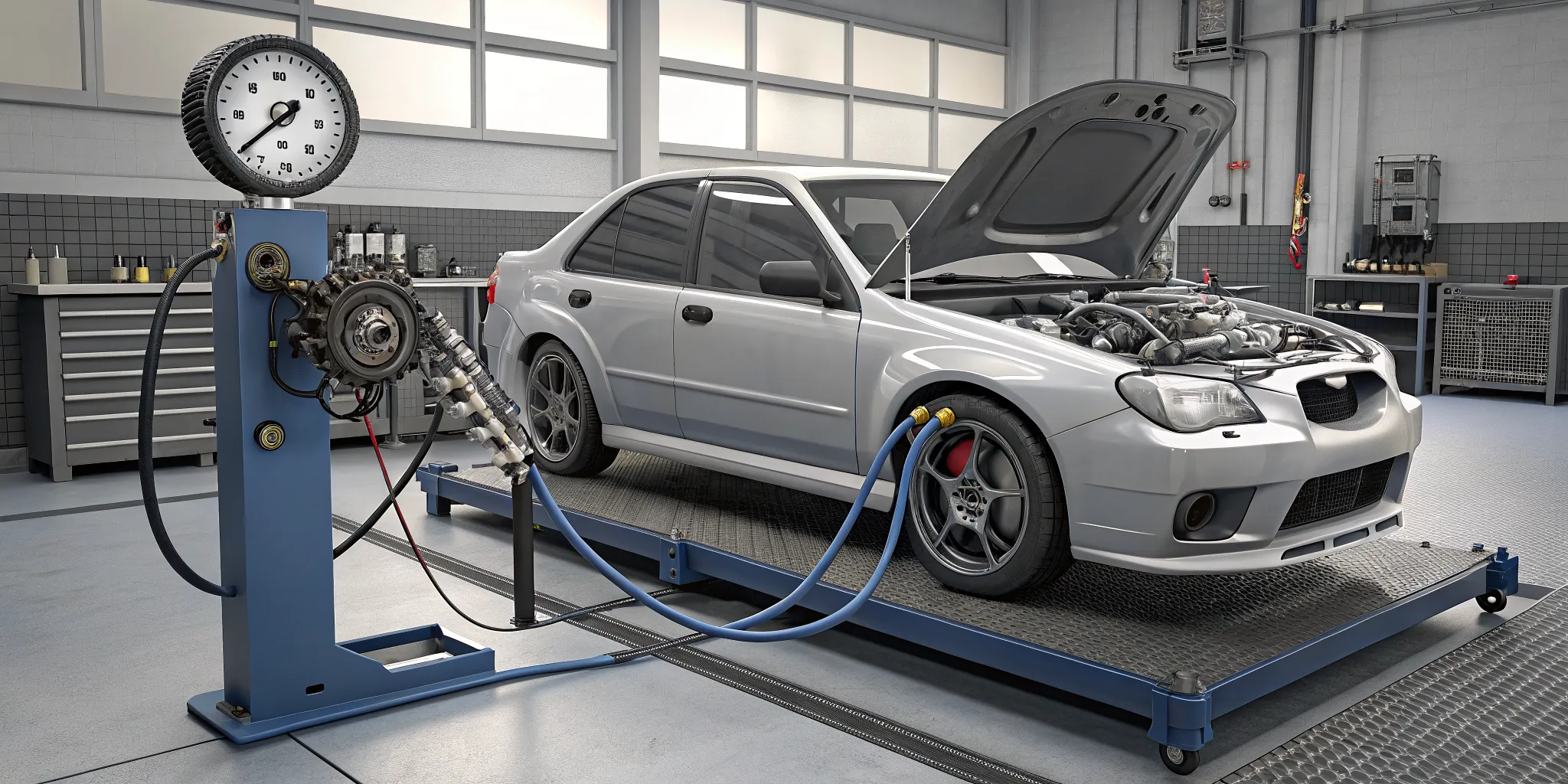
Checking the Subaru engine oil pressure is a vital part of keeping your car healthy. A dashboard light only tells you when the pressure has already dropped too low. By the time it turns on, your engine might already have internal damage. Using a real gauge gives you the data to find small issues before they turn into big ones. This test shows you if the pump is weak or if your engine bearings are worn. Proper engine diagnostics allow you to spot these trends early and save your block.
Use a mechanical gauge for precision
You should always use a high-quality mechanical gauge for this test. Electric sensors can fail or give wrong readings if there is a wiring issue. A mechanical gauge connects directly to the engine block. This gives you a clear and steady reading of the actual oil pressure. These tools use a small tube filled with oil to push a needle on the gauge face. This method removes the risk of bad grounds or sensor drift that can plague electric parts. Many builders keep a known-good shop gauge just for these tests.
A good gauge will have a clear scale that is easy to read. Most Subaru engines idle at a low pressure when they are warm but climb fast with more engine speed. You need a gauge that can handle at least 100 psi to see the full range of the pump. Monitoring your Subaru engine oil pressure this way is much more reliable than trusting the factory dash switch. This switch is often just a simple trigger that activates at a low point. It does not provide the real-time flow data needed for a full health check.
Prepare the engine for the test
Oil thickness changes based on how much heat it has. To get a fair test, you must warm the engine up fully. Drive the car for at least fifteen minutes or wait until the radiator fans kick on. Cold oil is thick and will show a high pressure that does not reflect true working states. If you test a cold engine, you might think the pump is strong when it is actually failing. Most factory specs for a Subaru engine oil pressure test are based on an oil heat of about 176 degrees Fahrenheit. This ensures the oil is thin enough to flow as it would during a normal drive.
Make sure you also check the oil level before you start. Low oil can cause air bubbles to enter the system. This will make the gauge needle jump or shake. You want a steady reading to get the best data. If you are also understanding Subaru oil starvation risks, you know that keeping the sump full is the first step in any oiling check. Once the oil is hot and the level is full, you are ready to hook up your tools and start the measurement process.
- Locate the factory oil pressure switch. On many Subaru engines, this is under the alternator on the front of the block.
- Unplug the wire and use a deep socket to remove the old switch. Be ready for a small amount of oil to leak out when it comes loose.
- Thread the adapter for your mechanical gauge into the hole. Most Subaru blocks use a 1/8 inch BSPT thread, so do not force a standard NPT fitting in.
- Connect the gauge hose to the adapter and make sure the line is clear of any hot exhaust parts or moving belts.
- Start the engine and check for leaks at the fitting. Let the car idle until the oil reaches a full working heat.
- Record the pressure at a warm idle. Then, have a friend hold the engine at 2,000 and 5,000 rpm while you write down those numbers too.
- Compare your results to the service manual. If the numbers are low, you may need a new pump or a qualified shop to check the internal engine health.
Reading these numbers requires a calm head. A small drop in pressure might just be a sign of the oil getting old or thin. But a large drop usually means a mechanical part is failing. If you see low numbers at idle, do not keep driving the car. Stop the engine and seek expert help to prevent a total failure. Regular checks of your Subaru engine oil pressure are the best way to keep your car on the road for years.
What should you do when oil pressure changes?
Seeing your oil light or gauge move can be scary. It is a sign that your engine oil may have a problem. Fast action can save you from a big repair bill. You must know how to tell a small sensor glitch from a major engine failure.
Immediate response to the oil light
If the oil pressure light turns on while driving, you must stop as soon as you can. Safely pull off the road and shut down the engine right away. This light acts as a simple tool to warn you when pressure falls below a safe level. Keeping the engine running without enough oil can lead to fast and severe engine damage. Do not try to drive to the next exit or shop. Once you stop, check the oil level with the dipstick. If it is low, adding oil may help, but you still need to find the cause of the leak or loss.
Differentiating sensor failure from mechanical issues
Not every warning light means the engine is dying. A faulty oil pressure sensor can cause the light to flicker at idle when the engine is hot. Subaru oil pressure switches can fail or leak over time, giving false signals to the dash. If your engine sounds smooth but the light is on, it might be a bad switch. But if you hear new knocking or ticking sounds, the problem is likely a broken part. In these cases, you should use a tow truck to move the car. It is better to pay for a tow than to replace a whole motor. For track drivers, understanding Subaru oil starvation risks is key to preventing these failures before they start.
Using gauges to monitor engine health
A gauge gives more data than a simple dash light. Real-time pressure data helps you see trends before they turn into bad news. For example, oil pressure naturally drops as the engine gets hot or when the car is at a low idle. If you see pressure dip below normal levels for your specific engine, it is time for a checkup. You should also look at your STI engine maintenance best practices to keep the oil system in top shape. Using high-quality synthetic oil and a good filter will help keep your pressure steady and your engine safe.
Planning oil pressure for a performance build
Planning a high-output Subaru lubrication system begins before final assembly. The builder records bearing clearances, confirms pickup and pan condition, selects the pump and relief strategy, and matches oil viscosity to the intended temperature window. After break-in, hot idle and loaded-RPM readings establish a trend line for that exact combination. A later deviation is more useful than a single isolated PSI number.
Crankcase ventilation also matters because sustained boost and blow-by can contaminate the intake tract and increase oil-management demands. A properly selected Crawford STI air-oil separator supports the broader oil-control strategy, while the correct oil remains application-specific. Crawford also carries Motul 8100 X-cess 5W-40, but owners should follow the recommendation for their engine and operating conditions rather than choosing viscosity solely to raise a gauge reading.
Bearing gaps and oil flow
When you build a fast motor, you often change the bearing gaps. These gaps between the crank and the bearings let oil flow through. Stock engines use tight gaps to stay quiet and last a long time. Fast builds may need slightly larger gaps. These larger gaps help cool the bearings when you push the engine hard. But there is a trade-off to keep in mind. Wider gaps can cause a drop in Subaru engine oil pressure when the car is at a hot idle.
To fix this, you may need a high-flow oil pump. This pump moves more oil through the engine to fill those larger gaps. It ensures that every moving part stays oiled under high stress. You should work with your engine builder to find the best plan. A pump that is too small will not keep up. A pump that is too large can waste power or cause oil foam. Finding the right flow rate is key to a healthy motor. Most builders aim for a set pressure range based on how fast the car will rev.
Control during track days
Track driving puts a lot of stress on your oil system. High-G turns and hard braking can force oil to one side of the pan. If the oil moves away from the pickup tube, the pump will suck in air. This is a major cause of failure in turbo engines. Air does not protect parts like oil does, and pressure will drop fast. You should spend time understanding Subaru oil starvation risks to prevent this. A good oil pan with baffles can help keep the oil near the pickup.
Proper oil control also means managing blow-by. In a high-boost Subaru, air can escape past the piston rings. This air goes into the crankcase and can mix with the oil. This mix can lower the quality of your oil. Using an air oil separator is a smart move for any build. It keeps the oil in the pan and the air in the intake. This helps keep a clean oil supply and steady pressure. It also keeps your intake valves cleaner, which helps power stay steady over time.
Checking and cooling tools
You cannot rely on a stock dash light for a fast build. That light usually only turns on when the pressure is very low. By the time you see it, your parts may already have damage. For a tuned car, you need a new gauge. These tools give you live data so you can see small changes. An aftermarket oil pressure gauge lets you catch issues before they get worse. You can watch how pressure changes with engine speed and oil heat.
When you map out your oil system, you should think about these parts:
- A high-flow oil pump to match your bearing gaps.
- An air oil separator to keep the intake clean.
- A baffled oil pan to stop oil loss in turns.
- An external oil cooler for heat management.
Keeping oil cool is just as important as keeping it pressurized. When oil gets too hot, it becomes thin. This thin oil can lead to lower pressure and less safety. External oil coolers are a great way to manage this heat. They are often needed for cars that see track use or hard street driving. Integrated mechanical diagnostics are vital for finding engine health issues early. By checking both heat and pressure, you can make sure your build stays safe. This data-driven plan is the best way to protect your car.
Frequently Asked Questions
What is normal engine oil pressure for a Subaru?
There is no universal normal value for every Subaru engine. Use the factory service information for the exact engine or the engine builder's documented specification, then compare readings only at the same oil temperature and engine speed.
What causes the oil pressure light to turn on in a Subaru?
Possible causes include low oil level, pickup or pump problems, excessive bearing clearance, a restricted filter, unsuitable oil, or a faulty switch or circuit. Stop safely and shut the engine down. Do not assume it is only a sensor until pressure is verified.
What oil pressure should a Subaru have at 5,000 RPM?
The correct 5,000-RPM value depends on the engine, oil temperature, clearances, pump, oil, and test location. Avoid universal targets. Compare a verified reading with the correct service specification or the baseline supplied by the engine builder.
Does a low oil level light differ from a low oil pressure light?
Yes. A level warning reports oil quantity, while a pressure warning indicates that the lubrication circuit is not maintaining the expected pressure. Low level can cause low pressure, but pressure can also fall with a full sump. Treat either warning seriously.
Ready to set up your Subaru engine build?
Ignoring low oil pressure can lead to a fast and costly engine failure that ends your build. If you wait until you hear a noise, it is often too late to save your block and you will face high repair costs. Acting now to fix your oil system keeps your car on the road and stops a small leak from becoming a total loss. Getting your build right from the start means more time on the track and less time in the shop. Our team has built race engines for three decades and we know what it takes to keep your car healthy under load.
Ready to get started? Call +1 859-394-4248 to contact Crawford Performance about engine building and lubrication support.