

Subaru Engine Knock: Normal Noise or Warning Sign?
A rhythmic metallic tapping under your Subaru hood can trigger immediate concern about Subaru engine knock. Some sounds signal serious internal damage, while others are normal boxer-engine traits. Learning the difference helps you protect the engine and avoid an unnecessary rebuild.
Subaru engine knock often refers to two clear engine issues: high-frequency detonation from bad combustion or deep, rhythmic rod knock caused by an internal connecting rod bearing failure. Detonation occurs when the air-fuel mixture ignites early, creating sharp pressure spikes and shaking within the engine block that can damage pistons over a long stretch of time. In contrast, rod knock is a heavy metallic sound that follows engine speed and shows a failed bearing, leaving the rod unable to keep proper clearance while running. As shown in research on connecting rod fatigue, this failure can lead to severe damage, so telling these sounds from normal boxer traits is vital for your build.
Subaru engine knock versus normal boxer noise
Normal boxer noise is usually light, consistent, and predictable. Dangerous Subaru engine knock is new, deep, metallic, load-sensitive, or accompanied by warning lights, smoke, or power loss.
Every Subaru owner knows the distinct sound of a boxer engine. These motors have a unique flat design that often makes more noise from moving parts than a standard engine. While some chatter is part of the car's charm, a new or loud sound can cause worry. Learning to tell the difference between normal work and a dangerous Subaru engine knock is a key skill. This knowledge helps you know when to keep driving and when to stop right away to save your motor.
Understanding normal boxer chatter
A healthy Subaru engine will always have some level of noise from moving parts. The valves sit close to the outer walls of the block, which makes the ticking sound of fuel injectors and valves easier to hear. This light sound is normal and stays steady as the engine warms up. It should not get much louder when you press the gas pedal while the car is in park. If the sound is light and steady, it is likely just the natural rhythm of your boxer engine layout.
Internal parts like the timing belt tensioner can also create noises that sound like trouble but are easy to fix. Before you assume the worst, start by EJ255 and EJ20 hybrid upgrade options. This helps you see how the parts work together. Crawford Performance has built these engines for many years. We often see owners mistake simple part noise for internal failure. An expert check can save you from a lot of stress over a small issue.
Finding dangerous engine knock
True engine knock is much more serious than light ticking. This sound is often a deep, metal thud that follows the speed of the engine. One common type is rod knock, which happens when the parts that hold the connecting rods fail. This creates too much space between the metal parts, leading to a rhythmic hammering. If you hear a loud knock that gets faster as you rev the engine, stop the car as soon as it is safe. This type of damage can lead to a hole in the engine block if you keep driving.
Another dangerous sound is detonation, which people also call pinging. This happens when the fuel in the cylinder burns too early. It creates high-speed shakes that sound like marbles rattling in a tin can. This often occurs when the engine is under a heavy load, such as when you are driving up a steep hill or towing a trailer. Using the right fuel and keeping your engine cool are the best ways to prevent this problem. Detonation can crack a piston or blow a head gasket if it happens for a long time.
The role of piston slap
Piston slap is a common Subaru sound that sits between normal and dangerous. It happens when the piston rocks slightly inside the cylinder wall because the gap is too wide. You will most often hear this sound as a hollow knocking during a cold start. Studies on engine piston slap show the noise often stops when the motor gets hot. The parts expand and fit better. While it sounds scary, many Subaru engines run for years with a small amount of piston slap without a major failure.
| Sound Type | Sound Character | When it Occurs | RPM Change | Safe Action |
|---|---|---|---|---|
| Valvetrain Ticking | Light, rhythmic click | Always present | Steady or faster | Keep driving |
| Piston Slap | Hollow, dull knock | Cold start only | Goes away when warm | Check oil often |
| Rod Knock | Deep, heavy thud | Idle and driving | Loudest under load | Stop immediately |
| Detonation | Rattling marbles | Under heavy load | Stops when lifting | Service engine |
What sounds can be normal on a Subaru boxer engine?
Normal Subaru boxer sounds can include light injector ticking, brief cold-start piston slap, and a smooth valvetrain whir. Any sound that becomes deeper, louder, or persistent deserves inspection.
Subaru engines have a unique build that makes clear sounds. The flat boxer design means the pistons move side to side rather than up and down. This setup creates a moving rhythm that can surprise new owners. While a loud metallic hit might mean a Subaru engine knock, many small clicks and hums are safe. It is vital to know the base sounds of your car so you can spot real trouble early.
Fuel injector ticking
One of the most common sounds is a fast ticking or clicking. You will often hear this best when the car is at a stop. This sound comes from the high pressure fuel injectors. These parts open and close very fast to spray fuel into the engine. Because they are on top of the block, their noise is easy to hear. This is a normal part of how the fuel system works in EJ and FA engines. It does not mean you have a loose part or a failing motor.
This ticking stays steady with the speed of the engine. It usually sounds like a light sewing machine. If the sound is thin and fast, it is likely just the injectors. You can check this by listening near the fuel rails. If the click is loud and deep, you should look closer. But for most cars, this light tap is a sign of a healthy fuel system.
Cold start piston slap
Many Subaru owners hear a deep thumping when they first start the car in the morning. This is often called piston slap. It happens when there is a small gap between the piston and the cylinder wall. As the metal parts get hot, they grow in size and the gap closes. According to research on engine piston slap, this rocking motion is a common trait in some flat engines. For many Subarus, the sound goes away after a few minutes of driving.
This sound is not always a sign of a bad engine. In many cases, it is just a trait of the motor's build. You should pay attention to how long the noise lasts. If it stops once the car is warm, it is likely safe. If the sound stays loud all day, you may need to look at FA20 engine reliability modifications to find the root cause. A lasting knock can lead to big repairs if you ignore it.
Valvetrain and belt noise
The valvetrain in a boxer engine also adds to the noise floor. You might hear a light whirring or a soft hum from the front of the car. This often comes from the timing belt or chain as it moves over the pulleys. Because the engine sits low in the frame, these sounds can echo. Some owners also hear the AC pump or the power steering pump. These sounds should be smooth and even.
If you hear a squeal or a grind, that is not normal. A healthy Subaru engine should sound busy but not broken. The key is to listen for changes over time. If a new sound starts and does not go away, it is time for a check. Crawford recommends a clean oil change and a look at the oil filter first. This simple step can help you find if small metal bits are in the oil before a big failure happens.
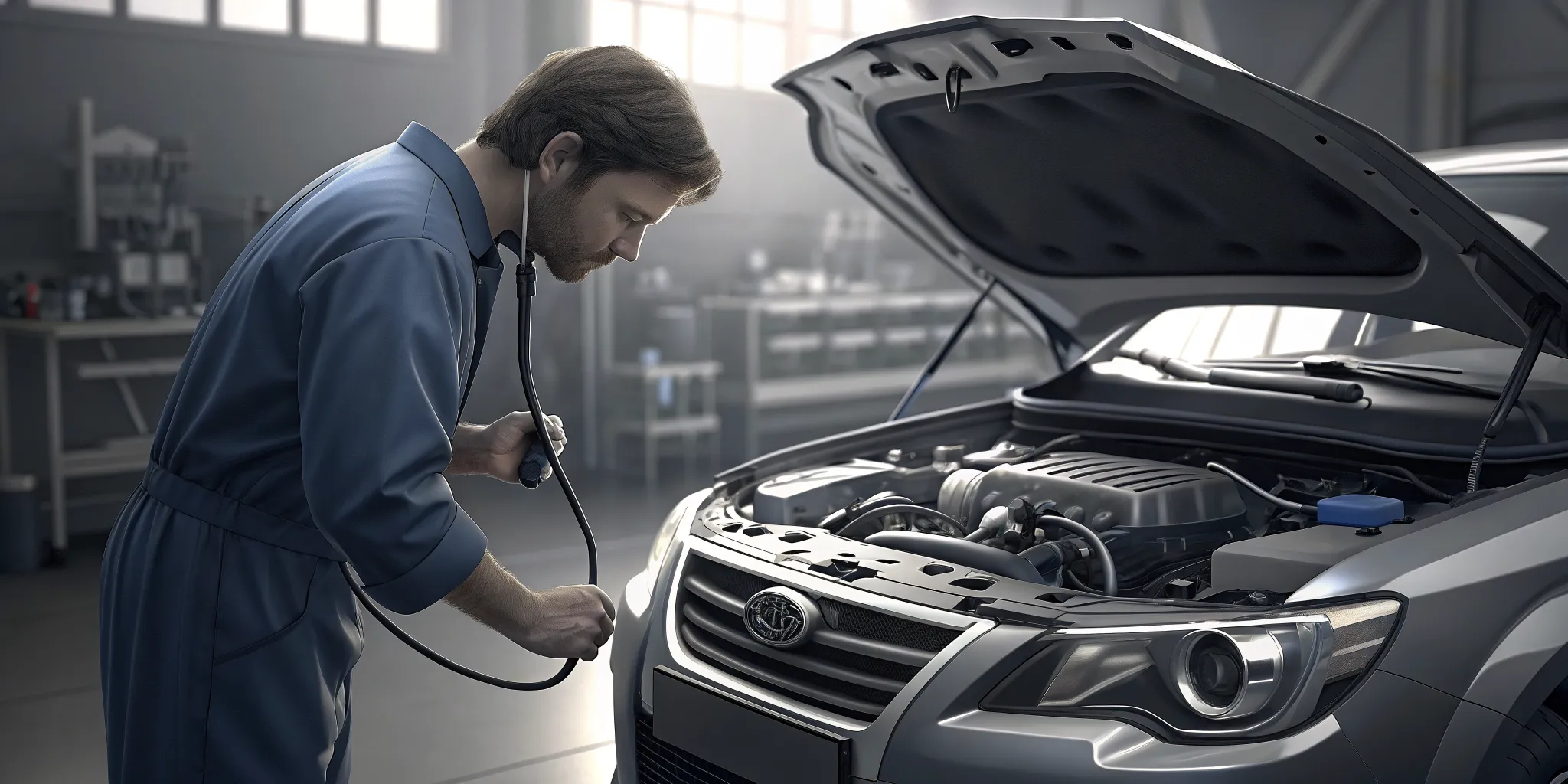
How detonation, rod knock, and valvetrain noise differ
Detonation is a sharp ping under load, rod knock is a deep rhythmic thud that follows RPM. And valvetrain noise is usually a lighter tick near the cylinder heads.
A loud sound from your engine bay is a sign of trouble. You must know if the sound is a light tick or a major failure to save your motor. For many owners, a Subaru engine knock falls into three types. These are detonation, rod knock, and valvetrain noise. Each one sounds unique and starts under its own set of loads.
Detonation and spark knock
Engine knock or detonation happens when the fuel mix burns too early. This causes fast shakes in the block. You will often hear a sharp, metal ping. This ping usually starts when you go up a hill or speed up fast. If you drive a boosted or tuned car, these events can crack a piston in a few seconds.
Most new cars use sensors to find these shakes and stop them. But bad fuel or too much boost can still cause harm. If you hear this ping, lift off the gas at once. You should also check short block installation cost guide to see if your tune needs a fix. Using this guide helps you spot risks early.
Rod knock and bearing failure
Rod knock is much deeper and louder than a ping. It sounds like a heavy hammer hitting a metal pipe. This noise comes from connecting rod failure where parts hit each other. The sound usually gets faster as your engine speed goes up. If you hear this deep thud, you should stop the car to avoid a total loss.
This failure often happens because of low oil or high heat. In fast cars, the rods must stay in a straight line to last. If you are Crawford Performance WRX tuning, you know that rod bearings are a key part. Learning about these parts can help you keep your motor safe.
Valvetrain noise and ticking
Not every sound is a death blow to your motor. Valvetrain noise is a light, steady click or tick. It comes from the top of the engine near the valve covers. This noise is often fast but stays light and thin. It can happen when the oil is cold or if your valve gaps are slightly off.
Some boxer motors have a natural sound that is part of the design. But a loud or new tick should still get a check. Performance cars that see track time put a lot of stress on these parts. If your engine makes a new noise, do not guess. A professional test is the best next step for any driver.
When should you stop driving a knocking Subaru?
Stop driving when the knock is deep or worsening, an oil-pressure or temperature warning appears, the engine loses power, or smoke appears. Shut it off safely and arrange a tow.
A knock from your engine can be scary. Some sounds are normal, like the light tick of fuel injectors. You may also hear a Subaru engine knock from piston slap on a cold start. But other noises mean your engine is in danger. If you hear a deep, rhythmic metallic thumping that gets faster as you press the gas, you may have rod knock. This sound often comes from connecting rod failure. This can destroy your engine block if you keep driving.
Check your dashboard lights
The first sign of a big problem is often the oil pressure light. If this light comes on while you hear a knock, stop the car right away. Low oil pressure means your engine parts rub together without enough oil. This can cause heat to build up fast. You should also watch your temp gauge. A Subaru air oil separator guide that runs hot is a sign of a looming failure. Stop and turn off the key to prevent a fire or a broken block.
Listen for loud or deep sounds
You can sometimes drive with light piston slap. This often goes away as the engine warms up. But rod knock is a deep, heavy sound that stays loud or gets worse as the car gets hot. If the noise is loud enough to hear over your radio, do not risk it. A deep knock often means there is too much space between parts. This can lead to abnormal combustion and shakes that crack parts inside. If the sound is clear at idle and gets louder with speed, pull over.
Watch for smoke and power loss
A sudden drop in power is a huge red flag. If your Subaru feels slow or stutters while making a new noise, the engine is likely failing. Look in your mirrors for blue or white smoke from the tailpipe. Smoke and power loss together mean the internal seal is gone. At this point, driving even a few more miles can turn a fixable issue into a total loss. It is much cheaper to pay for a tow truck than to buy a new engine after a rod shoots through the block.
What to do after you hear a new knocking sound
Reduce engine load, pull over safely, shut the engine off, check warning lights and oil level, record the symptoms, and avoid revving or restarting a severely knocking engine.
Hearing a loud sound from your engine is stressful. It often feels like the start of a huge repair bill. But you must stay calm and act fast. A quick response can save your engine from a total loss. If you ignore built FA20 engine pricing guide, you risk lasting damage. Follow these steps to keep yourself and your car safe.
Safety first on the road
As soon as you hear a new noise, you should reduce the load on your engine. Ease off the gas pedal right away. Do not try to speed up to test the noise. Look for a safe place to pull over. This might be a parking lot or a wide shoulder on the road. Turn off the car once you are in a safe spot. Check your dash for any warning lights like the oil pressure lamp.
A deep heavy sound could mean a part inside is failing. Serious issues like connecting rod failure can destroy a block in seconds. These parts must stay in the right spot to work well. When they fail, the damage spreads fast to other parts. Stopping the car stops the stress on these vital bits. You save money by acting before the parts break for good.
Check the basics when safe
Wait a few minutes for the engine to cool down. Then, check your oil level using the dipstick. Low oil is a common cause of new noises. If the oil is very low, do not start the engine again. You may have a leak or a burning issue. Adding oil might stop the noise if it was just a lack of fluid. But if the noise stays, there is a deep engine fault that needs care.
You should also note when the noise happens. Does it occur only when the engine is cold? Or do you hear it more when you press the gas? Note if the sound speed changes with the engine RPM. This data helps your shop find the root cause. Knowing more about choosing Subaru performance parts makes this simple for all. It helps you talk to the shop with trust.
A safe process for diagnosis
Do not guess what the sound is. Many owners confuse a simple tick with a major failure. A trained pro has the tools to know for sure. They use tests to check the health of each part. This keeps you from spending money on parts you do not need. Follow this simple guide to handle the problem well.
- Pull over safely. Stop driving as soon as you hear the noise to prevent more damage to the engine block.
- Check for warnings. Look at the dash for low oil pressure or high heat lights that show a clear fault.
- Verify oil levels. Check the dipstick once the car is on flat ground and the engine has cooled down.
- Record the sound. Write down if the noise is a high tap or a low thud and when it started.
- Avoid revving the engine. Never press the gas hard to hear the noise better, as this adds inside stress.
- Call for a tow. If the noise is loud and steady, it is best to tow the car to a shop.
- Get an expert view. Ask a Subaru expert to run a check to find the exact problem.
Taking these steps protects your car. A small issue caught early is much cheaper than a full engine swap. Most engine knock issues come from timing or fuel problems that a pro can fix. By spotting a Subaru engine knock early, you save your motor. Do not wait for the sound to get worse before you act.
How a performance shop diagnoses Subaru engine knock
A performance shop combines scan data, oil and pressure checks, compression and leak-down testing, and targeted listening to distinguish combustion knock from mechanical damage.
Finding the source of a Subaru engine knock takes more than just a quick listen. Many people post audio clips online, but those videos often miss the deep sounds of internal wear. Expert shops use a step-by-step plan to find the real problem. They look at data and part wear to know if the engine is safe to run.
Using scan data and engine stats
Shops start by checking when the sound happens. True engine knock is often a sign of poor combustion. Tools track the knock sensors and fuel levels while the car runs. If the noise stops once the car gets warm, it might be piston slap. This happens when there is too much space between the piston and the wall. Digital data helps tell the difference between a bad tune and a broken part.
Checking oil and pressure levels
Looking at the oil is the best way to see if an engine has failed. A shop will drain the oil and check for metal bits. Small shiny flakes mean a bearing is failing. They also test the oil pressure to see if the pump is working well. This is key for understanding Subaru engine components and how they wear. A bad rod knock can lead to a big engine failure if it is not caught fast.
Testing parts and final checks
The last step is to test how well the engine seals. Shops use leak-down and compression tests for this. These tests show if the valves and rings are in good shape. A pro might also use a stethoscope to find where the noise is coming from in the block. This way of finding common engine issues by Subaru platform keeps owners from spending money on the wrong fix. It ensures the car stays on the road or track for a long time.
Compare Crawford Performance built Subaru short blocks and built Subaru long blocks when diagnosis confirms internal damage.
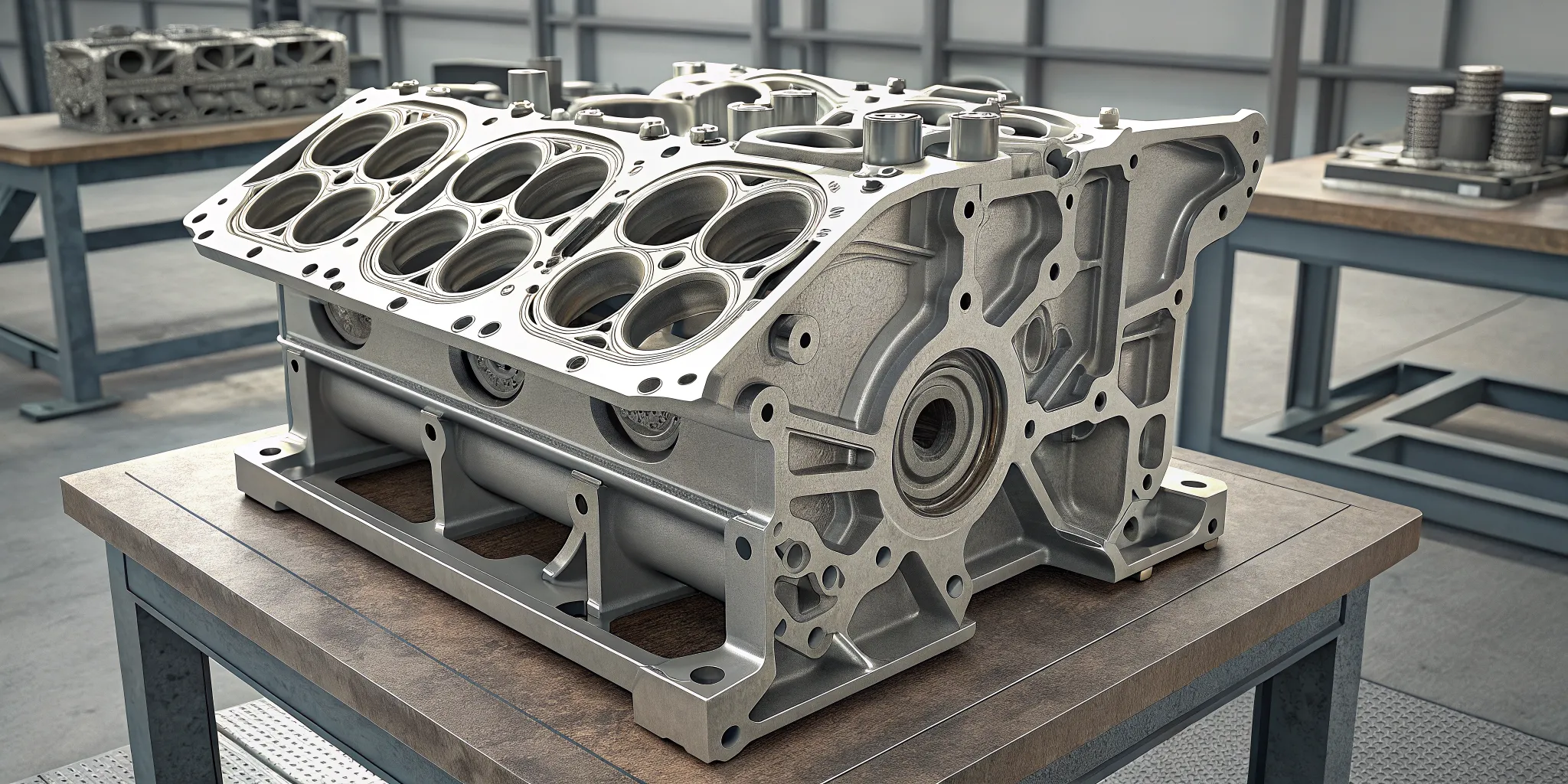
When a built short block or long block enters the conversation
A built short block becomes relevant when lower-end damage is confirmed and reusable top-end parts remain healthy. A long block may fit broader damage involving the heads, valvetrain, or complete assembly.
Confirming a failure often leads to a choice between a stock replacement or a performance engine. If you hear a deep metallic noise that gets louder as engine speeds rise, you may have rod knock. This sound often means the engine needs a major fix. At this point, many owners look at a built block to add strength for future power goals.
Short block versus long block
A short block is the lower half of the engine. It includes the block halves, the crank, the rods, and the pistons. If your cylinder heads are still in good shape, you can move them to a new short block to save money. This path is common for street builds where the goal is a solid foundation. Choosing a built short block allows for stronger parts like forged pistons.
A long block is a more full solution. It includes the short block plus the cylinder heads, camshafts, and valvetrain. A long block is often timed and sealed at the shop. This reduces the work needed during the final setup. It also ensures all major parts are new or refreshed. Owners who want a fresh start or have damaged heads often choose this route to avoid hidden issues.
Upgrading for reliability
Built engines use parts made to handle high stress. While a stock engine is good for daily use, performance builds put more load on the block. Upgrading the parts helps prevent the causes of engine knock or detonation. Forged rods and pistons offer more safety when you add boost or tune for more torque. This focus is part of understanding Subaru engine components for a long-term build.
When you plan your build, think about your final goals. A built block is an investment in the life of your car. It gives peace of mind for track days or off-road trips. By matching the block type to your needs, you ensure your Subaru stays on the road or trail for years to come.
Frequently Asked Questions
What is the difference between piston slap and rod knock in a Subaru?
Piston slap happens when there is too much space between the piston and the cylinder wall. This causes the piston to rock back and forth. On a Subaru, this sound often goes away as the engine warms up. Rod knock is bad. It comes from the connecting rods failing to stay in place. Unlike piston slap, rod knock is a deep metallic sound that usually gets louder when you rev the engine.
Why does my Subaru engine make a knocking noise during cold starts?
A cold start knock is often just piston slap. As the engine metal gets hot, the parts grow and the noise stops. Based on a study of engine mechanics, this rocking motion is common in boxer engines. While it can sound scary, it is usually not a sign of a major break. However, if the noise stays after the car is warm, you should check for serious engine issues right away.
What does a bad rod knock sound like on a Subaru engine?
Rod knock sounds like a deep, heavy thumping or hammering from inside the engine block. It is much louder than the light ticking of the valvetrain. You will notice the sound get faster as the engine speed goes up. If you hear this deep metallic noise, stop driving the car. If you keep running the engine with rod knock, it can lead to major damage to the inner parts.
Could a timing belt tensioner be mistaken for rod knock?
Yes, a loose timing belt tensioner can sound a lot like rod knock. It often creates a sharp, steady tapping that changes with engine speed. Because it is placed near the front of the block, the sound can trick your ears. Before you think the engine is dead, check the tensioner. Fixing a bad tensioner is a lot cheaper and easier than paying to fix a full Subaru boxer engine.
Ready to fix your Subaru engine knock and get back on the road?
Watching a knock today can lead to a broken rod that ruins your engine block and turns a simple fix into a very costly loss. If you act now, you can save your engine and set it up with tough parts that handle more heat and power than the stock units. Starting your new build today means you can stop the damage and get back on the trail sooner with a car that is built to last.
Ready to get more power? Call +1 859-394-4248 to contact Crawford Performance to discuss your Subaru performance engine needs and set up your next motor build. Our team will help you choose the right parts. This will keep your car running strong for years of track days and off-road trips.