

The Ultimate FA20 Long Block Buyer's Guide
You're pushing your Subaru WRX or BRZ for more power, and you've hit the limit of the stock engine. While great for daily driving, the factory components simply weren't designed for the stress of aggressive tuning and higher output. This is the moment you realize you need a stronger foundation for your build. A performance-built FA20 long block isn't just a replacement; it's a complete re-engineering of the engine's core. It swaps out weak points for forged internals that can handle serious power. You're not just buying an engine—you're investing in the capability and reliability your performance goals demand.
Key Takeaways
- Invest in a Strong Foundation: A performance long block is an essential upgrade, not just a replacement. It solves the stock FA20's inherent weaknesses with forged internals, creating a durable base for safely handling more power.
- Plan Beyond the Block: Your new engine is only one piece of the puzzle. To reach your performance targets reliably, you must also budget for critical supporting parts—like the fuel system and turbo—and a professional tune to make everything work together correctly.
- Match the Engine to Your Goals: Define how you'll use your car before you buy. A daily driver has different needs than a dedicated track build, so carefully compare technical specs and choose a reputable builder who backs their work with a clear warranty.
What is an FA20 Long Block?
If you’re looking to seriously upgrade your Subaru’s engine, you’ve likely come across the term “long block.” Think of an FA20 long block as a nearly complete engine assembly, built from the ground up for performance and reliability. It includes the core engine block, crankshaft, pistons, and connecting rods, but it also comes with the cylinder heads, camshafts, and valvetrain pre-assembled. This makes it a comprehensive solution for anyone seeking a major power increase or replacing a tired motor.
A performance-built FA20 long block goes a step further than a standard factory engine. It’s specifically engineered to address the known weak points of the stock FA20, like the pistons and connecting rods, by swapping them with much stronger, forged components. This creates a robust foundation capable of handling significantly more horsepower and torque, whether you’re aiming for a track monster or a reliable daily driver with extra punch. It’s the ideal starting point for a high-performance build because the most critical components are already selected and assembled by experts.
Which Subaru Models Use the FA20 Engine?
The FA20 engine is a cornerstone of the modern Subaru lineup, powering some of the brand’s most popular enthusiast cars. You’ll find the naturally aspirated 2.0L version, the FA20D, in the 2012–2020 Subaru BRZ (as well as its Toyota 86 and Scion FR-S siblings). This engine is known for its high-revving nature and responsiveness, making it a favorite in the sports coupe community.
The turbocharged variant, the FA20F, is what powers the 2015–2021 Subaru WRX. This direct-injected engine provides a fantastic platform for performance tuning and is the focus of many WRX upgrades. While both engines share the same core architecture, their applications and power delivery are quite different, which is important to know when sourcing parts for your build.
Subaru WRX (2015-2021)
The 2015–2021 Subaru WRX is powered by the turbocharged FA20F engine, a direct-injected platform that responds exceptionally well to modifications. This engine provides a fantastic foundation for performance tuning, making it the focus of many popular WRX upgrades. From a simple ECU tune and exhaust to more extensive builds involving larger turbos and upgraded fuel systems, the FA20F has a high ceiling for power. However, as you start pushing past factory limits, the stock internals become the primary weak point. This is why a performance-built long block is a common and necessary step for enthusiasts seeking reliable, high-horsepower builds that can withstand the demands of the track or aggressive street driving.
Subaru Forester XT (2014-2018)
Often overlooked in performance circles, the 2014-2018 Subaru Forester XT is a true sleeper, sharing its turbocharged FA20 engine architecture with the WRX. This means that a vast ecosystem of performance parts is readily available for what appears to be a standard family SUV. For owners looking to create a vehicle that is both practical and surprisingly quick, the Forester XT is an ideal candidate. Upgrading to a built long block allows you to safely increase output, transforming the vehicle's character without sacrificing its daily usability. It’s the perfect way to build a capable machine that can handle weekend adventures and still catch other drivers off guard on the open road.
Subaru BRZ, Scion FR-S, and Toyota GT86
The lightweight trio of sports coupes—the Subaru BRZ, Scion FR-S, and Toyota GT86 (from 2012-2020)—all use the naturally aspirated FA20D engine. This version is celebrated for its high-revving nature and sharp responsiveness, making it a favorite in the sports coupe community for its engaging driving dynamics. While bolt-on modifications can improve the sound and feel, many owners eventually seek more power. The most common path is adding forced induction via a turbocharger or supercharger. This modification dramatically increases stress on the engine's internal components, making a built long block with forged internals an essential part of any reliable forced-induction build.
Long Block vs. Short Block: What's the Difference?
The main distinction between a long block and a short block comes down to completeness. A short block is the bottom end of the engine—it consists of the engine block itself, along with its internal rotating assembly (crankshaft, connecting rods, and pistons). It’s the foundation of the engine, but it stops there.
A long block includes everything in the short block plus the cylinder heads, camshafts, and complete valvetrain, all professionally assembled. This is a critical difference. Choosing a long block vs. a short block means you’re getting a more complete package that eliminates the complex and precise task of assembling the cylinder heads, saving you time and reducing the risk of assembly errors.
Common FA20 Problems a Built Long Block Solves
Beyond just adding power, a built long block is about creating reliability. It directly addresses some of the well-known vulnerabilities of the stock FA20 engine, turning potential failure points into sources of strength. This proactive approach is why so many serious enthusiasts choose a fully built engine instead of just adding bolt-on parts. You're not just fixing a problem after it happens; you're building an engine that's designed to prevent those problems from ever occurring, ensuring your investment is protected while you enjoy the extra performance.
Preventing Bottom End Knock
One of the most feared sounds for any FA20 owner is the dreaded "rod knock." This happens when the connecting rod bearings fail, often due to the increased stress from higher horsepower. The stock connecting rods are a known weak point and simply can't withstand the forces generated by aggressive tuning. A performance-built FA20 long block solves this issue at its core by replacing the factory cast components with incredibly strong, forged connecting rods and pistons. These upgraded performance parts are engineered to handle immense pressure, giving you the confidence to push your engine without worrying about catastrophic bottom-end failure. It’s the single most important upgrade for engine longevity in a high-output build.
Managing Oil Consumption
Another common concern with the FA20 is oil consumption, which can become more noticeable as the engine ages or when it's consistently pushed to its limits. This is often due to the tolerances and ring seal of the factory pistons. A professionally built long block addresses this through meticulous assembly and superior components. High-quality forged pistons, combined with precise cylinder honing and expert ring-gapping, create a much tighter seal. This significantly improves oil control, reducing the amount of oil that bypasses the rings and gets burned in the combustion chamber. The result is a healthier, more efficient engine that requires less frequent top-offs and maintains stable oil pressure under load.
What's Inside a Performance FA20 Long Block?
A performance FA20 long block is much more than a factory replacement. It’s a complete re-engineering of the engine from the ground up, designed to handle significantly more power and stress than the original. Expert builders start by identifying the stock engine's inherent weak points—the components that are most likely to fail when you push for higher horsepower. From there, every part is selected or modified to create a stronger, more reliable foundation for your performance goals.
The process involves disassembling the engine, inspecting every component, and replacing critical parts with high-strength alternatives. This isn't just about bolting on new performance parts; it's about precision machining, careful assembly, and ensuring perfect clearances and tolerances. The result is an engine that not only supports massive power gains but also delivers the durability you need, whether you're on the track or a remote trail. Think of it as blueprinting the engine for its new, high-demand life.
From Stock to Strong: Essential Internal Upgrades
The heart of any built engine is its rotating assembly. The stock FA20 is a solid engine for daily driving, but its factory pistons and connecting rods were not designed for the cylinder pressures that come with aggressive tuning and increased boost. A performance-built FA20 long block addresses this by replacing these critical components with forged alternatives. Forged pistons and rods are manufactured under extreme pressure, creating a much denser and stronger grain structure than their cast factory counterparts. This allows them to withstand the intense heat and force of a high-output engine, providing the essential reliability needed for all your Subaru WRX upgrades.
Forged Pistons and Connecting Rods
The core of any built engine lies in its rotating assembly. While the stock FA20 is a capable motor for daily driving, its factory pistons and connecting rods are known weak points when subjected to the higher cylinder pressures from aggressive tuning. A performance-built FA20 long block directly addresses this by replacing these critical components with forged alternatives. Forged pistons and rods are manufactured under extreme pressure, creating a much denser and stronger grain structure than their cast factory counterparts. This strength allows them to reliably withstand the intense heat and force of a high-output engine, providing the essential foundation for all your performance parts.
Upgraded Head Studs and Camshafts
Power isn't just made in the bottom end; the cylinder heads play a vital role. To prevent the heads from lifting under high boost—a common failure point—performance long blocks use upgraded head studs with superior clamping force. Inside the heads, performance camshafts are installed to optimize airflow, adding more power without making the car difficult to drive on the street. Paired with other upgrades like stronger valve springs, these modifications ensure the engine breathes efficiently and stays sealed under pressure, which is critical for making consistent power. Proper engine tuning services are then required to take full advantage of these new components.
Additional Modifications for Reliability
A truly reliable performance engine is about more than just a list of strong parts. The assembly process is where durability is born. Building a performance long block involves completely disassembling the engine, meticulously inspecting every component, and replacing critical parts with high-strength alternatives. This process includes precision machining and ensuring perfect clearances and tolerances for every moving part. The result is an engine that not only supports massive power gains but also delivers the durability you need, whether you're setting lap times on the track or exploring a remote trail with our overlanding solutions.
How Much Power Can an FA20 Long Block Handle?
A common misconception is that a built long block automatically adds a specific amount of horsepower. In reality, a performance engine creates the capacity for more power. It creates a durable foundation that can safely handle the supporting modifications needed to make big power, like a larger turbo, an upgraded fuel system, and an aggressive tune. The engine itself is rated to handle a certain horsepower level, but achieving that number depends on the entire setup. The tune is just as critical as the hardware; without precise calibration from professional engine tuning services, even the strongest engine can fail. A proper tune ensures the engine operates safely and efficiently under its new limits.
Stock Engine Power Limitations
The stock FA20 block is respectable, but it has its ceiling. While it’s a fantastic engine for daily driving and light modifications, its factory-cast internals were never intended to handle the stresses of high-horsepower builds. Most tuners agree that the stock internals are safe up to around 350-400 horsepower. Pushing beyond this range on a stock block is a significant gamble, as the connecting rods and pistons become the primary failure points. At this stage, you’re not just tuning for more power; you’re testing the mechanical limits of the engine, and a single bad detonation could lead to catastrophic failure. This is the critical threshold where investing in stronger performance parts becomes a necessity for reliability.
Built Engine Power Potential
This is where a performance-built long block completely changes the game. By replacing the factory’s weaker components with forged pistons and connecting rods, a built engine creates a foundation designed for immense power. A well-built FA20 can reliably handle over 600 horsepower, more than doubling the safe limit of the stock block. This isn't just about swapping parts; it's about meticulous assembly and ensuring every component works in harmony. With a professionally assembled Crawford Performance long block, you’re not just getting an engine; you’re getting a durable platform engineered to support your most ambitious performance goals without compromising on reliability.
Why Compression Ratios and Block Integrity Matter
When building an FA20, the compression ratio is a key specification that builders carefully select. This ratio—the volume of the cylinder at the bottom of the stroke versus the top—is determined by the pistons. A lower compression ratio is often chosen for high-boost applications, as it helps prevent engine knock (detonation) and allows for more aggressive tuning. Conversely, a higher compression ratio can improve throttle response and efficiency. Expert builders select the ideal pistons to match your fuel type and performance goals, ensuring the engine runs optimally. This attention to detail, combined with strengthening the block itself, addresses common concerns and creates an engine with uncompromising integrity for demanding overlanding solutions and track use.
Common Performance Compression Ratios
Choosing the right compression ratio is a balancing act tailored to your specific goals. For turbocharged FA20 engines, a lower compression ratio (like 9.5:1 or 10.0:1) is a popular choice. This gives you a larger safety margin when running high levels of boost, as it reduces the risk of engine knock, or detonation. This allows your tuner to be more aggressive with timing and boost pressure to make maximum power. On the other hand, a higher compression ratio, closer to the stock FA20F’s 10.6:1, will give you sharper throttle response and better fuel efficiency off-boost, making the car feel more lively during daily driving. The right choice depends entirely on how you plan to use the car and what you want to feel from the driver's seat.
The Blueprinting and Assembly Process
Building a performance engine is far more than just assembling a box of high-end parts. The blueprinting and assembly process is a meticulous, scientific approach to engine building where every single component is measured, documented, and adjusted for perfect harmony. It starts with a complete disassembly and inspection of the block and heads. From there, expert builders use precision machining to ensure all surfaces are perfectly flat and clearances are set to exact specifications—often tighter and more consistent than factory tolerances. This obsessive attention to detail ensures that every part, from the crankshaft bearings to the piston rings, moves with minimal friction and maximum efficiency. This process is what separates a reliable, high-output engine from one that might fail prematurely under stress, and it’s the foundation of a quality build backed by professional engine tuning services.
Where to Buy an FA20 Long Block
Once you’ve decided a performance long block is the right move for your build, the next big step is choosing where to buy it. This isn’t just a transaction; it’s an investment in your Subaru’s heart. The builder you choose determines the quality of the components, the precision of the assembly, and the support you’ll receive after the sale. A reputable builder doesn’t just sell you an engine—they provide a foundation for reliable power, backed by expertise and a solid warranty.
Your goal is to find a shop with a proven track record, transparent processes, and a deep understanding of the FA20 platform. Look for builders who are active in the Subaru community, share their build processes, and can clearly explain the benefits of their specific component choices and assembly techniques. This decision will impact everything from your car's daily drivability to its performance on the track or trail, so it’s worth taking the time to research your options thoroughly.
What Sets Crawford Performance Apart?
When you invest in a built motor, you’re investing in long-term performance, and that requires proper care. A common misconception is that a built motor doesn't require careful maintenance, but the opposite is true. We prioritize educating our customers on how to protect their investment for years to come. Our approach goes beyond the build itself; we provide expert engine tuning services to ensure your new long block runs flawlessly and reliably. We stand behind our craftsmanship with a comprehensive 12-month/12,000-mile warranty, giving you peace of mind that you’re getting a product built to last. It’s this commitment to quality and customer support that sets our engines apart.
What to Look for in a Reputable Engine Builder
As you evaluate different builders, focus on how they address the engine's inherent weaknesses. A quality performance-built FA20 long block addresses the known weak points of the stock engine, such as the pistons and connecting rods, replacing them with stronger, forged components. Ask potential builders about their parts selection, machining processes, and quality control measures. Do they balance the rotating assembly? What are their tolerances? A transparent builder will be happy to walk you through their process. Look for shops that specialize in Subarus and have a history of building reliable performance parts and engines specifically for models like the WRX and BRZ. Their expertise is your best insurance against future problems.
How Much Does an FA20 Long Block Cost?
The price of an FA20 long block can vary significantly, and it’s important to understand what you’re paying for. The cost is influenced by the quality of the internal components, the extent of the machine work, and the labor involved in the assembly. While a lower price might seem appealing, it could indicate the use of cheaper parts or rushed assembly, leading to costly failures later. When you see a price, consider the power goals it supports and the warranty that backs it up. A well-built engine designed for your specific Subaru WRX upgrades is a complete system, and the price reflects the engineering and reliability built into it.
Typical Price Ranges for Built Engines
When you start budgeting for a built engine, it helps to understand the typical price ranges. For a high-quality short block capable of handling over 600 horsepower, you can generally expect to invest between $5,000 and $6,000. This price reflects the significant upgrade in materials, like forged internals, that provide the durability needed for aggressive tuning. For example, our own Crawford Performance Built Short Block FA20 starts at $5,299.99, which is a solid benchmark for the quality and engineering required to reliably support higher power levels. You might also see pricing that includes a "core charge," a common practice where you send back your old engine to help manage costs.
A complete long block represents a larger investment, with prices typically ranging from around $9,000 to upwards of $19,000. This wider range depends heavily on the specific components used, the builder's expertise, and the power goals the engine is designed to meet. It's important to view this cost not just as a purchase but as an investment in your vehicle's foundation. When you choose a professionally assembled long block, you're paying for precision machine work, carefully selected performance parts, and the peace of mind that comes with a reliable engine built to withstand the demands you'll place on it.
Your Pre-Purchase FA20 Long Block Checklist
You’ve done your research and are ready to invest in a new FA20 long block. Before you finalize your purchase, it’s smart to run through a few final checks. Thinking about the warranty, break-in process, and installation plan ahead of time will ensure you get the performance and reliability you expect from your new engine. This isn't just about buying a part; it's about setting your Subaru up for long-term success, whether you're building a daily driver or a track-day monster.
What to Look for in an Engine Warranty
A warranty is more than just a piece of paper—it’s a direct reflection of the builder's confidence in their work. When you see an FA20 long block offered with a "12-month / 12,000-mile warranty," it provides a significant level of assurance about the engine's quality and durability. This kind of guarantee means the manufacturer stands behind their assembly, materials, and testing processes. Don't overlook this detail. A solid warranty protects your investment and gives you peace of mind, so you can focus on enjoying the drive instead of worrying about potential issues down the road.
Understanding Extended Warranty Options
While a standard warranty provides a great baseline of protection, some builders offer extended coverage if you follow specific installation and tuning protocols. For instance, a builder might extend their warranty to 24 months or 24,000 miles if the engine is installed and tuned by one of their certified professionals. This approach makes perfect sense—it ensures the engine is set up correctly from the start, minimizing the risk of issues caused by improper installation or a bad tune. It’s a testament to the builder's commitment to the entire performance ecosystem, not just the engine itself. When considering your options, ask about extended warranties and what they require, as it often points to the importance of professional engine tuning services to protect your investment.
Proper Break-In and Tuning: The Keys to Longevity
A high-performance built motor requires care and attention right from the start. It’s a common mistake to assume these engines are invincible from day one. In reality, they need a specific break-in period to allow components like piston rings and bearings to seat properly. After the break-in, professional engine tuning services are absolutely critical. Having experts adjust your engine’s computer settings is the best way to ensure it runs reliably and safely, delivering the power you paid for without compromising its longevity. Skipping this step is a recipe for disaster.
Specific Break-In Procedures
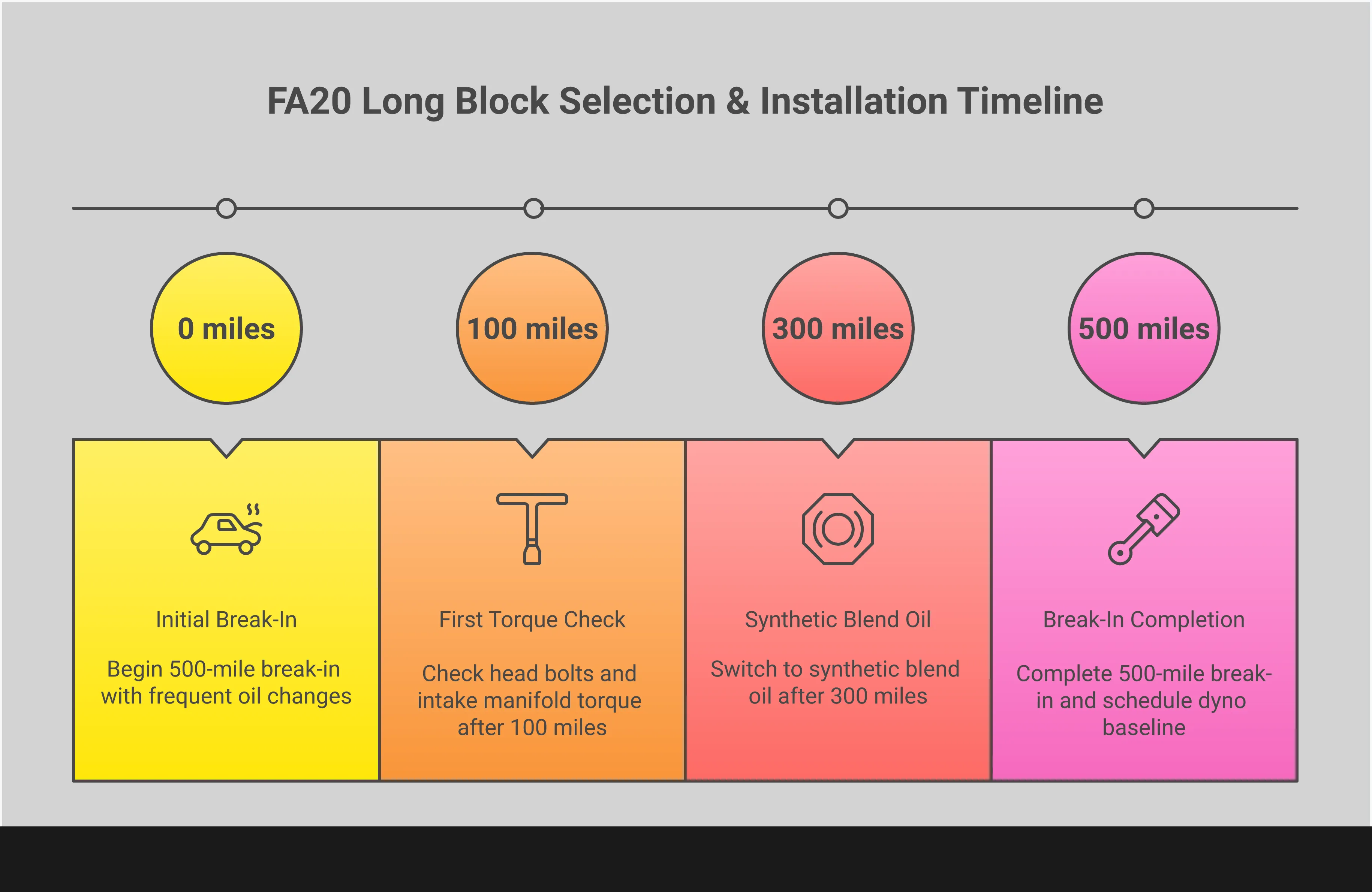
The first few hundred miles on your new engine are the most important. This is when the piston rings seat against the cylinder walls, creating the seal that’s essential for compression and oil control. During this period, your driving habits directly impact the engine's future performance and longevity. For the first 1,000 miles, avoid full-throttle acceleration and abrupt stops. It’s crucial to keep the engine RPM below 4,000 and to constantly vary the engine speed. This means no highway cruising on cruise control. Instead, drive on roads that require you to shift gears and change your speed frequently, which helps the rings seat properly across the entire cylinder.
Post Break-In Maintenance and Oil Changes
Once you’ve completed the break-in mileage, the first oil change is non-negotiable. This initial change removes any microscopic metal particles that are a normal byproduct of new components seating together. Following this, stick to a regular maintenance schedule using high-quality oil that meets the demands of your high-performance engine. This is also the perfect time to schedule a final check-up with your tuner. They can analyze how the engine has settled in and make any final adjustments to the tune, ensuring it delivers optimal power safely. Consistent maintenance is the best way to protect your investment and keep your performance parts working in harmony for years to come.
The Importance of Engine Monitoring
Your responsibility doesn't end after the break-in and final tune. A built engine operates under much higher stress than a stock motor, so keeping an eye on its vitals is key. Pay close attention to oil pressure, coolant temperature, and air-fuel ratios, especially under load. Installing a quality set of gauges is one of the smartest supporting modifications you can make. Actively monitoring these parameters allows you to catch small issues before they become catastrophic failures. This proactive approach not only protects your engine but also gives you the confidence to fully enjoy the power you’ve built, knowing that everything is operating exactly as it should.
Installation: DIY vs. Professional Build
When it comes to installation, you have two main paths: doing it yourself or hiring a professional. A DIY engine build can be an incredibly rewarding experience, but it’s a major undertaking that requires specialized tools, a lot of time, and deep technical knowledge. The biggest risk with a DIY build is that it typically comes with no warranty. On the other hand, a professionally built and installed engine costs more upfront but offers huge advantages. You get the benefit of expert assembly, which minimizes risks, and your engine is often covered by a warranty, giving you a crucial safety net for your investment in performance parts.
How to Choose the Right FA20 Long Block for You
Selecting the right FA20 long block is one of the most significant decisions you'll make for your Subaru. It’s the heart of your build, and the choice you make will dictate your car's performance, reliability, and overall character. This isn't just about chasing the highest horsepower number; it's about finding an engine that aligns perfectly with how you plan to use your vehicle. A common misconception is that any built motor is indestructible and doesn't require careful maintenance. The reality is that the best engine for you is one that’s built specifically for your application.
Before you even look at a single spec sheet, you need a clear picture of what you want to achieve. Are you building a reliable daily driver with some extra punch for spirited weekend drives? Or is your goal a dedicated track car that can handle lap after lap of abuse? Maybe you're focused on creating a capable off-road machine for your next adventure. Each of these scenarios demands a different approach to engine building, from the choice of internal components to the final tune. Thinking through these questions will help you narrow down your options and ensure you invest in a long block that won’t let you down.
What Are Your Performance Goals?
First things first: what do you want your car to do? Be honest with yourself about your driving habits and long-term plans. An engine built for 600 horsepower might sound impressive, but it will be frustrating and expensive to maintain if you spend most of your time in city traffic. Your performance goals will guide every decision, from the compression ratio to the materials used in the build. If you're building a weekend warrior, your needs will differ greatly from someone creating a competitive track car or a rugged rig for overlanding solutions. Write down your ideal horsepower target, how you plan to drive the car 90% of the time, and any future modifications you have in mind. This clarity is your best tool for making a smart purchase.
Which Technical Specs Matter Most?
Once your goals are clear, you can start comparing the technical details. A performance-built FA20 long block addresses the known weak points of the stock engine, replacing components like pistons and connecting rods with much stronger, forged alternatives. When you review spec sheets, look beyond the peak horsepower claims. Pay close attention to the compression ratio, as this affects both performance and fuel requirements. Investigate the quality of the materials and the specific brands of the performance parts used in the build. A reputable builder will be transparent about every component, from the bearings to the head studs, giving you confidence in the engine's durability and integrity.
Built Long Block vs. Engine Swaps
When you're chasing serious power, the idea of a full engine swap—like dropping in a K24—can be tempting. But this path often comes with a mountain of hidden costs for custom parts, complex wiring, and extensive labor to make everything communicate correctly. This is where a performance-built FA20 long block shines. It's engineered to drop right into your Subaru's engine bay, using the factory mounting points and integrating seamlessly with your existing systems. Instead of solving a puzzle of mismatched components, you're starting with a foundation of performance parts designed specifically for your car, making it a more straightforward and often better overall investment for reliable power.
Custom Builds vs. Pre-Configured Packages
For those who want a truly tailored solution, a custom build is the ultimate answer. While the stock FA20 is a reliable engine for daily driving, a custom build can unlock its full potential and fortify it for your specific needs. Performance packages often bundle a built long block with supporting modifications and a professional tune, creating a cohesive system where every part works in harmony. This approach takes the guesswork out of matching components and ensures the final product is both powerful and dependable. Expert engine tuning services are critical to maximizing the performance and longevity of your new long block, so consider builders who offer a complete, integrated solution.
Common (and Costly) Mistakes to Avoid
Investing in a performance FA20 long block is one of the most significant upgrades you can make for your Subaru. It’s also a decision that comes with a lot of variables. Getting it right means enjoying reliable power for years, but a few missteps can lead to frustration and unexpected bills. Let's walk through the most common mistakes so you can make your purchase with total confidence and protect your investment. A little foresight here will save you a lot of headaches down the road.
How to Research an Engine Builder's Reputation
A critical mistake many buyers make is failing to properly research the engine builder. Not all manufacturers are the same, and the quality of their work directly impacts your engine's performance and lifespan. Before you commit, it's essential to vet their reputation. Look for detailed customer reviews, build journals on forums, and a proven history with Subaru engines. A reputable builder will be transparent about their process, the components they use, and stand behind their work with a solid warranty. This guarantee is more than just a policy; it’s a reflection of their confidence in every engine that leaves their shop.
What Other Supporting Mods Will You Need?
Dropping in a built long block isn't the final step—it's the foundation. A common misconception is that the engine alone is all you need for big power. In reality, the tune is just as important as the block itself, and planning for supporting modifications is crucial for performance and longevity. Your new engine is built to handle more power, but your stock fuel pump, injectors, and turbo may not be. To get the most out of your investment and avoid creating dangerous bottlenecks, you’ll need to budget for a complete system of performance parts and a professional tune to bring it all together safely.
Why an Air-Oil Separator (AOS) is Essential
One of the most critical supporting modifications for your new long block is an Air-Oil Separator (AOS). Subaru engines, especially when tuned, generate crankcase pressure that pushes oil vapor into the intake system. This oil contaminates the air-fuel mixture, effectively lowering its octane rating and increasing the risk of detonation—a catastrophic event for any engine, let alone a high-performance build. An AOS acts as a guardian for your engine, intercepting this oily vapor, separating the oil, and returning it to the crankcase while allowing only clean air to circulate through your intake. Installing one isn't just an upgrade; it's essential insurance for your investment, addressing one of the most notorious Subaru oiling system issues and ensuring your engine stays healthy with the right performance parts.
What Are Core Charges and Other Hidden Costs?
The sticker price isn't always the final price. Most builders require a core charge, which is a refundable deposit you pay until they receive your old, usable engine. However, "usable" is the key word. If your old engine has catastrophic damage, like a hole in the block or a bent rod, you may not get your full deposit back. Always ask the builder for their specific core return policy and what conditions would void a refund. Beyond the core, remember to account for other costs like freight shipping for both engines, specialized break-in oil, and the essential engine tuning services required to get your car running right.
Understanding Core Charges and Deposits
When you're budgeting for your new engine, don't forget about the core charge. Most builders require this upfront—it’s a refundable deposit you pay until they receive your old, usable engine. The key word here is "usable." If your original engine has catastrophic damage, like a hole in the block or a bent rod from a major failure, you might not get your full deposit back. Before you finalize your purchase, it's crucial to ask the builder for their specific core return policy in writing. Understanding exactly what conditions could void a refund will help you avoid any unexpected costs and ensure a smooth transaction from start to finish.
Factoring in Build and Wait Times
A high-quality, performance-built long block isn't an off-the-shelf item. It’s a precision-engineered component that takes time to assemble correctly. While a low price and quick turnaround might seem tempting, these can be red flags for rushed work or the use of subpar performance parts, which often leads to expensive failures. A reputable builder invests significant time in machining, measuring, and carefully assembling each engine to ensure it meets strict tolerances. Good builders often have a waiting list, which is a sign of their quality and high demand. Be patient; the wait time is a direct investment in the long-term reliability and performance of your Subaru.
Related Articles
Frequently Asked Questions
Why should I buy a complete long block instead of just building my current engine with forged parts? Choosing a professionally assembled long block is about minimizing risk and saving time. While you can buy individual forged components, the process of machining the block, setting clearances, and assembling the valvetrain requires specialized tools and expertise. A pre-built long block from a reputable builder ensures every component is perfectly matched and assembled to precise tolerances, which is often backed by a warranty. You're investing in a proven, tested package, not just a collection of parts.
Does a performance long block require more maintenance than a stock engine? It doesn't necessarily require more maintenance, but it does demand more diligent and higher-quality care. Because you're dealing with a high-performance system, you can't cut corners. This means using top-tier synthetic oil, adhering to a strict break-in procedure, and being attentive to how the engine sounds and feels. The stakes are higher, so consistent, quality maintenance is key to protecting your investment and ensuring its longevity.
Will installing a built long block automatically give me more horsepower? Not by itself. A performance long block is best thought of as a strong foundation that creates the capacity for more power. It’s built with durable internals that can safely handle the increased stress from supporting modifications like a larger turbo, an upgraded fuel system, and an aggressive tune. The horsepower gains come from that complete package, with the professional tune being the final, critical piece that brings it all together safely and effectively.
Is a built FA20 long block overkill for a daily driven car? Not at all. While these engines are capable of handling serious track abuse, they also provide incredible peace of mind for a daily driver. A built motor addresses the known weak points of the stock engine, creating a far more reliable foundation. If you enjoy spirited driving or plan on adding even mild performance upgrades down the line, a built long block ensures your engine is strong enough to handle it without you having to worry.
What is the single most important step after installing a new long block? The break-in process and the subsequent professional tune are absolutely non-negotiable. The break-in period is essential for allowing the new piston rings and bearings to seat correctly, which is critical for the engine's long-term health. Following that, a professional tune calibrates the engine's computer to work with the new hardware. Skipping or rushing either of these steps is the fastest way to damage your new engine and void your warranty.