Forged Internals Kit: A Complete Buyer's Guide
Share
There's a limit to what your stock EJ25 engine can handle. Before you add a bigger turbo or a more aggressive tune, you have to address the engine's core. Pushing for more power without a solid foundation is a recipe for disaster. This is where a forged internals kit becomes essential. It provides a rock-solid base for your build, replacing weaker factory parts with components engineered for strength and durability. This guide explains why fortifying your engine is the critical first step for making reliable power in your WRX, STI, or Forester.
Key Takeaways
- Build for Strength, Not Instant Speed: Forged internals don't add horsepower on their own; they create a durable foundation that allows you to safely add a larger turbo, increase pressure, and pursue an aggressive tune without risking engine failure.
- Leave Installation and Tuning to the Pros: This is a precision job, not a weekend DIY project. A successful build depends on specialized tools for assembly and a mandatory ECU tune to match the new components and prevent catastrophic damage.
- Prioritize Post-Build Maintenance: Your work isn't done after the engine is installed. Protecting your investment means strictly following the break-in procedure and committing to a more frequent maintenance schedule with high-quality oil.
What's Inside an EJ25 Forged Internals Kit?
If you're looking to push your Subaru's EJ25 engine beyond its factory limits, you’ve probably heard the term "forged internals." Think of a forged internals kit as the ultimate foundation for your engine build. It replaces the stock, cast components with much stronger parts designed to handle the increased stress that comes with higher horsepower and torque. Upgrading to forged pistons and rods isn't about instantly adding 50 horsepower. Instead, it's about creating a stronger foundation that allows for more power to be safely added with other performance parts. By strengthening the engine from the inside out, you create a platform that can withstand serious demands, whether you're on the track or a challenging trail.
What Are the Key Components?
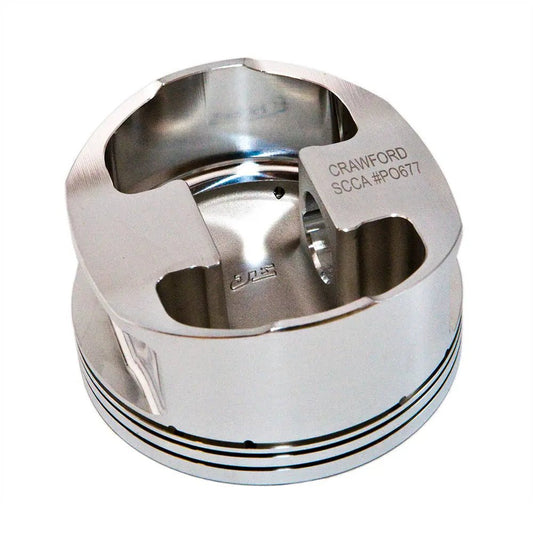
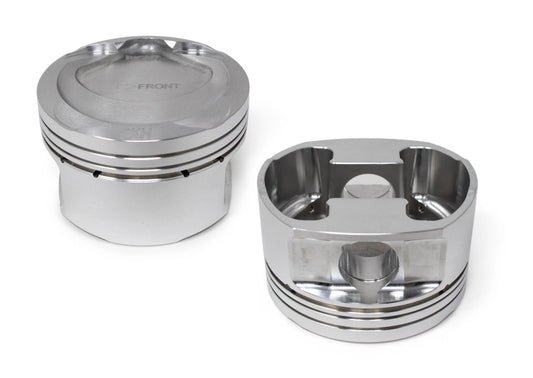
A typical EJ25 forged internals kit provides the essential building blocks for a high-strength short block. While kits vary, they almost always include a matched set of forged pistons and connecting rods, which are the heart of the upgrade. These are often paired with high-performance piston rings, stronger wrist pins, and upgraded engine bearings designed for higher loads and RPMs. Some comprehensive kits may also include a multi-layer steel head gasket to handle higher cylinder pressures. The goal is to replace the most vulnerable factory parts with components that can take the heat and pressure of a modified engine, giving you the confidence to push for more power.
Lightweight Forged Crankshafts
While not always included in a standard kit, a lightweight forged crankshaft is a game-changing upgrade for a serious performance build. Think of it as the backbone of your engine's rotating assembly. By using a forged crankshaft that is also lighter than the stock version, you reduce the engine's rotational mass. This allows the engine to rev up much more freely and respond almost instantly to your throttle inputs. For anyone building a car for the track or competitive driving, this quicker response is a massive advantage. It’s a foundational part of a high-revving, responsive engine and one of the key performance parts that separates a good build from a great one.
Upgraded Engine Bearings
Engine bearings might be small, but they play a huge role in engine reliability, especially under pressure. These components support the crankshaft and connecting rods, and the stock bearings were never designed for the increased loads and higher RPMs of a modified engine. Upgraded tri-metal bearings are engineered to withstand this abuse, providing the stability and durability needed to keep everything spinning smoothly. They are essential for ensuring your newly built engine can handle the stress you plan to throw at it. Skipping this step is like building a skyscraper on a weak foundation—it’s a risk not worth taking, and a critical detail any professional engine builder will insist on.
Forged vs. Stock: What's the Difference?
The key difference between forged and stock internals lies in how they're made. Stock pistons and rods are typically "cast," where molten metal is poured into a mold. This process is cost-effective but can leave the final part with a weaker grain structure. Forged parts are created by shaping a solid piece of metal under extreme pressure, making them incredibly dense and strong. With stock internals, you're always limited by how much power the engine can safely make before a component gives up. Installing a quality forged kit removes that ceiling, giving you and your tuner the freedom to safely increase your Subaru STI's performance without risking catastrophic failure.
The Role of Silicon in Cast Pistons
To appreciate why forged parts are such a critical upgrade, it helps to understand the technology behind the stock cast pistons in your Subaru. The secret ingredient in their aluminum alloy is silicon. Its primary job is to control thermal expansion, which means the piston is engineered to expand less under thermal pressure as the engine heats up. This allows for tighter, more efficient tolerances between the piston and the cylinder wall. Silicon also increases the wear resistance and overall durability of the aluminum, making the stock piston surprisingly capable for factory power levels. However, there's a limit to what silicon can do. The casting process itself, where molten metal is poured into a mold, creates a grain structure that is inherently weaker than that of a forged part. While silicon makes a cast piston better, it can't change its fundamental nature, leaving it vulnerable under the high-stress conditions of a modified engine.
Why Upgrade to Forged Internals?
If you’re serious about pushing your Subaru’s performance, you’ll eventually reach the limits of the stock engine components. The factory EJ25 is a capable motor, but it wasn’t designed for the stress that comes with significant power increases from track days, aggressive off-roading, or extensive modifications. Upgrading to forged internals is the single most important step you can take to build a reliable foundation for serious power. It’s about transforming your engine from a factory setup to a purpose-built machine ready for anything you throw at it. This upgrade addresses the engine’s weakest points, allowing you to add power with confidence.
Build a Stronger, More Durable Engine
The primary reason to choose forged internals is their incredible strength. Forged pistons and rods are much stronger and last longer than the standard cast parts that come in your Subaru engine. The manufacturing process is key; forged components are made by shaping solid metal under extreme pressure, which creates a much denser and tougher final product. This dense grain structure makes them highly resistant to the intense heat and cylinder pressures generated by a high-performance engine. Whether you’re enduring long sessions on the track or demanding torque for overlanding solutions, this added durability ensures your engine’s core can handle the abuse without failing.
Handle More Horsepower Safely
Many people think that installing forged internals instantly adds horsepower, but that’s a common misconception. Upgrading to forged pistons and rods isn't about instantly adding 50 horsepower. Instead, think of it as creating a super strong foundation that allows you to safely add a lot more power with other modifications. With a fortified bottom end, you can finally install that larger turbo, increase boost pressure, and work with a tuner to get an aggressive map. These performance parts provide the structural integrity needed to support a much higher power output, ensuring your engine remains reliable as you climb the horsepower ladder.
Understanding Power Handling Limits
So, what's the magic number for a stock EJ25? While every engine is different, the general consensus is that the factory internals become a major risk once you push past the 350-400 wheel horsepower range. The stock cast pistons are the first weak point, susceptible to cracking under the increased cylinder pressure and heat from higher boost. The connecting rods are the next to go. Pushing your luck can lead to catastrophic failure, turning your engine into a very expensive paperweight. This is where forged internals redefine the game. By installing a robust set of forged pistons and rods, you raise that ceiling dramatically, creating a foundation that can reliably handle 500, 600, or even more horsepower with the right supporting STI upgrades. It’s about removing the factory-imposed limits and giving yourself the freedom to build the powerful, reliable engine you actually want.
Prevent Common EJ25 Engine Failures
The EJ25 engine, especially in models like the WRX and STI, has a few well-known vulnerabilities. The stock cast pistons in an EJ25 engine are the weakest link when you try to make more power. They are notoriously prone to ringland failure, a catastrophic issue where the small piece of the piston between the rings breaks off. This can lead to a complete engine rebuild. Upgrading to a forged kit directly addresses this and other common failures like cylinder overheating by replacing the brittle cast components with robust, resilient ones. For anyone planning significant Subaru STI upgrades, this isn't just a modification; it's essential insurance for your engine's health.
Do Some Cars Come with Forged Internals from the Factory?
Yes, absolutely. Many automakers use forged components in their high-performance models right from the factory. Legendary turbocharged cars like the Mitsubishi Lancer Evolution and modern powerhouses like the Ford Mustang with its Coyote V8 were engineered with forged internals to handle significant stress from day one. Manufacturers include these premium parts because they anticipate that owners will push these vehicles to their limits. This factory-built strength is a key reason why those platforms can handle major power increases with fewer foundational changes. For Subaru owners, this context is important; upgrading your EJ25 is about bringing your engine up to the same level of durability found in other top-tier performance cars, creating a base that’s ready for serious engine tuning services.
How to Choose a High-Quality Forged Kit
Once you’ve decided to build your EJ25, the next step is selecting the right components. With so many options on the market, it can be tough to figure out which kit offers the best value and reliability for your build. Not all forged internals are created equal, and the quality of these parts will directly impact your engine's performance and lifespan. A cheap kit might save you money upfront, but it could cost you an entire engine down the road.
To make an informed decision, you need to look beyond the price tag and examine the details that separate premium components from the rest. This means paying close attention to the specific materials used, the precision of the manufacturing process, and any additional features like specialized coatings. These factors are the true indicators of a kit’s ability to handle the increased stress of a high-performance Subaru WRX or STI. Choosing a kit from a reputable manufacturer that prioritizes these details ensures your engine is built on a foundation of strength and ready to handle whatever power you throw at it.
Why Material Specs and Alloys Matter
The first thing to inspect is the material. Forged pistons and rods are much stronger and last longer than the standard cast parts that come in your Subaru engine. They are made by shaping solid metal under high pressure, which makes them very dense and tough. This process creates a grain structure that resists cracking and failure under extreme conditions. For pistons, look for high-quality aluminum alloys like 2618, which is favored in motorsport for its strength at high temperatures. For connecting rods, chromoly steel is the standard for its durability and resistance to stretching under load. Investing in superior performance parts made from proven materials is the most critical step in building a reliable engine.
The Importance of Precision and Weight Matching
Precision is key when it comes to your engine’s rotating assembly. Forged parts must be made very accurately and weighed to be almost exactly the same, ideally within one gram of each other. This process, known as balancing, is crucial because it helps the engine run smoothly and last longer. When pistons and rods are perfectly matched, it minimizes vibrations that can cause premature wear on bearings and other critical components. A well-balanced engine can rev higher and more safely, which is essential for making power. This attention to detail is a hallmark of a top-tier manufacturer and a non-negotiable for any serious Subaru STI build.
Should You Consider Special Coatings?
To take performance and durability a step further, some high-end pistons have special coatings. A ceramic coating on the piston crown, for example, acts as a thermal barrier. It helps block heat from soaking into the piston, keeping it cooler and reflecting that energy back into the combustion chamber for a more efficient burn. You might also find an anti-friction coating on the piston skirts. This slippery layer reduces rubbing against the cylinder walls, which minimizes wear and frees up a small amount of horsepower. While not all kits include these features, they are a worthwhile addition for anyone pushing their engine to the limit, as they provide an extra layer of protection and performance that requires proper engine tuning to maximize.

Understanding Key Technical Specs
You don't need an engineering degree to build a powerful Subaru, but knowing a few key technical specs will help you understand exactly how your engine makes power. Think of these numbers as your engine's vital statistics; they define its personality and potential. When you start discussing forged internals and custom builds, you'll hear terms like bore, stroke, and compression ratio mentioned frequently. Understanding what they mean is the first step toward making smart decisions for your project. These specs are the blueprint for your engine's performance, influencing everything from torque delivery to how it responds to a tune, so getting familiar with them is time well spent.
Bore, Stroke, and Compression Ratio
Let's break down the big three. The bore is the diameter of the engine's cylinders, which for the EJ25 is 99.5 mm. The stroke is the distance the piston travels up and down inside that cylinder, measuring 79 mm. Together, these dimensions determine your engine's displacement and its fundamental character. The final piece is the compression ratio, which describes how much the air-fuel mixture is squeezed before ignition. For a turbocharged EJ257 in an STI, this is typically around 8.2:1. These numbers are critical because installing new pistons can change the compression ratio, directly impacting how much power you can safely make and requiring precise engine tuning services to prevent damage.
Who Makes the Best EJ25 Forged Internals?
When you start shopping for forged internals, you'll quickly find that a few key brands dominate the Subaru scene. Choosing the right one isn't just about picking a name you've heard before; it's about aligning the brand's design philosophy and material science with your specific goals for the engine. Are you building a responsive 400-horsepower daily driver for your Subaru WRX, or are you aiming for an 800-horsepower monster that lives at the track? The demands on your engine's rotating assembly—the pistons, connecting rods, and crankshaft—are vastly different in these scenarios.
Some manufacturers prioritize ultimate strength for extreme racing applications, using alloys and designs that can withstand incredible cylinder pressures and high RPMs. Others focus on creating a durable, well-balanced package that offers a significant strength improvement over stock components without the premium cost of race-spec parts. This makes them ideal for street builds and enthusiasts who want peace of mind. It's also crucial to consider how the components work together. A high-quality kit will feature pistons and rods that are weight-matched for a smooth, balanced engine. As we break down some of the top brands, think about your power targets, your budget, and how you plan to use your Subaru. This will help you select the perfect foundation for a reliable and powerful build.
Crawford Performance Forged Solutions
At Crawford Performance, we view forged internals as the essential foundation for any serious power build. Our philosophy isn't just about chasing peak horsepower; it's about creating a robust and reliable engine that can handle increased power safely and consistently. We engineer our performance parts with durability as the primary focus, ensuring they can withstand the added stress from higher boost and aggressive tuning. This approach guarantees that whether you're upgrading your daily driver or building a dedicated track car, you're starting with a balanced and resilient rotating assembly. We believe a strong engine is a dependable engine, giving you the confidence to push your Subaru's performance.
CP-Carrillo
CP-Carrillo has built its reputation in the highest tiers of motorsport, and their products reflect that racing pedigree. Their forged pistons and connecting rods are engineered for extreme-duty applications, designed to handle immense stress and sustained high-RPM operation. This makes them a top-tier choice for competitive builds where maximum strength and reliability are non-negotiable. If your goal is to push the EJ25 to its absolute limits with a high-horsepower track or drag setup, CP-Carrillo's components provide the material strength and precision manufacturing required. They are often the go-to for builders who prioritize ultimate durability when chasing record-setting power figures.
Manley Performance
Manley is a household name in the Subaru community, widely respected for offering an excellent balance of performance, strength, and value. Their forged pistons and H-beam or I-beam rods are a proven upgrade for a huge range of builds, from spirited street cars to serious weekend racers. Many builders and shops trust Manley Performance because their products deliver consistent quality and reliable performance that can handle significantly more power than the stock internals. For enthusiasts looking for a dependable and cost-effective way to build a strong EJ25 engine without the premium price of pure race-spec parts, Manley is a fantastic and trusted option.
Wiseco
Wiseco is a specialist in piston technology, renowned for creating high-performance forged pistons designed to thrive under boost. They are a popular choice for builders looking to maximize the output of their turbocharged EJ25 engines. Wiseco often incorporates advanced features into their designs, such as their proprietary ArmorGlide skirt coating to reduce friction and wear, along with specific crown shapes and compression ratios optimized for forced induction. If your build plan involves running high boost levels to extract every bit of power, Wiseco's piston kits are engineered with the technology and strength needed to handle the intense heat and cylinder pressures.
Other Notable Brands in the Industry
While the brands we've covered are titans in the industry, the market for high-quality performance parts is full of other excellent manufacturers. Companies like JE Pistons and Mahle Motorsport also have a strong presence in the Subaru community, each bringing decades of engineering experience to the table. JE is well-regarded for its custom piston capabilities, while Mahle is known for its OEM-level precision and material science. Additionally, you'll often see components from these brands featured in pre-assembled short blocks from respected builders like IAG Performance. The best choice often comes down to the specific requirements of your build and the recommendations of your chosen engine builder or tuner, who will have direct experience with how different combinations perform.
How Much Do Forged Internals Kits Cost?
When you decide to build your EJ25 engine, one of the first questions you'll ask is about the cost. The price of a forged internals kit is just the starting point of your budget. Think of it as an investment in your Subaru's long-term health and performance. The total cost will depend on the quality of the components you choose, the scope of your build, and whether you handle the installation yourself or hire a professional.
Planning your budget carefully from the start helps ensure you have the resources to do the job right. A well-executed build with high-quality parts will give you a reliable engine that can handle serious power for years to come. Let's break down the typical costs you can expect for the parts and the essential supporting modifications you'll need.
Breaking Down the Price Range
The cost of forged internals kits for an EJ25 engine can vary quite a bit. A basic set of quality forged pistons and connecting rods typically starts around $800. However, prices can climb depending on the brand, the specific alloys used, and any special coatings or features. For example, more comprehensive kits that include premium rings and wrist pins can easily cost over $1,500.
It's important to look beyond the kit itself. A complete engine build involves more than just pistons and rods. When you factor in machine work, gaskets, bearings, fluids, and labor, the total cost for a professionally built short block often lands between $5,000 and $6,000. While it’s a significant investment, using top-tier performance parts is the best way to build an engine that is both powerful and dependable.
Don't Forget to Budget for Supporting Mods
Installing forged internals is only one piece of the puzzle. A built block is designed to handle much more power than stock, but the rest of your car needs to be ready for it. Failing to upgrade supporting components is a common mistake that can limit your performance or even damage your new engine.
Your budget should account for several key upgrades. A robust fuel system, including a higher-flow fuel pump and larger injectors, is necessary to deliver enough fuel for the increased power. You’ll also likely need a stronger clutch to transfer that power to the wheels without slipping. An improved cooling system, including a better radiator and oil cooler, is also critical for managing the extra heat your engine will generate. These upgrades, combined with professional engine tuning services, ensure all your new components work together safely and effectively.
Installation: What Tools and Skills Are Required?
Upgrading to forged internals is one of the most involved projects you can take on for your Subaru. This isn't a simple weekend bolt-on; it's a complete engine teardown and rebuild that demands precision, patience, and the right equipment. Before you even think about ordering parts, it’s critical to honestly assess whether you have the tools and expertise to handle the job. A small mistake during assembly can lead to catastrophic engine failure, turning your dream build into a very expensive paperweight.
This process requires a deep understanding of how the EJ25 engine works, from torque specifications to bearing clearances. While many enthusiasts successfully build their own engines, it’s a path that requires meticulous attention to detail and a clean, organized workspace. If you’re new to engine building, the learning curve is steep. The following sections will help you understand what’s required so you can decide whether to tackle this yourself or partner with a professional for your Subaru WRX upgrades and other models.
Your Essential Tool Checklist
Building an engine correctly requires more than just a standard socket set. You’ll need a collection of precision measurement tools to ensure every component fits exactly as it should. Essential specialty tools include a dial bore gauge for measuring cylinder bores, micrometers for checking crankshaft journals and piston dimensions, and calipers for various measurements. You will also need a piston ring installer to avoid damaging the rings and a piston ring compressor to safely guide the piston assemblies into the cylinders.
These tools are non-negotiable. They allow you to verify the machine work and measure critical clearances, ensuring your engine will operate reliably under high stress. Without them, you’re essentially guessing, which is a risk you can’t afford to take with high-performance engine tuning services.
When to Call a Professional Installer
Installing forged internals is a detailed job best left to an experienced engine builder. While the satisfaction of building your own engine is immense, the financial risk of getting it wrong is even greater. A professional shop has the specialized tools, a dedicated clean room, and years of experience building high-performance Subaru engines. They understand the specific quirks of the EJ25 and know what to look for during assembly.
Hiring a professional not only ensures the mechanical work is done correctly but also gives you a partner in the process. They can provide expert advice on supporting modifications and will be responsible for the crucial post-build ECU tune. For many owners, the peace of mind that comes with a professionally built engine, often backed by a warranty, is well worth the investment.
What to Expect During Disassembly and Reassembly
The success of an engine build lies in the details. The entire process, from disassembly to the final torque sequence, must be executed with surgical precision. Every component must be thoroughly cleaned and inspected for wear or damage. Even a tiny piece of debris or a spec of dirt left in an oil passage can destroy bearings and lead to complete engine failure.
During reassembly, you must double-check every connection, verify all torque specs with a calibrated torque wrench, and ensure surfaces are spotless. Properly priming the oiling system before the first start is another critical step that is often overlooked by amateurs. This level of meticulous work requires unwavering focus and a methodical approach. If you don’t have the patience or a clean, organized space to work, it’s best to entrust your performance parts to a professional.
Is a Tune Required After Installing Forged Internals?
Yes, a professional tune is not just recommended—it's absolutely required. Installing forged internals fundamentally changes your engine's geometry, compression, and tolerances. The stock ECU is calibrated for factory components and has no idea how to manage your newly built engine. Running a freshly built motor on a stock tune is one of the fastest ways to damage your investment.
To get the most out of your upgrade and ensure your engine runs safely, you need to address three key areas: the ECU tune, the break-in procedure, and the supporting modifications.
Why a Proper ECU Tune is Non-Negotiable
Think of your ECU as the brain of your engine. After major surgery, it needs to be retaught how to operate the new parts. A professional tune does exactly that. The stock computer settings are completely mismatched for a built engine and can cause catastrophic failure in a very short time. An expert tuner will recalibrate critical parameters like fuel delivery, ignition timing, and air-to-fuel ratios to match your new setup. This process optimizes power output while maintaining safe operating limits, preventing issues like detonation or running too lean. Proper engine tuning services are the final, critical step in protecting your engine and realizing its true potential.
How to Follow the Correct Break-In Procedure
Once your engine is built and tuned, you need to be patient. A proper break-in period is crucial for the long-term health and performance of your motor. The primary goal is to let the new piston rings seat correctly against the cylinder walls, creating a perfect seal for maximum compression. For the first 1,000 miles, you need to drive gently. Keep the RPMs below 4,000 for the first 500 miles, constantly vary your speed, and avoid any hard acceleration or full-throttle pulls. This careful process ensures all the new components settle in together correctly. After the break-in period, an oil and filter change is essential to remove any metal particles from the initial wear-in.
What Other Mods Should You Consider?
Forged internals are built to handle immense power, but they are only one part of the equation. To safely make and deliver that power, your vehicle needs a variety of supporting upgrades. A built block requires a fuel system that can keep up, including a higher-flow fuel pump and larger injectors. You’ll also need a stronger clutch to transfer the increased torque without slipping. Finally, an improved cooling system, such as an upgraded radiator or an external oil cooler, is vital to manage the extra heat generated by a high-performance engine. These performance parts work together to create a balanced and reliable build.
What Performance Gains Can You Expect?
Installing a forged internals kit is less about immediate, bolt-on horsepower and more about fundamentally changing your engine’s capabilities. It’s a foundational upgrade that redefines your vehicle's limits, transforming it from a factory-spec car into a platform ready for serious power. The real gains are found in the engine's strength, responsiveness, and its ability to handle aggressive modifications safely. Think of it as giving your EJ25 the backbone it needs to support your performance ambitions, whether you're building a track monster or a reliable daily driver with a serious kick. This modification is the critical step that separates casual bolt-ons from a truly purpose-built machine, allowing you to pursue significant power increases with confidence.
How Much More Power Can You Make?
Let's be clear: upgrading to forged pistons and rods isn't about instantly adding 50 horsepower. Instead, think of it as creating a stronger foundation that allows for much higher power levels when combined with other modifications. Stock internals have a ceiling; push them too far with more boost or a bigger turbo, and you risk catastrophic failure. Forged components are engineered to withstand immense pressure and heat, effectively raising that ceiling. This upgrade unlocks the true potential of your engine, giving you the freedom to add aggressive performance parts and a custom tune without constantly worrying about the stock components giving up. It’s the key to building a truly powerful and reliable Subaru.
Experience a More Responsive Engine
Beyond raw power, a forged bottom end changes how your engine feels and reacts. Forged components are typically lighter and manufactured to tighter tolerances than stock parts. This reduction in rotating mass allows the engine to rev more freely and quickly, resulting in sharper throttle response. You may also notice a more distinct mechanical sound from the engine—a characteristic prized by many enthusiasts as it provides more direct feedback on what the engine is doing. When paired with professional Engine Tuning Services, this upgrade delivers a more connected and engaging driving experience, making your car feel more alive and eager whether you're on the street or the track.
Building an Engine That Lasts Under Pressure
With stock internals, you're always limited by how much power the engine can safely make before a component gives up. The EJ25, for all its strengths, is known for piston ringland failure under high stress. A quality forged internals kit directly addresses this and other weak points. This upgrade is your engine's insurance policy against the extreme demands of high-performance driving. It provides the durability needed to handle repeated track days, aggressive launches, and the sustained load from demanding applications like our overlanding solutions. You gain the peace of mind that comes from knowing your engine is built to last, not just to make a single impressive dyno pull.
Legal and Shipping Considerations
Before you finalize your purchase and start clearing space in the garage, there are a few practical details to sort out. High-performance automotive parts often come with specific legal disclaimers and shipping rules that you need to be aware of. Taking a moment to understand these considerations now can save you from major headaches later. It ensures that the parts you’ve carefully selected can be used as you intend and, just as importantly, that they can actually be delivered to your doorstep without any issues.
"For Off-Highway Use Only" Disclaimer
You'll often see a label on high-performance parts stating they are for "off-highway use only." This isn't just fine print; it's an important legal distinction. This disclaimer means the components were designed and manufactured specifically for dedicated racing vehicles used on closed courses, not for vehicles driven on public streets. Installing these parts on your daily driver could put you in violation of your local emissions and safety regulations. It’s crucial to check your state and local laws to understand the rules before you install any competition-focused performance parts on a street-driven car.
California Proposition 65 Warning
If you live in California or are ordering parts from a company based there, you’ll likely encounter the Proposition 65 warning. This is a state law that requires businesses to inform Californians about potential exposure to chemicals known to cause cancer, birth defects, or other reproductive harm. Many automotive components, from metal alloys to lubricants, can contain substances on this list. While this warning is widespread and applies to countless consumer products, it’s an important piece of information to be aware of as you handle and install new parts in your vehicle.
Potential Shipping Restrictions
Finally, always double-check where a company can ship its products. Due to varying regulations, some brands and retailers are unable to ship certain performance parts to specific locations. California, with its strict emissions laws, is a common example of a state with shipping restrictions. Other countries, like Australia or the UK, may also have limitations. Before you get your heart set on a specific kit, take a minute to review the retailer’s shipping policy or contact their customer service. This simple step confirms that they can deliver to your location and helps you avoid any last-minute disappointment.
Common Mistakes to Avoid During Your Build
Building your EJ25 engine is a major step toward unlocking serious performance, but it's a process that demands precision and attention to detail. A small oversight during the build can lead to significant problems down the road. To help you get the most out of your investment and ensure your engine runs strong for years to come, let's walk through some of the most common mistakes people make and, more importantly, how you can avoid them. From installation missteps to unrealistic expectations, knowing what to watch out for is half the battle. A successful build is about more than just high-quality parts; it’s about the right process from start to finish.
How to Avoid Common Installation and Tuning Errors
One of the biggest hurdles in an engine build is the installation itself. There's a common myth that all forged pistons need massive skirt-to-wall clearances, but that’s not the case—the right clearance depends entirely on the piston's specific design. This is just one example of why precision is so critical. Attempting complex tasks without the right experience, like installing pistons without splitting the crankcase, can easily lead to failure. This is why professional installation is almost always the best route. It ensures everything is assembled to exact specifications. After the hardware is in, a professional ECU tune isn't optional; it's essential. The stock computer settings are not calibrated for a built engine and can cause catastrophic damage if not adjusted properly.
Why You Should Set Realistic Power Goals
It’s easy to get excited and think that dropping in forged pistons and rods will instantly add a ton of horsepower. The reality is a bit different. Upgrading your engine's internals is about building a stronger, more resilient foundation. Think of it as preparing your EJ25 to safely handle more power, not as a direct power-adder itself. A well-built engine with quality forged components can reliably handle around 400 wheel horsepower, but you'll need other performance parts like a larger turbo, upgraded fuel system, and better cooling to actually produce that power. Forged internals give you the confidence to push your engine further without worrying about catastrophic failure.
Don't Overlook Post-Build Maintenance
Once your built engine is installed and tuned, the work isn't over. Proper maintenance is crucial for longevity. You’ll need to follow a much stricter schedule than you would with a stock engine. This means frequent oil changes—typically every 3,000 miles or even sooner—using a high-quality synthetic oil that can stand up to the increased stress. It’s also important to regularly check all your fluid levels to catch any potential issues early. Following the break-in procedure provided by your engine builder or tuner is non-negotiable. This initial period is critical for seating the piston rings and ensuring all the new Subaru STI upgrades work together harmoniously for a long and powerful life.
Related Articles
- The Ultimate Guide to EJ25 Forged Pistons & Rods Specs
- EJ25 Forged Pistons & Rods Specs: What to Know
Frequently Asked Questions
When should I actually consider upgrading to forged internals? You should start thinking about forged internals when you've reached the performance limits of your stock engine and want to safely add significant power. This upgrade is for owners planning to install a larger turbo, run higher boost, or push their car hard on the track. It's not a first step, but rather the essential foundation you build when you're serious about making your Subaru much faster and more durable.
Will installing a forged kit immediately add horsepower to my Subaru? This is a common misconception. A forged internals kit does not add horsepower on its own. Instead, it strengthens your engine's foundation, allowing it to handle much more power from other modifications. Think of it as raising your engine's power ceiling. With a forged bottom end, you and your tuner can safely add a bigger turbo and a more aggressive tune to achieve higher horsepower without risking engine failure.
What's the real total cost of a forged internals build? The price of the forged kit, which can range from $800 to over $1,500, is only the beginning. A complete and professional build involves many other costs. You need to budget for engine machine work, new gaskets and bearings, fluids, and professional labor. When you add it all up, a properly built short block will typically cost between $5,000 and $6,000.
Can I install a forged internals kit myself? While it's possible for a highly experienced home mechanic with the right tools, this is a job best left to a professional engine builder. The process requires extreme precision, specialized measurement tools like bore gauges and micrometers, and a perfectly clean environment. A tiny mistake in measuring a clearance or a spec of dirt in the wrong place can lead to catastrophic engine failure, making the cost of professional installation a worthwhile investment.
What happens if I don't get a professional tune after the installation? Skipping a professional tune is the fastest way to destroy your new engine. The factory ECU is programmed for stock components and has no idea how to manage your built motor. Running the engine on a stock map will cause incorrect fueling and timing, which can lead to detonation and catastrophic damage in a matter of minutes. A custom tune is absolutely required to ensure your engine runs safely and performs correctly.