

What Is a Diesel Truck Air Oil Separator?
Your Subaru's boxer engine is a masterpiece of engineering, but it has a vulnerability: blow-by. This oily vapor sneaks past your piston rings, gets sucked into your intake, and bakes onto your valves as carbon buildup. This process robs your engine of power, lowers fuel octane, and can lead to serious long-term damage. The factory system just isn't enough to stop it. An Air/Oil Separator (AOS) is the definitive solution. It intercepts these harmful vapors, separating the oil from the air to keep your intake clean and your engine running strong. This technology is so effective that its principles are applied across the automotive world; a heavy-duty diesel truck air oil separator performs the same critical engine-saving function. This guide will explain exactly how an AOS works and why it’s one of the most important upgrades you can make for your Subaru’s health and performance.
Key Takeaways
- Guard your engine against harmful oil vapor: An AOS intercepts oily blow-by gases, preventing them from contaminating your intake system to maintain consistent power and long-term engine health.
- Choose a maintenance-free solution: A true Air/Oil Separator automatically drains collected oil back into your engine, offering a permanent, hassle-free alternative to catch cans that need constant emptying.
- Solve common Subaru engine problems: An AOS directly addresses issues like oil consumption and carbon buildup on intake valves, which is especially critical for protecting modern direct-injection engines from performance loss.
What is an Air/Oil Separator and How Does It Work?
If you've spent any time in the Subaru performance world, you've likely heard about the Air/Oil Separator, or AOS. Think of it as a guardian for your engine. Its main job is to protect your engine from harmful oil vapor and gases that can sneak into your intake system. In a high-performance boxer engine, managing these vapors is crucial for maintaining power and long-term health. An AOS is one of the most effective performance parts you can install to keep your engine running clean and strong. It works by intercepting oily crankcase gases, separating the oil from the air, and then returning clean air to your intake and clean oil back to your engine. This simple process has a massive impact on your Subaru's performance and reliability, whether you're on the track or hitting a trail.
Understanding Your Engine's Crankcase Ventilation
Every engine, including your Subaru's, produces something called "blow-by." This is a mix of oil vapor and gases that naturally gets past the piston rings and into the crankcase. Your car's factory ventilation system tries to handle this by sending these gases back into the intake manifold to be burned off. The problem is, this process also sends oil vapor right where you don't want it: into your intake, onto your valves, and into your combustion chamber. This can lower your fuel's octane rating and lead to performance-robbing carbon buildup. An Air/Oil Separator is designed to intercept these gases before they ever reach your intake system, ensuring only clean air makes it through.
The Science of Separating Oil from Air
So, how does an AOS actually work its magic? It’s a clever bit of engineering. The unit is installed between your engine's crankcase ventilation ports and the air intake. As the blow-by gases flow into the AOS, it uses a series of baffles or a centrifuge to slow down and cool the vapor. This causes the heavier oil and fuel particles to condense and separate from the lighter air. The collected oil then drains back into the engine's oil pan, so you never have to empty a catch can or worry about running low on oil. It’s a closed-loop system that keeps your engine’s oil where it belongs while protecting other critical components.
How Clean Air Circulates Back to Your Intake
Once the oil has been separated, the AOS is left with clean, dry air. This air is then routed back into your engine's intake to be burned as originally intended. By sending only air back into the system, you ensure a cleaner, more efficient combustion process. This prevents oil from coating your intercooler, intake manifold, and valves, which helps maintain consistent power and throttle response. A clean intake system is also essential for accurate sensor readings, which is a key part of any successful engine tuning service. Ultimately, this final step is what keeps your Subaru running at its peak potential for years to come.
Key Benefits of an Air/Oil Separator for Your Subaru
Installing an Air/Oil Separator (AOS) is one of the smartest, most effective upgrades you can make for your Subaru. It’s not just about adding power; it’s about protecting the heart of your vehicle. An AOS provides a powerful defense against common issues that can degrade performance and shorten your engine's lifespan over time. By keeping your engine’s intake system clean from harmful oil vapor and contaminants, you ensure it runs stronger for longer. Think of it as an essential investment in your Subaru’s long-term health, reliability, and performance.
Better Performance and Less Engine Blow-By
Every engine experiences "blow-by," which is a mix of oil vapor and unburnt fuel that slips past the piston rings and into the crankcase. Without an AOS, this oily mist gets recirculated back into your engine’s intake, coating critical components. This can lower your fuel's octane rating and lead to detonation, which hurts performance. An Air/Oil Separator intercepts these vapors, separating the oil and returning it to the engine. This ensures only clean air enters your intake, helping your engine maintain its power and efficiency. It’s a foundational step for anyone seeking consistent performance parts upgrades.
Reduced Oil Consumption
If you find yourself topping off your oil between changes, blow-by is a likely culprit. The oil vapor that gets recirculated into the intake is ultimately burned up during combustion. While it might seem like a small amount, it adds up over thousands of miles. An AOS captures this continuous stream of oil vapor and drains it back into the crankcase where it belongs. This process significantly reduces oil consumption, saving you money and ensuring your engine is properly lubricated. It’s a simple, effective way to keep your oil levels stable and your engine protected.
A Longer, Healthier Engine Life
An AOS is one of the best modifications for ensuring your engine's long-term reliability. By preventing oil from contaminating the intake system, you protect sensitive components like sensors, intercoolers, and intake valves from harmful buildup. This preventative maintenance is crucial for modified and tuned engines that operate under higher stress, but it’s an equally smart investment for a stock Subaru. Protecting your engine from the inside out helps prevent costly repairs down the road and is a key part of any reliable engine tuning service. It’s about safeguarding your investment for years of enjoyment.
Prevents Damaging Carbon Buildup
Modern direct-injection (DI) Subaru engines, like those in the 2015+ WRX, are especially vulnerable to carbon buildup on the intake valves. In older port-injected engines, gasoline would naturally wash over and clean the valves. With DI, fuel is injected directly into the cylinder, so that cleaning action is lost. This allows oil vapor from the crankcase to bake onto the hot valves, forming hard carbon deposits. This buildup restricts airflow, hurts performance, and can eventually cause serious engine damage. An AOS is the most effective solution for preventing this on any Subaru WRX upgrades plan.
How to Choose the Right Air/Oil Separator
Selecting the right Air/Oil Separator (AOS) for your Subaru is a critical step in protecting your engine's health and performance. With different designs, materials, and brands on the market, it’s easy to feel overwhelmed. The best AOS for your car isn't just about brand recognition; it's about finding a unit that fits perfectly, filters efficiently, is built to last, and won't add a complicated maintenance routine to your schedule. Making the right choice means you get a reliable, integrated system that works seamlessly with your engine, preventing oil contamination and carbon buildup for years to come. Let’s walk through the key factors to consider so you can choose your AOS with confidence.
Find the Perfect Fit for Your Subaru Model
An Air/Oil Separator is not a one-size-fits-all component. Each Subaru model, from the WRX and STI to the Crosstrek and Forester, has a unique engine bay layout and crankcase ventilation system. A properly designed AOS is engineered to fit your specific vehicle, ensuring all hoses are the correct length, mounting brackets align perfectly, and the unit integrates without interfering with other components. This model-specific approach guarantees optimal function and a clean, professional installation. When you're looking to protect your Subaru's engine, you'll often hear about both Air Oil Separators and catch cans, but a purpose-built AOS provides a far more effective and permanent solution for your specific build.
Prioritize Filtration Efficiency
The entire purpose of an AOS is to clean your engine's crankcase gases. Its effectiveness comes down to filtration efficiency. A high-quality AOS intercepts these gases, separates the oil and water vapor from the air, and sends clean, dry air back into your intake. Meanwhile, it safely returns the collected oil to the engine's oil pan. This process is handled by an internal series of baffles and chambers designed to condense the oil vapor. A less efficient unit will allow oil to pass through, defeating the purpose of the upgrade. When comparing options, look for designs that have been tested and proven to handle the demands of high-performance Subaru engines.
Insist on Durable, High-Quality Materials
Your engine bay is a harsh environment with constant heat cycles and vibration. An AOS needs to be built from materials that can withstand these conditions day in and day out. Look for units constructed from durable materials like machined billet aluminum, which offers excellent strength and heat dissipation. The quality of the hoses and fittings is just as important, as they must resist oil degradation and maintain a perfect seal. The internal filter media should also be made of a strong, cleanable material like wire mesh. Investing in a well-made AOS ensures it will be a reliable part of your overlanding solutions or track build for the long haul.
Weigh Installation and Maintenance Needs
A major advantage of a premium AOS is its minimal maintenance. Unlike a catch can that requires you to manually drain collected oil, a quality AOS is a self-contained system that automatically drains the oil back into the engine. This "set it and forget it" design means you don't have to worry about it overflowing or remembering to empty it. While installation can be a straightforward DIY project for experienced mechanics, many owners prefer professional installation. This ensures every connection is secure and the system functions correctly from day one, often as part of a larger engine tuning service to maximize your vehicle's performance and reliability.
Common Air/Oil Separator Myths, Debunked
When you start researching engine modifications, you’ll find a lot of strong opinions, and Air/Oil Separators are no exception. It’s easy to get lost in forum debates and conflicting advice. The truth is, a quality AOS is one of the most effective and reliable performance parts you can install to protect your Subaru’s engine. Let’s clear up some of the most common misconceptions so you can make an informed decision for your vehicle.
Myth: Only for Race Cars
Many people think an AOS is an aggressive modification reserved for track-built cars. The reality is that every internal combustion engine produces blow-by, not just highly tuned ones. An AOS intercepts these crankcase gases, separates the oil from the air, and sends clean air back to the intake while returning the collected oil to the engine. By capturing this continuous stream of oil vapor, an AOS prevents harmful carbon buildup. This makes it a vital component for ensuring your engine's long-term reliability, whether you're commuting to work or setting a new lap time.
Myth: Voids Your Warranty
The fear of voiding a factory warranty keeps many owners from installing aftermarket parts. However, simply installing an AOS does not automatically void your entire vehicle warranty. Thanks to consumer protection laws like the Magnuson-Moss Warranty Act, a manufacturer must prove that the aftermarket part directly caused the failure for which you are seeking a warranty claim. Since a properly designed AOS improves engine health by keeping the air-fuel mixture at optimum levels and reducing the risk of detonation, it’s a modification that supports engine longevity, rather than harming it.
Myth: Causes Engine Problems
Some drivers worry that returning the separated oil to the crankcase could introduce contaminants and harm the engine. This concern is unfounded with a well-designed system. The oil being returned is the same oil that was already circulating in your engine; it has simply been filtered out of the crankcase vapor. A high-quality AOS ensures that only oil is returned, while water and fuel vapors are kept separate and burned off. This process is far healthier for your engine than allowing that oily mist to coat your intake valves and lower your fuel's octane rating, which is a common issue on Subaru WRX models.
Myth: Too Complicated to Maintain
Perhaps the most persistent myth is that an AOS requires constant attention. This idea likely comes from confusion with oil catch cans, which do need to be manually emptied on a regular basis. In contrast, a true Air/Oil Separator is widely considered a "set it and forget it" modification. Because it automatically drains the collected oil back into the engine, there is no routine service required. This makes it one of the simplest and most effective overlanding solutions for maintaining engine health on long trips, as you never have to worry about checking or draining it.
Maintaining Your AOS and Finding a Quality Unit
Once you’ve decided an Air Oil Separator is right for your Subaru, the next steps are choosing a high-quality unit and understanding how to care for it. The good news is that a well-designed AOS requires very little attention, but a few simple checks can ensure it continues to protect your engine for years to come. Investing in a superior product from the start saves you headaches down the road and provides peace of mind, whether you’re on the track or a remote trail.
Simple Maintenance and Inspection Tips
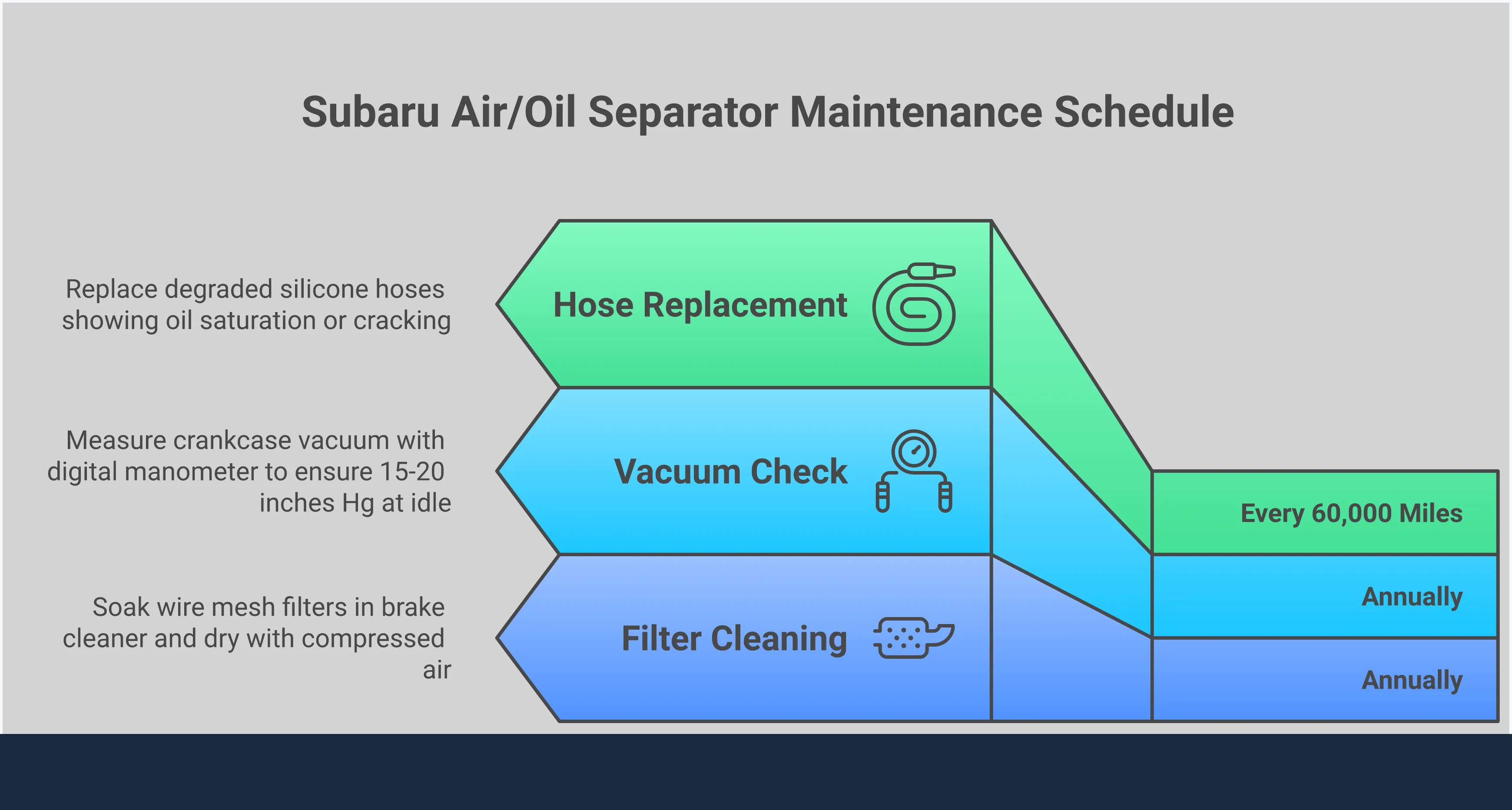
One of the best features of a quality AOS is that it’s very low-maintenance because it drains automatically. You don’t have to worry about emptying a catch can or dealing with messy cleanups. However, it’s still a good idea to give it a quick look during your regular oil changes. Take a moment to check the hoses and connections, making sure everything is tight and free of cracks or wear. This simple visual inspection helps you catch any potential issues before they become problems, ensuring your system continues to function flawlessly. It’s a small step that helps protect all the performance parts that make your Subaru great.
Why a Crawford Performance AOS Stands Out
When you're looking to protect your Subaru's engine, you'll often hear about both Air Oil Separators and catch cans. We stand by the Crawford V3 Air Oil Separator because it’s designed to solve the core problem of oil contamination in the intake system, not just put a band-aid on it. Unlike basic catch cans that may require frequent draining and can be less effective, our AOS uses a sophisticated process to separate the oil and return it to the engine. This closed-loop system is a comprehensive solution built from decades of Subaru tuning experience, making it a smart investment for any Subaru STI upgrades or other models.
Professional Installation vs. DIY
Installing an AOS is a project that requires precision. The installation involves careful hose routing and integration with your engine's systems, and it can take a few hours to complete correctly. If you’re an experienced mechanic with a good understanding of your Subaru’s PCV system, you might feel comfortable tackling it yourself. For most owners, we recommend professional installation. This ensures every connection is secure, hoses are routed away from hot or moving parts, and the system functions exactly as intended from day one. Proper installation is key to getting the full protective benefits of the AOS.
How to Monitor Your System's Health
While visual inspections are great for routine upkeep, there’s a more precise way to check that your AOS is working perfectly. The best method is to use a tool called a manometer to measure the vacuum inside the engine’s crankcase. This test confirms that the AOS is maintaining the correct pressure, which is vital for engine health and performance. It’s not something you need to do often, but it’s a useful diagnostic step if you ever want to confirm the system’s health. For most owners, simply choosing a reliable unit and performing visual checks is more than enough to keep your engine protected.
Related Articles
- Subaru Air Oil Separator: The Ultimate Guide
- Subaru Air Oil Separator: The Ultimate Buyers Guide
- Subaru 2.0 Air Oil Separator: The Ultimate Guide
Frequently Asked Questions
What’s the real difference between an Air/Oil Separator and a catch can? Think of a catch can as a simple trap that collects oil vapor, which you then have to drain manually. An Air/Oil Separator is a more advanced, active system. It not only separates the oil from the air but also automatically drains that clean oil right back into your engine's crankcase. This creates a closed-loop, maintenance-free solution that ensures your engine is always protected without you needing to empty a container.
Do I really need an AOS if my Subaru is completely stock? Yes, it's one of the best preventative upgrades you can make, even for a stock vehicle. Every engine produces blow-by, and modern direct-injection Subaru engines are particularly susceptible to carbon buildup on the intake valves since fuel no longer washes them clean. An AOS stops that oil vapor from ever reaching the valves, protecting your engine's long-term health and performance from day one.
How can I tell if my engine has a blow-by problem? A common sign is noticeable oil consumption between your scheduled oil changes. You might also see a light, oily film inside your intercooler or intake piping if you inspect it. While some blow-by is normal, an AOS is the most effective way to manage it and prevent the performance loss and carbon buildup that comes with it over time.
Will installing an AOS affect my engine's tune? A quality AOS will only improve the stability and reliability of your tune. By preventing oil from contaminating your fuel mixture, it helps maintain a consistent octane level and reduces the risk of detonation. This allows your engine to run more efficiently and safely, ensuring your tune can deliver the consistent power it was designed for.
Is there any regular maintenance I need to perform on an AOS? A true Air/Oil Separator is designed to be a "set it and forget it" part. Because it automatically drains the collected oil back into the engine, there is no routine service or draining required. We do recommend a quick visual inspection of the hoses and fittings during your regular oil changes just to ensure everything remains secure.