

WRX Cat-Back Exhaust System: A Buyer's Guide
After years of building and tuning high-performance Subarus, I know what separates a great exhaust from a mediocre one. It’s not just about a loud sound or a polished tip; it’s about smart engineering, quality materials, and proven performance gains. I’ve seen firsthand how a well-designed cat-back exhaust system can transform a car’s dynamics and driving experience. In this guide, I'm sharing that expertise with you. I’ll walk you through my top picks and explain the specific benefits of each, so you can confidently choose a 2021 WRX exhaust that truly delivers.
Key Takeaways
- Choose the right system for your goals: An axle-back exhaust is a great starting point for a more aggressive sound, while a full cat-back system is the best choice for unlocking noticeable gains in horsepower and torque by improving overall exhaust flow.
- Performance is a result of efficiency: A high-quality exhaust adds power by reducing backpressure, which lets your engine breathe more freely. The aggressive sound you hear is a direct result of that improved efficiency, not the cause of the power gain itself.
- Prioritize quality materials and proper fitment: A well-engineered exhaust made from T304 stainless steel will resist corrosion and last for years. Look for systems designed as a direct, bolt-on replacement to ensure a straightforward installation without leaks or rattles.
Our Top Exhaust Picks for the 2021 WRX
Choosing the right exhaust for your WRX is one of the most rewarding upgrades you can make. It’s a decision that impacts not just your car's performance but also its personality and your daily driving experience. A new exhaust system can free up horsepower and torque by allowing exhaust gases to exit more efficiently, and it completely transforms the sound of your boxer engine. Whether you're looking for a deep, aggressive roar for the track or a more refined note for your daily commute, there's a perfect system out there for you.
The market is full of great options, from simple axle-back setups to full cat-back systems. Each offers a different balance of sound, performance, and price. To help you find the right fit for your goals and budget, we’ve put together a list of some of the most popular and effective exhaust systems available for the 2015-2021 Subaru WRX. These picks are known for their quality construction, proven performance gains, and signature sounds that make the WRX so much fun to drive.
Crawford Performance Gymkhana Exhaust
If maximum performance is your top priority, the Crawford Performance Gymkhana Exhaust is engineered for you. Inspired by the systems used in professional motorsports, this exhaust is designed with a high-flow, straight-through layout that drastically reduces backpressure. This allows your engine to breathe more freely, resulting in significant gains in horsepower and torque across the powerband. It’s an aggressive system that produces a loud, raw, and unmistakable boxer rumble that announces your presence. This exhaust is perfect for track days, autocross, or any driver who wants to get the most out of their WRX and isn't afraid to be heard.
Nameless Performance Axle-Back & Cat-Back
Nameless Performance has built a strong reputation in the Subaru community for its high-quality, customizable exhaust systems. They offer a wide range of options for the WRX, including both axle-back and cat-back configurations. This allows you to choose the level of sound and performance that best suits your needs. Their axle-back setups are a great starting point, offering an improved exhaust note without being overwhelming. For those seeking more power, their full cat-back systems provide better exhaust flow and a more aggressive tone. Nameless is particularly known for its various muffler and tip options, giving you the ability to fine-tune the final look and sound.
Invidia N1 & Q300
Invidia is a household name when it comes to aftermarket exhausts, and for good reason. They offer two standout choices for the WRX: the N1 and the Q300. The N1 is the more aggressive of the two, known for its loud, deep tone and a design that prioritizes maximum exhaust flow for performance gains. It’s a popular choice for enthusiasts who want a bold sound. On the other hand, the Q300 offers a more refined and subtle performance note. It’s designed to be quieter at idle and cruising speeds but opens up with a satisfying growl under acceleration. This makes the Q300 an excellent option for daily drivers who want improved performance without attracting unwanted attention.
Carven Exhaust R-Series
The Carven R-Series exhaust is all about delivering a deep, resonant sound that enhances the WRX's natural boxer rumble. This system is engineered to produce a clean, powerful tone without the rasp or drone that can sometimes come with aftermarket exhausts. While it definitely makes a statement, the sound is tuned for quality, not just volume. The R-Series also contributes to performance by improving exhaust flow, and its unique single-exit design option offers a distinct, aggressive look that helps your WRX stand out from the crowd. It’s a solid choice for owners who value a high-quality sound profile as much as they do performance.
GrimmSpeed & ETS
For those who want to piece together a custom setup or are looking for a complete, well-engineered solution, GrimmSpeed and Extreme Turbo Systems (ETS) are top contenders. Both companies offer a comprehensive lineup of performance parts, including downpipes, cat-back systems, and axle-back kits for the WRX. GrimmSpeed is known for its meticulous engineering and perfect fitment, ensuring an easy installation and reliable performance. ETS is famous for its high-flow designs that can support big power builds. Whether you're making modest upgrades or building a full-blown track car, both brands provide high-quality components that deliver proven results.
What an Exhaust Upgrade Really Does for Your WRX
Upgrading your WRX's exhaust system is one of the most rewarding modifications you can make. It’s a two-for-one deal: you get a noticeable improvement in performance and a sound that completely transforms your driving experience. A common misconception is that a louder exhaust automatically means more power, but the reality is more nuanced. The best systems are engineered to optimize the flow of exhaust gases, which is what truly adds horsepower and torque. The aggressive sound is simply a fantastic byproduct of that efficiency.
When you swap your factory exhaust for a performance-oriented one, you’re essentially letting your engine breathe freely. Stock systems are designed with compromises, prioritizing quiet operation and cost-effectiveness over maximum output. An aftermarket system, on the other hand, is built with a single goal: performance. This means wider diameter piping, smoother bends, and less restrictive mufflers. The result is an engine that can expel exhaust gases more quickly, leading to better throttle response and a stronger pull through the rev range. Whether you’re aiming for a subtle growl or a track-inspired roar, there’s an exhaust system that will match your performance goals and personal style.
How High-Flow Systems Add Horsepower
Your Subaru’s engine is an air pump—the more efficiently it can move air in and out, the more power it can make. The factory exhaust system is a major bottleneck in this process. A high-flow exhaust system is designed to reduce backpressure, which is the force the engine has to work against to push out exhaust gases. By using larger-diameter pipes and less restrictive mufflers, these systems create a clearer path for the exhaust to exit. This improved flow allows your engine to operate more efficiently, resulting in real gains in horsepower and torque. A well-designed system like the Crawford Performance Gymkhana 2 Exhaust is engineered specifically to increase this flow rate for better overall performance.
The Impact of Pipe Diameter on Exhaust Flow
Think of your exhaust system as the lungs of your engine. The diameter of the exhaust piping plays a huge role in how freely it can breathe. Stock systems often use narrower pipes to reduce noise and manufacturing costs, which creates a bottleneck and restricts exhaust flow. By switching to a system with a wider diameter, you create a more open path for exhaust gases to escape. This reduction in backpressure allows the turbo to spool more efficiently and the engine to work less hard, freeing up power. It’s a fundamental principle behind all effective performance parts—improving efficiency to gain output. For a turbocharged WRX, a well-engineered, larger-diameter system is a direct route to better throttle response and more horsepower.
Finding Your Perfect Exhaust Note
Sound is subjective, and the perfect exhaust note is in the ear of the beholder. What one driver finds to be an exhilarating roar, another might find too loud for a daily commute. Aftermarket exhausts for the WRX come in a wide range of tones, from a deep, resonant growl to a high-pitched, aggressive scream. The design of the system—including the muffler type, resonator, and pipe diameter—plays a huge role in the final sound. Before you buy, it’s a great idea to listen to sound clips of different systems on a car like yours. This will help you find a setup that not only performs well but also produces a sound you’ll love every time you turn the key.
The Role of Resonators in Reducing Drone
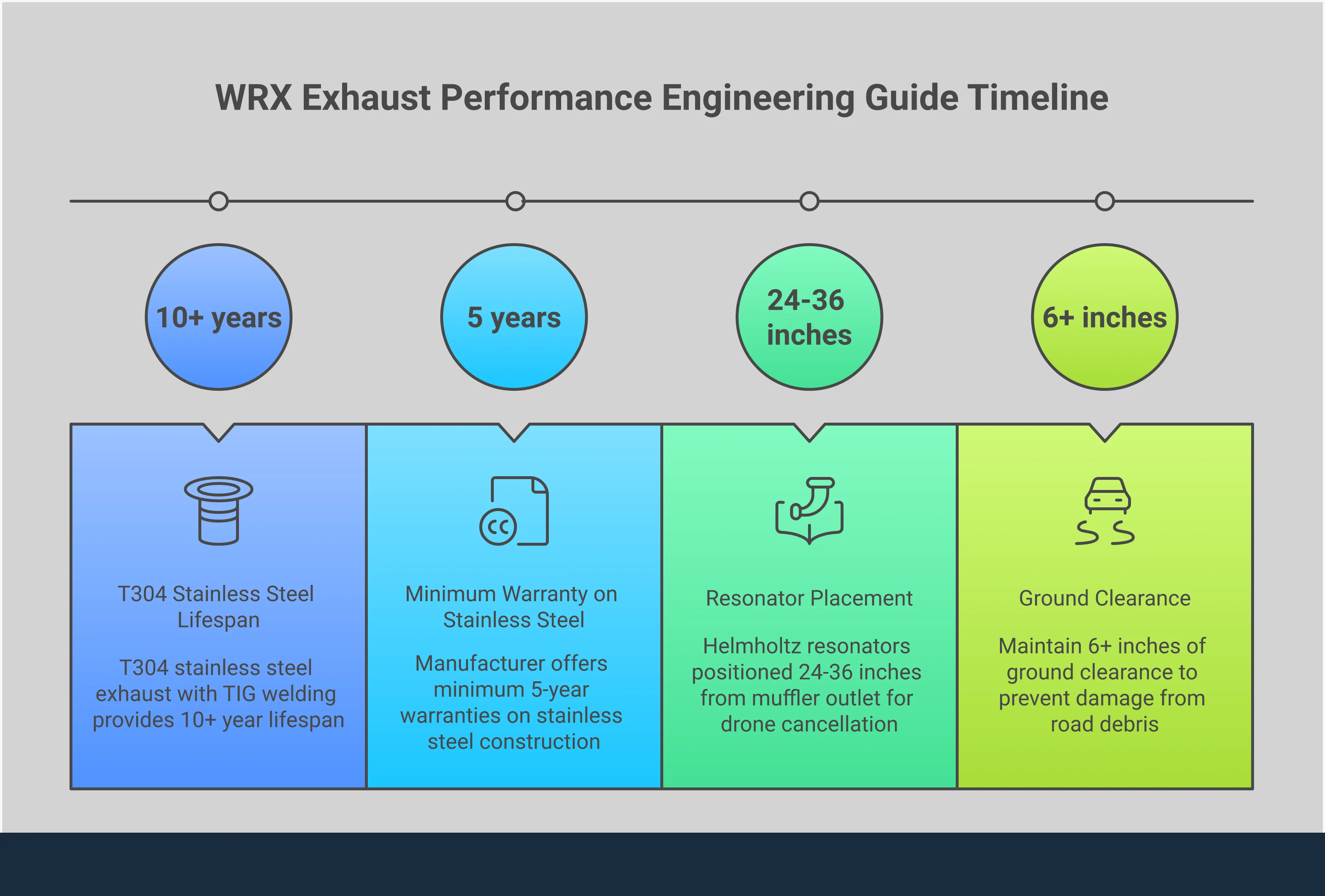
Think of a resonator as a fine-tuning tool for your exhaust note. Positioned in the mid-section of the exhaust system, its primary job is to cancel out specific, undesirable sound frequencies. The most common culprit it targets is "drone"—that low, humming noise that can fill the cabin at constant cruising speeds on the highway. While a loud, aggressive exhaust is fun when you're accelerating, that constant drone can become tiresome on longer drives. A system with a well-designed resonator eliminates this harshness, giving you a clean, powerful sound when you want it and a more comfortable ride when you don't. It’s the key to achieving an aggressive tone that you can happily live with every day.
Understanding Sound Levels: From Touring to Race
Exhaust systems are often categorized by their sound level, which helps you match a system to your lifestyle. A Touring or Street setup offers a deep, smooth sound that’s a noticeable upgrade from stock but won't wake your neighbors. It’s perfect for a daily driver. A Competition or Sport system is a step up in aggression, with a much louder and more pronounced note under throttle, ideal for the weekend enthusiast. Finally, you have Race systems, like our Gymkhana Exhaust, which often remove the muffler entirely for maximum flow, minimum weight, and a raw, unapologetic sound built for the track.
How Header Design Shapes the Boxer Rumble
While cars with V-engines use H-pipes or X-pipes to shape their sound, the Subaru WRX's unique tone comes from its header design. The classic, off-beat "boxer rumble" is the product of Unequal Length (UEL) headers. Because the exhaust piping for each cylinder bank is a different length, the exhaust pulses merge unevenly, creating that iconic sound. For those prioritizing pure performance, Equal Length (EL) headers are the answer. They ensure exhaust pulses are perfectly timed, which improves exhaust scavenging for better flow and more top-end power. The trade-off is a smoother, more refined exhaust note that loses some of that traditional rumble in favor of a sound closer to a high-performance race car.
Cat-Back vs. Axle-Back: Which is Right for You?
When shopping for an exhaust, you’ll see two main types: cat-back and axle-back. An axle-back system is the simpler of the two, replacing only the muffler and tips behind the rear axle. This is a great entry-level choice if your primary goal is to improve the sound of your WRX without spending a lot. A cat-back system is more comprehensive, replacing all the piping from the catalytic converter to the exhaust tips. This option offers more significant performance gains because it addresses more of the restrictive factory piping. If you’re looking for the best combination of sound and power, a quality cat-back is one of the most popular performance parts for a reason.
What's Included in a Cat-Back Kit?
A cat-back exhaust kit is a complete system that replaces everything from the catalytic converter to the rear bumper. The name itself tells you where it starts—right after the "cat"—which is important because it leaves your car's emissions equipment untouched, making it a legal and straightforward upgrade. Inside the box, you'll typically find larger-diameter piping designed to improve exhaust flow, a performance muffler that creates a deeper sound with less restriction, and polished exhaust tips for a finished, aggressive look. Many kits also include a resonator, which is crucial for refining the exhaust note and canceling out unwanted drone at cruising speeds. These systems are designed to be direct bolt-on performance parts, using your Subaru's original hanger locations for a perfect fit without any welding.
Does Exhaust Weight Really Make a Difference?
Performance isn't just about adding power; it's also about reducing weight. Every pound you can remove from your car improves its handling, acceleration, and braking. Most factory exhaust systems are made from heavy, inexpensive steel. Many aftermarket options are constructed from lightweight stainless steel or even titanium, which can shave significant weight off your vehicle. This reduction in mass, especially at the rear of the car, can make your WRX feel more nimble and responsive. The Crawford Performance Gymkhana Subaru Exhaust is a perfect example, using lightweight stainless steel to deliver both a rally-inspired sound and a performance advantage.
Debunking Common Exhaust Myths
There’s a lot of information out there about exhaust systems, and not all of it is accurate. One popular myth is that the entire exhaust system needs to be a single, uniform pipe diameter for the best performance. In reality, the section closest to the turbo—the downpipe—has the most significant impact on power. While a consistent diameter looks clean, the engineering behind flow dynamics is more complex. Understanding the difference between a 3-inch vs. a 2.5-inch WRX exhaust and where that diameter matters most can help you make a smarter investment. Focusing on a high-quality downpipe and cat-back system will yield much better results than worrying about having one uniform pipe size from front to back.
How Much Does a 2021 WRX Exhaust Upgrade Cost?
Upgrading your WRX exhaust is one of the most rewarding modifications you can make, but the cost can vary quite a bit. The price depends on the type of system you choose, the materials it’s made from, and the overall complexity of the design. Whether you’re looking for a subtle sound enhancement or a full-blown performance overhaul, there’s an option that fits your goals and budget. Let’s break down the typical costs you can expect for different types of exhaust systems.
Starting Point: Axle-Back System Costs
If you're just starting your modification journey or want a more aggressive sound without a huge investment, an axle-back system is a fantastic place to start. These systems replace the exhaust components from the rear axle to the tips, primarily affecting the muffler section. This gives your WRX a deeper, more noticeable exhaust note. Prices for these systems are generally the most accessible, making them a budget-friendly choice for many enthusiasts. You can expect to find quality axle-back options ranging from around $450 to $800.
Cat-Back Systems: The Mid-Range Choice
For drivers seeking a true performance gain along with an enhanced sound, a cat-back system is the most popular option. This setup replaces everything from the catalytic converter back, including the mid-pipe, resonator, and muffler. By using larger diameter piping and higher-flow components, a cat-back system reduces back pressure and allows exhaust gases to exit more efficiently. This improved exhaust flow can lead to noticeable gains in horsepower and torque, making it a great middle-ground investment for both daily drivers and weekend warriors.
Typical Price Range for Quality Systems
A quality cat-back system for your WRX will typically cost between $500 and over $1,000. This price range reflects the extensive engineering and materials required to replace a larger portion of your exhaust. You're not just paying for a louder sound; you're investing in tangible performance improvements that come from smarter design and better exhaust flow. For enthusiasts who want the absolute best, high-end systems can exceed $2,000. These premium options often feature superior materials, advanced engineering for maximum power gains, and come from brands with a long history of motorsports success. When you're looking at different Subaru WRX upgrades, remember that the price of an exhaust often reflects the level of performance and craftsmanship you're getting, so it's wise to choose a system that aligns with your long-term goals.
Going Premium: The Cost of Stainless Steel & Titanium
When maximum performance and quality are the top priorities, premium exhaust systems are the way to go. These are typically full cat-back systems crafted from high-grade materials like T304 stainless steel or even titanium. These materials offer superior durability and corrosion resistance while also being significantly lighter than factory components. A lighter exhaust reduces the overall weight of your vehicle, which can improve handling and acceleration. Many of these premium exhaust systems also feature polished tips and precision welds, adding a high-end look to your WRX.
How to Choose an Exhaust That Fits Your Budget
Ultimately, the best exhaust for you is one that aligns with your performance goals and budget. It’s important to look beyond the price tag and consider the design, materials, and potential performance benefits. A well-engineered system will improve exhaust flow, leading to better throttle response and a more engaging driving experience. Some systems, like the Carven Exhaust Single Exit Exhaust System, have become popular for offering a great balance of aggressive sound, performance gains, and affordability. Researching different brands and reading reviews will help you find the perfect fit for your build.
How Much Does a 2021 WRX Exhaust Upgrade Cost?
Upgrading your WRX exhaust is one of the most rewarding modifications you can make, but the cost can vary quite a bit. The price depends on the type of system you choose, the materials it’s made from, and the overall complexity of the design. Whether you’re looking for a subtle sound enhancement or a full-blown performance overhaul, there’s an option that fits your goals and budget. Let’s break down the typical costs you can expect for different types of exhaust systems.
Starting Point: Axle-Back System Costs
If you're just starting your modification journey or want a more aggressive sound without a huge investment, an axle-back system is a fantastic place to start. These systems replace the exhaust components from the rear axle to the tips, primarily affecting the muffler section. This gives your WRX a deeper, more noticeable exhaust note. Prices for these systems are generally the most accessible, making them a budget-friendly choice for many enthusiasts. You can expect to find quality axle-back options ranging from around $450 to $800.
Cat-Back Systems: The Mid-Range Choice
For drivers seeking a true performance gain along with an enhanced sound, a cat-back system is the most popular option. This setup replaces everything from the catalytic converter back, including the mid-pipe, resonator, and muffler. By using larger diameter piping and higher-flow components, a cat-back system reduces back pressure and allows exhaust gases to exit more efficiently. This improved exhaust flow can lead to noticeable gains in horsepower and torque, making it a great middle-ground investment for both daily drivers and weekend warriors.
Typical Price Range for Quality Systems
A quality cat-back system for your WRX will typically cost between $500 and over $1,000. This price range reflects the extensive engineering and materials required to replace a larger portion of your exhaust. You're not just paying for a louder sound; you're investing in tangible performance improvements that come from smarter design and better exhaust flow. For enthusiasts who want the absolute best, high-end systems can exceed $2,000. These premium options often feature superior materials, advanced engineering for maximum power gains, and come from brands with a long history of motorsports success. When you're looking at different Subaru WRX upgrades, remember that the price of an exhaust often reflects the level of performance and craftsmanship you're getting, so it's wise to choose a system that aligns with your long-term goals.
Going Premium: The Cost of Stainless Steel & Titanium
When maximum performance and quality are the top priorities, premium exhaust systems are the way to go. These are typically full cat-back systems crafted from high-grade materials like T304 stainless steel or even titanium. These materials offer superior durability and corrosion resistance while also being significantly lighter than factory components. A lighter exhaust reduces the overall weight of your vehicle, which can improve handling and acceleration. Many of these premium exhaust systems also feature polished tips and precision welds, adding a high-end look to your WRX.
How to Choose an Exhaust That Fits Your Budget
Ultimately, the best exhaust for you is one that aligns with your performance goals and budget. It’s important to look beyond the price tag and consider the design, materials, and potential performance benefits. A well-engineered system will improve exhaust flow, leading to better throttle response and a more engaging driving experience. Some systems, like the Carven Exhaust Single Exit Exhaust System, have become popular for offering a great balance of aggressive sound, performance gains, and affordability. Researching different brands and reading reviews will help you find the perfect fit for your build.
Why Cat-Back Systems are Emissions-Compliant
One of the biggest concerns for any car enthusiast is keeping their vehicle street-legal. The good news is that a cat-back exhaust system is designed to do just that. The name "cat-back" literally means it replaces all the components from the catalytic converter back to the exhaust tips. This is a critical distinction because the catalytic converter is the primary device responsible for controlling your vehicle's emissions. Since a cat-back system leaves this component completely untouched, your WRX remains emissions-compliant. You get the performance benefits of improved exhaust flow and a more aggressive sound without the legal headaches or failed inspection tests that come from tampering with emissions equipment.
The Role of the Catalytic Converter and O2 Sensors
Your Subaru's catalytic converter and O2 sensors work together as a team to keep your engine running cleanly and efficiently. The catalytic converter's job is to convert harmful pollutants in your exhaust into less harmful gases. To make sure it's working correctly, your car uses oxygen (O2) sensors placed before and after the converter. These sensors constantly measure the oxygen levels in the exhaust and send that data to your car's main computer. If you were to remove the converter, the sensors would immediately detect the change and trigger a "Check Engine" light. This is why a cat-back system is such a smart upgrade—it enhances performance without interfering with these essential, legally required components.
Why Manufacturer Support and Warranty Matter
A strong warranty is a clear indicator of a manufacturer's confidence in their product. It protects you against defects in materials and workmanship, ensuring your investment is secure. Some top-tier brands offer lifetime or even "million-mile" warranties on their stainless steel systems. This level of support shows that the company stands behind its engineering and build quality. When comparing options, don't overlook the warranty details. A slightly higher upfront cost for a system with a comprehensive warranty can provide peace of mind and save you money in the long run.
A Brief History of the Cat-Back System
The term "cat-back" is common in the performance world, but its origin is pretty specific. It literally means every part of the exhaust system *behind* the factory catalytic converter. This is a key distinction because it means a true cat-back system doesn't alter your car's emissions equipment, keeping your WRX street-legal. The performance exhaust company Borla actually created the term back in 1978 when they introduced this style of upgrade. The goal was simple: improve exhaust flow, gain power, and create a better sound without failing an emissions test. This concept remains the foundation of modern exhaust upgrades and is why a quality cat-back system is one of the most effective first mods for any Subaru owner.
What a Strong Warranty Says About Quality
A warranty is more than just a piece of paper; it’s a direct reflection of a manufacturer's confidence in its own engineering and materials. When a company offers a strong, long-term warranty, it’s telling you they stand behind their product and are prepared to support it. This protects your investment against defects and ensures the performance parts you buy are built to last. Some of the best brands in the industry offer lifetime or even "million-mile" warranties on their stainless steel systems. This level of backing is a clear sign that the exhaust was designed and constructed to withstand years of hard driving, giving you peace of mind with your purchase.
Which Pipe Diameter is Right for You: 2.5" vs. 3"?
You’ll often see exhaust systems offered in 2.5-inch or 3-inch piping, and the right choice depends on your performance goals. A common myth is that the entire exhaust needs to be one uniform size. In reality, the section closest to the turbo—the downpipe—has the most significant impact on performance. For stock or lightly modified WRX models, a 2.5-inch system is often sufficient. However, if you’re planning significant power upgrades, a 3-inch system is the way to go. It reduces backpressure more effectively, allowing the turbo to breathe easier and support higher horsepower levels. You can learn more in our ultimate guide to WRX exhaust sizes.
Related Articles
- 5 Best 3-Inch Subaru WRX Turbo-Back Exhausts to Buy
- 5 Best WRX Cat-Back Exhaust Systems (2025 Guide)
Frequently Asked Questions
Do I need a professional tune after installing a new exhaust? For an axle-back system, which only replaces the mufflers, a tune is not necessary because it primarily changes the sound. However, if you install a full cat-back system, a tune is highly recommended. The new system changes the airflow dynamics of your engine, and a proper tune will adjust your car's computer to take full advantage of the reduced backpressure, ensuring you get the performance gains safely.
How much horsepower can I actually expect from an exhaust upgrade? The performance gains depend entirely on the type of system you choose. An axle-back exhaust is mostly for sound and will offer minimal, if any, horsepower increase. A well-designed cat-back system can provide a noticeable improvement in throttle response and add a modest amount of horsepower and torque. The most significant gains come when you pair a cat-back with other modifications like a high-flow downpipe and a professional tune.
What is exhaust drone, and how can I avoid it? Exhaust drone is that low-frequency, humming sound that can fill the cabin at constant cruising speeds, typically on the highway. It can be quite annoying on long drives. High-quality exhaust systems are often engineered with resonators specifically designed to cancel out these frequencies. If you're concerned about drone, look for systems described as having a "refined" or "tuned" sound, like the Invidia Q300, and listen to sound clips before you buy.
Is a 3-inch exhaust system always the better choice? Not necessarily. The right pipe diameter depends on your car's current and future modifications. For a stock or lightly modified WRX, a 2.5-inch system is perfectly sufficient and can maintain good exhaust gas velocity for solid low-end torque. A 3-inch system is better suited for drivers who plan on significant power upgrades, as it can handle the increased airflow from a larger turbo or more aggressive tune.
Can I install a new exhaust system myself? Yes, for most people, installing an exhaust is a manageable DIY project. Both axle-back and cat-back systems are designed to be direct bolt-on replacements for the factory parts, using the same hanger locations. With a good set of tools, some jack stands, and a few hours of your time, you can typically complete the installation in your own garage.