

Subaru WRX STI Turbo-Back Exhaust System
Let's be honest—a huge part of modifying your WRX is for the sound. That iconic Subaru rumble gets completely transformed by a 3-inch turbo-back exhaust system, creating a deep, aggressive roar the factory setup can only dream of. But not all systems are created equal. Some are engineered for maximum volume, while others deliver a powerful note without the annoying highway drone. Choosing the right sound profile is key to your long-term satisfaction. This guide breaks down the leading options so you can find an exhaust that perfectly matches your car's personality and unlocks impressive performance gains.
Key Takeaways
- An Exhaust is Only Half the Upgrade: Installing a turbo-back exhaust without a corresponding engine tune leaves power on the table and risks engine health. A professional tune is required to adjust your ECU's parameters, safely maximizing the performance gains from the increased airflow.
- Define Your Driving Experience with Sound: The exhaust note you choose will define your car's personality and your daily driving experience. Research sound clips to find a balance between an aggressive tone and a drone-free ride that you'll be happy with long-term.
- Invest in a Complete System, Not Just a Part: A quality exhaust upgrade is a total package. Prioritize systems made from durable T304 stainless steel and budget for the essential costs of a professional tune and installation to ensure a reliable, high-performing result.
Is a 3-Inch Turbo-Back Exhaust Worth It for Your WRX?
Deciding to install a 3-inch turbo-back exhaust is one of the most significant modifications you can make to your Subaru WRX. It’s a commitment that fundamentally changes your car's sound, feel, and power delivery. This upgrade replaces the entire exhaust system from the turbocharger to the tailpipe, removing restrictive factory components to let your engine operate at its full potential. It’s a popular first step for owners who are serious about performance, but it’s important to understand exactly what you’re getting into.
This modification is about more than just making your car louder; it’s a holistic performance enhancement. By allowing exhaust gases to exit more freely, a turbo-back system reduces back pressure, which lets the turbo spool faster and the engine work more efficiently. The result is a noticeable increase in horsepower and torque, a more responsive throttle, and that aggressive exhaust note that defines a modified Subaru. If you’re looking for a single upgrade that delivers dramatic results across the board, a turbo-back exhaust is an excellent choice.
What Performance Gains Can You Expect?
The primary goal of a 3-inch turbo-back exhaust is to maximize exhaust flow. Your stock exhaust is designed with compromises, balancing performance, sound levels, and emissions. A performance system throws that compromise out the window in favor of power. By using larger diameter piping, typically made from high-quality T304 stainless steel, and smoother mandrel bends, it creates a clear path for exhaust gases to escape. This reduction in restriction allows your turbo to spool up quicker, minimizing lag and delivering power more immediately. The engine doesn’t have to work as hard to push out exhaust, freeing up power that was previously wasted. These systems are foundational performance parts for any serious build.
How to Choose Your Ideal Exhaust Note
Let’s be honest: sound is a huge reason why drivers choose this upgrade. A 3-inch turbo-back exhaust gives your WRX a deep, aggressive tone that the stock system simply can’t match. The signature Subaru rumble becomes more pronounced, turning heads for all the right reasons. However, not all systems sound the same. Some, like the popular Invidia R400, are known for a powerful but refined note, while others are designed to be as loud and assertive as possible. When choosing, listen to sound clips and consider your tolerance for drone on the highway. This is one of the most transformative WRX upgrades you can make, so finding a sound profile you love is key to long-term satisfaction.
Why Better Airflow Means More Horsepower
Better flow directly translates to more power. With a properly installed 3-inch turbo-back exhaust and a corresponding tune, it’s common to see gains of over 30 horsepower and 30 foot-pounds of torque. This is because the engine can breathe more freely. Think of it like an athlete—you can’t perform at your peak if you can’t exhale properly. By removing the restrictive factory downpipe and catalytic converters, you allow the engine to operate at a much higher level of efficiency. To fully realize these gains and ensure your engine runs safely, a professional engine tune is not just recommended; it's essential. The tune adjusts your car’s fuel and timing parameters to account for the increased airflow, maximizing output and reliability.
Will a New Exhaust Affect Your Gas Mileage?
It might sound surprising, but improving your WRX’s performance doesn’t automatically mean your fuel economy will suffer. In fact, it can sometimes improve. By making the engine more efficient, a free-flowing exhaust system reduces the effort required to produce power. During normal cruising and daily driving, your engine doesn’t have to work as hard, which can lead to a modest increase in miles per gallon. Of course, this all depends on your driving habits. If you’re constantly enjoying that newfound horsepower and aggressive sound, your fuel consumption will reflect that. But for the daily commute, the increased efficiency from reduced back pressure can be a welcome, practical benefit of the upgrade.
Weighing the Pros and Cons
Additional Benefits Beyond Horsepower
While the horsepower and torque numbers are impressive, the real magic of a 3-inch turbo-back exhaust is how it transforms the driving experience. The improved airflow makes your throttle response noticeably sharper, and the turbo spools up much faster, virtually eliminating that frustrating lag. Your WRX will feel more eager and connected to your inputs, making every drive more engaging. This upgrade also improves overall engine efficiency, as the engine no longer has to fight against restrictive components to expel exhaust gases. This creates a healthier environment for your engine and turbo, especially when paired with other high-quality performance parts. It’s a foundational modification that makes the entire car feel more athletic and responsive.
Potential Downsides: Noise and Installation Complexity
Before you commit, it’s important to be realistic about the potential drawbacks. The aggressive sound that many enthusiasts love can be a negative for others, especially the "drone" that can occur at highway speeds. This constant, low-frequency hum can be tiring on long commutes, so be sure to listen to sound clips of any system you’re considering. More importantly, this is not a simple bolt-on upgrade. To safely unlock the power gains and prevent engine damage, professional engine tuning services are absolutely mandatory. This adds a significant cost and requires finding a reputable tuner. Factoring in the cost of the exhaust, the tune, and professional installation is essential for budgeting correctly and ensuring a reliable outcome.
A Look at the Top WRX Exhaust Brands
Choosing the right exhaust system is a personal decision that hinges on your goals for sound, power, and style. The market is full of excellent options, and what works for one driver might not be the perfect fit for another. Each brand brings a unique philosophy to its design, resulting in distinct sound profiles, performance characteristics, and build qualities. Some systems are engineered for a deep, aggressive roar that announces your arrival, while others are tuned for a more refined note that hints at the power under the hood without being disruptive. Similarly, performance gains can vary, with some exhausts designed for maximum horsepower and torque, and others focused on improving throttle response and overall engine efficiency. To help you find the ideal match for your WRX, we’re breaking down some of the most respected names in the industry. We’ll look at what makes each one stand out, so you can confidently select from the best performance parts available and get the driving experience you’re after. This comparison will cover the key features of each brand, giving you the information you need to make an informed choice.
Brand Spotlight: Crawford Performance
As specialists in Subaru performance, we engineer our exhaust systems to meet the highest standards of quality and performance. Our 3-inch cat-back exhaust systems are designed specifically for the WRX, ensuring a perfect fit and optimal flow. We focus on creating a system that delivers a refined yet assertive tone that enhances the iconic Subaru rumble without introducing unpleasant drone during daily driving. The result is a noticeable improvement in throttle response and power, making it a comprehensive upgrade for any enthusiast looking to get more out of their vehicle. Our systems are built for drivers who appreciate precision engineering and a sound that matches the car’s performance capabilities.
Brand Spotlight: Invidia
Invidia is a popular name in the Subaru community, and for good reason. The R400 exhaust, in particular, is widely recognized for its exceptional build quality and the deep, aggressive sound it produces. If you’re looking for a loud, head-turning exhaust note, Invidia is often a top contender. Beyond its signature sound, the system is engineered to improve exhaust flow, which helps increase overall engine efficiency and unlock more power. For many WRX owners, Invidia strikes a great balance between a commanding presence on the road and tangible performance benefits, making it a go-to choice for a more assertive driving experience.
Brand Spotlight: Cobb Tuning
Cobb Tuning is well-known for its holistic approach to vehicle performance, and its exhaust systems reflect that philosophy. A standout feature of Cobb’s exhaust is its lightweight construction, with some systems weighing just over 15 pounds. This reduction in weight can contribute to better handling and overall vehicle dynamics. Cobb systems are crafted with a 3-inch piping diameter to ensure excellent exhaust flow, delivering a satisfying sound and solid performance gains. For drivers who value meticulous craftsmanship and want an upgrade that enhances more than just power, Cobb offers a well-rounded and respected solution.
Brand Spotlight: AWE Tuning
AWE Tuning has earned a reputation for creating exhaust systems that masterfully balance performance gains with sound quality. Their systems are often praised by owners who want a more pronounced exhaust note without it being overly aggressive for daily commuting. AWE places a strong emphasis on engineering systems that are free of drone at cruising speeds, which is a major plus for many drivers. Praised for their precise fitment and long-term durability, AWE Tuning exhausts are a reliable and sophisticated option for WRX owners seeking a refined yet powerful upgrade that enhances the driving experience without compromise.
Brand Spotlight: TurboXS
If your primary goal is to extract the maximum amount of power from your WRX, TurboXS should be on your radar. The brand is known for its focus on performance, with some of its turbo-back systems claiming gains of over 30 wheel horsepower and 30 ft-lbs of torque. This significant increase in output makes TurboXS a compelling choice for enthusiasts building their cars for the track or spirited driving. While they deliver a quality sound, the main selling point is the raw performance improvement. For those who prioritize numbers and want to see a substantial jump in their vehicle’s capabilities, TurboXS offers a direct path to more power.
What to Know Before You Buy an Exhaust System
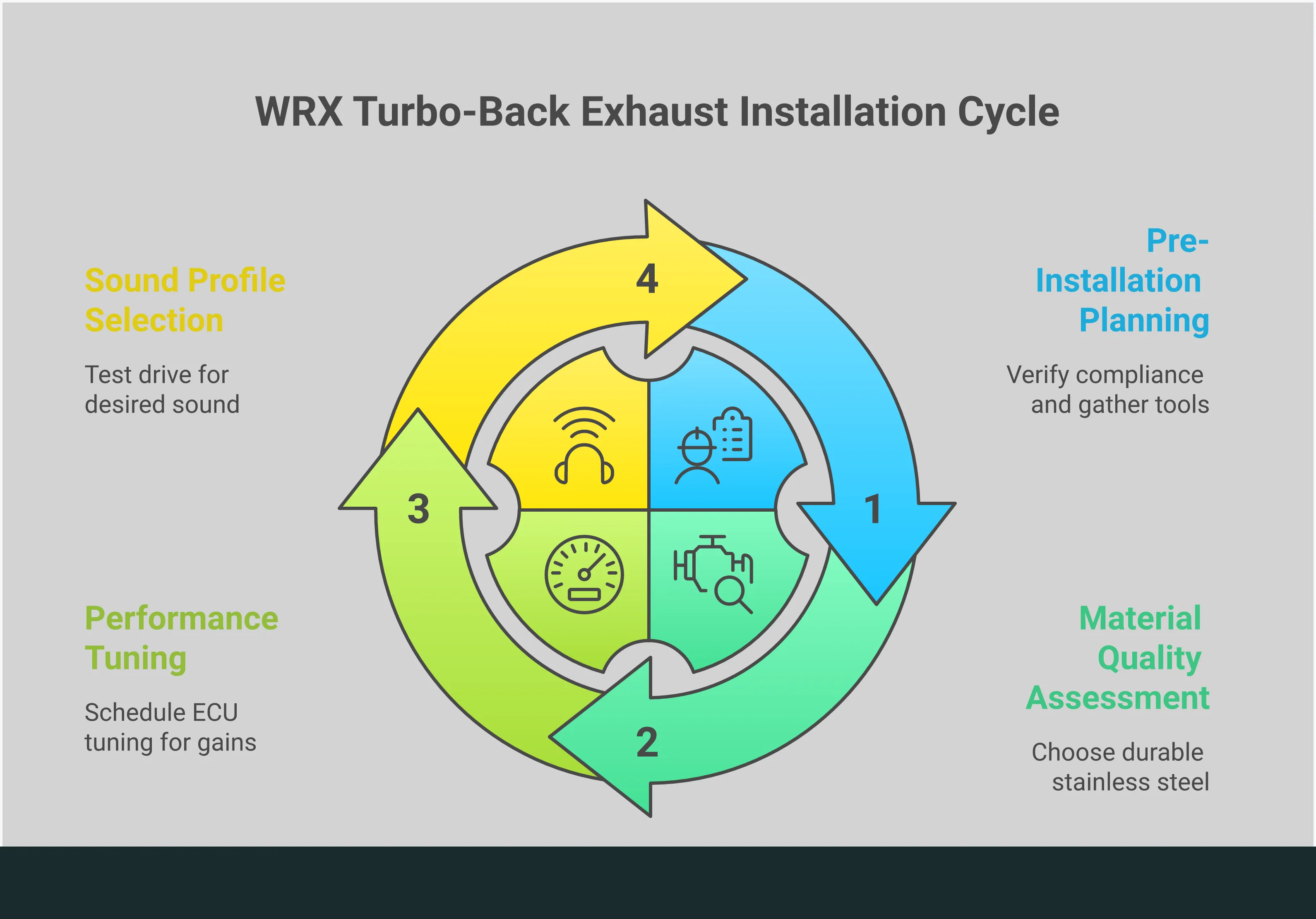
Choosing the right turbo-back exhaust is a big decision. It’s an investment that will completely change how your WRX feels, sounds, and performs. Before you add anything to your cart, walk through this checklist to make sure you’re picking the perfect system for your car and your goals. This isn't just about buying a part; it's about defining your car's personality and performance profile. Taking the time to consider each of these points will ensure you're happy with your choice for years to come, avoiding common pitfalls like unwanted drone, installation headaches, or legal issues. Think of this as your final check before committing to an upgrade that will transform your driving experience.
Stainless Steel vs. Titanium: Which Material Is Best?
The quality of an exhaust system starts with the materials it’s made from. Look for systems constructed from T304 stainless steel, which offers excellent resistance to rust and corrosion—a must for a part that lives under your car. High-quality welds are just as important, as they ensure a leak-free fit and long-term durability. A polished finish is a great bonus, adding a clean look that complements your vehicle’s aesthetic. Investing in well-built performance parts means you get an upgrade that not only performs well but also lasts for years to come.
Comparing Common Exhaust Materials
When you're shopping for an exhaust, you'll see a few different materials mentioned, but they aren't all equal. T304 stainless steel is the industry standard for high-quality systems because it provides the best defense against rust and corrosion, which is crucial for a part exposed to the elements. A more budget-friendly alternative is T409 stainless steel, which still offers decent protection but won't hold up as long as T304. At the lower end, you'll find aluminized steel systems; they're cheap, but they are very prone to rust, especially if you live where roads are salted in the winter. On the opposite end of the spectrum is titanium. It's incredibly lightweight and strong, making it the ultimate choice for competitive racing builds where shedding pounds is critical, but it comes with a significantly higher price tag. For most WRX owners, a T304 stainless steel system provides the ideal blend of durability, performance, and value.
Quiet, Loud, or Just Right? Picking a Volume
How do you want your WRX to sound? This is one of the most subjective but important parts of your decision. Some exhausts produce a loud, aggressive growl that announces your arrival, while others offer a deep, refined rumble that’s more subtle during daily driving. The best way to get a feel for the sound is to listen to video clips from other owners with the same model year. Remember that cabin noise, or drone, can be a factor on long drives, so consider how you use your car. Do you want a track-ready roar or a powerful but street-friendly tone?
Installation: Should You DIY or Hire a Pro?
Next, decide how you’ll get the exhaust on your car. Many turbo-back systems are designed for straightforward installation and can be a rewarding DIY project if you have the right tools and some mechanical experience. These kits typically include all the necessary hardware and don’t require any cutting or welding. However, if you’re short on time or prefer to have an expert handle the job, professional installation is a great option. A skilled technician can ensure a perfect fit, check for leaks, and get you back on the road without any hassle.
Staying Street Legal: A Guide to Emissions
Before you buy, it’s critical to understand your local emissions laws. Many high-performance turbo-back exhausts are designed for "off-road use only" because they modify or remove the catalytic converter. These systems are not legal for use on public roads in many areas and can result in failed inspections or fines. Always check your state and local regulations to ensure the system you’re considering is compliant for your intended use. This simple step can save you from major headaches down the line.
Understanding "Off-Road Use Only" Parts
When you see a part labeled "for off-road use only," it’s a serious legal distinction, not just a suggestion. Many high-performance turbo-back exhausts carry this label because they are designed to achieve maximum performance by modifying or completely removing the factory catalytic converter. This component is essential for controlling your vehicle's emissions, and altering it makes the system illegal for use on public roads in most places. Installing one of these systems on your daily driver can lead to failed state inspections, hefty fines, and other legal troubles. It's crucial to understand this before you make a purchase, ensuring the parts you choose are appropriate for how and where you plan to drive your WRX.
How to Check State and Federal Regulations
The responsibility for compliance falls on you, the owner. Before you buy, it’s critical to understand your local emissions laws. Regulations can vary significantly from one state to another, and even by county, so what’s legal for a friend in another area might not be for you. A quick search on your state's DMV or environmental protection agency website is the best place to start. Always check your state and local regulations to ensure the system you’re considering is compliant for your intended use. Taking a few minutes to do this research can save you from the major headache of having to remove a newly installed part or deal with legal penalties down the line.
How Much Does a Turbo-Back Exhaust Cost?
A full turbo-back exhaust system is a significant investment, with prices often ranging from $1,200 to over $2,000. But the cost of the parts is only one piece of the puzzle. To get the full performance benefit from your new exhaust and ensure your engine runs safely, a professional tune is essential. Be sure to factor the cost of expert engine tuning services into your total budget. If you’re not installing the system yourself, you’ll also need to account for labor costs from your chosen shop.
Factoring in the Catalytic Converter
The catalytic converter is a critical piece of this puzzle, and it's where many legal and performance decisions are made. A true turbo-back system replaces the factory downpipe, which houses the most restrictive catalytic converter. You'll have to choose between a "catless" setup, which removes it entirely for maximum flow, or a system with a high-flow catalytic converter that offers a balance between performance and emissions compliance. Catless systems are almost always designated for off-road use and will not pass emissions testing in most states. The converter itself can be one of the most expensive components of the exhaust. Regardless of your choice, altering this part of the system drastically changes back pressure, making professional engine tuning services an absolute necessity to recalibrate your ECU for safe and optimal power.
Will a New Exhaust Void Your Car's Warranty?
Finally, always check the warranty. A manufacturer that offers a solid warranty, such as a limited lifetime warranty, shows confidence in their product’s quality and durability. This coverage protects your investment against defects in materials or workmanship, giving you peace of mind. Before making a final decision, read the warranty details to understand what is covered and for how long. It’s a good indicator of the manufacturer's commitment to quality and customer satisfaction, ensuring your upgrade is protected for the long haul.
What Makes Up a Turbo-Back Exhaust System?
A turbo-back exhaust is more than just a single pipe; it's a complete system designed to work in harmony from your turbocharger all the way to the rear bumper. Understanding each component helps you appreciate how a quality system delivers that signature sound and performance gain you're looking for. When you upgrade, you're replacing the entire factory setup with parts engineered to maximize flow and efficiency. Let's break down what makes up a full turbo-back system.
The Downpipe: Where Power Begins
Think of the downpipe as the starting line for your exhaust gases. It connects directly to the turbocharger's turbine housing and is arguably the most critical piece for unlocking performance. The stock downpipe is often restrictive, but a 3-inch performance downpipe provides a wide-open path for exhaust to escape quickly. This reduces backpressure, allowing the turbo to spool faster and more efficiently. A well-designed system ensures this entire path, from the turbo to the tip, maintains its width for optimal flow and a consistent, powerful sound.
Midpipe and Resonator: Shaping the Sound
After the downpipe comes the midpipe, which channels the exhaust gases toward the rear of your WRX. This section often includes a resonator, which is designed to cancel out specific, undesirable sound frequencies—like annoying drones during highway cruising—without restricting airflow. Many performance systems feature a straight-through muffler design and larger 3-inch pipes compared to the stock setup. This combination refines the aggressive sound from the engine and turbo, giving you a powerful note that’s still pleasant for daily driving.
Mufflers Explained: Chambered vs. Straight-Through
The muffler is where the magic happens for sound tuning. It's the final component that shapes the volume and tone of your exhaust note before it exits. Mufflers come in various styles, from aggressive "Race N1 Style" designs that produce a loud, distinct roar to more chambered options that offer a deep, refined rumble. High-quality systems use materials like T304 stainless steel to not only maximize exhaust flow but also ensure the muffler can withstand the elements and high temperatures for years to come, making it a durable part of your performance parts collection.
Exhaust Tips: The Finishing Touch
While the rest of the system is about performance, the exhaust tips are all about style. They are the only part of the system that’s consistently visible, so they play a huge role in your car's overall look. You can often choose between different finishes, like shiny polished stainless steel for a classic look or matte black tips for a more modern, aggressive aesthetic. Beyond looks, the size and shape of the tips can also subtly influence the final exhaust sound, adding that perfect finishing touch to your Subaru WRX upgrade.
How to Guarantee a Perfect Fit on Your WRX
A performance exhaust system is only as good as its fitment. A well-engineered kit should bolt directly into the factory locations without any need for cutting or welding. Top manufacturers use precise measurements and jigs to ensure every bend and hanger is perfectly placed. This attention to detail means you can often install it yourself in an afternoon with common tools. A system that fits perfectly not only saves you installation headaches but also prevents annoying rattles and leaks, ensuring all those performance gains are realized.
Checking Turbo Flanges and Connection Points
Before you commit to a system, it's vital to confirm it will actually bolt up to your car. The connection point between the downpipe and your turbocharger, known as the flange, is the most critical detail for ensuring a perfect fit. Different WRX generations and aftermarket turbo setups can use different flange designs, and a mismatch will stop your installation in its tracks. Verifying that the exhaust system’s flange matches your specific turbo outlet is a non-negotiable step. Taking a few minutes to check this detail will save you from the massive headache of trying to return a large, heavy exhaust system and will ensure your upgrade project goes smoothly from the start.
The Importance of Quality Gaskets and Clamps
The big, polished pipes get all the attention, but the small hardware is what truly makes a system reliable. High-quality gaskets and clamps are essential for creating a perfect, leak-free seal between each section of the exhaust. An exhaust leak isn't just an annoying noise; it can rob your engine of power, create dangerous fumes, and disrupt the precise air-fuel mixture your ECU relies on, which is especially critical after investing in professional engine tuning services. A premium kit will include multi-layer steel gaskets and robust clamps that won't stretch or fail over time. This attention to detail is a hallmark of a quality manufacturer and ensures your investment performs flawlessly for years.
Alternatives to a Full Turbo-Back System
A full 3-inch turbo-back exhaust is a fantastic upgrade, but it's also a significant commitment of time and money. For many WRX owners, it might be more than what’s needed to achieve their specific goals. If you're looking for a more targeted improvement—whether that's a better sound, a specific performance bump, or a more budget-friendly option—there are excellent alternatives that don't require replacing the entire system. These modular upgrades allow you to enhance your car's performance and personality in stages or focus on the single aspect that matters most to you. Exploring these options can help you find the perfect balance between performance, sound, and cost for your build.
Downpipe-Only Upgrades
If your main goal is unlocking tangible power gains without the expense of a full system, a downpipe-only upgrade is one of the most effective modifications you can make. The downpipe connects directly to your turbocharger and is the single most restrictive part of the factory exhaust. By replacing the stock unit with a high-flow, 3-inch downpipe, you drastically reduce backpressure right where it matters most. This allows the turbo to spool up faster, improving throttle response and delivering a significant increase in horsepower and torque. While it won't change the sound as dramatically as a cat-back system, it creates a deeper, more aggressive tone. Remember, changing the downpipe requires professional engine tuning services to adjust for the increased airflow and safely maximize performance.
Axle-Back Exhaust Systems
For drivers who are primarily focused on sound and style, an axle-back exhaust system is the perfect solution. This upgrade replaces only the components from the rear axle to the exhaust tips, which includes the muffler. It’s the most straightforward and affordable way to give your WRX that deep, aggressive rumble you’re looking for without altering the core performance components of the exhaust. Installation is typically simple, often taking less than an hour with basic tools. While an axle-back system offers minimal performance gains since it doesn't address restrictions like the downpipe, it delivers a huge improvement in auditory experience and aesthetic appeal. It's an excellent first step for those wanting to personalize their car's character and one of the most popular performance parts for that reason.
Ready to Buy? Your Final Checklist
You’ve done the research, compared the top brands, and have a good idea of what you want. Before you click that "buy" button, there are a few final details to sort out. Taking the time to plan these last steps ensures your upgrade goes smoothly and you get the exact results you’re looking for. From figuring out where to buy and how to install it to budgeting for a crucial engine tune, this checklist will get you across the finish line. Let's walk through the final considerations to make sure your new exhaust is a perfect match for your WRX and your performance goals.
Where Should You Buy Your Exhaust?
When you're ready to buy, always go through a reputable source. You can purchase directly from manufacturers like us or from specialized retailers who know the Subaru platform inside and out. Buying from a trusted vendor ensures you get an authentic product, proper customer support, and a valid warranty. We offer a full range of Subaru WRX upgrades designed and tested by our team, so you know you’re getting parts engineered for performance. Avoid third-party marketplaces where counterfeit parts can be an issue. Stick with the experts to guarantee you receive a high-quality system that fits correctly and performs as advertised.
Getting Ready for Installation Day
Are you going the DIY route or hiring a pro? Many turbo-back exhaust systems are designed for a straightforward installation that can be done in a couple of hours with common hand tools. Most kits come with all the necessary gaskets and hardware, so no cutting or welding is required. Before you decide, honestly assess your comfort level and tool availability. If you’re not confident working under your car, or if you run into a stubborn bolt, a simple job can become frustrating. A professional installation at a trusted shop guarantees a perfect, leak-free fit, giving you peace of mind.
Why a Professional Tune Is Non-Negotiable
A 3-inch turbo-back exhaust drastically changes how air flows through your engine, and your car’s computer needs to be told how to adapt. To safely unlock the power gains from your new exhaust, an engine tune is not just recommended—it’s essential. A tune recalibrates your ECU to optimize the air-to-fuel ratio and ignition timing for the increased exhaust flow. Skipping this step can lead to running lean, which can cause serious engine damage. Professional engine tuning services will ensure your WRX runs smoothly, reliably, and makes the most of its new hardware.
Complementary Performance Upgrades
Installing a 3-inch turbo-back exhaust is a fantastic first step, but it’s also the key that unlocks your WRX’s greater performance potential. Think of your engine as a complete system where every component has to work in sync. By freeing up the exhaust flow, you’ve removed a major bottleneck, but to truly capitalize on that new efficiency, you need to look at the other parts of the equation. The best builds are balanced, ensuring that the intake, fuel delivery, and turbocharger can all keep up with the engine’s newfound ability to breathe. These next-level performance parts are what separate a car with a loud exhaust from a genuinely fast and responsive machine.
Upgrading Your Turbo and Fuel Injectors
With your new exhaust, your engine can exhale more freely, but to make more power, it also needs to inhale more. This is where upgrading your turbocharger and fuel injectors comes in. The stock turbo can only supply a certain amount of boost, and once you’ve improved exhaust flow, it can quickly become the next limiting factor. A larger turbo can provide more boost, while high-flow fuel injectors ensure your engine receives the necessary fuel to match the increased airflow from the exhaust system. This combination is critical for maintaining a safe air-to-fuel ratio and preventing your engine from running lean. Paired with professional engine tuning services, these upgrades work together to unlock the full potential of your WRX, transforming it into a more powerful and responsive machine.
How to Compare Prices and Find the Best Deal
A quality turbo-back exhaust is an investment, with prices often ranging from around $1,000 to well over $2,000. The cost typically reflects the materials used (like 304 stainless steel or titanium), the brand’s reputation for research and development, and the overall build quality. When budgeting, remember to factor in the total cost of the upgrade. This includes the price of the exhaust system itself, shipping fees, the cost of a professional installation if you choose that route, and the non-negotiable price of an engine tune. The cheapest option is rarely the best when it comes to core performance parts.
Choosing an Exhaust for Your Driving Style
Finally, make sure the exhaust you choose aligns with your driving style and what you want from your WRX. Are you building a daily driver that needs to be civilized on your morning commute, or is this a dedicated track car where maximum volume and power are the only things that matter? A loud, aggressive race system might sound amazing on YouTube, but it could attract unwanted attention or become tiresome on long trips. Think about your long-term vision for the car and select an exhaust that complements your other performance parts and fits your ultimate goals.
Maintaining Your Performance Exhaust
You’ve invested in a high-quality exhaust system to get the sound and power you want, so it only makes sense to protect that investment. Proper maintenance is straightforward and doesn’t require a lot of time, but it makes a huge difference in the longevity and performance of your system. A little bit of attention prevents common issues like rust, leaks, and rattles, ensuring your WRX continues to sound and perform its best for years. By incorporating a few simple checks into your regular car care routine, you can keep your exhaust in top condition and enjoy the benefits of your upgrade without any unexpected problems.
Regular Inspection Checklist
Making a quick visual inspection part of your routine is the easiest way to catch small issues before they become big problems. Every few months, or whenever you’re already under the car for an oil change, take a moment to look over the entire system. Check the pipes, muffler, and hangers for any signs of damage, like dents or cracks, which can happen from road debris. Pay close attention to all the connection points and clamps to make sure everything is secure and there are no signs of exhaust leaks, which often look like black soot around a joint. A quick check ensures everything is tight, secure, and performing exactly as it should.
Cleaning and Corrosion Prevention
Keeping your exhaust clean does more than just make it look good; it’s a key step in preventing corrosion. Road salt, dirt, and moisture can accumulate on the pipes and muffler, trapping moisture and accelerating rust. Periodically brushing off debris or using compressed air to clear away dust can significantly extend the life of your system. This is also where starting with high-quality materials pays off. Systems built from T304 stainless steel, like ours at Crawford Performance, offer superior resistance to rust and corrosion from the start. Combined with strong, clean welds that create a leak-free seal, a well-made system is built to withstand the elements and deliver long-term durability with minimal upkeep.
Related Articles
Frequently Asked Questions
Do I absolutely need a tune after installing a turbo-back exhaust? Yes, a professional engine tune is not optional; it's a critical part of the installation. A 3-inch turbo-back exhaust significantly increases airflow through your engine. Without a tune, your engine's computer won't know how to manage the new parameters, which can cause it to run lean and lead to severe engine damage. The tune is what safely unlocks the horsepower and torque gains from your new hardware and ensures your WRX runs reliably.
What's the real difference between a turbo-back and a cat-back system? A cat-back exhaust replaces all the components from the catalytic converter to the rear bumper. It’s a great way to change your car's sound and get a modest performance improvement. A turbo-back system is a more comprehensive upgrade that replaces the entire exhaust path from the turbocharger, including the highly restrictive factory downpipe. If you're seeking the largest possible gains in horsepower and throttle response, the turbo-back is the way to go.
Will installing an aftermarket exhaust void my car's warranty? This is a common worry, but the answer isn't a simple yes or no. A dealership cannot void your entire vehicle warranty just for installing an aftermarket part. However, if that part is determined to be the cause of a specific failure, they can deny the warranty claim for that particular repair. For instance, if engine problems arise because you skipped the required tune after your exhaust installation, Subaru would be within its rights to deny coverage for the engine repair.
How do I choose an exhaust that sounds good without being obnoxiously loud? Sound is subjective, so the best thing you can do is listen to sound clips of different systems on a WRX like yours. Pay close attention to what people say about "drone," which is a low-frequency hum at cruising speeds that can be very annoying on long drives. Some brands are specifically engineered to eliminate drone for a more refined experience, while others are designed for maximum volume. Be honest about how you use your car daily before choosing a system built for the racetrack.
Besides more power, what other changes will I notice in my daily driving? While the horsepower gain is significant, the most immediate change you'll feel is improved throttle response. With less back pressure, your turbo can spool up much faster, making the car feel more awake and eager to accelerate. You'll also notice the engine feels less strained during normal driving. This increased efficiency can sometimes even lead to a small improvement in fuel economy, as long as you can resist the urge to put your foot down at every opportunity.