FA20 Head Gasket Replacement: The Ultimate Guide
Share
Discovering you need an fa20 head gasket replacement can feel like a major setback, but it's also a golden opportunity. With your engine already disassembled, you have unparalleled access to install key performance upgrades without adding significant labor costs. This is the perfect time to build a more robust and powerful engine. Instead of just fixing a problem, you can make your Subaru stronger than it was before. This guide will not only show you how to complete the repair correctly but also highlight the smart upgrades you should consider making along the way for ultimate performance.
Key Takeaways
- Know the Warning Signs: Your Subaru will signal a problem before a catastrophic failure. Unexplained coolant loss, milky oil, and engine overheating are clear indicators that your head gasket needs immediate attention to prevent severe engine damage.
- Prevent Overheating at All Costs: The number one cause of head gasket failure is excessive heat, which can warp cylinder heads. A well-maintained cooling system is your best defense, especially when running performance upgrades that generate more stress.
- Do the Job Right and Upgrade Smart: A successful replacement demands precision—use quality parts, ensure surfaces are perfectly clean, and follow the correct torque sequence. Since the engine is already disassembled, it's the ideal time to install performance parts like ARP head studs or an upgraded radiator.
Is Your FA20 Head Gasket Blown? Key Symptoms to Watch For
The head gasket in your FA20 engine is a thin but mighty component, responsible for sealing the combustion chamber and keeping vital fluids like oil and coolant from mixing. When it fails, it can cause a cascade of problems that, if ignored, can lead to catastrophic engine damage. For Subaru enthusiasts who push their cars on the track or trail, a healthy head gasket is non-negotiable.
Catching a blown head gasket early is key to preventing a minor repair from turning into a complete engine rebuild. Your car will almost always give you warning signs before it gives up completely. Paying attention to changes in your coolant system, oil quality, engine performance, and temperature can help you diagnose the issue before it’s too late. Let’s break down the specific symptoms you need to watch for.
Coolant System Red Flags
One of the first places a failing head gasket shows its hand is in the cooling system. You might notice you’re constantly topping off your coolant reservoir, even though you can’t find a puddle or obvious leak anywhere. This "mystery" coolant loss could mean it's being burned in the combustion chamber. A tell-tale sign of this is sweet-smelling white smoke coming from your exhaust, especially on startup.
Another major red flag is finding a sludgy, oily film inside your radiator or on the radiator cap. This indicates that pressurized oil is being forced into your cooling passages—a classic symptom of a head gasket breach. When this happens, your cooling system can't do its job effectively, putting your engine at risk. Keeping your engine cool is critical, especially with performance Subaru WRX upgrades that generate more heat.
Signs of Oil Contamination
Just as oil can get into your coolant, coolant can also seep into your oil. The most infamous sign of a blown head gasket is milky, frothy oil that looks like a chocolate milkshake on your dipstick. This happens when coolant mixes with your engine oil, completely compromising its ability to lubricate critical components like bearings and camshafts. Running your engine with contaminated oil is a fast track to severe internal damage.
You should also look for external leaks. Sometimes, the gasket fails on an outer edge, causing coolant to weep out of the seam between the cylinder head and the engine block. You might see dried, crusty coolant stains (often green or blue) on the side of your engine. This is a clear sign that the seal has been compromised and needs immediate attention.
Engine Performance Problems
A blown head gasket directly impacts your engine's ability to make power. The gasket is responsible for sealing combustion pressure within the cylinders. When it fails between two cylinders or between a cylinder and a coolant passage, you lose compression. This loss of compression can manifest as a noticeable drop in power, a rough and shaky idle, or even engine misfires that trigger a check engine light.
Your Subaru might feel sluggish and unresponsive, or you may have difficulty starting it. For anyone who relies on their car for consistent performance, whether on a daily commute or during a spirited drive, these symptoms are impossible to ignore. Proper engine tuning services can help diagnose performance issues, but a mechanical fault like a bad gasket must be fixed first.
Overheating and Temperature Issues
Overheating is one of the most serious and urgent symptoms of a blown head gasket. If you see your temperature gauge climbing into the red, pull over and shut off the engine immediately. Continuing to drive an overheating car can warp your cylinder heads or seize the engine entirely, turning a manageable repair into a financial nightmare.
A failing head gasket can cause overheating in a couple of ways. It can allow hot combustion gases to be forced into the cooling system, creating air pockets and pushing coolant out of the overflow. This overwhelms the radiator's ability to dissipate heat. Alternatively, a significant coolant leak from the gasket will lower the system's fluid level, leading to a rapid spike in temperature. Always keep a close eye on your temp gauge—it’s your engine’s most important vital sign.
What Causes FA20 Head Gasket Failure?
A blown head gasket rarely happens out of the blue. It’s almost always the result of an underlying issue that puts extreme stress on your engine. For FA20 owners, understanding the root cause is the key to preventing a repeat failure after a costly repair. The head gasket is a critical seal, sandwiched between the engine block and the cylinder head, and its job is to contain combustion pressure while keeping coolant and oil from mixing. When it fails, it’s because something has compromised its ability to do that job effectively.
The most common culprits are excessive heat, design limitations combined with wear and tear, and simple neglect. Pushing your Subaru with performance modifications adds another layer of stress, making it even more important to address these potential weak points. By getting to the bottom of what causes the failure, you can not only fix the immediate problem but also build a more resilient and reliable engine for the future. Whether you're hitting the track or exploring a new trail, a healthy engine is your ticket to enjoying your Subaru without worry.
The Impact of Engine Overheating
Engine overheating is the number one cause of head gasket failure. When your engine’s temperature skyrockets past its normal operating range, the aluminum cylinder heads can expand and warp. Because the heads and the iron engine block expand at different rates, this movement can crush and destroy the seal the head gasket provides. Once that seal is broken, you’ll see the classic symptoms of failure: coolant mixing with oil, creating a milky sludge, or coolant being forced into the combustion chamber and burned off as white smoke.
This is why a robust cooling system is non-negotiable, especially on a modified FA20. A simple issue like a stuck thermostat, a coolant leak, or a failing water pump can quickly lead to catastrophic engine damage. Investing in performance parts that improve cooling efficiency isn't just for track days; it's a smart way to protect your engine from its greatest enemy.
Factory Flaws and Normal Wear
While the FA20 engine is a significant improvement over older Subaru designs, no component lasts forever. Over thousands of miles, your head gasket endures countless heat cycles and contains immense combustion pressure. This constant stress eventually causes the gasket material to break down and fail. This is simply the reality of normal wear and tear on any engine.
For enthusiasts, this process is often accelerated. When you start adding power with upgrades and a new tune, you increase the pressure and heat inside the cylinders. The factory head gasket was designed for stock power levels, and pushing beyond that can expose its limits. This is why many owners who are already doing engine work opt for a stronger, multi-layer steel (MLS) head gasket as a preventative upgrade. A proper engine tuning service can also ensure your modifications don't put excessive strain on stock components.
The Role of Poor Maintenance
You can have the best parts in the world, but they won’t save your engine from neglect. Poor maintenance is a direct path to head gasket failure. The cooling system is particularly sensitive. Failing to perform regular coolant flushes or using the wrong type of coolant can lead to corrosion and blockages, which in turn cause overheating. Similarly, letting your oil level run low or extending oil change intervals puts extra thermal stress on every part of your engine.
Think of maintenance as your first line of defense. Regularly checking all your fluid levels, addressing small leaks before they become big ones, and sticking to a service schedule are the most effective ways to keep your FA20 healthy. For modified vehicles, this is even more critical. When you demand more from your engine with Subaru WRX upgrades, you have to give it more in return with diligent care.
Your FA20 Head Gasket Replacement Checklist: Tools & Parts
Tackling an FA20 head gasket replacement is a serious job, and success comes down to preparation. Having the right tools and parts lined up is the most important first step, saving you from frustrating mid-job store runs and ensuring you do it right the first time. This checklist covers the essential tools you can’t work without, the non-negotiable gaskets and seals, and the fluids you’ll need to finish the job. We’ll also explore some smart performance upgrades to consider while the engine is already apart.

Essential Tools for the Job
You can’t get far without the right tools, and for a head gasket job, precision is everything. At a minimum, your toolkit should include a high-quality torque wrench to tighten head bolts to exact specifications—this is critical for preventing leaks and warpage. You’ll also need a comprehensive socket set, including a 14mm 12-point socket for the head bolts, plus standard 10mm and 12mm sockets for various other components. A good set of wrenches will handle the rest of the fasteners. To properly clean the engine block and cylinder head surfaces, a gasket scraper is a must. Finally, have a large coolant drain pan ready to catch fluids and keep your workspace clean.
Required Gaskets and Seals
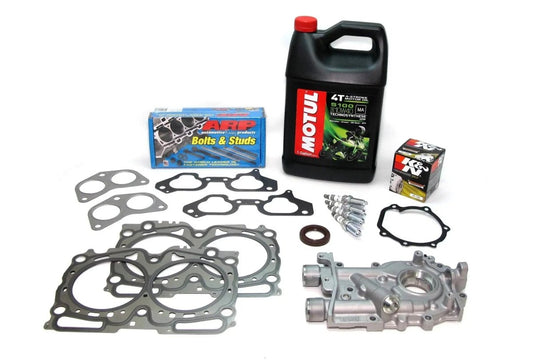
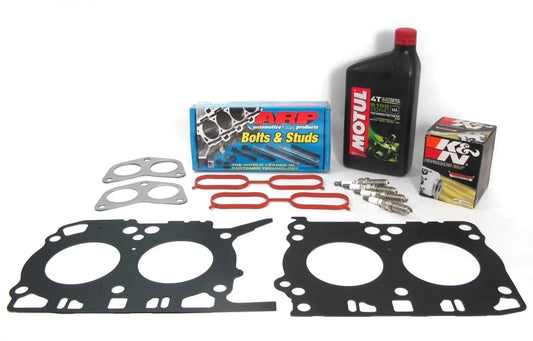
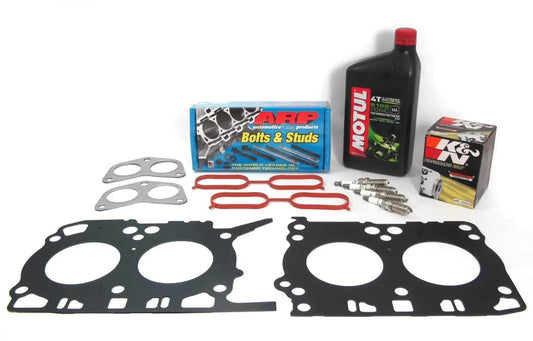
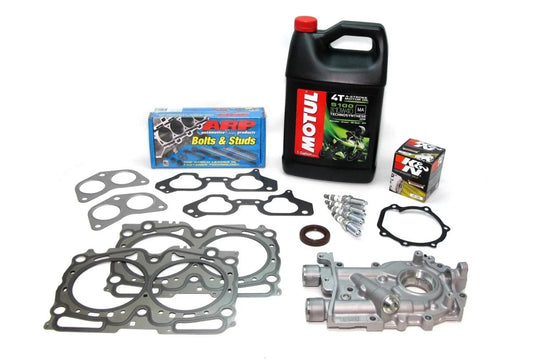
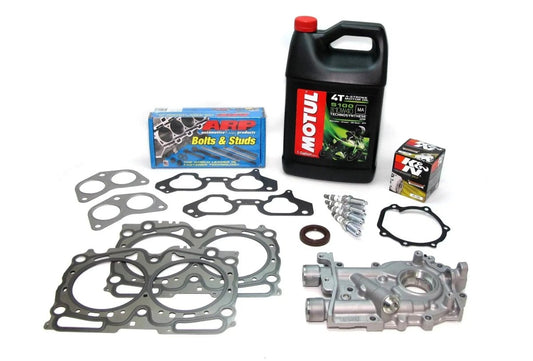
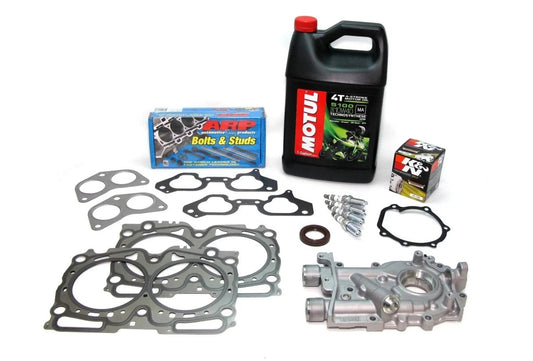
When it comes to gaskets and seals, this is not the place to cut corners. A leaking gasket will send you right back to square one, so always use a complete, high-quality kit. Options like Genuine Subaru OEM gasket and seal kits are designed to restore factory function and prevent leaks. For those pushing their FA20 harder, aftermarket head gasket sets are built to handle higher cylinder pressures from performance applications. Using a full kit ensures you replace every single-use seal and gasket you encounter during disassembly, giving you peace of mind that the engine is sealed up tight and ready for the road or track.
Necessary Fluids and Consumables
Once the mechanical work is done, you’ll need to replenish the engine’s vital fluids. Before you even start the disassembly, make sure you have fresh engine oil and coolant on hand. You will completely drain both systems during the replacement process, and refilling with new, clean fluids is essential for your engine’s health and longevity. Check your Subaru’s specifications for the correct type and amount of coolant and choose a quality engine oil that meets or exceeds OEM standards. Having these items ready will make the final reassembly steps seamless and get you back on the road faster.
Recommended Performance Upgrades
With the engine disassembled, you have a golden opportunity to install some key performance parts without adding significant labor costs. This is the perfect time to address other components and add some power. Consider upgrading your radiator to improve cooling efficiency, which is especially important for modified engines. For a noticeable bump in power and engine response, installing performance camshafts can make a huge difference. You can also improve airflow by adding less restrictive exhaust headers or a modified airbox. Making these Subaru WRX upgrades during a head gasket job is one of the smartest ways to enhance your vehicle’s performance.
How to Replace an FA20 Head Gasket: A Step-by-Step Guide
Replacing a head gasket is a significant undertaking, but with careful planning and attention to detail, it's a manageable project for an experienced home mechanic. This guide breaks down the process into five key stages, from initial prep to the final checks. Remember, patience is your best tool here. Rushing through any of these steps can lead to bigger problems down the road, so take your time and do it right the first time. Let's get your Subaru back to peak performance.
Step 1: Prepare and Disassemble the Engine
Before you touch a single bolt, get your workspace organized. The first mechanical step is to drain all the fluids that could interfere with the repair, specifically the engine oil and coolant. This is essential for preventing a mess and ensuring a clean working environment. Next, disconnect the battery to prevent any electrical mishaps. As you begin disassembly, label every hose, connector, and bolt you remove. Taking photos along the way is also a great practice that will save you headaches during reassembly. You’ll need to clear a path to the cylinder heads, which involves removing the intake manifold, exhaust components, and various accessories.
Step 2: Remove and Inspect the Cylinder Heads
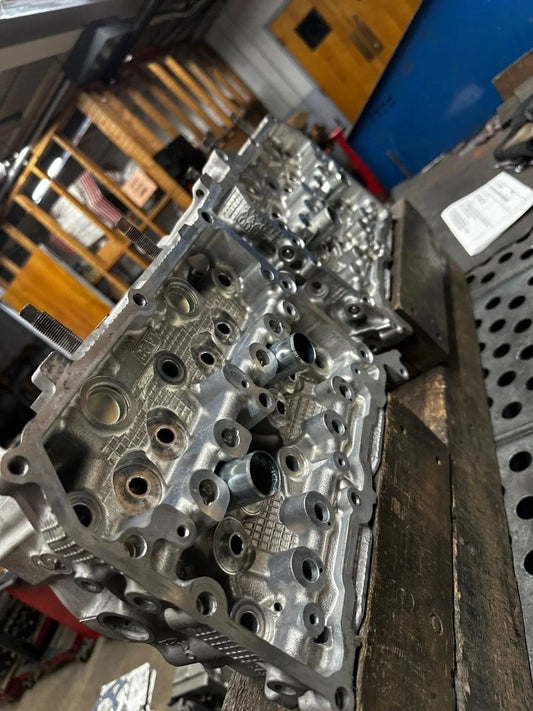
With the surrounding components out of the way, you can access the cylinder heads. Start by disconnecting the main wiring harness and ECU connections. You'll then need to pull the radiator and the air intake to create enough space to work. Loosen the head bolts in the correct sequence—typically starting from the outside and working your way in—to prevent warping the head. Once the bolts are out, carefully lift the heads off the engine block. Now is the time for a thorough inspection. Check the heads for any signs of cracks, and use a straight edge and feeler gauge to check for warpage. Any imperfections could compromise the new gasket's seal.
Step 3: Clean and Prep the Mating Surfaces
This is arguably the most critical step for a successful repair. Both the engine block deck and the cylinder head surfaces must be perfectly clean for the new gasket to seal correctly. Any leftover debris, oil, or old gasket material can create a path for leaks. Use a plastic scraper or a razor blade held at a low angle to gently remove the old material. Avoid using abrasive pads or tools that can gouge the soft aluminum surfaces. Once the heavy deposits are gone, use a quality brake cleaner or acetone on a lint-free cloth to wipe the surfaces until they are spotless.
Step 4: Install the New Gasket and Reassemble
With pristine surfaces, you’re ready to install the new gasket. Always check the gasket's orientation; most are marked with "UP" or have a specific pattern that must align with the block's oil and coolant passages. Place the gasket carefully over the dowel pins on the block. From here, you can reinstall the cylinder heads and begin the reassembly process. It is crucial to use new head bolts, as the old ones are often torque-to-yield and stretch during installation. Follow the manufacturer's specified torque sequence and values precisely to ensure even clamping pressure across the head.
Step 5: Final Checks and Break-In Procedure
After everything is reassembled, it's time for the moment of truth. Refill the engine with fresh oil and the proper coolant mixture. Double-check that every hose is clamped, every sensor is connected, and every bolt is tightened. Reconnect the battery and start the engine. Let it run for a few minutes while you carefully inspect for any oil or coolant leaks around the head gasket area. Once you've confirmed there are no leaks, follow a proper break-in procedure to allow the new gasket to settle. After a few heat cycles, consider a professional engine tune to ensure your FA20 is running efficiently and safely.
Breaking Down the Cost of an FA20 Head Gasket Replacement
A head gasket replacement is a significant job, and the cost can vary widely based on whether you tackle it yourself or hand the keys to a professional. Understanding the financial breakdown helps you make the right decision for your car and your wallet. It’s also a prime opportunity to consider performance upgrades while the engine is already apart.
The Cost of a DIY Repair
If you have the tools, time, and confidence, a DIY head gasket replacement can save you a lot on labor. However, the parts and potential machine work still add up. You can expect the cost to start around $1,200 and climb toward $3,000 or more. This range covers essential components like the gasket set, head bolts, fluids, and other seals you should replace along the way.
The price increases if you discover other issues once you've torn down the engine. For example, if your cylinder heads are warped, you'll need to factor in the cost of getting them professionally resurfaced. Sourcing high-quality performance parts is also critical; this isn't a job you want to do twice because of a cheap gasket.
What to Expect from a Professional Shop
Taking your Subaru to a professional shop typically costs between $1,200 and $3,000, much like the DIY route. The key difference is that a large portion of that bill is for labor. A head gasket job is time-intensive, and you're paying for a technician's expertise, specialized tools, and the shop's warranty on their work.
A reputable shop will also inspect for collateral damage, like warped heads or worn timing components, and recommend addressing them at the same time. This expert oversight can prevent future headaches. After the repair, it's also wise to ensure your engine is running optimally, which might involve professional engine tuning services to dial everything in perfectly.
Turning a Repair into an Upgrade
Think of a head gasket replacement as a golden opportunity. With the engine substantially disassembled, you have easy access to components that are otherwise difficult to reach. This is the perfect time to swap out stock parts for performance upgrades that can improve reliability and power. Instead of just fixing a problem, you can make your engine stronger than it was before.
Consider installing ARP head studs for superior clamping force, especially if you plan on adding more power down the line. You could also upgrade the radiator for better cooling or install a high-flow exhaust. For anyone with a Subaru WRX, this is an ideal moment to build a more robust engine ready for the track or trail. By investing in upgrades during the repair, you turn a setback into a serious step forward for your vehicle's performance.
Common Mistakes to Avoid During Your FA20 Head Gasket Replacement
Replacing an FA20 head gasket is a major undertaking, and the difference between a successful repair and a costly do-over often comes down to attention to detail. Even if you have the right tools and parts, a few simple missteps can lead to immediate failure. Rushing the process or cutting corners will only cause more headaches down the road. By understanding the most common pitfalls, you can ensure your hard work pays off with a reliable, leak-free engine ready for the road or track. Let’s walk through the critical mistakes to avoid so you can get the job done right the first time.
Avoiding Critical Assembly Errors
One of the fastest ways to ruin a head gasket job is by making a simple mistake during reassembly. It starts with your choice of parts. Using a cheap, low-quality gasket is a recipe for disaster, especially on a performance-oriented engine. You should also be meticulous about how the gasket is installed. Some gaskets are designed to be fitted dry, while others require a sealant; getting this wrong can compromise the seal. A surprisingly common error is fitting the gasket upside down, which can block essential oil or coolant passages and lead to catastrophic engine failure. Always invest in quality performance parts and double-check the part orientation against the service manual before torquing anything down.
Getting the Torque Sequence Right
Properly seating the cylinder head isn't as simple as just tightening the bolts. There is a specific pattern and multi-stage torque procedure designed to apply even clamping force across the entire surface of the head gasket. You must follow the correct torque sequence and specifications for the head bolts to ensure even pressure. Ignoring this process can warp the cylinder head, create high and low spots on the gasket, and cause leaks to form almost immediately. Always use a calibrated torque wrench and follow the factory-specified sequence precisely. This isn't a step where "close enough" is good enough; precision is key to a lasting repair and a core principle of any reliable engine tuning service.
Don't Overlook Surface Prep
The new head gasket is only as good as the surfaces it’s sealing. Before you install the new gasket, you must ensure that the surfaces of the engine block and cylinder head are perfectly clean and flat. Any leftover gasket material, carbon buildup, oil, or debris will create an imperfection that prevents a proper seal. Use a plastic scraper and appropriate solvent to clean both mating surfaces thoroughly. Afterward, use a precision straightedge and feeler gauge to check both the block and the head for warpage. If you find any deviation beyond the factory tolerance, the surface must be machined by a professional shop before you proceed.
Skipping Post-Installation Checks
Once the engine is back together, your job still isn't finished. It’s crucial to perform several post-installation checks to verify the integrity of your work. After refilling the fluids, you need to properly bleed the cooling system to remove any air pockets, which can cause localized overheating and damage the new gasket. Once the engine is running, let it come up to operating temperature while you carefully inspect for any signs of oil or coolant leaks around the cylinder heads. For extra peace of mind, perform a pressure test on the cooling system. This simple test will confirm the seal is solid before you put the engine under any serious load, saving you from potential disaster on your first drive.
Related Articles
Frequently Asked Questions
Can I keep driving my car if I think the head gasket is blown? Driving with a suspected blown head gasket is a serious risk. If coolant is mixing with your oil, it's destroying the oil's ability to lubricate the engine, which can lead to catastrophic failure. Likewise, if combustion gases are getting into your coolant, you're likely to overheat, which can warp the cylinder heads. It’s best to park the car and have it inspected immediately to avoid turning a manageable repair into a full engine replacement.
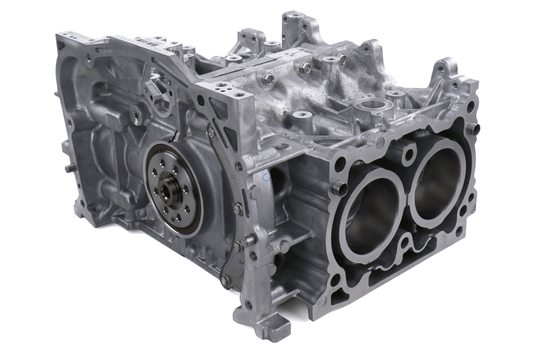
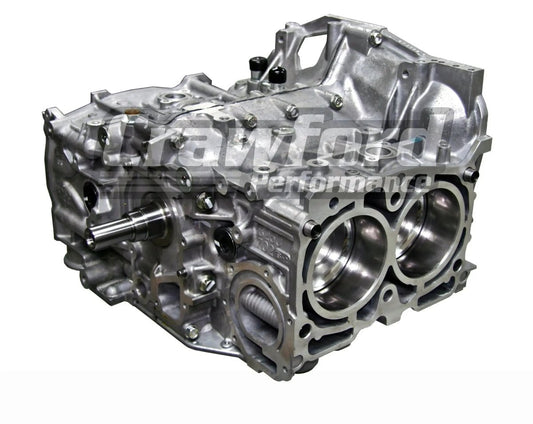
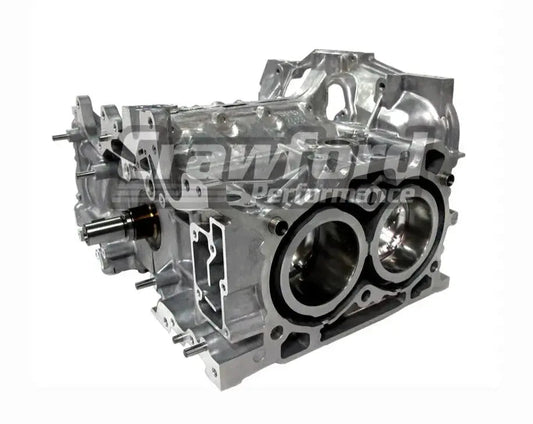
Is it worth fixing a blown head gasket, or should I just get a new engine? This decision really depends on the overall health of your engine and your future plans for the car. If the issue was caught early and there's no secondary damage, repairing the head gasket is usually the most economical choice. However, if the engine has very high mileage or suffered severe damage from overheating, a rebuilt or new short block could be a more reliable long-term solution, especially if you're planning to add significant power.
How can I prevent my new head gasket from failing again? The best way to protect your new head gasket is to address the root cause of the original failure. Most often, this means focusing on the cooling system. Ensure it's in perfect working order by addressing any leaks, using the correct coolant, and considering an upgraded radiator if your car is modified. A professional engine tune is also crucial for modified vehicles to ensure you aren't creating excessive cylinder pressure or heat that could compromise the new gasket.
Do I absolutely have to get my cylinder heads resurfaced? While not every head gasket job requires resurfacing, it is absolutely essential to check if it's needed. The cylinder head surface must be perfectly flat to seal correctly with the new gasket. You can check for warpage using a precision straightedge and a feeler gauge. If the head is warped beyond the manufacturer's tolerance, then resurfacing is not optional—it's the only way to ensure the new gasket will not fail prematurely.
Should I use a factory OEM gasket or an aftermarket performance one? For a stock vehicle, a high-quality OEM gasket is perfectly adequate and designed to meet the engine's original specifications. However, if you have added performance parts that increase horsepower and cylinder pressure, a performance head gasket is a wise investment. These are typically made from multi-layer steel (MLS) and are engineered to withstand the extra stress and heat of a modified engine, providing an extra layer of reliability.