


EJ255 vs EJ257: Subaru Turbo Engine Differences Explained
The main differences in the EJ255 vs EJ257 debate center on block strength, deck design, and factory use. Both engines share the same 2.5L size and crankshaft, but the EJ257 was built for the STI with a semi-closed deck and stronger pistons. The EJ255 appeared in the WRX, often using an open-deck design that lacks the same cylinder wall strength. According to our EJ257 engine technical specifications, the dish shape in EJ257 pistons results in a lower compression ratio than the EJ255, allowing more spark timing and higher boost on the track. For builders seeking over 400whp, the EJ257 is the better starting point due to its cooling and block strength. But both engines need forged parts to survive high-torque use.
EJ255 vs EJ257: Engine Overview and Applications
The EJ255 powered the WRX, Forester XT, Legacy GT, and Outback XT, while the EJ257 was exclusive to the WRX STI. Both are 2.5L turbo boxer engines sharing the same 99.5mm bore and 79mm stroke, but the EJ257 received the semi-closed deck block and deeper-dish pistons from the factory. Early Forester XT and Legacy GT models (2004-2005) used EJ257-spec internals, making those vehicles hidden gems for budget-minded builders who want STI strength without the STI price.
Subaru built the EJ255 and EJ257 as the 2.5L turbo heart of their fast cars. The EJ257 is the main engine for the WRX STI. The EJ255 powers more cars, like the WRX, Forester XT, Legacy GT, and Outback XT. Both are 2.5L turbo boxer engines that share many parts, like block castings, cranks, and rods. However, small changes in piston shape and head style set them apart for different uses.
Shared Engine Design
These two engines share a very similar base. Both use a 99.5mm bore and a 79mm stroke. The factory blocks for both types come from the same molds and often use a semi-closed deck to help the cylinder walls stay strong. Both use a 2.5L turbo boxer engine layout that keeps the weight low for better handling. Because they share so much, many parts like oil pumps or head studs fit both engines.
The STI Flagship EJ257
The EJ257 is built for the Subaru STI model in the United States. From 2004 to 2007, it used B25 heads and an 8.2:1 compression ratio that helped it run well with high boost. As the top engine, it got the best parts first, like bigger turbos and stronger internals. While the EJ257 is best for big power, it helped Subaru bring 2.5L turbo technology to other models in the lineup.
The Flexible EJ255 Engine
The EJ255 powered the WRX, Forester XT, and Legacy GT as a capable turbo engine. The 2004 to 2005 Forester XT and early Legacy GT models used the same parts as the EJ257. Which makes those cars a great choice for builders who want STI strength in a sleeper car. Later EJ255 models used different heads and higher compression for better daily driving feel.
How Do EJ255 and EJ257 Cylinder Heads Compare?
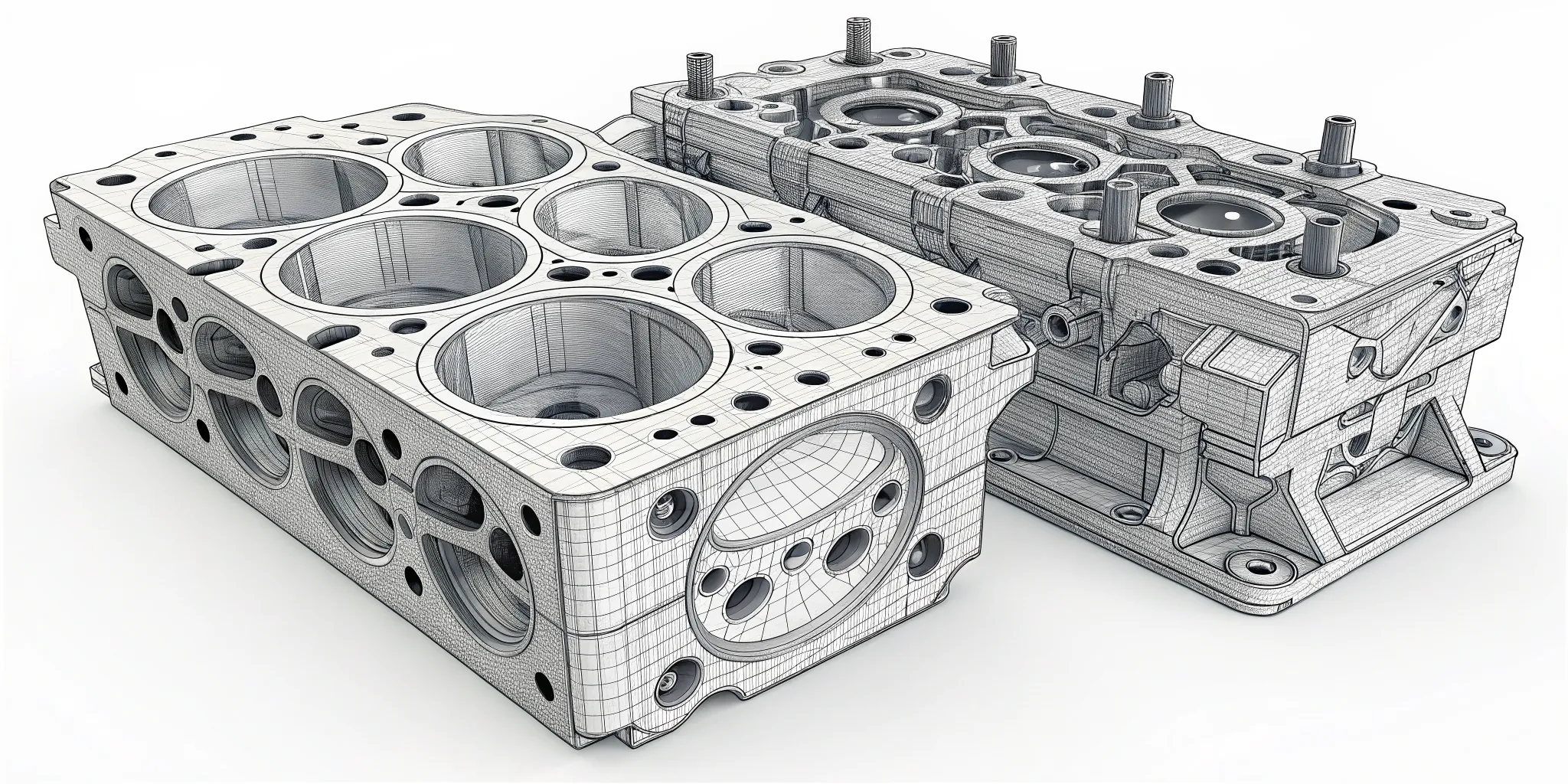
Subaru used two main cylinder head castings for the 2.5L turbo engines: the B25 (56cc chamber on 2004-2007 STI) and the D25 (50cc chamber on 2008+ WRX). The B25 creates an 8.2:1 compression ratio ideal for high boost, while the D25 bumps compression to 9.0:1 for better off-boost response. Mixing heads between blocks changes the final compression ratio and requires careful tuning and the right head gasket choice.
Subaru used two main head castings for their turbo 2.5L motors. These are the B25 and D25 units. While they look the same on the outside, they have big changes inside. The head choice sets your compression ratio and how well the motor breathes at high RPM. If you plan to build a high-power motor, you must know which casting fits your goals. Proper EJ257 cylinder head rebuild options ensure your top end can handle the boost from a larger turbo.
The B25 Casting and Early STI Performance
The B25 head is the most famous casting for Subaru. It came on the 2004-2007 EJ257 motors found in the WRX STI. These heads have a large combustion chamber of about 56cc. When paired with factory STI pistons, they create an 8.2:1 compression ratio. This low ratio lets you run more boost on pump gas with less risk of knock. Builders often seek B25 heads for street builds because they offer a safe tuning range. The port shapes were made for high flow to help the STI make strong top-end power.
Early versions of the Forester XT and Legacy GT also used B25 style heads. These heads use a single Active Valve Control System (AVCS) on the intake cams. This system helps the motor make torque at low speeds while still breathing at high revs. A healthy EJ255 or EJ257 should show excellent compression in all four cylinders. If your compression is low, it may be time for a full head refresh with new seals and a multi-angle valve job.
D25 Heads and High-Compression EJ255 Builds
Subaru moved to the D25 casting for the 2008 and later WRX models. These heads feature a smaller 50cc chamber that raises the compression ratio to 9.0:1 on the EJ255 motor. A higher ratio makes the car feel quick and snappy when you are not in boost, and it also helps with fuel economy during everyday driving. But the higher compression means the tuner must be more careful with spark timing and boost levels. The D25 ports have a slightly different shape that favors mid-range torque over peak power.
The D25 heads also include an air pump system to help with cold-start emissions. Most builders remove this system to save weight and keep the engine bay clean. If you swap D25 heads onto an STI block, compression will jump significantly. This can be a great way to build a quick street car, but it needs high-grade fuel to stay safe.
Compatibility and AVCS Types
Port size and chamber space are not the only things to consider when building a motor. You must also match your AVCS type to your ECU. Early B25 heads use a single AVCS setup. Later STI models from 2008 to 2021 use the EJ257 with dual AVCS on both the intake and exhaust sides. Swapping these parts needs the right wiring and control unit. If you mix parts, you may lose the valve timing that makes the EJ motor so responsive across the rev range.
You must also check if your heads have the right oil feeds for the AVCS solenoids. Using an EJ255 head on an EJ257 block is common, but you need to verify the piston dish. If the dish is too small and the head chamber is too small, compression will be too high for safe turbo operation. Always use a high-quality head gasket and proper torque on the head bolts during assembly.
| Casting Code | Common Models | Chamber Volume | Compression Ratio |
|---|---|---|---|
| B25 | 2004-2007 STI | 56cc | 8.2:1 |
| D25 | 2008-2014 WRX | 50cc | 9.0:1 |
| V25 / W25 | Legacy GT / Forester | 50cc | 8.4:1 to 8.7:1 |
Piston Design and Compression Ratio Variations
The EJ257 uses a deeper piston dish than the EJ255, resulting in a lower compression ratio (8.2:1 to 8.7:1 versus up to 9.0:1). This allows the EJ257 to run more boost on pump gas safely. Both engines use cast pistons from the factory that are prone to ringland failure above 400whp. Adding an Air Oil Separator helps reduce knock risk by keeping oil out of the intake charge.
The main mechanical gap between the EJ255 and EJ257 lies in the piston design. Both engines share a 99.5mm bore, but the piston dish and material choice change how they handle heat. The EJ257 engine technical specifications show how the STI engine uses specific pistons to handle more stress. In contrast, the EJ255 uses cast parts that help with cost and cold starts but offer less strength for high power output.
Piston Metal and Part Strength
Subaru built the EJ257 for the high-performance STI line. Most stock EJ257 pistons are cast but use a tougher alloy blend than the EJ255. Even so, both engines face ringland failure when power exceeds safe levels. This happens when the thin metal between the rings cracks from excessive cylinder pressure. Builders who want over 400whp should use forged parts from Manley or CP-Carrillo to fix the weak points in factory blocks.
Compression Ratio Specs
Compression specs change based on the piston dish and the head used on the block. Early STI models from 2004 to 2007 used B25 heads for an 8.2:1 ratio. This low ratio is ideal for high boost on pump gasoline. Later STI models moved to 8.7:1 to improve throttle response when not in boost. The EJ255 can reach 9.0:1 in some years, which provides better daily drivability but reduces the margin for boost.
Tuning for High Compression
High compression makes the EJ255 feel quick in town, but it leaves less room for error. A 9.0:1 ratio in a newer WRX means the tuner must be careful with boost levels and fuel quality. To keep the engine safe, many owners add Air Oil Separators to the build. These kits keep oil out of the intake to minimize knock and help protect the rings for long engine life.
Which Block Architecture Is Stronger: Open Deck or Semi-Closed Deck?
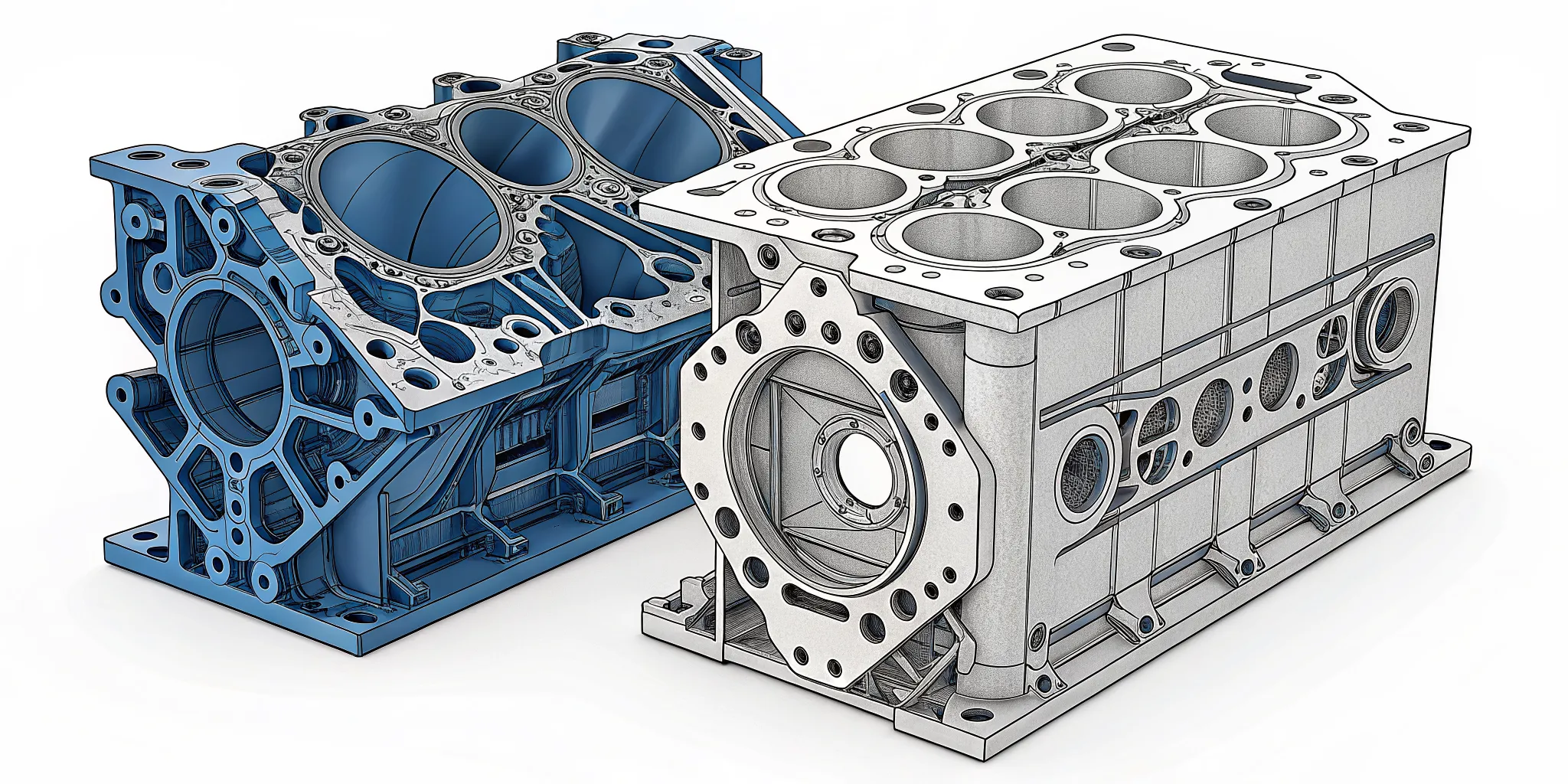
The EJ257 uses a semi-closed deck design with metal bridges connecting the cylinder walls to the outer block, providing superior strength for high-boost applications. Most EJ255 blocks use an open-deck design that cools better but allows more cylinder wall flex under pressure. For builds above 400whp, the semi-closed deck EJ257 or a closed-deck aftermarket block is the safer foundation. Our built short blocks use the strongest available deck designs for any power target.
The engine block design is a key technical differentiator in the EJ255 vs EJ257 debate. Most stock EJ255 blocks use an open-deck configuration that leaves the space around the cylinder bores open to the cooling jacket. This helps with heat rejection but provides less physical support for the cylinder walls under high pressure. In contrast, the EJ257 uses a semi-closed deck with small metal bridges tying the cylinder walls to the outer block case for added strength under turbo boost.
Cylinder Support and Cooling Needs
Open-deck blocks prioritize cooling by allowing more coolant to flow directly around the cylinders. However, as boost pressure increases, the cylinder walls can flex or walk, often leading to head gasket failure. The semi-closed deck in the EJ257 strikes a better balance. It keeps the bores stable while allowing enough coolant flow to manage heat. For 400 wheel horsepower or more, the stiffer semi-closed deck is a significant advantage for engine longevity. You can find more details in our EJ257 engine technical specifications guide.
Changes to the EJ257 Block over the Years
Subaru updated the EJ257 block design multiple times. Starting in 2008, the blocks received thicker cylinder walls for improved durability under sustained high-power use. Even with these factory improvements, many owners choose Crawford Performance built short blocks for peace of mind. Our builds use premium components and tight tolerances to ensure the block can handle track sessions or daily driving with equal reliability.
Going to a Closed-Deck Block for Extreme Power
The semi-closed deck is strong, but the most demanding builds need more. For 700 horsepower targets, the stock block design may not be sufficient. In these cases, builders move to a full closed-deck block that fills the cooling jacket gaps with metal to brace the cylinder walls. This creates a solid deck surface that prevents cylinder wall movement at extreme boost levels. For high-power projects, check out our engine short blocks collection for the best options. The right block foundation is the single most important decision for a healthy built engine.
Reliability and Power Handling: EJ255 vs. EJ257
Both engines share the same crankshaft and connecting rods from the factory, so bottom-end strength is similar at stock power levels. The EJ257 gains an edge from its semi-closed deck for better head gasket sealing under boost and stronger factory pistons. However, neither engine is safe above 400whp without forged internals. An Air Oil Separator is essential for both platforms to prevent detonation from oil ingestion in the intake charge.
Internal strength is the primary concern when pushing a Subaru engine past its stock limits. The EJ257 engine technical specifications show a block designed for high stress. Both engines share the same crank and rods at the factory level. This means the bottom-end strength is comparable for light modifications. However, differences in deck design and piston specifications change how each motor handles heat and boost over time.
Deck Style and Boost Sealing
The EJ257 uses a semi-closed deck design with additional material supporting the cylinder walls at the top of the block. These bridges help the cylinders stay round when boost pressure is high. The EJ255 often has an open deck design that works well at stock power levels but may lead to head gasket issues as boost increases. For serious builds, the EJ257 deck provides a better seal and more stable cylinder walls.
Piston Strength and Ringland Issues
Piston design is a significant factor in the EJ255 vs EJ257 reliability comparison. The EJ257 has pistons that can withstand more boost due to their optimized dish shape. EJ255 pistons are more prone to ringland failure at elevated power levels. This failure mode occurs when the thin land between the compression rings cracks from excessive heat or detonation. Adding Air Oil Separators helps keep oil out of the intake path, reducing knock risk and protecting the rings.
Power Limits and Needed Upgrades
In stock form, both engines last well with proper maintenance. However, for high-performance applications, neither is ideal in factory configuration. For any build targeting over 400 wheel horsepower, aftermarket rods and pistons are mandatory. Crawford Performance uses forged components from Manley, CP-Carrillo, and other top suppliers to handle the extreme cylinder pressures of high-boost builds. Using the right parts ensures the motor stays together during track days or hard street pulls.
| Factor | EJ255 (WRX) | EJ257 (STI) |
|---|---|---|
| Deck Type | Often Open Deck | Semi-Closed Deck |
| Piston Type | Cast Part | Stronger Dish Style |
| Ringland Risk | Higher at High Boost | Lower Risk |
| Head Gasket Seal | Good | Best for Boost |
| 400whp Build | Needs Forged Parts | Needs Forged Parts |
Building for High Horsepower: Recommended Paths from 300whp to 700+hp
Choose your build path based on your power target. Stage 1 (300-400whp) needs bolt-ons, a tune, and an Air Oil Separator on a stock block. Stage 2 (400-550whp) requires forged pistons and rods on a semi-closed deck block. Stage 3 (550-700+hp) demands a closed-deck or IAG Stage 3 block with billet crank and ARP studs. The EJ257 is the better starting point for Stage 2 and above due to its stronger deck design.
Choosing between the EJ255 vs EJ257 often depends on your final power goals. While both engines share a 2.5-liter size, their internal parts handle stress differently. To build a reliable car, you must match your components to your target power tier. Most stock EJ blocks handle light modifications well, but high-boost builds require a full rebuild with forged parts to prevent failure.
Stage 1: Street and Track Prep (300-400whp)
For most drivers, a reliable build starts with protecting the engine from heat and oil-related issues. An Air Oil Separator is a critical first step for any turbo EJ build as it keeps oil out of the intake path, reducing knock risk. At this level, you can reach 300 to 400 wheel horsepower with bolt-on parts and a quality tune. Verify cylinder compression before adding boost to ensure the block is healthy.
Stage 2: Forged Parts for Mid-Tier Power (400-550whp)
Once you target 400 to 550 horsepower, factory pistons and rods become the weak link. Upgrading to forged pistons and rods is necessary for reliable operation at this power level. Many builders choose Manley or CP-Carrillo components to handle the increased cylinder pressure. The EJ257 semi-closed deck provides more strength than the open-deck EJ255 found in some older WRX and Forester models. Browse our engine short blocks collection for Stage 2 ready options.
Stage 3: Extreme Power and Closed Decks (550-700+hp)
Building for 550 to 700 or more horsepower requires a fundamental shift in approach. At these outputs, the cylinder walls can flex under high boost, potentially causing head gasket failure. A closed-deck conversion or a pre-built IAG Stage 3 block is the most reliable solution. Heavy-duty ARP head studs and high-quality King or ACL bearings help the block survive the extreme loads of a race-level build.
Stage 1: Basic Bolt-Ons (300-400whp). Focus on intake, exhaust, and a custom tune. Install an Air Oil Separator to prevent oil buildup in the turbo system. Keep the stock block but monitor oil levels and temperatures closely.
Stage 2: Forged Rebuild (400-550whp). Open the block to install forged pistons and rods. This tier handles more boost safely. Use a semi-closed deck EJ257 short block as a strong foundation that resists cylinder wall deformation.
Stage 3: Full Race Build (550-700+hp). Move to a closed-deck block or a specialized IAG Stage 3 unit. Add a billet crankshaft and ARP studs throughout. This path is for dedicated track cars and high-power street builds requiring maximum reliability.
What Is the Best Engine Choice for Your Build?
If you own a WRX, Legacy GT, or Forester XT, your EJ255 is a solid foundation for builds up to 400whp. For 500whp or more, the EJ257 semi-closed deck provides a safer starting point. At 700+hp, neither stock block is sufficient you need a closed-deck or IAG Stage 3 block. Crawford Performance is an authorized IAG dealer and can help you choose the right built block for any power target from mild street to full race.
Pick the Best Base for Your Power Goals
The choice between an EJ255 and an EJ257 comes down to your specific car and power target. If you own a WRX, Legacy GT, or Forester XT, you likely have the EJ255. This engine is a great starting point for builds up to 400 wheel horsepower using its 2.5-liter block as a solid foundation with forged internals.
The EJ255 often uses an open-deck design with less cylinder wall support than the EJ257. For those seeking 500 whp or more, the EJ257 is the better choice. Its semi-closed deck handles high boost much more effectively. The EJ257 was the flagship engine for the US Subaru STI and comes with stronger factory components that withstand stress better over time.
When to Move to a Built Block
Any build targeting high power levels needs upgraded rods and pistons regardless of the base engine. The EJ255 can still reach significant power with the right supporting modifications, but once you aim for 500 whp, stock components are no longer safe.
A built short block ensures your engine stays together. Crawford Performance offers built short blocks for these goals using premium components including Manley or CP-Carrillo rods and King or ACL bearings for smooth, reliable operation at high power levels.
Support for Extreme Power and Strength
For builds past 700 hp, you need even more structural integrity. Neither the EJ255 nor the EJ257 can handle that much load in stock form. A closed-deck block or an IAG Stage 3 block is mandatory at this level.
Adding Air Oil Separators to any turbo EJ build lowers knock risk and keeps your engine safe. Whether you stay with your EJ255 or swap to an EJ257, a built block gives you confidence. We are an approved IAG dealer and can help you pick the right Stage 2 or Stage 3 block for your needs.
Frequently Asked Questions
Is the EJ257 short block a direct replacement for an EJ255?
The EJ257 short block can replace an EJ255, but it is not a simple swap. The piston dish shape and cylinder head differences change the final compression ratio. Using EJ257 parts with EJ255 heads can raise compression, requiring custom tuning to prevent knock. You must match your head gaskets and engine management to the new block for a safe build.
Why does the EJ257 typically have a lower compression ratio than the EJ255?
The EJ257 uses a deep piston bowl to reach a lower compression ratio, typically 8.2:1 or 8.7:1 depending on the year. This design allows running more boost on pump gas without detonation. The EJ255 often has a higher ratio (up to 9.0:1) for better response in street cars, but this leaves less margin for boost before knock becomes a concern.
Can an EJ255 handle as much boost as an EJ257?
Both engines share similar block castings, but the EJ257 uses a semi-closed deck for better cylinder wall support under high stress. While the EJ255 can handle moderate boost, it may experience wall flex or head gasket failure at high power levels due to its open-deck design and cast pistons. For builds over 400whp, Crawford Performance recommends forged internals regardless of base engine choice.
What are the best internal upgrades for a 400whp engine build?
Install forged pistons and connecting rods to replace factory cast components. Upgrade to King or ACL bearings for long engine life. Add an Air Oil Separator to prevent oil from entering the intake, which reduces knock risk. These upgrades help your EJ engine handle higher cylinder pressure reliably during street or track use.
Is the EJ255 or EJ257 better for a daily driver with occasional track use?
For a daily driver targeting 350-400whp, the EJ255 is a solid choice with its higher compression providing better off-boost response for everyday driving. If you plan to push past 400whp or track regularly, the EJ257 semi-closed deck and lower compression give more headroom for pump gas boost. Either way, an Air Oil Separator and quality components extend engine life.
Ready To Build Your Custom Subaru Short Block or Long Block?
Stock Subaru blocks have clear limits that cause broken ring lands under high boost. Waiting for a part to fail means higher repair costs and more shop downtime. Building your engine proactively gives you the peace of mind to push your car while avoiding the long lead times of an emergency build. Our team will help you select the best parts for your power goals so your car is ready for the next driving season.
Ready to build your custom Subaru short block or long block? Call (859) 394-4248 to talk to a Crawford Performance expert and get a full quote on your engine build. We are an authorized IAG Performance dealer and carry Stage 2, Stage 2+, and Stage 3 built blocks for every power level from 400whp to 700+hp.