

Subaru Oil Pickup Upgrade Guide for Performance Builds
Oil pressure problems can destroy a performance Subaru engine quickly. A well-planned oiling system helps the engine maintain oil supply during demanding use.
Check verified FA20 oil pickup fitment before you buy.
A Subaru oil pickup upgrade is a performance-use change that replaces the engine's pickup tube with a stronger or revised design. The pickup draws oil from the pan so the pump can send it through the engine. Track, autocross, and rally builds may consider an upgrade because hard acceleration, braking, and cornering can move oil inside the pan. However, an upgraded pickup alone does not prevent oil starvation or engine damage. The oil pan, baffle, pump, oil level, clearances, temperature, and installation all matter. Diagnose any oil-pressure concern first, then confirm engine-specific fitment before selecting a part.
Choosing the right part starts with knowing how the pickup supports the full oiling system. First, here is what a Subaru oil pickup does.
What does a Subaru oil pickup do?
The oil pickup is a vital part of your Subaru's oil system. It sits deep in the oil pan and acts as the intake for the oil pump. Its main job is to draw oil from the sump and send it to the rest of the engine. This keeps moving parts wet and cool while the car is running. Without a steady flow of oil, your motor would lock up in seconds. The pickup acts like a straw that drinks oil so the engine can stay safe.
This part is one piece of a full oiling circuit. The system also includes the pan, pump, and filter. Each part must work together to maintain oil supply. If the pickup fails, the whole system is compromised. That is why many drivers consider a Subaru oil pickup upgrade before they head to the track. A stronger pickup can address one potential failure point, but it does not guarantee oil supply by itself.
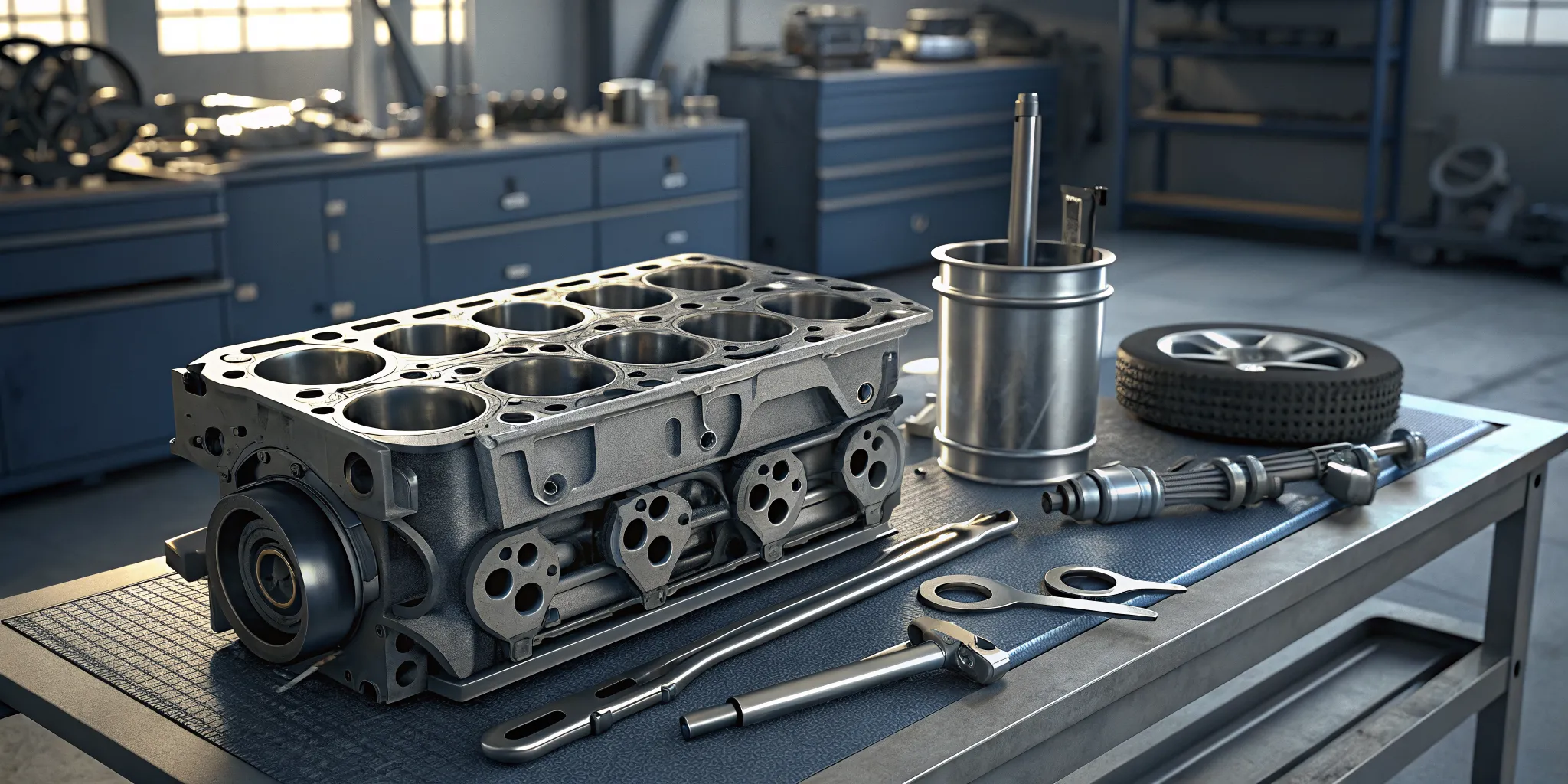
How the pickup tube works
The pickup has a long metal tube with a screen at the bottom. This screen is the strainer. It stops big bits of metal or dirt from entering the pump. The pump creates a vacuum that pulls oil through this tube and into the engine block. Because the pickup sits at the lowest point, it can reach oil even when levels are low. The tube connects with a flat plate and a small seal. If this seal fails, air can enter the system, and pressure will drop to zero.
Why steady oil supply matters
Your engine needs oil to stop metal parts from rubbing together. High speeds or sharp turns can push oil to the sides of the pan. This is a big risk during fast driving or rally races. Oil starvation is a critical failure point in Subaru EJ engines during high-G turns. Proper care of the oil system helps with long-term life for Boxer motors. Many owners add a baffle to the pan to keep oil near the pickup tube so it never runs dry.
Common risks of oil pickup failure
The stock oil pickup tube can have weak spots. Over time, heat and shaking may cause the thin metal to crack or snap. If the tube breaks, the pump will pull air instead of oil. Most owners choose a Subaru oil pickup upgrade to avoid this problem. A better tube uses thicker steel and double brackets to handle the stress of racing. This small change can save you from a very costly engine rebuild later.
What symptoms call for oiling-system diagnosis?
You may not always get a clear sign before a part fails. But some common red flags show your oiling system needs quick help. The most obvious sign is the oil-pressure warning light on your dash. If this light blinks or stays on, it means your engine is not getting enough oil. You should stop the car and turn off the motor right away to stop a full engine failure.
Oil pressure drops and flickers
Low oil pressure is a big concern for any boxer engine. You might notice the pressure gauge drop fast during a drive. In some cases, the light only blinks when the car is at an idle. This often happens because a cracked tube lets air into the system instead of oil. When air bubbles reach the pump, the system loses its prime and the pressure falls. For long-term health, checking these parts is key for Subaru engine reliability over time.
Unusual engine noises
A lack of oil often leads to loud noises from the valves or deep inside the engine block. You might hear a metal tapping or knocking sound that gets louder as the engine warms up. This ticking often means the parts are starving for oil. Since the OEM oil pickup tube can fail due to thin brackets and shakes, these sounds are often the first sign of a crack. If you hear new noises, do not keep driving the car.
Data logs and physical checks
If you use a tuner or a data logger, look for pressure dips during hard turns or fast starts. Quick moves can pull oil away from a broken pickup. This causes a fast drop in flow. You can also find clues during an oil change. Small bits of metal or plastic in the oil pan can show that parts are wearing down. If you see debris, you should think about a Subaru oil pickup upgrade to protect your build. Metal in the pan is a sure sign that your engine is at risk.
Why performance builds consider a Subaru oil pickup upgrade
Building a car for the track or rally stages means pushing parts to their limits. Fast turns and hard braking cause oil to move fast inside the engine pan. This movement can leave the oil tube sucking air instead of fluid. A Subaru oil pickup upgrade is often part of a plan to help keep oil flow steady under these stress levels.
Managing high-G loads
Subaru boxer engines are great for balance, but their flat layout poses tests for oil control. In sharp turns, oil sloshes to the sides of the pan. This is called oil starvation. Research shows that oil starvation is a key risk for EJ-series engines during high-G racing moves. High-performance builds use better pickups and baffles to keep the oil where it needs to be.
A thick, strong tube helps the engine get a steady supply of oil. This is vital when the car is sideways on a rally stage or on a track. While a pickup alone does not stop all oil movement, it is a core piece of a high-performance build. It works with other parts like an Air Oil Separator to keep the engine healthy.
Reducing metal fatigue
Heat and shakes are constant threats to engine parts. Standard oil pickups use thin tubes that can get small cracks over time. If a tube fails, the engine can lose oil pressure in an instant. Experts study crack growth to see how metal fails under stress. In a car used for racing, those stresses are much higher than on the street.
Upgraded pickups often use materials that are much thicker than stock parts. Some tubes use parts that are three times as thick as the factory design to stop breaks and structural failure. This extra strength gives drivers peace of mind when they are deep into a long track day. The Killer B Motorsport Ultimate Oil Pickup for the FA20 is one example, available from Crawford.
Explore supporting Subaru engine modifications for a balanced performance build.
Planning for engine life
Staying on the road is just as vital as speed for many owners. The key to a long-lasting engine is good care and better parts. A Subaru oil pickup upgrade is a smart step to stop a small part from causing a big problem. It fits into a plan of using race-proven parts to build a car that can handle tough tasks.
Most track builds focus on power first, but oil system mods should be done early. A better pickup makes sure that the oil pump always has access to the oil. By planning the oil system as a whole, you build a base that can support more power later. This approach helps make sure your car spends more time on the road and less time in the shop.
Performance upgrade vs. routine replacement
Deciding between a stock part and a performance part is a common step in Subaru care. A standard oil pickup replacement usually happens when you find damage during a routine engine teardown or rebuild. However, a deliberate performance upgrade is a proactive choice to fix known design limits. While both options keep the engine running, an upgrade focuses on long-term safety under high-stress loads.
Routine engine maintenance
A routine replacement means you install a new factory-style oil pickup tube. You might do this if the old part has cracks or if you want fresh metal during a rebuild. This path keeps the car at factory specs and works well for most daily drivers. But for many owners, this is a missed chance to fix the thin wall and weak bracket found on the stock part. If your goals include track days or hard driving, a basic part may not provide enough peace of mind.
Proactive performance builds
A proactive Subaru oil pickup upgrade changes the focus from simple repair to system planning. Upgraded designs may use thicker tubes, revised brackets, or stronger welds. The pickup still works with the pan, baffle, pump, oil level, and other parts. A stronger pickup cannot guarantee a steady oil supply on its own.
Choosing the right path
Your choice depends on how you use your car and your future plans. If the engine is already open for service, the cost of the better part is small compared to the safety it adds. Research on engine parts shows that using high-quality materials is key to stopping cracks from spreading under heat and stress. For any car that sees more than simple street use, a heavy-duty pickup is a wise investment in the engine's life.
| Feature | Routine Replacement | Performance Upgrade |
|---|---|---|
| Main Goal | Fix old or broken parts | Address performance-build goals |
| Material | Thin-wall steel | Thick-wall, heavy tubing |
| Bracket Strength | Single thin bracket | Double or reinforced brackets |
| Usage Fit | Stock street use | Track, rally, or off-road |
| Risk Level | Low for street, high for track | Depends on the complete oiling system |
How do you confirm engine-specific fitment?
Choosing the right parts for your car is key to keeping it safe. A Subaru oil pickup upgrade must fit your engine just right. If the part is not a perfect match, you may face oil leaks or poor oil flow. These issues can lead to big engine problems later. You must check that the part works with your exact build and chassis before you buy it.
Find your engine and chassis codes
The first task is to find your engine code. Most BRZ, FR-S, and GT86 cars use the FA20 engine. This engine has an exact layout that needs a unique pickup tube. You should also check your chassis code. Some parts may fit the engine but not clear the frame of your car. This is common when you mix parts from different years.
You can find your engine code on the engine block itself. It is also often on a sticker in the door jam or in your owner book. Knowing this code helps you avoid parts made for older EJ engines. Those parts look like them but will not bolt onto an FA20 block. Use the best data to guide your search for new parts.
Check oil pan and baffle setup
The oil pickup sits deep inside the oil pan. The depth of the pan is not the same for all Subaru models. If you have a custom oil pan, the stock pickup might not reach the oil the right way. You also need to think about baffle plates. These plates sit between the pan and the block to stop oil from sloshing. A thick baffle plate can change how the pickup sits.
You must ensure the pickup has enough room to move. It should not touch the bottom of the pan. It also should not be too far away from the oil. A good fit ensures that your engine gets a steady stream of oil. This is key when you are driving on a track or in a race. Small gaps can cause big drops in oil pressure at high speeds.
Check the product details
Always read the full product details on the store page. For instance, the oil pickup upgrade for the FA20 BRZ and GT86 is a specific part. It was built for the plain air intake version of that engine. It will not work for the FA20DIT engine found in newer WRX models. It will also not fit the EJ series engines used in older STI cars.
Check for notes on how to set it up. Some pickups need new O-rings or specific bolts. Others might need you to use a certain type of sealant. If the page lists your exact year, make, and model, you are likely safe. But if you have changed your engine block, you must go by the new engine code instead of the car year.
- Locate your engine code on the block or in the car book.
- Find your car model year and chassis code to narrow your search.
- Look for any non-stock parts in the oil system like a deep pan.
- Read the product list to confirm it mentions your engine and chassis.
- Measure the space if you are using a custom pan or baffle plate.
- Ask a pro to check the fit if you are doing a custom build.
Using high-quality parts is the best way to make your car last. Studies show that using quality parts is vital for long engine life. A proper fit ensures your oil flow stays strong. This keeps your engine cool and well greased. Checking fitment now will save you from stress and cost in the future.
Subaru oil pickup upgrade buyer checklist
Picking the right parts is the first step toward a long engine life. A Subaru oil pickup upgrade helps protect your motor from oil starvation during hard use. Use this list to find the best parts for your build.
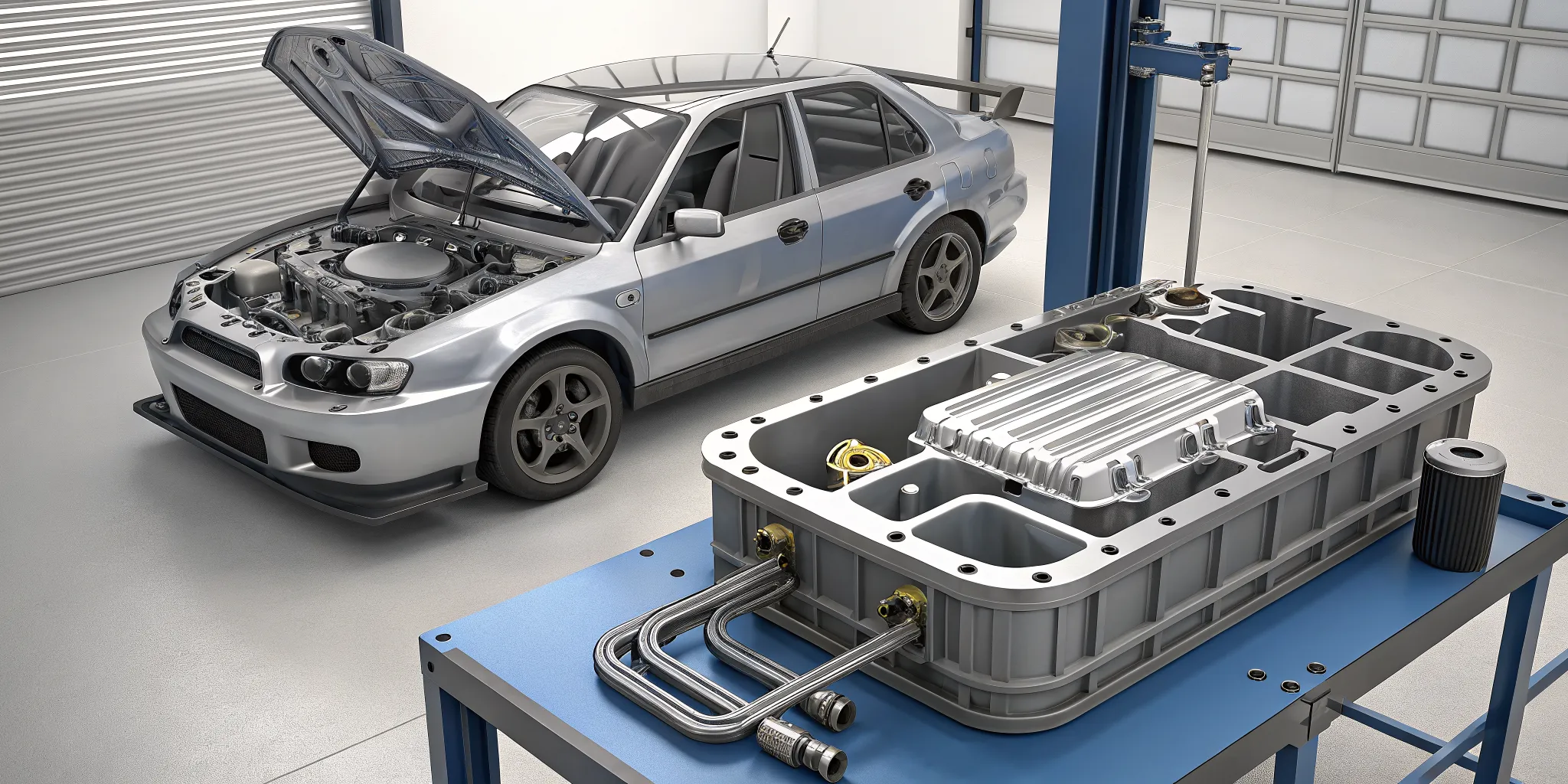
Picking the right design
Look for a tube made from thick steel to avoid cracks and leaks. Some tubes use 0.12-inch thick brackets. This is three times as thick as the factory part. This extra strength keeps the tube from breaking under heavy vibration. You should also check the screen size. Make sure it allows for high oil flow while it traps debris.
Fit is also a key factor when you buy an upgraded oil pickup. Make sure the part matches your engine year and model. Some motors have different oil pan shapes that can block a new tube if the fit is not exact. A good fit means the pickup sits at the right height to draw oil from the bottom of the pan.
Pairing with baffles and pans
Many owners choose an oil pickup and baffle set to get the most safety. Baffles help keep oil near the pickup tube during fast turns or hard stops. This setup is vital for cars used on a track or in dirt races. Proper engine care often involves checking these parts together to get the best results.
If you plan to use a larger oil pan, make sure your new pickup is long enough to reach the oil. A poor match could leave your engine dry even when the pan is full. You should always test the fit before you seal the pan to avoid big mistakes. This step helps your oil system work as one strong unit.
Planning the setup
Expert advice can help you avoid common traps during the job. It is a good idea to have a shop check your oil pressure after you set up the new part. This test shows that the system is tight and the pump draws oil well. High-quality parts work best when they are put in with care and skill.
Keep in mind that a new pickup is just one part of your oil system. It is not a total fix for engine damage. You may also want to look at an Air Oil Separator to keep your intake clean. These parts work together to help your engine last a long time under stress. Following a full plan keeps your car safe and fast for years to come.
Shop the verified FA20 oil pickup after confirming your complete setup.
Frequently asked questions
Is a Subaru oil pickup upgrade necessary for a stock engine?
Not always. A stock street car with no symptoms may only need routine oil-level checks and normal service. If you see an oil-pressure warning, hear new engine noise, or find damage during an inspection, stop driving and diagnose the full oiling system. Do not assume the pickup is the cause without testing.
Does an upgraded oil pickup prevent oil starvation?
No. A stronger or revised pickup may address one weak point, but it cannot control every cause of oil starvation. Oil level, oil pan design, baffles, pump condition, temperature, bearing clearances, and driving forces all affect oil supply. Plan the pickup as one part of a complete oiling strategy.
Can I install an upgraded pickup without changing the oil pan?
That depends on the exact engine, pickup, pan, and baffle combination. Confirm clearance and compatibility before ordering. Some parts are designed for a stock-style pan, while others are meant to work as a matched system. Never infer fitment from the vehicle badge alone.
Which Crawford oil pickup has verified fitment?
Crawford Performance currently lists the Killer B Motorsport Ultimate Oil Pickup for Subaru FA20 BRZ, FR-S, and GT86 applications. Check the live product page and verify your engine, model year, oil pan, and related parts before buying. That listing should not be used to assume fitment for EJ, FA20DIT, FA24, or other Subaru engines.
Plan your Subaru oil pickup upgrade with verified fitment
A performance oiling plan starts with the right diagnosis and an exact fitment check. Treat the pickup as one part of the oiling system, not a standalone guarantee against oil starvation or engine damage. Match the part to your engine, oil pan, baffle, use case, and installation plan before work begins.
Building an FA20-powered BRZ, FR-S, or GT86? Shop the verified FA20 oil pickup, review the live fitment details, and confirm compatibility for your exact build.