The Essential Guide to a Subaru Long Block - Crawford Performance

The Essential Guide to a Subaru Long Block

Your vision for your Subaru is unique. Maybe you're building a track-ready STI to carve up corners or a Crosstrek prepared for rugged overlanding. Whatever your goal, it starts with an engine that can get you there. Your stock motor was built for the street, but your ambitions require something stronger. A performance Subaru long block is the core of that transformation, engineered to handle the specific demands of your driving style. Finding the right engine is about matching its capabilities to your personal goals. Here’s how to choose the perfect foundation for your ultimate build.

Explore Parts

Key Takeaways

  • A Long Block Is a Foundation for Power: A long block is a pre-assembled engine core built to handle significant horsepower, not create it. It serves as the durable foundation for your other performance upgrades, making it the essential starting point for a reliable build.
  • Match the Engine to Your Goals and Budget: Select a long block that fits your specific Subaru model and aligns with your performance ambitions. Remember to create a complete budget that accounts for the engine, necessary supporting modifications, and professional installation costs.
  • Prioritize Break-In and Professional Tuning: Your engine's long-term health depends on a meticulous break-in period to correctly seat all new components. Afterward, a professional tune is not optional; it is required to safely optimize performance and protect your investment.

What Exactly Is a Subaru Long Block?

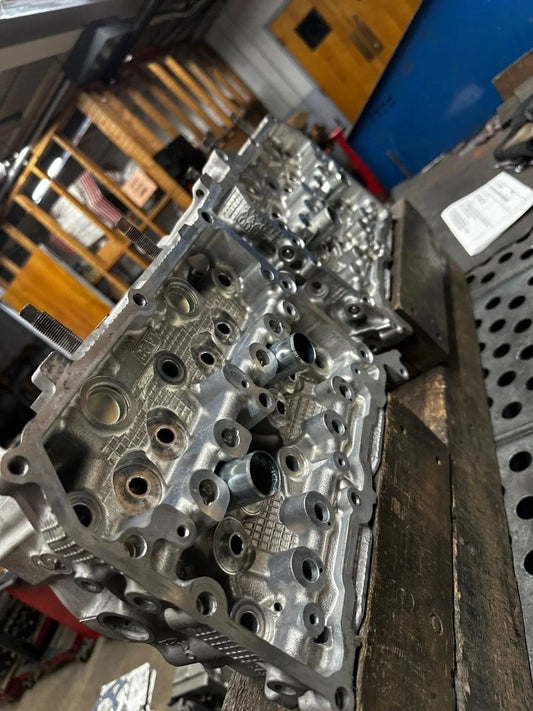
Think of a Subaru long block as a nearly complete, professionally assembled engine. It’s the heart of your vehicle, ready to be transplanted. When you’re facing a major engine overhaul or a serious performance build, a long block is often the most reliable and efficient path forward. It includes the core engine block, all the rotating internals like the crankshaft and pistons, and the fully assembled cylinder heads with their camshafts and valves.

This isn't just a collection of parts in a box; it's a precision-built unit. For enthusiasts looking to replace a failed motor or build a car that can handle significant power, starting with a Subaru long block provides a solid, worry-free foundation. Because the critical components are assembled in a controlled environment by experts, you avoid the common pitfalls of a driveway rebuild. It’s the smart choice for getting back on the road or track faster and with greater confidence in your engine’s durability.

Breaking Down the Components

A long block contains the entire short block assembly plus the complete cylinder heads. It starts with the "short block," which is the bottom end of the engine: the engine block itself, crankshaft, connecting rods, and pistons. The "long block" adds the top end components. This includes the cylinder heads, camshafts, valves, springs, and retainers, all pre-installed and torqued to spec.

Essentially, it’s a more complete engine package that’s nearly ready to drop into your Subaru. You’ll still need to add your intake and exhaust manifolds, turbo, and other accessories, but the complex internal assembly is already handled. This ensures that critical elements like valve timing and clearances are set correctly from the start.

Long Block vs. Short Block: Key Differences

The main difference between a long block and a short block comes down to completeness. A short block is just the engine's bottom end: the block, crank, rods, and pistons. It’s a great starting point if your cylinder heads are in good shape or if you plan to use custom heads for your build.

A long block, on the other hand, includes the short block plus the fully assembled cylinder heads. This makes it a much more comprehensive solution. Choosing a long block saves you the time and technical challenge of sourcing, inspecting, and assembling the heads yourself. For most builds, a long block simplifies the installation process and gets your car running sooner, with the added assurance that the entire engine was assembled as a single, cohesive unit.

Signs You Might Need a New Long Block

You might need a new long block for two primary reasons: catastrophic engine failure or a proactive performance upgrade. The signs of failure are hard to miss. If you hear a loud, rhythmic knocking sound (the infamous "rod knock"), notice your engine is consuming a lot of oil, or experience a major loss of power, your engine’s internal components are likely damaged beyond simple repair.

Alternatively, you may want a long block to prepare your car for more power than the factory engine can safely handle. If you’re planning to upgrade the turbo or make other significant modifications to your Subaru Crosstrek or Forester, a built long block provides the reinforced foundation needed to support that power reliably.

Finding the Perfect Subaru Long Block for You

Picking the right long block is the most important decision you'll make for your engine build. It’s the foundation for all your future performance goals. With so many options available, it’s easy to feel overwhelmed. Let's walk through the key factors to consider so you can choose a long block that perfectly matches your car and your driving ambitions.

Start by Matching Your Subaru Model

First things first, you need an engine that fits your car. While it might seem obvious, it's crucial to select a long block built specifically for your Subaru's model and year range. A block designed for a 2015+ Subaru WRX has different specifications than one for an older STI or a newer Crosstrek. This ensures a seamless fit, proper communication with your car's electronics, and optimal performance right from the start. Mixing and matching components from different series can lead to a cascade of compatibility issues and expensive custom fabrication. Always confirm the long block is engineered for your exact vehicle before you make a purchase.

Common Subaru Engine Codes (EJ vs. FA Series)

Subaru's boxer engines primarily fall into two families: the classic EJ series and the modern FA series. The EJ engine powered legendary models like the Subaru STI for decades and is known for its raw, high-revving character. The FA series, found in the 2015+ WRX, introduced newer technologies like direct injection for improved efficiency and a different powerband. It's critical to know that these engine families are not interchangeable. An FA long block won't fit in a car designed for an EJ engine without extensive custom work, and vice versa. They have different mounting points, wiring harnesses, and ECU requirements. Your choice of a long block must start with the correct engine series for your vehicle.

Confirming Model Year and Drivetrain Compatibility

Beyond the EJ or FA designation, you must confirm the exact model year and drivetrain compatibility. Subaru often makes small but significant changes between model years, even within the same generation. For instance, sensors, wiring connectors, and even accessory mounting points can differ between a 2008 and a 2014 WRX. These small variations can halt an installation in its tracks. Always verify that the long block you're considering is specified for your car's exact year range. Don't guess or assume. This step ensures that everything from the engine mounts to the electronic control unit will integrate correctly, saving you from a major headache and unexpected costs down the line.

What Do You Want From Your Engine?

What do you want your Subaru to do? The answer will guide your long block selection. A performance long block provides a strong core that’s ready to handle significant power, but the "right" one depends on your goals. Are you building a high-revving track car for weekend racing? Or are you equipping your Forester for rugged trails and need reliable torque for overlanding solutions? A daily driver that sees occasional spirited driving has different needs than a dedicated competition machine. Be honest about your intended use. This clarity will help you and your builder select a long block with the right components to achieve your vision without overspending on features you don't need.

Understanding Horsepower Ratings and Performance Tiers

When you see a long block advertised with a horsepower number, like "rated for 700 HP," it's easy to misunderstand. That number isn't what the engine produces out of the box; it's the maximum power it's engineered to safely handle. Think of it as the engine's structural limit. A long block is the foundation of your build, and you need one strong enough to support the power you plan to add with your turbo, fuel system, and engine tune. Choosing a block rated for 500 HP when you're aiming for 450 HP gives you a safety margin and ensures reliability. These higher-rated blocks use stronger internal components, like forged pistons and connecting rods, which is why they are essential for serious performance parts upgrades. Matching the block's rating to your power goals is the key to building an engine that lasts.

Why Precision Build Quality is Non-Negotiable

When you opt for a performance long block, you’re investing in its ability to handle stress. This is where build quality becomes non-negotiable. You’re getting an engine built with superior performance parts, like forged internals, which are much stronger than stock components. But the parts are only half the story. Precision assembly by experienced technicians is what truly sets a great engine apart. Meticulous measurements, correct clearances, and proper torque specs ensure all those high-end parts work together harmoniously. This attention to detail is what allows your engine to handle serious power reliably, giving you peace of mind when you're pushing your car to its limits.

Comprehensive infographic showing Subaru long block selection process with four main sections: component analysis featuring forged internals specifications, model compatibility verification with engine codes, supporting system requirements including fuel and turbo upgrades, and break-in protocol with specific mileage intervals and tuning parameters. Each section contains detailed technical specifications and actionable steps for engine builders and enthusiasts.

Don't Fall for These Common Long Block Myths

Let's clear up a few common myths. First, a long block itself doesn't create horsepower. It creates the capacity to handle more power safely. The impressive power figures you see come from supporting modifications like a larger turbo, an upgraded fuel system, and most importantly, professional engine tuning services. Another misconception is that a block rated for high horsepower is automatically reliable. Reliability comes from a combination of a quality build, a professional installation, a conservative tune for your goals, and proper maintenance. A 1,000-horsepower-capable block can still fail if it's not tuned correctly or if supporting systems can't keep up. Focus on a balanced and well-executed build.

Let's Talk Price: What Does a Subaru Long Block Cost?

When you start shopping for a Subaru long block, you'll find that prices for a quality aftermarket build typically range from $6,999 to $19,500. This isn't a random number; it reflects the quality of the components, the precision of the assembly, and the power levels the engine is built to handle. A builder who meticulously checks clearances and uses top-tier forged internals will naturally command a higher price than one who cuts corners. For reference, a new OEM Subaru long block often falls somewhere between $6,999 and $12,000, but it won't come with the performance-oriented internals needed for serious power gains.

Think of it as the foundation for your entire build. Investing in a well-built long block from a reputable builder ensures you have a reliable core that can handle the stress of added horsepower, whether you're on the track or a remote trail. The initial cost might seem high, but it's an investment in your vehicle's longevity and performance. A cheaper, poorly assembled engine can lead to catastrophic failure, costing you far more in the long run. Choosing the right long block is about balancing your budget with your performance goals and ensuring you get a dependable heart for your Subaru.

The Full Spectrum of Pricing

When you start looking at prices, you'll see a wide range, typically from about $7,000 to upwards of $19,500. That gap isn't just random; it directly reflects the engine's purpose and the quality of its internals. A long block at the lower end of that spectrum is often perfect for a reliable daily driver or a light-duty build, offering a solid upgrade over stock. As you move up in price, you're paying for premium performance parts like stronger forged pistons and connecting rods, plus the expert labor required for blueprinting and precision assembly. These higher-tier engines are engineered to withstand the extreme stress of high horsepower, making them the right choice for serious track or competition use. Ultimately, the price aligns with the power and reliability you can expect.

How Performance Goals Affect the Price

Your Subaru's stock engine is great for daily driving, but it was never designed to handle a significant increase in horsepower. This is where a performance-built long block comes in. To give your EJ or FA series engine the strength it needs for aggressive engine tuning services and upgrades, builders use forged internals. These high-strength pistons, rods, and crankshafts are a major reason for the price difference over a stock or rebuilt engine. You're paying for durability and the peace of mind that your engine won't fail when you push it hard. A long block built for 400 horsepower will have different, and likely less expensive, components than one engineered to reliably handle 800 horsepower.

Understanding the Final Price Tag

The price tag on the long block itself is just your starting point. The final cost of your project will depend on a few key things. First is the performance level you're aiming for; a daily driver build has different requirements than a dedicated track car. Your specific engine type also plays a role, as parts for a Subaru STI may differ in price from those for a Crosstrek. Finally, consider the installation. Are you doing it yourself, or will you need to factor in labor costs from a professional shop? Planning for these variables from the beginning will help you create a realistic budget and avoid any surprises down the road.

What Is a Core Charge (And Why We Don't Require One)

When you're shopping for major automotive parts, you'll likely come across the term "core charge." Think of it as a temporary deposit you pay upfront, which is refunded once you return your old, used part—the "core"—to the seller. While this is a standard practice for many companies, we decided to go a different route. At Crawford Performance, our goal is to make your build as smooth as possible. That's why we don't require a core charge for our performance long blocks. Each one is built fresh with brand-new, high-strength components, not refurbished parts. This approach saves you from dealing with extra fees and the hassle of shipping a heavy engine, letting you focus on what matters: creating your ultimate Subaru.

Don't Forget to Budget for Supporting Mods

A new long block should never be installed in isolation. At a minimum, you need to budget for fresh gaskets, seals, fluids, and timing components to ensure a clean and reliable installation. Beyond that, a powerful engine needs a supporting cast of high-quality performance parts to function correctly. Your stock fuel system, turbo, and cooling system may not be able to keep up with the demands of your new engine. Upgrading these components isn't just about making more power; it's about protecting your investment and ensuring the entire system works together harmoniously. Factoring these modifications into your budget from the start is the smart way to build a powerful and dependable Subaru.

The Anatomy of a High-Performance Subaru Long Block

A true high-performance long block is more than just a collection of parts; it's a purpose-built foundation engineered for power. While a stock engine gets you from point A to point B, a performance long block is designed to handle the stress that comes with significant horsepower gains. It doesn't create the power itself, but it creates the capacity to handle that power safely and reliably. Think of it as the reinforced skeleton that supports all your other modifications, from a larger turbo to an aggressive tune. Without this solid base, you’re risking engine failure when you start pushing for more performance.

A Look at the Crawford Performance Build Philosophy

The core advantage of a performance-built long block is its strength. Stock engines are not designed to handle a dramatic increase in horsepower. A performance long block, built specifically for your EJ or FA series engine, uses forged internals to provide the necessary durability for serious tuning and upgrades. This means that instead of using cast factory parts, we use stronger, forged components that can withstand higher pressures and temperatures. This robust construction is what allows you to confidently add other performance parts and extract the full potential from your Subaru without worrying about the engine’s integrity.

The Advantage of Custom-Built Engines

Opting for a custom-built engine gives you the advantage of a powertrain designed specifically for you. A stock motor is a one-size-fits-all solution for daily driving, but a custom engine is tailored to your exact performance ambitions. Whether you're building a track-focused Subaru STI that needs to handle high RPMs or a rugged Crosstrek built for demanding overlanding solutions, every component is chosen with your end goal in mind. This customization ensures that the engine's internals, from the pistons to the camshafts, work together as a cohesive, high-strength unit. The result is not just more power, but more reliable and usable power, giving you a foundation that’s perfectly matched to your driving style and built to last.

Is an OEM Long Block Good Enough?

An OEM long block is engineered for daily driving and factory specifications. It’s built to be reliable and efficient under normal conditions, but it has its limits. When you start modifying your car for more power, you quickly exceed what the stock components were designed to handle. Pushing a factory block with aggressive engine tuning services or a bigger turbo can lead to catastrophic failure. A performance long block, on the other hand, is built from the ground up for this exact purpose. It’s the difference between a reliable daily driver and a machine built to perform.

Quality Check: Features to Look For

When you're shopping for a long block, remember that the block itself doesn't create horsepower; it creates the capacity to handle it. The real gains come from your supporting modifications and tune. High-quality long blocks are defined by their components and craftsmanship. Look for key features like forged pistons, forged connecting rods, and performance bearings. These parts are essential for durability under high stress. Precision machining and meticulous assembly are just as important, ensuring proper clearances and a balanced, reliable engine. These are the details that allow your Subaru WRX upgrades to work in harmony, delivering power you can count on.

Closed Deck Block Reinforcement

The factory Subaru EJ series engine features an "open-deck" design, meaning there are gaps around the tops of the cylinder walls for coolant flow. While this is perfectly fine for stock power levels, it becomes a weak point under high boost. The immense pressure can cause the cylinder walls to flex or even crack. Closed deck reinforcement solves this by inserting a precisely machined plate into the block, filling those gaps and creating a solid, continuous surface. This process dramatically strengthens the engine block, providing the structural integrity needed to handle the extreme cylinder pressures of a high-horsepower build. It’s a foundational step for anyone serious about building a reliable engine for their Subaru STI that can withstand intense use.

The Power of CNC Ported Cylinder Heads

If the engine block is the heart, the cylinder heads are the lungs. For an engine to make more power, it needs to breathe better. That’s where CNC ported cylinder heads come in. This process uses a computer-controlled machine to reshape and smooth the intake and exhaust ports inside the heads. It removes casting imperfections and optimizes the pathways for air and fuel to enter and exhaust gases to exit the combustion chamber. The result is a significant improvement in airflow efficiency. This allows your engine to take in a larger volume of air-fuel mixture, which, when combined with professional engine tuning services, translates directly into more horsepower and a more responsive engine.

Forged Internals from Trusted Brands

The components inside your stock engine, like the pistons and connecting rods, are typically "cast," which is a cost-effective manufacturing method. However, cast parts are not strong enough to handle the forces inside a high-output engine. Performance long blocks use "forged" internals. Forging involves shaping metal under extreme pressure, creating components that are incredibly dense and strong. These forged pistons, rods, and crankshafts can withstand the violent pressures and high RPMs of a modified engine. When you invest in a built long block, you are paying for these superior performance parts and the peace of mind that comes with knowing your engine's core is built to last.

Your Pre-Purchase Checklist

Making the decision to buy a new long block is a big step, and you want to make sure you get it right. A little research upfront can save you from major headaches down the road. Before you finalize your purchase, there are a few key areas to focus on: the warranty that backs the engine, the reputation of the builder you're buying from, and the critical steps for installation and break-in. Getting these details straight ensures your investment is protected and that your Subaru performs exactly as you envisioned.

What Does Your Warranty Actually Cover?

A warranty on a performance engine is the builder's promise of quality. When you're investing in a high-performance Subaru long block, you need to know what that promise covers. A good warranty protects the core components: the engine block, cylinder heads, and internals like pistons and rods. Look for a term of at least 12 months or 12,000 miles, as this shows the builder's confidence in their work. Also, be clear on what could void your coverage. An improper installation, skipping the recommended break-in procedure, or using the wrong fluids can leave you without protection.

Exploring Extended Warranty Options

While a standard warranty is essential, some builders go a step further by offering extended coverage options. Think of this as an extra layer of security for what is one of the most significant investments you'll make in your vehicle. When evaluating these options, check if they extend the same level of protection for core components like the block, heads, and forged internals. For example, a comprehensive 12-month/12,000-mile engine warranty is a strong signal that the builder stands behind their craftsmanship and the quality of their performance parts. This kind of commitment isn't just about a piece of paper; it's a direct reflection of the builder's confidence in the engine's long-term reliability and performance.

Research the Builder and Their Policies

Before you buy, double-check that the long block is a perfect match for your Subaru. Confirm the engine size (like 2.5L or 2.0L) and whether it’s built for a turbo or non-turbo setup. Beyond the specs, take time to research the builder's reputation. Look for genuine customer reviews and see how transparent they are about their process. A builder who provides a detailed list of the performance parts used in their engines is showing confidence in their work and the quality of their components. This transparency helps you know exactly what you're getting.

Assessing Builder Experience and Reputation

When you're shopping for a long block, remember that the block itself doesn't create horsepower; it creates the capacity to handle it. The real gains come from your supporting modifications and tune. High-quality long blocks are defined by their components and craftsmanship. Look for key features like forged pistons, forged connecting rods, and performance bearings. These parts are essential for durability under high stress. A reputable builder will be transparent about the performance parts they use and their assembly process. Seek out specialists who are deeply experienced with Subaru engines, as their focused expertise translates into a more reliable and powerful engine for your specific build.

Checking for Customer Perks and Safety Notices

A warranty on a performance engine is the builder's promise of quality. When you're investing in a high-performance Subaru long block, you need to know what that promise covers. A good warranty protects the core components: the engine block, cylinder heads, and internals like pistons and rods. Look for a term of at least 12 months or 12,000 miles, as this shows the builder's confidence in their work. Also, pay close attention to the requirements for maintaining that warranty. Most builders will require a professional installation and a specific break-in procedure, followed by professional engine tuning services to ensure the engine operates safely and reliably.

Shipping Logistics: Crates, Fees, and Lead Times

The final step before your build begins is getting the engine to your door. A long block is a heavy, high-value item that requires special handling. Reputable builders will ship their engines in a secure, custom-built crate to prevent damage during transit. Be sure to ask about shipping costs, which will be calculated as freight, and the estimated lead time for your build and delivery. This isn't an off-the-shelf part, so patience is key. Investing in a well-built long block from a reputable builder ensures you have a reliable core that can handle the stress of added horsepower, whether you're on the track or exploring remote overlanding solutions.

Your Guide to Installation and Break-In

Your new engine's long-term health depends heavily on proper installation and break-in. The first 1,000 to 1,500 miles are the most critical. During this time, new components, especially the piston rings, need to seat correctly against the cylinder walls. This process is essential for achieving the best power, oil control, and overall engine life. Rushing this step can compromise the entire build. Once the break-in period is complete, a professional tune is not just recommended; it's a necessity. An expert engine tuning service will ensure your new long block runs safely and efficiently, adjusting the ECU to work perfectly with all the new parts.

The Benefit of Pre-Installation Services

Choosing to have parts pre-installed on your long block can make your engine swap much smoother. Reputable builders often provide services that bundle all the necessary components—like gaskets, seals, and fluids—ensuring you have everything on hand for a successful installation. This approach saves you from the frustrating mid-project realization that you're missing a critical part, which can halt progress and cause unnecessary delays. Opting for this service streamlines the entire process, whether you're a seasoned DIYer or handing the project over to a professional mechanic. It simply removes the guesswork and lets you focus on getting your Subaru back on the road or trail with confidence.

Simplifying with Complete Installation Kits

A complete installation kit is designed to make installing your new long block as straightforward as possible. These kits gather all the essential performance parts and fluids you need, so you or your mechanic can get straight to work without the headache of sourcing dozens of individual components. This comprehensive approach not only saves a significant amount of time but also guarantees that every part is compatible and high-quality. When you're working on a precision machine, having a kit where every seal and gasket is correct for your specific engine is invaluable. It’s a simple step that ensures all the pieces fit together perfectly, protecting your investment from the start.

Related Articles

Explore Parts

Frequently Asked Questions

Does a new long block automatically add horsepower? No, a long block itself does not create horsepower. Think of it as a strong foundation that is built to safely handle more power. The horsepower gains come from the supporting modifications you pair with it, such as a larger turbo, an upgraded fuel system, and, most importantly, a professional engine tune. The long block provides the durability to ensure your engine can withstand the stress of those upgrades without failing.

Why should I choose a long block over a short block? A long block is a more complete and convenient solution for most builds. It includes the entire short block (the engine's bottom end) plus professionally assembled cylinder heads. This saves you the significant time and technical challenge of sourcing, inspecting, and correctly installing the heads yourself. Choosing a long block ensures the critical components of your engine were assembled together in a controlled environment, which greatly simplifies your installation process.

What other parts do I absolutely need to buy with my long block? Installing a new long block is the perfect time to replace several key items. At a minimum, you should budget for a complete engine gasket kit, new seals, all new fluids, and essential timing components like the timing belt or chain and water pump. To get the most out of your new engine, you should also assess your supporting systems. Your stock fuel pump, injectors, and turbo may not be sufficient for your power goals, so plan for those upgrades from the start.

Is a performance long block worth the cost over a stock OEM engine? If you plan on increasing your Subaru's horsepower beyond its factory rating, then yes, a performance long block is absolutely worth it. A stock engine uses components that are only designed to handle factory power levels. A performance long block is built with stronger, forged internal parts specifically to manage the increased stress from aggressive tuning and bigger turbos. This investment in durability is what gives you a reliable engine that won't fail when you push it.

What happens if I skip the engine break-in and professional tune? Skipping the break-in procedure and a final tune is a recipe for catastrophic engine failure. The initial miles are critical for allowing the piston rings to properly seat against the cylinder walls, which ensures optimal compression and engine longevity. After the break-in, a professional tune is required to calibrate the engine's computer to the new components. An untuned engine can run dangerously lean or rich, which can destroy your investment in a matter of minutes and will likely void your warranty.

Back to blog