

Subaru FA24 reliability mods for daily power
A fast daily-driven VB WRX fails when peak power outruns oil control, cooling, and tune quality. Protect the engine first, then add power the whole system can support.
Shop Crawford WRX and STI parts to build daily power on a reliability-first foundation.
Subaru FA24 reliability mods should begin with crankcase oil control, sound lubrication, stable temperatures, and a conservative calibration built around a clear power target. For a street-driven 2022-present WRX, an air-oil separator or serviced catch can helps limit intake oil, while disciplined oil service and cooling manage added load. Crawford Performance treats Crawford Performance Subaru AOS systems on modern turbocharged Subarus, but no bolt-on can rescue an aggressive tune, poor fuel, or neglected maintenance. Supporting airflow, intercooler, and fueling parts should follow the tuner's requirements, not a shopping list built around peak horsepower. When the intended power and use exceed the stock engine's dependable limits, choose properly engineered internals instead of asking the factory block for more.
The core question is not whether the FA24 can make more power, but how much performance your daily use can justify. Subaru FA24 reliability mods start with the right power goal, because that decision sets the tune, supporting hardware, and point where stock internals stop making sense. Here's how.
Subaru FA24 reliability mods start with the right power goal
Summary: Set a conservative daily power target first, then choose reliability parts that support that target instead of chasing peak numbers.
Subaru FA24 reliability mods work best when every part serves a stated power goal and use case. A daily WRX needs smooth cold starts, steady temperatures, and useful midrange torque. Define those needs before choosing an intake, exhaust, tune, or engine part.
Power target before parts
Start with a wheel-horsepower target, not a shopping list. Most tuners advise caution beyond 400 to 450 WHP on the stock FA24 block. That range is not a promise that every stock engine will survive. Fuel quality, tune quality, heat, maintenance, and driving style all change the risk.
A conservative target keeps the build focused on repeatable power rather than one peak dyno result. It also leaves room for poor fuel, hot weather, and normal wear. Higher targets call for a new plan that may include fuel system work, stronger internals, and closer service intervals.
Daily-driver use case
Write down how the car will be used each week. A commuter with occasional back-road runs faces different loads than a track car. The right plan accounts for traffic, long highway trips, winter starts, and the fuel sold near home.
- Set a realistic wheel-horsepower range and torque goal.
- List the fuel grade that will always be available.
- Note track days, autocross events, towing, or hard launches.
- Choose the service schedule you can follow without fail.
- Keep a reserve for cooling, oil control, and monitoring.
Heat control belongs in the plan from the start. Research on engine cooling systems shows that pump control affects coolant flow and thermal management. This cooling water pump study supports a system-level view, rather than treating cooling as an afterthought.
A staged reliability plan
Build in stages so each change can be checked before the next one. Begin with maintenance, baseline logs, and a health check. Then add matched supporting parts and a tune built for the stated fuel and use. Review logs, oil condition, and temperatures after each stage.
Race experience is useful because it exposes weak links, but a daily build should not copy a race setup. Crawford applies that engineering background to street-focused FA24 decisions. Owners considering higher targets can review how an FA24 engine builder for reliability approaches parts, clearances, and daily use.
The final parts list should follow the goal, not set it. If the target changes, reassess the tune, fuel supply, cooling, oil control, and engine internals together. That discipline keeps added power useful and makes reliability easier to manage.
Should your FA24 WRX use an AOS or a catch can?
Summary: An AOS is the cleaner daily-driver solution for many WRX owners, while a catch can only works if it is drained and inspected consistently.
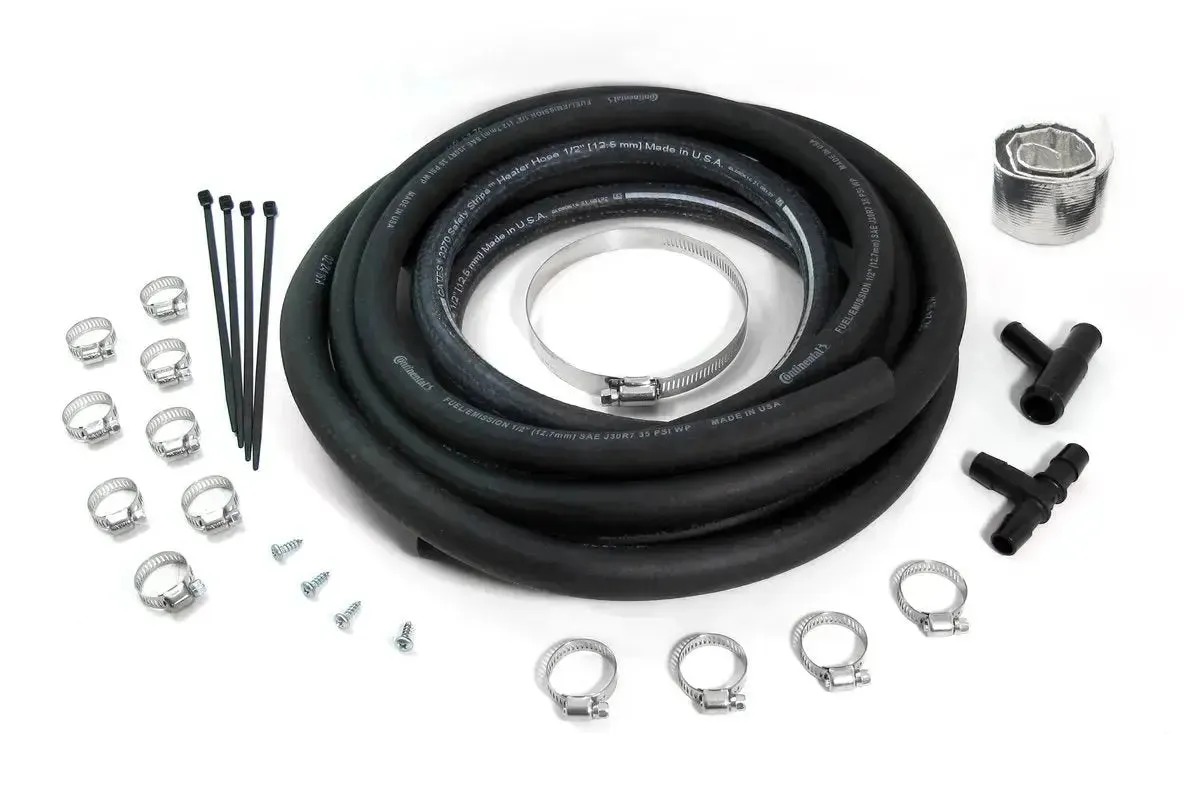
An air oil separator (AOS) and a catch can address the same basic issue. Both manage oil vapor carried through the FA24 WRX crankcase ventilation system. The right choice depends on maintenance habits, climate, power goals, and how the car is used.
For most daily drivers, an AOS is the more practical long-term choice because it separates oil vapor and returns collected oil to the engine. A catch can is simpler, but the owner must inspect and drain it on schedule. Either option can support a plan built around Subaru WRX motor reliability mods.
How each system controls oil vapor
Some combustion gas moves past the piston rings and enters the crankcase during normal operation. The ventilation system routes that gas back toward the intake. An AOS or catch can gives suspended oil droplets a place to separate before the gas continues.
. . . . . . .| Comparison point. | Air oil separator. | Catch can. |
|---|---|---|
| Oil handling. | Returns separated oil to the engine. | Stores oil for manual draining. |
| Routine care. | Low after proper installation. | Needs frequent level checks. |
| Install. | More hoses and routing. | Often simpler and easier to inspect. |
| Cold-weather use. | Heated designs suit year-round driving. | Collected moisture needs close checks. |
| Best fit. | Daily drivers and sustained higher load. | Hands-on owners and focused builds. |
Daily driving and cold weather
A catch can makes inspection easy because the captured fluid stays in a visible reservoir. That benefit also creates a maintenance duty. Owners must check the can often enough to prevent it from filling, especially when short cold trips add moisture.
A well-routed, heated AOS is usually easier to live with through winter because it helps keep separated fluid moving. Correct hose routing still matters. Crankcase hoses should not kink, sag, or sit where ice can block flow.
Thermal control also affects engine durability as a whole. Research on variable-speed engine cooling systems shows why stable operating temperature deserves attention. An AOS should work with the cooling and oiling plan, not act as a stand-alone fix.
Choosing for your FA24 build
Choose an AOS for a street-driven WRX when low upkeep and year-round use matter most. It suits owners who want oil vapor control without adding a drain task. Use a kit designed for the FA24, and verify every connection after installation.
Choose a catch can when you want to inspect what the crankcase system collects. It can fit a hands-on build where regular checks are already routine. A higher-boost setup may need a more complete ventilation plan, based on measured use and engine condition.
Neither system corrects a poor tune, worn parts, or blocked factory ventilation. As power goals rise, review the full engine package and the limits of stock parts. Crawford's guide to FA24 long block reliability explains when stronger internal parts become part of that plan.
Oiling upgrades protect the FA24 under real driving loads
Summary: Fresh oil, pressure awareness, and realistic service intervals matter more than exotic parts for most daily FA24 builds.
Oiling is one of the most practical areas to address when planning Subaru FA24 reliability mods. The goal is not to assume the engine has a flaw. It is to keep clean oil moving at stable pressure as heat, speed, and cornering loads rise.
Oil quality and service timing
Start with the oil grade and spec listed for your 2022+ WRX, then choose a proven product that meets them. Check the level often, since even good oil cannot protect the engine when the sump is low. Record each change so trends do not depend on memory.
The factory service interval is a baseline, not a rule for every use case. Short trips, repeated boost, hot weather, and track days can place more stress on the oil. In those cases, inspect it sooner and set the change interval with help from a qualified Subaru shop.
Pickup and baffle decisions
An upgraded pickup or pan baffle may add useful margin when the car sees long, fast corners or hard braking. A pickup draws oil from the sump, while a baffle helps control how oil moves inside the pan. These parts should match the FA24 oil pan and planned use.
Installation quality matters as much as the hardware. Sealing errors, poor clearance, or loose fasteners can create problems that the upgrade was meant to avoid. Owners comparing oiling work with other Subaru WRX motor reliability mods should review the full system before ordering parts.
Pressure and temperature awareness
Oil pressure and temperature data turn driving conditions into useful feedback. A clean gauge or data log can show how the system behaves after warm-up and during sustained load. Research on vehicle fault detection also supports the broader value of monitoring operating data for spotting changes.
Do not react to one reading without context. First confirm sensor quality, placement, oil level, and the expected range for the setup. Then look for repeatable changes at the same oil temperature and engine speed.
- Street use: watch oil level, leaks, service history, and normal warm-up behavior.
- Canyon use: review temperature and pressure after repeated pulls and sustained cornering.
- Track use: inspect before each event, log each session, and review the data between runs.
A daily-driven WRX may never need the same oiling hardware as a track car. The right plan follows measured load, not a parts checklist. If use or power goals change, reassess the system before pushing the car harder.
Cooling mods keep daily power consistent
Summary: Cooling upgrades should stabilize charge air and fluid temperatures so the tune stays repeatable in traffic, heat, and spirited driving.
Cooling margin before peak output
A daily-driven FA24 WRX must repeat the same pull after traffic, a highway climb, or a hot restart. Cooling upgrades create thermal margin, so the tune has stable conditions instead of chasing one cool-weather peak number. Research on automotive cooling systems also shows that coolant flow and fan control shape engine temperature management. That makes engine cooling system performance a core reliability concern.
Start by logging coolant temperature, oil temperature, and intake air temperature on the stock setup. Test during the driving that matters, not only during a short dyno pull. Rising temperatures that fail to settle point to a cooling limit. Stable readings give the tuner a sound base for making repeatable power.
Radiator, intercooler, and oil cooling roles
The radiator controls coolant heat, while the intercooler manages the temperature of compressed intake air. Each solves a different problem. A larger radiator may help coolant recover after load, but it cannot fix a heat-soaked intercooler. Good ducting, sealed airflow paths, and healthy fans also matter because air must pass through each core.
- Inspect the radiator, cap, hoses, coolant level, and fan operation before buying larger parts.
- Log intake air temperature before and after repeated pulls to judge intercooler recovery.
- Consider an oil cooler when logs show oil temperature climbing during sustained load.
- Protect exhaust-side wiring, hoses, and nearby parts with sound heat shields and routing.
Oil cooling needs the same measured approach. Oil that stays too cool during short trips can be as unhelpful as oil that runs too hot. A thermostatic setup helps preserve warm-up behavior while adding margin under load. The right choice depends on climate, use, and verified temperature data.
Heat management as a system
Intake temperature control extends beyond the intercooler core. An intake that pulls hot engine-bay air can raise temperatures before boost begins. Heat shields, intact undertrays, clean cores, and clear airflow paths can improve consistency without changing the power target. These supporting checks belong beside other Subaru WRX motor reliability mods.
Use logs to confirm each change. Compare similar routes, ambient conditions, boost levels, and pull lengths. Watch how quickly coolant, oil, and intake temperatures recover after load. If one value keeps climbing, fix that limit before asking for more torque. This system-first method keeps Crawford WRX and STI parts cooling choices focused on repeatable daily power.
Protect your FA24 before chasing boost with Crawford Subaru air-oil separator options.
Why conservative tuning matters more than peak boost
Summary: A conservative tune protects the FA24 by managing torque, fuel quality, knock control, and heat instead of maximizing boost for a dyno sheet.
A reliable daily-driver tune is not built around the highest boost number shown on one pull. It is built around repeatable torque, stable fueling, and safe operation across changing road conditions. Among Subaru FA24 reliability mods, careful calibration is the part that makes every other upgrade work as intended.
A usable torque curve
The FA24 can make strong low-speed torque, but an abrupt surge places a sharp load on the engine and drivetrain. A conservative tuner shapes a smooth rise instead of chasing the earliest possible boost hit. The result is easier to control in traffic and more consistent during repeated acceleration.
Boost targets should also stay stable as engine speed, air temperature, and load change. The tuner must leave enough fuel-system headroom to avoid running injectors near their limit. Quality fuel from a trusted source helps the calibration deliver the knock resistance it expects.
A data-led tuning process
Data logging turns a tune from an assumption into a measured system. Research on data-based vehicle fault detection shows how operating data can help find abnormal behavior. For an FA24, useful logs include boost, fuel trims, air-fuel ratio, ignition timing, and knock-related values.
A single clean pull does not prove that a tune is ready for daily use. Logs should cover warm starts, part-throttle driving, highway load, and controlled full-throttle runs. The tuner can then adjust boost control, fueling, and timing where the data shows a weak margin.
- Set a clear power goal based on daily use, available fuel, and the engine's current condition.
- List every installed part, then confirm that the tune matches the intake, exhaust, boost-control hardware, and fuel system.
- Check for leaks, worn plugs, fluid issues, and fault codes before any tuning pull.
- Log normal driving first, then add controlled load while watching fuel, boost, timing, and knock values.
- Review fresh logs after fuel changes, new parts, harsh weather, or any change in how the car runs.
Parts and tune as one system
A calibration is only safe for the exact hardware and fuel used during tuning. An intake, downpipe, boost-control part, or fuel change can alter airflow and combustion. Do not add a part and assume the current map will adapt safely.
Power goals must also respect the mechanical package. If the target moves beyond a sensible stock-engine range, assess the need for stronger internals and supporting systems. Crawford's guide to FA24 long block reliability explains the engineering behind that next stage.
Peak boost is one data point. A smooth torque curve, steady fuel supply, controlled knock response, and repeatable logs provide a better view of tune quality. That engineering-led approach protects drivability while leaving room for the engine to handle heat, fuel variation, and daily use.
Which supporting parts matter before bigger power?
Summary: Supporting parts should be selected around the tuner's airflow, fuel, and temperature requirements, not added randomly.
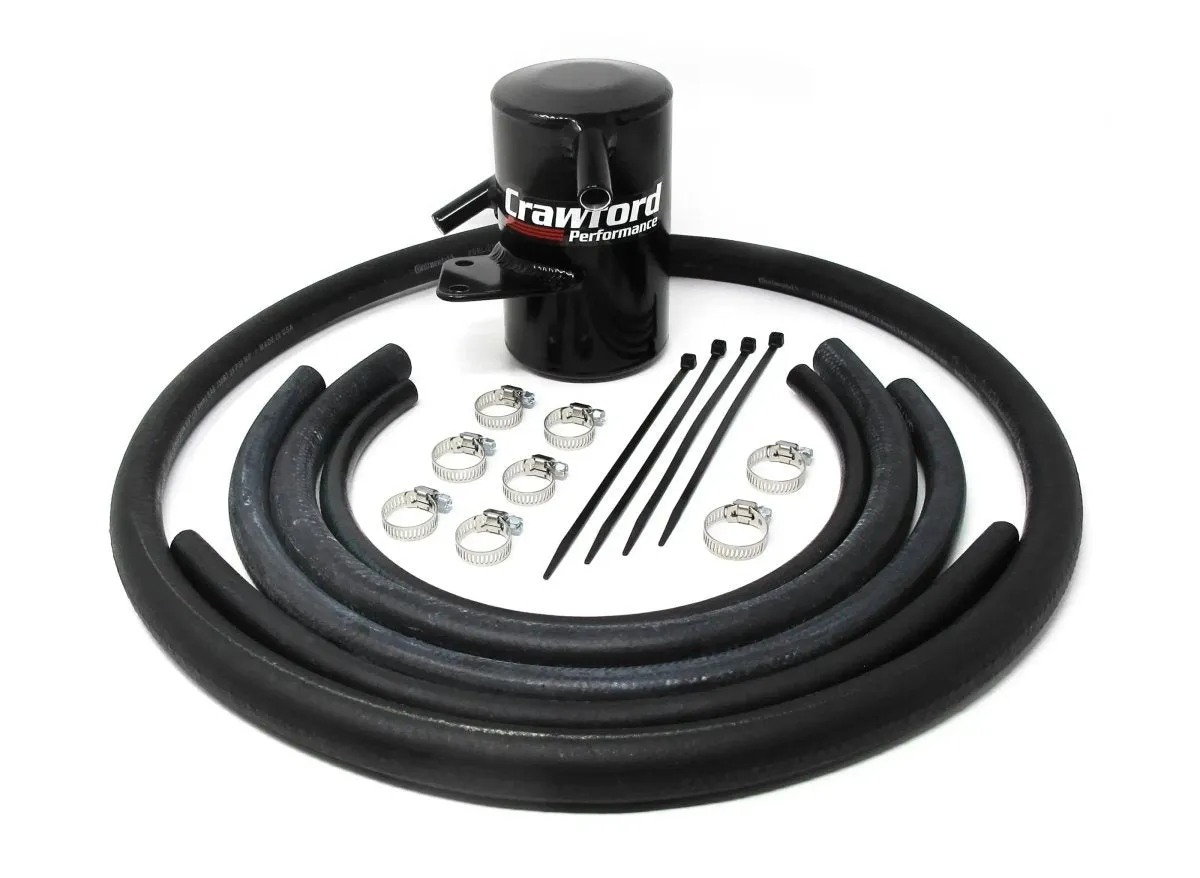
Reliable daily power comes from treating the WRX as one system, not a set of unrelated bolt-ons. Each part should match the tune, fuel, driving use, and service plan. This system-first approach is central to practical Subaru WRX motor reliability mods.
Airflow parts that match the tune
An intake or exhaust can change airflow, sound, and response. It can also change the data that the engine control unit uses. Choose parts supported by the tuner, then install and test them before adding another change.
Use the correct spark plug type and gap for the planned boost and tune. Inspect plugs during service because they can reveal heat, deposits, or uneven running. Do not pair a high-flow intake, restrictive exhaust section, and aggressive tune without checking how they work together.
- Confirm that intake sizing matches the tune and sensor setup.
- Check exhaust fit, clearance, and leak points after heat cycles.
- Set spark plug choice and gap with the tuner.
- Add firmer engine or transmission mounts only where movement causes a clear problem.
Monitoring before more boost
Useful monitoring shows whether the setup stays healthy during normal trips and hard pulls. Track the values your tuner requests, such as boost, fuel corrections, oil temperature, and coolant temperature. A warning light alone may not show a problem early enough.
Data only helps when the readings are consistent and reviewed. Research on data-based vehicle failure detection shows why collected operating data can help flag faults. Use sound sensors, clean grounds, and stable wiring so false readings do not hide a real issue.
Grip, stopping, and the complete package
Power is only useful when the car can put it down and stop with control. Tires should suit the weather, road, and torque target. Fresh brake fluid, sound pads, and healthy rotors matter before repeated fast-road use.
Driveline mounts can limit unwanted movement and sharpen shifts, but stiff mounts may add noise and vibration to a daily car. Select them for a known need, not as a default purchase. The same rule applies across the build: avoid mismatched parts and unclear goals.
Once the target moves beyond a sensible bolt-on package, review the engine plan before buying more supporting hardware. An experienced FA24 engine builder for reliability can help define where a daily setup ends and a larger build begins.
When should an FA24 WRX upgrade internals?
Summary: Upgrade internals when the power goal, duty cycle, or risk tolerance exceeds what the stock FA24 should reasonably handle every day.
For a daily-driven FA24 WRX, internals should follow a clear use case, not a parts trend. Keep the stock long block when the tune stays conservative, logs remain clean, and temperatures stay controlled. Consider a built engine when the desired output or repeated load removes that margin.
Power goals and tuning margin
Start with the power and torque target, then ask how often the car must deliver it. A brief street pull creates a different load than repeated laps or long uphill runs. An experienced FA24 engine builder for reliability can match the internal parts, clearances, and compression plan to that real use.
Stop stacking bolt-ons when the next gain depends on an aggressive tune with little room for poor fuel or high intake temperatures. The same rule applies when the fuel system, turbo, or cooling setup cannot support the target. A safe tune cannot fix a hardware package that has reached its useful limit.
Heat and repeated hard use
Track time changes the decision because the engine sees load again before it can shed the last round of heat. Research on engine cooling shows that pump speed and thermal control affect cooling performance. That makes engine cooling management part of the build plan, not an afterthought.
Review logs after hard use instead of judging the engine by a single dyno pull. Rising oil or coolant temperatures, unstable fuel pressure, knock activity, and falling oil pressure all deserve attention. Repeated warning signs call for diagnosis before another power part goes on the car.
- Keep the stock internals when logs remain stable and the car meets its goal without an aggressive calibration.
- Improve cooling, oil control, and fuel supply before assuming forged parts will solve every limit.
- Plan internals when repeated track use or sustained load leaves too little safety margin for daily service.
- Inspect the current engine before building it, especially after overheating, low oil pressure, or ongoing knock.
Choosing the right build scope
An internal upgrade can range from a focused short-block plan to a complete built long block. The right scope depends on current engine health, target output, fuel, turbo choice, and intended service. Define those items before selecting pistons, rods, bearings, or machine work.
A complete FA24 long block reliability plan makes sense when the owner wants one matched assembly and a clear path for future power. A smaller build may suit a fixed goal with proven supporting systems. In either case, tuning and break-in should be planned before installation.
For a daily WRX, the key question is not whether forged internals sound safer. Ask whether the stock engine still provides enough margin for the target, fuel quality, climate, and use. Upgrade when measured limits and future plans justify the cost and added build complexity.
Browse Crawford Subaru performance parts before planning your next WRX upgrade.
Frequently Asked Questions
Is the Subaru FA24 engine reliable?
The turbocharged FA24 in the 2022-present WRX can be a reliable daily-driver engine when it receives proper maintenance and a conservative tune. Reliability depends on the complete setup, not one part. Owners adding power should protect oil control, manage heat, use adequate fueling, and monitor operating data. Aggressive torque targets or mismatched supporting parts increase stress and reduce the margin for error.
What are common FA24 engine problems?
Commonly discussed FA24 concerns include oil pan leaks, intake-valve carbon buildup from direct injection, and oil starvation during aggressive driving. Not every engine develops these problems, and the risk varies by FA24 version and vehicle use. WRX owners should check oil level regularly, investigate leaks promptly, follow an appropriate maintenance schedule, and monitor oil pressure and temperature during demanding use.
How much horsepower can a stock FA24 handle?
There is no universal safe horsepower limit for a stock FA24 because fuel, torque delivery, heat, maintenance, and calibration all affect durability. As a planning reference, tuners commonly advise caution beyond 400 to 450 wheel horsepower on the stock block. The factory direct-injection system may also approach its limit around 350 to 400 wheel horsepower on pump gas.
Is the FA24 more reliable than the FA20?
The FA24 offers a stronger starting point for many daily-driven WRX builds, with more displacement and improved low-speed torque. However, it is newer than the FA20, so it has less long-term field data. Neither engine is automatically reliable after modification. Parts selection, oil and cooling control, maintenance, fuel quality, and a conservative calibration usually matter more than the engine family alone.
Ready to Build a Better Daily-Driven WRX?
Waiting to address oil control, cooling, and tuning can leave a daily-driven WRX exposed to avoidable heat, wear, and inconsistent performance. Starting now gives you time to build a balanced setup before higher power adds more stress to the FA24. A clear plan also prevents mismatched parts, repeated labor, and upgrades that exceed the stock engine's role in your build.
Ready to build your WRX around reliable daily performance? Shop Crawford Performance Subaru WRX and FA24 parts to compare AOS, engine, and supporting options for your next upgrade stage. Start with the parts that support your current goals, then leave room for cooling, tuning, and internal upgrades later. Contact Crawford Performance before ordering if you need help matching parts to your power target, current setup, and future plans.