

The Ultimate Crosstrek Exhaust Upgrade Guide
You love your Crosstrek's capability, but do you ever feel like there's more performance hiding under the hood? You're right. The stock exhaust system restricts your engine's ability to breathe, muting its sound and softening throttle response. A high-quality Subaru Crosstrek exhaust upgrade is one of the best ways to fix this. By reducing backpressure, it allows the engine to work more efficiently. The result? A more responsive feel, a modest bump in horsepower, and a sound that finally matches your car's personality. It's a functional modification that makes every drive better.
Key Takeaways
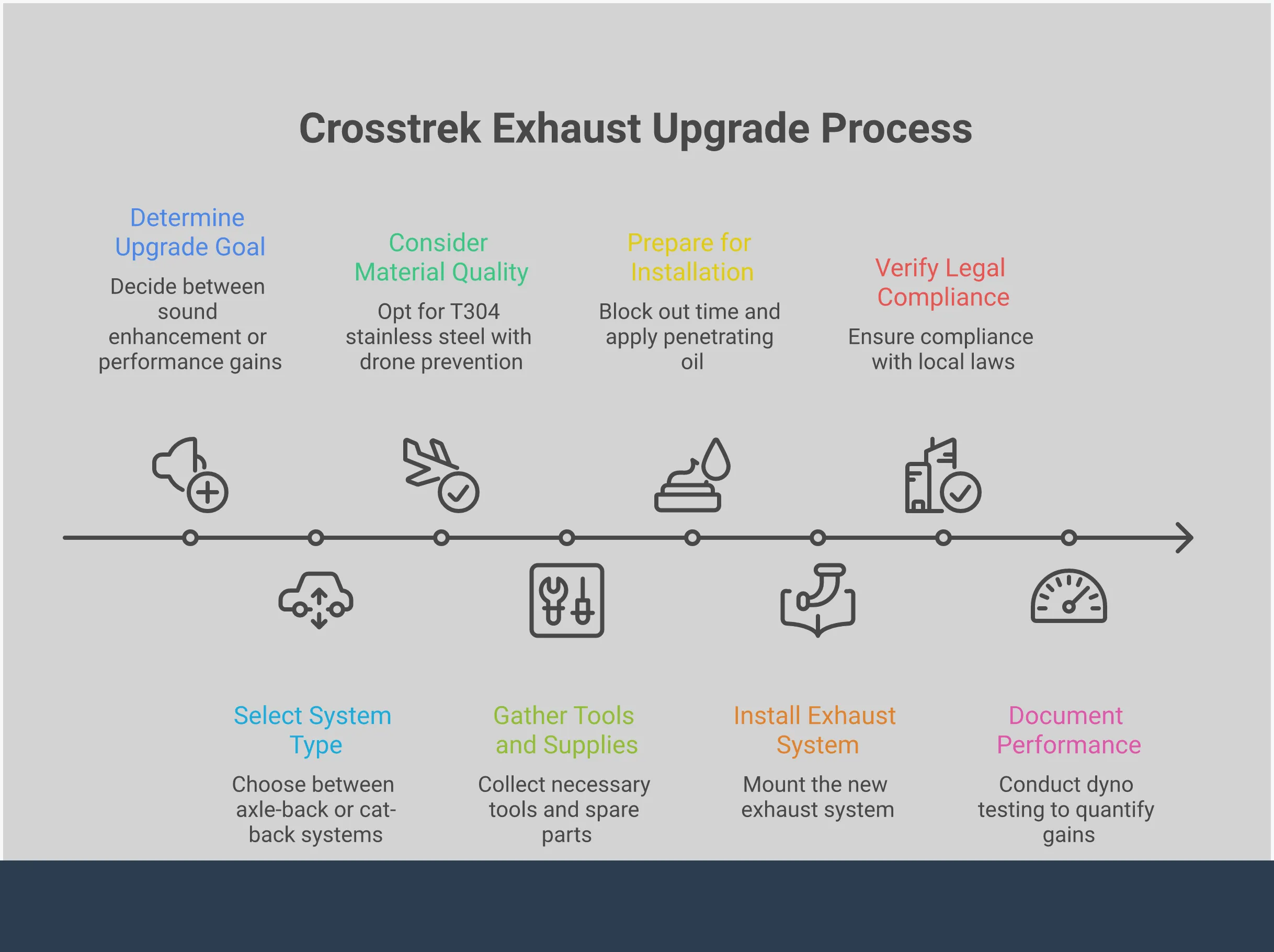
- Choose Your Upgrade Based on Sound vs. Performance: An axle-back system is your quickest path to a better exhaust note, while a full cat-back system provides a more significant improvement in both sound and engine response by improving overall exhaust flow.
- Invest in Quality for a Better Driving Experience: Look for systems made from T304 stainless steel for longevity and select a brand known for engineering drone-free exhausts. A quality system sounds aggressive when you want it to, without creating annoying noise inside the cabin during your commute.
- Confirm Fitment and Local Regulations Before Buying: Double-check that the exhaust is designed for your Crosstrek’s specific year and model. A quick search of your local noise and emissions laws will ensure your new upgrade is both enjoyable and street-legal.
Why Upgrade Your Crosstrek's Exhaust?
If you’re looking to get more out of your Subaru Crosstrek, the exhaust system is one of the most rewarding places to start. Your stock exhaust is designed to be quiet and efficient, but it leaves a lot of performance and personality on the table. Swapping it out for a performance system does more than just change your car’s sound—it improves how your engine breathes, responds, and delivers power. It’s a foundational modification that changes the entire feel of your drive, whether you're commuting to work or hitting a trail.
An aftermarket exhaust is about creating a more engaging connection between you and your vehicle. It unlocks the signature Subaru boxer engine rumble that’s muted from the factory and provides tangible performance gains you can actually feel. From a sharper throttle response to a more aggressive look, a new exhaust is a comprehensive upgrade. As you explore different Crosstrek upgrades, you’ll find that the exhaust system is a key component in getting the most out of your engine. Let’s break down the specific benefits you can expect.
Get More Power and a Sharper Throttle Response
Your Crosstrek’s engine is essentially an air pump—the faster you can get air out, the faster you can pull more in. The factory exhaust system creates significant backpressure, which restricts the flow of exhaust gases to keep the engine quiet. A performance exhaust is built with wider-diameter piping and less restrictive mufflers, allowing the engine to exhale more freely. This reduction in backpressure helps your engine work more efficiently, leading to a noticeable improvement in throttle response. You can also expect a modest gain in horsepower—typically around five to ten—giving you a bit more punch when you need it.
Dial In Your Perfect Exhaust Sound
Let’s be honest: a huge reason to upgrade your exhaust is for the sound. The stock Crosstrek is notoriously quiet, but a performance system can give it the deep, aggressive rumble the boxer engine is known for. You have complete control over the final sound. Systems with larger mufflers, like a 5-inch design, produce a deep and refined tone that’s assertive without being overwhelming. For those who want a truly aggressive sound, a muffler delete offers the loudest and most raw exhaust note. The goal is to find a sound profile that makes every drive more exciting and reflects your personal style.
Reduce Weight for Better Handling
It’s easy to focus on sound and power, but one of the most practical benefits of an exhaust upgrade is weight reduction. The factory exhaust on your Crosstrek is built with heavy, thick-walled steel designed to keep costs down and noise to a minimum. By switching to an aftermarket system, you can shed a surprising amount of weight from the rear of your vehicle. High-quality performance components are often constructed from lightweight T304 stainless steel, which is both durable and significantly lighter than the stock setup. This simple change contributes to a better power-to-weight ratio and makes your Crosstrek feel more agile and responsive from the moment you install it.
Reducing weight directly translates to better handling dynamics. With less mass to manage, your suspension can react more quickly, keeping your tires planted and improving stability through corners. This makes the vehicle feel more nimble and eager to change direction, whether you’re driving a winding mountain road or a technical off-road trail. When you combine this weight saving with the improved engine efficiency from better exhaust flow, you get a vehicle that’s not just faster in a straight line, but more capable and engaging to drive in every situation. It’s a comprehensive improvement that enhances the entire driving experience.
Will an Exhaust Upgrade Hurt My MPG?
It might seem counterintuitive, but a high-flow exhaust can sometimes lead to a slight improvement in fuel economy. By reducing backpressure, you’re making the engine more efficient. It doesn’t have to work as hard to push out exhaust gases, which can translate to better MPG under the right conditions. However, it’s important to set realistic expectations. Any potential gains are usually small and depend heavily on your driving habits. The new, aggressive sound might tempt you to press the accelerator a little harder, which will quickly offset any efficiency benefits. Think of it as a potential bonus, not the primary reason for the upgrade.
Types of Crosstrek Exhaust Upgrades
Upgrading your Crosstrek’s exhaust isn’t a one-size-fits-all project. The right system for you depends entirely on your goals. Are you looking for a deeper, more aggressive sound for your daily drive? Or are you building a capable overlanding rig that needs better engine breathing and response on the trail? Understanding the main types of exhaust systems will help you pinpoint the perfect match for your budget and performance targets.
The three primary upgrade paths are axle-back systems, cat-back systems, and headers/downpipes. Each one replaces a different portion of your stock exhaust, offering a distinct balance of sound, performance, and installation complexity. Think of them as a progression: an axle-back is your entry point for sound, a cat-back is a balanced upgrade for sound and flow, and headers are for those chasing maximum power gains. We’ll break down what each option entails so you can make a confident choice for your Subaru.
Axle-Back Systems
If you’re looking for a straightforward way to change your Crosstrek’s sound, an axle-back system is the perfect place to start. This type of upgrade replaces only the final section of your exhaust—the muffler and tips. Because it’s a simple bolt-on modification, you can often install it in your driveway in about 30 minutes. The primary benefit is a deeper, more noticeable exhaust note without being overwhelming. Many systems feature a compact muffler for a refined tone, but for those wanting maximum volume, a "muffler delete" pipe is a popular choice. It’s an affordable and effective first mod for any Crosstrek owner.
Cat-Back: A Balance of Power and Sound
For drivers who want more than just an improved sound, a cat-back system is the logical next step. This upgrade replaces all the piping from the catalytic converter to the exhaust tip, including the mid-pipe and muffler. By using larger diameter, mandrel-bent tubing, a cat-back system reduces restrictions and improves exhaust flow. The result is a more aggressive and refined exhaust note compared to an axle-back, along with a modest increase in horsepower and torque. This is an excellent middle-ground option that delivers a noticeable improvement in both sound and performance for your Subaru Crosstrek.
Headers & Downpipes: For Maximum Performance
When your goal is to extract the most power from your engine, upgrading the headers and downpipe is essential. These components are located closest to the engine and have the greatest impact on exhaust flow. Aftermarket headers replace the restrictive factory manifold, allowing exhaust gases to exit the cylinders much more efficiently. This change significantly improves throttle response and can unlock substantial horsepower gains, especially when paired with professional engine tuning services. While the installation is more involved than an axle-back or cat-back system, upgrading your headers is a must for any serious performance build.
Who Makes the Best Crosstrek Exhaust?
Once you know what type of exhaust system you want, the next step is choosing a brand. The Subaru community is fortunate to have several reputable manufacturers creating high-quality parts for the Crosstrek. Each brand offers a slightly different take on sound, performance, and design. We’ll look at a few of the most popular options to help you find the perfect fit for your build.
Crawford Performance: Rally-Proven Power
We designed our own Crosstrek Axle-Back Exhaust to deliver a signature sound that’s aggressive on acceleration but refined at cruising speeds, completely eliminating drone. It’s the perfect balance for a daily driver that also sees weekend adventures. Engineered for our own off-road and overlanding builds, this system provides a noticeable improvement in exhaust flow while maintaining a clean, factory-style look. It’s a direct bolt-on upgrade that complements our other Subaru Crosstrek upgrades, giving your vehicle a distinctive boxer rumble that stands out from the crowd.
Nameless Performance: Customizable Sound
Nameless Performance is a well-respected name in the Subaru world, known for its handmade exhaust systems built right here in the USA. They specialize in axle-back systems that are tuned to produce specific sound profiles, from subtle to aggressive, without the annoying drone that can ruin a long drive. Many of their designs use clever engineering like dual chambers or Helmholtz resonators to cancel out humming frequencies. Their 2024+ Crosstrek exhaust systems are a popular choice for owners looking for a high-quality, thoughtfully designed upgrade.
Sound Profile: From Aggressive to "Executive"
Nameless Performance gives you precise control over your Crosstrek’s sound, offering options that range from a raw, aggressive roar to what they call an "Executive" tone. Their most popular choice, the 5-inch muffler axle-back, delivers a deep, refined rumble that’s assertive when you accelerate but settles down at cruising speeds, making it perfect for daily driving. For those who want the loudest possible boxer sound, the muffler delete option provides an unfiltered, aggressive note. By engineering their systems with features like Helmholtz resonators, they effectively eliminate the annoying cabin drone that can plague lesser-quality performance parts, ensuring the sound you hear is the one you actually want.
Borla: The Industry Standard
Borla offers both cat-back and axle-back systems designed to give your Crosstrek a significant performance bump. They engineer their exhausts to increase horsepower and torque while producing a deep, exciting sound. One of Borla’s biggest selling points is its incredible confidence in product quality. Every one of their Subaru Crosstrek exhaust systems is backed by a million-mile warranty, giving you peace of mind that your investment is built to last for the entire life of your vehicle.
Sound Profile: The "S-Type"
The "S-Type" is Borla’s signature sound profile, engineered to strike the perfect balance between aggressive and refined. It’s designed to give your Crosstrek a deep, assertive tone that really brings the boxer engine to life during acceleration, but it settles down at cruising speeds to eliminate the annoying drone that can ruin a long drive. This makes it an ideal choice for a daily driver that you also want to have fun with on the weekends. The goal of the S-Type system is to enhance the driving experience by providing an engaging soundtrack when you want it, without being overwhelming when you don’t. It’s a popular middle-ground that delivers that classic performance sound without any of the drawbacks.
Invidia & HKS: JDM Performance Icons
Beyond the brands above, many Crosstrek owners also turn to Invidia and HKS for their exhaust needs. Both companies have a long history in the import performance scene and are known for their distinct sound profiles and quality construction. Invidia is often praised for its deep, rumbling tones, while HKS is famous for its classic, high-pitched JDM sound. While you’ll need to check their official sites for the latest Crosstrek applications, they are both excellent brands to consider as you research the perfect sound for your build.
MBRP: Durable and Affordable
MBRP has earned a reputation for producing durable and affordable exhaust systems, making them a go-to for Crosstrek owners looking for a practical performance upgrade. They often use high-quality T409 stainless steel, which provides excellent corrosion resistance—a critical feature for anyone building an overlanding rig that will face mud, water, and salt. This focus on longevity makes their systems a solid investment for vehicles that are driven hard in all conditions.
Their systems are engineered to reduce backpressure, which helps the engine breathe better for a sharper throttle response and a more aggressive exhaust note. The sound is often deep and assertive without being overly loud, striking a great balance for a daily driver that also needs to perform on the trail. With straightforward, bolt-on designs, their Crosstrek exhaust systems are also a great option for DIY installations, adding to their overall value.
How to Choose the Right Exhaust for Your Crosstrek
With so many options available, picking the perfect exhaust can feel like a big decision. The key is to break it down and match the system to your specific needs. Think about what you want to achieve—is it a deeper sound, better performance on the trail, or a bit of both? By considering a few key factors like sound, materials, your budget, and installation, you can confidently choose an upgrade that you’ll be happy with for years to come. Let’s walk through exactly what to look for.
Define Your Ideal Sound (and Avoid Drone)
The first thing most people consider is the sound. Are you looking for a subtle, deep rumble or a more aggressive, sporty note? It’s a good idea to listen to sound clips online to get a feel for different systems. A major factor to consider is "drone"—that low, humming noise inside the cabin at cruising speeds, which can get annoying on long drives. Many high-quality exhausts are engineered to be "no-drone," giving you a great sound outside the car without the headache inside. This is especially important for daily drivers with CVT transmissions, where the engine holds a constant RPM.
Stainless Steel vs. Titanium: Does Material Matter?
An exhaust system is an investment, so you want it to last. Look for systems made from high-grade T304 stainless steel, which offers excellent resistance to rust and corrosion. The quality of the welds is just as important. Precise, clean welds not only look better but also ensure a leak-free fit and long-term durability. Hand-welded systems often indicate a higher level of craftsmanship. Investing in well-made performance parts means you won't have to worry about replacing them down the road, whether you're navigating city streets or rugged trails.
Consider Aesthetics: Tips, Piping, and Finishes
Beyond the sound and performance gains, an exhaust upgrade is one of the most significant visual changes you can make to the rear of your Crosstrek. The design of the exhaust tips, the finish of the metal, and the way the piping is routed all contribute to your vehicle’s overall character. This is your chance to move away from the standard factory look and choose a style that reflects your personality. Whether you prefer a subtle, clean appearance that looks almost stock or a bold, aggressive setup that announces your performance intentions, the right exhaust system can complete your build’s aesthetic.
Single-Exit vs. Quad-Exit Designs
One of the first visual choices you'll make is the tip configuration. A single-exit exhaust offers a clean, classic look that’s often favored for its simplicity and lighter weight. On the other hand, a quad-exit design with four tips can give your Crosstrek a much more aggressive, performance-oriented appearance, similar to what you’d see on a WRX STI. Some systems even offer turndown tips that are hidden from view, perfect for a stealthy look or for serious off-roaders who want to maximize their departure angle. The choice comes down to personal style and how you want your Crosstrek to be perceived on the road or trail.
Pipe and Tip Dimensions
The size of the exhaust components also plays a key role in both looks and function. Most aftermarket systems for the Crosstrek use 2-inch to 2.5-inch piping, which is a functional upgrade that also looks more substantial than the stock setup. The exhaust tips are where you can make a big visual statement. Tip diameters can range from around 3 to 4 inches, and choosing a size that properly fills the bumper cutout creates a polished, purposeful look. High-quality performance parts are designed with these details in mind, ensuring the final fit and finish looks as good as it performs.
Balancing Your Performance Goals and Budget
Before you start shopping, define what you want from your upgrade. Are you chasing maximum horsepower, a specific sound, or a balance of both? Your goals will guide you toward the right type of system. Axle-back exhausts are generally more affordable and focus on improving sound, while cat-back systems offer more significant performance gains at a higher price point. Set a realistic budget and explore the Crosstrek upgrades available within your price range. You can find quality options across the spectrum, so you don’t have to break the bank to get a great result.
Typical Cost for Crosstrek Exhaust Systems
The price for a new exhaust system can vary quite a bit, depending on whether you choose an axle-back or a full cat-back system and the brand you go with. Generally, you can expect to invest anywhere from a few hundred to nearly a thousand dollars. For example, axle-back systems from a reputable manufacturer like Nameless Performance can range from about $318 to $919. Other popular options, like the axle-back from Borla, sit around the $580 mark. This range gives you the flexibility to find a quality upgrade that fits your budget while still delivering the sound and performance you're after.
Understanding Lead Times for Custom Parts
It’s also important to remember that many high-quality exhaust systems aren't mass-produced and sitting on a shelf. Many smaller, specialized shops build their systems to order, which means you might have a short wait before your new part ships. This is actually a good sign, as it often indicates a higher level of craftsmanship. For instance, it’s common to expect a wait time of three to four weeks for a hand-built system. Always check the product description for estimated lead times or contact the manufacturer directly before you buy. This way, you can plan your installation accordingly and know exactly when to expect your exciting new upgrade.
Will It Fit? Checking Compatibility and Installation
Nothing is more frustrating than a part that doesn’t fit. Always double-check that the exhaust system is designed for your Crosstrek’s specific model year and trim level. Most aftermarket systems are designed as direct bolt-on replacements, using the factory hanger locations for a straightforward installation. Many axle-back systems can be installed in under an hour with basic hand tools, making them a great DIY project. Be sure to read the product description to see if any cutting or modification is required, though most reputable brands design their systems for a simple, reversible installation process.
Tow Hitch and Model-Specific Considerations
One of the most overlooked details when choosing an exhaust is whether it will fit with a tow hitch. Many Crosstrek owners use their vehicles for hauling gear, and a trailer hitch is a common and practical addition. However, the hitch assembly often occupies the same space where a larger aftermarket muffler or custom exhaust tip is designed to sit. Before you commit to an exhaust system, it’s critical to confirm that it is compatible with the factory OEM hitch or any aftermarket one you have installed. This simple check can save you from the frustration of discovering a fitment issue mid-installation.
Most reputable exhaust manufacturers will specify whether their system is compatible with the factory tow hitch. For example, some axle-back systems are designed with a more compact muffler or adjusted piping to provide the necessary clearance. When browsing for Crosstrek upgrades, look for notes in the product description about hitch compatibility. If the information isn’t listed, don’t hesitate to contact the manufacturer directly. Verifying that the exhaust is designed to fit your specific model year and its accessories ensures a smooth, bolt-on installation without any unexpected modifications.
Ready to Install? Read This First
You’ve picked out the perfect exhaust system for your Crosstrek, and you’re ready to hear that new and improved sound. Before you break out the tools or book an appointment at the shop, there are a few final details to sort out. Taking a moment to plan the installation will ensure the process is smooth and the final result is exactly what you hoped for. From deciding who will do the work to understanding local regulations, here’s what you need to consider before you install your new exhaust.
Should You DIY or Hire a Pro?
Many Subaru owners enjoy working on their own vehicles, and some exhaust upgrades are perfect for a weekend project. Axle-back systems, for example, are often designed for straightforward installation and can be swapped in your driveway in about 30 minutes with basic hand tools. These systems replace the rear muffler section and are a popular first modification for many Crosstrek drivers.
However, more extensive upgrades like full cat-back systems or headers can be more involved. They may require cutting, welding, or specialized tools you might not have on hand. It’s important to be realistic about your mechanical skill and the tools you have available. If you’re not confident, a professional installation is always a great choice. A skilled technician can get the job done quickly and ensure there are no leaks or rattles, giving you peace of mind.
The Tools and Time You'll Need for Installation
If you’ve decided to install the exhaust yourself, preparation is key. Start by reading the manufacturer’s instructions from start to finish before you even touch the car. This helps you visualize the process and confirm you have everything you need. Common tools include a good socket set, wrenches, and jack stands for safety. It’s also wise to have some penetrating oil on hand to loosen any stubborn, rusty bolts—a common issue on any car that’s seen a few seasons.
While some systems are easy to install in about 30 minutes, it’s always a good idea to block out more time than you think you’ll need. One seized bolt can easily turn a quick job into a longer project. Planning ahead ensures you won’t be rushed and can do the job right.
Essential Tools for a DIY Job
If you're tackling this installation yourself, having the right tools makes all the difference between a frustrating afternoon and a rewarding project. You don’t need a professional-grade workshop, but a few key items are essential. At a minimum, you’ll want a good metric socket set with a ratchet and extensions, a set of combination wrenches, and sturdy jack stands to safely support the vehicle. For older cars or those that have seen winter roads, a can of penetrating oil is your best friend for loosening stubborn, rusty bolts. A rubber mallet can also be helpful for nudging components into place without damaging them. Before you start, lay everything out and compare it to the installation guide to ensure you have all the necessary performance parts and hardware ready to go.
Don't Forget Gaskets and Hangers
When you’re focused on the shiny new muffler and polished tips, it’s easy to overlook the small hardware that makes it all work. Don't skip the details. Always use new gaskets when installing your exhaust. The old ones are likely compressed and worn, and reusing them is a common cause of frustrating exhaust leaks that can rob you of performance and create unwanted noise. A fresh gasket ensures a perfect seal. Similarly, consider upgrading your exhaust hangers. The stock rubber hangers can be soft and allow the system to move around, leading to rattles. Upgrading to stiffer urethane hangers provides better support, keeping your new exhaust securely in place, which is crucial for anyone planning overlanding solutions or spirited driving. These small components are essential for a clean, professional installation that performs as well as it sounds.
Is Your New Exhaust Street Legal?
Before you make any changes, it’s crucial to understand your local regulations. Exhaust laws can vary widely depending on your state or even your city, with specific rules covering everything from noise levels to emissions. Some areas have strict decibel limits, while states like California have stringent emissions standards (CARB) that you must follow to stay compliant.
The goal is to give your Crosstrek a sportier sound and feel without making it uncomfortable for daily driving or attracting the wrong kind of attention. A quick search for your state’s vehicle code or a call to a local performance shop can clarify what’s allowed. Choosing compliant performance parts ensures your upgrade is enjoyable and street-legal.
What About Maintenance and Warranties?
A high-quality exhaust is a long-term investment in your vehicle. Reputable brands build their systems with durable materials like T-304 stainless steel to resist rust and corrosion. Some companies are so confident in their products that they offer incredible warranties. For instance, Borla provides a "million-mile warranty" on its exhausts, which speaks volumes about their build quality.
When you buy, make sure you understand what the warranty covers. It typically protects against manufacturing defects but won’t cover issues caused by an improper installation. Once installed, a quality exhaust requires very little maintenance. Just give it a visual inspection every so often to check that the hangers are secure and there are no signs of damage.
Related Articles
- 5 Best Subaru Aftermarket Exhausts for Power
- Subaru WRX Exhaust Upgrade: A Complete Guide
- The Ultimate Subaru Aftermarket Exhaust Guide
Frequently Asked Questions
What's the real difference between an axle-back and a cat-back system? Think of it this way: an axle-back system is primarily a sound upgrade. It replaces the last piece of your exhaust, the muffler, which is the simplest way to get that signature boxer rumble. A cat-back system is a more comprehensive upgrade for both sound and performance. It replaces everything from the catalytic converter back, using wider piping to help your engine breathe better and produce more power.
Will upgrading my exhaust void my Subaru warranty? This is a common concern, but the short answer is no. Legally, a dealer has to prove that your aftermarket part directly caused a specific failure before they can deny a warranty claim for that issue. Simply installing a quality, bolt-on exhaust system from a reputable brand will not void your entire vehicle warranty. Just be sure to choose well-made parts and ensure they are installed correctly.
Do I need to get my engine tuned after installing a new exhaust? For an axle-back or most cat-back systems, a tune is not required. Your Crosstrek's ECU can adapt to the improved airflow just fine, and you'll still notice better sound and throttle response. However, if you install headers, a professional tune is highly recommended. Headers drastically change how your engine breathes, and a tune is necessary to adjust the fuel and timing to take full advantage of the new hardware and ensure the engine runs safely.
How can I be sure I'm choosing an exhaust that won't have an annoying drone? Drone is that low, humming sound inside the car at cruising speeds, and it's definitely something to avoid. Reputable brands specifically engineer their systems to eliminate it. Look for exhausts that mention features like Helmholtz resonators or drone-canceling chambers. The best thing you can do is research sound clips of the specific exhaust you're considering on a Crosstrek like yours to hear how it behaves at different speeds.
I'm new to modifying my Crosstrek. Which exhaust upgrade is the best starting point? An axle-back system is the perfect entry point. It gives you the most significant change in sound for your money and is incredibly easy to install, often taking less than an hour with basic tools. It’s a low-risk, high-reward modification that immediately makes your Crosstrek more engaging to drive without requiring any other supporting changes.