


Subaru Crosstrek Body Armor: The Ultimate Guide
Think of body armor as an insurance policy for your off-road adventures. While the upfront cost might seem steep, it’s a fraction of what you could pay for a single trail repair. A punctured oil pan or a crushed rocker panel can easily result in a bill totaling thousands of dollars—not to mention the headache of getting stranded. Investing in quality Subaru Crosstrek body armor is a smart financial decision that protects your vehicle’s critical components from costly damage. We’ll explore the different types of protection available, what you should expect to budget, and how to choose durable, reliable parts that provide long-term value.
Key Takeaways
- Shield Your Undercarriage First: Your Crosstrek's most vulnerable and expensive parts—the engine oil pan and transmission—are underneath. Prioritize a quality skid plate system as your first piece of armor to prevent trip-ending damage on the trail.
- Select Armor That Adds Capability: Look beyond basic protection and choose armor with functional benefits. A front bumper with a winch mount and recovery points, or rock sliders that double as a step, will significantly improve your vehicle's utility and off-road readiness.
- Invest in Quality Materials and a Proper Fit: The effectiveness of body armor depends on its construction and installation. Opt for high-strength steel with a durable powder-coat finish, and consider professional installation for heavy components to ensure a secure, rattle-free fit that will last.
Understanding the Subaru Crosstrek Platform
Before you start bolting on new parts, it’s helpful to understand the foundation you’re building upon. The Subaru Crosstrek has a unique history that informs its strengths and weaknesses as a platform for modification. Originally debuting as a more rugged, lifted version of the Impreza hatchback, it quickly carved out its own identity. Its combination of compact size, all-wheel-drive capability, and practical design made it a favorite among daily drivers and weekend adventurers alike. Over the years, it has evolved from a capable crossover into a legitimate choice for serious off-road and overlanding enthusiasts, supported by a growing ecosystem of aftermarket upgrades.
From Lifted Impreza to Overlanding Icon
At its core, the Crosstrek is essentially a Subaru Impreza hatchback with a factory lift, giving it greater ground clearance right off the showroom floor. This simple but effective formula provided the perfect starting point for a versatile vehicle. While early models were appreciated for their practicality, the platform’s true potential was unlocked by the enthusiast community. Owners discovered that with the right modifications, the Crosstrek could handle surprisingly tough terrain. This grassroots movement pushed the vehicle into the spotlight as a formidable overlanding platform, capable of competing with larger, more traditional SUVs while offering superior fuel economy and on-road comfort.
Generational Evolution of the Crosstrek
The Crosstrek has seen significant changes across its three generations, with each iteration bringing improvements in performance, safety, and capability. Understanding which generation you own is crucial, as it affects parts compatibility and the vehicle’s inherent strengths. From engine options to chassis design, Subaru has continuously refined the platform, making later models more robust and off-road-ready than their predecessors. This evolution reflects the growing demand for a compact SUV that doesn’t compromise on adventure.
First Generation (2012-2017)
The first-generation Crosstrek, introduced as the XV Crosstrek, established the vehicle's core identity. It came standard with a 148-horsepower, 2.0-liter boxer engine that, while reliable, was often criticized for being underpowered. This generation also saw the release of a hybrid model in North America, though it offered only modest fuel economy gains. Despite its humble beginnings, the first-gen Crosstrek laid the groundwork for what was to come, proving that a compact crossover could be both a practical daily driver and a capable weekend explorer.
Second Generation (2017-2023)
Built on the new Subaru Global Platform, the second-generation Crosstrek represented a major leap forward. The updated chassis provided a stiffer, more responsive ride and improved crash protection. It retained a respectable 8.7 inches of ground clearance, solidifying its off-road credentials. This generation also introduced an optional 2.5-liter engine, addressing the long-standing complaints about a lack of power. These enhancements made the second-gen Crosstrek a more refined and capable vehicle, further cementing its popularity among outdoor enthusiasts looking for a solid platform to build on.
Third Generation (2022-Present)
The latest generation brought a host of incremental but meaningful improvements. The 2024 redesign focused on refining the vehicle's technology, comfort, and styling. The most significant development for off-roaders was the introduction of the Crosstrek Wilderness model. This trim features an impressive 9.3 inches of ground clearance, all-terrain tires, and revised gearing, making it the most capable Crosstrek ever produced. This factory-built, off-road-focused model signals Subaru's commitment to the overlanding community and provides an excellent base for further Subaru Crosstrek upgrades.
Market Popularity and Awards
The Crosstrek’s blend of practicality, safety, and capability has not gone unnoticed. It consistently ranks as one of Subaru's top-selling models and has earned numerous accolades from industry experts. For instance, Motor Trend named the 2023 Crosstrek the #1 Subcompact SUV, praising its well-rounded nature. This widespread popularity is great news for owners, as it fuels a competitive aftermarket, ensuring a wide selection of high-quality parts and accessories. A larger community also means more shared knowledge, making it easier to find inspiration and technical advice for your build.
Key Considerations Before Modifying Your Crosstrek
Jumping into modifications is exciting, but a little research goes a long way in preventing future headaches. Every vehicle platform has its quirks, and the Crosstrek is no exception. Being aware of common issues, potential weak points, and the key differences between various models will help you make smarter decisions about your upgrades. Investing in the right parts for your specific vehicle and needs ensures you’re building a reliable rig that’s ready for any adventure. This knowledge empowers you to address potential problems proactively and choose modifications that truly enhance your Crosstrek’s performance and durability.
Common Issues and Problem Years
While the Crosstrek is known for its reliability, certain model years have known issues that are worth being aware of. These problems often relate to the engine and transmission, particularly in earlier generations. Understanding these potential weaknesses allows you to either avoid certain model years or plan for preventative maintenance and upgrades. Before investing heavily in modifications, it’s always a good idea to ensure your vehicle’s core components are in excellent health, giving you a solid and dependable foundation for your build.
Engine and Transmission Weaknesses
A frequent critique of early Crosstrek models equipped with the 2.0L engine was their sluggish acceleration. While dependable, many drivers found the engine lacked the power needed for confident highway merging or climbing steep grades. The introduction of the more powerful 2.5L engine in later models was a direct response to this feedback. If you own a 2.0L model and feel it’s holding you back, targeted performance parts can help restore a feeling of responsiveness and make your drive more engaging, both on and off the pavement.
Notable Recalls and Warranty Extensions
Over the years, Subaru has issued recalls and extended warranties for specific issues on certain Crosstrek models. Some of the most noted problems include excessive oil consumption in early engines and issues with the Continuously Variable Transmission (CVT). Before beginning any major modifications, it’s wise to check with a Subaru dealership or use your VIN to see if any open recalls or warranty extensions apply to your vehicle. Addressing these factory-covered issues first ensures you aren’t building on a compromised platform.
Model-Specific Differences to Know
Not all Crosstreks are created equal. Beyond the generational updates, there are significant differences between trims and powertrain options that can impact your modification plans. Factors like towing capacity, cargo space, and factory-installed off-road hardware vary considerably from one model to another. Knowing the specific details of your Crosstrek—whether it’s a gasoline model, a hybrid, or the rugged Wilderness Edition—is essential for selecting compatible parts and building a vehicle that aligns perfectly with your goals.
Gasoline vs. Hybrid Models
The Crosstrek Hybrid, particularly the early models from 2014-2017, presents a unique set of considerations. These vehicles are relatively rare and have a different powertrain layout that can affect compatibility with certain aftermarket parts, like exhaust systems. Furthermore, the placement of the battery pack reduces cargo space, which is a critical factor for anyone planning an overlanding build where every inch of storage counts. If you own a hybrid, you’ll need to be more selective with your modifications to ensure proper fitment and functionality.
The Off-Road Ready Wilderness Edition
The Crosstrek Wilderness is Subaru's nod to the serious off-road enthusiast. It comes factory-equipped with a host of desirable features, including 9.3 inches of ground clearance, a stronger roof rack with a 700-pound static load capacity, and an increased towing capacity of 3,500 pounds. While it’s incredibly capable right out of the box, it also serves as an excellent, heavy-duty platform for further customization. The robust foundation of the Wilderness model means you can confidently add armor, recovery gear, and other accessories without worrying about overwhelming the vehicle’s stock capabilities.
What Armor Does Your Subaru Crosstrek Need?
When you take your Crosstrek off the pavement, you expose its vital components to rocks, ruts, and stumps that can cause serious damage. Body armor is the essential solution for protecting your investment and giving you the confidence to tackle more demanding trails. Think of it as a purpose-built shield for your vehicle's most vulnerable areas. You can add protection piece by piece or install a full kit, depending on your budget and how you plan to use your Subaru. From the front bumper to the rear differential, there’s a piece of armor designed to handle impacts so your factory parts don’t have to. These upgrades are fundamental for any serious overlanding solutions and will transform your Crosstrek from a daily driver into a capable off-road machine.
Protecting the Front End: Bumpers and Bull Bars
The factory front bumper on your Crosstrek is designed for aerodynamics and minor fender benders, not for impacts with trail obstacles. An aftermarket steel bumper is one of the most significant protective upgrades you can make. It shields your radiator, headlights, and grille from direct hits. Many off-road bumpers, like the Body Armor 4x4 Hiline, are built from heavy-duty 3/16" steel plate and are designed to support a winch for recovery situations. Beyond protection, these bumpers often improve your approach angle, allowing you to climb steeper obstacles without scraping the front end. This single modification adds both aggressive styling and critical functionality for any off-road adventure.
Why Skid Plates Are Essential for Underbody Protection
Your Crosstrek’s underbelly houses its most critical and expensive components: the engine oil pan, transmission, and differentials. A single, well-placed rock can easily puncture one of these, leaving you stranded. Skid plates are flat sheets of metal, typically aluminum or steel, that bolt to the underside of your vehicle to absorb and deflect impacts. They are arguably the most important piece of armor for any off-road build. Comprehensive kits, like the RalliTEK Extreme Total Protection Package, offer a complete defense system for your entire undercarriage. Investing in quality skid plates provides peace of mind and is a non-negotiable for anyone serious about exploring rugged terrain with their Subaru Crosstrek.
Defending Your Doors and Sills with Rock Sliders
Rock sliders are designed to protect the most vulnerable part of your vehicle's sides: the rocker panels. Located just below your doors, this area is easily crushed or dented by rocks, logs, or high-centering on an obstacle. Rock sliders are made from heavy-gauge steel tubing or plate and mount directly to the vehicle's frame, creating a strong barrier that can support the entire weight of the Crosstrek. This allows you to "slide" over or pivot around obstacles without damaging your vehicle's body. Brands like Body Armor 4x4 use strong 1.5-inch tubing to create a solid defense, making them one of the best Subaru Crosstrek rock sliders for trail use.
Securing the Rear: Upgraded Bumpers and Guards
Just as the front bumper protects your approach, an aftermarket rear bumper is key to protecting your departure. The factory rear bumper can be easily damaged by rocks or ledges when descending steep sections of a trail. A steel off-road bumper provides robust protection for the rear quarter panels and tailgate. Many designs also improve your departure angle, preventing the rear end from dragging or getting hung up. Some advanced rear bumpers even integrate features like high-clearance tow hitches, recovery points, and swing-out carriers for a full-size spare tire or extra fuel cans, adding immense utility to your rig. These are essential performance parts for a fully capable build.
How to Choose the Right Crosstrek Body Armor
Choosing the right body armor for your Crosstrek is about more than just aggressive styling—it's a critical investment in your vehicle's protection and your peace of mind on the trail. With so many options available, it’s easy to get overwhelmed. The key is to focus on the factors that directly impact performance, durability, and functionality. A well-designed bumper or skid plate should be able to take a hit without transferring damaging force to your frame, all while enhancing your vehicle's capabilities.
Before you make a purchase, think about how you plan to use your Crosstrek. Are you preparing for serious rock crawling, or do you need extra protection for navigating rough forest service roads? Your answer will guide you toward the right setup. Look beyond the price tag and evaluate the materials, the quality of the welds, and the thoughtful design features that separate premium gear from the rest. We’ll break down the four most important things to consider: material quality, recovery compatibility, accessory integration, and corrosion resistance. Focusing on these areas will ensure you get armor that’s built to last and ready for any adventure you have in mind.
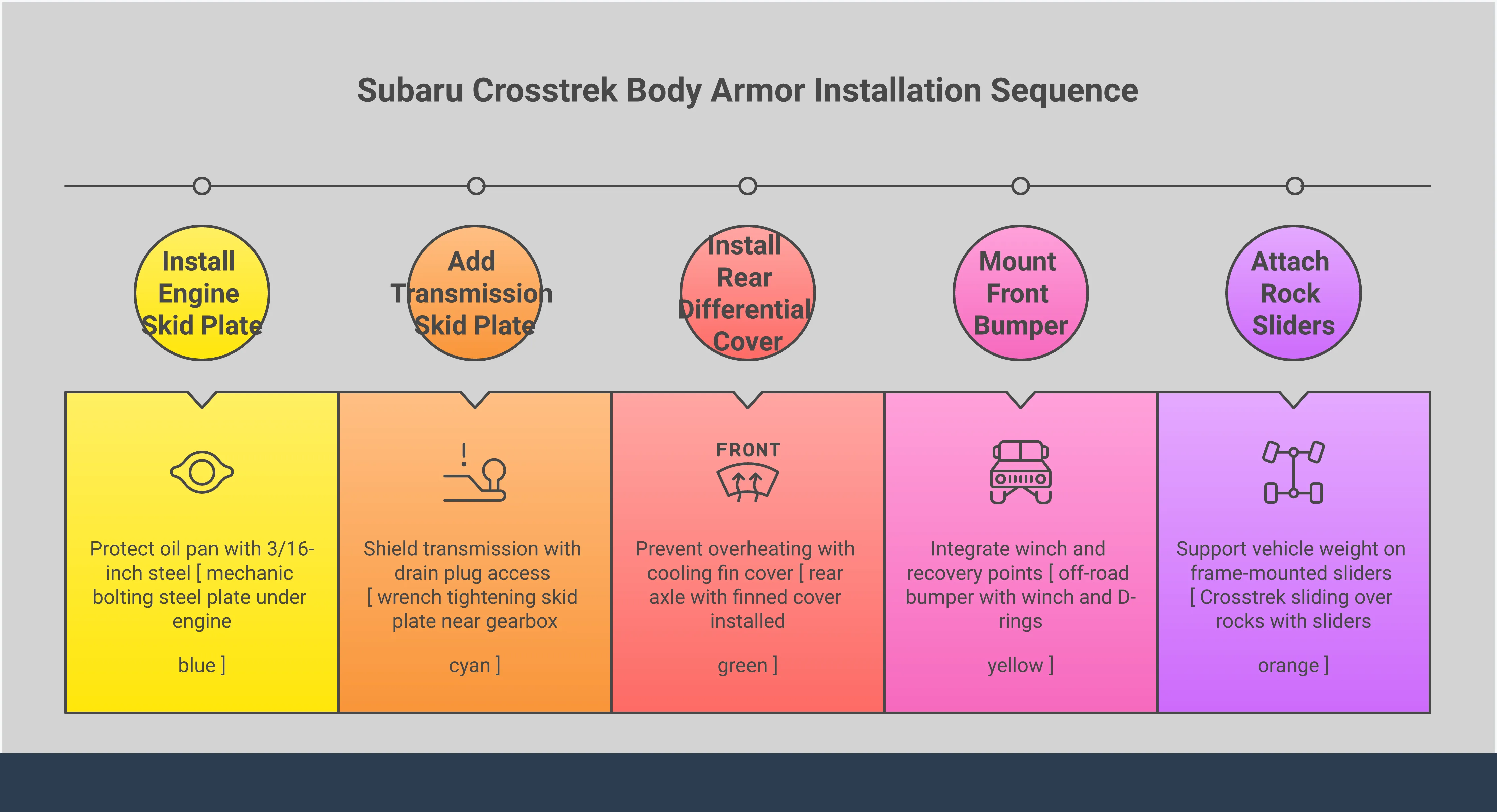
Evaluating Material and Build Quality
The foundation of any good body armor is the material it’s made from. For bumpers, skid plates, and rock sliders, you’ll want to look for high-strength steel, with 3/16-inch plate being a common and reliable standard. This thickness provides an excellent balance of durability and weight, offering serious protection without unnecessarily burdening your suspension. Pay close attention to the construction, too. Clean, strong welds are a sign of quality craftsmanship and are essential for ensuring the armor holds up under impact. A well-engineered design will also include strategic bends and gussets to add strength where it’s needed most, protecting critical components on your Subaru Crosstrek.
Does It Support Winches and Recovery Points?
Your body armor shouldn't just protect your vehicle; it should also help you get out of tough situations. If you plan on tackling challenging trails, a front bumper with an integrated winch mount is a must-have. Look for bumpers designed to accommodate a winch with at least a 5,500-pound pulling capacity, which is more than enough for a Crosstrek. Equally important are solid recovery points. These are reinforced loops or tabs where you can safely attach a D-ring shackle for towing or recovery. Never rely on factory tie-down points for recovery—they aren’t designed for it and can easily break. Proper recovery points are a non-negotiable feature for any serious overlanding solutions.
Integrating Lights and Other Accessories
Off-roading often continues after the sun goes down, making auxiliary lighting essential for safety and visibility. The best aftermarket bumpers are designed with this in mind. Look for features like a bull bar that can accommodate a 20-inch light bar or pre-drilled mounting tabs for smaller pod lights. This integration makes for a much cleaner and more secure installation than drilling into a bumper yourself. These thoughtful additions allow you to customize your lighting setup to fit your specific needs, whether you’re lighting up a tight trail at night or setting up camp in a remote area. It’s a feature that adds a huge amount of utility to your build.
Assessing the Finish and Corrosion Resistance
The finish on your body armor is its first line of defense against rust and corrosion. A simple coat of paint won’t cut it after a few encounters with rocks and trail debris. Look for a durable, multi-stage powder coat finish, preferably with a textured surface. This type of coating is far more resistant to chipping, scratching, and fading than standard paint. A quality finish ensures your investment not only protects your vehicle from impacts but also withstands moisture, salt, and mud without succumbing to rust. It keeps your high-quality performance parts looking great and functioning properly for years to come, preserving both the appearance and the value of your Crosstrek.
Verifying Fitment for Your Specific Model and Year
The Subaru Crosstrek has gone through several generations since its debut, and each one comes with subtle but important changes to its frame and body. A bumper designed for a first-generation model (2012-2017) won't line up correctly on a third-generation (2022-present) vehicle. These differences in mounting points, body contours, and even sensor locations mean that fitment is not a one-size-fits-all situation. An ill-fitting piece of armor is more than just an aesthetic issue; it can be less effective in a collision, create annoying rattles on the trail, and even cause damage to the very parts it's supposed to protect. Before adding any Crosstrek upgrades to your cart, always confirm that the part is specifically engineered for your vehicle's exact model year. This simple step ensures a secure, rattle-free installation and guarantees the armor performs as intended when you need it most.
Who Makes the Best Body Armor for the Crosstrek?
When you start shopping for body armor, you'll quickly find a handful of brands that consistently come up in forums and build sheets. These companies have earned their reputations by engineering tough, reliable protection specifically for Subaru platforms. Each one brings something slightly different to the table, whether it's a focus on extreme rock crawling, lightweight construction, or a balance of price and performance. Choosing the right brand often comes down to your specific off-road ambitions and budget. We've reviewed five of the top contenders to help you find the perfect fit for your Crosstrek build.
Crawford Performance Protection Systems
We engineer our parts with a simple philosophy: build it to perform and build it to last. Our Crosstrek upgrades are designed to provide maximum protection without compromising your vehicle's agility or aesthetic. We focus on creating durable, functional armor that integrates seamlessly with your Subaru. Whether you're navigating a tight, rocky trail or just want extra defense against road debris, our protection systems are built from high-quality materials to handle the abuse. For the serious enthusiast, our solutions are a direct reflection of our deep experience in building performance Subarus for every terrain, ensuring you get parts that are tested and proven.
Body Armor 4x4 Product Line
Body Armor 4x4 is a well-known name in the off-road world, and they offer a solid lineup of aftermarket parts for the Crosstrek. Their rock sliders and bumpers are designed to withstand the harsh realities of trail driving, giving you essential protection for your vehicle's most vulnerable areas. They strike a great balance between quality and affordability, making them a popular choice for owners who are just starting to modify their Crosstrek for off-road use. If you’re looking for dependable armor that won’t break the bank, their Subaru-specific products are definitely worth a look.
RalliTEK Extreme Protection Packages
If your idea of a good weekend involves pushing your Crosstrek to its limits on challenging terrain, RalliTEK is a brand you need to know. They are known for their superior Subaru armor and extreme protection packages tailored for those who frequently venture far off the beaten path. Their products are engineered for maximum durability, ensuring your vehicle can endure tough trails without sustaining critical damage. RalliTEK’s commitment to robust construction makes them a trusted choice for serious off-roaders who demand the highest level of protection for their investment and aren't afraid to take on the most demanding trails.
LP Aventure Off-Road Solutions
LP Aventure has built a strong reputation within the Subaru community for producing high-quality, functional off-road parts. They offer a variety of body armor, including skid plates and rock rails, specifically designed to enhance the Crosstrek's trail capabilities. Their products are crafted to provide maximum protection against rocks, stumps, and other obstacles you might encounter. Known for their precise fit and rugged construction, LP Aventure is a go-to for enthusiasts looking for reliable and trail-tested off-road solutions that look as good as they perform.
IAG Performance Rock Rails
IAG Performance is a major player in the Subaru aftermarket scene, offering a comprehensive selection of performance parts and accessories. Their catalog includes a variety of body armor and rock rails designed to fit the Crosstrek perfectly. Engineered for durability, their products provide the robust protection needed for serious off-road adventures. With a strong focus on quality materials and manufacturing, IAG Performance gives Crosstrek owners a reliable option for safeguarding their vehicle’s rocker panels and undercarriage from damage on the trail, backed by a company with extensive experience in the Subaru world.
How Much Should You Budget for Body Armor?
Figuring out a budget for body armor is one of the first steps in preparing your Crosstrek for the trail. Prices can vary dramatically, from a few hundred dollars for a single skid plate to several thousand for a complete front-to-back protection system. The right amount to spend really depends on how you plan to use your vehicle. Are you looking for light protection on forest service roads, or are you planning to tackle rocky, technical trails where contact with obstacles is inevitable?
Think of body armor as an investment in your Crosstrek’s durability and your own peace of mind. Spending a bit more upfront on quality protection can save you from much more expensive repairs down the line. A single misplaced rock can easily damage your oil pan, transmission, or rocker panels, leading to a costly fix and a frustrating end to your trip. We’ll break down the typical price ranges to help you decide where your needs and budget align, from basic setups to comprehensive overlanding solutions that prepare you for anything.
Getting Started: Armor Options Under $300
Finding high-quality, vehicle-specific body armor for under $300 is challenging. In this price range, you’re more likely to find smaller, individual components like a rear differential cover or perhaps a universal-fit accessory. While you might find used parts or items from lesser-known brands, be cautious. Proper fitment is critical for effective protection, and a poorly designed piece can cause more problems than it solves. For crucial components like engine skid plates or rock sliders, it’s often wiser to save up for a mid-range option from a reputable manufacturer to ensure you’re getting reliable protection that won’t fail when you need it most.
The All-Rounder: Mid-Range Systems ($300-$900)
This price range is the sweet spot for most Crosstrek owners who are serious about off-roading. For $300 to $900, you can get robust, well-engineered components like engine and transmission skid plates or a solid set of rock sliders. Products in this category offer an excellent balance of strength, durability, and price. For example, rock sliders from a brand like Body Armor 4x4 typically fall in the upper end of this range and provide the side protection needed for challenging trails. You’ll find that parts in this tier are built from quality materials and designed specifically for the Crosstrek, ensuring a perfect fit and reliable performance.
Maximum Protection: Premium Setups ($900+)
If you’re pushing your Crosstrek to its limits on extreme terrain, investing in a premium setup is the way to go. A budget of over $900 opens the door to top-of-the-line equipment, including full front bumpers with integrated winch mounts, complete underbody armor packages, and heavy-duty rock sliders. These products are built for maximum abuse, often using advanced designs or lighter, stronger materials like aluminum. Premium armor not only provides superior protection but also adds features like integrated recovery points and light mounts, making it a functional upgrade for the most demanding adventures.
What Affects the Price of Body Armor?
Several key factors determine the cost of body armor. The material is a major one; steel is strong and less expensive, while aluminum is significantly lighter but costs more. Brand reputation and engineering also play a big role, as established companies invest heavily in research, development, and testing to ensure their performance parts meet high standards. Finally, complexity and features drive up the price. A simple, flat skid plate will cost less than a multi-piece front bumper with winch compatibility, integrated light pods, and a durable powder-coat finish.
Crosstrek Body Armor: What Owners Say
Product descriptions and specs are great, but they only tell part of the story. To truly understand how body armor performs, you have to see what actual owners are saying after putting it to the test on trails, backroads, and daily commutes. We’ve sifted through countless reviews and forum discussions to get a clear picture of what you can expect from adding protection to your Crosstrek.
Across the board, owners who invest in quality body armor report a major increase in confidence when heading off-road. The consensus is that the right kit not only protects your vehicle from damage but also completely changes its capability and appearance for the better. From simple skid plates to full bumper replacements, the feedback highlights a few key areas: how easy it is to install, how it holds up to abuse, the impact on aesthetics, and whether it’s a worthwhile long-term investment. These real-world insights are crucial for deciding which Subaru Crosstrek upgrades are right for you.
Installation: Can You DIY or Should You Hire a Pro?
One of the first questions most owners ask is, "Can I install this myself?" For many body armor kits, the answer is a resounding yes. Manufacturers know their audience, and many products are designed for a straightforward, bolt-on installation that doesn't require drilling or cutting. Most owners with a decent set of tools and a free afternoon find the process manageable. Customer reviews often praise kits that are easy to install, noting that good instructions and precise fitment make all the difference. However, if you’re installing a heavy front bumper with a winch, you might want to enlist a friend or consider professional help to ensure everything is mounted securely and correctly.
How It Performs on the Trail
This is where quality body armor truly proves its worth. Owners consistently report that steel bumpers and skid plates have saved them from costly repairs. A heavy-duty bumper crafted from 3/16" steel plate can take a hit from a rock or stump that would otherwise destroy your stock bumper and radiator. This enhanced front-end protection is a game-changer on challenging terrain. For those serious about off-roading, integrated features like reinforced recovery points and support for a 5,500 lb winch provide critical tools for getting out of tough situations. These are the kinds of overlanding solutions that turn your Crosstrek into a truly capable adventure vehicle.
Impact on Looks and Ground Clearance
Body armor does more than just protect your Crosstrek—it gives it a rugged, aggressive look that sets it apart. Many owners choose a bumper or rock sliders as much for the aesthetic upgrade as for the protection. A durable black powder coat finish not only looks great but also prevents rust and corrosion, keeping your investment looking sharp for years. Beyond looks, well-designed armor can improve your vehicle's off-road geometry. High-clearance front bumpers, for example, can significantly improve your approach angle, allowing you to tackle steeper obstacles without scraping. This functional improvement is a key reason why so many owners see body armor as an essential modification.
Long-Term Value and Warranty Considerations
Body armor is an investment, so long-term value is a major consideration. Owners find that high-quality kits from reputable brands hold up exceptionally well over time, resisting wear and tear from both the elements and the trail. A strong warranty is a great indicator of a manufacturer's confidence in their product. For example, some bumpers come with a 3-year warranty on the finish and a limited lifetime warranty on the structure itself. This kind of backing provides peace of mind and assures you that you’re buying reliable performance parts. Ultimately, the cost of armor is often far less than the cost of repairing trail damage, making it a smart investment for any Crosstrek owner who ventures off the pavement.
Beyond the Armor: Overall Livability for Overlanding
Once your Crosstrek is protected with the right armor, the next step is making it a comfortable space for long adventures. Overlanding is as much about the journey as the destination, and that means spending hours behind the wheel and nights under the stars. The livability of your rig—how comfortable it is to drive, eat, and sleep in—can make or break a trip. While the Crosstrek is an incredibly capable platform, its compact size presents unique challenges and opportunities for life on the road. We’ll look at two of the most important factors: how the seats hold up on long drives and how you can create a practical sleeping setup for a good night's rest.
Seat Comfort on Long Trips
Seat comfort is highly subjective, and the Crosstrek is a perfect example of this. Many owners report that the stock seats are perfectly adequate, even on multi-day road trips, describing them as average or even better than average. However, an equal number of drivers find them uncomfortable over long distances, pointing to a lack of lumbar support or firm cushioning. If you're planning to spend a lot of time on the highway, it's a good idea to pay close attention to how you feel after a few hours in the driver's seat. For some, the solution is as simple as adding an aftermarket cushion, while others might eventually consider a full seat replacement for the ultimate long-haul comfort.
Sleeping Setups in the Crosstrek
With its compact footprint, turning your Crosstrek into a comfortable basecamp requires a bit of creativity. With the rear seats folded down, the cargo area offers a flat, but relatively short, sleeping space. Many owners who are under six feet tall find it works well with an inflatable mattress or custom-cut foam pad. Taller adventurers have developed clever solutions, like building a small platform that extends over the center console to gain those crucial extra inches of legroom. For those who want more space or prefer not to rearrange their gear every night, a rooftop tent is an excellent option. The key to a successful trip is turning your Crosstrek into a comfortable basecamp, and a good sleeping arrangement is the foundation of that.
Where to Buy Body Armor for Your Crosstrek
Once you’ve decided on the type of armor your Crosstrek needs, the next step is finding a reliable place to purchase it. You have several great options, each with its own advantages, from expert advice at specialty shops to the convenience of online ordering. Making the right choice here ensures you get quality parts and the support you need.
Why Buy from an Authorized Performance Shop?
Visiting an authorized performance shop gives you access to expert advice from technicians who live and breathe Subarus. These specialists can help you choose the best armor for your specific off-road goals and ensure perfect compatibility with your Crosstrek model. Shops like IAG Performance carry a curated selection of brands, including LP Aventure and aFe, so you can compare high-quality options in one place. More importantly, the staff can answer detailed questions about installation and long-term durability, giving you confidence in your purchase.
Buying Online or Direct from the Manufacturer
For convenience and a wide selection, nothing beats shopping online. You can buy directly from manufacturers, which guarantees you’re getting authentic parts straight from the source. This is also a great way to see a brand’s full product line, like the specialized overlanding solutions we’ve developed here at Crawford Performance. Buying direct often gives you access to the most detailed product information and customer support. Comparing prices online is also straightforward; for example, you can quickly see how Body Armor 4x4's rock sliders stack up against competitors.
How to Find Deals and Sales
If you’re working with a specific budget, a little patience can pay off. Keep an eye out for sales events, especially around major holidays like Black Friday, when many retailers offer significant discounts. Another way to save is by purchasing bundled kits. Brands like RalliTEK offer "Total Protection Packages" that group several armor pieces together for a lower price than buying them individually. Signing up for newsletters from your favorite manufacturers is also a smart move, as you’ll be the first to know about exclusive promotions and new product launches.
Finding a Professional for Installation
While some enthusiasts enjoy a DIY project, professional installation is often the best way to protect your investment. Body armor needs to be mounted correctly to provide maximum protection, and a professional installer has the right tools and experience to do the job efficiently. An improper installation can lead to rattles, rust, or even reduced effectiveness in a collision. At Crawford Performance, our engine tuning and installation services are handled by experts who ensure every component is fitted to factory standards, giving you peace of mind on and off the trail.
Related Articles
- Top 5 Subaru Crosstrek Off Road Parts Stores
- 2018+ Crosstrek Overland & Off-Road Parts for Subaru
- Subaru Crosstrek Off-Road Features & Upgrades
- 2024 Subaru Crosstrek Overland & Off-Road Upgrades
Frequently Asked Questions
If I can only afford one piece of armor right now, what should I get first? Without a doubt, you should start with underbody skid plates. Your engine's oil pan and transmission are the most vulnerable and expensive components exposed underneath your Crosstrek. A single impact from a rock can end your trip and lead to a massive repair bill. While a tough front bumper is great, protecting your vehicle's essential mechanical parts is the most critical first step for any off-road build.
Will adding heavy steel armor affect my Crosstrek's performance and gas mileage? Yes, adding weight to any vehicle will have an impact. You can expect a minor decrease in fuel economy and a slight change in handling dynamics. However, the trade-off is significant protection that enables you to confidently take on terrain that would otherwise be too risky. For a serious off-road or overlanding build, the added security and capability are well worth the small compromise in on-road efficiency.
What's the real difference between steel and aluminum armor? The primary difference comes down to weight and strength. Steel is heavier and generally more resistant to deforming from sharp, direct impacts, making it a popular choice for rock crawling. Aluminum is significantly lighter, which puts less strain on your suspension and has a smaller effect on fuel economy. While not as resistant to deep gouges as steel, it's still very strong and won't rust. Your choice depends on your priorities: maximum durability with steel or weight savings with aluminum.
Do I need to lift my Crosstrek before installing body armor? Generally, no. Most body armor, including skid plates and rock sliders, is designed to bolt directly onto a stock-height Crosstrek without any issues. However, many owners choose to install a lift kit and armor around the same time as part of a complete off-road build. A lift provides the ground clearance needed to take full advantage of the protection your new armor offers.
Can an aftermarket front bumper interfere with my car's safety sensors or EyeSight system? This is an important consideration for newer models. Some aftermarket bumpers are designed to be fully compatible with factory sensors and the EyeSight system, while others may obstruct them. It is crucial to check the product specifications and contact the manufacturer directly to confirm compatibility with your specific year and trim level before making a purchase.