

Subaru Air Oil Separator: Why Your Engine Needs One
Your Subaru’s Boxer engine has a dirty little secret: oil blow-by. As you drive, a fine mist of oil vapor slips past the pistons and gets sucked right back into your intake. This oily gunk then bakes onto your intake valves, choking airflow and stealing power—a problem that’s even worse for modern direct-injection engines. Thankfully, the fix is simple. A high-quality Subaru Air Oil Separator (AOS) acts as a guardian for your engine. It intercepts this harmful vapor before it causes damage, making it one of the best preventative upgrades for long-term performance.
Key Takeaways
- Protect your engine by preventing carbon buildup: An Air Oil Separator is a critical defense for your Subaru, especially for direct-injection models. It stops oil vapor from contaminating your intake valves, which helps maintain consistent power and engine efficiency.
- Choose a set-it-and-forget-it solution: Unlike a catch can that requires manual draining, a quality AOS is a self-draining system. It automatically separates and returns oil to the engine, offering continuous, hassle-free protection against blow-by.
- Prioritize quality design and proper installation: For the best results, select an AOS with durable construction and a dual-chamber design. Correct installation high in the engine bay is just as important, as it ensures the system can drain properly and function as intended.
What Does a Subaru Air Oil Separator?
A Subaru Air Oil Separator, or AOS, is a performance part designed to protect your engine and keep it running efficiently. Think of it as a gatekeeper for your engine’s intake system. During normal operation, your engine produces oil vapor, also known as "blow-by," which can get sucked into the intake. An AOS intercepts this oily mist, separating the oil from the air. It then sends the clean air back where it belongs and safely returns the collected oil to the engine's oil pan. This simple but crucial process prevents a host of problems, from power loss to long-term engine damage, making it one of the most effective performance parts you can install.
How an AOS Protects Your Subaru's Engine
The main job of an AOS is to stop oil blow-by from contaminating your engine’s intake system. This contamination leads to carbon buildup on critical components like intake valves and pistons. Over time, this buildup restricts airflow, reduces engine efficiency, and can even lower your fuel's octane rating, which increases the risk of engine knock. A quality Subaru Air Oil Separator acts as a closed-loop filtration system. It captures the oil vapor before it can cause harm, ensuring only clean air enters the combustion chamber. This helps maintain optimal performance, prevents power loss, and keeps your engine running healthier for longer.
How an AOS Supplements the Factory PCV System
It’s a common misconception that an Air Oil Separator replaces your Subaru’s factory Positive Crankcase Ventilation (PCV) system. In reality, a quality AOS is designed to work with your PCV system, adding a crucial filtration step that the original setup is missing. The factory PCV system does a decent job of relieving crankcase pressure during normal driving, but it can easily become overwhelmed in modified or high-performance engines. When you push your car hard, the PCV system can allow too much oily vapor back into the intake. An AOS acts as a partner, intercepting this vapor, separating the oil, and returning it to the oil pan. This allows the PCV system to do its job without the harmful side effect of carbon buildup, making it a true set-it-and-forget-it solution for engine protection.
The Hidden Dangers of Oil Contamination
Oil vapor contamination is a particularly significant issue for modern Subaru engines, especially those with direct fuel injection (DFI), like the WRX models from 2015 to the present. In DFI engines, fuel is injected directly into the cylinder, so it never washes over the intake valves to clean them. This makes them highly susceptible to carbon buildup from oil vapor. When oil coats the intake valves, it bakes into hard carbon deposits that disrupt airflow and can cause serious performance issues. An AOS solves this by separating the oil from the air before it ever reaches the valves, providing a vital defense against the carbon buildup that plagues these advanced engines.
Signs Your Engine Needs an AOS
Because every engine produces some amount of blow-by, an AOS is a smart preventative measure for any Subaru, even a completely stock one. However, it becomes especially important for turbocharged and direct-injection models, which are naturally more prone to carbon buildup. If you're not sure whether your engine's factory PCV system is keeping up, there are a few clear signs to watch for. Do you find yourself adding oil between scheduled changes? Have you noticed puffs of blue or gray smoke from your exhaust, particularly under acceleration? Does your engine feel sluggish or less powerful than it used to? These are all classic symptoms that oil is making its way into your intake, indicating it's time to install a Subaru Air Oil Separator.
Reducing Harmful Exhaust Emissions
An AOS plays a direct role in keeping your engine running cleanly. By intercepting the oily mist from the crankcase, it separates the oil from the air before it can enter your intake system. The system then returns the clean, filtered air to the engine while safely draining the collected oil back into the oil pan. This process prevents oil from being burned during combustion, which is a primary cause of visible smoke and harmful emissions. More importantly for performance enthusiasts, keeping oil out of the combustion chamber helps prevent detonation—a dangerous form of engine knock that can occur when the fuel's octane is effectively lowered. This ensures your engine runs powerfully and safely, especially during demanding track days or spirited driving, and is a key factor in a successful engine tuning strategy.
AOS vs. Catch Can: What's the Difference?
While both an AOS and a catch can aim to manage oil blow-by, they operate very differently. A catch can is a simple container that collects oil vapor, but it requires you to manually drain it every few hundred miles. If you forget, it can overflow and send all that collected oil straight into your intake. An AOS, on the other hand, is a complete, self-draining system. It automatically separates the oil and returns it to the engine, making it a true set-it-and-forget-it solution. This maintenance-free design is why many enthusiasts consider an AOS a superior and more reliable upgrade for long-term engine protection.
Is a Air Oil Separator
An Air Oil Separator (AOS) is more than just an add-on; it’s a fundamental upgrade for protecting your Subaru’s engine and maintaining its performance. By addressing the engine’s natural process of creating “blow-by,” an AOS prevents a host of issues that can reduce power, increase oil consumption, and lead to costly repairs down the road. Think of it as essential insurance for your Boxer engine, especially if you’ve invested in other performance modifications. It works behind the scenes to keep your engine running clean and strong, whether you’re on the track, the trail, or your daily commute.
Installing an AOS is one of the most effective preventative measures you can take. It ensures that the air entering your engine is as clean as possible, which is critical for combustion efficiency and the longevity of sensitive components. While all engines produce some level of blow-by, the unique design of the Subaru Boxer engine makes it particularly important to manage these oil vapors effectively. For any Subaru owner serious about performance and reliability, an AOS isn't a luxury, it's a necessity that pays for itself by preventing future problems.
Enjoy Better Performance & Less Carbon Buildup
Modern Subaru engines, particularly direct-injection models like the WRX, are prone to carbon buildup on the intake valves. This happens because an oily mist from the engine’s crankcase, known as blow-by, gets recirculated into your intake. Since fuel is injected directly into the cylinder, it never washes over the valves to clean them. Over time, this oily vapor bakes onto the valves, forming hard carbon deposits that restrict airflow, hurt fuel economy, and reduce overall performance. An AOS intercepts this mist, ensuring only clean air enters your intake. This simple modification is one of the most effective ways to maintain the power and responsiveness of your Subaru WRX.
Preventing ECU-Induced Power Reduction
Your Subaru's Engine Control Unit (ECU) acts as your engine's guardian, constantly monitoring for signs of trouble like engine knock. This dangerous pre-detonation often happens when oil vapor contaminates the combustion chamber, effectively lowering your fuel's octane rating and making it unstable. When the ECU detects knock, its immediate response is to pull ignition timing to protect the engine, a safety measure you'll feel as a noticeable loss of power. An AOS directly prevents this scenario. By filtering out oil vapor, it ensures only clean air enters the engine, keeping your air-fuel mixture pure and stable. This stops knock before it starts, allowing the ECU to let your engine operate at its peak without intervention—a crucial benefit for any performance-focused build, especially a modified Subaru STI.
Why a Self-Draining Design Means Zero Maintenance
One of the biggest advantages of an Air Oil Separator is its set-it-and-forget-it design. Unlike a traditional catch can that you have to manually empty, an AOS is a closed-loop, self-draining system. It automatically separates the oil from the air and drains the collected oil right back into the engine’s oil pan where it belongs. This means you get constant, reliable protection without adding another maintenance task to your checklist. You can drive with confidence knowing your AOS is always working to protect your engine, without you ever having to check or empty a container. It’s a smart, efficient solution for any Subaru owner looking for hassle-free performance parts.
Extend Your Engine's Lifespan and Use Less Oil
Keeping oil vapor out of your engine’s intake system does more than just keep things clean; it directly contributes to the long-term health of your engine. When oil enters the combustion chamber, it lowers the octane rating of your fuel, which can lead to detonation, or “engine knock.” This phenomenon can cause catastrophic damage to your pistons and cylinder walls. By preventing oil contamination, an AOS helps your engine run more smoothly and reliably, reducing wear and tear on critical components. This is crucial for extending engine life, especially in tuned or high-performance applications. It’s a key supporting mod for anyone considering engine tuning services.
Long-Term Power Retention Statistics
It's not just about immediate gains; it's about preserving the power you already have. Over time, engines without protection can feel sluggish, and there's a reason for that. Studies show that engines equipped with an AOS can retain up to 95% of their original horsepower after 50,000 miles. In contrast, an unprotected engine might lose as much as 15% of its power over the same distance. This loss is a direct result of oil blow-by causing carbon buildup on intake valves and pistons, which restricts airflow and hurts efficiency. By installing an AOS, you're investing in the long-term health and consistent performance of your engine, ensuring it delivers the power you expect for years to come. This is especially important if you've invested in professional engine tuning services and want to protect that investment.
Stop Harmful Gunk on Your Intake Valves
At its core, an Air Oil Separator acts as a highly efficient filter for your engine’s crankcase ventilation system. The blow-by gases that escape past the piston rings are full of unburnt fuel and oil vapor. The AOS is designed to capture these gases, swirl them through a series of chambers or baffles, and force the heavier oil droplets to separate from the lighter air. The clean air is then sent back into your engine’s intake to be burned, while the collected oil is safely returned to the oil pan. This process is vital for preventing the sticky, performance-robbing gunk that contaminates intake manifolds, sensors, and valves, ensuring your Subaru STI runs at its peak.
Which Subaru Models Benefit Most from an AOS?
While nearly every Subaru can gain from an Air Oil Separator, the benefits are most pronounced in turbocharged and direct-injection models. These engines naturally produce higher levels of crankcase pressure, pushing more oil vapor into your intake system. An AOS intercepts this vapor, preventing a host of performance-robbing issues down the line. Whether you’re hitting the track on weekends or navigating your daily commute, installing an AOS is one of the smartest moves you can make for your engine’s health and longevity. It’s a foundational upgrade that ensures your engine breathes clean air, allowing it to perform at its best.
Essential Protection for Your WRX & STI
If you drive a WRX or STI, an Air Oil Separator isn't just a nice-to-have accessory; it's an essential component for protecting your engine. These high-performance turbocharged models are engineered for power, which means they generate significant crankcase pressure, especially under spirited driving. This pressure forces oil vapor through the PCV system and directly into your intake, lowering your fuel's octane rating and leading to potential detonation. By installing a quality AOS, you ensure that only clean, dry air enters the combustion chamber. This simple step protects your engine during aggressive driving and is a critical part of any plan for WRX upgrades.
What About Other Turbocharged Subarus?
The WRX and STI aren't the only Subarus that benefit from an AOS. Turbocharged models like the Forester XT and Legacy GT share the same fundamental engine design and are equally vulnerable to oil contamination. Even if you use your Forester primarily for daily driving or overlanding solutions, oil vapor is constantly circulating through the intake system. Over time, this leads to carbon buildup on intake valves, which reduces airflow and hurts performance and fuel economy. An AOS acts as a permanent guardian for your engine, ensuring it stays clean and runs efficiently for years to come, making it a wise investment for any turbo Subaru owner.
Compatibility with Models like the Subaru Baja XT
You might be wondering about older or less common models, like the turbocharged Subaru Baja XT. The answer is a definite yes—an AOS is an excellent upgrade for these vehicles. The core principle is simple: if your Subaru has a turbocharged engine, it's generating the exact kind of crankcase pressure that leads to oil blow-by. The Baja XT shares its fundamental turbo engine design with other models from its era, making it just as susceptible to the performance-robbing effects of oil contamination. Installing an AOS is a smart, proactive way to protect the engine in these unique and often cherished Subarus, ensuring they continue to run strong for years. It's one of the most valuable performance parts you can invest in for long-term engine health.
Is an AOS Right for Your Crosstrek or Impreza?
You don't need a turbo to see the advantages of an AOS. Newer naturally aspirated models, including the Crosstrek and Impreza, often feature direct-injection technology. While great for efficiency, direct injection is known for causing carbon buildup on intake valves because fuel is no longer sprayed over them to keep them clean. An AOS helps solve this problem by capturing the oil vapor before it has a chance to bake onto the valves. For owners planning long-term reliability and consistent performance, adding an AOS is a proactive step toward maintaining engine health and avoiding costly carbon cleaning services. It’s a smart way to support your Crosstrek upgrades.
What Performance Gains Can You Expect?
Regardless of your specific Subaru model, an AOS delivers universal benefits by creating a healthier environment for your engine. By preventing oil vapor from contaminating the air-fuel mixture, it helps maintain your fuel's effective octane rating, which is crucial for preventing detonation and allowing your ECU to operate at peak efficiency. This clean operation is the bedrock of all other modifications. Whether you're adding a new exhaust or getting a custom tune, a quality AOS ensures your engine is in the best possible condition to handle more power. It’s a foundational part that supports every aspect of your vehicle’s performance and reliability.
Quantifying the Reduction in Engine Blow-By
While it's difficult to put an exact number on the volume of oil an AOS removes—as it varies with driving habits and engine condition—its true value lies in what it prevents. The most significant benefit is maintaining your fuel's octane rating. When oil vapor enters the combustion chamber, it contaminates the air-fuel mixture and effectively lowers the octane. This makes your engine more susceptible to detonation, or "engine knock," which can cause severe damage to your pistons and cylinder walls. By keeping the intake charge clean, an AOS ensures your engine can safely and efficiently use the fuel you put in it, protecting your investment and allowing all your performance parts to work in harmony.
A Note for Heavily Modified or "Built" Motors
If you're running a heavily modified or "built" motor, an Air Oil Separator is still an incredibly important upgrade. However, it's crucial to have the right expectations. These engines, often built with forged components and different tolerances for high-power applications, can naturally produce more blow-by and consume more oil than a stock engine. An AOS will absolutely help manage that increased vapor and protect your intake system, but it isn't designed to fix underlying mechanical issues. If your built motor already has a significant oil consumption problem, an AOS won't be the cure. It's a preventative tool, not a repair. For these specialized setups, a comprehensive approach including professional engine tuning services is key.
How to Choose the Right Air Oil Separator
Not all air oil separators are created equal. When you’re ready to invest in one for your Subaru, you’ll find plenty of options on the market. Making the right choice comes down to understanding a few key design elements that separate a high-quality AOS from a basic catch can. A well-designed unit will not only perform better but also last longer, giving you peace of mind whether you're on your daily commute or pushing your car on the track. Look for a model built specifically for your engine that considers factors like mounting location, chamber design, and overall durability.
Key Features to Look For in a Quality AOS
One of the most critical features to look for in an AOS is a dual-chamber design. This isn't just a fancy add-on; it's essential for efficient oil separation. The first chamber works to slow down the pressurized crankcase gases, allowing the oil vapor to condense into larger droplets. The second chamber then refines this process, ensuring only clean air is sent back into your intake. This multi-stage approach is far more effective at removing contaminants than a simple, single-chamber catch can. A system with this design ensures your engine runs smoothly by keeping oil out of the combustion process where it doesn't belong.
Recirculating vs. Vent-to-Atmosphere (VTA) Systems
When you're looking at Air Oil Separators, you'll see two main designs: recirculating and vent-to-atmosphere (VTA). A VTA system vents the crankcase gases directly into the air. While some drivers like the sound it can make, it’s often not the best choice for a Subaru. Your engine’s computer is precisely calibrated to account for all the air entering the system. When a VTA setup releases that air into the atmosphere, the ECU gets confused, leading to an incorrect air-fuel mixture and potential tuning issues. A recirculating AOS, however, intelligently routes the cleaned air back into your intake. This creates a closed-loop system that works in harmony with your factory tuning, ensuring stable, reliable performance without needing complex adjustments. For most Subaru owners, a recirculating system is the smarter, more dependable option for long-term engine protection.
The Importance of a Mesh-Less Internal Design
The real magic of an AOS happens on the inside, and a superior internal design is what separates a great unit from a mediocre one. Some separators use mesh or steel wool, which might seem like a good idea for filtration, but it can actually create turbulence that prevents oil vapor from separating efficiently. A more advanced, mesh-less design allows the crankcase gases to flow smoothly, which promotes better condensation and separation. When this is paired with a dual-chamber system, the results are even better. The first chamber slows the gases down, allowing oil to condense, while the second chamber refines the process. This ensures only clean, dry air is returned to your engine, which is essential for maintaining performance and preventing carbon buildup.
Choosing an AOS That's Built to Last
The materials and build quality of an AOS directly impact its performance and lifespan. Your Subaru’s engine bay is a harsh environment with constant temperature fluctuations and vibrations. You need a part that can handle it. The best performance parts are constructed from high-grade, durable materials designed to withstand these conditions without failing. For example, the Crawford Performance Air Oil Separator is engineered specifically for Subaru engines, making it a reliable choice for both daily driving and high-performance racing. Always choose a separator that is built to match the demands of your driving style and your vehicle.
The Role of Aircraft-Grade Aluminum Construction
When you see a part made from aircraft-grade aluminum, it’s a sign of quality engineering. This material is chosen for its exceptional strength-to-weight ratio, meaning it can withstand intense vibrations and stress without adding unnecessary weight to your vehicle. In the hot, demanding environment of your engine bay, its excellent thermal conductivity helps dissipate heat effectively, preventing warping or failure. Its natural resistance to corrosion also ensures the AOS will last for the long haul, providing consistent protection without degrading over time. This isn't just about looks; it's about choosing a material that guarantees reliability and performance under the toughest conditions, making it a hallmark of truly high-quality performance parts.
Why Proper Mounting and Drainage Is Crucial
Proper installation is just as important as the quality of the AOS itself. For the system to function correctly, it needs to be mounted high in the engine bay. This placement allows gravity to do its job, letting the separated oil drain back into the engine crankcase. If an AOS is mounted too low or without a clear drainage path, oil can accumulate inside the unit, defeating its purpose and potentially causing other issues. A well-designed kit will include the correct mounting hardware and clear instructions to ensure you get the placement right, allowing the self-draining system to work flawlessly.
How to Compare Brands and Read Customer Reviews
Before you make a final decision, take some time to research different brands and see what other Subaru owners are saying. Customer feedback provides real-world insight into a product's effectiveness, ease of installation, and long-term reliability. Look for reviews from people who own the same Subaru model as you, whether it's a WRX, STI, or Crosstrek. For instance, high customer satisfaction, often reflected in 5-star ratings, is a strong indicator of a quality product. This feedback can help you confidently choose an AOS that delivers on its promises and is trusted by the community.
Your Subaru Air Oil Separator Purchase & Installation Guide
Once you've decided an Air Oil Separator is the right move for your Subaru, the next step is choosing a quality unit and getting it installed. This process is straightforward, but a few key considerations will ensure you get the best possible results. From understanding the advantages of a proven design to knowing the long-term upkeep, let's walk through what to expect. Making an informed choice here will protect your engine and give you peace of mind whether you're on the street, track, or trail.
What Makes the Crawford Performance AOS Different?
When you choose a Crawford Performance Air Oil Separator, you’re getting a part with a serious legacy. As the original and proven solution for Subaru engines, our AOS is engineered to solve the core problem of oil blow-by effectively. It works by separating oil vapor from the crankcase gases and returning the liquid oil to the engine, keeping your intake, intercooler, and valves clean. This simple function is critical for preventing detonation and maintaining consistent power, especially in a modified or hard-driven engine. Our design ensures your engine is protected, allowing you to get the most out of your Subaru WRX upgrades or other performance modifications without compromise.
Our Track-Proven Design and Reliability
Our design's reliability isn't just a claim; it's proven on the track and refined through years of real-world testing. We engineered the Crawford AOS to be a true "set-it-and-forget-it" solution. It functions as a closed-loop filtration system, automatically separating oil from air and draining it right back into the engine's oil pan where it belongs. This means you get continuous, maintenance-free protection without ever having to empty a container. The materials we use are specifically chosen to handle the harsh environment of a Subaru engine bay, withstanding constant temperature changes and vibrations. This commitment to quality ensures our performance parts deliver lasting reliability, giving you confidence that your engine is protected no matter how you drive.
Installation: Should You DIY or Hire a Pro?
Proper installation is key to making your AOS work correctly. The unit needs to be mounted high in the engine bay, allowing gravity to do its job and drain the separated oil back into the crankcase. The hose routing is also crucial for creating an effective system. If you're comfortable working on your car and have the right tools, you can certainly handle the installation yourself. However, if you're unsure about any step, having a professional do the work is a great choice. A pro will ensure everything is mounted securely and routed perfectly, guaranteeing optimal performance. Our team offers expert engine tuning services and can provide the precision installation your vehicle deserves.
Estimated Installation Time and Tools
If you're considering a DIY installation, you'll be happy to know it's a manageable project. For most people with some mechanical experience, installing an Air Oil Separator takes about an hour or two. Of course, if it's your first time working in that part of the engine bay, it's wise to set aside a full afternoon so you don't feel rushed. The job doesn't require a specialized lift or expensive equipment, just a solid set of basic hand tools. You'll likely need a socket set (with 10mm and 12mm sockets being common), some pliers, and a few other items like zip ties to keep the new hoses tidy. The most important tool, however, is patience. Taking your time to ensure every connection is secure and the unit is mounted correctly is what guarantees you'll get the full benefit from your new performance part.
Will Your AOS Work in Cold Weather?
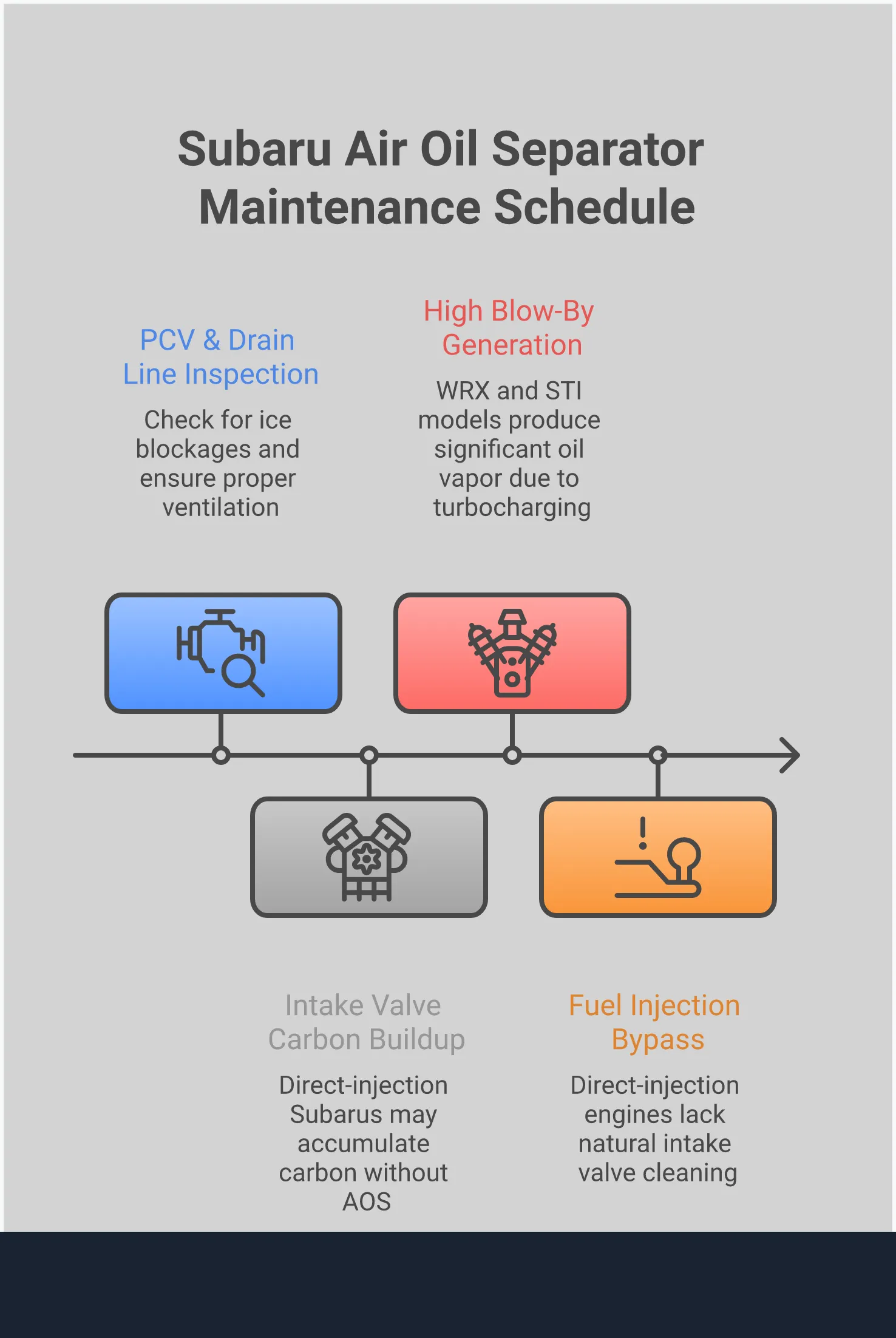
If you live in a colder climate, there's one maintenance point to keep in mind with any AOS. In freezing temperatures, condensation within the lines can turn to ice and create blockages. This can prevent the system from working correctly and, in rare cases, build up crankcase pressure. To avoid this, it's a good practice to periodically check and clean the PCV and drain lines, especially during the winter months. This is a simple preventative step that ensures your AOS continues to protect your engine year-round, no matter the weather. Think of it as routine upkeep, just like any other part of maintaining a high-performance vehicle.
The Advantage of a Coolant-Heated AOS Design
A key feature that sets a premium AOS apart is its ability to handle condensation. As your engine's crankcase gases cool, water vapor can condense and mix with the separated oil. In colder weather, this mixture can turn into a thick, milky sludge that clogs the system and prevents the oil from draining back into the engine. This is where a coolant-heated design makes a huge difference. Look for an AOS that uses engine coolant to stay warm, helping prevent oil and water from mixing into thick sludge. By circulating engine coolant through the body of the AOS, the unit stays warm enough to evaporate this moisture before it can cause problems. This ensures the oil remains pure and can easily drain back, keeping the system functioning flawlessly year-round. It’s a critical feature for reliability, especially for drivers in four-season climates, and a hallmark of well-engineered performance parts.
Balancing Price, Warranty, and Long-Term Reliability
An Air Oil Separator is an investment in your engine's health, and it's important to choose a product that offers real value. While prices can vary, a well-engineered AOS from a reputable brand is worth it for the reliability it provides. At Crawford Performance, we stand behind the quality of our components, which are designed and tested to withstand the demands of both daily driving and track use. This commitment to quality is reflected in everything we build, from our AOS kits to our fully warrantied engine builds. When you invest in our performance parts, you're not just buying a component; you're buying confidence and a proven solution for your Subaru.
Understanding the Cost: What to Expect
When you're looking at an Air Oil Separator, you'll find that prices for high-quality units typically range up to around $450. While that might seem like a significant purchase, it's important to view it as an investment in your engine's long-term health. This one-time cost protects against carbon buildup and potential engine knock, which could lead to far more expensive repairs down the road. Think of it as preventative care for your Subaru. Investing in a well-engineered Subaru Air Oil Separator now saves you from headaches and costly shop bills later, making it one of the most cost-effective performance parts you can buy.
Product Availability and Shipping Times
Once you've decided to protect your engine, you won't have to wait long to get started. Most performance parts, including Air Oil Separators, are ready to go and typically ship out within 24 to 72 hours of your order. If you opt for a specific color or a custom finish to match your engine bay aesthetic, it might add a few extra days to the timeline, but the wait is well worth it for a personalized touch. The goal is to get this essential protection into your hands and onto your car quickly, so you can start reaping the benefits of a cleaner, healthier engine right away.
Simple Maintenance for Your AOS
One of the best features of a quality Air Oil Separator is its hassle-free operation. Unlike a catch can that needs constant monitoring and manual draining, a well-designed AOS is a self-draining system. It automatically separates oil vapor and returns the collected oil back to the engine, providing continuous protection without adding another task to your maintenance list. This is the essence of a true 'set-it-and-forget-it' upgrade. This low-maintenance design is one of the core Air Oil Separator basics, allowing you to drive with confidence, knowing your engine is protected. The only thing you’ll need to do is occasionally check the hoses for wear and tear during your regular oil changes.
Related Articles
Frequently Asked Questions
Is an AOS necessary if my Subaru is completely stock? Yes, absolutely. Every engine, stock or modified, produces oil blow-by. An Air Oil Separator is a preventative part that protects your engine from the long-term effects of this process, like carbon buildup and reduced fuel octane. For modern direct-injection engines, like those in the 2015+ WRX, it's especially important for preventing performance loss, even if you never plan on adding other modifications.
What's the real difference between an AOS and a catch can? The main difference comes down to maintenance and efficiency. A catch can is a simple container that collects oil vapor and requires you to manually drain it every few hundred miles. If you forget, it can overflow. An AOS, on the other hand, is a complete system that separates the oil and automatically drains it back into the engine. It’s a true set-it-and-forget-it solution that provides constant protection without adding another task to your to-do list.
Do I need to get my car tuned after installing an AOS? No, a tune is not required after installing an Air Oil Separator. The AOS is designed to improve the quality of the air entering your engine, but it doesn't change the air-to-fuel ratio or other parameters that would require an ECU retune. It simply helps your engine run cleaner and more efficiently with its current setup, making it a great foundational part that supports your existing tune or any future modifications.
Will installing an Air Oil Separator void my Subaru's warranty? Legally, a manufacturer cannot void your warranty simply because you've installed an aftermarket part. They must prove that the specific part you installed caused a specific failure. Since a quality AOS is designed to protect your engine from harmful oil contamination and detonation, it actually promotes engine health and longevity. It's a modification that works to preserve your engine, not harm it.
What happens in cold weather? Do I need to do anything special? In freezing temperatures, condensation inside the AOS lines can potentially turn to ice and cause a blockage. While a well-designed system minimizes this risk, it's a good practice to periodically check the lines during the winter months to make sure they are clear. This simple check ensures the system can breathe properly and continue protecting your engine, no matter how cold it gets outside.