FA20 Engine Rebuild: A Complete Step-by-Step Guide
Share
That dreaded knocking sound from under the hood is every WRX or BRZ owner's nightmare. It often signals that the FA20's known weak points, like the rod bearings, have finally given up. But this isn't the end of the road. It's your chance to build something far stronger and more reliable than what came from the factory. A proper FA20 engine rebuild isn't just a repair; it's a permanent upgrade. You get to correct the original design flaws and build an engine tailored to your driving style. This guide will walk you through the entire process, from diagnosis to break-in.
Key Takeaways
- Define Your Rebuild Path: Before buying any parts, decide if you're restoring factory reliability or building for higher performance. This choice dictates your budget, component selection, and the engine's ultimate capability.
- Don't Compromise on Machining and Cleanliness: A reliable engine requires a perfect foundation. Professional machine work on your block and heads is non-negotiable, as is meticulously cleaning every part before reassembly to prevent catastrophic failure.
- Secure Your Build with Proper Aftercare: The project isn't finished after reassembly. A methodical engine break-in, a professional tune to calibrate your new components, and a strict maintenance schedule are mandatory for ensuring your engine's longevity and performance.
What Makes the FA20 Engine Tick?
If you’re driving a modern performance Subaru, chances are you’re familiar with the FA20 engine. This 2.0-liter, four-cylinder boxer engine is a staple in the Subaru community, known for its unique horizontally opposed design. Unlike a traditional inline or V-shaped engine, the FA20’s pistons move toward and away from each other, similar to a boxer throwing punches. This layout gives the engine a flat profile, allowing it to sit lower in the engine bay. The result is a lower center of gravity, which directly translates to the sharp, responsive handling that drivers love. It’s a fantastic platform for enthusiasts, but like any performance engine, it has its own set of characteristics and quirks you need to understand before you start turning wrenches.
FA20 Specs and Core Features
The FA20 is more than just its boxer configuration. It’s an engine built with modification in mind. Its internal components can be swapped out for stronger, high-performance parts designed to handle significantly more power and stress than the stock setup. This "built" nature is what makes it so popular for track days, spirited driving, and custom projects. The engine was engineered to provide a solid balance of power and efficiency right out of the box, but its true potential is realized when you start upgrading key components to improve both output and durability. It’s a modern, capable engine that responds incredibly well to thoughtful modifications.
Which Cars Have the FA20 Engine?
You’ll find the FA20 engine under the hood of some of Subaru’s most popular enthusiast models from the last decade. It made its debut in the Subaru BRZ starting in 2013, where its lightweight and high-revving nature was a perfect match for the nimble sports coupe. A turbocharged version, the FA20F, was later introduced to power the Subaru WRX from 2015 onward. While the BRZ and WRX are the primary platforms for this engine, its influence and engineering can be seen across Subaru's modern lineup. These models are favorites in the tuning community specifically because the FA20 provides such a strong foundation for building a high-performance vehicle.
What Are the FA20's Common Failure Points?
For all its strengths, the FA20 isn’t without its vulnerabilities, especially when pushed hard. One of the most talked-about issues is a susceptibility to rod knock and premature bearing failure under high stress. The stock connecting rods are often considered a weak link when you start adding significant power. Many owners also report high oil consumption, particularly during aggressive driving. If you’re running a turbocharged FA20F, keeping an eye on the turbo’s health is also critical. These weak points are precisely why a performance rebuild is so common. Upgrading these components doesn't just add power; it adds the reliability you need when your engine is modified for higher power outputs.
Does Your FA20 Need a Rebuild?
Deciding to rebuild an engine is a big step, but sometimes it’s the only way to save your Subaru from catastrophic failure or restore the performance you love. The FA20 is a solid platform, but it has known weak points that can surface over time, especially under demanding driving conditions. Ignoring the warning signs can lead to a much more expensive problem down the road.
So, how do you know when you’ve reached that point? It usually starts with a strange noise, a drop in performance, or an unsettling amount of smoke from the exhaust. These aren't just quirks; they're your engine's way of telling you something is seriously wrong. Paying attention to these symptoms can help you decide if it's time to move from simple maintenance to a full rebuild. We'll cover the most common red flags that indicate your FA20 needs serious attention.
Spotting the Signs of Rod Knock
One of the most dreaded sounds a Subaru owner can hear is rod knock. It’s a distinct, rhythmic knocking or tapping sound from the engine that gets faster as you increase RPMs. This noise is caused by excessive clearance between the connecting rod and the crankshaft, meaning the rod is literally knocking against the crank with every rotation. This is often the result of bearing failure, a known issue in some FA20 engines.
If you hear this sound, stop driving the car immediately. Continuing to run the engine will cause severe, and likely irreparable, damage to the crankshaft and block. Rod knock is a clear signal that your engine's rotating assembly is compromised and a rebuild is necessary. During the rebuild, you can upgrade to stronger performance parts to prevent this from happening again.
Is Your FA20 Burning Too Much Oil?
It’s no secret that FA20 engines can use a lot of oil, especially when driven hard. While some consumption is normal for a boxer engine, a sudden increase or consistently low oil levels are cause for concern. Excessive oil consumption is often a symptom of worn piston rings or cylinder walls, which allows oil to seep past the pistons and burn up in the combustion chamber. You might notice blue smoke from your exhaust, especially during acceleration.
You need to check your oil levels often to catch this issue early. If you find yourself adding a quart of oil every thousand miles or more, it’s a strong indicator that your engine’s internal components are wearing out. A rebuild is the definitive solution, allowing you to replace the pistons and rings and hone the cylinders for a fresh, tight seal. A professional engine tuning service after the rebuild can also optimize engine health and prevent future issues.
Solving Carbon Buildup and Turbo Problems
Because the FA20 uses a direct injection fuel system, carbon buildup on the intake valves is a common problem. Over time, these deposits can restrict airflow, leading to a noticeable loss of power, rough idling, and poor fuel economy. While professional cleaning can help, severe buildup can be a sign that it's time for a more thorough overhaul. A rebuild provides the perfect opportunity to completely clean the cylinder heads and intake ports.
Turbocharger problems are another frequent issue. If you notice a lack of power, a whining noise from the engine bay, or excessive smoke, your turbo could be failing. A failing turbo can send metal fragments into your engine, causing devastating damage. If you suspect turbo failure, it’s wise to consider a full rebuild to inspect for internal damage and install upgraded Subaru WRX upgrades for greater reliability.
Stock vs. Performance: Which Rebuild Is Right for You?
When your FA20 engine needs a rebuild, you arrive at a crossroads: do you restore it to factory specifications or build it for higher performance? The right answer depends entirely on your goals, your budget, and how you use your Subaru. A daily driver has different needs than a weekend track car or a rugged overlanding rig. Both paths can lead to a reliable engine, but they require different parts, costs, and long-term care. Let's break down the options to help you decide which rebuild path is the right one for you.
Why a Stock Rebuild Makes Sense
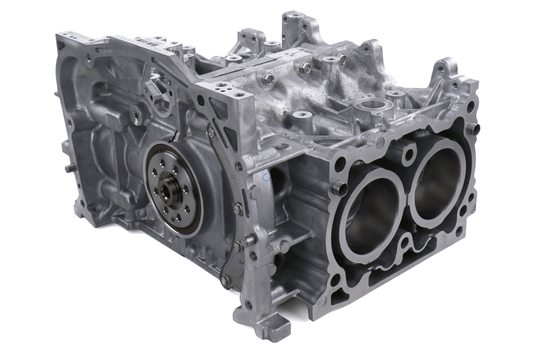
A stock rebuild is a great choice if you love your car as is and just want to get it back on the road reliably. This path focuses on restoring the engine to its original factory condition. A stock FA20 engine can handle about 350-400 horsepower reliably, which is plenty for an exciting daily driver. Financially, if you're staying stock, buying a preassembled short block directly from Subaru can be a very cost-effective route. The key to a successful stock rebuild is meticulous attention to detail. If you're rebuilding due to bearing failure, you must thoroughly clean all the oil lines and replace components like the oil pickup tube to remove any metal "glitter" that could destroy your new engine.
When to Choose a Performance Rebuild
If you’re craving more power, a performance rebuild is the way to go. Building a strong engine isn't just about making a lot of power; it's about making power that lasts. To push beyond 400 HP, you must replace stock parts with stronger, forged components like pistons and connecting rods. These upgrades are essential for handling the increased stress from higher boost and more aggressive tuning. A well-built forged FA20 long block can handle up to 600 horsepower or even more, reliably transforming your Subaru into a true performance machine. This path opens the door to significant WRX upgrades that can completely change your driving experience on the street, track, or trail.
How to Balance Your Budget and Goals
Regardless of which path you choose, a successful build needs a realistic budget that includes parts, professional labor, and tuning. It’s smart to plan for the unexpected, so always budget for potential extra costs that can pop up during the process. A performance build will naturally have a higher price tag due to the cost of forged internals and other specialized performance parts. Remember that a modified engine also requires more diligent maintenance. For a modified FA20, you should cut the standard oil change interval in half, changing your oil and filter every 3,000 to 4,000 miles with high-quality synthetic oil to ensure longevity and protect your investment.
Your FA20 Rebuild Checklist: Tools and Parts
Before you pull the engine or even turn a single wrench, it’s critical to get organized. A successful FA20 rebuild hinges on having the right equipment and components ready to go. Taking the time to gather everything you need upfront will save you from frustrating delays and costly mistakes down the line. Think of this as building your foundation—the stronger your preparation, the more reliable and powerful your final build will be.
The Must-Have Specialized Tools
Working on an engine requires more than a standard socket set. To do the job right, you need specialized tools like a high-quality torque wrench, an engine stand, piston ring compressors, and precision measuring tools. An engine stand is non-negotiable; it holds the block securely and allows you to rotate it for easy access. A calibrated torque wrench is just as vital, ensuring every bolt is tightened to precise specifications to prevent leaks and failures. You’ll also need tools like feeler gauges and a micrometer to check clearances, ensuring every component fits perfectly. Investing in the right equipment is an investment in your engine’s health.
How to Select the Right Parts and Upgrades
When it comes to engine internals, quality is everything. The parts you choose will directly determine your engine's performance and reliability. Even if you’re sticking to a stock rebuild, using high-quality gaskets and bearings is essential for longevity. For those aiming for more power, this is where you make your most important decisions. A well-built forged FA20 long block can handle up to 600 horsepower reliably, but that capability comes from using top-tier performance parts. Skimping on critical components like pistons or connecting rods is a recipe for disaster. Always source your parts from reputable manufacturers.
Helpful Parts Interchangeability Tips
While the FA20 is a single engine family, "interchangeable" doesn't always mean "identical." The naturally aspirated FA20 in the BRZ and the turbocharged FA20F in the WRX have different compression ratios and internal components designed for their specific applications. This is why you can't simply swap parts between them without careful consideration. The real value in an FA20 build comes not from swapping stock parts, but from upgrading them. For any serious power goals, you should be looking at purpose-built performance parts like forged pistons and connecting rods. These components are engineered to handle far more stress than any factory part, ensuring your engine remains reliable as you increase its output.
What Comes in an FA20 Rebuild Kit?
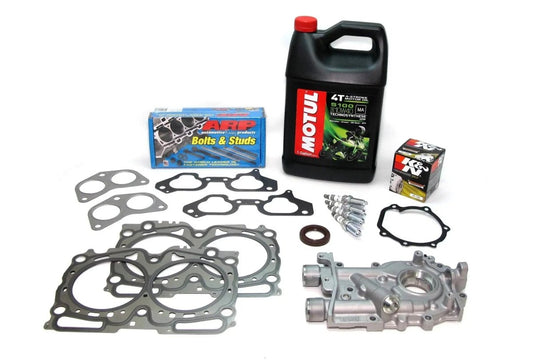
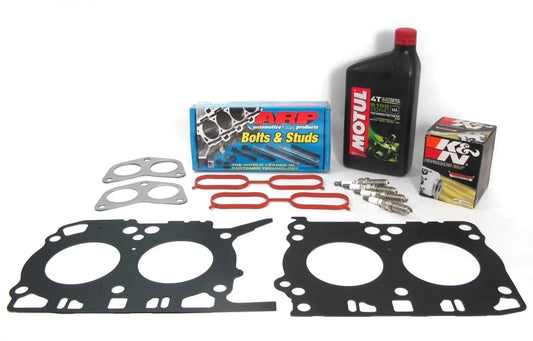
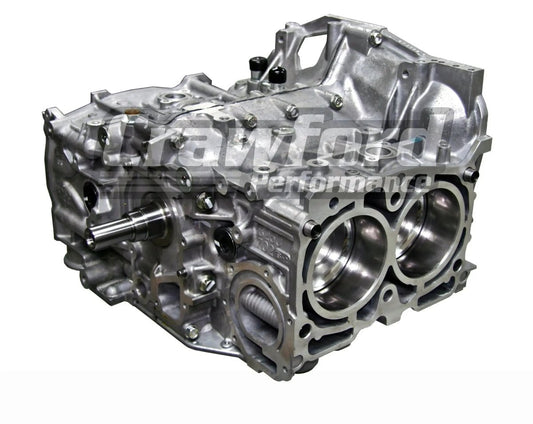
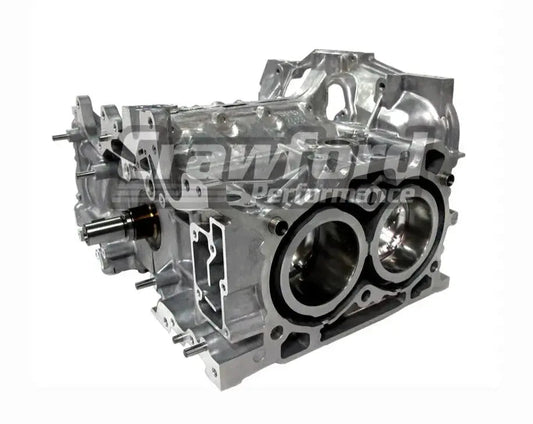
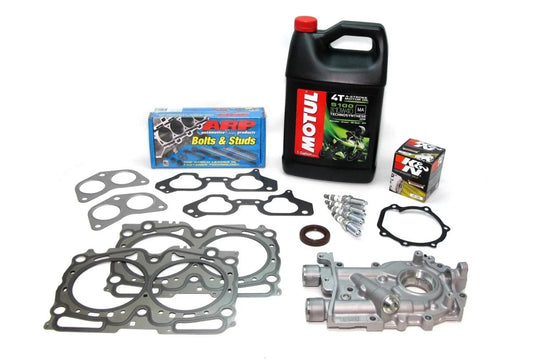
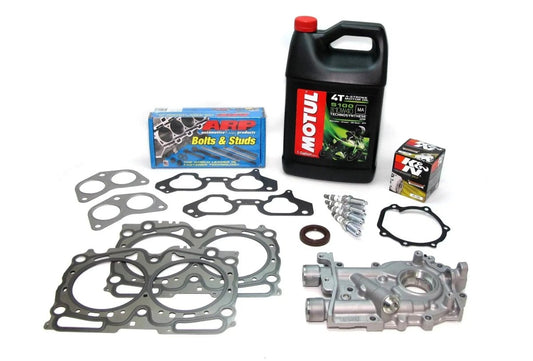
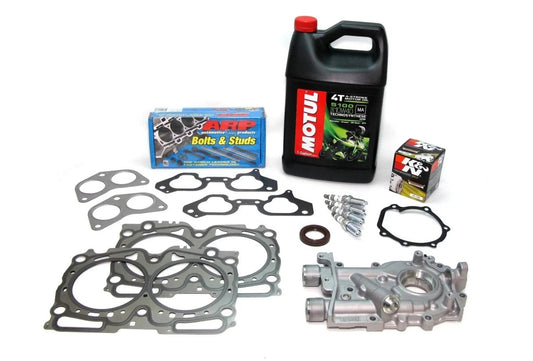
Engine rebuild kits are a great way to source core components, as they bundle matched parts designed to work together. A basic kit might include new gaskets, seals, and bearings for a factory refresh. More comprehensive packages for performance builds will include upgraded internals like forged I-beam connecting rods and forged pistons, complete with rings and wrist pins. These kits take the guesswork out of sourcing individual parts and ensure you have a solid foundation for making reliable power. When selecting a kit, make sure it matches your specific goals, whether you're building a dependable daily driver or a track-ready Subaru WRX.
The FA20 Rebuild Process: A Step-by-Step Guide
With your parts and tools ready, it’s time to get to work. This section outlines the major steps of the FA20 rebuild process, from pulling the engine to the final torque sequence. Remember, this is a high-level overview, and you should always have your vehicle’s factory service manual (FSM) on hand for detailed specifications. A successful rebuild hinges on patience, organization, and attention to detail. Take your time, label everything, and double-check your work at every stage. Tackling this project methodically will save you from major headaches and ensure your rebuilt engine runs strong for years to come.
Step 1: Engine Prep and Removal
Before you can rebuild the engine, you have to get it out of the car. Start by creating as much workspace as possible. Adjust the hood struts to position the hood vertically, then disconnect and remove the battery to prevent any electrical mishaps. Next, drain the oil and coolant completely. You’ll need to disconnect the main wiring harness, typically located near the rear passenger side of the engine bay, along with the connections for the ECU. With the fluids drained and electronics disconnected, you can pull the radiator and the air intake system to clear the path for the engine hoist.
Tips for Creating More Workspace
Once the basics are out of the way, focus on giving yourself as much room as possible. A simple but effective trick is to adjust the hood struts so the hood stands straight up, almost perpendicular to the ground. This small adjustment opens up the engine bay significantly, preventing you from constantly bumping your head and making it much easier to maneuver an engine crane. You’ll also want to remove the front bumper and crash beam. While it might seem like extra work, taking these off provides direct, unobstructed access to the front of the engine, which is invaluable when you’re trying to disconnect accessories and line up the engine for removal.
Separating the Engine and Transmission
With the engine stripped down to the long block, it’s time to attach the engine crane. Use the thickest bolts on top of the engine to connect your crane chains, ensuring the engine remains level and balanced as you lift. Before you start pulling, do a final check for anything still connecting the engine and transmission. It’s incredibly easy to forget the ground straps—there’s one on both the driver and passenger side of the engine. Once you’re sure everything is disconnected, you can begin to separate the two. If they’re stuck, be extremely careful using a pry bar. The aluminum bellhousing and engine block can be damaged easily, so use gentle, even pressure to work them apart. This is also the perfect time to inspect your clutch and flywheel for wear and consider upgrading to performance parts while you have easy access.
Step 2: Teardown and Component Inspection
Once the engine is on a stand, the teardown begins. This is a critical diagnostic phase, so work methodically and inspect every part as you remove it. Start by taking off the valve covers to access the cylinder heads. As you disassemble the engine block, keep an eye out for signs of failure, like metal shavings in the oil pan or scoring on the cylinder walls. This is your chance to identify exactly what went wrong and decide which components need replacing. Using high-quality performance parts for reassembly ensures your engine will be stronger than it was from the factory. Take plenty of photos to document how everything fits together—you’ll thank yourself later.
Step 3: Cylinder Head Work and Machining
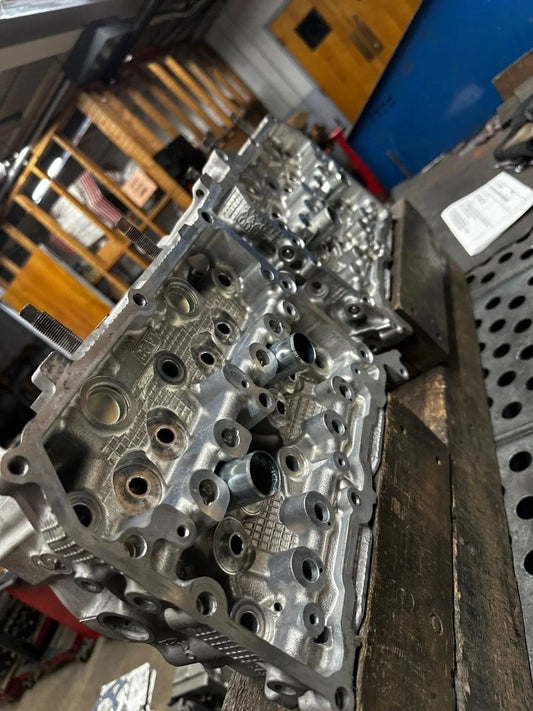
After removing the heads, your next stop should be a reputable machine shop. Don’t try to skip this step. A professional machinist will inspect the heads for cracks, deck the surface to ensure it’s perfectly flat, and perform a valve job if needed. This guarantees a proper seal with the new head gasket, which is essential for preventing leaks and maintaining compression. If you’re not sure where to go, ask the head technician at your local Subaru dealership; they’ll know the best shops in the area. Once you get the heads back, clean them thoroughly to remove any lingering metal shavings from the machining process before you begin reassembly.
Step 4: Proper Reassembly and Torque Specs
With your machined heads and clean components, you can start putting everything back together. This stage is all about precision. Use a quality torque wrench and follow the factory service manual’s specifications and tightening sequences to the letter. Replace every single gasket, seal, and crush washer as you go. Using high-quality Subaru WRX upgrades and other components is crucial for a reliable build. Be cautious about following video guides, as they can sometimes contain errors in torque values or sequences. Always trust the FSM over any other source. Applying assembly lube to bearings and other moving parts will protect them during the initial startup.
Key Upgrades for Your Performance FA20 Rebuild
When you decide on a performance rebuild, you’re not just fixing your engine—you’re fundamentally changing its character. This is where you move beyond stock limitations and build a powertrain that can handle the power you’ve always wanted. A
Instead of simply replacing worn components with OEM parts, you’ll be selecting upgraded materials and designs engineered for higher stress and output. This means swapping cast factory parts for forged alternatives and improving the systems that support the engine, like fuel and cooling. Each choice you make here directly impacts your FA20’s potential for power, its responsiveness, and its long-term durability. This is your opportunity to build the engine that will transform how your Subaru drives, whether it's on the track, trail, or street. The goal isn't just to restore the engine to its factory state, but to exceed it in every measurable way, creating a more robust and capable heart for your vehicle. This approach requires careful planning and a clear understanding of your performance goals, as each upgraded component must work in harmony with the others to create a balanced and reliable package.

Why You Need Forged Pistons and Rods
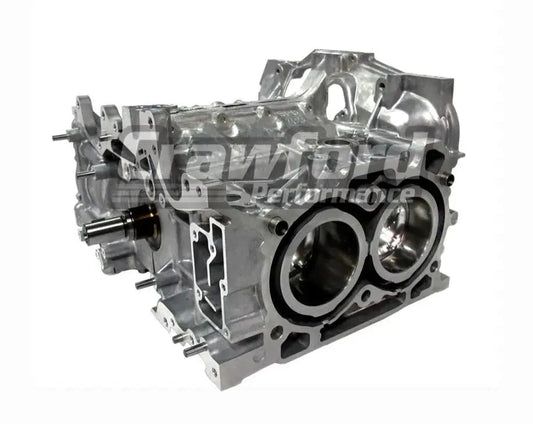
If you’re aiming for significant power gains—especially anything beyond 400 HP—the stock cast pistons and connecting rods are the first components you need to address. They simply aren't designed to handle the increased cylinder pressures and stress from higher boost levels. Upgrading to forged internals is the cornerstone of a true performance build, often referred to as a "built short block." Forged pistons and rods are manufactured under immense pressure, creating a much denser and stronger component that can withstand the abuse of a high-output engine. This single upgrade provides the strength and peace of mind needed to push your FA20 to its limits without risking catastrophic failure.
Choosing Low-Compression Pistons for Turbo Builds
When you're building a turbocharged FA20, selecting the right pistons is one of the most important decisions you'll make. The key is to opt for low-compression pistons. A turbocharger works by forcing more air into the cylinders, which dramatically increases pressure. Low-compression pistons give this pressurized air-fuel mixture more room, which is critical for preventing a dangerous condition called detonation, or engine knock. This isn't just about making more power; it's about protecting your investment. Detonation can quickly destroy an engine, especially one running higher levels of forced induction. By choosing the right set of forged, low-compression performance parts, you create a foundation that can safely handle the increased demands of a turbo system, ensuring your engine remains healthy and strong for the long haul.
Upgrading Your Bearings and Fuel System
With a stronger rotating assembly, the next step is to ensure it’s properly supported. Performance bearings are crucial for handling the increased loads from higher horsepower and RPMs. They provide a more durable surface for the crankshaft and connecting rods to rotate on, improving oil flow and reducing friction under extreme conditions. At the same time, you need to feed your more powerful engine. A stock fuel system can quickly become a bottleneck, leading to lean conditions that can destroy an engine. Upgrading the fuel pump and injectors ensures your FA20 gets the fuel it needs, which is essential for both making power and maintaining reliability. After these changes, a professional engine tuning service is vital to recalibrate everything for optimal performance.
How to Improve Your Cooling System
More power always generates more heat, and the stock FA20 cooling system can struggle to keep up, especially during spirited driving, track days, or even just sitting in traffic in a hot climate. Overheating is a quick way to undo all your hard work. To manage engine temperatures effectively, consider installing a larger aluminum radiator, a high-performance thermostat that opens sooner, or an external oil cooler. An oil cooler is one of the most effective performance parts for preserving your engine, as it helps maintain stable oil viscosity and prevents thermal breakdown. These cooling upgrades ensure your engine operates within its ideal temperature range, protecting your investment and allowing you to use its full potential consistently.
Installing an Air/Oil Separator (AOS) for Reliability
One of the most important supporting modifications for any performance FA20 build is an Air/Oil Separator, or AOS. This is a top-tier reliability upgrade that protects your engine from oil contamination. During normal operation, your engine's crankcase builds pressure, which is vented back into the intake to be burned off. The problem is that this vented air is full of oil vapor. An AOS intercepts this vapor, separating the oil and returning it to the oil pan while allowing clean air to pass into the intake. This prevents oil from coating your intake valves, which is a common issue on direct-injection engines, and keeps it from lowering the octane of your fuel mixture, which can lead to detonation. Installing an AOS is a crucial step in safeguarding the investment you've made in your engine.
Advanced Block Modifications for High Horsepower
When you start pushing for truly massive power figures, you eventually reach the physical limits of the FA20 engine block itself. Even with a full set of forged internals, the stock open-deck design of the block can become a weak point under the extreme cylinder pressures generated by high boost. For builds targeting well over 500 horsepower, you need to consider advanced modifications that strengthen the block's core structure. This is the territory of serious, dedicated builds where every component is optimized for maximum strength and durability. These processes require specialized machinery and deep expertise, turning a standard engine block into a foundation capable of handling incredible force. This is where expert engine tuning services and builders become essential partners.
When to Consider Closed-Decking the Block
The FA20 engine comes from the factory with an "open-deck" block, meaning there are gaps around the tops of the cylinder walls for coolant to flow. While this is great for cooling in a stock engine, it leaves the cylinders unsupported at the top. Under high horsepower, this can allow the cylinder walls to flex or even crack. Closed-decking is a machining process that solves this by inserting a strong metal plate into the deck surface, bracing the cylinders and making the entire structure much more rigid. This modification significantly increases the block's strength, making it capable of handling the immense pressure of a high-horsepower build. It’s a must-do for anyone serious about making reliable, big power with their FA20.
Is an Engine Swap a Viable Alternative?
While building the FA20 to handle 500+ horsepower is achievable, there comes a point where you might ask if there's another way. For those chasing extreme power goals, an engine swap can be a viable, though complex, alternative. Swapping in a different engine, like a Honda K-series or a GM LS V8, can sometimes provide a more direct path to 700, 800, or even 1,000 horsepower. This route requires extensive custom fabrication, wiring, and tuning, and it fundamentally changes the car's identity by moving away from the Subaru boxer platform. It’s a trade-off between pushing the FA20 to its absolute limits with specialized performance parts versus adopting a platform with a different set of strengths and weaknesses.
Budgeting Your FA20 Rebuild: What's the Cost?
Planning your FA20 rebuild requires a clear and realistic budget. The final cost can vary widely, swinging from a few thousand dollars for a basic stock refresh to well over $10,000 for a high-horsepower build designed for the track. The total investment depends on your performance goals, the condition of your existing engine, and how much of the work you plan to do yourself. A successful build needs a budget that accounts for three key areas: parts, professional labor, and machine shop services. Cutting corners in any of these areas is a recipe for future headaches and potential engine failure. Before you buy a single part, it’s wise to map out your goals. Are you simply looking to restore reliability for your daily driver, or are you building a weekend warrior for autocross or track days? Your answer will guide every financial decision you make, from the type of pistons you choose to the complexity of the final tune.
Don't Forget Labor and Machining Costs
Unless you're a seasoned engine builder with a fully equipped garage, you'll need to budget for professional help. Even if you handle the disassembly and reassembly, the block, heads, and rotating assembly should go to a reputable machine shop. Services like cleaning, decking the block, honing the cylinders, and balancing the crankshaft are critical for a reliable build and are not DIY tasks. Labor costs can vary significantly, so get quotes from trusted shops. Don't forget to include the cost of a professional tune after the engine is back in the car; it's essential for protecting your investment and getting the performance you paid for. Crawford Performance offers expert engine tuning services to dial in your newly built motor.
Comparing Parts Costs: Stock vs. Performance
This is where your budget can really diverge. If your goal is to restore your FA20 to factory spec, using OEM or equivalent parts will be the most cost-effective route. However, if you're aiming for more than 450 horsepower, you'll need to invest in forged internals. Upgrading to forged pistons and connecting rods is a must for handling the increased stress from higher boost and power output. A complete set of quality performance parts will cost significantly more than stock components, but they provide the strength and durability needed for a high-power build. It's crucial to weigh the benefits of these upgrades against your budget and long-term goals for the car.
Factoring in Tool and Equipment Costs
A proper engine rebuild requires more than just the parts; you also need the right tools for the job. If you plan to handle the assembly yourself, you must invest in some specialized equipment. An engine stand is non-negotiable, as it provides secure, 360-degree access to the block. Equally critical is a high-quality, calibrated torque wrench to ensure every bolt is tightened to exact specifications, preventing catastrophic failures down the road. You’ll also need piston ring compressors and precision measuring tools like micrometers and feeler gauges to verify clearances. While these tools add to the upfront cost, they are a crucial investment in your engine's longevity and performance. Trying to get by without them is a risk not worth taking.
Estimating Major Component Costs
The cost of parts will be the largest variable in your rebuild budget. If you're restoring your FA20 to factory specs for a reliable daily driver, using OEM-equivalent components is a cost-effective strategy. However, if your goal is to push past 450 horsepower, you must budget for forged internals. Forged pistons and connecting rods are significantly more expensive than their cast counterparts, but they provide the strength necessary to handle the increased stress of a high-output build. When mapping out your expenses, be realistic about your power goals. This will help you decide where to allocate your funds and ensure you build an engine with the right performance parts that is both powerful and reliable for your specific needs.
How Long Does an FA20 Rebuild Take?
Time is another critical resource to budget for. An engine rebuild isn't a weekend project. The process can take anywhere from a few weeks to several months, depending on a few factors. Machine shop turnaround times, parts availability, and your own schedule will all influence the timeline. If the car is your daily driver, you'll need to arrange for alternative transportation. Once the engine is rebuilt and reinstalled, the clock starts on the break-in period. The first 500 to 1,000 miles are crucial for seating the piston rings and ensuring the longevity of your new engine. During this time, you'll need to drive gently, vary the RPMs, and avoid high boost or aggressive driving.
Common FA20 Rebuild Mistakes to Avoid
A successful FA20 rebuild comes down to precision and patience. Rushing through the process or cutting corners can lead to catastrophic failure down the road, wasting all your hard work and money. Even seasoned mechanics can make simple errors that compromise the entire build. By paying close attention to a few critical areas, you can ensure your rebuilt engine is strong, reliable, and ready to handle the power you want to make. Let's cover the most common mistakes we see and how you can avoid them.
Mistake #1: Not Cleaning Everything Thoroughly
This seems straightforward, but it’s one of the most overlooked steps. Your engine components must be surgically clean before reassembly. After disassembly, every part is likely covered in oil, carbon, and grime. Even worse, a bearing failure can send metal shavings throughout the entire engine. After you get your heads back from the machine shop, you need to clean them again to remove any leftover debris from the machining process. Use compressed air to blow out every oil and coolant passage, and meticulously wipe down every surface. A tiny metal filing left behind can destroy a new bearing or score a cylinder wall, forcing you to start all over.
Dealing with Metal Shavings After Bearing Failure
If your rebuild was triggered by bearing failure, you've likely found what enthusiasts grimly call "glitter" in your oil pan. These tiny, shiny metal shavings are fragments of your old bearings, and they are your new engine's worst enemy. Oil circulates these particles through every part of your engine, embedding them in oil lines, the oil cooler, and even the oil pump gears. Simply draining the oil is not enough. You must be relentless in cleaning or replacing every component in the oiling system. This includes flushing all oil lines, replacing the oil pickup tube, and seriously considering a new oil cooler and pump. Investing in quality performance parts for your oiling system is cheap insurance for your new motor. Neglecting this step is a guaranteed way to destroy your freshly built engine, as those same metal shavings will immediately contaminate your new bearings and undo all your hard work.
Mistake #2: Skipping the Machine Shop
Building a strong engine isn't just about making a lot of power; it's about making power that lasts. That's why professional machine work is non-negotiable. A reputable machine shop will inspect your block and heads for flatness, cracks, and wear, ensuring you have a perfect foundation for your build. They will resurface the heads, perform a valve job, and ensure the block deck is perfectly flat for a proper head gasket seal. Skipping this step is a huge gamble. An un-decked block or warped head can lead to blown head gaskets and other major failures, especially when you start adding performance parts and increasing cylinder pressure. Trust the experts to get your core components within spec.
Mistake #3: Using the Wrong Gaskets or Sealant
Oil and coolant leaks are the last thing you want to deal with after a fresh rebuild. Always use a new, high-quality gasket set and replace every single crush washer as you go. Reusing old, compressed gaskets is a guaranteed path to leaks. When it comes to sealant, proper application is key. To remove old RTV, start with plastic razor blades to avoid scratching the aluminum surfaces, then carefully use a metal blade for stubborn chunks. When applying new sealant, follow the service manual’s instructions precisely. Using too much RTV is a common mistake; the excess can squeeze into the engine and clog oil passages, starving critical WRX upgrades like your turbo of lubrication.
After the Rebuild: Maximizing Your FA20's Lifespan
You’ve put in the work, and your rebuilt FA20 is finally back in your Subaru. But the job isn’t quite finished. The steps you take immediately after the rebuild are just as critical as the assembly process itself. Protecting your investment means following a strict break-in procedure, getting a professional tune, and committing to a diligent maintenance schedule. These three pillars will ensure your new engine not only performs at its peak but also delivers the reliability you expect for years to come. Think of it as setting your engine up for a long and healthy life, whether you’re hitting the track or the trail.
How to Properly Break In Your Rebuilt Engine
The first 500 to 1,000 miles on your rebuilt engine are the most critical it will ever experience. This is the break-in period, where the new piston rings must seat perfectly against the cylinder walls to create a strong seal for compression and oil control. To make this happen, you need to drive gently. That means no high RPMs, no hard acceleration, and definitely no high boost. Instead of setting cruise control on the highway, vary your engine speed by driving on different types of roads. This helps the rings wear in evenly. Most importantly, follow the specific break-in instructions from your engine builder. Once you’ve hit that mileage target, an immediate oil and filter change is essential to remove any metal particles from the new components.
Why a Professional Tune Is Essential
A professional tune isn't optional after a rebuild—it's mandatory, especially if you've installed any performance parts. Your Subaru’s factory engine control unit (ECU) is programmed for stock components and doesn't know how to handle upgrades like forged internals or a larger turbo. A skilled tuner recalibrates the ECU, adjusting fuel maps, ignition timing, and boost levels so all your new components work together in harmony. This crucial step protects your investment from damage caused by running too lean or rich. Skipping the tune is a surefire way to destroy a fresh engine. Professional engine tuning services are the final piece of the puzzle, ensuring both reliability and the power you paid for.
Long-Term Maintenance for Your Rebuilt FA20
With the break-in and tune complete, your focus shifts to long-term care. A high-performance engine demands more attention than a stock one, so a proactive maintenance schedule is your best friend. Change your oil and filter every 3,000 miles using a high-quality full synthetic oil. This is non-negotiable for managing the extra heat and stress from performance driving. Make it a habit to regularly check your coolant level and inspect hoses for any signs of wear or leaks. Finally, remember that the FA20 is a direct-injection engine, which means carbon buildup on the intake valves is inevitable. To keep your engine breathing efficiently, schedule a professional carbon cleaning service (like walnut blasting) every 40,000 to 60,000 miles.
Monitoring and Documenting Your New Build
Once your engine is assembled, your job shifts from builder to caretaker. Keeping a detailed record of your build is one of the most important things you can do for its future. Think of it as creating a birth certificate for your new engine. Create a log that includes every part you used, complete with part numbers, all the critical clearances you measured, and the torque specs you followed for every bolt. This documentation is invaluable for future maintenance, troubleshooting, or even if you decide to sell the car later. A well-documented build shows a level of care and precision that speaks volumes about the quality of the work, giving you a complete history to reference for years to come.
Helpful Resources for Your FA20 Rebuild
Tackling an engine rebuild is a major undertaking, but you don’t have to go it alone. A wealth of information is available to guide you, from official manufacturer documentation to the shared experiences of the enthusiast community. The key to a successful project is knowing where to look and how to use these resources effectively. Combining the technical precision of a factory service manual with the practical insights from visual guides and forums will give you a well-rounded understanding of the task ahead. This approach helps you prepare for challenges and ensures you have support when you need it.
Vehicle Service Manuals and Technical Bulletins
Your single most important resource is the vehicle’s factory service manual (FSM). This is the official guide used by dealership technicians, and it should be treated as the ultimate source of truth for your project. The FSM contains every critical piece of information you need, including precise torque specifications, bolt tightening sequences, and detailed diagrams for assembly. While online videos and forum posts can be helpful, they can sometimes contain errors or outdated information. Always cross-reference what you see online with the FSM. A great resource for 2015-2021 WRX/STI owners is wrxinfo.com, which hosts service manuals that can guide your entire process.
Visual Guides and Community Forums
While the FSM provides the "what," visual guides and forums can show you the "how." YouTube tutorials can be incredibly helpful for visualizing complex steps, but use them wisely. A good strategy is to watch a video all the way through first to understand the scope of the task, then watch it again, pausing as you work through each step yourself. Community forums like Reddit's r/WRX are great for asking specific questions and getting advice from others who have completed the same job. They are also a fantastic resource for recommendations, like finding a reputable machine shop. A great tip is to ask the head technician at your local Subaru dealership where they send their cylinder heads for machining—they’ll know the best in the business.
Related Articles
- FA20 Built Engine 101: The Complete Guide
- Built FA20 Engine: Power, Cost & Top Builders
- Built FA20 Long Block: The Ultimate Buyer's Guide
Frequently Asked Questions
How much power can a stock FA20 handle before I need forged internals? The stock FA20 internals are generally considered reliable up to about 350-400 horsepower. If your goal is to push beyond that with a larger turbo or an aggressive tune, the factory connecting rods become a significant risk. For any build aiming for higher power levels, upgrading to forged pistons and rods is the essential first step to ensure your engine can handle the added stress without failing.
Is it better to rebuild my existing engine or buy a pre-built short block? This decision depends on your timeline, budget, and mechanical skill. A pre-built short block from a reputable builder can save a lot of time and eliminates the complex process of measuring clearances and assembling the rotating components yourself. Rebuilding your own engine gives you full control over every part selection and can be more cost-effective if you're handling the labor, but it requires more expertise and specialized tools.
What's the difference between rod knock and a less serious engine noise? Rod knock has a very distinct sound. It’s a deep, heavy, and rhythmic knocking that speeds up directly with your engine's RPM. Think of it as a sound that seems to come from deep within the engine. Other noises, like lifter tick, are typically a lighter, higher-pitched tapping. If you hear a sound that resembles a hammer hitting the engine block from the inside, you should stop driving immediately and get it inspected.
Can I just clean the carbon buildup on my intake valves without doing a full rebuild? Yes, absolutely. Carbon cleaning is a standard maintenance procedure for direct-injection engines and doesn't mean you need a rebuild. A professional service like walnut blasting is designed to remove these deposits and restore engine performance. A full rebuild is only necessary when you're dealing with more serious internal issues like bearing failure or worn piston rings.
After my performance rebuild, what's the single most important maintenance task? The most critical thing you can do is perform frequent oil changes. A built engine operates under greater stress and heat, which degrades oil more quickly. You should change your oil and filter with a high-quality full synthetic every 3,000 miles. This simple habit is the best way to protect your investment and ensure the longevity of your new performance components.