

Your Guide to the Best 2025 WRX Catback Exhaust
Your WRX is a performance machine, but the factory exhaust often feels like a compromise. It’s quiet, restrictive, and mutes the iconic boxer rumble that makes a Subaru special. If you’re ready to unlock your car’s true personality, a 2020 WRX catback exhaust is one of the most rewarding upgrades you can make. It’s about more than just volume; it’s about transforming the entire driving experience. This single modification connects you directly to your car, improving throttle response, adding real horsepower, and delivering the aggressive soundtrack your WRX deserves. This guide breaks down everything you need to know before you buy, from choosing a brand to installation.
Key Takeaways
- Unlock Real Performance Gains: A catback exhaust is a foundational upgrade that reduces backpressure and weight, leading to noticeable improvements in horsepower, torque, and throttle response—it’s about much more than just sound.
- Focus on Quality for Lasting Results: Choose a system made from 304 stainless steel with mandrel-bent tubing to ensure durability and optimal exhaust flow. Confirming a direct fit for your WRX prevents installation headaches and leaks.
- A Tune Maximizes Your Upgrade: While not strictly required, a professional engine tune is the best way to get the most out of your new exhaust. It recalibrates your ECU to safely optimize power delivery and take full advantage of the improved airflow.
Why Upgrade Your 2020 WRX with a Catback Exhaust?
If you’re looking for one of the most impactful first modifications for your WRX, a catback exhaust is a fantastic place to start. The name "catback" simply refers to the section of the exhaust system from the catalytic converter back to the muffler tips. It’s a popular upgrade for a reason, delivering a satisfying combination of improved performance, a more aggressive sound, and even a slight reduction in weight. Unlike purely cosmetic changes, a quality catback system enhances the core driving experience, making your WRX feel and sound the way it was meant to. It’s a modification that connects you more directly to your car every time you turn the key.
Choosing the right exhaust is about more than just noise; it’s about unlocking your vehicle’s potential. The factory system is designed to be a quiet, one-size-fits-all solution that prioritizes low noise levels over performance. Your WRX is capable of so much more. By replacing the restrictive piping, resonator, and muffler behind the catalytic converter, you allow the engine to operate more efficiently. This gives you a noticeable boost in responsiveness and power. Whether you’re aiming for better track times or just a more engaging daily drive, a catback exhaust is a foundational part of any WRX upgrade plan, setting the stage for future modifications and tuning.
How a Catback Improves Performance
A catback exhaust system improves your WRX's performance by optimizing exhaust flow. The stock exhaust creates significant backpressure, which restricts how quickly exhaust gases can exit the engine. Think of it like trying to exhale through a narrow straw. A performance catback system replaces that straw with wider, smoother piping and a less restrictive muffler. This reduction in backpressure allows the engine to breathe more freely, resulting in a direct increase in horsepower and torque. You’ll feel the difference in the throttle response and a stronger pull during acceleration, making your WRX more lively and capable.
Find the Perfect Exhaust Note
Let’s be honest: one of the biggest reasons to upgrade your exhaust is for the sound. A catback system replaces the factory resonators and mufflers, the key components that shape your car’s auditory profile. The result is a deeper, more open, and aggressive sound that brings out the iconic Subaru boxer rumble. This modification completely transforms the driving experience, making it more visceral and enjoyable. Different systems offer unique tones, from a refined, deep growl to a loud, race-inspired roar, allowing you to find the perfect soundtrack for your drive. It’s an upgrade you’ll appreciate every time you step on the gas.
The Advantage of Reducing Weight
Performance isn't just about power; it's also about weight. Most factory exhaust systems are made from heavy, mild steel to keep costs down. In contrast, high-quality aftermarket catback exhausts are typically constructed from T304 stainless steel or even titanium. These materials are not only more durable and corrosion-resistant but also significantly lighter. Shaving pounds off your vehicle, especially from the chassis, contributes to better handling, sharper cornering, and quicker acceleration. This weight reduction complements the power gains from improved exhaust flow, creating a more agile and responsive driving machine.
Crawford Performance's 2020 WRX Catback Exhausts
At Crawford Performance, we live and breathe Subaru. We understand that a catback exhaust is more than just a component; it’s the voice of your WRX and a key to unlocking its true potential. Our systems are engineered not just to fit, but to perform, delivering the power, sound, and quality that Subaru enthusiasts demand. We’ve spent years perfecting our designs to ensure they provide a meaningful upgrade over the stock system, giving you a driving experience that’s both thrilling and reliable. When you choose a Crawford exhaust, you’re investing in decades of racing heritage and engineering excellence.
Explore Our Premium Exhaust Lineup
Our premium catback exhaust systems are designed to completely transform your 2020 WRX. Each system replaces the restrictive factory exhaust from the catalytic converter back, opening up a smoother, more efficient path for exhaust gases. We use high-grade, corrosion-resistant materials to ensure durability, whether you’re on the track or a daily commute. The result is a meticulously crafted exhaust that not only looks great but is built to last. Explore our full range of Subaru WRX Upgrades to find the perfect foundation for your build and experience the difference that precision engineering makes.
Compare Performance Specs and Sound Profiles
A Crawford catback exhaust is engineered for one primary purpose: to make your WRX perform better and sound incredible. By significantly reducing backpressure, our systems allow your engine to breathe more freely, leading to noticeable gains in horsepower and torque. This optimized exhaust flow translates to quicker throttle response and a more engaging drive. Beyond the power, we’ve carefully tuned the acoustics to produce a deep, aggressive boxer rumble that’s assertive without creating unpleasant drone at cruising speeds. Our performance parts are designed to work together, and the catback exhaust is a cornerstone of any serious WRX build.
Pair Your Exhaust with Expert Installation and Tuning
To get the most out of your new catback exhaust, proper installation and tuning are essential. While a straightforward installation is possible for experienced DIYers, professional installation guarantees perfect fitment and leak-free performance. More importantly, pairing your hardware upgrade with a professional tune recalibrates your engine’s parameters to take full advantage of the increased exhaust flow. Our expert engine tuning services will optimize your air-fuel ratio and ignition timing, safely maximizing power gains and ensuring smooth, reliable operation. This final step is what separates a simple bolt-on from a truly integrated performance upgrade.
Comparing Top Catback Exhaust Brands for the 2020 WRX
Choosing the right catback exhaust for your WRX can feel overwhelming with so many great options on the market. Each brand brings something unique to the table, from distinct sound profiles to specific performance gains. To help you decide, I've broken down some of the most respected and popular brands, grouping them by what they're best known for. Whether you're looking for a trusted industry leader, a community-approved favorite, or a top-tier premium system, you'll find a solid starting point here.
Industry Leaders: Invidia and Borla
When you think of reliable performance, Invidia and Borla are often the first names that come to mind. Invidia has built a strong reputation for high-quality systems, with their Q300 Catback being a go-to for many WRX owners. It delivers a refined yet aggressive tone without excessive drone, and the installation process is known for being straightforward enough for a weekend project in the garage. Borla Performance is another giant in the industry, offering a variety of Cat-Back™ systems that are engineered for both sound and power. They are well-regarded for their durable construction and come with detailed installation guidelines to ensure a perfect fit. For drivers who want a proven, high-quality upgrade from a brand with a long history of excellence, either Invidia or Borla is a fantastic choice.
Fan Favorites: AWE Tuning and COBB
Some brands earn a special place in the community, and AWE Tuning and COBB are definitely fan favorites. AWE is celebrated for the incredible sound of its Touring Edition Exhaust, which produces a deep, throaty rumble at idle that opens up to an aggressive roar when you accelerate. It’s an excellent option for drivers who want their WRX to sound as good as it feels. COBB is synonymous with Subaru performance, and their catback systems are known for reliability and solid gains. They offer a balanced sound with a few pops and gurgles that many owners love, without being obnoxious. Best of all, it’s a practical choice that often doesn't require an immediate tune, making it a great entry point for those just starting their modification journey.
Premium Choices: HKS, Tomei, and More
If you’re looking for the best of the best, premium brands like HKS and Tomei deliver exceptional quality and performance. HKS is a legendary name in the tuning world, offering a range of exhaust systems designed to enhance both performance and sound with meticulous Japanese engineering. Their systems are known for their clean welds, precise fitment, and a powerful, distinct tone. Tomei is another top-tier option, famous for its lightweight, full-titanium exhausts that significantly reduce weight while maximizing power output. The high-quality construction and aggressive, race-inspired sound make Tomei a top pick for enthusiasts who prioritize track-ready performance. While these systems come at a higher price point, the craftsmanship and performance gains speak for themselves.
How Much Does a 2020 WRX Catback Exhaust Cost?
Investing in a catback exhaust is one of the most rewarding upgrades for your WRX, but prices can vary quite a bit. The cost generally reflects the quality of materials, the complexity of the design, and the engineering behind the performance gains. Whether you're just starting your build or looking for a final touch, there's a system that fits your budget and goals. Understanding these price tiers will help you choose the right exhaust without overspending.
Let's break down what you can expect to find at different price points so you can make an informed decision for your build.
Entry-Level Systems ($850–$1,200)
For drivers looking to get a more aggressive sound and a modest performance bump without a huge financial commitment, entry-level systems are a fantastic starting point. In this price range, you'll typically find exhausts made from quality stainless steel that offer a significant improvement over the stock system. These kits are often designed for straightforward installation and provide that classic Subaru rumble you're looking for. While they may not offer the same weight savings or peak power gains as premium options, they deliver excellent value and are a popular first modification for many WRX enthusiasts.
Mid-Range Upgrades ($1,200–$1,800)
Stepping into the mid-range opens up a world of enhanced craftsmanship and more refined engineering. Systems in this bracket often feature higher-grade materials, more precise welds, and designs focused on improving exhaust flow for better performance. You’ll notice a more polished sound, with many brands offering options that minimize drone during highway cruising while still providing an aggressive note under acceleration. This price point represents the sweet spot for many owners, balancing serious performance gains with a reasonable cost. These systems are built for longevity and are a solid investment for any dedicated performance build.
High-End Performance Exhausts ($1,800+)
When only the best will do, high-end exhaust systems deliver peak performance, superior materials, and meticulous engineering. These systems often use premium materials like titanium for maximum weight reduction and durability. The designs are optimized for the highest possible exhaust flow, which translates to significant horsepower and torque gains, especially when combined with professional engine tuning services. You can expect a finely tuned, aggressive exhaust note and flawless build quality. This category is for the serious driver who demands uncompromising performance on the track or the street and wants a top-tier component to complete their build.
How Catback Systems Affect WRX Performance and Sound
Upgrading to a catback exhaust is one of the most popular and rewarding modifications for any Subaru WRX owner. It’s a foundational change that impacts not just the sound but the entire driving experience. A well-designed system does more than just make your car louder; it unlocks tangible performance gains by helping your engine operate more efficiently. By replacing the restrictive factory piping from the catalytic converter back, a performance catback system alters your vehicle's power delivery, acoustic profile, and even its overall weight. Understanding how these elements work together is key to choosing an exhaust that perfectly matches your goals, whether you're aiming for a subtle enhancement for your daily driver or a full-on track-ready setup. Let's break down exactly what a catback system does for your WRX's performance and sound.
Gaining Horsepower and Torque
The primary performance benefit of a catback exhaust comes from reducing backpressure. Your stock exhaust system is designed to be quiet and meet strict emissions standards, which often means it's restrictive. A quality aftermarket catback uses larger diameter, mandrel-bent piping and high-flow mufflers to create a smoother, more efficient path for exhaust gases to escape. This allows your engine to "breathe" more freely, resulting in noticeable gains in horsepower and torque. While you'll feel a difference right away, a catback exhaust also lays the groundwork for more extensive modifications. To get the most out of your new hardware, pairing it with professional engine tuning services will optimize your engine's parameters to take full advantage of the improved airflow.
Find Your Sound: Aggressive vs. Refined Tones
Let’s be honest: sound is a huge part of the appeal. A catback system completely transforms your WRX's personality, giving it the iconic Subaru rumble enthusiasts love. The market offers a wide spectrum of sound profiles, from deep and mellow to loud and aggressive. The final exhaust note depends on factors like muffler design, the inclusion of resonators, and piping diameter. Systems without resonators tend to produce a raw, screaming sound at wide-open throttle, while those with carefully engineered mufflers and resonators offer a more refined tone without excessive interior drone at highway speeds. When exploring Subaru WRX upgrades, listen to sound clips to find the perfect balance between an exhilarating sound and daily drivability.
Why Materials and Build Quality Matter
Not all exhaust systems are created equal. The materials and construction quality directly affect an exhaust's durability, performance, and even its sound. Most high-quality performance parts are made from T304 stainless steel, which offers excellent corrosion resistance and strength, ensuring it can handle years of exposure to the elements. For those seeking the ultimate in weight reduction, titanium systems provide incredible strength at a fraction of the weight, though at a premium price. Look for features like computerized mandrel-bends, which ensure the piping maintains a consistent diameter through curves for optimal flow, and strong TIG welds for leak-free durability. Investing in a well-built system ensures it will last and perform as expected.
Key Features to Look for in a 2020 WRX Catback Exhaust
Choosing the right catback exhaust for your WRX is about more than just picking the loudest option. To get the performance, sound, and quality you expect, you need to look closely at a few key details. The best systems balance aggressive sound with daily drivability, deliver real power gains, and are built to last. Focusing on material quality, fitment, and sound profile will help you find an exhaust that perfectly matches your goals and transforms your driving experience without introducing any new headaches.
Check for High-Quality Materials and Construction
The foundation of any great exhaust system is the material it’s made from. Look for systems built with 304 stainless steel, a durable material known for its excellent corrosion resistance and strength. This ensures your investment can handle harsh weather and road conditions for years to come. Beyond the material, pay attention to the construction. Mandrel-bent tubing maintains a consistent diameter through bends, which is critical for optimizing exhaust flow and reducing backpressure. Quality welds are also a sign of a well-made system, preventing leaks and ensuring structural integrity. These details contribute directly to the performance parts you're adding to your vehicle.
Ensure Perfect Fitment and Compatibility
An exhaust system should be a direct, bolt-on upgrade, not a custom fabrication project. Always confirm that the catback you’re considering is designed specifically for your 2020 WRX. While the installation process is similar for all VA-chassis WRX models (2015–2021), precise engineering ensures all hangers and flanges line up perfectly with your car’s factory mounting points. This guarantees a straightforward installation and, more importantly, an airtight seal. A perfect fit prevents frustrating exhaust leaks that can rob you of power and create unwanted noise. When you shop for model-specific Subaru WRX upgrades, you can be confident that fitment won't be an issue.
Consider Sound Levels and Drone
The sound of your exhaust is one of the most noticeable changes you'll make, so it’s important to get it right. A catback system replaces the factory resonators and mufflers, which results in a more open and aggressive tone. However, this can also introduce more drone—that low-frequency hum you might hear while cruising at highway speeds. The exhaust note is very dependent on RPMs and can get quite loud when you go wide-open throttle. Before you buy, listen to sound clips and read reviews to understand how a system sounds both inside and outside the cabin. This will help you find the right balance between an exhilarating sound under acceleration and a comfortable ride for your daily commute.
What WRX Owners Say About Popular Catback Systems
Choosing an exhaust often comes down to personal preference, but hearing from other WRX owners can provide valuable insight into what you can expect. Forums and social media groups are filled with drivers sharing their experiences with different brands, covering everything from sound and performance to long-term durability. While individual opinions vary, some common themes emerge that can help you make a more informed decision for your own build.
The general consensus is that a quality catback system is one of the most satisfying upgrades you can make. It transforms the driving experience by adding an audible personality to your WRX. However, owner feedback also highlights the importance of choosing a well-engineered system to avoid common pitfalls like excessive drone, poor fitment, or premature wear.
Brand Reputations and Customer Satisfaction
When you browse owner reviews, you’ll find that satisfaction is closely tied to matching the exhaust's character to the driver's goals. Some owners chase an aggressive, loud exhaust note with plenty of pops and crackles, praising brands that deliver a raw, race-inspired sound. Others prefer a deeper, more refined rumble that announces its presence without being overwhelming during daily commutes.
Many drivers express high satisfaction with systems that offer a "best of both worlds" experience—quiet at cruising speeds but aggressive under acceleration. This balance is often a hallmark of premium systems. Ultimately, the most satisfied owners are those who researched sound clips and reviews to find a system that perfectly matched the auditory experience they were looking for in their Subaru WRX upgrades.
Common Feedback on Noise and Durability
A frequent topic in owner discussions is cabin drone. This is the low-frequency humming sound that can occur at constant cruising speeds, and it’s a major complaint with some lower-quality or poorly designed systems. Many owners specifically recommend exhausts with resonators or advanced engineering to eliminate drone, ensuring the car remains comfortable for long drives.
Durability is another key point. Owners often report issues like exhaust leaks or broken hangers on cheaper systems, especially after a few seasons of harsh weather or track use. Feedback consistently shows that investing in a system made from high-grade stainless steel with strong, precise welds pays off in the long run. These performance parts not only last longer but also maintain their sound and performance over time.
What Owners Say About Warranties and Reliability
Warranty concerns are a common and valid consideration for any WRX owner. While a catback exhaust is installed "after" the catalytic converter and shouldn't directly cause engine issues, some dealerships may still be difficult if a warranty claim arises. Owners often share stories of dealers attempting to deny claims by pointing to any aftermarket modification.
To protect yourself, the community generally advises choosing reputable brands and ensuring a professional installation. More importantly, pairing your exhaust with other modifications like an intake or downpipe absolutely requires a tune to maintain engine reliability. Many experienced owners emphasize that proper engine tuning services are the key to safely unlocking power and preventing the check engine lights and reliability issues that can void a warranty.
Do You Need a Tune After a Catback Exhaust Install?
One of the most common questions we get from WRX owners is whether a tune is necessary after installing a catback exhaust. The short answer is no, it’s not strictly required. Because a catback system modifies the exhaust after the catalytic converter, it generally won’t alter your engine’s air-to-fuel ratio enough to cause a check engine light or any harm. Your WRX will run just fine without any ECU adjustments.
However, the longer and more important answer is that you absolutely should get a tune if you want to get the full benefit of your new exhaust. Installing a high-flow catback system without tuning the engine is like buying a great pair of running shoes but never adjusting the laces for a perfect fit. You’ll get by, but you’re leaving a significant amount of performance, efficiency, and responsiveness on the table. A professional tune bridges the gap between the mechanical upgrade and your car’s computer, ensuring they work together in perfect harmony.
Why a Tune Maximizes Performance
A catback exhaust improves performance by reducing backpressure, which allows exhaust gases to exit the engine more freely. This creates the potential for more horsepower and torque, but your WRX’s factory ECU settings aren’t programmed to take advantage of it. A professional tune recalibrates the ECU to optimize fuel delivery, ignition timing, and other critical parameters for the new, higher-flowing system. This process ensures your engine is not only making more power but also running safely and efficiently. Our expert engine tuning services are designed to realize the full potential of your modifications, delivering a smoother powerband and a more responsive driving experience.
Understand Warranty and Legal Implications
Before modifying your WRX, it’s smart to consider how aftermarket parts might affect your factory warranty. While a catback exhaust is a relatively safe upgrade, a dealership could potentially question it if an unrelated issue arises. Under the Magnuson-Moss Warranty Act, a manufacturer must prove that your aftermarket part directly caused a specific failure to deny a warranty claim. Still, it’s always a good idea to speak with your service advisor to understand their specific policies. By choosing high-quality Subaru WRX upgrades from a reputable source, you minimize risks and ensure your parts are built to last. Also, be sure to check local regulations regarding exhaust noise and emissions to stay compliant.
Can You Install a 2020 WRX Catback Exhaust Yourself?
Installing a new catback exhaust is a fantastic weekend project that can leave you with a real sense of accomplishment and a deeper connection to your WRX. For many enthusiasts, it’s a completely manageable DIY job with the right tools and a bit of patience. The process is fairly straightforward, but it does require getting under your car, so safety should always be your top priority. Before you start, make sure you have a solid plan, the necessary equipment, and a clear space to work.
DIY Installation: What You'll Need
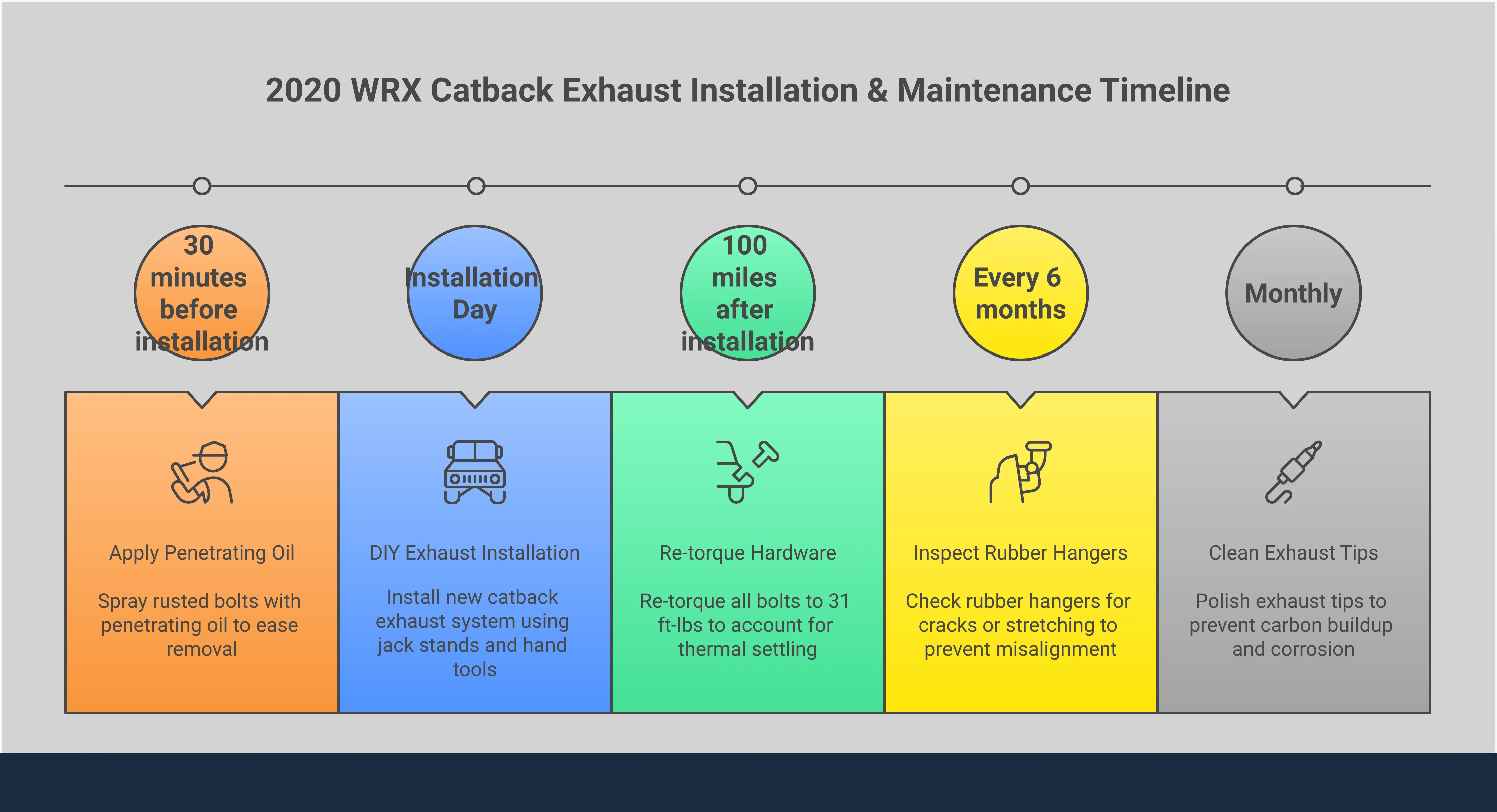
To get started, you’ll need to safely lift your car using a jack and jack stands. Once it’s secure, gather your tools—a good socket set, wrenches, and penetrating oil for any stubborn bolts are essential. The basic steps involve removing the stock system, which includes detaching the mufflers from the y-pipe and unplugging the O2 sensor. Installing the new system is usually a reverse of the removal process. For a great visual guide, watching a detailed installation video can help you visualize each step before you pick up a wrench, ensuring you know exactly what to expect.
Maintain Your Exhaust for Peak Performance
Once your new exhaust is installed, a little upkeep will ensure it delivers peak performance and that signature sound for years. Regular maintenance is simple but effective. Periodically get under the car to check that all clamps and bolts are tight, as vibrations can sometimes loosen them over time. It’s also a good idea to inspect gaskets for any signs of wear or leaks. Keeping the exhaust tips clean prevents buildup and corrosion. Following these basic exhaust system care practices will protect your investment and keep your WRX running efficiently.
Know When to Call a Professional
While a DIY install is rewarding, there’s no shame in calling in a professional. If you don’t have access to a lift or the right tools, or if you’re simply not confident in tackling the job yourself, an expert can save you time and prevent potential headaches. This is especially true if your car has a non-standard ride height that makes access difficult. As many owners in the WRX community will tell you, knowing your limits is key. If you want a perfect, hassle-free installation, our expert technicians are here to help with both the install and the performance tuning services to match.
Troubleshooting Common 2020 WRX Catback Exhaust Issues
Installing a new catback exhaust is an exciting step, but even a straightforward job can have its challenges. Whether you’re handling the installation yourself or just want to be informed, knowing how to address common issues ensures your upgrade goes smoothly. From getting the fitment perfect to preventing annoying leaks, a little know-how makes all the difference. This guide covers the most frequent installation hurdles, leak prevention tactics, and a simple maintenance plan to keep your exhaust performing at its best for years to come.
Solve Common Installation Challenges
A successful installation starts with good preparation. Before you begin, lay out all your tools and confirm you have new gaskets for every connection. If your WRX is at stock height, placing the rear on ramps provides ample space to work safely. One of the most common frustrations is getting the alignment just right. To avoid crooked tips, hang the entire system loosely on the rubber hangers first. This allows you to adjust the piping and mufflers for perfect clearance and positioning before you tighten any of the bolts. Taking your time here will save you a lot of headaches later.
How to Prevent Leaks and Check Engine Lights
An exhaust leak is the last thing you want after installing a new system. Leaks create a disruptive noise, can hurt performance, and may even trigger a check engine light. The best prevention is to use fresh, high-quality gaskets on clean flange surfaces. When tightening the bolts, use a star pattern to ensure even pressure across the seal. After the install, start the car and carefully feel for any air escaping from the connections. A properly installed WRX catback exhaust won't cause issues, but ensuring every connection is airtight is the key to a flawless result.
Your Long-Term Maintenance Checklist
Once your new exhaust is on, a few simple checks will ensure its longevity. After driving about 100 miles, it’s a good practice to get back under the car and re-torque all the hardware. Bolts can sometimes loosen slightly after a few heat cycles. Aim for around 31 ft/lbs for most exhaust bolts, but always defer to the manufacturer's specifications. Using a small amount of anti-seize on the threads during the initial installation will also make future adjustments much easier. Periodically inspect the rubber hangers for wear and tear to keep all your performance parts secure.
Related Articles
- 5 Best WRX Cat-Back Exhaust Systems (2025 Guide)
- 5 Best Turbo-Back Exhaust Systems for Your WRX
- 5 Best WRX 3 Inch Cat-Back Exhaust Systems
Frequently Asked Questions
Will installing a catback exhaust void my car's warranty? This is a common and valid concern. Technically, a manufacturer cannot void your entire warranty just because you installed an aftermarket part. They must prove that your new exhaust directly caused the specific failure you're trying to claim. That said, a catback is a safe modification because it's installed after the critical emissions components. To protect yourself, choose a high-quality system from a reputable brand and ensure it's installed correctly to avoid any potential issues.
What's the real difference between a catback and an axle-back exhaust? Think of it in terms of how much of the factory system you're replacing. A catback system replaces everything from the catalytic converter to the exhaust tips, including the mid-pipe, resonator, and mufflers. This provides significant gains in performance and sound. An axle-back system is a more basic upgrade that only replaces the mufflers. It's a great option if you're primarily looking for a more aggressive sound on a smaller budget, but it won't offer the same performance benefits as a full catback.
How can I choose an exhaust that sounds good without being obnoxiously loud? Finding the perfect sound is all about research. The best thing you can do is listen to high-quality sound clips of different systems on a car just like yours. Pay close attention to systems that include a resonator, as this component is specifically designed to cancel out "drone," which is the low, humming noise you can get inside the cabin at highway speeds. A well-engineered system will be aggressive when you accelerate but remain comfortable for your daily commute.
Is a tune really necessary if I'm only installing a catback exhaust? A tune is not strictly required to run the car safely after a catback install. Your car's computer is smart enough to adjust for the change in exhaust flow without triggering a check engine light. However, not getting a tune means you're leaving performance on the table. The tune is what tells the engine how to take full advantage of the reduced backpressure, optimizing fuel and timing to safely maximize the horsepower and torque gains from your new hardware.
Are expensive titanium exhausts actually worth the extra money over stainless steel? Whether titanium is worth the cost depends entirely on your goals. For most drivers, a high-quality T304 stainless steel system is the perfect choice, offering excellent durability and performance for street and occasional track use. Titanium's main advantage is its incredible weight savings. If you are building a dedicated track car where every single pound matters for lap times, then the significant weight reduction from a titanium exhaust can provide a real competitive edge.