

WRX Exhaust System: A Complete Buyer's Guide
Everyone loves that deep, aggressive sound, but a true performance WRX exhaust system is all about airflow. Your stock exhaust is designed to be quiet, but this creates backpressure that literally chokes your engine's potential. Swapping to a high-flow system lets your engine finally exhale. Exhaust gases exit faster, giving you sharper throttle response and real gains in horsepower and torque. That incredible sound? It's just a happy side effect of a more efficient engine. This guide focuses on performance, explaining how design and materials create real-world power so you can choose an upgrade that truly delivers.
Key Takeaways
- Choose Your System Based on Your Goals: An axle-back system is a great starting point for improving sound, while a cat-back exhaust offers a balanced upgrade for both sound and performance. For maximum power, a turbo-back system is the top choice, but it requires a professional engine tune.
- Invest in Quality Materials for Longevity: Prioritize exhausts made from T304 stainless steel to prevent rust and corrosion. Also, look for mandrel-bent tubing, which ensures smooth, consistent airflow for better performance compared to cheaper, crush-bent alternatives.
- Research the Real-World Experience: Before buying, listen to sound clips of the exhaust on a WRX like yours to understand its tone and check for potential highway drone. Reading owner reviews provides valuable insight into fitment, durability, and overall satisfaction.
What Makes a Great High-Quality WRX Exhaust?
When you start shopping for a new exhaust, it’s easy to get lost in a sea of options. So, what separates a top-tier system from a basic one? A high-quality WRX exhaust is more than just a loud pipe; it’s an engineered component designed to improve your driving experience. The best systems strike a perfect balance between an aggressive, satisfying sound and real, measurable performance gains. They are built to last, using premium materials and construction techniques that ensure durability whether you're on the track or a daily commute.
A great exhaust system is designed specifically for your Subaru’s engine, ensuring that it not only fits perfectly but also optimizes exhaust gas flow. This improved efficiency is what unlocks more horsepower and torque while creating that signature boxer rumble you’re looking for. Think of it as an investment in both the sound and the soul of your car. In this section, we’ll break down the key elements that define a superior exhaust system. We'll cover the harmony between power and sound, the importance of materials and build quality, and how you can actually feel and measure the difference after installation. Understanding these factors will help you choose a system that truly enhances your vehicle, rather than just making it louder.
How to Balance Performance and Sound
The ideal exhaust system delivers an aggressive sound without sacrificing performance. In fact, the two should go hand-in-hand. A well-engineered exhaust reduces backpressure, allowing your engine to breathe more freely. This improved airflow is what produces a deeper, more resonant tone and simultaneously unlocks horsepower and torque. Choosing an exhaust designed for your specific engine ensures optimal flow and a seamless installation, giving you that immediate improvement in sound and performance. The goal isn’t just to be loud; it’s to achieve a refined, powerful note that reflects the enhanced capability of your WRX. It's about finding that sweet spot where the sound is exciting but not obnoxious, and the power gains are tangible.
Why Materials and Build Quality Are Worth It
The materials and craftsmanship of an exhaust system directly impact its longevity and performance. Look for systems made from T304 stainless steel, which offers excellent resistance to rust and corrosion, ensuring it can handle harsh weather and road salt. The construction method is just as important. Mandrel-bent tubing maintains a consistent diameter through every curve, allowing for smooth, unrestricted exhaust flow. This is a significant upgrade over cheaper, crush-bent pipes that can create bottlenecks. These systems are typically made from durable stainless steel and are engineered to deliver real performance benefits, including noticeable gains in horsepower and torque, along with a refined and aggressive exhaust note.
T304 Stainless Steel vs. Titanium Options
When choosing your exhaust, the material is a key decision. T304 stainless steel is the go-to for most high-quality systems because it provides an excellent balance of performance, durability, and cost. It stands up to rust and corrosion, making it a reliable choice for daily driving and spirited runs alike. For those who want to maximize performance, titanium is the premium option. A titanium exhaust can be up to 40% lighter than its stainless steel counterpart, a significant weight reduction that translates to sharper handling and quicker acceleration. While it comes at a higher price, titanium’s superior strength and heat resistance make it the ultimate choice for serious track builds and enthusiasts seeking every possible advantage from their performance parts.
How to Measure Real-World Performance Gains
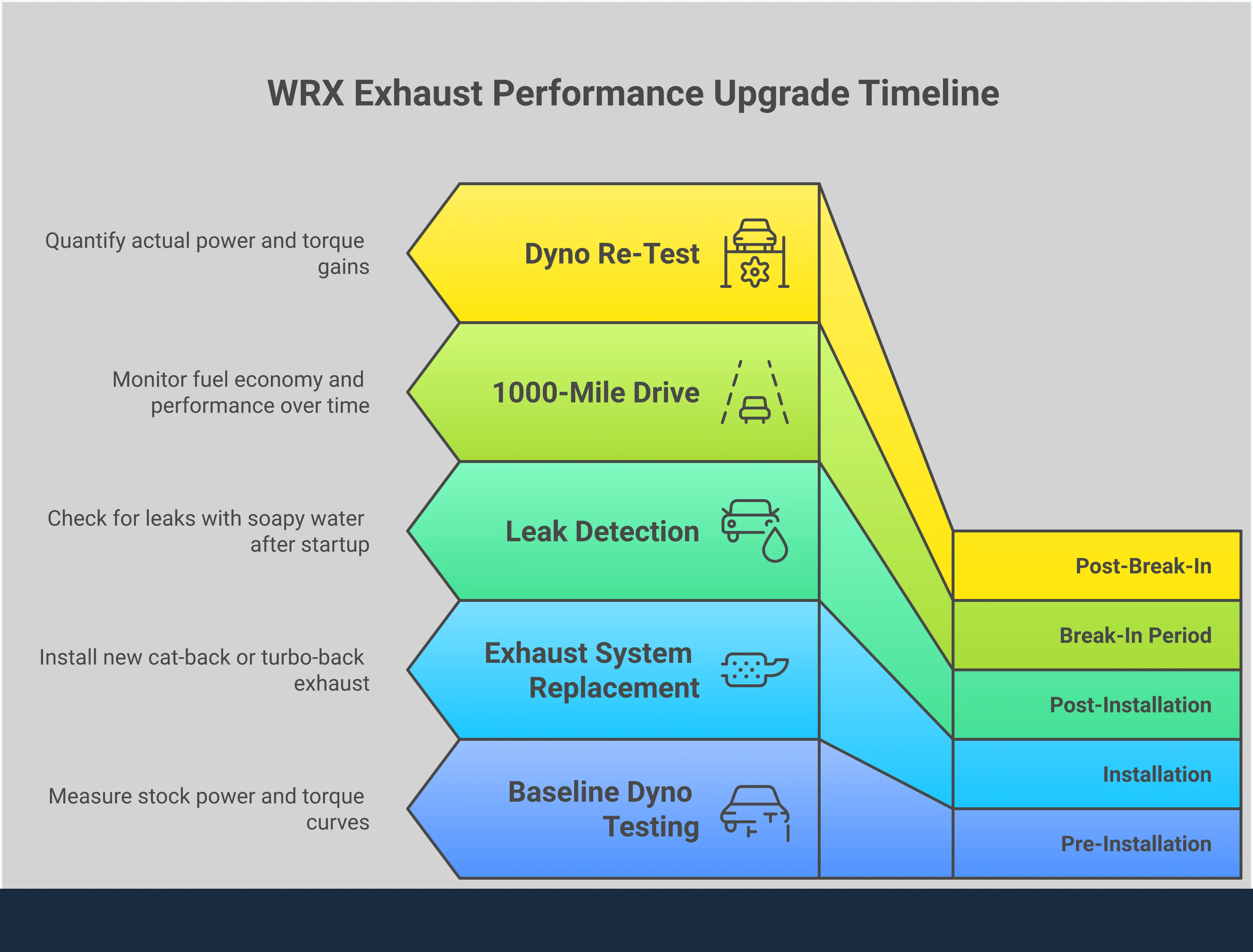
So, how do you know the upgrade was worth it? You’ll feel it and hear it right away. When you install a WRX cat-back exhaust system, the impact on your car’s performance and sound is immediate, making it a satisfying job to do yourself. You’ll notice a sharper throttle response and feel the car pull more eagerly through the rev range. While this "butt-dyno" is a great initial indicator, the most accurate way to measure gains is with a dynamometer. A dyno test provides concrete numbers on horsepower and torque increases, confirming the improvements you feel from the driver's seat. This is how we validate our designs and ensure our WRX upgrades deliver on their promise.
Cat-Back vs. Axle-Back: Which WRX Exhaust Is for You?
When you start shopping for a new exhaust, you’ll immediately run into terms like "cat-back," "axle-back," and "turbo-back." These names simply describe how much of the factory exhaust system you’re replacing, and understanding them is key to making the right choice for your WRX. Your decision really comes down to your goals. Are you looking for a more aggressive sound for your daily commute, a noticeable power increase for spirited driving, or the maximum possible performance for the track? Each type of system delivers a different balance of sound, power, and cost.
An axle-back is the simplest and most affordable option, focusing almost entirely on sound. A cat-back system is the most popular choice for enthusiasts, offering a great mix of improved sound and real performance gains without requiring major additional modifications. Finally, a turbo-back system is the most comprehensive upgrade, designed for drivers who want to extract every bit of power from their engine. This option replaces the entire system from the turbocharger onward and requires a professional tune to work correctly. Understanding the fundamental differences between these setups is the first step in finding the perfect exhaust for your build.
Cat-Back Systems for All-Around Performance
A cat-back exhaust is often considered the sweet spot for WRX owners. This system replaces all the components from the catalytic converter to the exhaust tips, including the mid-pipe, resonator, and muffler. When you install a WRX cat-back exhaust system, the impact on your car’s performance and sound is immediate. By using larger diameter piping and a high-flow muffler, a cat-back reduces backpressure, allowing your engine to breathe more freely. This results in a deeper, more aggressive exhaust note and a tangible increase in horsepower and torque, making it one of the best all-around WRX upgrades you can make.
Axle-Back Systems for a Better Exhaust Note
If you’re happy with your WRX’s performance but want to give it a more exciting sound, an axle-back system is an excellent starting point. As the name suggests, this type of exhaust replaces only the final section of the system, from the rear axle to the tips. Essentially, an "axle-back" system changes just the muffler for a new sound. Because it retains the stock mid-pipe and resonator, performance gains are minimal. However, it’s a cost-effective and easy-to-install modification that delivers a satisfying change in your car’s personality without being overly aggressive. It’s the perfect choice for a daily driver looking for a bit more character.
Turbo-Back Systems for Maximum Power Gains
For the enthusiast seeking the highest possible performance gains, a turbo-back exhaust is the ultimate solution. This system replaces everything from the turbocharger back, including the downpipe and the entire cat-back section. By creating a free-flowing path for exhaust gases, a turbo-back system drastically reduces backpressure and allows the turbo to spool faster and more efficiently. This translates to significant gains in horsepower and torque across the powerband. However, this upgrade requires an engine tune to safely recalibrate the engine for the massive increase in airflow. Choosing an exhaust designed for your specific engine ensures optimal flow and a seamless installation.
Finding the Perfect WRX Exhaust for Your Build
Once you know which type of system fits your goals, the next step is to compare specific brands and models. Not all exhaust systems are created equal, and the differences in design, materials, and engineering philosophy can have a big impact on your driving experience. It’s about more than just picking the loudest option; it’s about finding a system that delivers on its promises of power, sound, and durability.
Look for manufacturers with a proven track record in the Subaru world. A company that specializes in your platform will understand the nuances of the FA20, FA24, or EJ engine and design parts that work in harmony with the rest of your vehicle. This is where you can separate the quality components from the generic, mass-produced alternatives.
Top WRX Exhaust Brands to Consider
In your search, you'll find a handful of brands that consistently come up in WRX forums and at car meets. While we've curated a selection of high-performance WRX upgrades based on our own rigorous testing, it’s helpful to know about the major players in the market. Brands like MagnaFlow, XFORCE, and Valvetronic Designs each bring something different to the table, whether it’s a specific sound profile, innovative technology, or a focus on premium materials. Understanding their unique offerings will help you narrow down your choices and find a system that perfectly matches your vision for your car. Let's look at what makes each of these brands a popular choice among enthusiasts.
MagnaFlow: Street, Competition, and xMOD Series
MagnaFlow is a household name in the exhaust world, and for good reason. They offer a range of performance exhaust systems specifically for the Subaru WRX, including both cat-back and axle-back configurations. Their product lines, such as the Competition and xMOD Series, are designed to cater to different driver preferences. The Competition Series is engineered for a more aggressive sound and maximum flow, making it a great choice for those who want a bold presence. The xMOD Series, on the other hand, offers modular components that allow you to customize the sound and flow characteristics of your system, giving you more control over the final result.
XFORCE and Varex Valved Technology
If you’re looking for an exhaust that can adapt to your mood, XFORCE is a brand you need to know. Many of their systems feature Varex valved technology, which allows you to switch the exhaust between a quiet street mode and a loud, aggressive race mode with the push of a button. This is the perfect solution for drivers who want an exciting sound for spirited drives but need to keep things civil in their neighborhood or on long highway trips. XFORCE offers a variety of setups, including full cat-back systems and simpler axle-back kits, giving you options regardless of your budget or performance goals.
Valvetronic Designs for Premium Features
Valvetronic Designs specializes in high-end, valved exhaust systems that offer a premium experience. Their system for the FA20 WRX, for example, uses electronic valves to give you complete control over your car's sound profile. You can keep it quiet and refined for your daily commute, then open it up for a loud, sporty roar when you find an open road. This level of control is what defines a modern performance exhaust, allowing you to have the best of both worlds without compromise. It’s an excellent choice for owners who want sophisticated technology and the ability to tailor their driving experience on the fly.
What Is the Crawford Performance Advantage?
The right Subaru WRX exhaust system is a critical performance part that improves airflow, allowing your engine to exhale more freely. Choosing an exhaust designed for your specific engine ensures optimal flow and a seamless installation, giving you that immediate improvement in sound and performance. If you’re looking for an exhaust that’s engineered for tangible gains and backed by decades of Subaru-specific expertise, our performance parts are designed to deliver exactly that. We focus on creating components that provide a real-world advantage, whether you're on the street, track, or trail. This dedication ensures every part we make is a true upgrade, not just a replacement.
How to Choose Your Ideal Exhaust Tone
Performance gains go beyond sound. A well-engineered exhaust does more than just sound aggressive; it delivers real benefits. These systems are typically made from durable stainless steel and are engineered to produce noticeable gains in horsepower and torque, along with a refined and aggressive exhaust note. The goal is to find a balance. You want a tone that’s exciting when you accelerate but doesn’t create an annoying drone on the highway. The sound should be a reflection of the power you’ve added, not just noise for the sake of it. Our Subaru WRX Upgrades are designed to achieve this perfect harmony between auditory feedback and measurable power.
Key Features of a High-Performance Exhaust
When you install a WRX cat-back exhaust system, the impact on your car’s performance and sound is immediate, making it a satisfying job to do yourself. Look for key features like mandrel-bent tubing for smooth, unrestricted airflow and high-quality T-304 stainless steel for corrosion resistance and longevity. The quality of the welds and flanges also speaks volumes about the manufacturer's attention to detail. After installing your exhaust, a professional engine tune can optimize your car's settings, ensuring the engine performs at its best and takes full advantage of the improved airflow. This final step is what truly integrates the new hardware with your vehicle’s brain.
Valved Exhausts: Control Your Sound on Demand
If you want the best of both worlds, a valved exhaust system is the answer. This technology gives you direct control over your exhaust note, letting you switch between a quiet, neighborhood-friendly sound and a loud, aggressive roar with the push of a button. Think of it as having two exhausts in one. You can keep things subdued for your daily commute or early morning starts, then open it up for spirited driving on backroads or a day at the track. This versatility makes your WRX more adaptable to any situation, enhancing the overall driving experience without compromise. It’s the perfect solution for drivers who need civility but crave that raw performance sound on demand.
Piping Diameter: How 2.5-inch vs. 3-inch Pipes Affect Flow
When it comes to exhaust piping, size matters. The diameter of the pipes, typically 2.5 or 3 inches, directly affects how efficiently exhaust gases can escape. A larger 3-inch pipe generally reduces more backpressure, allowing your turbocharged engine to breathe easier and produce more power. This is why most high-performance cat-back systems utilize 3-inch piping to maximize flow and unlock horsepower and torque gains. While a 2.5-inch system can still be an upgrade over stock, a 3-inch system is usually the better choice for anyone planning further modifications. It provides the headroom for future power increases, ensuring your exhaust isn't a bottleneck as you continue to build your car.
Customization: Tip Finishes and Exit Styles
An exhaust upgrade is also a chance to personalize your car’s appearance. The final look comes down to the tips, and you have plenty of options to match your style. You can choose from different finishes like classic polished stainless steel, aggressive black chrome, or high-tech carbon fiber to complement your WRX’s aesthetic. Beyond the finish, the exit style also plays a big role. Do you prefer the modern, symmetrical look of a quad-tip setup, or the race-inspired simplicity of a single-exit exhaust? This level of customization allows you to tailor the system to your personal taste, ensuring your Subaru STI upgrade not only performs and sounds great but also looks exactly how you want it to.
What to Expect From Your New WRX Exhaust
A new exhaust is one of the most rewarding upgrades for your WRX, changing how it sounds, feels, and performs. But the final result depends entirely on the system you choose. Understanding how different components affect sound and power will help you find the perfect match for your build, whether you’re aiming for a subtle rumble or a track-ready roar. Let’s get into what you can expect from your new exhaust.
How System Type Dictates Sound
The type of exhaust system you install is the biggest factor in its sound profile. An axle-back system replaces only the muffler section, giving you a deeper, more noticeable tone without being overly loud. A cat-back system, which replaces everything from the catalytic converter back, offers a more aggressive and throaty sound. For the loudest, most performance-oriented sound, a turbo-back system is the way to go. Choosing an exhaust designed for your specific engine ensures optimal flow and a seamless installation. High-quality Subaru WRX upgrades are engineered to produce a refined note, not just raw volume.
How to Eliminate Unwanted Exhaust Drone
Nothing ruins a great exhaust note faster than drone, the annoying hum that fills the cabin at cruising speeds. Drone is caused by the exhaust resonating at a specific RPM range. The best way to avoid it is to choose a system with a well-designed resonator engineered to cancel out these frequencies. Proper installation is also key. Even with a perfect installation, small issues can pop up, and the most common is an exhaust leak. A leak can create unwanted noise and disrupt the intended sound. Regularly checking your performance parts for secure connections will keep your exhaust sounding clean.
What Performance Gains Can You Realistically Expect?
A performance exhaust helps your engine breathe better. By using larger diameter piping and smoother bends, it reduces backpressure, allowing exhaust gases to exit more efficiently. This results in noticeable gains in horsepower and torque, with cat-back and turbo-back systems offering the most significant improvements. These systems are engineered to deliver real performance benefits. To get the most out of your new hardware, consider pairing it with professional engine tuning services. A proper tune adjusts your engine’s parameters to take full advantage of the increased airflow, maximizing your power gains.
Resonators and Mufflers: What's the Difference?
Resonators and mufflers do more than just quiet your car down. A muffler’s primary job is to reduce the overall volume of the exhaust. A resonator, however, acts as a fine-tuning chamber. It’s designed to cancel out specific, undesirable sound frequencies, like drone, while letting the good ones pass through. A well-engineered exhaust does more than just sound aggressive; it creates a refined and purposeful tone. When you invest in quality WRX exhaust systems, you're paying for engineering that balances volume with a clean, enjoyable sound profile across the entire RPM range.
How Much Does a Good WRX Exhaust Cost?
Setting a budget for your WRX exhaust system is a great first step. Prices can range from a few hundred dollars to several thousand, and what you get for your money varies significantly. The cost reflects differences in materials, engineering, performance gains, and sound quality. Understanding these tiers will help you find the perfect balance between your budget and your performance goals, ensuring you invest in an upgrade that truly fits your build.
Entry-Level Options ($300-$800)
In this price range, you’ll find solid axle-back and some basic cat-back systems that offer a great introduction to exhaust modification. These systems are typically made from more affordable materials like aluminized or 409-grade stainless steel. While they provide a more aggressive sound than the stock setup, the performance gains are usually modest. An entry-level system is an excellent choice if your primary goal is to change your car's sound profile without making a huge financial commitment. It’s a way to get your feet wet and decide if you want to invest more in performance down the road.
Example: MagnaFlow Competition Series Axle-Back
One standout option that exemplifies a quality axle-back system is the MagnaFlow Competition Series. It’s engineered specifically for the WRX, offering a perfect blend of aggressive sound and improved airflow for those not ready for a full cat-back. This system features a quad split rear exit with polished tips, enhancing your car's aesthetic while delivering a much deeper, more resonant exhaust note. The construction uses T304 stainless steel and mandrel-bent tubing, which guarantees durability and reduces backpressure. This allows exhaust gases to exit more efficiently, translating to sharper throttle response and a more engaging driving experience. It’s an excellent example of how quality performance parts can provide a significant upgrade in sound and feel, making it a fantastic starting point for any WRX build.
Mid-Range Performance ($800-$1,500)
This is the sweet spot for many WRX owners who want a noticeable improvement in both sound and power. Systems in this category are almost always full cat-back exhausts made from higher-quality materials like 304 stainless steel, which offers better corrosion resistance and durability. The engineering is more refined, with features like mandrel-bent tubing for smoother exhaust flow. Installing one of these Subaru WRX upgrades provides an immediate and satisfying impact on your car’s performance and sound, making it a popular choice for daily drivers and weekend warriors alike.
Premium, Top-Tier Systems ($1,500+)
For those seeking the highest level of performance, premium systems deliver. These are meticulously engineered exhausts, often made from top-tier stainless steel or even lightweight titanium. They are designed to deliver significant gains in horsepower and torque, paired with a finely tuned, aggressive exhaust note. You're paying for extensive research and development, superior craftsmanship like TIG welding, and designs optimized for maximum exhaust flow. These systems are ideal for serious enthusiasts building a track car or anyone who demands the absolute best performance parts for their WRX.
Example: MagnaFlow xMOD and Valvetronic Valved Systems
To see what this price point gets you, let's look at two popular premium systems: the MagnaFlow xMOD Series and Valvetronic Valved Systems. Both are great examples of how advanced engineering can give you total control over your car's sound and performance. The MagnaFlow xMOD Series is all about versatility. It’s a modular system, which means you can physically swap out components to change the sound profile. This design improves exhaust flow to reduce backpressure, letting your engine breathe easier for better performance. You can configure it for a quieter, more refined tone for your daily commute or open it up for a more aggressive sound on the weekends. It’s a fantastic choice for drivers who want both a performance increase and the ability to fine-tune their car's voice.
If you want that customization on the fly, Valvetronic Valved Systems use electronic valve technology. With the push of a button, you can switch from a quiet, neighbor-friendly mode to a loud, track-ready roar. This is perfect for avoiding highway drone while cruising and then instantly getting that aggressive sound when you want it. The system is engineered to optimize exhaust flow, which means you get real gains in horsepower and torque along with that iconic boxer rumble we all love. Both of these systems show what's possible when you invest in premium exhaust technology, giving you a true performance upgrade that you can tailor to your exact preference.
What Factors Determine an Exhaust's Price?
Several key factors contribute to the cost of an exhaust system. The material is a major one; titanium is significantly more expensive than stainless steel. The complexity of the system also matters, as a full turbo-back exhaust will cost more than a simple axle-back. Brand reputation and the amount of research and development invested in the design play a huge role, too. Finally, build quality, including the type of welds and the precision of the bends, affects the price. Choosing an exhaust designed specifically for your engine ensures optimal flow and a perfect fit, giving you that instant improvement you’re looking for.
How to Prepare for Your WRX Exhaust Installation
Once you’ve chosen your new exhaust, the next step is installation. A little preparation can make the difference between a frustrating afternoon and a smooth, successful upgrade. Getting your tools and workspace ready, anticipating common issues, and knowing what to look for after the job is done will ensure you get the sound and performance you’re looking for without any headaches. Let’s walk through the key steps to get you ready for install day.
How to Ensure Proper Fitment and Compatibility
Nothing stops an installation faster than a part that doesn’t fit. Before you even turn a wrench, double-check that the exhaust system you bought is designed for your WRX’s specific year and model. The right Subaru WRX exhaust system is a critical performance part that improves airflow, so confirming compatibility is the most important first step. Check the manufacturer’s part number against your order and your car’s specs. A system designed for your engine ensures optimal flow and a seamless installation, giving you that immediate improvement in sound and performance you’re after. Taking five minutes to verify this will save you hours of trouble later.
Checking Model Year Support (2002-Present)
The Subaru WRX has evolved significantly since its debut, with each generation from 2002 to the present bringing changes to the chassis, engine, and exhaust layout. An exhaust designed for a 2014 hatchback won't fit a 2022 sedan, which is why confirming model year support is the most critical step before you buy. Reputable manufacturers provide clear fitment guides for their parts, covering specific year ranges and trim levels. This guarantees that all the hangers, flanges, and bends will line up perfectly with your car’s specific architecture, making the installation process smooth and predictable. We organize our Subaru STI upgrades by generation for this exact reason, so you can be confident you're getting the right part.
The Importance of Bolt-On Designs for Easy Installation
The term "bolt-on" is a sign of quality engineering and a huge relief for anyone planning a DIY installation. It means the exhaust system is designed to attach directly to your car's existing mounting points without any need for cutting, welding, or custom fabrication. All the hangers will slide into the factory rubber mounts, and the flanges will mate up perfectly with the rest of your system. This not only makes the job faster and easier but also ensures a secure, leak-free fit. When a company invests the time to create true bolt-on performance parts, it shows they’ve done their homework to provide a product that integrates seamlessly with your vehicle.
How to Handle Rusted Bolts and Old Hardware
If your WRX has seen a few winters, you’ll likely encounter rusted bolts on the stock exhaust. This is the most common hurdle in a DIY installation. Your best defense is a good penetrating oil. Spray all the bolts and nuts you plan to remove at least a few hours beforehand, or even the night before, to let the oil work its magic. A long breaker bar will give you the leverage you need to break stubborn bolts free. In some cases, you may need a torch for heat, but always be extremely careful when using open flames under your car. A quality exhaust kit should come with new gaskets and hardware, but it never hurts to have replacements on hand just in case.
Should You DIY or Hire a Professional?
Installing a cat-back exhaust is a very satisfying job to do yourself, and the immediate change in your car’s sound and feel is incredibly rewarding. If you have a good set of tools, jack stands, and a safe place to work, it’s a manageable project for a weekend. However, if you’re short on tools, don’t have a level workspace, or simply aren’t comfortable working under your car, there’s no shame in calling a professional. A good shop can get the job done quickly and correctly. Either way, after installing your new exhaust, consider a professional engine tune to optimize your car's settings and ensure the engine performs at its best with the improved airflow.
How to Find and Prevent Exhaust Leaks
An exhaust leak is the most common issue after an installation, and it can ruin the sound of your new system while also hurting performance. To prevent leaks, always use new gaskets and make sure all flange surfaces are clean before connecting them. Tighten the bolts evenly in a star or crisscross pattern to ensure the flanges seal flush against each other. Once everything is installed, start the car and listen for any unusual hissing or ticking sounds near the connections. You can also carefully run your hand near the joints to feel for puffs of air. A small leak can be hard to hear, but it will make a big difference in your driving experience.
Your Final Checklist Before Buying
Before you finalize your purchase, it’s smart to step back and look at the big picture. A new exhaust is a significant investment in your WRX, and thinking through a few key areas will ensure you’re happy with your choice for years to come. This isn't just about buying a part; it's about shaping your driving experience. From the sound it makes every time you turn the key to its long-term reliability, every detail matters. Let's walk through the final considerations that will help you make a confident and informed decision for your build.
Always Listen to Sound Clips and Read Reviews
The impact of a new exhaust on your car’s sound is immediate and personal. What one person considers an aggressive, thrilling note, another might find too loud for a daily driver. Since sound is so subjective, your best tools are sound clips and customer reviews. Look for videos of your specific WRX model with the exhaust you’re considering. Pay attention to how it sounds at idle, during acceleration, and at cruising speeds to get a feel for potential drone. Reviews from other owners can also provide invaluable insight into the real-world experience, from installation quirks to how the sound has matured over time.
Think Long-Term: Is It Built to Last?
An exhaust system lives a tough life, exposed to extreme heat, moisture, and road debris. That’s why material quality is non-negotiable. Look for systems made from high-grade stainless steel, like T304, which offers excellent resistance to rust and corrosion. Quality construction, including strong welds and precise flanges, ensures a leak-free fit that lasts. Investing in durable performance parts means you won’t be dealing with rust holes or broken hangers down the road, securing both the performance and the sound you paid for.
What Does "Value" Mean for Your Build?
The cheapest option isn't always the best value. When choosing an exhaust, "value" is about finding the right balance of performance, sound, and build quality for your budget. A lower-priced system might save you money upfront, but if it rusts out in a few years or doesn't deliver the sound you wanted, it wasn't a good deal. Define what matters most to you. Are you chasing maximum horsepower for the track, a specific exhaust note for your daily commute, or a reliable system that looks and sounds great? Answering this will help you find the perfect Subaru WRX upgrade that aligns with your goals.
Considering Logistics and Availability
Check for Product Availability and Lead Times
You’ve done the research and found the perfect exhaust, but before you get too excited, check its availability. High-demand performance parts, especially those from specialized manufacturers, can often have lead times or be temporarily sold out. This isn't necessarily a red flag; in fact, it often means the part is popular and made with care, not mass-produced. When you see an item is out of stock, look for an option to be notified when it’s available again. At Crawford Performance, we build our performance parts in focused production runs to maintain our quality standards, so planning ahead is key. Factoring in potential wait times will help you set realistic expectations for your project timeline.
Look for Perks Like Free Shipping
An exhaust system is not a small package, and shipping costs for large, heavy items can add a surprising amount to your final bill. When comparing prices between different brands, don’t forget to factor in the shipping fees. Some companies offer free shipping, which can be a huge perk that makes a slightly more expensive system a better overall value. Always check the shipping policy and calculate the total landed cost before making your final decision. This simple step ensures there are no unexpected expenses and that you’re getting the best possible deal on the parts for your build.
Answering Common Post-Installation Questions
Even with a perfect installation, it’s wise to be prepared for small issues. The most common challenge is a minor exhaust leak, often caused by a gasket that didn't seal perfectly. Knowing how to check for leaks with soapy water can save you a trip to the shop. It’s also helpful to understand how your new system might affect future modifications. For example, a high-flow cat-back exhaust is a great foundation, but pairing it with other upgrades may eventually require professional engine tuning services to maximize gains safely. Thinking ahead ensures a smooth ownership experience.
Related Articles
- The Ultimate WRX Turbo Back Exhaust Guide
- 5 Best 2026 WRX Exhausts for Sound & Performance
- WRX Turbo-Back Exhaust: The Ultimate Buyer's Guide
Frequently Asked Questions
Do I need an engine tune after installing a new exhaust? For most cat-back or axle-back systems, a tune is not strictly required. Your car's computer can adapt to the modest change in airflow. However, to get the most out of your investment, a professional tune is always recommended. It optimizes your engine's parameters to take full advantage of the improved exhaust flow, ensuring you get the best possible performance gains safely. If you install a full turbo-back system, a tune is absolutely necessary to prevent engine damage and properly manage the significant increase in airflow.
What's the best way to avoid that annoying highway drone? The key to avoiding drone is choosing a well-engineered exhaust system that includes a resonator. A resonator is specifically designed to cancel out the low-frequency sound waves that cause that humming noise inside the cabin at cruising speeds. Cheaper systems often cut corners by omitting a quality resonator, which leads to drone. Reading reviews and listening to sound clips from other WRX owners can also give you a good idea of how a system behaves on the highway.
Will a cat-back exhaust make my car fail an emissions test? A true cat-back exhaust system will not cause you to fail an emissions test. The name "cat-back" means the system replaces everything after the catalytic converters, which are the primary emissions control devices in your exhaust. Since you are not removing or altering the cats, your vehicle's emissions output remains unchanged. Problems only arise if you install a turbo-back system that replaces the stock catalytic converters with high-flow versions or removes them entirely.
Is a more expensive exhaust system really worth the money? Often, yes. The price of an exhaust system typically reflects the quality of its materials, the precision of its construction, and the amount of engineering behind its design. A premium system made from T304 stainless steel with mandrel-bent tubing and strong welds will resist rust, fit perfectly, and last much longer than a budget alternative. You're paying for the research and development that creates a system with proven power gains and a refined sound, not just a louder pipe.
How much horsepower can I realistically expect to gain? The exact horsepower gain depends on the type of exhaust system and your specific WRX model. An axle-back system offers minimal performance gains, as it primarily changes the sound. A quality cat-back system can provide a noticeable increase, often in the range of 5 to 15 horsepower, by reducing backpressure. For the largest gains, a full turbo-back system paired with a professional tune can unlock significant power, but the exhaust is just one part of a larger performance equation.