


Subaru Engine Rebuild Cost Guide: Budget to Race Build
An engine failure forces an expensive decision, but the lowest quote is not always the lowest-cost path. The right rebuild depends on whether the car is a daily driver, a street-performance project. Or a track-focused machine, along with the engine series, machine work, parts selection, and labor involved.
Ready to skip the rebuild wait? Browse Crawford built short blocks starting at $4,999 with a 12-month, 12,000-mile warranty.
A Subaru engine rebuild cost typically falls between $2,500 and $6,000 for a conventional rebuild, while forged performance and fully built race combinations can reach $15,000 or more. The major variables are OEM versus aftermarket components, the condition of the core, and how much supporting work the final power target requires.
That spread makes build level more important than any single advertised price. A budget rebuild may restore dependable operation, while forged internals and precision machining can make more sense for sustained performance. The following cost factors show where the money goes and how a pre-built Crawford block can change the equation.
What Determines a Subaru Engine Rebuild Cost?
The biggest cost variable is not the teardown itself; it is the combination of engine platform. Parts strategy, machine work, and the power level the finished engine must support. A typical Subaru rebuild is often estimated at $2,500 to $6,000. But that range can move quickly when the engine needs extensive correction or the build includes performance-grade components.
Engine platform and condition
An EJ-series engine and an FA-series engine do not automatically require the same parts, machining approach, or labor. The engine series, model, year, and condition of the core all affect the estimate. A teardown may reveal standard wear, but it can also uncover damage to the crankshaft, cylinder walls, decks, or heads that was not visible before disassembly. That is why a responsible quote starts with inspection rather than a generic parts list.
OEM parts versus forged internals
Stock-replacement pistons, rings, bearings, and gaskets can make sense for a street car whose priority is dependable, daily-drivable performance. Drivers building for sustained boost, track use, or a larger power target may need forged pistons and rods, stronger fasteners, and performance bearings instead. The choice between OEM and aftermarket components directly influences rebuild cost, but it should follow the intended use of the vehicle, not a parts checklist.
Machine work, labor, and supporting modifications
Machine work can include measuring, boring or honing cylinders, resurfacing decks, checking clearances, and preparing the heads. Labor then covers teardown, assembly, setup, and installation. Skilled labor commonly runs $75 to $150 per hour, with parts accounting for another $1,500 to $3,500 depending on the model and specification. Those figures are estimates, not a substitute for a platform-specific inspection.
Finally, budget for the systems that let the rebuilt engine survive and perform correctly. Fuel delivery, cooling, oil control, turbocharging, engine management, and drivetrain upgrades may be necessary to support added power. The least expensive rebuild on paper is not always the least expensive solution if it leaves supporting hardware mismatched to the engine.
Budget Rebuild: Stock Internals and Basic Machining
A budget Subaru rebuild makes sense when the goal is dependable street power, not a competition-level horsepower number. This approach reuses the factory block and pairs it with OEM or stock-replacement pistons, rings, bearings, and gaskets. The result can restore compression, oil control, and daily drivability without turning every damaged component into an aftermarket upgrade.
For a basic professional rebuild, plan on approximately $2,500 to $4,000, although the final Subaru engine rebuild cost depends on the engine series, the condition of the core, machining requirements, and local labor. EJ and FA platforms do not have identical parts, inspection needs, or assembly procedures. A teardown is the only reliable way to know whether the crankshaft, cylinder walls, heads, and block can be returned to service.
What the budget level typically includes
- OEM or stock-replacement pistons and rings
- Main and rod bearings matched to measured clearances
- Complete gasket and seal coverage
- Basic cleaning, inspection, honing, and measurement
- Assembly using the original block when its dimensions remain within specification
Basic machining is where a careful rebuild earns its reliability. The shop should measure the bores, crank journals, deck surfaces, and bearing clearances before ordering parts. If the block needs extensive correction, or if the crankshaft and heads are beyond economical repair, the project can move quickly out of this price range. Replacing worn accessories such as an alternator, air-conditioning compressor, or power-steering pump is another cost that may sit outside the core engine estimate.
As a practical planning limit. Stock internals are generally best suited to a conservative street setup with the approximately 300 whp ceiling treated as a guideline rather than a guarantee. Turbocharger choice, tune quality, fuel system capacity, cooling, and the condition of the rest of the drivetrain all matter. Pushing substantially beyond that range changes the risk profile and usually justifies forged components instead of stock replacements.
There is also a time-versus-cost decision. A local rebuild can be less expensive at the starting line, but an uncertain core or additional machine work can erase the difference. Crawford emphasizes reliability and long-term cost-effectiveness rather than the lowest initial price. For an alternative to coordinating parts, machining, and assembly yourself, compare Crawford built short blocks and their defined specifications before committing to the budget route.
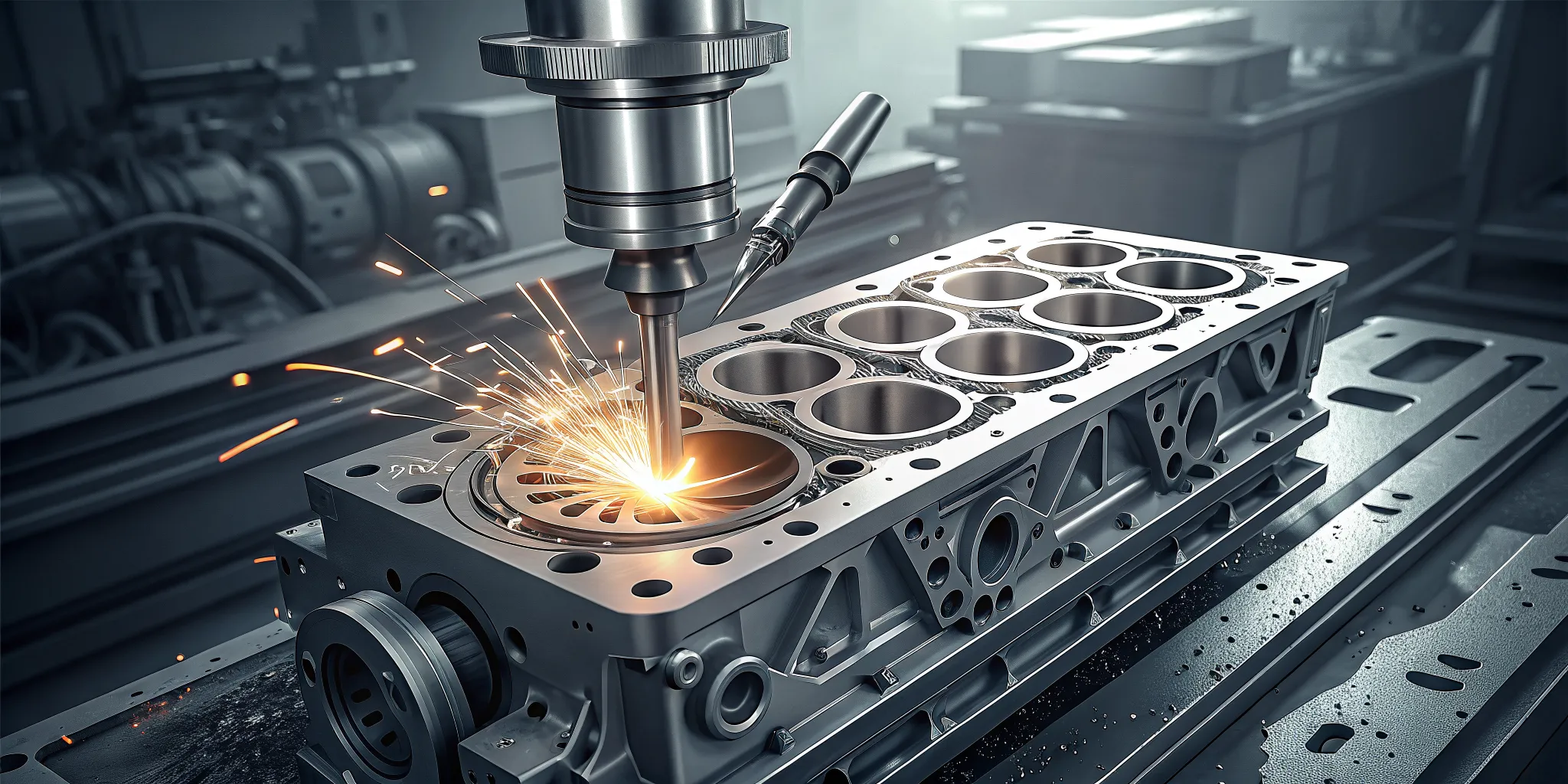
Forged Performance Build: Mid-Range Upgrades
A forged performance build is the right middle ground when a stock-internal rebuild no longer matches the way you use your Subaru. It replaces the components most exposed to cylinder pressure and high engine speed while keeping the project focused on dependable street and track performance rather than an all-out race specification.
What the forged package includes
The foundation is typically a set of forged pistons from Manley or CP-Carrillo, paired with forged connecting rods from Manley or Pauter. Forged internals are a critical upgrade for high-performance Subaru builds because they provide a stronger margin under increased boost and sustained load. The exact piston compression ratio, bore size, and rod specification still need to match the engine platform, turbocharger, fuel system, and intended use.
ACL or King race bearings, an upgraded oil pump, and new fasteners round out the short-block work. The machine shop should verify clearances, deck surfaces, cylinder condition, and crankshaft measurements before assembly. Those details matter as much as the brand names on the parts. A premium component cannot compensate for incorrect clearances or an assembly process that skips measurement and inspection.
Budget and realistic power expectations
Plan on approximately $5,000 to $8,000 for this level of build, depending on the engine series, head condition, machine work, and parts selected. Head work can add meaningful value to the package. Resurfacing, valve inspection, seat work, and appropriate valvetrain service help the heads support the upgraded bottom end instead of becoming the next restriction or failure point.
A common planning ceiling is roughly 400 to 550 whp, but that is not a promise made by forged pistons and rods alone. Turbo selection, fuel delivery, engine management, cooling, drivetrain condition, and calibration all determine what the complete vehicle can safely produce. Track-focused drivers should also account for the additional heat and high-stress durability demands of repeated hard use, not just a peak dyno number.
Already targeting 400+ whp? Compare Crawford long block builds that include the machining, component selection, and assembly in one matched package.
If you want the machining, component selection, and assembly handled as one matched package, review Crawford long block engines as a starting point. A properly specified long block can make the total Subaru engine rebuild cost easier to evaluate because the core engine work is defined before installation and supporting-mod decisions begin.
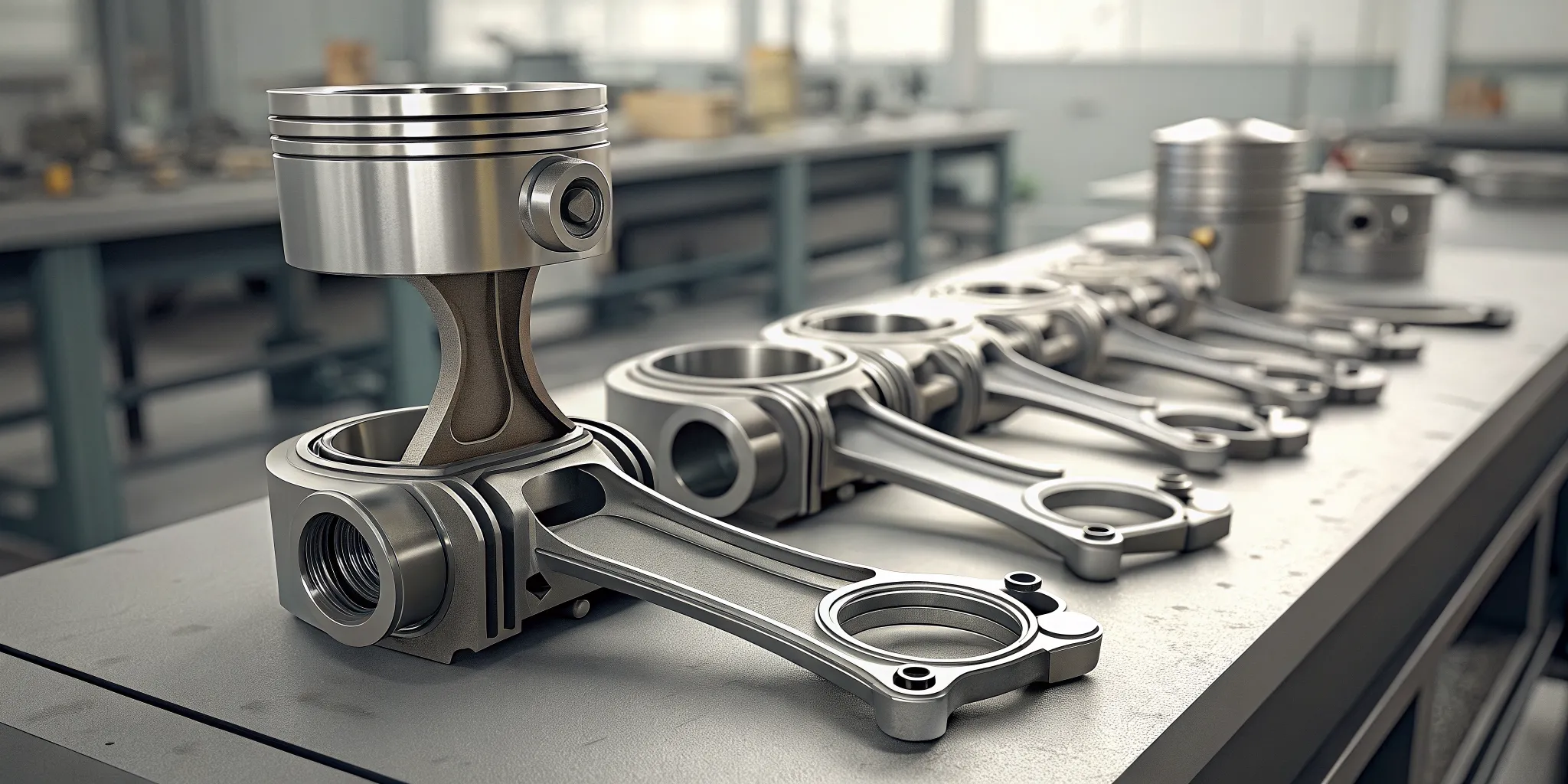
Full Race Build: Maximum Power and Durability
A full race Subaru build is designed around one priority: surviving sustained abuse while supporting serious power. This is not a stock replacement rebuild with a few upgraded parts. It is a complete system in which the block, rotating assembly, cylinder heads, valvetrain, oiling, cooling, turbo system, fuel system, and calibration must work together.
Plan on approximately $8,000 to $15,000 or more for the engine build itself, depending on the platform, machining requirements, parts selection, and final specification. That range does not mean the engine alone guarantees a particular dyno number. A 600 to 850-plus whp ceiling also requires the right turbocharger, fuel delivery, intercooling, exhaust, engine management, drivetrain, and professional calibration.
What the full race specification includes
The foundation is typically a closed deck conversion that reinforces the cylinder walls under high cylinder pressure. Billet main caps add strength and stability to the crankshaft support structure. A billet crank, custom pistons, and high-strength connecting rods complete a rotating assembly selected for the intended boost and RPM range. Clearances, balance, bearing fitment, and fastener torque all become critical at this level.
The cylinder heads receive porting matched to the turbo and displacement rather than simply removing material. A complete valvetrain may include upgraded springs, retainers, valves, guides, and cams, with the final combination chosen for the engine's usable RPM range. These details are why a race build demands precision machining and careful assembly, not just an expensive parts list.
Crawford race-level engine options
Crawford's Ken Block spec long block is listed at $12,000 and represents a fully specified racing-engine option. Crawford describes its engines as hand-assembled with precision components and rigorous quality control. That assembly discipline matters when the margin for error is small and the engine will see repeated high-load operation. Review the available custom engine builds to compare configurations and begin defining the right specification.
For a track-focused car, the best Subaru engine rebuild cost decision is not necessarily the lowest initial quote. It is the specification that matches the car's power goal, use, and supporting hardware without forcing an expensive second build after the first one reaches its limit.
Subaru Engine Rebuild vs. Built Block: Which Saves You Money?
The lowest invoice is not always the lowest Subaru engine rebuild cost. A DIY rebuild can look attractive when the short block is already apart. But the real comparison includes machining, assembly accuracy, downtime, and what happens if a problem appears after installation. A shop rebuild may reduce your hands-on work, while a built block gives you a defined specification and a documented warranty.
| Option | Price | Power ceiling | Warranty | Downtime | Skill required |
|---|---|---|---|---|---|
| DIY rebuild | Parts and machine work vary | Limited by parts, clearances, and supporting mods | Parts or machine-shop terms only | Longest and least predictable | Advanced assembly and measurement |
| Shop rebuild | Commonly $2,500-$6,000 | Defined by selected internals and supporting mods | Varies by provider | Depends on queue, parts, and machine work | Shop-managed; owner supplies specifications |
| Crawford short block | $4,999 | Based on the selected configuration and supporting mods | 12 months/12,000 miles | Reduced assembly time | Installation and compatible parts selection |
| Crawford long block | $6,999 | Based on the selected configuration and supporting mods | 12 months/12,000 miles | Reduced assembly time | Installation and system setup |
| Ken Block spec long block | $12,000 | Fully specified racing application | 12 months/12,000 miles | Reduced assembly time | Professional installation and supporting systems |
The table shows why price alone can mislead. A DIY or conventional shop rebuild may cost less at the start, but the final total can change when the block needs additional machining. Parts do not match the intended use, or assembly work has to be repeated. The short-block versus long-block decision also changes how much head, valvetrain, and accessory work remains before installation. For more context on the broader planning process, review these STI engine build costs and the full Crawford engine collection as the pillar reference for built-block options.
Crawford's advantage is control over the specification. Crawford builds use proprietary hand-built blocks and custom machining, with engines hand-assembled from precision components and subjected to quality control. Crawford is also an authorized IAG dealer while maintaining its own built-to-order approach. That precision matters when the goal is a reliable combination rather than a generic replacement.
The 12-month, 12,000-mile performance warranty is the clearest cost-protection difference in this comparison. It does not replace proper installation or supporting modifications. But it gives the buyer a defined level of coverage that DIY work and many shop rebuilds may not provide. Choose the option that fits the vehicle's actual use, power goals, and tolerance for downtime, then compare the complete cost rather than the first quote.
Machine Work and Labor: The Hidden Costs of a Subaru Engine Rebuild
The parts list is only the beginning of a Subaru rebuild budget. Once the engine is disassembled. The machine shop and assembly labor can determine whether a seemingly affordable repair stays near the basic rebuild range or moves toward a performance-build budget.
Machine-shop services add up quickly
A damaged or worn block may need more than a simple cleaning and reassembly. Typical services include:
- Bore and hone: $200 to $400 to restore cylinder dimensions and prepare the bores for the selected pistons and rings.
- Deck resurfacing: $150 to $300 to create a flat sealing surface for the head gasket.
- Line boring or honing: $200 to $400 when the main tunnel requires correction.
- Crankshaft polishing: $100 to $200 when journals can be cleaned up without a full crankshaft replacement.
- Cylinder-head rebuilding: $400 to $800 for inspection, valve work, resurfacing, and related service.
You may not need every operation, but machining and surface work commonly falls between $400 and $2,000 overall. The final figure depends on the engine series, measured wear, previous damage, and whether the block can be returned to specification. A machine shop should measure the block, crankshaft, and heads before parts are ordered, not after the budget has already been set. For additional context on choosing forged components, see the forged internals guide.
Labor is a separate line item
Professional rebuild labor commonly runs about $75 to $150 per hour. A straightforward rebuild may require roughly 15 to 30 hours, putting assembly and related work around $1,000 to $2,500. More extensive damage, difficult disassembly, troubleshooting, or additional head work can push the time higher. That is why a generic online quote is rarely precise for a specific engine and use case.
Do not forget the parts around the long block
Gasket and seal kits can add $200 to $400. If the engine is already out, budgeting $300 to $500 for a timing belt and water pump service may prevent paying for overlapping labor later. Also inspect accessories such as the alternator, air-conditioning compressor, and power-steering pump. These components are not always included in a rebuild quote, but replacing a failed accessory after installation can erase the savings from a low initial estimate.
Before approving work, request an itemized estimate that separates machining, labor, internal parts, gaskets, timing components, accessories, and unexpected damage. That breakdown makes the real Subaru engine rebuild cost easier to compare with a ready-to-install short block or long block.
Frequently Asked Questions
How much does a Subaru engine rebuild typically cost?
A basic professional rebuild commonly falls between $2,500 and $4,000, while broader rebuild estimates often reach $6,000 when labor, parts, and engine damage vary. A custom Crawford engine assembly ranges from approximately $4,999 for a foundational build to $12,000 for a fully specified racing engine. Review Crawford engine options for defined pricing by specification.
What is the cost difference between a basic and performance rebuild?
A basic rebuild typically uses stock-replacement components and addresses the existing failure for $2,500 to $4,000. A performance build adds forged internals, upgraded bearings, oiling improvements, and sometimes cylinder-head work, raising the range to $5,000 to $8,000. The right level depends on intended use, supporting modifications, and the durability margin you need, not horsepower alone.
What components are included in a Crawford built short block?
Crawford short blocks include a fully machined and assembled rotating assembly with forged pistons. Forged connecting rods, performance bearings, and new seals, ready for installation of the cylinder heads and ancillaries. Each build is hand-assembled and subjected to quality control before shipment. View the current short block configurations.
How does the Crawford 12-month/12,000-mile warranty work?
The warranty covers defects in materials and workmanship for 12 months or 12,000 miles, whichever comes first. It applies to the assembled engine and does not cover damage from improper installation, tuning, or supporting modifications outside the engine's intended specification. The warranty is the clearest cost-protection difference between a Crawford built block and a DIY or shop rebuild.
Can I rebuild my Subaru engine myself?
Yes, if you have advanced mechanical skills, precision measuring tools, and a clean workspace. A DIY rebuild can save on labor costs, but it carries risk if clearances, torque specs, or assembly procedures are incorrect. The time investment is also substantial, and parts warranty typically covers individual components only, not the assembled engine.
Should I rebuild my Subaru engine or buy a built block?
It depends on your budget, timeline, and power goals. Rebuilding your existing block can cost less upfront if the core is in good condition, but machine shop wait times and unexpected damage can erase the savings. A Crawford built block provides a defined specification, documented warranty, and predictable turnaround. Compare the options in the Crawford engine collection to decide which path fits your project.
What is a core charge, and do Crawford built blocks include one?
A core charge is a deposit added to the purchase of a remanufactured or rebuilt engine that is refunded when the buyer returns the old engine core. Crawford built blocks are new assemblies manufactured from fresh components, so they do not carry a core charge. You keep your original engine or sell it as a standalone core.
Ready to Build Your Subaru Engine?
Once you understand the costs of a rebuild, choosing the right level of assembly becomes much easier. Crawford Performance can help you select a forged short block or complete long block that fits your Subaru. Goals, and budget, with engines backed by a 12-month, 12,000-mile performance warranty.
Browse Crawford Performance built engines to compare available options, review specifications, and get started on your build.