

Subaru AOS vs Catch Can Guide for Turbo Boxer Engines
Turbo boxer engines punish weak blow-by control long before the warning lights appear. The right separator protects reliability without turning every oil change into another chore.
Shop Crawford Subaru Air Oil Separators to match your WRX, STI, BRZ, or turbo Subaru with a closed-loop blow-by control setup.
Subaru AOS vs catch can comes down to how separated oil is handled and how often you want to inspect the system. A closed-loop AOS separates blow-by vapor, returns collected oil to the sump, and offers a low-maintenance choice for daily-driven turbo boxer engines. A catch can stores that oil for manual draining, making fluid inspection easy between track sessions but adding a maintenance routine, especially in cold weather. A closed-loop design keeps crankcase vapors routed through the PCV system, though emissions compliance still depends on the exact kit and local rules. Because direct-injection intake valves lack fuel's cleaning action, controlling oily vapor helps limit deposits; research on modern turbo engines explains the risk.
The real choice is not which device sounds more advanced, but which matches your Subaru's use, inspection habits, and tolerance for upkeep. Start with Subaru AOS vs catch can: the quick answer for turbo boxer engines, then weigh the tradeoffs that follow. The path begins with:
Subaru AOS vs catch can: the quick answer for turbo boxer engines
Both devices manage crankcase blow-by before oil vapor reaches a turbo Subaru's intake. An AOS separates that vapor and returns the oil through a closed-loop system. A catch can traps the oil and holds it until someone drains the can.
For most daily-driven turbo boxer engines, an AOS is the simpler long-term choice. It does not add a routine draining task. A catch can suits owners who want to inspect the collected fluid after track sessions or during engine checks.
The core difference
The practical Subaru AOS vs catch can decision comes down to what happens after oil leaves the crankcase vapor. Both systems aim to keep that oil out of the intake path. This matters because factory PCV routing can send oily vapor and combustion byproducts into the intake.
That concern is sharper on direct-injected engines. Fuel does not wash the backs of their intake valves. A University of Illinois Chicago engineering project explains why oil separation helps limit deposits in modern turbo direct-injection engines.
| Comparison point. | Closed-loop AOS. | Catch can. |
|---|---|---|
| Oil after separation. | Returns oil to the engine. | Stores oil for manual draining. |
| Daily-driver upkeep. | Largely set-and-forget. | Needs routine level checks. |
| Track inspection. | Less direct view of collected oil. | Makes collected fluid easy to inspect. |
| Cold-weather concern. | No catch reservoir to empty. | Condensation can mix with collected oil. |
| Routing. | Designed around a closed PCV loop. | Varies by kit and setup. |
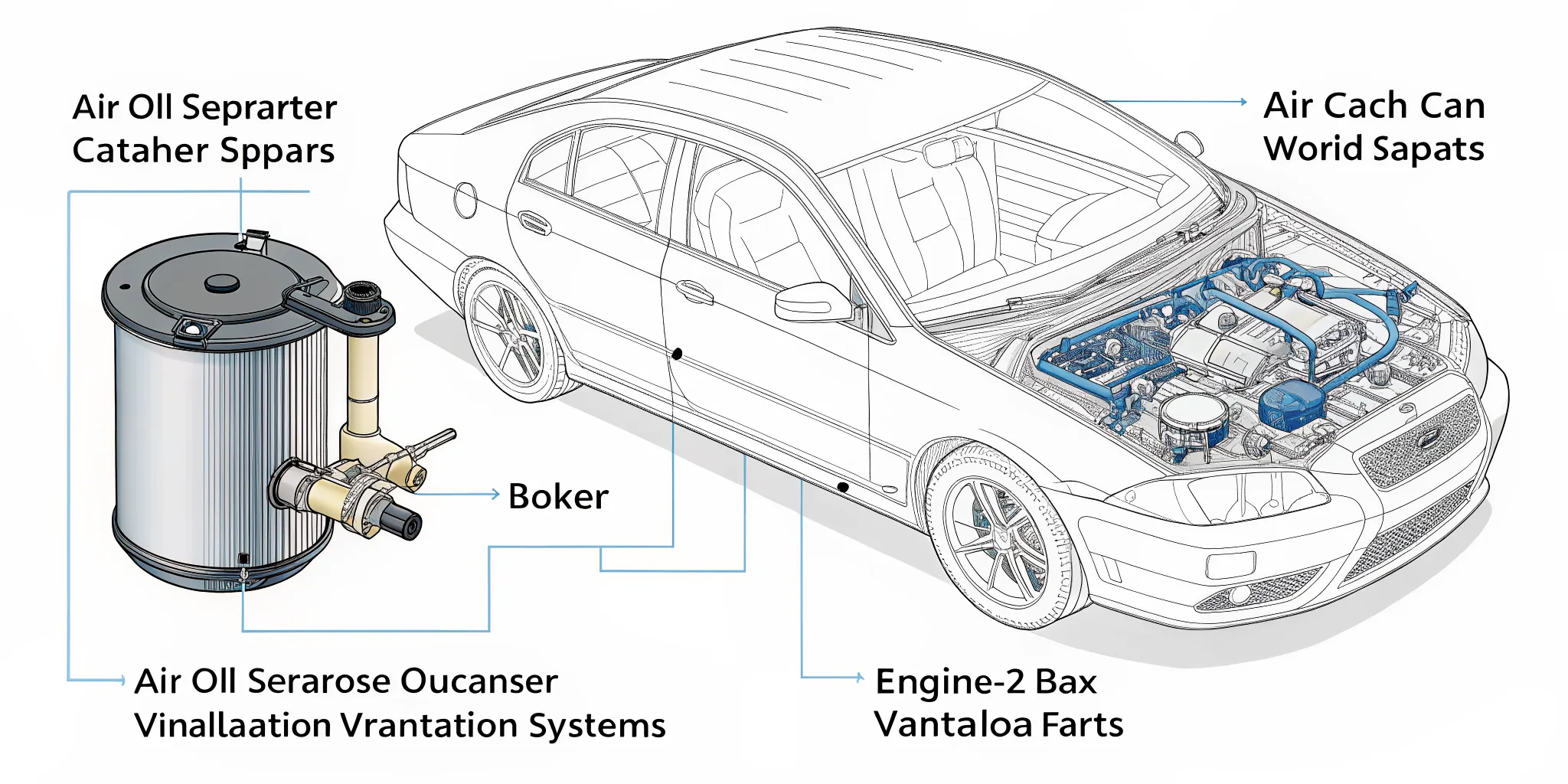
Daily driving versus track inspection
A daily driver benefits from fewer service tasks. A closed-loop AOS returns separated oil instead of storing it in a small reservoir. Crawford's Subaru Air Oil Separator guide covers how that process works on Subaru engines.
A catch can gives the owner a sample to inspect. That can help track drivers check oil volume, moisture, and other collected material between sessions. The tradeoff is simple: the can only works as planned when it is checked and drained on time.
Reliability and emissions considerations
Turbo boxer engines place crankcase ventilation parts near heat, boost plumbing, and tight engine-bay packaging. Correct hose routing and secure fittings matter with either option. Poor installation can create leaks or disrupt the intended PCV flow.
Emissions rules also deserve attention before purchase. Closed-loop does not automatically mean a kit is legal for every road car or location. Owners should confirm the kit's approval, routing, and local requirements before changing factory emissions-related equipment.
The quick answer is an AOS for low-maintenance street use, and a catch can for hands-on inspection. Neither choice replaces routine engine checks. Match the system to the car's use, then install and maintain it as its maker directs.
How blow-by control protects turbo Subaru engines
PCV routing under boost
A Subaru positive crankcase ventilation system moves crankcase vapor back through the intake tract. That routing keeps the system closed, but it can also carry suspended oil and combustion byproducts toward the engine. A turbo boxer engine benefits from blow-by management because hard use can make clean, stable airflow more important.
An AOS or catch can sits within this routing and separates oil from the vapor before it reaches the intake. The design and hose layout matter because the separator must work without disrupting the PCV system. A detailed Subaru Air Oil Separator guide can help owners understand this routing before choosing parts.
Oil vapor, octane, and knock
Oil vapor does more than leave a film inside pipes. When oily vapor reaches the combustion chamber, it can lower the fuel's effective octane rating. That matters in a turbo engine, where the tune depends on controlled combustion under boost. Good separation reduces one source of contamination, but it does not replace sound tuning or proper fuel.
Oil and other PCV byproducts can also collect on intake valves. This issue is more pronounced with direct injection because fuel does not wash those valves. A University of Illinois Chicago engineering project explains how oily PCV vapor contributes to deposits and lower octane. These deposits may affect airflow, valve sealing, and combustion quality over time.
What separation can and cannot do
In the Subaru AOS vs catch can decision, both devices aim to keep separated oil out of the intake path. A catch can stores the captured liquid for later inspection and draining. An AOS can return separated oil to the sump through a closed-loop layout. Owners comparing service needs can review how a Subaru oil catch can works within that system.
- Cleaner intake path: Less oil vapor can mean a cleaner intake tract and intercooler path.
- More consistent tune conditions: Reduced intake contamination helps preserve the airflow and combustion conditions expected by the tune.
- Stable PCV routing: Consistent PCV routing supports crankcase pressure control during street or track use.
- Ongoing inspection: Regular checks still matter because hoses, seals, tune quality, and engine condition affect risk.
Neither device makes a turbo Subaru immune to knock, deposits, or engine wear. Results depend on separator design, installation, maintenance, and the engine's condition. Blow-by control is one part of a wider reliability plan, not a substitute for monitoring oil level and tune health.
Which is better for a daily driver: AOS or catch can?
For most street-driven Subaru builds, an AOS is the easier daily-driver choice. It separates oil from crankcase vapor, then returns that oil to the engine instead of storing it for later draining. That closed-loop design suits a WRX, STI, BRZ, FR-S, 86, or Forester XT that must start and run each day.
Set-and-forget upkeep
A catch can can manage oil vapor well, but the driver must check and drain it on a regular schedule. The right interval changes with driving style, engine condition, and weather. Missing that task can let the can fill, which works against its purpose.
A Crawford-style AOS removes that routine from normal ownership. Separated oil drains back to the sump, while the cleaned crankcase gases continue through the closed-loop PCV path. Drivers comparing the two systems can review the full Crawford Subaru Air Oil Separator range by vehicle.
When weighing Subaru AOS vs catch can options, start with the service habit you can maintain. A weekend track car gets frequent checks, so draining a can may fit its routine. A commuter often goes weeks without opening the hood, making automatic oil return a practical safeguard.
Closed-loop PCV operation
The PCV system routes crankcase gases back through the intake so the engine can burn them. An AOS works within that path and removes much of the suspended oil before it reaches the intake. This matters on a turbo boxer engine, where boost and hard use can raise crankcase vapor flow.
Oil vapor in the intake can contribute to deposits and may lower fuel octane. Direct-injected engines also lack fuel spray across the intake valves, so deposits do not get the same cleaning action. A University of Illinois Chicago engineering project explains why blow-by management matters on modern turbo direct-injection engines.
A closed-loop AOS also keeps the factory-style flow path intact rather than venting crankcase gases into the engine bay. Fitment and hose routing still matter. Owners who want more system detail can read the Subaru Air Oil Separator guide before choosing a model-specific setup.
Cold-weather condensation
Winter driving makes catch-can upkeep more demanding. Water vapor can condense inside a cold canister and mix with captured oil, forming sludge that must be drained. Short trips can make this issue harder to spot because the system may not stay hot for long.
An AOS is usually the simpler option when the car sees commuting, errands, road trips, and changing seasons. It reduces the chance that a missed drain becomes a reliability concern. A catch can still makes sense for drivers who want to inspect collected fluid often, but that benefit comes with hands-on upkeep.
Do tracked Subarus need an AOS or a catch can?
There is no single right answer for every tracked Subaru. The better choice depends on boost, session length, engine condition, and the driver's inspection habits. Both systems manage oil carried in crankcase vapor, but they handle the separated fluid in different ways.
Catch cans as inspection tools
A catch can stores separated fluid until someone drains it. That makes the contents available for a visual check between sessions. A sudden change in volume, color, or smell may prompt a closer look before the car returns to the track.
This benefit only works when draining is part of the track routine. The driver should inspect the can often enough to learn what is normal for that engine. Crawford's Subaru oil catch can guide explains how these systems collect material from the crankcase vapor path.
AOS support during long sessions
A well-designed AOS separates oil from crankcase vapor and returns that oil to the engine. It can reduce routine draining between sessions, which suits drivers who want less service work. Crawford developed its closed-loop Subaru Air Oil Separator for this type of oil control.
Track use still calls for inspection discipline. High boost can increase the demand placed on the crankcase ventilation system. Sustained lateral load and heat can also expose weak routing, loose fittings, or poor placement. Check hoses, clamps, and connections before driving, then inspect them again after the engine cools.
Choosing for the car and driver
Start with the way the car is used. A catch can may fit a driver who wants to inspect and measure collected fluid after each session. An AOS may fit a driver who prefers oil return and less routine draining.
System design matters as much as system type. Airflow can affect separator performance, so the chosen setup must suit the engine and its use. Research from the Karlsruhe Institute of Technology notes that oil separation efficiency changes with airflow, particle size, and rotational speed.
Check WRX AOS fitment before your next service interval so the separator, hose routing, and engine generation match your build.
Neither option removes the need to watch oil level, leaks, or crankcase pressure signs. A heavily modified Subaru may also need advice from its tuner or engine builder. For track use, the best choice is the one that matches the setup and supports a repeatable inspection plan.
Maintenance and emissions considerations before you choose
The Subaru AOS vs catch can choice is also a choice about upkeep. A closed-loop AOS works with the PCV system and sends separated oil back to the sump. A catch can stores captured fluid, so it needs regular draining and inspection.
System layout and street use
First, find out whether the system is closed-loop or vent-to-atmosphere. A closed-loop design keeps crankcase vapor routed through the PCV system. A vented design sends vapor outside that path. Ask the maker how its layout may affect inspection before buying.
Do not assume a part meant for track use meets the rules for a street car. Confirm current emissions and inspection rules with your local authority. Rules can differ by location and vehicle use, so get a clear answer before changing the factory routing.
Blow-by control also matters beyond maintenance. On direct-injected engines, fuel does not wash the intake valves. This makes control of oil vapor and deposits more important, as this academic air-oil separator study explains.
A practical choice and care process
Use these steps to match the system to your driving and maintenance habits. For more detail on closed-loop operation, review the Subaru Air Oil Separator guide before comparing kits.
- Define the car's main use. Daily drivers often suit a closed-loop AOS, while a track car may benefit from a catch can that is easy to inspect.
- Check the routing before purchase. Confirm whether the kit is closed-loop or vented, then ask how that setup fits local emissions and inspection rules.
- Plan access for service. A catch can should be easy to reach, remove, drain, and inspect without disturbing hot or fragile parts.
- Set a check routine based on use and weather. Inspect a catch can more often during cold weather and after hard driving until you learn its fill rate.
- Inspect the full system, not just the container. Check hoses, clamps, fittings, and drain paths for leaks, damage, blockage, or loose connections.
Cold-weather checks and ongoing care
Cold weather can add condensation to a catch can. Mixed with captured oil, that moisture can form sludge inside the canister. Drain and inspect it often enough to prevent buildup. A clear record of what you find helps set a useful service schedule.
A closed-loop AOS removes the manual draining task, but it should not be ignored. Check its hoses, fittings, and return path during routine engine service. Look for leaks, pinched lines, or other signs that flow may be restricted.
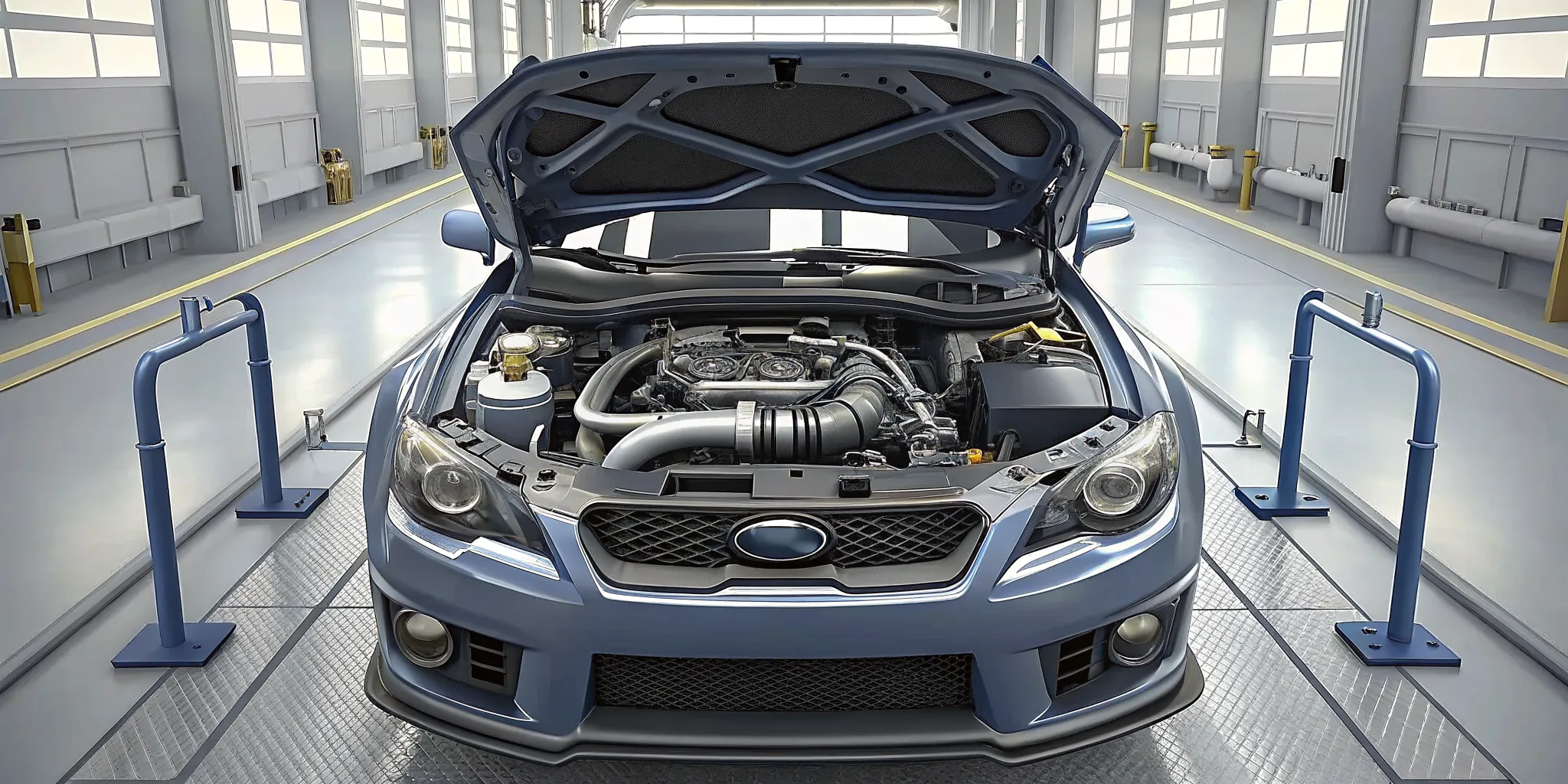
Track users may prefer the quick visual check a can provides between sessions. Street drivers who want less hands-on care may favor an AOS. The Subaru oil catch can guide covers the can's operation and service needs in more detail.
How to choose the right setup for your Subaru build
Start with how the car is used
The right choice in the Subaru AOS vs catch can debate starts with the car's main job. A street-driven WRX, STI, or BRZ needs a setup that works through traffic, road trips, and long service gaps. A track car may benefit from a can that lets the crew inspect collected fluid between sessions.
Be honest about your service habits. A catch can only works as intended when someone checks and drains it on schedule. Cold weather can add condensation and sludge, which makes regular checks more important. A closed-loop AOS returns separated oil and suits owners who want less routine service.
Match the system to the engine and conditions
Confirm the exact model year, engine generation, and intake layout before ordering parts. EJ, FA, and FB engines do not share every hose route or mounting point. Use Crawford's Subaru Air Oil Separator collection to find the listed application, then verify every fitment note before purchase.
- Daily street use: Favor a closed-loop system when low upkeep and clean routing matter most.
- Track use: Consider whether quick fluid inspection between sessions is more useful than automatic oil return.
- Higher boost: Choose a system built for the engine's crankcase flow and the planned power level.
- Cold climate: Plan for more frequent catch can checks because water can collect with oil vapor.
- Mixed use: Base the choice on the hardest regular use, not one rare event.
Engine design also matters. On direct-injected engines, fuel does not wash the intake valves. This makes control of oily vapor more useful for keeping deposits out of the intake path. A University of Illinois Chicago project explains why direct-injection engines need oil-vapor separation.
Do not overlook installation quality
Even the right separator can perform poorly when installed with loose clamps, kinked hoses, or wrong port routing. Follow the kit instructions, keep hoses away from hot or moving parts, and check for leaks after the first heat cycle. A clean install should also leave normal service points easy to reach.
Crawford developed the original closed-loop Subaru AOS for demanding turbo boxer applications. That history makes its designs a useful benchmark, but vehicle fitment still comes first. Review Crawford's Subaru Air Oil Separator guide, then match the kit to your exact WRX AOS fitment, STI AOS fitment, BRZ AOS fitment, or other Subaru application.
After installation, watch oil level, hose condition, and engine behavior during normal use. Catch can owners should set a drain interval based on what the can collects. AOS owners still need periodic hose and clamp checks, even when the separator does not need routine draining.
Browse WRX and STI performance parts or shop BRZ performance parts if your build needs supporting upgrades with the AOS install.
Frequently Asked Questions
Which is better for a daily driver: AOS or catch can?
For most daily-driven turbo Subarus, a closed-loop AOS is the more convenient choice. It separates oil from crankcase vapor and returns that oil to the sump, so routine draining is unnecessary. A catch can can also control blow-by contaminants, but the owner must inspect and empty it regularly. The better choice depends on maintenance habits, vehicle setup, and local emissions rules.
Do I need an AOS or a catch can for a tracked Subaru?
Either system can support a tracked Subaru when it is sized, routed, and installed correctly. Catch cans make collected fluid easy to inspect between sessions, which can help reveal increased blow-by. A closed-loop AOS reduces routine draining and returns separated oil to the engine. Proper blow-by management is important for long-term boxer-engine reliability under demanding conditions, according to Crawford Performance.
What are the maintenance requirements for a catch can versus an AOS?
A catch can needs scheduled inspection and manual draining before it becomes full. Cold weather can increase condensation and create sludge, so winter checks may need to be more frequent. A closed-loop AOS returns separated oil to the sump and usually needs less routine attention. Both systems still require periodic checks for loose hoses, leaks, restrictions, and installation problems.
Does installing an AOS affect Subaru emissions compliance?
An AOS can affect emissions compliance if its installation changes required crankcase ventilation equipment or vents vapor into the atmosphere. A closed-loop design keeps crankcase gases routed through the engine's intake path, but that does not guarantee approval everywhere. Requirements vary by location, model year, and inspection program. Confirm the system's certification and local rules before installing it on a street-driven Subaru.
Is an AOS worth the extra cost over a catch can?
An AOS may justify its higher initial cost when low maintenance and daily-driver convenience matter most. Its closed-loop design separates oil and returns it to the sump, avoiding the regular draining required by many catch cans. A catch can may suit owners who prefer a simpler setup and want to inspect collected fluid. Compare total cost, installation complexity, inspection access, and maintenance habits.
Ready to Protect Your Turbo Subaru for the Long Run?
Waiting to control blow-by gives oil vapor more time to pass through your turbo Subaru's intake, while catch-can service can become easy to overlook. Starting now gives you time to choose and install a setup matched to weekday commuting, long road trips, spirited driving, or repeated track sessions. A closed-loop AOS returns separated oil instead of storing it for later draining, helping simplify upkeep across every season of regular driving.
Ready to reduce catch-can upkeep and support consistent blow-by control? Shop Crawford Subaru Air Oil Separators to find an AOS for your Subaru. Contact Crawford Performance before ordering if you need help choosing the right fit for your engine and driving plans.