

WRX Cat-Back-Auspuffanlage: Ein Einkaufsführer
Nach jahrelanger Erfahrung im Bau und Tuning von leistungsstarken Subarus weiß ich genau, was einen großartigen Auspuff von einem mittelmäßigen unterscheidet. Es geht nicht nur um einen lauten Sound oder ein poliertes Endrohr, sondern um intelligente Konstruktion, hochwertige Materialien und nachweisbare Leistungssteigerungen. Ich habe selbst erlebt, wie ein gut konzipiertes Cat-Back-Auspuffsystem die Fahrdynamik und das Fahrerlebnis eines Autos grundlegend verändern kann. In diesem Ratgeber teile ich mein Fachwissen mit Ihnen. Ich stelle Ihnen meine Favoriten vor und erkläre die jeweiligen Vorteile, damit Sie mit gutem Gewissen den perfekten Auspuff für Ihren 2021er WRX auswählen können.
Wichtigste Erkenntnisse
- Wählen Sie das richtige System für Ihre Ziele : Eine Auspuffanlage ab Hinterachse ist ein guter Ausgangspunkt für einen aggressiveren Klang, während eine komplette Abgasanlage ab Katalysator die beste Wahl ist, um durch die Verbesserung des gesamten Abgasstroms spürbare Leistungs- und Drehmomentsteigerungen zu erzielen.
- Leistung entsteht durch Effizienz : Eine hochwertige Abgasanlage steigert die Leistung, indem sie den Abgasgegendruck reduziert und so dem Motor ein freieres Atmen ermöglicht. Der aggressive Sound ist eine direkte Folge dieser verbesserten Effizienz, nicht die Ursache der Leistungssteigerung selbst.
- Setzen Sie auf hochwertige Materialien und passgenaue Montage : Ein gut konstruierter Auspuff aus T304-Edelstahl ist korrosionsbeständig und langlebig. Achten Sie auf Systeme, die als direkter, anschraubbarer Ersatz konzipiert sind, um eine problemlose Installation ohne Lecks oder Klappergeräusche zu gewährleisten.
Unsere Top-Auspuffanlagen für den WRX 2021
Die Wahl der richtigen Auspuffanlage für Ihren WRX ist eine der lohnendsten Aufrüstungen, die Sie vornehmen können. Diese Entscheidung beeinflusst nicht nur die Leistung Ihres Fahrzeugs, sondern auch seinen Charakter und Ihr Fahrerlebnis im Alltag. Eine neue Auspuffanlage kann die Leistung und das Drehmoment steigern, indem sie den Abgasabfluss optimiert und den Klang Ihres Boxermotors grundlegend verändert. Ob Sie nun einen tiefen, aggressiven Sound für die Rennstrecke oder einen kultivierteren Klang für den täglichen Weg zur Arbeit suchen – es gibt die perfekte Anlage für Sie.
Der Markt bietet eine Vielzahl an großartigen Optionen, von einfachen Endschalldämpfern bis hin zu kompletten Abgasanlagen. Jede bietet ein anderes Verhältnis von Klang, Leistung und Preis. Um Ihnen die Suche nach der passenden Lösung für Ihre Ziele und Ihr Budget zu erleichtern, haben wir eine Liste der beliebtesten und effektivsten Abgasanlagen für den Subaru WRX (2015–2021) zusammengestellt. Diese Anlagen zeichnen sich durch ihre hochwertige Verarbeitung, nachweisliche Leistungssteigerung und den unverwechselbaren Sound aus, der den WRX so fahrspaßig macht.
Crawford Performance Gymkhana Auspuffanlage
Wenn maximale Leistung Ihre oberste Priorität ist, ist die Crawford Performance Gymkhana Auspuffanlage genau das Richtige für Sie. Inspiriert von den Systemen im professionellen Motorsport, verfügt diese Auspuffanlage über ein durchflussoptimiertes, gerades Design, das den Abgasgegendruck drastisch reduziert. Dadurch kann Ihr Motor freier atmen, was zu einem deutlichen Zuwachs an Leistung und Drehmoment über den gesamten Drehzahlbereich führt. Es ist ein aggressives System, das ein lautes, kerniges und unverwechselbares Boxer-Grollen erzeugt, das Ihre Präsenz unüberhörbar macht. Diese Auspuffanlage ist perfekt für Trackdays, Autocross oder jeden Fahrer, der das Maximum aus seinem WRX herausholen und sich nicht scheuen will, gehört zu werden.
Nameless Performance Axle-Back & Cat-Back
Nameless Performance hat sich in der Subaru-Community einen hervorragenden Ruf für seine hochwertigen, individuell anpassbaren Abgasanlagen erworben. Für den WRX bietet das Unternehmen eine breite Palette an Optionen, darunter sowohl Komplettsysteme ab Hinterachse als auch Komplettsysteme ab Katalysator. So können Sie Klang und Leistung optimal an Ihre Bedürfnisse anpassen. Die Komplettsysteme ab Hinterachse sind ein idealer Ausgangspunkt und bieten einen verbesserten Auspuffklang, ohne dabei aufdringlich zu wirken. Wer mehr Leistung wünscht, profitiert von den Komplettsystemen ab Katalysator, die einen besseren Abgasdurchsatz und einen aggressiveren Sound ermöglichen. Nameless ist insbesondere für seine vielfältigen Schalldämpfer- und Endrohroptionen bekannt, mit denen Sie Optik und Klang Ihres Fahrzeugs bis ins kleinste Detail abstimmen können.
Invidia N1 & Q300
Invidia ist ein bekannter Name im Bereich der Sportauspuffanlagen – und das aus gutem Grund. Für den WRX bieten sie zwei herausragende Modelle an: die N1 und die Q300. Die N1 ist die sportlichere der beiden und bekannt für ihren lauten, tiefen Klang sowie ein Design, das maximalen Abgasdurchsatz für optimale Leistung priorisiert. Sie ist eine beliebte Wahl für Enthusiasten, die einen kernigen Sound bevorzugen. Die Q300 hingegen bietet einen kultivierteren und dezenteren Klang. Sie ist so konzipiert, dass sie im Leerlauf und bei Reisegeschwindigkeit leiser ist, entfaltet aber beim Beschleunigen ein sattes Grollen. Damit ist die Q300 eine ausgezeichnete Option für Alltagsfahrer, die ihre Leistung verbessern möchten, ohne unerwünschte Aufmerksamkeit zu erregen.
Carven Auspuffanlage R-Serie
Die Carven R-Series Auspuffanlage liefert einen tiefen, resonanten Klang, der das natürliche Boxer-Grollen des WRX unterstreicht. Dieses System erzeugt einen klaren, kraftvollen Ton ohne das Dröhnen oder Schrillen, das bei manchen Nachrüstauspuffanlagen auftritt. Der Klang ist nicht nur laut, sondern auch qualitativ hochwertig und setzt ein klares Statement. Die R-Series trägt außerdem zur Leistungssteigerung bei, indem sie den Abgasstrom optimiert. Das einzigartige Single-Exit-Design verleiht Ihrem WRX einen unverwechselbaren, aggressiven Look und hebt ihn von der Masse ab. Die R-Series ist die ideale Wahl für alle, die neben hoher Leistung auch Wert auf einen erstklassigen Klang legen.
GrimmSpeed & ETS
Für alle, die sich ein individuelles Setup zusammenstellen oder eine komplette, ausgereifte Lösung suchen, sind GrimmSpeed und Extreme Turbo Systems (ETS) Top-Anbieter. Beide Unternehmen bieten ein umfassendes Sortiment an Performance-Teilen, darunter Downpipes, Cat-Back-Systeme und Endschalldämpfer für den WRX. GrimmSpeed ist bekannt für seine präzise Konstruktion und perfekte Passform, die eine einfache Installation und zuverlässige Leistung gewährleisten. ETS ist berühmt für seine High-Flow-Systeme, die auch hohe Leistungssteigerungen ermöglichen. Ob Sie moderate Upgrades vornehmen oder ein komplettes Rennfahrzeug aufbauen möchten – beide Marken bieten hochwertige Komponenten mit nachweislichen Ergebnissen.
Was ein Auspuff-Upgrade wirklich für Ihren WRX bewirkt
Die Aufrüstung der Abgasanlage Ihres WRX ist eine der lohnendsten Modifikationen überhaupt. Sie profitieren gleich doppelt: Sie erhalten eine spürbare Leistungssteigerung und einen Sound, der Ihr Fahrerlebnis komplett verändert. Ein weit verbreiteter Irrglaube ist, dass ein lauterer Auspuff automatisch mehr Leistung bedeutet, doch die Realität ist differenzierter. Die besten Systeme sind so konstruiert, dass sie den Abgasstrom optimieren, was tatsächlich die Leistung und das Drehmoment steigert. Der aggressive Sound ist lediglich ein fantastischer Nebeneffekt dieser Effizienz.
Wenn Sie Ihre Serienauspuffanlage gegen eine leistungsoptimierte austauschen, geben Sie Ihrem Motor im Grunde genommen freies Atmen. Serienanlagen sind kompromissbehaftet konstruiert und priorisieren einen leisen Betrieb und Wirtschaftlichkeit gegenüber maximaler Leistung. Eine Nachrüstanlage hingegen ist auf ein einziges Ziel ausgelegt: Leistung. Das bedeutet Rohre mit größerem Durchmesser, sanftere Krümmungen und weniger restriktive Schalldämpfer. Das Ergebnis ist ein Motor, der die Abgase schneller abführen kann, was zu einem besseren Ansprechverhalten und einem stärkeren Durchzug über den gesamten Drehzahlbereich führt. Ob Sie nun ein dezentes Grollen oder ein vom Rennsport inspiriertes Brüllen bevorzugen – es gibt eine Auspuffanlage, die Ihren Leistungszielen und Ihrem persönlichen Stil entspricht.
Wie Hochleistungssysteme die PS-Zahl erhöhen
Der Motor Ihres Subaru funktioniert wie eine Luftpumpe – je effizienter er Luft ansaugen und ausstoßen kann, desto mehr Leistung erzeugt er. Die serienmäßige Abgasanlage stellt dabei einen wesentlichen Engpass dar. Eine Hochleistungsabgasanlage ist darauf ausgelegt, den Abgasgegendruck zu reduzieren, also die Kraft, gegen die der Motor arbeiten muss, um die Abgase auszustoßen. Durch die Verwendung von Rohren mit größerem Durchmesser und weniger restriktiven Schalldämpfern schaffen diese Systeme einen freieren Abgasweg. Dieser verbesserte Durchfluss ermöglicht einen effizienteren Motorbetrieb und führt zu einer spürbaren Steigerung von Leistung und Drehmoment. Ein gut konstruiertes System wie die Crawford Performance Gymkhana 2 Abgasanlage wurde speziell entwickelt, um diesen Durchfluss für eine insgesamt bessere Performance zu optimieren.
Der Einfluss des Rohrdurchmessers auf den Abgasstrom
Betrachten Sie Ihre Abgasanlage als die Lunge Ihres Motors. Der Durchmesser der Abgasrohre spielt eine entscheidende Rolle für die Abgasmenge. Serienmäßige Anlagen verwenden oft engere Rohre, um Geräusche und Herstellungskosten zu reduzieren. Dies führt jedoch zu einer Verengung und behindert den Abgasstrom. Durch den Wechsel zu einer Anlage mit größerem Durchmesser schaffen Sie einen freieren Weg für die Abgase. Die Reduzierung des Abgasgegendrucks ermöglicht es dem Turbolader, effizienter zu arbeiten und den Motor zu entlasten, wodurch mehr Leistung freigesetzt wird. Dies ist ein grundlegendes Prinzip aller effektiven Leistungsteile: Effizienzsteigerung für mehr Leistung. Für einen turbogeladenen WRX ist eine gut konstruierte Anlage mit größerem Durchmesser der direkte Weg zu einem besseren Ansprechverhalten und mehr PS.
Den perfekten Auspuffsound finden
Klang ist subjektiv, und der perfekte Auspuffsound liegt im Ohr des Zuhörers. Was der eine Fahrer als berauschendes Brüllen empfindet, ist dem anderen vielleicht zu laut für den täglichen Arbeitsweg. Nachrüstauspuffanlagen für den WRX gibt es in einer breiten Klangpalette, von einem tiefen, resonanten Grollen bis hin zu einem hohen, aggressiven Kreischen. Die Konstruktion des Systems – einschließlich Schalldämpfertyp, Resonator und Rohrdurchmesser – spielt eine entscheidende Rolle für den endgültigen Klang. Bevor Sie sich für einen Kauf entscheiden, ist es ratsam, sich Klangbeispiele verschiedener Anlagen an einem Fahrzeug wie Ihrem anzuhören. So finden Sie eine Konfiguration, die nicht nur eine gute Leistung erbringt, sondern auch einen Klang erzeugt, der Ihnen jedes Mal Freude bereitet, wenn Sie den Motor starten.
Die Rolle von Resonatoren bei der Reduzierung von Dröhngeräuschen
Betrachten Sie einen Resonator als Feinabstimmungswerkzeug für Ihren Auspuffklang. Er befindet sich im mittleren Bereich der Abgasanlage und hat die Hauptaufgabe, bestimmte, unerwünschte Frequenzen zu dämpfen. Am häufigsten wird das sogenannte „Dröhnen“ – dieses tiefe, summende Geräusch, das bei konstanter Autobahngeschwindigkeit den Innenraum erfüllen kann – beseitigt. Ein lauter, aggressiver Auspuff macht zwar beim Beschleunigen Spaß, doch das ständige Dröhnen kann auf längeren Fahrten ermüdend werden. Ein System mit einem gut konstruierten Resonator beseitigt diese Störgeräusche und bietet Ihnen einen klaren, kraftvollen Klang, wenn Sie ihn wünschen, und eine komfortablere Fahrt, wenn Sie es ruhiger mögen. Er ist der Schlüssel zu einem aggressiven Klang, mit dem Sie jeden Tag gerne leben können.
Schallpegel verstehen: Von Tourenwagen bis Rennwagen
Auspuffanlagen werden oft nach ihrem Klangpegel kategorisiert, damit Sie die passende Anlage für Ihren Fahrstil finden. Eine Touring- oder Street -Anlage bietet einen tiefen, satten Klang, der eine deutliche Verbesserung gegenüber der Serienanlage darstellt, aber Ihre Nachbarn nicht stört. Sie ist perfekt für den täglichen Gebrauch. Eine Competition- oder Sport- Anlage ist aggressiver und erzeugt beim Gasgeben einen deutlich lauteren und kernigeren Klang – ideal für den ambitionierten Wochenendfahrer. Schließlich gibt es noch Rennanlagen , wie unsere Gymkhana-Auspuffanlage , bei der der Schalldämpfer oft komplett entfernt wird, um maximalen Durchfluss, minimales Gewicht und einen unverblümten, kompromisslosen Klang für die Rennstrecke zu erzielen.
Wie das Header-Design den Boxerkampf beeinflusst
Während Fahrzeuge mit V-Motoren H- oder X-Rohre zur Klangformung nutzen, entsteht der einzigartige Klang des Subaru WRX durch seine Krümmerkonstruktion. Das klassische, ungleichmäßige „Boxer-Grollen“ ist das Ergebnis von Krümmern mit ungleichen Rohrlängen (UEL) . Da die Abgasrohre für jede Zylinderbank unterschiedlich lang sind, verschmelzen die Abgasimpulse ungleichmäßig und erzeugen so den charakteristischen Klang. Für alle, die Wert auf maximale Leistung legen, sind Krümmer mit gleichen Rohrlängen (EL) die Lösung. Sie gewährleisten eine optimale Abstimmung der Abgasimpulse, was die Abgasführung verbessert und somit für einen besseren Durchfluss und mehr Leistung im oberen Drehzahlbereich sorgt. Der Kompromiss ist ein sanfterer, kultivierterer Auspuffklang, der etwas von dem traditionellen Grollen zugunsten eines Klangs, der eher an einen Hochleistungsrennwagen erinnert, einbüßt.
Cat-Back-Auspuffanlage vs. Axle-Back-Auspuffanlage: Welche ist die richtige für Sie?
Beim Kauf einer Auspuffanlage stößt man auf zwei Haupttypen: Cat-Back- und Axle-Back-Systeme. Ein Axle-Back-System ist die einfachere Variante, da es nur den Schalldämpfer und die Endrohre hinter der Hinterachse ersetzt. Es ist eine gute Wahl für Einsteiger, wenn es Ihnen vor allem darum geht, den Klang Ihres WRX zu verbessern, ohne viel Geld auszugeben. Ein Cat-Back-System ist umfassender und ersetzt die gesamte Abgasanlage vom Katalysator bis zu den Endrohren. Diese Option bietet deutlichere Leistungssteigerungen, da sie einen größeren Teil der restriktiven Serienrohre optimiert. Wenn Sie die beste Kombination aus Klang und Leistung suchen, ist ein hochwertiges Cat-Back-System aus gutem Grund eines der beliebtesten Tuningteile.
Was ist in einem Cat-Back-Kit enthalten?
Ein Cat-Back-Auspuffsystem ist eine Komplettanlage, die alles vom Katalysator bis zum Heckstoßfänger ersetzt. Der Name verrät bereits, wo es beginnt – direkt hinter dem Katalysator. Das ist wichtig, da die Abgasreinigung Ihres Fahrzeugs unberührt bleibt und es sich somit um ein legales und unkompliziertes Upgrade handelt. Im Lieferumfang enthalten sind in der Regel Rohre mit größerem Durchmesser für einen verbesserten Abgasdurchsatz, ein Performance-Schalldämpfer für einen tieferen Klang bei geringerem Gegendruck sowie polierte Endrohre für eine sportliche Optik. Viele Kits beinhalten außerdem einen Resonator, der den Auspuffklang optimiert und unerwünschtes Dröhnen bei Reisegeschwindigkeit reduziert. Diese Systeme sind als direkte Bolt-on-Performance-Teile konzipiert und nutzen die originalen Befestigungspunkte Ihres Subaru für eine perfekte Passform ohne Schweißen.
Macht das Abgasgewicht wirklich einen Unterschied?
Performance bedeutet nicht nur mehr Leistung, sondern auch weniger Gewicht. Jedes eingesparte Pfund verbessert Handling, Beschleunigung und Bremsverhalten. Die meisten Serienauspuffanlagen bestehen aus schwerem, günstigem Stahl. Viele Nachrüstoptionen werden aus leichtem Edelstahl oder sogar Titan gefertigt, was das Fahrzeuggewicht deutlich reduziert. Diese Gewichtsreduzierung, insbesondere am Heck, lässt Ihren WRX agiler und reaktionsschneller wirken. Der Crawford Performance Gymkhana Subaru Auspuff ist ein perfektes Beispiel: Er besteht aus leichtem Edelstahl und bietet sowohl einen rallye-inspirierten Sound als auch einen Leistungsvorteil.
Gängige Abgasmythen entlarvt
Es gibt viele Informationen über Abgasanlagen, aber nicht alle sind korrekt. Ein weit verbreiteter Irrglaube ist, dass die gesamte Abgasanlage für optimale Leistung einen einheitlichen Rohrdurchmesser haben muss. Tatsächlich hat der Abschnitt direkt vor dem Turbolader – das Hosenrohr – den größten Einfluss auf die Leistung. Ein gleichmäßiger Durchmesser mag zwar optisch ansprechend wirken, die Strömungsdynamik dahinter ist jedoch komplexer. Wenn Sie den Unterschied zwischen einer 3-Zoll- und einer 2,5-Zoll-Abgasanlage für den WRX verstehen und wissen, wo der Durchmesser am wichtigsten ist, können Sie eine sinnvollere Investition tätigen. Die Konzentration auf ein hochwertiges Hosenrohr und eine Cat-Back-Anlage führt zu deutlich besseren Ergebnissen, als sich Gedanken über einen einheitlichen Rohrdurchmesser von Anfang bis Ende zu machen.
Was kostet ein Auspuff-Upgrade für einen WRX des Modelljahres 2021?
Die Aufrüstung der Auspuffanlage Ihres WRX ist eine der lohnendsten Modifikationen, die Sie vornehmen können, doch die Kosten können stark variieren. Der Preis hängt vom gewählten Systemtyp, den verwendeten Materialien und der Komplexität der Konstruktion ab. Ob Sie eine dezente Klangverbesserung oder eine umfassende Leistungssteigerung anstreben – es gibt eine Option, die Ihren Wünschen und Ihrem Budget entspricht. Im Folgenden geben wir Ihnen einen Überblick über die typischen Kosten verschiedener Auspuffanlagen.
Ausgangspunkt: Kosten des Achsabtriebssystems
Wenn Sie gerade erst mit dem Tuning Ihres Fahrzeugs beginnen oder einen aggressiveren Sound ohne große Investition wünschen, ist eine Endschalldämpferanlage ein idealer Einstieg. Diese Anlagen ersetzen die Abgaskomponenten von der Hinterachse bis zu den Endrohren und beeinflussen hauptsächlich den Schalldämpfer. Dadurch erhält Ihr WRX einen tieferen, markanteren Auspuffklang. Die Preise für diese Anlagen sind in der Regel sehr erschwinglich und somit eine budgetfreundliche Option für viele Autofans. Sie finden hochwertige Endschalldämpferanlagen ab etwa 450 bis 800 US-Dollar.
Cat-Back-Systeme: Die Mittelklasse-Option
Für Fahrer, die neben einem verbesserten Sound auch eine spürbare Leistungssteigerung wünschen, ist ein Cat-Back-System die beliebteste Option. Dieses System ersetzt alle Komponenten ab dem Katalysator, einschließlich Mittelrohr, Resonator und Endschalldämpfer. Durch die Verwendung von Rohren mit größerem Durchmesser und Komponenten mit höherem Durchfluss reduziert ein Cat-Back-System den Abgasgegendruck und ermöglicht einen effizienteren Abgasabfluss. Dieser verbesserte Abgasstrom kann zu einer spürbaren Steigerung von PS und Drehmoment führen und ist somit eine lohnende Investition für Alltagsfahrer und ambitionierte Freizeitfahrer.
Typische Preisspanne für Qualitätssysteme
Eine hochwertige Cat-Back-Auspuffanlage für Ihren WRX kostet in der Regel zwischen 500 und über 1.000 US-Dollar. Dieser Preis spiegelt den hohen Entwicklungsaufwand und die verwendeten Materialien wider, die für den Austausch eines Großteils Ihrer Abgasanlage erforderlich sind. Sie bezahlen nicht nur für einen lauteren Sound, sondern investieren in spürbare Leistungssteigerungen durch intelligenteres Design und optimierten Abgasstrom. Für Enthusiasten, die das absolute Nonplusultra suchen, können High-End-Systeme über 2.000 US-Dollar kosten. Diese Premium-Optionen zeichnen sich oft durch hochwertige Materialien, fortschrittliche Technik für maximale Leistungssteigerung aus und stammen von Marken mit langjähriger Erfahrung im Motorsport. Wenn Sie sich verschiedene Upgrades für Ihren Subaru WRX ansehen, denken Sie daran, dass der Preis einer Abgasanlage oft die Leistung und die Verarbeitungsqualität widerspiegelt. Wählen Sie daher am besten ein System, das Ihren langfristigen Zielen entspricht.
Premium-Preise: Die Kosten von Edelstahl und Titan
Wenn maximale Leistung und Qualität oberste Priorität haben, sind Premium-Auspuffanlagen die beste Wahl. Dabei handelt es sich in der Regel um Komplettsysteme ab Katalysator, gefertigt aus hochwertigen Materialien wie T304-Edelstahl oder sogar Titan. Diese Materialien bieten überlegene Haltbarkeit und Korrosionsbeständigkeit und sind gleichzeitig deutlich leichter als die Serienkomponenten. Eine leichtere Auspuffanlage reduziert das Gesamtgewicht Ihres Fahrzeugs, was das Fahrverhalten und die Beschleunigung verbessern kann. Viele dieser Premium-Auspuffanlagen verfügen zudem über polierte Endrohre und präzise Schweißnähte, die Ihrem WRX eine hochwertige Optik verleihen.
Wie Sie eine Auspuffanlage auswählen, die zu Ihrem Budget passt
Letztendlich ist die beste Auspuffanlage diejenige, die Ihren Leistungszielen und Ihrem Budget entspricht. Es ist wichtig, nicht nur auf den Preis zu achten, sondern auch Design, Material und mögliche Leistungssteigerungen zu berücksichtigen. Ein gut konstruiertes System verbessert den Abgasstrom, was zu einem besseren Ansprechverhalten und einem intensiveren Fahrerlebnis führt. Einige Systeme, wie beispielsweise die Carven Exhaust Single Exit Exhaust System , erfreuen sich großer Beliebtheit, da sie eine hervorragende Balance aus aggressivem Sound, Leistungssteigerung und einem erschwinglichen Preis bieten. Die Recherche verschiedener Marken und das Lesen von Kundenrezensionen helfen Ihnen, die perfekte Auspuffanlage für Ihr Fahrzeug zu finden.
Was kostet ein Auspuff-Upgrade für einen WRX des Modelljahres 2021?
Die Aufrüstung der Auspuffanlage Ihres WRX ist eine der lohnendsten Modifikationen, die Sie vornehmen können, doch die Kosten können stark variieren. Der Preis hängt vom gewählten Systemtyp, den verwendeten Materialien und der Komplexität der Konstruktion ab. Ob Sie eine dezente Klangverbesserung oder eine umfassende Leistungssteigerung anstreben – es gibt eine Option, die Ihren Wünschen und Ihrem Budget entspricht. Im Folgenden geben wir Ihnen einen Überblick über die typischen Kosten verschiedener Auspuffanlagen.
Ausgangspunkt: Kosten des Achsabtriebssystems
Wenn Sie gerade erst mit dem Tuning Ihres Fahrzeugs beginnen oder einen aggressiveren Sound ohne große Investition wünschen, ist eine Endschalldämpferanlage ein idealer Einstieg. Diese Anlagen ersetzen die Abgaskomponenten von der Hinterachse bis zu den Endrohren und beeinflussen hauptsächlich den Schalldämpfer. Dadurch erhält Ihr WRX einen tieferen, markanteren Auspuffklang. Die Preise für diese Anlagen sind in der Regel sehr erschwinglich und somit eine budgetfreundliche Option für viele Autofans. Sie finden hochwertige Endschalldämpferanlagen ab etwa 450 bis 800 US-Dollar.
Cat-Back-Systeme: Die Mittelklasse-Option
Für Fahrer, die neben einem verbesserten Sound auch eine spürbare Leistungssteigerung wünschen, ist ein Cat-Back-System die beliebteste Option. Dieses System ersetzt alle Komponenten ab dem Katalysator, einschließlich Mittelrohr, Resonator und Endschalldämpfer. Durch die Verwendung von Rohren mit größerem Durchmesser und Komponenten mit höherem Durchfluss reduziert ein Cat-Back-System den Abgasgegendruck und ermöglicht einen effizienteren Abgasabfluss. Dieser verbesserte Abgasstrom kann zu einer spürbaren Steigerung von PS und Drehmoment führen und ist somit eine lohnende Investition für Alltagsfahrer und ambitionierte Freizeitfahrer.
Typische Preisspanne für Qualitätssysteme
Eine hochwertige Cat-Back-Auspuffanlage für Ihren WRX kostet in der Regel zwischen 500 und über 1.000 US-Dollar. Dieser Preis spiegelt den hohen Entwicklungsaufwand und die verwendeten Materialien wider, die für den Austausch eines Großteils Ihrer Abgasanlage erforderlich sind. Sie bezahlen nicht nur für einen lauteren Sound, sondern investieren in spürbare Leistungssteigerungen durch intelligenteres Design und optimierten Abgasstrom. Für Enthusiasten, die das absolute Nonplusultra suchen, können High-End-Systeme über 2.000 US-Dollar kosten. Diese Premium-Optionen zeichnen sich oft durch hochwertige Materialien, fortschrittliche Technik für maximale Leistungssteigerung aus und stammen von Marken mit langjähriger Erfahrung im Motorsport. Wenn Sie sich verschiedene Upgrades für Ihren Subaru WRX ansehen, denken Sie daran, dass der Preis einer Abgasanlage oft die Leistung und die Verarbeitungsqualität widerspiegelt. Wählen Sie daher am besten ein System, das Ihren langfristigen Zielen entspricht.
Premium-Preise: Die Kosten von Edelstahl und Titan
Wenn maximale Leistung und Qualität oberste Priorität haben, sind Premium-Auspuffanlagen die beste Wahl. Dabei handelt es sich in der Regel um Komplettsysteme ab Katalysator, gefertigt aus hochwertigen Materialien wie T304-Edelstahl oder sogar Titan. Diese Materialien bieten überlegene Haltbarkeit und Korrosionsbeständigkeit und sind gleichzeitig deutlich leichter als die Serienkomponenten. Eine leichtere Auspuffanlage reduziert das Gesamtgewicht Ihres Fahrzeugs, was das Fahrverhalten und die Beschleunigung verbessern kann. Viele dieser Premium-Auspuffanlagen verfügen zudem über polierte Endrohre und präzise Schweißnähte, die Ihrem WRX eine hochwertige Optik verleihen.
Wie Sie eine Auspuffanlage auswählen, die zu Ihrem Budget passt
Letztendlich ist die beste Auspuffanlage diejenige, die Ihren Leistungszielen und Ihrem Budget entspricht. Es ist wichtig, nicht nur auf den Preis zu achten, sondern auch Design, Material und mögliche Leistungssteigerungen zu berücksichtigen. Ein gut konstruiertes System verbessert den Abgasstrom, was zu einem besseren Ansprechverhalten und einem intensiveren Fahrerlebnis führt. Einige Systeme, wie beispielsweise die Carven Exhaust Single Exit Exhaust System , erfreuen sich großer Beliebtheit, da sie eine hervorragende Balance aus aggressivem Sound, Leistungssteigerung und einem erschwinglichen Preis bieten. Die Recherche verschiedener Marken und das Lesen von Kundenrezensionen helfen Ihnen, die perfekte Auspuffanlage für Ihr Fahrzeug zu finden.
Warum Cat-Back-Systeme die Emissionsnormen erfüllen
Eines der größten Anliegen jedes Autoliebhabers ist die Straßenzulassung seines Fahrzeugs. Die gute Nachricht: Ein Cat-Back-Auspuffsystem ist genau dafür entwickelt worden. Der Name „Cat-Back“ bedeutet wörtlich, dass es alle Komponenten vom Katalysator bis zu den Endrohren ersetzt. Dies ist ein entscheidender Unterschied, da der Katalysator das Hauptbauteil zur Abgasreinigung Ihres Fahrzeugs ist. Da ein Cat-Back-System dieses Bauteil unberührt lässt, erfüllt Ihr WRX weiterhin die Abgasnormen . Sie profitieren von der verbesserten Leistung durch einen optimierten Abgasdurchsatz und einen kernigeren Sound, ohne die rechtlichen Probleme oder Probleme bei der Hauptuntersuchung, die durch Eingriffe in die Abgasanlage entstehen können.
Die Rolle des Katalysators und der O2-Sensoren
Der Katalysator und die Lambdasonden Ihres Subaru arbeiten zusammen, um einen sauberen und effizienten Motorlauf zu gewährleisten. Der Katalysator wandelt schädliche Abgase in weniger schädliche Gase um. Um seine korrekte Funktion sicherzustellen, verwendet Ihr Fahrzeug Lambdasonden (O2-Sensoren), die vor und nach dem Katalysator angebracht sind. Diese Sensoren messen kontinuierlich den Sauerstoffgehalt im Abgas und senden die Daten an das Steuergerät Ihres Fahrzeugs. Würden Sie den Katalysator entfernen, würden die Sensoren die Veränderung sofort erkennen und die Motorkontrollleuchte aktivieren. Deshalb ist ein Abgassystem ab Katalysator eine so sinnvolle Aufrüstung – es verbessert die Leistung, ohne diese wichtigen und gesetzlich vorgeschriebenen Komponenten zu beeinträchtigen.
Warum Herstellersupport und Garantie wichtig sind
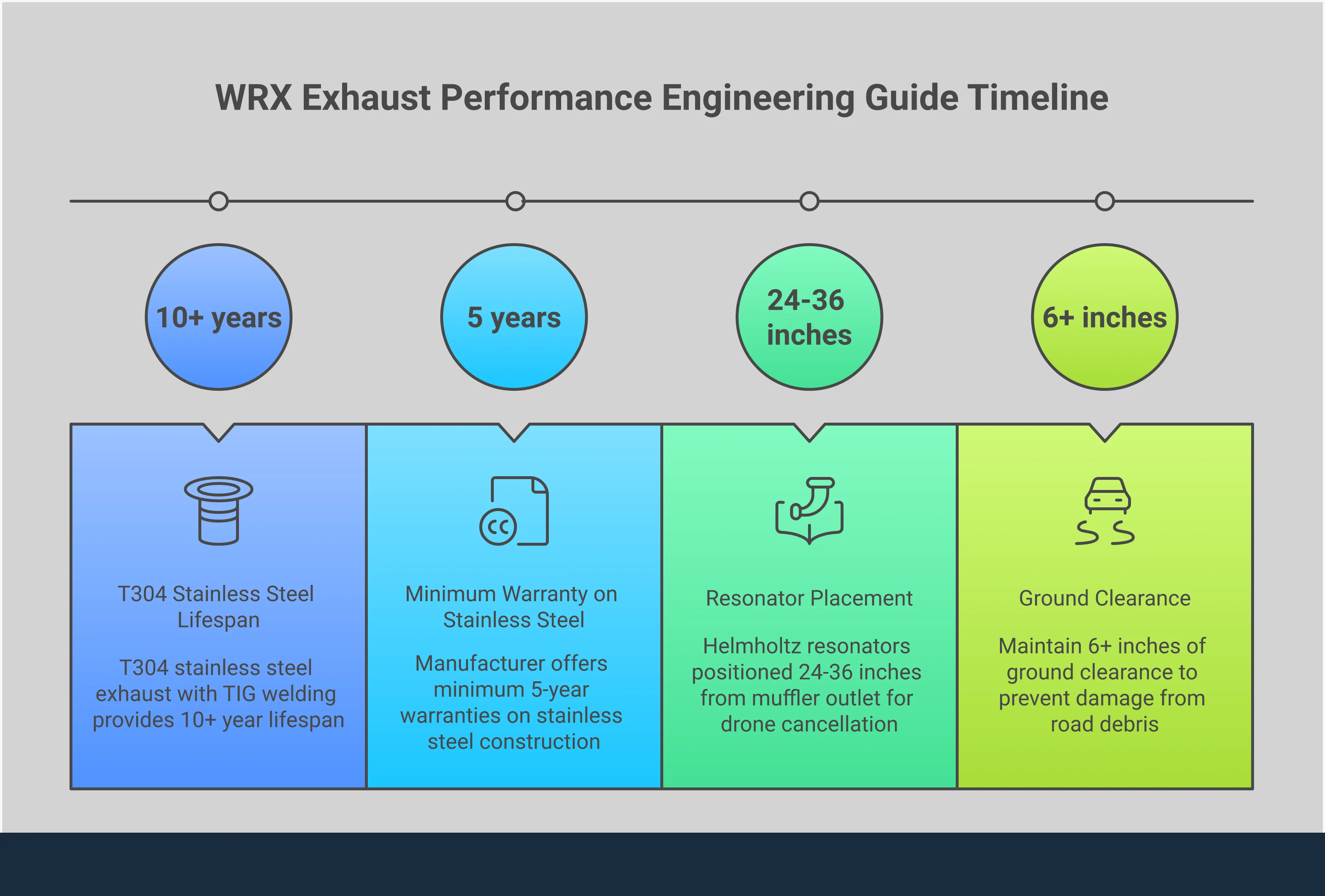
Eine umfassende Garantie ist ein deutliches Zeichen für das Vertrauen des Herstellers in sein Produkt. Sie schützt Sie vor Material- und Verarbeitungsfehlern und sichert so Ihre Investition. Einige Premiummarken bieten lebenslange oder sogar Garantien über eine Million Meilen auf ihre Edelstahlsysteme. Dieses hohe Maß an Unterstützung zeigt, dass das Unternehmen von seiner Konstruktion und Verarbeitungsqualität überzeugt ist. Vergleichen Sie daher bei verschiedenen Optionen unbedingt die Garantiebedingungen. Ein etwas höherer Anschaffungspreis für ein System mit umfassender Garantie kann Ihnen Sicherheit geben und Ihnen langfristig Geld sparen.
Eine kurze Geschichte des Cat-Back-Systems
Der Begriff „Cat-Back“ ist in der Tuning-Szene weit verbreitet, hat aber einen recht spezifischen Ursprung. Er bezeichnet wörtlich alle Teile der Abgasanlage *hinter* dem serienmäßigen Katalysator. Dies ist ein entscheidender Unterschied, denn ein echtes Cat-Back-System verändert die Abgasreinigungsanlage Ihres Fahrzeugs nicht und sorgt so dafür, dass Ihr WRX weiterhin straßenzugelassen bleibt. Der Begriff wurde 1978 von der Firma Borla geprägt, die diese Art von Upgrade einführte. Das Ziel war einfach: den Abgasdurchsatz verbessern, die Leistung steigern und einen besseren Sound erzeugen, ohne die Abgasuntersuchung zu verhauen. Dieses Konzept bildet bis heute die Grundlage moderner Abgasanlagen-Upgrades und ist der Grund, warum ein hochwertiges Cat-Back-System zu den effektivsten ersten Modifikationen für jeden Subaru-Besitzer zählt.
Was eine starke Garantie über Qualität aussagt
Eine Garantie ist mehr als nur ein Stück Papier; sie spiegelt das Vertrauen des Herstellers in seine Konstruktion und die verwendeten Materialien wider. Bietet ein Unternehmen eine umfassende, langfristige Garantie, signalisiert es damit, dass es hinter seinem Produkt steht und bereit ist, es zu unterstützen. Dies schützt Ihre Investition vor Mängeln und stellt sicher, dass die gekauften Performance-Teile langlebig sind. Einige der besten Marken der Branche bieten lebenslange oder sogar „Millionen-Kilometer“-Garantien auf ihre Edelstahlsysteme. Diese hohe Zuverlässigkeit ist ein klares Zeichen dafür, dass die Auspuffanlage für jahrelange, intensive Nutzung konzipiert und gefertigt wurde und Ihnen somit ein beruhigendes Gefühl beim Kauf gibt.
Welcher Rohrdurchmesser ist der richtige für Sie: 2,5" oder 3"?
Abgasanlagen werden häufig mit 2,5-Zoll- oder 3-Zoll-Rohren angeboten. Die richtige Wahl hängt von Ihren Leistungszielen ab. Ein weit verbreiteter Irrglaube ist, dass die gesamte Abgasanlage den gleichen Durchmesser haben muss. Tatsächlich hat der Abschnitt direkt vor dem Turbolader – das Hosenrohr – den größten Einfluss auf die Leistung. Für serienmäßige oder leicht modifizierte WRX-Modelle ist eine 2,5-Zoll-Anlage oft ausreichend. Wenn Sie jedoch deutliche Leistungssteigerungen planen, ist eine 3-Zoll-Anlage die beste Wahl. Sie reduziert den Abgasgegendruck effektiver, sodass der Turbolader besser atmen kann und höhere Leistungen ermöglicht werden. Mehr dazu erfahren Sie in unserem umfassenden Leitfaden zu WRX-Abgasanlagen .
Verwandte Artikel
- Die 5 besten 3-Zoll-Turbo-Back-Auspuffanlagen für den Subaru WRX zum Kaufen
- Die 5 besten Cat-Back-Auspuffanlagen für den WRX (Leitfaden 2025)
Häufig gestellte Fragen
Ist nach dem Einbau einer neuen Auspuffanlage eine professionelle Abstimmung erforderlich? Bei einer Axle-Back-Anlage, die nur die Schalldämpfer ersetzt, ist eine Abstimmung nicht notwendig, da sie hauptsächlich den Klang verändert. Beim Einbau einer kompletten Cat-Back-Anlage hingegen ist eine Abstimmung dringend zu empfehlen. Das neue System verändert die Strömungsdynamik Ihres Motors, und eine professionelle Abstimmung optimiert die Fahrzeugelektronik, um den reduzierten Abgasgegendruck optimal zu nutzen und die Leistungssteigerung sicher zu realisieren.
Wie viel PS kann ich von einer Auspuffanlagen-Aufrüstung erwarten? Die Leistungssteigerung hängt ganz vom gewählten System ab. Eine Endschalldämpferanlage dient hauptsächlich der Klangverbesserung und bringt kaum oder gar keine Leistungssteigerung. Ein gut konzipiertes Komplettsystem ab Katalysator kann das Ansprechverhalten des Gaspedals spürbar verbessern und die Leistung und das Drehmoment leicht erhöhen. Die größten Leistungssteigerungen erzielt man, wenn man ein Komplettsystem ab Katalysator mit anderen Modifikationen wie einem High-Flow-Downpipe und einer professionellen Motorabstimmung kombiniert.
Was ist Auspuffdröhnen und wie kann ich es vermeiden? Auspuffdröhnen ist dieses tieffrequente, summende Geräusch, das bei konstanter Reisegeschwindigkeit, typischerweise auf der Autobahn, den Innenraum erfüllen kann. Es kann auf langen Fahrten ziemlich störend sein. Hochwertige Auspuffanlagen sind oft mit Resonatoren ausgestattet, die speziell dafür entwickelt wurden, diese Frequenzen zu dämpfen. Wenn Sie sich Sorgen um das Dröhnen machen, achten Sie auf Systeme mit einem als „kultiviert“ oder „abgestimmt“ beschriebenen Klang, wie beispielsweise die Invidia Q300, und hören Sie sich vor dem Kauf Klangbeispiele an.
Ist eine 3-Zoll-Auspuffanlage immer die bessere Wahl? Nicht unbedingt. Der richtige Rohrdurchmesser hängt von den aktuellen und zukünftigen Modifikationen Ihres Fahrzeugs ab. Für einen serienmäßigen oder nur leicht modifizierten WRX ist eine 2,5-Zoll-Anlage völlig ausreichend und sorgt für eine gute Abgasgeschwindigkeit und damit für ein solides Drehmoment im unteren Drehzahlbereich. Eine 3-Zoll-Anlage eignet sich besser für Fahrer, die eine deutliche Leistungssteigerung planen, da sie den erhöhten Luftdurchsatz eines größeren Turboladers oder einer aggressiveren Motorabstimmung bewältigen kann.
Kann ich selbst eine neue Auspuffanlage einbauen? Ja, für die meisten ist der Einbau einer Auspuffanlage ein gut machbares Heimwerkerprojekt. Sowohl Endschalldämpfer- als auch Katalysator-Systeme sind so konzipiert, dass sie die Originalteile direkt ersetzen und an den gleichen Befestigungspunkten montiert werden können. Mit einem guten Werkzeugsatz, ein paar Unterstellböcken und etwas Zeit können Sie den Einbau in der Regel in Ihrer eigenen Garage durchführen.