


Subaru Skid Plate 101: Your Complete Buyer's Guide
The plastic tray under your engine offers about as much protection as a cardboard box. It’s a splash guard, designed to keep water off your belts, not to defend against real-world impacts. One bad pothole or piece of highway debris is all it takes to puncture your oil pan, leading to a catastrophic and expensive engine failure. A proper Subaru skid plate is the only real solution. It’s a solid piece of armor for your car’s underbelly, providing essential defense for daily driving and trail adventures. This guide will walk you through choosing the right material and coverage.
Key Takeaways
- Protection is for Pavement and Trails: The factory plastic guard offers minimal defense. A metal skid plate is practical insurance against costly engine damage from everyday road hazards like potholes and debris, not just off-road obstacles.
- Select Armor Based on Your Driving: Choose lightweight aluminum for daily driving to maintain agility, or opt for heavy-duty steel for maximum impact resistance on rugged terrain. Your typical environment dictates whether you need essential engine coverage or a full underbody system.
- A Secure Fit and Simple Care are Crucial: Insist on a bolt-on design that uses your Subaru’s factory mounting points for a straightforward, secure installation. To guarantee lasting protection, regularly inspect the hardware and keep the plate clean of mud and debris.
Is a Subaru Skid Plate Really Necessary?
Think of a skid plate as body armor for the most vulnerable part of your Subaru: its undercarriage. Unlike the thin plastic splash guard that comes from the factory—which is designed to stop minor splashes and little else—a true skid plate is a robust sheet of metal. Its job is to absorb and deflect impacts from serious hazards, protecting the critical components that keep your car running. Whether you're on a paved road or a rugged trail, a skid plate provides a vital layer of defense for your engine and drivetrain.
Protect Your Engine from Costly Damage
Your Subaru’s oil pan, transmission, and exhaust headers are completely exposed underneath your car. A single, poorly-placed rock or large piece of road debris can lead to a cracked oil pan, a massive fluid leak, and a catastrophically expensive engine repair. A metal skid plate is a practical upgrade for any Subaru, protecting your oil pan and engine from common road hazards like potholes, debris, and ice. Investing in this protection is far more affordable than replacing the essential performance parts that keep your vehicle on the road. It’s a simple, effective way to prevent a very bad day.
Understanding Potential Repair Costs
While a skid plate’s primary job is to defend against external threats, its value becomes even clearer when you consider other high-dollar repairs Subarus can face. Protecting your vehicle should be a comprehensive strategy, and safeguarding the undercarriage is a foundational step. Certain internal engine issues can be incredibly costly, making it all the more critical to prevent avoidable damage from road hazards. Think of it this way: you wouldn't want to spend thousands on engine maintenance or performance upgrades only to have your investment destroyed by a stray rock on the highway. A skid plate is a fundamental part of a smart plan to keep your Subaru running strong and your money in your wallet.
Head Gasket Failure: A $2,000+ Repair
One of the most well-known issues, particularly in the EJ series engines found in models from the early 2000s to around 2012, is head gasket failure. The original single-layer gaskets were prone to leaking, typically between 120,000 and 150,000 miles. When a head gasket fails, it allows coolant and oil to mix, which can lead to severe overheating and catastrophic engine damage. The repair is labor-intensive and often costs over $2,000 to properly address. Being aware of potential high-cost internal repairs like this underscores the importance of preventing any external damage to your engine's essential performance parts with a solid, reliable skid plate.
Oil Consumption Issues: A $5,000+ Fix
Starting around 2011 with the introduction of the FA/FB engine series, some Subarus began to exhibit excessive oil consumption. This issue can starve the engine of vital lubrication, leading to premature wear and, in worst-case scenarios, total failure requiring a complete short block replacement. This is a fix that can easily exceed $5,000. If your engine is already prone to using oil, the last thing you need is to lose the rest of it from a punctured oil pan after hitting debris on the road. Protecting your oil supply is non-negotiable, and a skid plate is the most effective shield for the most vulnerable part of your lubrication system.
Timing Belt Damage: An $800+ Expense
For Subarus equipped with a timing belt, routine maintenance is absolutely critical. The belt should be replaced every 95,000 to 105,000 miles, as recommended. If it snaps while the engine is running, the pistons can collide with the valves, causing extensive and expensive internal damage that can run from $800 to well over $1,000. This is a perfect example of how preventative maintenance saves you from a massive headache down the road. Installing a skid plate follows the exact same logic: it’s a proactive, one-time investment to prevent a much costlier disaster, ensuring your Subaru WRX or Forester stays protected from the unexpected.
Hit the Trails with More Confidence
If you use your Crosstrek, Forester, or Outback for adventure, a skid plate is non-negotiable. It gives you the confidence to explore that rocky trail or uneven dirt road without constantly worrying about a disabling impact from below. Deciding to add a skid plate is a smart move for protecting your Subaru's vital underbody components. It’s built to take a beating, shielding your engine and transmission from whatever the trail throws your way. With the right underbody protection, you can focus less on potential damage and more on the adventure ahead, making it a cornerstone of our overlanding solutions.
It's Not Just for Off-Roading
It's a common misconception that skid plates are only for serious off-road enthusiasts. The reality is that daily driving exposes your vehicle to plenty of hazards that can damage the underbody. Poorly maintained city streets, deep potholes, fallen debris on the highway, and even steep driveways can cause significant harm. The factory splash guard offers minimal resistance to these impacts. A proper skid plate ensures that your Subaru WRX upgrades and other performance models are just as protected during the daily commute as they would be on a rally stage. It’s practical insurance for any driving condition.
Does Your Subaru Model Need a Skid Plate?
While it’s easy to assume skid plates are only for lifted, off-road rigs, the truth is that nearly every Subaru model can benefit from the added protection. Your driving style and local road conditions are just as important as the badge on your car. Whether you’re navigating city potholes or remote fire roads, a quality skid plate provides a critical layer of defense for your vehicle’s most vulnerable components. Let’s break down which models are prime candidates for this essential upgrade.
Protecting Your Crosstrek & Forester on the Trail
The Crosstrek and Forester are built for adventure, but their factory underbody protection is minimal at best. When you’re exploring trails, that extra ground clearance won’t save your oil pan from a poorly placed rock or a hidden tree stump. These models are frequently used for camping and overlanding solutions, taking them far from paved surfaces where a cracked oil pan or damaged transmission can leave you stranded. A durable metal skid plate is one of the smartest first mods for any Crosstrek or Forester owner who plans to use their vehicle as intended, ensuring your weekend fun doesn’t end with a costly repair bill.
Why Your WRX or STI Needs Underbody Armor
It’s a common myth that a WRX or STI that sticks to the tarmac doesn’t need a skid plate. Think again. These rally-inspired cars often have lowered suspensions, bringing critical engine components even closer to road hazards. A deep pothole, debris kicked up by a truck, or a chunk of ice in the winter can easily puncture your oil pan, leading to catastrophic engine failure. A metal skid plate is a practical, preventative upgrade for any Subaru WRX or STI, protecting your investment from the unpredictable nature of daily driving and spirited backroad runs. It’s an affordable insurance policy for your high-performance engine.
Adding Durability to Your Outback & Impreza
The Outback and Impreza are the quintessential do-it-all Subarus, handling daily commutes, family road trips, and light trail duty with ease. This versatility also exposes them to a wide range of undercarriage threats. You don’t have to be a hardcore off-roader to find yourself on a rough gravel road or a poorly maintained street that could damage your car. Adding a skid plate provides peace of mind, safeguarding your engine and drivetrain from unexpected impacts. For the owner who relies on their Subaru Impreza for everything, it’s a simple modification that protects your vehicle’s long-term health and reliability, no matter where the road takes you.
Who Makes the Best Subaru Skid Plates?
When you start shopping for a skid plate, you’ll find a few key players who consistently deliver quality products. Each brand brings something different to the table, whether it’s a focus on comprehensive protection, off-road durability, or custom solutions. Understanding these differences will help you find the perfect match for your Subaru and your driving style. Let’s look at some of the top names in the industry.
Crawford Performance
We believe that underbody protection isn't just for dedicated trail rigs. Daily driving exposes your engine and drivetrain to all kinds of hazards, from road debris to steep driveways. That’s why our performance parts are engineered for real-world durability. Our skid plates are designed to provide robust protection for a wide range of models, including the Crosstrek, Forester, and Impreza. By focusing on smart design and high-quality materials, we offer a solution that gives every Subaru owner peace of mind, whether you’re commuting to work or exploring a new backroad.
Primitive Racing
Primitive Racing is well-known for its comprehensive skid plate packages designed specifically for Subarus. Their approach is to cover all the vulnerable spots under your vehicle, offering a complete, all-in-one solution. If you’re looking for a straightforward way to get full underbody protection without piecing together different components, Primitive is a solid choice. Their skid plate packages are popular among enthusiasts who want to install a full armor system and know that every critical part is covered from front to back.
Extensive Model Support and Package Deals
One of Primitive Racing's biggest strengths is its wide-ranging support for various Subaru models. They cover almost everything from 2002 to the present, including popular platforms like the WRX, STI, Crosstrek, and Forester. What makes them a go-to for many owners are their full skid plate packages. These bundles combine multiple plates to create a complete underbody shield. This approach eliminates the hassle of piecing together protection for your engine, transmission, and rear differential separately. Instead, you get a cohesive system designed to work together, providing comprehensive defense for anyone wanting a straightforward, all-in-one solution for their Subaru.
LP Aventure
With a strong focus on off-road performance, LP Aventure builds rugged protection parts for drivers who push their Subarus to the limit. They specialize in armor for adventure-focused models like the Outback, Crosstrek, and Forester, but also offer solutions for the WRX and STI. Their skid plates are designed to withstand the harsh conditions of trail driving, making them a go-to for the overlanding and off-roading communities. If your build is centered around tackling tough terrain, LP Aventure’s products are built with that purpose in mind.
Anderson Design & Fabrication (ADF)
Anderson Design & Fabrication offers a more modular approach to underbody protection. Instead of selling one-size-fits-all packages, they provide individual skid plates for specific components like the engine, transmission, and rear differential. This is a great option if you want to customize your coverage based on your needs and budget. You can start with an engine skid plate and add more protection later. ADF’s website makes it easy to find the right fit for your exact model and year, giving you the flexibility to build the perfect armor setup for your vehicle.
Multi-Brand Options and "Made in USA" Quality
Beyond the big names, you'll find specialized shops that pride themselves on American-made quality and deep expertise. These companies often cater specifically to the Subaru community, offering not just parts but also valuable advice and installation services. They understand the unique demands that Subaru owners place on their vehicles and build their products to meet those standards. This commitment to quality and community makes them a trusted source for reliable underbody protection.
RalliTEK
RalliTEK is a respected name in the Subaru community, known for producing heavy-duty armor that is designed and manufactured in the United States. Their skid plates offer a significant upgrade over the flimsy factory splash guards, providing robust protection for a wide range of popular models from 2002 to the present. Each plate is thoroughly tested to ensure it can handle serious impacts, giving you confidence on both rough trails and unpredictable city streets. Their focus on durable materials and precise engineering makes them a go-to for owners seeking reliable, American-made protection.
Customer-Focused Service and Professional Installation
What sets RalliTEK apart is their commitment to customer support. They don’t just sell you a part; they provide the expertise to back it up. Their knowledgeable staff is available to help you choose the right armor for your specific needs and answer any technical questions you might have. For those who prefer a hands-off approach, RalliTEK also offers professional, in-house installation services. This combination of quality products and expert support ensures you get the right protection and a perfect fit for your vehicle.
Rallytech Performance
With two decades of experience, Rallytech Performance has a long history of creating high-quality skid plates exclusively for Subaru vehicles. This deep focus allows them to design products that offer superior fit and protection. Their new Extreme Skid Plate is a perfect example, crafted from thick, 1/4-inch aluminum for maximum strength. It’s engineered to provide extensive coverage that shields not only the oil pan but also other critical components under your car, reflecting their deep understanding of what these vehicles need to withstand demanding conditions.
Two Decades of Subaru-Specific Expertise
Twenty years of specializing in a single brand means Rallytech Performance understands the specific vulnerabilities and engineering nuances of Subaru models better than most. This long-term dedication translates into products that are thoughtfully designed and highly effective. They know exactly where protection is needed most and how to integrate their armor seamlessly with the vehicle's existing structure. For Subaru owners, this expertise means you’re getting a skid plate that isn’t just a generic piece of metal but a purpose-built solution refined over years of experience.
Choosing Your Coverage: Types of Skid Plates
Choosing a skid plate isn’t just about picking a brand; it’s about selecting the right protection for your driving style. Not every Subaru needs a full suit of armor. Whether you’re navigating city streets or tackling rugged mountain passes, there’s a setup that fits your needs. The key is to match the coverage to the risks your vehicle faces. Think of it as a spectrum, from essential engine coverage to comprehensive systems that shield nearly every component underneath. We’ll break down the most common types so you can decide how much armor your Subaru truly requires.
Engine & Oil Pan Skid Plates
If you install just one piece of armor, make it an engine and oil pan skid plate. This is the foundational protection every Subaru owner should consider. Your oil pan sits low and is dangerously exposed to road debris, ice, and unexpected potholes. A single hard impact can cause a puncture, leading to a catastrophic oil leak and severe engine damage. A quality metal skid plate shields your engine’s most critical components, providing peace of mind on your daily commute. This is the starting point for building a more resilient vehicle and forms the core of our overlanding solutions.
Transmission Skid Plates
For those who venture off-road, protecting the transmission is the logical next step. Your transmission is just as vital as your engine and equally exposed on the trail. A transmission guard shields the pan and casing from rocks, logs, and deep ruts. This is especially important for CVT transmissions, which are costly to repair. Adding a transmission guard allows you to explore challenging terrains with confidence and is a popular upgrade for anyone building out a Crosstrek or Forester for adventure. Many of our performance parts are designed to work together to create a complete protection system.
Rear Differential Skid Plates
Your Subaru's rear differential is the heart of its all-wheel-drive system, but it's also a surprisingly vulnerable component. Housed in a cast aluminum case, it hangs low at the back of the vehicle, making it a prime target for impacts on uneven terrain. A hard hit from a rock can crack the housing, leading to a fluid leak that can quickly disable your AWD and leave you stranded. For anyone serious about taking their vehicle off-road, a rear differential skid plate is a must-have. It provides a solid barrier, ensuring that a single mistake on the trail doesn’t result in a complex and costly repair.
Gas Tank Skid Plates
While your gas tank is generally well-placed, it’s not invincible. On many modern Subarus, the tank is made of a durable plastic, but a sharp, well-placed rock can still cause a puncture. The consequences of a damaged fuel tank are severe, ranging from a dangerous fuel leak to being stranded miles from help. A gas tank skid plate is a critical piece of armor for serious overlanders and adventurers who travel through remote areas. It’s the ultimate safety net, providing robust protection that allows you to navigate challenging obstacles without worrying about a trip-ending puncture. This is a key component in comprehensive overlanding solutions.
Exhaust, O2 Sensor, and Catalytic Converter Protection
Beyond the major drivetrain components, your exhaust system is another vulnerable area. The pipes, O2 sensors, and catalytic converter all hang low and are susceptible to damage from rocks and trail ruts. While a crushed exhaust pipe might not stop you in your tracks, it can cause performance issues, and a damaged O2 sensor will trigger an annoying check engine light. Some skid plates offer extended coverage specifically designed to shield these parts. This wider protection ensures that your entire underbody is safeguarded, preventing the kind of damage that can complicate your adventure or lead to expensive repairs back home.
Full Coverage: The Ultimate Underbody Protection
Full underbody armor is the ultimate solution for maximum protection. This comprehensive approach links multiple plates to cover everything from the engine and transmission to the rear differential. It creates a smooth shield along your vehicle’s undercarriage, allowing it to slide over obstacles instead of getting caught. This level of coverage is ideal for the serious off-roader or overlander who frequently pushes their vehicle to its limits. A full armor system provides unparalleled peace of mind, knowing your entire drivetrain is protected. It’s the definitive choice for building a truly trail-ready machine, especially for a custom Subaru Crosstrek upgrade.
Beyond Skid Plates: Other Forms of Protection
While skid plates are the first line of defense for your engine and drivetrain, they primarily protect the center of your vehicle's undercarriage. For those who take their Subarus on more demanding terrain, comprehensive protection means looking beyond the belly. Other critical areas of your vehicle are still exposed to impacts that can cause serious body damage, especially along the sides. Thinking about a complete armor system ensures every angle is covered, from front to back and side to side. This is where components like rock sliders come into play, extending that shield of armor to protect your vehicle's frame and body panels from the kind of lateral impacts that trails are famous for.
Rock Sliders
Rock sliders are exactly what they sound like: heavy-duty steel rails that bolt directly to your vehicle's frame to protect the rocker panels—the vulnerable area beneath your doors. Unlike cosmetic side steps, which will bend or break under pressure, rock sliders are built to support the full weight of your vehicle. This allows you to 'slide' over or pivot around large obstacles like rocks and logs without crushing your doors or damaging the unibody frame. For anyone serious about taking their Crosstrek or Forester off-road, they are an essential piece of armor. They are a key part of our overlanding solutions, completing the protective shell started by your skid plates and giving you the confidence to tackle technical trails.
How to Choose the Right Skid Plate for Your Subaru
Picking the right skid plate isn't a one-size-fits-all decision. The best choice for your Subaru depends on your driving habits, the terrain you frequent, and your performance goals. Whether you're navigating city streets riddled with potholes or tackling rugged backcountry trails, the right plate provides peace of mind and critical protection. To make the right call, you’ll want to weigh a few key factors: the material it’s made from, how it fits, the amount of coverage it offers, and its overall weight. Thinking through these elements will ensure you get the perfect shield for your car's underbelly without compromising its performance.
Aluminum vs. Steel: Which Material is Best?
The first major choice you'll face is the material. Aluminum is a popular option because it’s lightweight and naturally resistant to corrosion. This makes it an excellent choice for daily drivers and those who enjoy light off-roading or rally-inspired driving. An aluminum plate won't weigh your car down, helping maintain your Subaru's nimble handling and fuel efficiency. On the other hand, if you’re planning serious rock-crawling or frequenting aggressive trails, steel is your best bet. It’s significantly heavier but offers superior strength and impact resistance, capable of shrugging off direct hits that might dent or puncture a lighter plate.
The Importance of Material Thickness
Beyond the choice between aluminum and steel, the thickness of the metal is a critical factor that directly impacts the level of protection your skid plate provides. A thinner plate, typically around 1/8-inch, is great for deflecting loose gravel and small road debris, but it can bend or puncture under a significant impact. A thicker plate, such as one made from 3/16-inch metal, offers substantially more rigidity and strength. This added thickness is what allows a skid plate to absorb a hard hit from a rock or log on the trail without failing, providing a much more reliable shield for your oil pan and transmission. When evaluating your options, consider the thickness a direct measure of the plate’s durability and its ability to protect your essential performance parts from serious harm.
Fitment: Insist on a No-Drill, Bolt-On Design
No matter which material you choose, proper fitment is non-negotiable. Look for a skid plate with a full bolt-on design. This means it’s engineered to attach directly to your Subaru’s existing factory mounting points without any need for drilling, cutting, or permanent modifications. A bolt-on plate ensures a secure, rattle-free fit and makes installation straightforward, whether you’re doing it yourself or having a shop handle it. This precision fit is crucial for all models, and you can find vehicle-specific Subaru Crosstrek upgrades that are designed for a perfect match right out of the box.
Coverage Area: Matching Protection to Your Driving Style
Skid plates offer varying levels of protection, so you need to assess how much your vehicle truly needs. A basic plate might only cover the engine and oil pan, which is often enough to guard against road debris and ice chunks. However, if you’re building an overlanding solution, you’ll want more extensive coverage. Full systems can include protection for the transmission, transfer case, and even the rear differential. A true skid plate is designed to withstand significant impacts from rocks and obstacles, so think about the kind of hazards you’re most likely to encounter on your adventures.
Fender Liner Integration
A well-designed skid plate does more than just protect what's directly underneath it; it integrates with your vehicle's existing components. Look for plates designed to connect with your Subaru’s factory fender liners. This small detail creates a more complete seal around the engine bay, offering extra side protection from sticks, rocks, and mud that your tires kick up. On a narrow trail, this feature can prevent debris from being forced into sensitive areas, protecting belts and wiring. It’s a sign of thoughtful engineering that extends protection beyond simple frontal impacts, ensuring your undercarriage is shielded from multiple angles.
Wide Coverage for Grass Fire Prevention
Here’s a benefit you might not have considered: fire prevention. Your Subaru’s catalytic converter and exhaust system get extremely hot, hot enough to ignite dry grass if you park in the wrong spot. While the factory plastic guards offer minimal defense, a skid plate with wide coverage provides a much more effective heat shield. By creating a robust barrier between hot components and the ground, it drastically reduces the risk of accidentally starting a grass fire. This is a critical safety feature for anyone who takes their vehicle off-pavement, making it an essential part of any responsible overlanding setup.
Weight: Finding the Right Balance for Your Build
Finally, consider the impact of weight on your vehicle's dynamics. While more protection is generally better, it comes at the cost of added mass. Steel plates can be heavy, and that extra weight can affect your car's acceleration, braking, and suspension response. This is an especially important consideration for performance-oriented models, where every pound matters. Even with lighter aluminum plates, remember that mud, dirt, and debris can build up over time, adding unexpected weight. The goal is to find the right balance of durable performance parts that provide the protection you need without unnecessarily slowing you down.
Design Features for Maximum Ground Clearance
A common concern with adding underbody armor is losing precious ground clearance. However, a well-designed skid plate should protect your vehicle without compromising its height. The best designs feature a smooth, flat surface that allows your Subaru to slide over obstacles rather than getting hung up on them. This is especially critical for comprehensive systems that cover the entire undercarriage. Look for plates that sit flush with the frame and follow the vehicle's contours closely. A precise, bolt-on fit ensures there are no low-hanging points to snag on rocks or ruts. Choosing lightweight aluminum also helps, as it provides robust protection without causing suspension sag, preserving your car's natural stance and handling for any adventure. This thoughtful engineering is a key part of effective overlanding solutions.
How Much Does a Subaru Skid Plate Cost?
When you’re ready to add a skid plate to your Subaru, understanding the cost is a key part of the decision. The price can vary quite a bit based on the material, the amount of coverage, and the brand. Think of it as an investment in your vehicle’s longevity and your own peace of mind on the trail. Whether you're looking for basic protection for your daily driver or a full armor system for serious off-roading, there’s an option that fits your budget and your needs. Let’s break down what you can expect to spend.
Budget-Friendly Plates ($150-$300)
If you’re just getting into modifying your Subaru or primarily stick to light trails and gravel roads, an entry-level skid plate is a fantastic starting point. In this price range, you’ll typically find individual plates that protect the most vulnerable areas, like the engine or oil pan. These are usually made from slightly thinner aluminum to keep costs down while still offering a massive upgrade over the factory plastic splash guard. This is a practical way to add essential protection without a huge financial commitment, making it perfect for models like the Subaru Crosstrek that see a mix of city and trail driving.
Example: Anderson Design & Fabrication Pricing
When considering underbody protection for your Subaru, Anderson Design & Fabrication (ADF) offers a modular approach that allows for customization based on your specific needs. Instead of a one-size-fits-all package, ADF provides individual skid plates tailored for various components, such as the engine, transmission, and rear differential. This flexibility is ideal for those who want to start with essential coverage and expand their protection over time, making it a great fit for a custom Subaru Crosstrek upgrade plan.
Pricing for ADF skid plates typically ranges from approximately $130 to $500, depending on the specific part and material chosen. For example, smaller components like washers can be found for as low as $1.50, making it accessible for those on a budget. This tiered pricing structure allows Subaru owners to invest in the level of protection that best suits their driving style and environment, whether it’s daily commuting or off-road adventures. For more information on their offerings, you can visit the ADF website.
Premium Protection ($400-$800+)
For those who push their Subarus to the limit on rugged terrain, a heavy-duty system is the way to go. These setups often include multiple plates that work together to provide comprehensive underbody coverage for the engine, transmission, and sometimes the rear differential. Priced higher, these systems use thicker, more durable materials like heavy-gauge aluminum or steel to withstand serious impacts from rocks and obstacles. This level of protection is essential for dedicated overlanding solutions and ensures your critical components are shielded from damage far from home. It’s a worthwhile investment for any serious adventurer.
Example: Primitive Racing Packages
Primitive Racing is known for its comprehensive skid plate packages, which are designed to cover all the vulnerable spots under your Subaru in one go. This all-in-one approach is great if you want full underbody protection without having to piece together different components. Their packages are a popular choice for enthusiasts who want to install a complete armor system and be confident that every critical part is shielded from front to back. This simplifies the buying process and ensures you get a matched set of armor designed to work together seamlessly, offering a straightforward path to total protection.
Example: RalliTEK Pricing
At RalliTEK, you can find individual front skid plates starting around $320, offering a solid entry point for essential protection. For those seeking more extensive coverage, their product range extends to full kits that can cost over $2,800. This pricing spectrum reflects the difference between basic engine armor and a complete underbody system designed for serious off-road use. With strong customer feedback, RalliTEK provides a clear example of how you can start with a foundational plate and build out your vehicle’s armor over time, or invest in a comprehensive solution from the start, depending on your budget and adventure goals.
Don't Forget Installation Costs
The price of the skid plate itself is just one part of the total cost. You also need to consider installation. If you’re comfortable working on your car and have the right tools, you can save money by installing it yourself. Most quality skid plates are designed for a direct bolt-on fit, making the process straightforward. However, if you’d rather have a professional handle it, expect to pay for one to two hours of labor at your local shop. Proper installation is critical for ensuring the plate functions correctly and provides maximum protection for all your performance parts, so it’s worth getting it done right.
Common Subaru Skid Plate Myths, Busted
When it comes to protecting your Subaru, there's a lot of chatter out there. Let's clear the air and tackle some of the most common myths about skid plates so you can make an informed decision for your vehicle.
Myth #1: "My Factory Splash Guard is Good Enough"
It’s easy to look under your car, see a piece of plastic, and assume you’re covered. However, that factory-installed piece is just a splash guard. Its main job is to keep water and light road grime out of the engine bay—not to protect you from real-world impacts. A true skid plate is engineered from metal to withstand significant hits from rocks, potholes, and steep driveways. Think of it as the difference between a rain poncho and a suit of armor. For genuine protection of your engine and other vital components, you need to upgrade to a dedicated performance part.
Myth #2: "I Don't Go Off-Road, So I Don't Need One"
You don't have to be a hardcore overlander to benefit from a skid plate. Daily driving on paved roads presents plenty of hazards that can cause serious damage to your car's underbelly. Potholes, debris kicked up by other cars, poorly maintained roads, and even steep parking garage ramps can lead to costly repairs for your oil pan or transmission. A skid plate acts as an insurance policy, giving you peace of mind whether you're commuting to work or exploring a new trail. It’s a practical upgrade for any driver looking to safeguard their investment, especially for versatile models like the Subaru Crosstrek.
Myth #3: "Plastic Skid Plates Work Just as Well"
This is a big one. While some aftermarket companies offer plastic skid plates, they simply can't compete with the durability of metal. A plastic plate might deflect small pebbles, but it’s prone to cracking or shattering upon a significant impact—the very thing you need protection from. Metal skid plates, typically made from aluminum or steel, are designed to absorb and distribute the force of a hard hit, shielding your engine and drivetrain from damage. When your goal is to protect the most critical and expensive parts of your Subaru, choosing a robust metal plate is the only way to go.
How to Install and Care for Your Skid Plates
Once you’ve chosen the perfect skid plate, proper installation and maintenance are key to getting the most out of your investment. This isn't just about keeping a piece of metal looking good; it's about ensuring the long-term health of your Subaru's most critical components. A well-cared-for plate will reliably protect your engine, oil pan, and transmission for years, no matter what you throw at it on the trail or the street. Taking a few simple steps will ensure your underbody armor remains a steadfast guard against rocks, debris, and unexpected obstacles.
Think of it as essential upkeep for one of your vehicle’s most important performance parts. Regular attention not only extends the life of the skid plate itself but also prevents hidden issues, like trapped moisture or debris, from causing damage to the very parts you're trying to protect. A loose bolt or a buildup of mud might seem minor, but they can compromise the plate's effectiveness at the worst possible moment. By integrating skid plate care into your regular maintenance schedule, you’re making a smart move to preserve your vehicle’s value and capability. It’s a small time commitment that pays off in durability and peace of mind every time you head out.
DIY or Pro Install: Which is Right for You?
Many Subaru owners who are comfortable with a wrench can handle skid plate installation themselves. Most high-quality plates are designed with a full bolt-on system, meaning they attach directly to existing factory mounting points on your vehicle’s frame. This eliminates the need for drilling, cutting, or any permanent modifications. If you have a good set of tools, a jack, and some jack stands, you can typically complete the job in your driveway. However, if you’re not confident in your mechanical skills or simply want the assurance of a perfect fit, having a professional handle the installation is a great choice. A trusted shop can get it done quickly and ensure every bolt is torqued to spec.
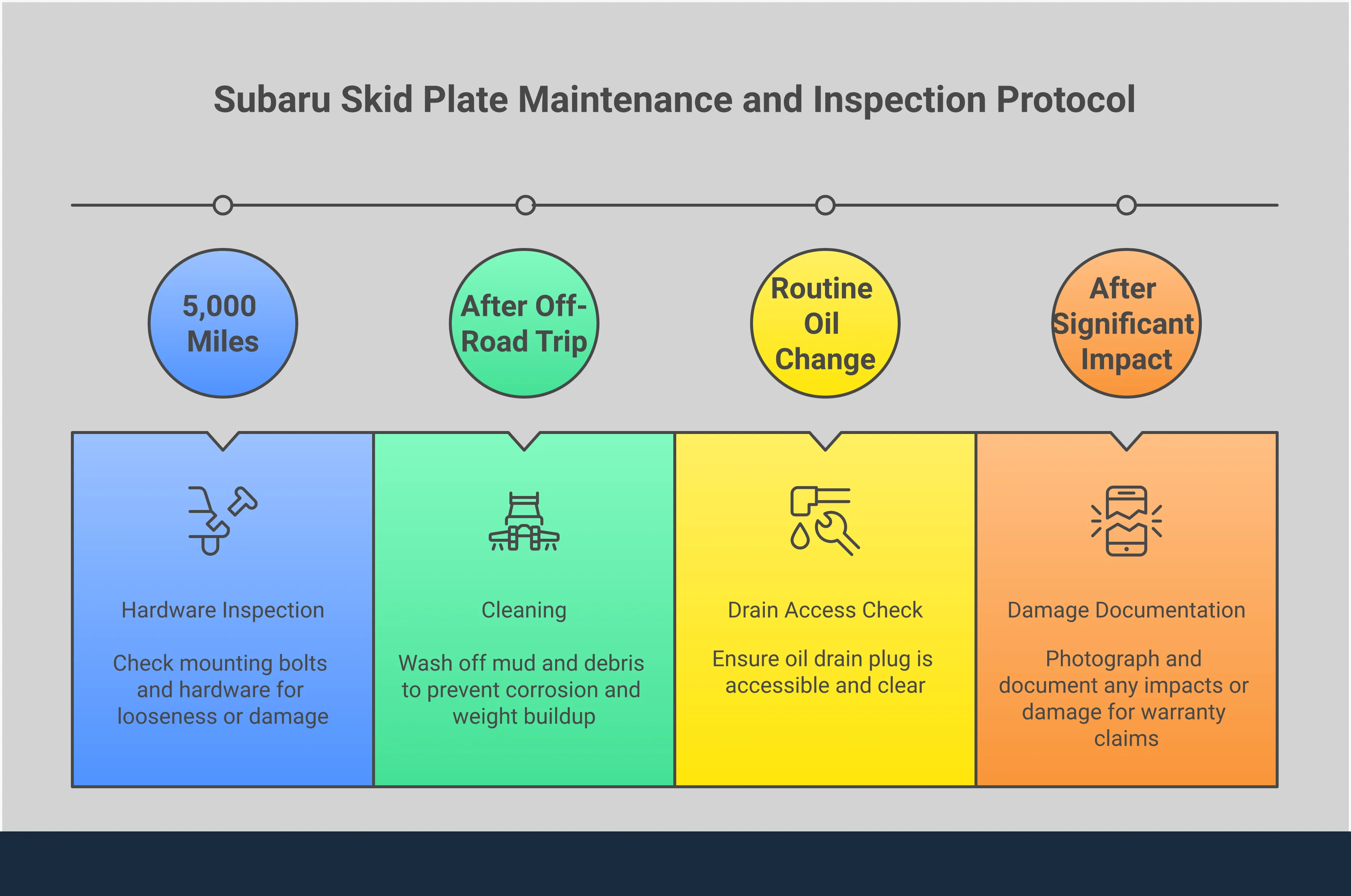
Simple Steps for Cleaning and Inspection
After any serious off-road adventure, it’s a good habit to inspect your skid plates. Check for any deep gouges, cracks, or loose hardware that could compromise their integrity. It’s also crucial to keep them clean. Dirt, mud, and road grime can build up on the plate, trapping moisture and adding unnecessary weight. This buildup can hide underlying damage and even accelerate corrosion on other underbody components. A quick spray-down with a pressure washer or a strong hose after a trip is usually all it takes. Keeping your skid plate clean ensures it remains effective and allows you to spot any potential issues before they become major problems, which is especially important for overlanding solutions.
How to Make Your Skid Plate Last
Proactive care is the best way to ensure your skid plate lasts as long as your Subaru. Beyond cleaning, make it a habit to check the mounting bolts for tightness whenever you perform routine maintenance like an oil change. Vibrations from the road and trail can sometimes cause hardware to loosen over time. When you’re cleaning the plate, don’t forget about the rest of the undercarriage. A clean underbody helps prevent rust and makes it easier to spot leaks or other issues. By incorporating these simple checks into your regular vehicle care routine, you’ll ensure your skid plate continues to provide the robust protection your Subaru WRX or Forester deserves.
Related Articles
- How to Install Impreza Skid Plate: Ultimate Guide
- Best Subaru Impreza Front Skid Plate: A Buyer's Guide
Frequently Asked Questions
Is a skid plate really necessary if I never go off-road? Absolutely. Think about all the hazards you encounter on paved roads: deep potholes that appear overnight, debris kicked up from trucks, and chunks of ice in the winter. Your factory splash guard is just thin plastic and offers no real defense against a direct hit. A metal skid plate protects your oil pan from the kind of everyday surprises that can lead to a very expensive engine repair, making it practical insurance for any driving condition.
Will adding a skid plate make my engine run hotter? This is a common concern, but a well-designed skid plate will not cause your engine to overheat. Reputable manufacturers engineer their plates with specific vents and cutouts that maintain proper airflow to the engine and exhaust components. This ensures your cooling system can still do its job effectively, whether you're sitting in traffic or enjoying a spirited drive.
Can I still change my oil easily with a skid plate installed? Yes, this is a key feature for any quality skid plate. Most designs include a specific cutout or a removable access panel that allows you or your mechanic to reach the oil filter and drain plug. This means you can perform routine maintenance without the hassle of removing the entire plate every time.
I mostly drive on paved roads. Should I choose aluminum or steel? For daily driving and even light trail use, aluminum is almost always the better choice. It provides excellent protection against common road hazards while being significantly lighter than steel. This means it won't negatively affect your car's handling, acceleration, or fuel economy. Steel is really intended for aggressive off-roading where you expect heavy, direct impacts from large rocks.
How do I know if I need more than just an engine skid plate? A great way to decide is to consider the terrain you drive on. If you're primarily on pavement, an engine skid plate is the most critical piece of armor, as it protects your oil pan from immediate, catastrophic damage. If you venture onto rougher trails where you might bottom out or drive over large obstacles, adding protection for your transmission and rear differential becomes a very smart move to prevent getting stranded.