The Essential Crosstrek Overland Parts Checklist - Crawford Performance

The Essential Crosstrek Overland Parts Checklist

An overland vehicle is more than a collection of accessories; it’s a complete system where every part works together. Adding a heavy-duty bumper affects your suspension. Larger tires impact your gearing and handling. A successful build accounts for these relationships from the start. This guide helps you think strategically, showing you how to select Crosstrek overland parts that complement each other. We’ll start with a solid foundation of suspension and armor before moving on to storage and power, ensuring your Crosstrek is balanced, capable, and safe on any terrain.

Crawford Performance CTA Button

Key Takeaways

  • Prioritize Your Foundation First: Focus on upgrades that directly improve trail performance before adding camping gear. A capable suspension, durable all-terrain tires, and protective skid plates form the essential core of any reliable overland build.
  • Account for the Ripple Effect of Weight: Every piece of gear strains your engine, brakes, and electrical system. Plan for this by considering performance tuning to restore power and efficiency, and a dual-battery setup to reliably run your accessories without draining your starter.
  • Self-Reliance is Non-Negotiable: A capable vehicle is only half the equation. Your safety depends on carrying essential recovery gear, having redundant navigation tools, and sticking to a consistent maintenance schedule to prevent problems on the trail.

The Essential Crosstrek Overland Parts Checklist

The Subaru Crosstrek is a fantastic platform for adventure, but turning it into a true overlanding vehicle requires a thoughtful approach. It’s not about bolting on every accessory you can find; it’s about making strategic upgrades that enhance capability and reliability where it matters most. This checklist covers the foundational parts that will transform your Crosstrek from a daily driver into a rig that’s ready for any trail. We’ll walk through the essentials, starting with the most critical systems that form the backbone of any successful build: suspension, wheels, tires, armor, and storage.

Comprehensive infographic showing the essential components of a Subaru Crosstrek overland build system. The design features five main sections covering suspension upgrades, protective armor installation, tire selection criteria, electrical power systems, and recovery equipment. Each section includes specific technical details, measurements, and installation guidelines. Visual elements include technical diagrams of suspension components, armor placement illustrations, tire sizing comparisons, electrical system schematics, and recovery gear layouts. The professional design uses automotive industry colors and technical styling to convey expertise and reliability for serious overlanding enthusiasts.

Where to Start: Our Top Crosstrek Upgrades

Your Crosstrek is already a capable crossover, especially if you’re starting with a Wilderness model. With just a few key modifications, however, you can prepare it for more demanding terrain and extended trips. Think of this as your starting point—the core upgrades that provide the biggest return on performance and durability. By focusing on these areas first, you’ll build a solid foundation that you can add to over time. Our list of Crosstrek upgrades is designed to help you prioritize what you need to get out on the trail with confidence.

Suspension: The Foundation of Any Great Build

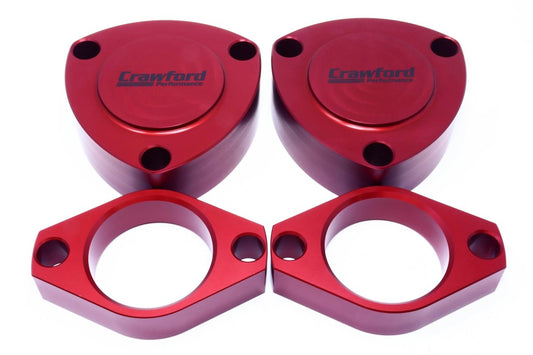
Before you add a rooftop tent or heavy-duty bumper, you need to address your suspension. Overlanding gear adds significant weight, and the factory setup isn’t designed to handle hundreds of extra pounds. Upgrading your suspension is the single most important step in your build. Stronger shocks and stiffer springs will not only help carry the extra load but also improve handling and stability on uneven surfaces. This upgrade ensures your Crosstrek remains safe and controlled, preventing bottoming out and maintaining performance when fully packed for an adventure.

Wheels & Tires: Your Connection to the Trail

Your tires are the only thing connecting your Crosstrek to the ground, making them a critical component for off-road travel. Swapping the stock tires for a set of aggressive all-terrains will dramatically improve your vehicle’s grip on dirt, rock, and mud. Look for tires with strong, reinforced sidewalls to reduce the risk of punctures from sharp rocks. While they might be a bit noisier on the pavement, the confidence and capability they provide off-road are well worth the trade-off. This is one of the most effective performance parts you can invest in for trail readiness.

Protecting Your Crosstrek with the Right Armor

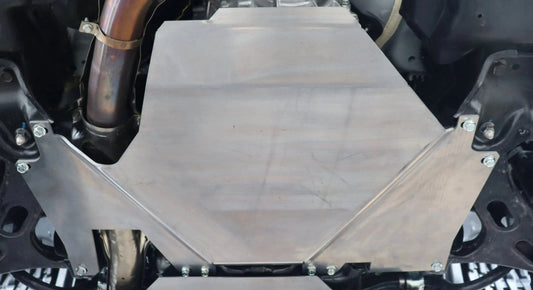
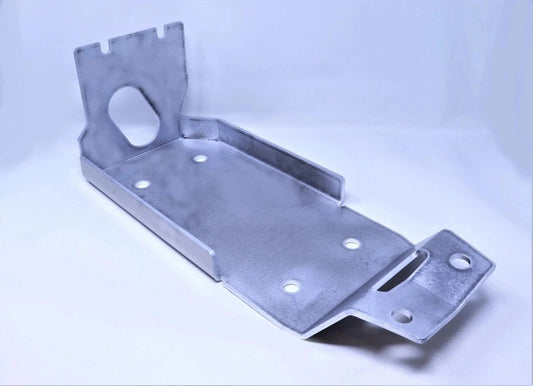
It’s easy to get excited about camping gear and accessories, but protecting your vehicle’s vital components should always come first. A single, well-placed rock can damage your oil pan or transmission, leaving you stranded miles from help. Skid plates are non-negotiable for any serious overlanding build. They shield your Crosstrek’s undercarriage from impacts, giving you the peace of mind to tackle more technical trails. Prioritizing protection ensures your investment is safe and your trips aren’t cut short by preventable damage.

Creating Smart Storage for All Your Gear

The Crosstrek isn’t the largest SUV, so maximizing your storage space is key to packing everything you need. While a roof rack is a great start, consider external solutions that keep heavy or dirty items out of the cabin. A hitch-mounted carrier is an incredibly versatile addition, perfect for holding a full-size spare tire, recovery boards, or extra fuel cans. Many of these overlanding solutions also offer features like a fold-down table, giving you a convenient workspace for cooking or repairs at camp.

Essential Camping and Comfort Gear

Once you’ve built a solid foundation with suspension, tires, and armor, you can start thinking about the gear that makes life on the trail comfortable and convenient. These aren’t just luxury items; they are what transform a weekend trip into a sustainable, long-term adventure. The right camping equipment allows you to cook proper meals, get a good night's sleep, and stay organized, which is crucial when you’re miles from civilization. Remember that every piece of gear adds weight, reinforcing the importance of the foundational Crosstrek upgrades you’ve already made. A well-planned setup ensures your vehicle can handle the load while you enjoy the comforts of a mobile basecamp.

Rooftop Tents and Vehicle Awnings

A rooftop tent is one of the most popular additions to an overland build, and for good reason. It provides a comfortable, elevated sleeping platform that sets up in minutes, keeping you off the cold, uneven ground and away from curious critters. They come in two main styles: hardshell models that pop up instantly and softshell versions that often provide more interior space. Paired with a vehicle-mounted awning, you can create a sheltered outdoor living area perfect for cooking, relaxing, or waiting out a rainstorm. Just be sure to invest in a quality roof rack and confirm its dynamic and static weight ratings can safely support your setup.

Portable Refrigerators and Cooking Systems

If you plan on being out for more than a day or two, a portable 12-volt refrigerator is a game-changer. Unlike a traditional cooler, a fridge eliminates the need for ice, meaning no more soggy food and no more searching for a store mid-trip. It allows you to bring fresh ingredients and enjoy better meals on the trail. Of course, a fridge requires a consistent power source, so you’ll need to ensure your vehicle’s electrical system is up to the task—often requiring a dual-battery setup. A simple, reliable camp stove rounds out your mobile kitchen, giving you the ability to cook almost anything you would at home.

Heavy-Duty Storage Cases and Camp Furniture

Organization is critical for a successful overland trip. Heavy-duty, weatherproof storage cases are the best way to keep your gear protected, organized, and easily accessible. You can dedicate specific boxes for your kitchen supplies, recovery equipment, and tools, making camp setup and breakdown incredibly efficient. This system also keeps your gear secure and prevents it from becoming a hazard during bumpy off-road driving. Finally, don’t underestimate the value of a comfortable camp chair and a small table. After a long day behind the wheel, having a comfortable place to sit and eat makes the entire experience far more enjoyable.

Why Upgrading Your Suspension is a Game-Changer

Your Crosstrek’s factory suspension is engineered for comfort on paved roads, not for the demands of a fully loaded overland adventure. When you start adding weight from gear and tackling rough terrain, the stock setup quickly becomes the limiting factor. Think of your suspension as the foundation of your entire build—it dictates how your vehicle handles, how much gear you can safely carry, and how well it performs when the pavement ends. A proper upgrade isn't just about lifting your vehicle; it's about transforming its capability from a daily driver into a confident trail machine.

Upgrading your suspension is one of the most impactful changes you can make. It directly improves ground clearance, enhances stability on uneven surfaces, and allows you to safely manage the extra weight from rooftop tents, armor, and recovery equipment. Without a solid suspension, all the other gear you add can compromise your vehicle's handling and safety, leading to excessive body roll, bottoming out on obstacles, and a generally unstable ride. By swapping out key components, you create a more durable and reliable platform that can handle the challenges of the trail without issue. This is one of the most critical Crosstrek upgrades you can make, setting the stage for every other modification you have planned.

Lift Kits: How to Gain More Ground Clearance

A lift kit is often the first modification Crosstrek owners consider, and for good reason. Its primary job is to increase your vehicle's ground clearance, giving you more room to clear rocks, ruts, and other obstacles on the trail. This single change can dramatically expand the types of terrain you can confidently explore. Beyond just clearance, a lift also provides the necessary space to fit larger, more aggressive all-terrain tires. These bigger tires offer a larger contact patch with the ground, which translates to better traction and stability in mud, sand, and on rocky inclines. It's a foundational step that unlocks your Crosstrek's true off-road potential.

Shocks & Struts: Get a Smoother, More Controlled Ride

While a lift kit raises your vehicle, upgraded shocks and struts are what control its movement. The factory components are simply not designed for the sustained impact and heat generated by off-road driving. High-performance shocks and struts are built to handle this abuse, providing better damping to smooth out rough trails and prevent the jarring ride that can lead to driver fatigue. They also improve handling by reducing body roll on sharp turns and maintaining tire contact with the ground, giving you more control when you need it most. This is especially important as you begin to add overlanding solutions and the extra weight that comes with them.

Handling the Weight: Why Spring Rate Matters

Every piece of gear you add to your Crosstrek—from bumpers to cargo boxes—adds weight. Your vehicle’s springs are responsible for supporting this load. The stock springs are designed for the vehicle's factory weight, not for hundreds of extra pounds of equipment. When overloaded, they can sag, which negatively impacts your ground clearance, handling, and even braking performance. Upgrading to springs with a higher spring rate ensures your Crosstrek remains level and stable, even when fully loaded. Choosing the right springs from our selection of performance parts is crucial for building a safe and capable rig that’s ready for any adventure you throw at it.

How to Choose the Right Tires for Your Crosstrek

Your tires are the single point of contact between your Crosstrek and the trail, making them one of the most critical upgrades for any overland build. While the factory tires are perfectly suitable for daily driving and graded dirt roads, they simply lack the durability and grip needed for more challenging terrain. A proper set of off-road tires will completely transform your vehicle’s capability, providing the traction and toughness required to tackle rocks, mud, and sand with confidence. This isn't just about looking the part; it's about functional performance that keeps you moving forward when the pavement ends.

Choosing the right tire involves balancing on-road comfort with off-road performance. You’ll need to consider the type of tire, the ideal size for your setup, and a tread design that matches the adventures you have planned. This is a foundational part of your build that works hand-in-hand with suspension modifications to create a truly capable rig. Getting this choice right ensures you can get where you’re going safely and without issue, making it a key part of our recommended Crosstrek upgrades. It's an investment in both the performance and safety of your vehicle on every trip.

All-Terrain vs. Mud-Terrain: What's the Difference?

When you start looking at off-road tires, you’ll mainly see two categories: all-terrain (A/T) and mud-terrain (M/T). For most Crosstrek overlanding builds, all-terrain tires are the ideal choice. They offer a fantastic balance, performing well on the pavement during your daily commute while providing the aggressive grip needed for the trail. A/T tires feature stronger sidewalls that resist punctures and deeper tread voids for traction on loose surfaces. While they can be slightly noisier on the highway than your stock tires, the trade-off is well worth the capability you gain. Mud-terrain tires are a more specialized option, designed with massive tread blocks for maximum grip in deep mud and on slick rocks. However, they are much louder on the road and wear faster, making them less practical for a versatile overland vehicle.

How Do You Read Tire Sizes and Load Ratings?

You can often fit a slightly larger tire on your Crosstrek without major modifications, which can provide a small but meaningful lift. For example, moving from a stock 225/60R17 to a 225/65R17 can add nearly an inch of ground clearance. The numbers on a tire’s sidewall tell you its dimensions: the first number (225) is the width in millimeters, the second (65) is the sidewall height as a percentage of the width, and the final number (17) is the wheel diameter in inches. Keep in mind that changing your tire size will slightly affect your speedometer’s accuracy. It’s also important to check the tire’s load rating to ensure it can handle the extra weight of all your overlanding solutions, like roof racks, armor, and gear.

Why Tread Design Matters Off-Road

The tread design is where the magic happens. The aggressive, blocky patterns on an all-terrain tire are engineered to bite into unpredictable surfaces and provide continuous traction. The large voids between the tread blocks allow the tire to clear mud, gravel, and water, preventing it from losing its grip. This is a significant departure from highway tires, which have tighter, more uniform patterns designed to minimize road noise and maximize fuel efficiency. While a more aggressive tread may produce more hum on the pavement, the stability and control it provides off-road are essential. That enhanced traction is what will keep you moving forward on a steep, dusty incline or through a surprise mud patch, giving you the confidence to explore further.

What Armor Should You Prioritize?

When you’re building an overland vehicle, it’s easy to get excited about rooftop tents and cool accessories. But before you focus on camping comforts, you need to protect your investment. Armor is what keeps a minor miscalculation on the trail from turning into a trip-ending disaster. Think of it as insurance for your adventure. Adding strategic protection to your Crosstrek’s most vulnerable areas gives you the confidence to tackle more challenging terrain without worrying about critical damage. Prioritizing the right armor ensures your vehicle can handle the demands of the trail and get you home safely. These upgrades are foundational to any serious overlanding build and should be at the top of your list.

Start with Skid Plates to Protect Your Undercarriage

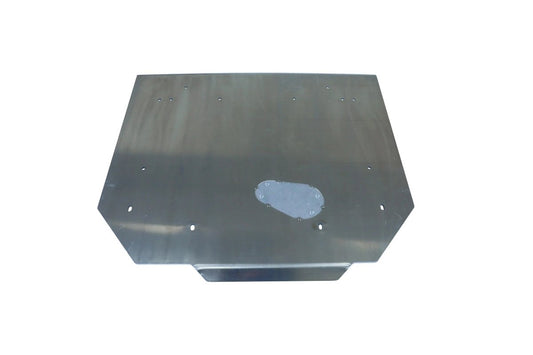
Your Crosstrek’s underbelly houses its most vital components: the engine, oil pan, transmission, and differential. These parts are surprisingly exposed to damage from rocks, stumps, and other debris you’ll encounter off-road. A single, well-placed rock can puncture an oil pan, leaving you stranded. This is why skid plates are the first piece of armor you should install. They act as a shield, allowing you to slide over obstacles that would otherwise cause catastrophic damage. Investing in a full set of skid plates provides comprehensive protection and is one of the smartest performance parts decisions you can make for your build. It’s the difference between a fun day on the trail and a very expensive tow.

Guard Your Sides with Rock Sliders

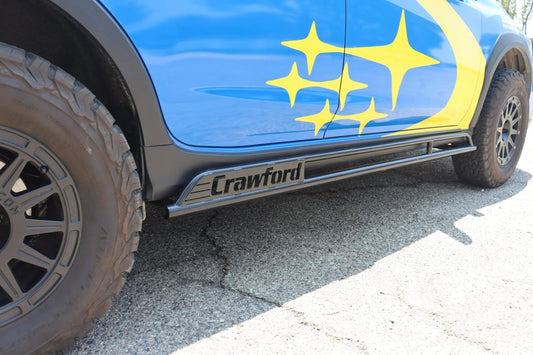
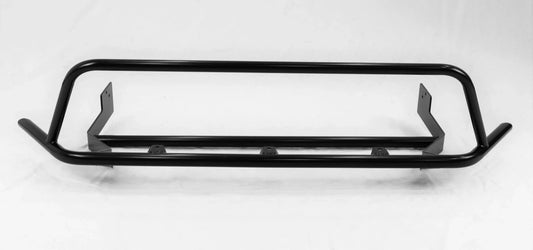
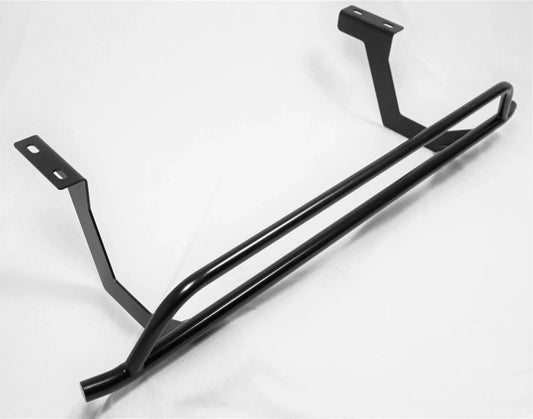
While skid plates protect what’s underneath, rock sliders protect the sides of your Crosstrek. The rocker panels—the metal sections below your doors—are extremely vulnerable to damage when navigating tight, rocky trails or deep ruts. A dented rocker panel can prevent your doors from opening and closing properly and is a costly body shop repair. Rock sliders are heavy-duty steel rails that bolt directly to your vehicle's frame. They are designed to bear the full weight of your Crosstrek, allowing you to pivot around obstacles or "slide" off rocks without damaging your vehicle's body. Don’t confuse them with side steps or running boards, which are purely for aesthetics and will buckle under impact.

Bumpers and Guards: Your First Line of Defense

The stock bumpers on your Crosstrek are designed for minor on-road collisions, not for pushing through brush or absorbing impacts on the trail. Upgrading to a rugged front bumper or adding a bumper guard is your first line of defense against trail hazards. These Crosstrek upgrades provide far more protection than the factory plastic and can significantly improve your approach angle, allowing you to climb steeper obstacles without scraping. Many off-road bumpers also serve as a solid platform for mounting other essential gear, such as a winch or auxiliary lights. A stronger bumper doesn’t just protect your vehicle; it expands its capability and prepares it for whatever the trail throws your way.

How to Maximize Your Crosstrek's Storage Space

The Subaru Crosstrek is an incredibly capable platform, but its compact size means every inch of space counts when you’re packing for an overland trip. Getting creative with your storage is key to bringing everything you need without feeling cramped. A well-planned setup keeps your gear secure, accessible, and out of your way, whether you're on the trail or setting up camp. By using a combination of interior and exterior solutions, you can transform your Crosstrek into a comfortable and highly organized adventure vehicle. This approach allows you to carry essential equipment without sacrificing interior comfort, making your trips more enjoyable and sustainable.

Roof Racks & Cargo Boxes: Your Key to More Space

Your Crosstrek’s roof is the best place to start when you need more storage. A quality roof rack system acts as a foundation for all kinds of bulky gear, freeing up critical space inside your vehicle. You can mount a sleek, aerodynamic cargo box to protect your equipment from the elements, or use the rack to directly attach items like recovery boards, spare tires, and even a rooftop tent. This approach not only expands your carrying capacity but also keeps dirty, muddy gear outside the cabin. It’s one of the most effective overlanding solutions for any Crosstrek build.

What Are the Benefits of a Swing-Away Tire Carrier?

Once you upgrade to larger, more aggressive off-road tires, you’ll find that a full-size spare won’t fit in the original location. A swing-away tire carrier that mounts to your trailer hitch is the perfect answer. This moves the spare tire to the exterior of your vehicle, freeing up interior cargo space. Many carriers also include mounts for extra fuel cans, recovery boards, or a high-lift jack. Some even feature a fold-down table, giving you a convenient surface for cooking or trailside repairs. It’s a multi-functional upgrade that solves several common overlanding challenges at once.

Tips for Keeping Your Interior Organized

With your bulky items stored outside, you can focus on making the interior a functional and comfortable living space. Drawer systems are a fantastic way to organize recovery gear, cooking supplies, and tools, keeping them from sliding around while you drive. You can also use seat-back organizers and molle panels to keep smaller items within easy reach. If you plan to sleep inside your Crosstrek, a custom-fit inflatable mattress makes it surprisingly comfortable. This setup works best when paired with a roof box, ensuring you still have a place for all the gear that’s been displaced from the cargo area.

Exploring Onboard Water and Refrigeration

Ditching the traditional cooler is a major step up for any overlanding setup. A 12V fridge/freezer runs off your vehicle’s electrical system and keeps your food fresh without the need for ice. This means no more soggy sandwiches and more space for provisions. For your water supply, durable jerry cans are a simple and reliable option, but you can also install an onboard water tank and pump for added convenience. Having reliable access to cold food and fresh water on the trail makes your adventures more sustainable and enjoyable. Supporting these systems may require some electrical performance parts to ensure your vehicle can handle the load.

Performance & Electrical Upgrades to Power Your Trip

An overlanding build is more than just bolt-on parts; it’s a complete system that needs to work in harmony. Once you’ve added armor, a roof rack, and all your gear, your Crosstrek is carrying a lot more weight than it was designed for. This extra load puts a significant strain on your engine and electrical system, especially when you’re tackling steep grades or driving at high altitudes where the air is thin. That’s why smart performance and electrical upgrades are not just about convenience—they’re about reliability when you're miles from the nearest town.

A well-thought-out power strategy ensures your engine performs efficiently under load, your lights can turn a dark trail into day, and your essential gear stays charged without the risk of draining your starter battery. From a simple tune to a full dual-battery system, these upgrades give you the confidence to push further and stay out longer. Investing in your Crosstrek’s power systems is one of the best ways to guarantee your adventure goes smoothly, letting you focus on the journey instead of worrying about whether your vehicle can handle it. Explore our overlanding solutions to see how we can help you build a more capable and dependable rig for any expedition.

Engine Tuning for High Altitudes and Heavy Loads

Your Crosstrek’s factory engine tune is designed for average daily driving, not for hauling hundreds of pounds of gear up a mountain pass. When you add weight and change elevation, the engine can feel sluggish and inefficient. This is where professional engine tuning services make a world of difference. By recalibrating your engine’s computer, a tune optimizes the air-to-fuel ratio and ignition timing to match your specific needs. This adjustment improves throttle response and restores lost power, making your fully loaded Crosstrek feel more responsive and capable. It also enhances fuel efficiency, helping you stretch every gallon on long, remote trips where gas stations are few and far between.

Choosing the Right Auxiliary Lighting

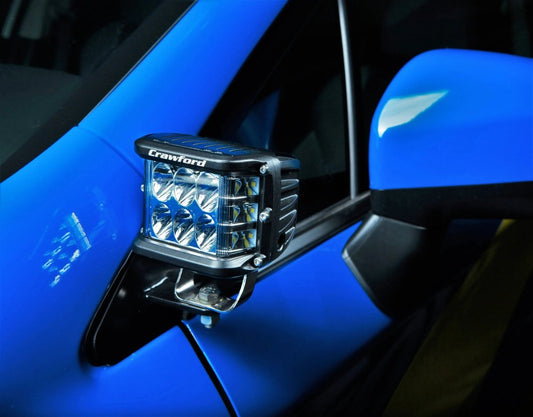
Stock headlights are fine for the city, but they fall short on a pitch-black trail. Proper auxiliary lighting is a critical safety upgrade for any overlander. Adding a powerful LED light bar to your roof rack or front bumper will illuminate the path far ahead, giving you plenty of time to spot obstacles or wildlife. Ditch lights, mounted near the base of your windshield, are perfect for lighting up the sides of the trail, which is especially helpful when navigating tight turns. When choosing your setup, consider a combination of spot beams for long-distance visibility and flood beams for broad, close-range light. These Crosstrek upgrades ensure you can drive with confidence long after the sun goes down.

Why a Dual Battery Setup is a Smart Upgrade

Running a portable fridge, camp lights, and charging devices can quickly drain your vehicle’s main battery, leaving you stranded in the middle of nowhere. A dual battery setup is the professional solution to this problem. This system adds a second, deep-cycle battery dedicated to powering your accessories. The two batteries are connected by an isolator, which ensures your accessories draw power only from the second battery. This leaves your primary starter battery fully charged and ready to start the engine every time. While the installation is more involved, a dual battery system provides the ultimate peace of mind for anyone relying on power-hungry equipment for multi-day trips.

The Case for a Portable Power Station

If a dual battery setup feels too permanent or complex for your needs, a portable power station is an excellent alternative. Think of it as a massive, rechargeable battery pack in a box, complete with all the outlets you need—AC for laptops, USB for phones, and 12V for fridges. The biggest advantage is flexibility. You can easily move it between vehicles or carry it around the campsite. Many models can even be recharged on the go with solar panels. When choosing a power station, look at its capacity (measured in watt-hours) and output ports to ensure it can handle all your devices. It’s a simple, effective way to keep your essentials running without modifying your vehicle’s electrical system.

Onboard and Portable Utility Gear

Once your Crosstrek is built to handle the trail, the next step is to equip it with the tools that make you self-reliant. A capable vehicle will get you into remote places, but the right utility gear is what will get you out. This isn’t about luxury; it’s about having the essential equipment to solve common problems, from a flat tire to getting stuck in the mud. Building a well-rounded kit with recovery tools, a reliable air source, and basic repair items gives you the confidence to explore further, knowing you’re prepared for whatever the trail throws your way. These are the tools that turn a weekend trip into a successful expedition.

Portable Air Compressors for Tire Adjustments

A portable air compressor is one of the most critical pieces of gear you can carry. The ability to "air down" your tires—reducing their pressure—dramatically increases the tire's footprint, providing far better traction on soft surfaces like sand, mud, and snow. However, driving on pavement with low tire pressure is unsafe and can destroy your tires. This is where the compressor becomes essential. It allows you to quickly air your tires back up to the proper pressure before hitting the highway. This simple tool gives you the flexibility to optimize your vehicle's performance for any terrain, making it a non-negotiable part of any serious overlander's kit and a key component of our recommended overlanding solutions.

Common Challenges in a Crosstrek Build (And How to Solve Them)

Building your Crosstrek into a capable overland rig is an exciting process, but it’s not without its hurdles. Every modification you make, from adding a roof tent to swapping out your tires, has a ripple effect on your vehicle’s performance, handling, and durability. Anticipating these challenges is the key to creating a build that’s both reliable on the trail and enjoyable on the road.

The three most common issues you’ll encounter are managing the vehicle’s weight, protecting its underbody, and dealing with the realities of aggressive off-road tires. Think of these not as problems, but as puzzles to solve. A well-planned build addresses these factors from the very beginning, ensuring each component works in harmony with the others. By understanding how to balance weight, armor up strategically, and choose the right tires, you can create a Crosstrek that’s ready for any adventure you throw at it without compromising safety or performance. Let’s look at how to tackle each of these challenges head-on.

How to Properly Manage Weight and Balance

Every piece of gear you add to your Crosstrek, from steel bumpers to a full-size spare, adds up. Your vehicle has a specific payload capacity—the maximum weight it can safely carry, including passengers, fuel, and all your equipment. Exceeding this limit puts a strain on your engine, brakes, and suspension, which can lead to premature wear and unsafe handling. The key is to be strategic. Opt for lightweight gear when possible and pay close attention to how you distribute the load. The most effective way to handle the extra weight of an overland build is to upgrade your suspension. Upgraded springs and struts are designed to support the constant load of your gear, preventing sag and restoring the stable, responsive handling your Subaru is known for.

Making the Most of Your Crosstrek's Ground Clearance

The Subaru Crosstrek boasts impressive ground clearance right from the factory, giving you a great starting point for an off-road build. However, that clearance doesn’t mean your vehicle’s underbelly is invincible. The oil pan, transmission, and rear differential are all vulnerable to damage from rocks, ruts, and other trail obstacles. The solution is to add a layer of protection. By installing skid plates, you can shield these critical components from impacts that could otherwise end your trip. While a lift kit can provide even more clearance, remember that armor is your first and most important line of defense for protecting the vital organs of your Crosstrek when you’re far from home.

How to Reduce Road Noise from Off-Road Tires

One of the first and most impactful upgrades for any overland build is a set of aggressive all-terrain tires. They provide the traction and durability you need to confidently tackle challenging terrain. However, there’s a trade-off: that aggressive tread pattern, which is so effective in dirt and mud, generates significantly more noise on pavement than your stock tires. While some of this is unavoidable, you can mitigate it by choosing a modern all-terrain tire that balances off-road grip with on-road manners. For many, the increased hum is simply the soundtrack of adventure—a small price to pay for the capability and peace of mind that a quality set of tires provides on the trail.

Essential Safety & Recovery Gear for Your Crosstrek

Your Crosstrek build is exciting, but the most important parts aren't always the ones that add horsepower or lift. True off-road capability comes from self-reliance. When you're miles from the nearest town, having the right safety and recovery equipment is non-negotiable. This gear is your insurance policy, ensuring a minor inconvenience doesn't turn into a serious problem. Think of it as the foundation of every successful trip—the tools that get you home safely. Let's cover the essentials you should never leave behind.

Your Navigation and Communication Checklist

Out on the trail, your cell phone's GPS is not a reliable primary navigation tool. Once you lose service, you're on your own. That's why it's critical to carry multiple forms of way-finding methods and emergency communication devices. A dedicated GPS unit, like a Garmin, is a great start, but don't stop there. A satellite messenger gives you the ability to send an SOS or check in with family from anywhere on the planet. And never underestimate the value of a physical map and compass. Learning to use them is a vital skill that doesn't rely on batteries. Redundancy is key, ensuring you always have a way to find your path and call for help if you need it.

Specialized Off-Road GPS Units

A phone's map app is great for city streets, but it's useless without a signal. Specialized off-road GPS units are designed specifically for remote travel. They come preloaded with detailed topographic maps that show elevation, trails, and points of interest, all of which work completely offline. These devices are also built to withstand the harsh conditions of the trail—they're often dustproof, waterproof, and have large, bright screens that are easy to read in direct sunlight. This reliability is a core component of any serious overlanding setup, ensuring you always know where you are and where you're headed, no matter how far off the grid you go.

Your Must-Have Recovery Gear

Getting stuck is a matter of when, not if. Your recovery kit is what turns a trip-ending situation into a minor delay. Start with the basics: a sturdy tow strap (not a snatch strap), a set of shackles, and a pair of traction boards. A simple shovel can also be incredibly effective for digging out a stuck tire. Beyond that, a tire repair kit and a portable air compressor are must-haves for fixing flats on the trail. And remember, the best recovery is avoiding the need for one. Prioritizing essential performance parts like skid plates protects your Crosstrek's vulnerable underbelly, preventing damage that could leave you stranded in the first place.

What to Pack in Your Off-Road First-Aid Kit

Your personal safety is just as important as your vehicle's. While you can buy a pre-made first-aid kit, the best ones are often those you customize yourself. Start with a quality kit designed for the outdoors and add items specific to your needs. Essentials include various bandages, antiseptic wipes, gauze, medical tape, pain relievers, blister treatment, and any personal medications. A reliable vehicle is also a core part of your safety plan. Ensuring your Crosstrek is in peak condition with regular maintenance and professional engine tuning services minimizes the risk of a mechanical failure in a remote area, giving you invaluable peace of mind.

How to Maintain Your Overland Crosstrek

Building your Crosstrek is just the first step; keeping it trail-ready requires consistent attention. Overlanding puts more stress on your vehicle than daily driving, so your maintenance routine needs to adapt. A well-maintained rig is a reliable rig, and reliability is everything when you’re miles from the nearest town. Think of maintenance as an integral part of the build process. Regular checks and preventative care will protect your investment, ensure your safety, and keep your Crosstrek performing at its best for every adventure on the horizon.

Your Pre- and Post-Trip Inspection Checklist

A thorough inspection before you leave and after you return is non-negotiable. A pre-trip check ensures you’re starting your adventure safely, while a post-trip inspection helps you catch any damage before it becomes a bigger problem. Before you hit the road, walk around your Crosstrek and check tire pressure, look for any fluid leaks, test all your lights, and make sure your recovery gear is secure and accessible. After a trip, clean your vehicle thoroughly—especially the undercarriage—to inspect for any new dents, cracks, or loose bolts on your suspension and armor. It’s also smart to carry multiple forms of navigation and emergency communication, like a Garmin, just in case your primary method fails.

Why You Should Adjust Your Fluid Change Schedule

The factory maintenance schedule is designed for standard driving conditions, not for the heavy loads and demanding terrain of overlanding. You need to be more proactive with your fluid changes. For engine oil, it’s wise to shorten the interval, as dust and high engine temperatures can degrade it faster. While some manuals call CVT fluid a "lifetime" fluid, that doesn't apply to a vehicle under heavy use. We recommend having the CVT fluid inspected at 30,000 miles and fully exchanged every 60,000 miles. Don’t forget about your front and rear differential fluids, either. Staying on top of your fluids is one of the best ways to ensure the longevity of your drivetrain, especially if you've invested in engine tuning services.

How to Maintain Your Armor and Protective Gear

Your skid plates, rock sliders, and bumpers are your Crosstrek’s first line of defense, so they need care, too. After every off-road trip, take the time to inspect your armor for deep gouges, cracks, or bends. A significant impact can compromise its integrity or damage the mounting points. It’s also important to clean your armor to prevent mud and debris from trapping moisture, which can lead to rust over time. If you notice any damage, address it right away. Taking care of your protective gear ensures it will be ready to handle the next hit, allowing you to focus on the trail ahead. These checks are crucial for all your Crosstrek upgrades, not just the armor.

Choosing the Right Parts and Supplier

Once you have a build plan, the next step is sourcing your parts. The quality of your components and the expertise of your supplier are just as critical as the plan itself. The right vendor doesn’t just sell you a box; they offer guidance, support, and a curated selection of parts that are proven to work with your vehicle. Partnering with a specialist who understands the unique demands of modifying a Subaru for off-road use can make all the difference, ensuring you get reliable components that fit correctly and perform as expected. This is where doing a little research upfront saves you from major headaches down the road.

What to Look for in a Parts Vendor

Navigating the world of aftermarket parts can be overwhelming, but a few key indicators can help you identify a trustworthy supplier. You're looking for a partner in your build, not just a storefront. A great vendor will have a solid reputation backed by real-world customer experiences and a deep inventory of high-quality, relevant parts. They should be specialists in their field, offering more than just products—they should offer solutions. Taking the time to vet your suppliers ensures you’re investing in both quality parts and a support system you can rely on if you run into questions during your installation or out on the trail.

Customer Reviews and Reputation

Before you click "add to cart," see what other customers have to say. A vendor’s reputation is built on the experiences of people who have already put their products to the test. Look for consistent, positive feedback on product quality, customer service, and shipping reliability. For example, some vendors in the Subaru space have thousands of reviews averaging nearly five stars, which is a strong indicator of their commitment to quality. A long-standing reputation, especially with a specific platform like Subaru, shows a deep level of expertise and a proven track record. This is the kind of social proof that tells you you’re dealing with a company that stands behind its products and understands its customers' needs.

Product Selection and Availability

Finding a vendor with a comprehensive selection of performance parts for your Crosstrek can streamline your entire build process. A one-stop shop not only saves you time but also helps ensure the components you choose are compatible with one another. A supplier that specializes in Subarus will have a curated inventory of parts that are known to work well together, taking the guesswork out of your build. Look for a vendor that stocks a wide range of items, from suspension and armor to engine components and recovery gear. This indicates they have a deep understanding of what it takes to create a complete and balanced overland vehicle, making them a valuable resource throughout your project.

Popular Brands in the Overlanding Space

As you research gear, you’ll start to see the same brand names pop up again and again. These companies have earned their reputations by consistently producing high-quality, durable equipment that stands up to the rigors of off-road travel. While there are many great options out there, this list covers some of the most trusted and popular brands in key categories. Think of this as a starting point for your own research—these are the names that overlanders rely on when they’re far from home and need their gear to perform without fail.

Tents and Awnings: Freespirit Recreation, Roam

Your shelter is your home away from home, and brands like Freespirit Recreation and Roam are leaders in the rooftop tent and vehicle awning space. They are known for their durable materials, weather-resistant designs, and user-friendly setups that make establishing camp quick and easy. A quality rooftop tent gets you off the ground and provides a comfortable, secure place to sleep, while an awning extends your living space, offering crucial shade and protection from the elements. These brands have become favorites in the community because their products are built to last and enhance the overall camping experience.

Power and Lighting: Jackery, Baja Designs

Reliable power and lighting are non-negotiable on the trail. Jackery has become the go-to brand for portable power stations, offering a simple and flexible way to run fridges, charge devices, and power camp lights without modifying your vehicle’s electrical system. For lighting, Baja Designs is an industry leader, producing high-performance LED lights that turn night into day. Their light bars, ditch lights, and fog lights are known for their incredible output, durability, and beam patterns that are engineered specifically for off-road conditions, making them a critical safety upgrade for nighttime driving.

Racks and Recovery: Prinsu, ARB, MAXTRAX

When it comes to carrying your gear and getting yourself unstuck, you need equipment you can trust. Prinsu is famous for its low-profile, modular roof racks that allow you to maximize your Crosstrek’s storage capacity. For recovery gear, ARB is a legendary name in the off-road world, offering everything from heavy-duty recovery straps to portable air compressors. And no recovery kit is complete without a set of MAXTRAX traction boards; they are the original and still the gold standard for self-recovery in sand, mud, and snow. Investing in these top-tier overlanding solutions provides peace of mind when you’re pushing the limits of your vehicle.

Ready to Build? Here's How to Plan

With a checklist in hand, the dream of an adventure-ready Crosstrek starts to feel real. But before you start adding parts to your cart, a solid plan will ensure your build goes smoothly and meets your goals without breaking the bank. Thinking through your budget, installation strategy, and long-term support will set you up for success on and off the trail. Let’s map out the final steps before you turn the first wrench.

How to Set Your Budget and Prioritize Upgrades

Building an overlanding rig is a marathon, not a sprint. It’s easy to get excited and want everything at once, but a phased approach is often more practical. Start by outlining your total budget and then prioritize upgrades based on immediate needs. We always recommend focusing on your Crosstrek's capability before adding camping comforts. Prioritize essential protection like skid plates and recovery systems first. From there, move on to performance-defining parts like suspension and tires. Once the foundation is solid, you can begin adding gear like roof racks and storage solutions. This method ensures your vehicle is trail-ready at every stage of the build.

Typical Cost of Common Overland Parts

The cost of outfitting your Crosstrek can vary widely depending on the brands you choose and how much work you do yourself. To give you a realistic starting point, a quality set of all-terrain tires will typically run between $800 and $1,500. A comprehensive suspension lift kit can range from $500 to over $2,000, while a full set of steel or aluminum skid plates might cost between $400 and $800. For external storage, a versatile roof rack system can start around $500 and go up from there. While it's tempting to find the cheapest option, remember that these are investments in your vehicle's safety and reliability. Opting for well-engineered premium accessories ensures they will perform when you need them most, far from home.

Budgeting for a Phased Build

A successful build is planned in stages. This approach makes the cost more manageable and ensures your Crosstrek is capable at every step. We recommend breaking your build into three logical phases. Phase one should focus on protection and traction—think skid plates and all-terrain tires. This makes your vehicle immediately more durable on the trail. Phase two is about handling the load and gaining clearance with a suspension upgrade and a roof rack. Finally, phase three can cover self-sufficiency and comfort, such as a dual-battery system, a portable fridge, or a rooftop tent. Following a phased build plan prevents you from having to redo work and helps you budget effectively for the long haul.

Keeping an Eye Out for Sales Events

Patience can be your best friend when sourcing parts for your build. Many suppliers and manufacturers offer significant discounts during major sales events like Black Friday, Cyber Monday, and other holiday promotions. Planning your big-ticket purchases around these times can save you hundreds of dollars that can be put toward fuel, fees, or other gear. A great strategy is to create a wishlist and subscribe to the newsletters of your favorite brands. This way, you’ll be the first to know when a sale drops. By being a strategic shopper, you can get the high-quality overlanding solutions you want without compromising your budget, ensuring your rig is built with parts you can trust.

DIY vs. Professional Installation: Which is for You?

Deciding whether to install parts yourself or hire a professional comes down to your mechanical skill, available tools, and time. Many of our parts are designed for straightforward installation, making for a rewarding weekend project. However, for more complex jobs like suspension overhauls or professional tuning, an expert can save you time and prevent costly mistakes. Whichever path you choose, it’s crucial to proceed with caution, patience, and extra supplies. A well-executed installation is key to reliability, ensuring your focus stays on the adventure ahead, not on questioning your work.

What to Expect from Professional Installation Services

If you decide to go the professional route, you're investing in peace of mind. For complex jobs like a full suspension overhaul or specialized engine tuning services, an experienced technician brings a level of precision and efficiency that's tough to match in a home garage. They have the right tools for the job, from spring compressors to advanced diagnostic software, and the expertise to troubleshoot any unexpected issues that come up. A professional installation ensures every bolt is torqued to spec and every component is perfectly aligned. This quality assurance is key to reliability on the trail, letting you focus on the adventure ahead instead of questioning your work when you're miles from civilization.

Understanding Shipping and Pickup Policies

Many essential overland parts—like steel bumpers, full skid plate sets, and suspension kits—are large, heavy, and awkwardly shaped. This means they often can't be shipped via standard carriers and may require freight delivery, which can be more expensive and take longer. Before you finalize a purchase, always review the supplier's shipping policies to understand the costs and delivery expectations. If you live near a reputable shop like Crawford Performance, look into local pickup options. This can be a great way to save a significant amount on shipping fees, avoid potential freight damage, and get your new overlanding solutions in hand much faster.

How We Can Help: Our Services and Warranty

You don’t have to figure this all out on your own. We’re here to help you build a capable and reliable Crosstrek. Crawford Performance offers a full range of overlanding solutions for the Subaru Crosstrek, Forester, and Impreza, so you can upgrade with premium accessories for adventure-ready fun. Our team has spent decades engineering and testing parts specifically for Subaru platforms. We stand behind our work with a unique 12-month/12,000-mile engine warranty on our builds, giving you the confidence to push your vehicle to its limits. When you’re ready to start your project, our experts are here to provide the parts and support you need.

Our 12-Month/12,000-Mile Product Warranty

Investing in your Crosstrek is a big step, and we believe you should have complete confidence in the parts you choose. That’s why we offer a 12-month or 12,000-mile performance warranty on many of our products. This isn’t just a policy; it’s our promise that the components you install are built to withstand the rigors of the trail. When you’re exploring remote areas, the last thing you want to worry about is equipment failure. Our warranty provides the assurance you need to focus on the journey, knowing that decades of Subaru-specific engineering and testing are behind every part. This commitment to reliability is at the core of all our overlanding solutions, giving you the peace of mind to push further and explore with confidence.

Related Articles

Crawford Performance CTA Button

Frequently Asked Questions

I'm just starting my build. What's the absolute first thing I should upgrade? Before you buy anything else, focus on your suspension. The factory setup is designed for comfort on pavement, not for carrying hundreds of pounds of gear over rough terrain. Upgrading your springs and shocks is the foundation of a capable build because it allows your Crosstrek to safely manage the weight of every other part you add, from armor to a rooftop tent.

Do I really need skid plates if I'm only doing light trails? Yes, absolutely. Think of skid plates as insurance for your adventure. It only takes one poorly placed rock or hidden stump on an otherwise "easy" trail to puncture your oil pan and leave you stranded. Protecting your vehicle's vital underbody components is a non-negotiable step that provides peace of mind and prevents a minor mistake from turning into a trip-ending disaster.

Will all these modifications affect my Crosstrek's daily driving performance? You should expect some changes, but they are manageable trade-offs for the capability you gain. The most noticeable difference will be a slight increase in road noise from all-terrain tires. You may also see a small decrease in fuel economy due to the added weight and less aerodynamic profile. However, a properly executed build with a quality suspension upgrade will still handle confidently and feel stable on the highway.

Should I get a lift kit before or after I get bigger tires? These two upgrades are best planned together, but the lift kit should come first. The primary reason for a lift is to create the necessary space in your wheel wells to fit larger, more capable all-terrain tires without them rubbing. Installing the lift first ensures you have the clearance you need, allowing you to choose the right tire size to complete your setup.

I have a Crosstrek Wilderness. Do I still need to make these upgrades? The Wilderness model is a fantastic starting point with its factory lift and more aggressive tires. However, the core principles of overlanding still apply. Once you begin adding significant weight from bumpers, a roof rack, and camping gear, the factory suspension will still be strained. Upgrading the springs to handle the constant load is a wise investment to maintain proper handling and prevent sagging, even on the most capable Crosstrek.

Back to blog