

Subaru Ringland Failure: Symptoms and Prevention
Subaru ringland failure can turn a moment of engine knock into lost compression, heavy blow-by, and expensive cylinder damage. Because broken fragments can quickly score the block, recognizing the warning signs and stopping the engine early may determine whether the repair needs a short block or a complete engine.
Explore Crawford Performance built Subaru short blocks.
Subaru ringland failure occurs when the narrow aluminum bridges between piston ring grooves break due to high heat and pressure. This damage usually affects the first ringland because it sits closest to the hot combustion chamber. When these metal bands break, the piston can no longer keep a tight seal against the cylinder wall. This leads to a sharp drop in compression and a lot of blow-by gases going into the crankcase. While common in modified turbocharged EJ25 engines, these failures often stem from engine knock or poor tuning rather than a simple design flaw. According to research on Subaru ringland failure causes, this break hurts the engine's power and can soon score the cylinder walls with metal bits. Finding the symptoms early can prevent a total engine loss.
What Subaru ringland failure actually means
Subaru ringland failure is a crack or break in the narrow piston material between the ring grooves. Once a ringland breaks, the rings lose support and cannot seal the combustion chamber correctly. The result is lower compression, increased blow-by, oil consumption, and potentially severe cylinder-wall damage.
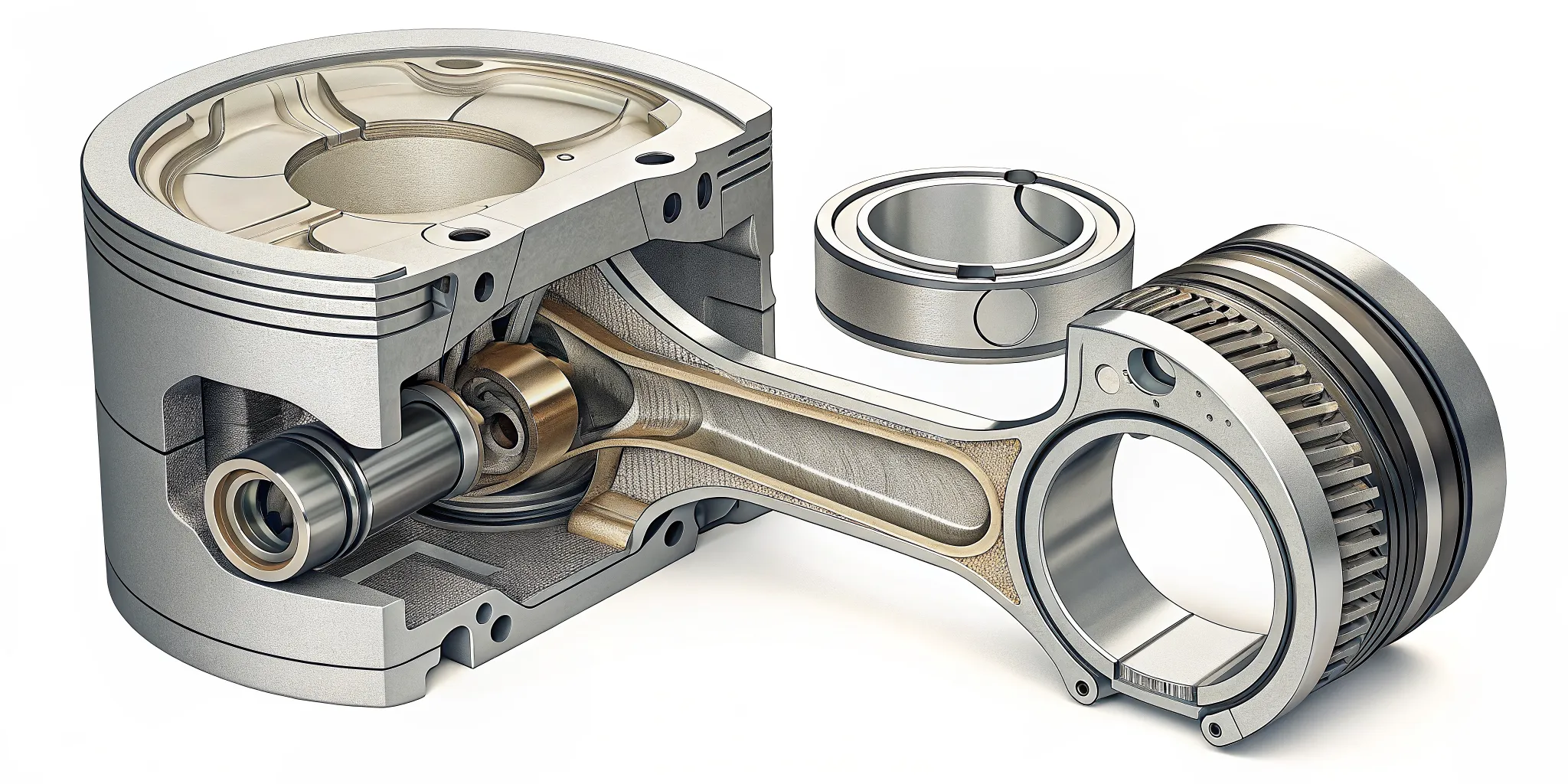
A piston ringland is the small shelf of metal that holds the piston rings in place. These thin bands of metal split the grooves where the rings sit. Their main job is to support the rings so they can create a tight seal against the cylinder wall. This seal keeps the high pressure of combustion inside the chamber where it can push the piston down.
Ringlands also help manage heat and guide the gas pressure needed for the engine to run. In a healthy Subaru engine, these shelves act as a spine for the rings. These parts must stay flat to keep oil out of the burn chamber and keep fuel and air in. The first ringland takes the most stress because it sits closest to the heat of the spark.
The role of piston ringlands
If this metal shelf fails, the rings can no longer do their job. This leads to a loss of power that you can feel while driving. Most Subaru Performance Engines rely on these parts to stay in spec. When they work well, your car runs smooth and makes full boost. But if the metal cracks, the engine can no longer hold pressure.
This is a common issue for owners of the EJ25 engine group who push their cars for more speed. A failure happens when one of these aluminum shelves gets a crack or breaks off. Even a small fracture allows hot gases to blow past the rings and into the crankcase. This flow of gas ruins the health of your engine and can lead to more damage.
How cracks damage your engine
This gas leak is called blow-by, and it causes a big drop in engine power. In some cases, bad combustion events like pre-ignition can cause the piston to erode or melt. The rings and skirts may also expand too much from the extra heat. This extra pressure in the crankcase can even force oil out of the breather tubes and onto your engine bay.
Once a Subaru ringland failure starts, the damage often spreads to other parts. The loose bits of metal can scratch the cylinder walls or clog oil paths. You might notice your car burning more oil or see blue smoke from the tailpipe. If you ignore these signs, the engine may at last seize or suffer a broken rod.
Why the EJ25 is at risk
The EJ25 engine is famous for its power, but it has a specific weakness in the ringlands. The stock cast pistons are brittle and cannot always handle the heat of a tuned engine. High boost levels or a lean fuel mix can lead to detonation, which is also called engine knock. These tiny shockwaves hammer the ringlands until the metal gives up and cracks.
While the FA engines are newer, the EJ series has the most risk for this type of break. Many drivers choose to upgrade to better parts before a failure starts. Stronger pistons can handle the stress of fast driving without cracking. Crawford uses years of race data to build engines that solve these weak points and keep your car on the road.
What are the symptoms of Subaru ringland failure?
Common Subaru ringland failure symptoms include lost power, rough idle, rising oil consumption, blue exhaust smoke, and excessive crankcase pressure. A damaged cylinder may also show low compression and leak-down air escaping through the oil filler. Stop driving under boost and arrange proper testing when these signs appear.
Finding the early signs of Subaru ringland failure is key to saving your engine. This fault happens when the metal bridge between piston rings cracks. When this bridge fails, the piston can no longer seal the combustion chamber. This leads to a quick drop in engine health and power.
Common engine performance signs
A main sign of a broken ringland is a clear loss of power. You might feel the car hesitate or stumble when you try to speed up. This occurs because the cylinder loses its ability to hold pressure. Without a tight seal, the engine cannot make the same force it once did. You may also notice a rough idle or the car shaking while stopped.
High oil use is another red flag. If you have to add oil often but see no leaks on the ground, the engine may be burning it. Blue smoke from the exhaust is a classic sign of oil entering the combustion area. This smoke is often most visible when you first start the car or when you push the engine hard.
Blow-by and crankcase pressure
Increased blow-by is a major symptom of this piston fault. Blow-by happens when combustion gases leak past the rings and into the crankcase. You can check for this by removing the oil fill cap while the engine runs. If you see smoke or feel a steady pulse of air puffing out, the rings are likely not sealing. In some cases, this pressure can even push the oil dipstick out of its tube.
This extra pressure can force oil out of breathers or seals. According to the Federal Aviation Administration, combustion gases that bleed into the crankcase can over-pressurize the system. This can lead to oil leaks and may cause other parts like rods to fail due to poor lubrication. If you see fresh oil around the top of the engine, it could be a sign of high internal pressure.
Why symptoms can be tricky
The symptoms of ringland failure often look like other engine issues. A rough idle might be a bad spark plug or a vacuum leak. High oil use could be a worn turbo seal. Because of this, many drivers ignore the signs until the damage is worse. In severe cases, pieces of the broken metal can score cylinder walls and ruin the engine block.
If you suspect a failure, avoid heavy engine loads. Pushing a damaged piston can cause metal fragments to break off and enter the oil. These fragments can then damage the rest of the engine. A compression test or a leak-down test is the only way to be sure of the engine's health. Early checks can turn a full engine swap into a simpler piston upgrade.
Why do performance Subaru engines develop ringland damage?
Performance Subaru engines usually develop ringland damage when detonation, excessive heat, lean fueling, or aggressive ignition timing creates pressure beyond the stock cast piston's tolerance. Higher boost increases the risk, especially with poor fuel or engine lugging. A conservative tune and careful monitoring help control these causes.
Ringland damage is a common issue for many Subaru owners. It happens when the thin metal lands between the piston rings crack or break. This usually happens in the EJ25 engine family when it is pushed past its stock limit. While these engines are strong, certain things can cause the metal to fail. Even with the best parts, you cannot fully remove the risk of damage when you add more power.
The role of engine knock and heat
Engine knock is one of the biggest causes of Subaru ringland failure. Knock happens when the fuel and air mix in the cylinder and fire too early. This creates sudden spikes in pressure that hit the piston like a hammer. These forces are much higher than what the engine is built to handle. Over time, these hits cause the metal to fatigue and eventually snap.
Extreme heat also plays a major role in this process. When the engine runs too hot, the piston rings expand more than they should. This extra growth can cause the rings to bind or stick in their grooves. When the rings cannot move freely, they put massive stress on the ringlands. Research shows that abnormal combustion events like pre-ignition can melt or erode the piston surface very quickly.
Risk factors in modified builds
Most ringland issues happen in cars that have been modified for more speed. When you raise boost, you also raise the heat and pressure inside the engine. If the fuel system cannot keep up, the engine may run lean. This means there is too much air and not enough fuel. A lean engine runs very hot and is much more likely to knock. Poor tuning can also lead to bad timing, which adds even more stress to the internal parts.
High cylinder pressure is a double-edged sword for performance. While it helps make more power, it also tests the limit of the stock cast pistons. These pistons are made of a brittle metal that does not handle sudden shocks well. If the spark fires too soon, the piston must fight against the rising pressure. This battle creates massive heat that the stock pistons cannot shed fast enough.
Driving habits and fuel quality
How you drive your car matters just as much as the parts you install. One major mistake is lugging the engine. This happens when you use full throttle at low RPM in a high gear. Lugging puts a massive load on the pistons and is a common cause of knock. It is always better to downshift and keep the engine in its power band. This keeps the pistons moving fast and helps manage the heat better.
Fuel quality is your first line of defense against damage. Performance Subaru engines need high-octane fuel to prevent knock. Using low-grade gas can cause immediate issues under boost. You should also check your oil level often. Low oil can lead to higher heat and less cooling for the pistons. An Air Oil Separator can help keep the intake clean. But it cannot fix the problems caused by bad gas or poor driving habits.
How is Subaru ringland failure diagnosed?
Diagnose suspected Subaru ringland failure with compression and leak-down testing, then use a borescope to inspect the piston and cylinder wall. Low compression identifies a weak cylinder, while air escaping into the crankcase during leak-down points toward failed rings or ringlands. ECU logs can reveal contributing knock.
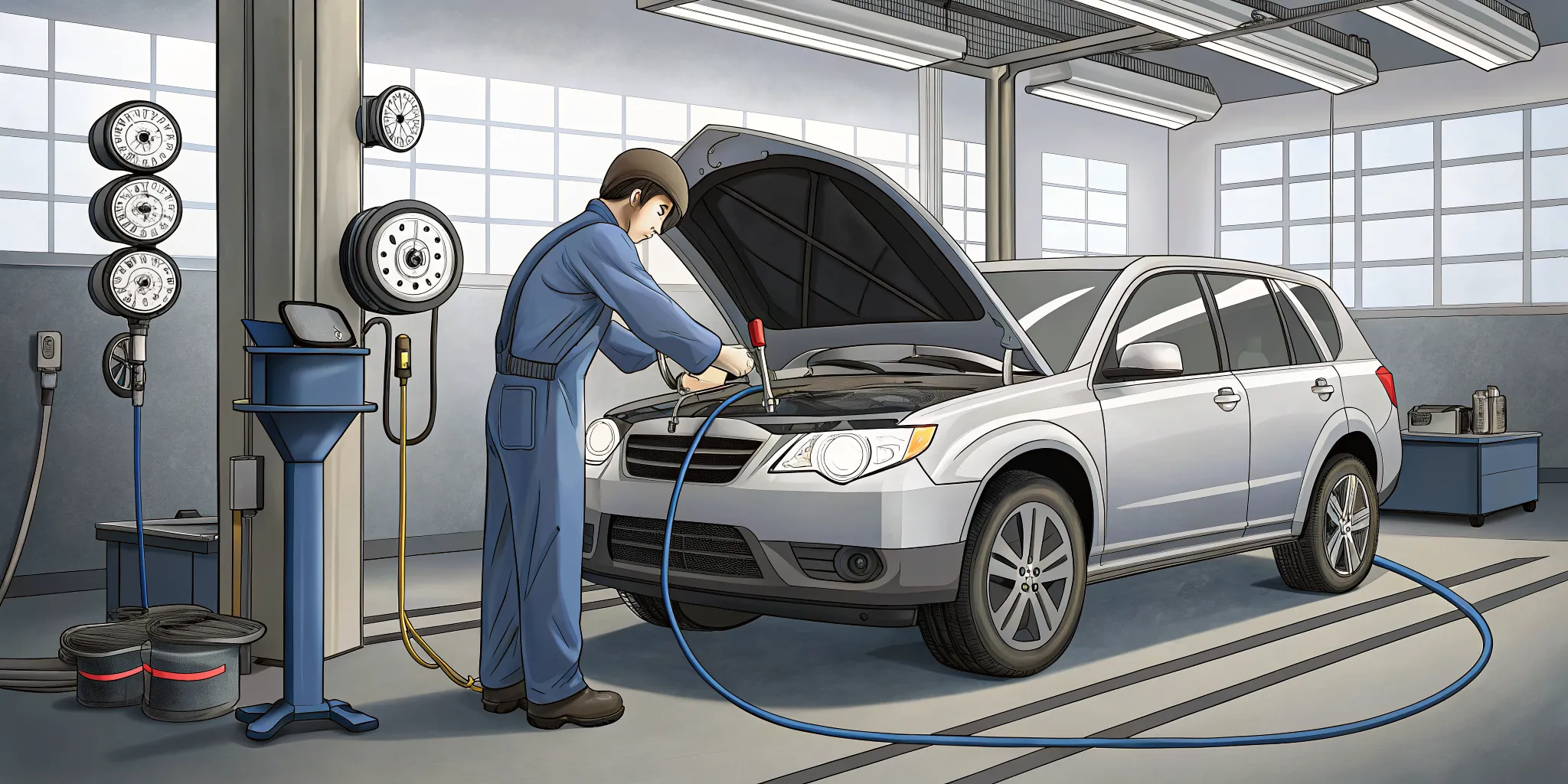
Finding a ringland issue early can save your engine block. A cracked ringland often hides behind small power drops before a total failure occurs. Techs use a set of tests to find exactly where the seal has failed. This helps you know if you need a top-end fix or a full Subaru performance engine build.
Check for blow-by and oil signs
The first signs of trouble often appear in the engine bay. Remove the oil fill cap while the engine is running and look for smoke or pulsing air. This blow-by happens when gases leak past the rings and into the crankcase. Too much oil in the intake pipes also points to a seal problem. According to FAA safety data, gases bleeding into the crankcase can over-pressurize the system and lead to oil leaks or rod failure (FAA).
Run a compression and leak-down test
A compression test is a common way to find a weak cylinder. Low numbers in one cylinder usually signal a mechanical fault. But a compression test might miss a small crack. A leak-down test is more precise because it shows how well the cylinder holds air at a fixed point. If air escapes through the oil filler, the ringland is likely the cause. This drop in compression and increase in blow-by are classic signs of Subaru ringland failure.
Diagnostic steps for ringland failure
- Inspect the spark plugs for signs of engine knock or oil fouling, which often happen before a crack.
- Perform a dry compression test on all cylinders to find any pressure loss.
- Use a borescope to look for marks on the cylinder walls or damage to the piston top.
- Conduct a leak-down test to confirm if the air is escaping into the crankcase.
- Check ECU logs for high knock counts or pulled timing that suggest high heat and pressure.
Use a borescope for visual proof
A borescope lets a tech see inside the engine without taking it apart. They look for vertical scratches on the cylinder walls. These marks happen when broken ringland pieces rub against the metal. In some cases, the cylinder walls may be deeply scored by these fragments (Subimods). If the walls are too damaged, a simple piston swap will not work. You may need to hone the block or replace it to fix the issue.
Diagnosis versus repair: deciding the next step
The right repair depends on test results and cylinder-wall condition. A confirmed crack with scoring often requires a built short block or complete long block rather than rings alone. Inspect the heads, turbo, oil system, and supporting components before choosing a path, because circulating metal can damage more than the piston.
Finding a fault in your engine can be hard to face. Once you see signs of Subaru ringland failure, you must pick how to move forward. The choice is often between more tests and a full fix. You should look at the state of your block to see if a small repair will work or if you need a new setup.
Tests to run first
A compression test is a good first move for any owner. This test shows if the piston can still seal the burn space. If the numbers are low, gas might be bleeding into the crankcase. This can over-press the system and lead to oil leaks or rod failure, as noted by the FAA. You want to find these bugs before they cause more damage to the engine block.
A leak-down test is also helpful to find exactly where the air escapes. This test helps you see if the air goes past the rings or through a valve. If air comes out of the oil fill tube, it points to a piston issue. When the metal lands fail, they can no longer support the rings. This makes the piston ring dynamics fail, which ends your engine's life early.
Choosing a repair path
If tests show a light fault, some people think about a simple rebuild. But a cracked piston often leaves marks on the cylinder walls. If the walls are scored, a simple set of rings will not fix the problem. In most cases, it is safer to plan for a full engine build. You can look at Subaru Performance Engines to see what a fresh, strong start looks like for your car.
High heat and pressure from knock often cause these breaks. These forces create stress that a stock cast piston cannot handle for long. When you plan a fix, aim for parts that can take the heat of a turbo engine. A strong block with hand-set specs will keep your car on the road longer. This path saves you from the cost of doing the same work twice.
| Sign of Fault | Next Step | Why It Matters |
|---|---|---|
| Low compression | Leak-down test | Finds where seal is lost |
| High oil blow-by | Check oil separator | Rules out simple PCV bugs |
| Metal in oil | Full teardown | Shows bearing or wall damage |
| Heavy engine knock | Log ECU data | Finds knock or fuel issues |
The cost of waiting
Wait too long after a fault starts and you risk the whole block. A small crack in a ringland can lead to a chunk of metal moving in the cylinder. This can ruin the heads and the turbo as well. If your tests show a clear failure, stop driving the car right away. Move to a fix that solves the root cause so you do not face this issue again in a few months.
Can Subaru ringland failure be prevented?
You cannot eliminate every chance of ringland failure, but you can substantially reduce the risk. Use the correct high-octane fuel, maintain a conservative professional tune, avoid full throttle at low RPM, monitor knock and fueling, and keep oil and cooling systems healthy. Address abnormal data before driving hard.
While you cannot stop every risk, you can do a lot to help your engine last. Subaru ringland failure is a known issue for the EJ25 engine, but good care and smart driving make a big difference. No single change or tool will make an engine bulletproof. Instead, you must focus on a mix of high-quality parts and steady upkeep. Even a stock car needs a watchful eye to stay in top shape for years.
Fuel quality and engine tuning
The best way to protect your pistons is to stop engine knock before it starts. Knock happens when fuel and air explode too soon in the chamber. This creates huge pressure spikes that hit the piston like a hammer. To lower this risk, always use the best fuel found in your area. Most turbo Subaru cars need 91 octane or higher to run right. A safe engine tune is also key. If you add parts to your car, you must update the computer to match them. A bad tune can cause the engine to run lean or hot, which leads to pre-ignition and piston damage. Expert tuners know how to keep these pressures in a safe range. They can set up your car so it does not push the metal past its limits during hard drives.
Oil care and cooling health
Keep your oil clean and at the right level. Oil does more than just slick the parts; it also helps carry heat away from the piston crown. If the oil gets too thin or dirty, the ringlands may get too hot and start to crack. Checking your oil once a week is a simple task that saves your engine. You should also watch for oil in your intake, which can lower your fuel's octane and cause knock. Your cooling system must also work at its best. Heat is the main enemy of the thin metal bands on your pistons. If your car runs hot, the pistons can swell and rub the walls. This stress can cause a Subaru ringland failure even on a stock car. Make sure your coolant is fresh and your radiator is clear of dirt. A well-kept cooling system keeps the metal at a safe size.
Driving habits and data monitoring
How you drive plays a huge role in engine life. Never "lug" the engine. This happens when you stay in a high gear but try to speed up quickly at low RPM. This puts the most stress on the ringlands and is a common way to crack them. Downshift to a lower gear before you step on the gas. This keeps the engine in its power band where it can handle the load. Use gauges to watch your engine data while you drive. Many owners use a tool to monitor things like "fine learning knock" or "feedback knock." If you see the car pulling timing or adding fuel, let off the gas and find out why. Catching a small issue now can stop a total engine failure later. Small leaks or a bad sensor can lead to big bills if you do not check them right away. Regular logs of your engine data can show trends before they become a big problem.
Compare Crawford Performance built Subaru long blocks.
Planning a build after confirmed ringland damage
After confirmed ringland damage, define your power goal and inspect the entire oiling, fueling, cooling, turbo, and cylinder-head systems before ordering an engine. Choose a short block when reusable heads are healthy, or a long block when head damage exists or you want a more complete fresh start.
When you find Subaru ringland failure in your EJ or FA engine, you must plan your next steps with care. The path you choose depends on your power goals and how you use the car. A street car needs a different plan than a track build that runs high boost. You must look at the whole system to make sure the new motor lasts.
Set clear power and use goals
First, decide what you want from the car. Most street builds aim for a safe boost level that keeps the car fun to drive. If you plan to race, you will need a build that can handle high heat and pressure. High heat can cause parts to expand and rub, which leads to piston skirt damage and metal transfer. Clear goals help you choose the right parts for the job.
Pick a short block or long block
You must decide between a new short block or a full long block. A short block is just the bottom part of the engine with the pistons and rods. This is a good choice if your cylinder heads are still in good shape. A long block includes the heads and valve train. This path is better if you want a fresh start or plan to run high RPMs. Crawford Crawford Performance built Subaru long blocks are assembled in clean rooms to ensure tight fit and long life.
Check your supporting systems
A built motor still needs good parts around it to stay safe. You should check your fuel system and cooling parts before you start the new engine. Old fuel pumps or clogged injectors can cause lean runs and knock. Knock creates pressure spikes that stress the piston and cause engine ringland failure over time. You should also look at an air oil separator to keep oil out of your intake track.
Map out the tune and break in
The tune is the most vital part of a new build. A bad tune can kill a built motor just as fast as a stock one. Work with a pro tuner who knows the Subaru platform well. They will set safe timing and fuel maps for your setup. You also need a plan for the break-in miles. Use the right oil and follow a set plan to help the rings seat well. This ensures your new engine has good seal and low blow-by for years to come.
Frequently Asked Questions
Are EJ25 engines prone to ringland failure?
The EJ25 family is most often linked to ringland issues. This mostly affects cars with mods that push the engine too far. While common in track builds, it is not a flaw in every Subaru engine. Many EJ25 engines run for a long time without failing when they have good tunes. Using high quality parts from Crawford Performance helps make these engines much stronger for track use.
Does detonation cause ringland failure?
Yes, detonation is a top cause of this problem. Also called engine knock, it happens when the air and fuel mix burns too early. This creates sharp pressure spikes that hit the piston hard. Over time, these hits crack the thin metal bands that hold the rings. Per AHG Auto Service, these spikes put extreme stress on the piston and cause the ringland to fail.
Can Subaru ringland failure be prevented?
You can lower the risk of failure with the right care. Regular oil changes and good fuel help the engine stay healthy. A safe tune that stops engine knock is also vital. Crawford Performance uses special FSR pistons and custom rods to help engines last longer. These parts can handle more heat and pressure than stock parts. Most failures happen on cars that do not have the right parts or a safe tune.
How do you check for ringland failure?
A leak-down test is the best way to find this issue. This test shows if air is escaping past the piston rings. You might also see smoke from the oil fill tube or feel a loss of power. Based on data from Subimods, a crack in the metal causes compression to drop and blow-by to increase. If you ignore it, pieces of broken metal can score the cylinder walls and cause the whole engine to fail.
Ready to choose your Crawford Performance Subaru engine?
Confirmed ringland damage calls for a repair plan based on cylinder scoring, head condition, supporting systems, intended power, and budget. Crawford Performance offers built Subaru short blocks and long blocks for different repair scopes. Stop driving the damaged engine, document test results, and choose the configuration that addresses every affected component.
Not fixing the signs of ringland failure now puts your engine at risk. This choice can lead to a total loss that costs more to fix later. When a piston wall cracks, it drops metal bits into your oil. These bits scratch your cylinder walls and ruin the block and the pump fast. This damage happens fast and turns a simple repair into a costly full engine build. It is vital to catch the problem in time to save your engine. By acting now, you stop more harm from coming to your block. You can keep your repair bill as low as it can be today. Starting your build plan now means you spend less time in the shop. You will get back to the track or the road much sooner. Make a plan for your power goals to keep your car on the road.
Ready to choose an engine? Shop built Subaru short blocks, compare built Subaru long blocks, or call +1 (859) 394-4248.