

FA20 Engine Guide: Specs, Failures, and Upgrades
For WRX and BRZ, FR-S, and 86 owners, the FA platform offers a useful balance of compact dimensions, responsive power delivery, and substantial tuning potential. That versatility comes from two very different engine configurations, so the right maintenance and upgrade decisions depend on which version sits under your hood.
Call (855) 677-8243 to talk with a Crawford performance specialist about your FA20 build.
The Fa20 engine is a 1,998 cc, 2.0-liter flat-four boxer with DOHC, 16 valves, direct injection, and dual AVCS. Naturally aspirated FA20D versions produce about 200 horsepower in the BRZ, FR-S, and 86. While turbocharged FA20DIT versions in the 2015-plus WRX produce about 268 horsepower and 258 lb-ft of torque. This guide explains their specifications, failure points, maintenance priorities, and upgrade paths through built short blocks.
Understanding the shared architecture and the differences between these variants is the starting point for choosing sensible power goals. It also clarifies why oil control, calibration, and engine loading matter before exploring the core design and factory specifications.
What Is the FA20 Engine?
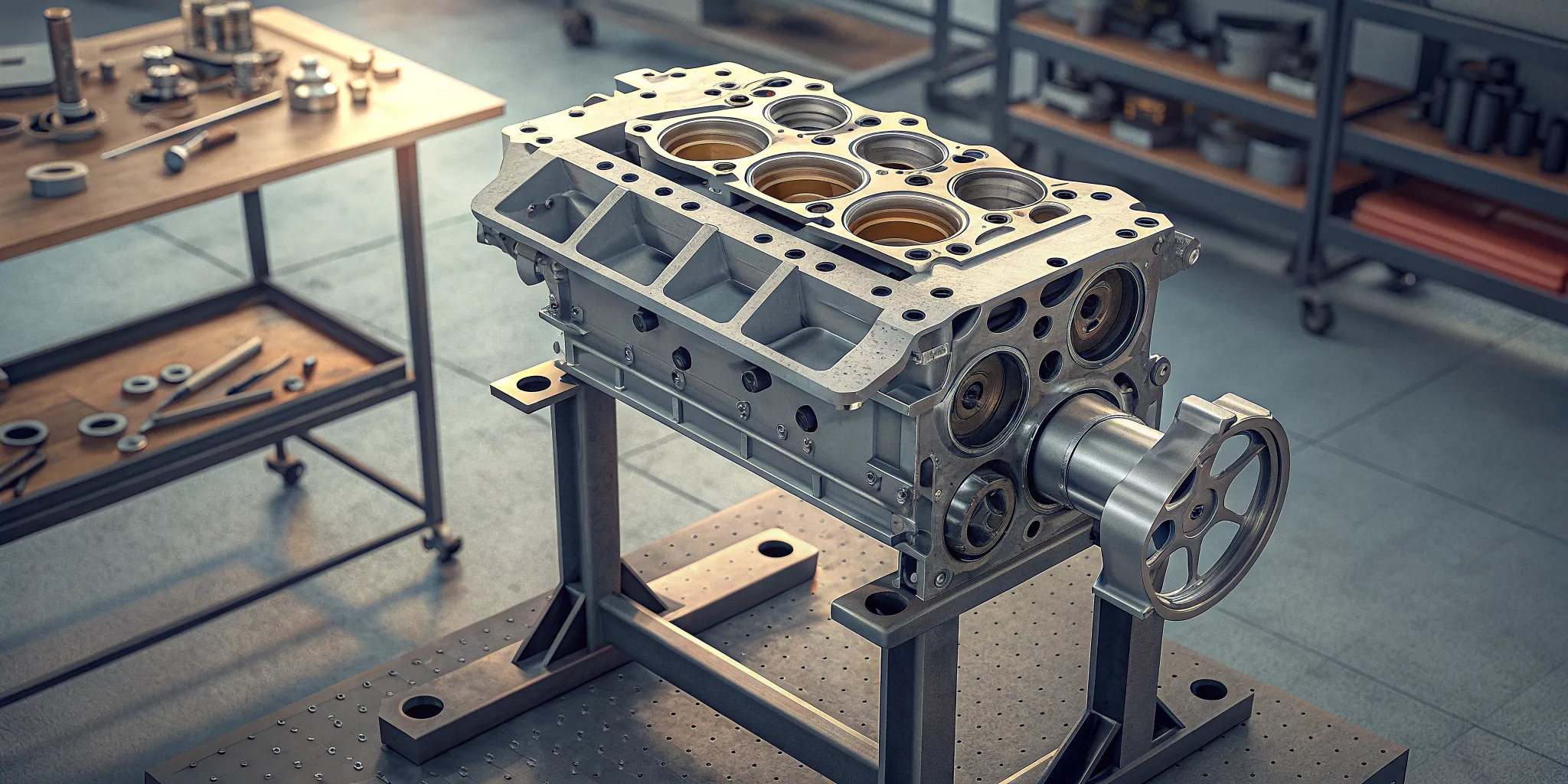
The FA20 is Subaru's 1,998 cc (2.0L) horizontally opposed four-cylinder engine. Its boxer layout places two cylinders on each side of the crankshaft, keeping the engine compact and helping maintain a low center of gravity. The design uses dual overhead camshafts, 16 valves, and direct fuel injection. These specifications give the FA20 a modern cylinder head layout while preserving the balanced packaging associated with Subaru's flat-four engines.
A square 86 mm design
The engine uses an 86.0 mm bore and an 86.0 mm stroke, making it a square engine design. This equal bore-and-stroke relationship is a useful part of the FA20's overall character because it supports a balance between breathing capability and usable torque across the rev range. The 2.0L displacement is shared across the naturally aspirated and turbocharged versions, even though their compression ratios, calibration, and operating demands differ. Technical specifications for the FA20 document the core dimensions and displacement.
Two versions of the FA20 architecture
The first major variant is the naturally aspirated FA20D. It uses the shared 2.0L boxer architecture without a turbocharger and is commonly associated with the lightweight rear-wheel-drive sports-car platform. The second is the turbocharged FA20DIT, sometimes identified as the FA20F. It retains the 1,998 cc flat-four foundation but adds forced induction and uses a lower compression ratio to suit higher cylinder pressures. Those differences affect tuning strategy, thermal load, and the amount of power the factory rotating assembly must support.
Both variants use Subaru's AVCS variable valve timing on the intake and exhaust camshafts. AVCS adjusts cam timing to help the engine manage airflow and combustion across different engine speeds and loads. Proper oil selection and service are therefore important to the system's operation. Subaru specifies 0W-20 engine oil for the FA20 family, while the correct service intervals and application-specific requirements should always take priority.
Understanding this shared architecture is the starting point for choosing maintenance, calibration, or upgraded Subaru engines. The naturally aspirated and turbocharged versions may look similar on paper, but their factory specifications and performance demands call for different decisions when planning modifications.
What Are the FA20 vs FA20DIT Specs and Differences?
The FA20D and FA20DIT share the same 2.0-liter boxer architecture, but they serve different performance goals. The naturally aspirated engine prioritizes linear response and balance in lightweight sports cars. The turbocharged version trades compression ratio and some simplicity for substantially more torque and horsepower. That distinction matters when choosing a replacement engine, planning modifications, or comparing the limits of a factory short block.
| Specification | FA20D | FA20DIT / FA20F |
|---|---|---|
| Induction | Naturally aspirated | Turbocharged, twin-scroll turbo |
| Compression ratio | 12.5:1 | 10.6:1 |
| Output | About 200 hp and 151 lb-ft | About 268 hp and 258 lb-ft |
| Primary applications | Subaru BRZ, Scion FR-S, Toyota 86 | 2015+ WRX, 2014+ Forester 2.0XT, JDM Legacy GT |
Both variants use a square 86.0 mm bore and stroke, according to the FA20 specifications reference. The FA20D's higher 12.5:1 compression ratio supports efficient naturally aspirated combustion and a responsive throttle. Its approximately 200 hp output is well matched to the BRZ, FR-S, and 86 chassis, where cornering balance and predictable power delivery are central to the driving experience.
The FA20DIT uses a lower 10.6:1 compression ratio to accommodate forced induction, then adds a twin-scroll turbocharger to produce approximately 268 hp and 258 lb-ft of torque. The FA20DIT overview from JE Pistons documents the turbo engine's output and applications. In a WRX or Forester 2.0XT, that broad torque curve changes how the vehicle accelerates in daily driving and under load.
For owners, the practical takeaway is simple: identify the exact variant before ordering parts or planning a tune. NA FA20D components and calibration strategies are not interchangeable with FA20DIT hardware. Turbo owners also need to treat boost, fueling, heat, and calibration as a connected system. If increased power is the goal, review the options for a built FA20 engine before factory components become the limiting factor.
What Are Common FA20 Failure Points and How Do You Prevent Them?
The FA20 family can deliver strong street and track performance, but reliability depends on controlling heat, detonation, oil quality, and driver load. The most effective prevention strategy is to match maintenance and calibration to the engine's intended use rather than treating every FA20 variant the same.
Ringlands and detonation under boost
Ringland failure is a recognized concern across the family and is especially important on boosted FA20DIT engines running aggressive calibrations. Detonation creates sharp pressure spikes that can damage the piston ringlands, while high boost increases the consequences of a marginal tune or inadequate fueling. Crawford's Subaru ringland failure deep dive explains why this failure mode deserves attention before increasing power.
Use a calibration developed for the exact fuel, hardware, and boost level. Address knock activity promptly, avoid questionable fuel, and do not add boost before the supporting systems and tune are ready. If the factory short block no longer provides the desired power margin, a properly specified build is a more durable solution than repeatedly replacing damaged components.
Rod knock from low-RPM lugging
Rod knock is another known FA20DIT failure mode, commonly associated with placing the engine under heavy load at very low RPM. Lugging raises cylinder pressure while engine speed is too low to respond cleanly, increasing stress on the rods, bearings, and oiling system. Downshift before a steep grade, passing maneuver, or hard acceleration instead of demanding boost in a tall gear. Smooth throttle application and sensible shift points reduce unnecessary load.
Carbon buildup and valve-spring checks
Because the FA20 uses direct injection without port injection, fuel does not wash over the intake valves. Carbon can accumulate over time, affecting airflow, idle quality, and power. Monitor drivability changes and follow a service plan that includes inspection and appropriate intake-valve cleaning when conditions warrant.
Early 2012 and 2013 engines also had a documented valve-spring issue that Subaru addressed through a recall and replacement effort in 2018. Confirm that the applicable campaign or repair was completed before assuming the valvetrain is unchanged.
Timing-chain wear and maintenance discipline
Pre-2016 FA20 engines are more prone to timing-chain wear, particularly when extended service intervals combine with high thermal stress. Later revisions improved guides and tensioners, but every engine still benefits from timely oil service. Use the specified quality Subaru 0W-20 oil, change it according to the service schedule and actual driving conditions, and investigate chain noise or timing-related faults early. When damage has progressed, use a documented FA20 engine rebuild process rather than replacing parts without addressing the underlying cause.
What Are the FA20 Upgrade Paths From Bolt-Ons to Built Short Blocks?
A responsible build follows the engine's use, calibration, and power target rather than a parts list. Each step adds output and stress, so the supporting systems should be addressed before the next level. This sequence applies most directly to the turbocharged FA20DIT, while naturally aspirated FA20D owners can use the early stages to improve response and consistency.
- Establish monitoring, oiling, and maintenance. Start with a healthy engine and a known baseline. Confirm compression and leak-down results where appropriate, inspect the oiling system, and monitor oil pressure, air-fuel ratio, knock activity, and engine temperature. Use the specified oil and service intervals, and address known maintenance concerns before adding power. An air-oil separator can be part of this protection strategy, but it does not replace calibration or mechanical diagnosis.
- Move to an ECU calibration or Stage 1 tune. A properly matched calibration is usually the first performance change because it coordinates boost, ignition, fueling, and throttle behavior as a system. The tune should match the fuel available, the vehicle's hardware, and intended operating conditions.
- Add bolt-ons, then refresh supporting systems. Intake, downpipe, and exhaust changes can improve airflow, but they also change calibration requirements and increase thermal or cylinder-pressure demands. Recheck the tune after hardware changes and keep maintenance current.
- Upgrade the turbo and exhaust system for the DIT. A larger turbo or more capable exhaust can move the FA20DIT beyond the stock turbo's operating range. But the power increase raises heat, boost, and load throughout the engine. Fuel delivery, charge-air temperature control, drivetrain capacity, and data logging deserve equal attention. See Crawford's built FA20 engine guide for deeper planning.
- Install a built short block for sustained high boost. When the target exceeds the practical margin of the factory short block, forged, custom-spec internals provide a stronger foundation for the intended power and use. Crawford states that its short blocks use custom-spec internals to address factory weak points and increase power overhead. Explore the available billet power blocks, then match the short-block specification to the turbo, fuel, calibration, and operating conditions.
Why Choose Crawford Performance for Your FA20 Engine?
Choosing an engine builder is about more than selecting stronger components. It requires a clear understanding of how a Subaru is used, where the factory combination reaches its limits, and how each part supports the intended power level. Crawford Performance has made that engineering focus central to its FA20 engine work.
Race-proven Subaru engineering
Established in 1995, Crawford Performance is a Subaru performance parts manufacturer and custom engine builder with experience that extends well beyond street applications. The company helped build the Ken Block Gymkhana vehicles, giving its engineering team practical experience with demanding power, heat, and load conditions. Crawford is also the only aftermarket manufacturer ever factory-backed by Subaru of America, a distinction that reflects a long history of technical credibility within the Subaru platform.
That background matters when an FA20 is being prepared for more than factory output. A successful build must balance power, drivability, oil control, thermal management, and the demands placed on the engine by the vehicle and its tune.
Short blocks designed around the platform
Crawford short blocks use custom-spec internals to address known factory weak points and increase power overhead. This approach is intended to create greater performance margins for the owner's goals, not to make an absolute reliability guarantee. The correct specification still depends on the turbo system, calibration, fuel, operating conditions, and maintenance routine.
Engine protection is part of that broader system. Crawford offers air-oil separators for the FA20 family to help manage crankcase vapors and support cleaner, more consistent operation.
Support after the build
Crawford engines carry a 12-month/12,000-mile performance warranty. That coverage provides a defined point of accountability when planning a performance build and reinforces the importance of matching the engine specification to its intended use.
Frequently Asked Questions
Is the FA20 a reliable engine?
It can be reliable when maintained and calibrated for its hardware. The naturally aspirated FA20D is generally regarded as dependable at its factory output, while modified turbo engines have less margin for tuning, heat, and oiling errors. Maintenance history, operating conditions, and calibration matter more than a simple yes-or-no rating.
What are common FA20 engine failure points?
Common concerns include ringland damage under detonation or high boost, rod knock after sustained low-RPM loading, intake-valve carbon buildup, and timing-chain wear on some pre-2016 engines. Early 2012-2013 engines also had a valve-spring issue addressed through a recall and replacement effort. See the dedicated Subaru ringland failure guide for a deeper review.
How much horsepower can a stock FA20 handle?
There is no responsible universal horsepower number for every stock FA20. The safe limit depends on the engine's condition, fuel, tune, boost pressure, temperature control, and intended use. A conservative calibration and monitoring strategy are essential. And increasing power beyond the factory margin should prompt an honest assessment of the short block rather than reliance on a single internet limit.
What is the difference between FA20 and FA20DIT engines?
The FA20D is the naturally aspirated version used in the BRZ, Scion FR-S, and Toyota 86, with a 12.5:1 compression ratio and about 200 horsepower. The FA20DIT is turbocharged and used in applications including the 2015-plus WRX, with a 10.6:1 compression ratio and about 268 horsepower and 258 lb-ft of torque.
Why upgrade to a built FA20 short block?
A built short block is appropriate when your power target, boost level, or track use exceeds the practical margin of the factory assembly. Custom-spec internals can address known weak points and provide additional power overhead, but the complete combination still requires appropriate fueling, calibration, cooling, and oil control. The upgrade is a system decision, not simply a parts swap.
Ready to Plan Your FA20 Build?
Choosing the right next step depends on your FA20 variant, power target, and how you use the car. A conversation with a Crawford performance specialist can help you compare upgrade paths and identify the engine components that fit your goals. Talk to a Crawford performance specialist at (855) 677-8243 to discuss your build.