

EJ205 vs EJ255 vs EJ257: Subaru Engine Guide
Pick the wrong block and you will likely see a blown head gasket. These three Subaru motors look the same on the outside but have big changes inside. Choosing the right one is the only way to build a motor that lasts.
Compare Crawford built Subaru short blocks before choosing your engine path.
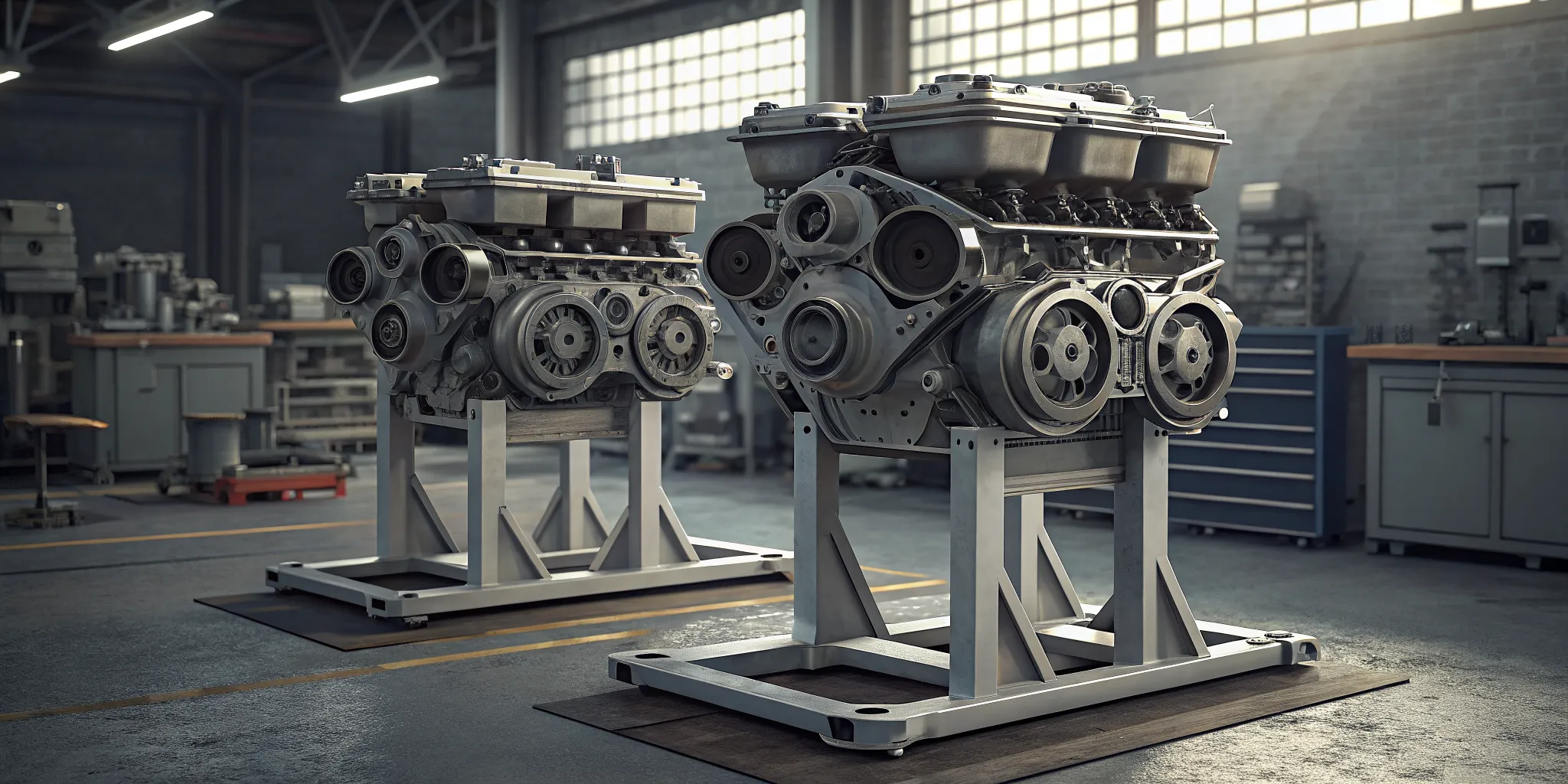
EJ205 vs EJ255 vs EJ257 shows three clear paths for a Subaru engine build. The EJ205 is a 2.0-liter engine found in early WRX models that likes high revs but lacks low-end torque. Instead, the EJ255 and EJ257 are both 2.5-liter blocks that offer more size and better mid-range pull. The main gap lies in the deck design and inside strength. Most EJ255 engines use an open-deck layout that works well for daily driving but can flex under high boost. The EJ257 often has a semi-closed deck. This design adds support for the cylinders during track use or high boost. According to Crawford Performance, your choice should match your power goals and your specific model year to ensure the parts fit and last. Each motor has its own limits for safe tuning and heat.
Shop Crawford Performance built Subaru short blocks after you confirm the right engine path for your chassis and goals.
You need to know how these motors differ before you buy parts or start a swap. We will look at each engine based on its factory use, deck style, and power limit. The EJ205 vs EJ255 vs EJ257 comparison below helps you find the right path for your next car project.
EJ205 vs EJ255 vs EJ257 at a glance
Subaru engines in the EJ family share many traits, but key specs differ across the 2.0L and 2.5L versions. These parts shape how your car feels and holds up under boost. The EJ205, EJ255, and EJ257 each serve a specific role in the lineup. Most Subaru WRX models rely on these blocks to balance speed with daily use. Knowing the base layout of each engine helps you pick the right path for a build.
Core engine specs
The main shift between these engines is size and deck style. The EJ205 uses a 2.0-liter displacement, while the EJ255 and EJ257 both use a 2.5-liter setup. History shows the U.S. market first saw the turbo 2.5L in the 2004 STI. By 2007, the WRX moved from the 2.0L to the EJ255. These year-to-year changes affect how tuners approach boost, fueling, and component compatibility. These changes impacted how tuners handle boost and fuel needs.
Quick comparison guide
The following table breaks down the main traits for each engine type. Note that year and market can change some details, so always check your specific vin or block code. The EJ257 is the strongest of the three for high-power builds. If you want more than stock power, a built block is often the best choice for reliability.
| Engine | Size | Deck Type | Main Use |
|---|---|---|---|
| EJ205 | 2.0L | Open Deck | Early WRX |
| EJ255 | 2.5L | Open Deck | WRX, Forester XT |
| EJ257 | 2.5L | Semi-Closed | STI |
Build and tuning needs
Deck style is a major factor for engine life. An open deck is fine for stock cars, but a semi-closed deck adds wall support. This helps the EJ257 handle more heat and stress. No matter which block you use, you must match parts to your power goal. Adding a big turbo or intake needs a pro ECU tune to keep the engine safe. The right tune makes sure all parts work as one unit.
Which Subaru models used each EJ engine?
Finding the right engine code for your car can be tricky. Subaru used many types of the EJ series in their US cars over the years. Knowing the clear split between these blocks helps you buy the right parts for your car build or repair job.
US models and engine codes
The 2.0-liter EJ205 is a dual overhead cam engine found in early cars. This block was used in the first US market Impreza WRX cars. For the 2004 model year, the US got its first turbocharged 2.5-liter engine in the Impreza WRX STI. That car used the EJ257 block. The WRX models then made a shift from the 2.0-liter block to a 2.5-liter EJ255 engine for the 2007 model year. You can find out more about these options from an academic report on Subaru engines.
The exact car model tells you which factory block it came with. The EJ257 block belongs to the STI model. In contrast, other turbocharged 2.5-liter EJ cars like the WRX, Forester XT, and Legacy GT used the EJ255 engine. You can read more about these basic car layouts in this EJ255 vs EJ257 short block guide. These two engines belong to the same 2.5-liter group and share a very similar core setup.
Fitment risks and head specs
You cannot look at the block stamp alone to know if an engine fits your car. Market, model year, and smog parts change how things bolt up. The parts above the block change the engine ratio too. The piston dish and the cylinder heads on top of the block affect the final compression ratio. For this reason, a simple block label does not tell you the whole story. Car builds should match the planned power level, year, and cylinder heads, not just the trunk badge.
The type of deck setup also varies between car models. Standard WRX builds use an open-deck short block layout. On the other side, STI cars use a semi-closed deck design for more strength. Rebuilds that stay stock can use the factory style setup. But you should pick a built block if you want high boost, track use, or more power. You can also view this early WRX engine history to see how early 2.0-liter blocks use distinct heads and cam setups.
How displacement changes the engine's character
The jump from a 2.0-liter engine to a 2.5-liter engine changes how a Subaru feels. For years, the EJ205 powered the WRX with its 2.0-liter design. Later, Subaru moved to the EJ255 and EJ257 models. These 2.5-liter blocks have more room for air and fuel. This extra space makes a new power curve that drivers feel every time they go fast.
Spool versus torque
A big engine like the EJ257 makes more torque at low speeds. This means the car feels strong when you pull away from a stop. You do not have to wait long for the power to start. In the U.S., the turbocharged 2.5L engine first came in the 2004 STI. It gave drivers a big gain in torque over the old 2.0-liter motors.
Small engines like the 2.0L EJ205 often take time to "spool" the turbo. This means you might feel a pause before the full power hits. But once it hits, the push can feel very fast and fun. Many fans like this "peaky" feel. Still, the 2.5L EJ255 makes for a smooth daily drive. It has a wide power band that helps in city traffic or on steep hills.
How bore and stroke matter
The 2.0L and 2.5L engines have other inner shapes. The 2.0L engine has a short "stroke." This is the distance the piston moves up and down in the block. A short stroke lets an engine rev high and fast without much stress. This makes the 2.0L feel like a race car that loves the redline. It is a great pick for track days where you keep the revs high all day long.
The 2.5L blocks have a large "bore" or wide cylinders. This leaves more room for big valves and better air flow through the heads. They may not rev as high as a built 2.0L, but they have a lot of low-end grunt. The EJ257 is made for the STI and has a semi-closed deck for more strength. This design helps the block handle the high stress of big torque loads and high boost.
Picking the right engine
Picking between these engines depends on your goals. A 2.0L build is about high-rev fun and top speed. A 2.5L build focuses on low-end punch and mid-range power. But remember that size is only one part of the plan. You must look at the whole Subaru engine package to get the best results.
Your choice should match your model year and power goals. Some builders like the 2.0L for its thick walls and safety at high boost. Others want the 2.5L for its easy torque and street use. No matter which you pick, a good tune is a must. Good software makes sure your parts work well without breaking the block.
Which EJ engine is best for a performance build?
Set clear power goals
Picking the best motor for your car depends on how you plan to use it. A street car needs to stay cool and run well on pump gas. A track car might need much more boost and parts that can take a lot of heat. You must decide on a power goal before you buy any parts. A build that tries to do too much often fails or costs too much money.
Most drivers find that a goal of 300 to 400 horsepower is a good spot for a fun street car. This level of power often works with stock-style blocks if the tune is right. If you want to go past 500 horsepower, you will need a built block. Using the right Subaru WRX motor guide can help you see which path fits your budget and your speed goals.
EJ205 vs EJ255 vs EJ257
The EJ205 is a 2.0-liter motor used in early WRX models. It is a 2.0L DOHC turbo engine that works well for light mods. It revs high but lacks the low-end torque of the larger motors. For many owners, the move to a 2.5-liter block is the best way to get more speed. The extra size helps the turbo spool fast and makes the car feel more alive on the road.
The EJ255 and EJ257 are the two main 2.5-liter choices. Both share a like layout but have other deck styles. The EJ257 comes in the STI and often has a semi-closed deck for more strength. The EJ255 is found in the WRX and Forester XT. When you look at EJ255 vs EJ257 types, note that the deck style helps with head gasket life under high boost. The Subaru 2.5 turbo engine first came to the U.S. in 2004 and changed how people built these cars.
Choosing a short block by its name alone is not always a safe bet. You must also think about the heads and pistons. These parts change the compression ratio of the motor. A block with the wrong heads might have too much compression for high boost. This can lead to knock and ruin your new build. Always check that all your parts match before you start to put the motor together.
Look at the whole package
A fast car is more than just a strong block. You also need a good fuel system and cooling parts. Large turbos make a lot of heat, so you will need a big intercooler. The boxer design of the EJ motor keeps the weight low in the car. This helps the car turn well, but the motor needs good oil flow to stay safe. Built blocks are often the best choice for cars that see a lot of track time.
The final step for any build is a pro tune. New parts like an intake or a bigger turbo need a new ECU map to work. A tuner sets how much fuel and spark the motor gets. This keeps the engine safe while making the most power it can. Without a good tune, even the best parts can fail. Safe power comes from a plan where every part works as one with the others.
Explore Crawford Performance long blocks when your build calls for a more complete, matched assembly.
Questions to answer before selecting an engine path
Choosing the right motor for your Subaru build requires more than just picking a model badge. You must consider how you plan to use the car and what parts you already have on the shelf. Making the wrong choice can lead to poor fitment or low power gains. Answer these key questions to find the best path for your EJ205 vs EJ255 vs EJ257 project.
What are your power goals?
Your target power and boost levels are the first things to define. A stock-style rebuild is fine if you want to keep the car for daily use. But if you want big power or plan to take the car to the track, you may need a built block. Built blocks use stronger internal parts to handle high stress and more boost without failing. Matching your engine internals to your power goals is the best way to make sure your motor lasts.
Which cylinder heads will you use?
The heads you choose will affect your final compression and how the motor runs. You cannot rely on a short block label alone to tell the full story of your build. For example, the same EJ255 block can have different compression rates based on the cylinder heads bolted to the top. This is why you must check for fitment before you buy any parts. If you mix the wrong heads and block, you may end up with a motor that does not run well.
- Verify your chassis and year. Note the year and model of your car to ensure the block fits your frame. For example, the U.S. WRX used a 2.0-liter engine until it changed to the 2.5-liter EJ255 for the 2007 model year.
- Set a clear power target. Decide if you want a stock daily driver or a high-boost track car before you pick your block.
- Check your existing parts. List the parts you plan to reuse, such as the turbo and heads, to confirm they work with the new block.
- Plan for a professional tune. Budget for a custom ECU tune after you finish the build to make sure all your new parts work together safely.
- Confirm fitment with an expert. Talk to a pro to verify that your chosen engine path is right for your specific car and goals.
Will you need a custom tune?
New parts like a block, intake, or turbo cannot work alone. You must pair these parts with a professional ECU tune to ensure the car stays safe. A good tune makes all the parts work as one package for the best gains. Without it, you risk damage to your new motor. Always plan to have an expert tune your Subaru once the new parts are in place.
Short block or long block: choosing the right starting point
Review Crawford Performance's built Subaru short blocks and built-to-order Subaru long blocks only after confirming your engine code, cylinder heads, supporting parts, and power target.
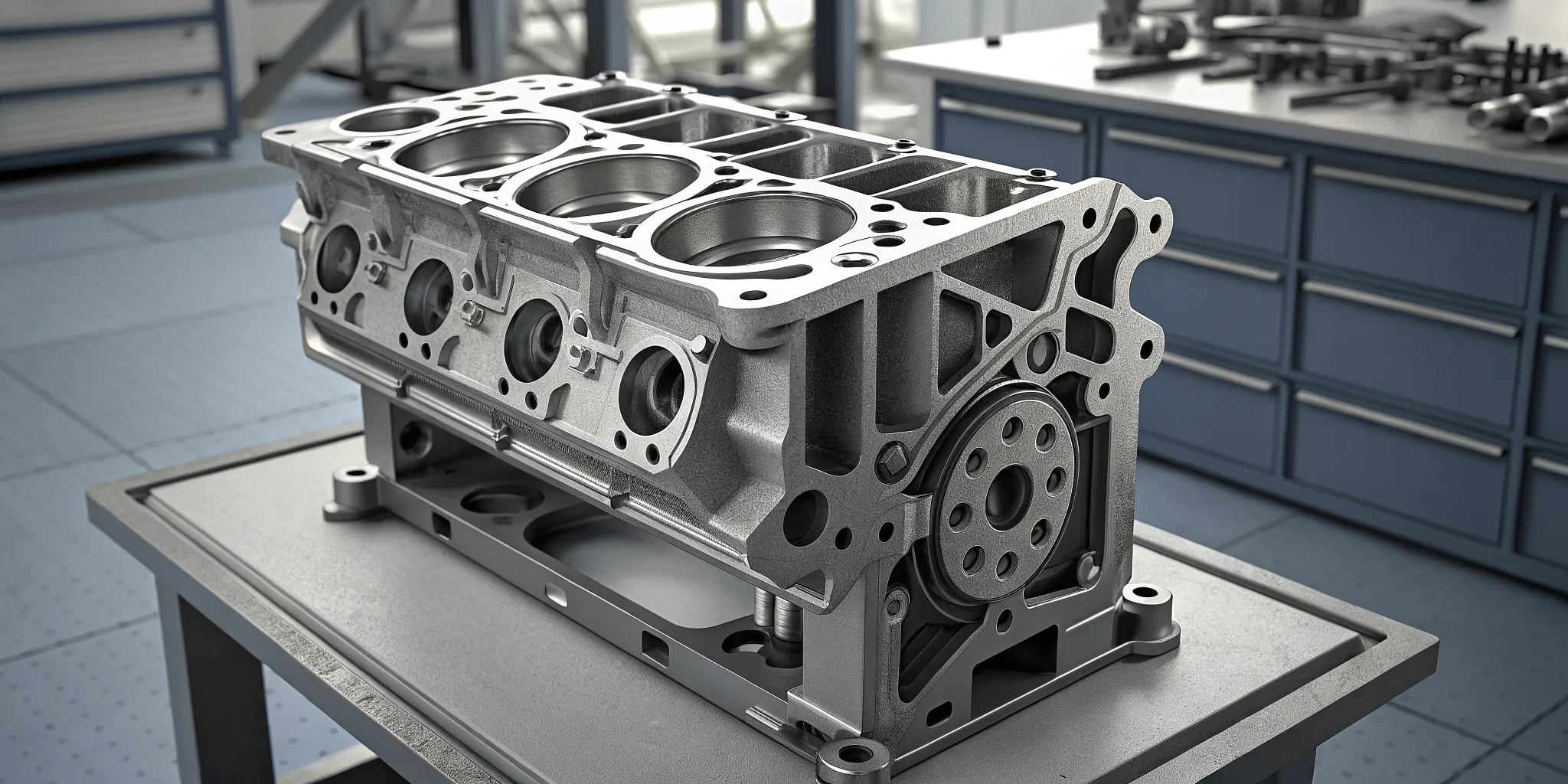
Picking the core of your build is the first big choice. You must decide between a short block or a long block based on your goals and what parts you already have. A short block is just the bottom half of the motor. It has the block, crank, rods, and pistons. A long block is the full unit. It adds the cylinder heads, cams, and valve gear to the bottom half. Most people choose a short block when their old heads are still in good shape and can be reused. This helps keep costs down while still giving you a fresh start.
Check your current engine parts
Before you buy, you need to check what you have. If your car had a big failure, metal bits might be in the oil. These bits can hide in the heads or cams. You must clean and test your heads to see if they are safe to use again. This is key for the EJ205 or newer 2.5-liter units. If the heads are cracked or warped, a full long block is the better path. It saves time and ensures the whole engine is new from top to bottom.
Match the block to your goals
Your power goals should guide your choice. For a stock fix, an OEM-style block works well. But if you want more boost or track time, a built block is a better fit. Stronger parts inside the block handle the extra heat and stress of more power. You should also match the block to your model year and the heads you plan to use. As noted by academic sources, the U.S. first saw the turbo 2.5L in the 2004 STI. Today, owners of the WRX and STI often upgrade to get more out of their cars.
Pick the right engine series
The EJ255 vs EJ257 vs EJ205 choice depends on your chassis and tune. The EJ255 and EJ257 are both 2.5-liter turbo motors with a similar core layout. But they have different piston designs and deck types. The WRX often uses an open-deck block while the STI has a semi-closed deck for more strength. Make sure your tuner knows which one you pick. They will need to adjust the ECU for the new compression ratio and parts to keep the engine safe and reliable.
Frequently Asked Questions
How does the boxer engine design help Subaru WRX handling?
The boxer engine has a flat design. This layout places the pistons flat instead of upright, which keeps the weight low in the car. A low center of gravity gives the car better handling when you drive through sharp turns. According to a Subaru WRX motor guide, this layout helps the car turn well, but the flat engine needs great oil flow to stay safe.
Why do I need an expert ECU tune after changing engine parts?
Upgrading parts like a cold air intake, high-flow exhaust, or a larger turbo alters how air and fuel mix. The factory computer cannot adjust to these big updates on its own. According to a Subaru WRX motor guide, you must pair new hardware with an expert ECU tune. The new computer map ensures all parts work together to give you safe, steady power gains without risking a blown engine.
Can I buy a Subaru short block based on the label alone?
No, you should not choose a block by the badge or label alone. The piston shape and the cylinder heads on top of the block change the final compression ratio. If you mix the wrong parts, the engine might have too much compression for high boost. A guide on the EJ255 vs EJ257 short block states that your power goals should make the call for a proper fit.
Ready to choose the right engine path for your Subaru?
Before ordering, confirm your chassis, model year, engine code, heads, supporting parts, power target, and tuning plan. Fitment and compatibility can vary by year and market, and no EJ engine is universally best for every build.
Shop Crawford Performance to compare compatible engine options and supporting parts.